How To Use RCBS Hand Priming Tool: Easy Step-By-Step Guide
To use an RCBS hand priming tool, load the correct shell holder, seat a primer gently, and inspect every round.
Learning how to use an RCBS hand priming tool is a simple way to gain better control over primer seating during handloading. The tool gives useful feedback through your fingers, but safe results depend on the correct shell holder, primer size, steady pressure, and careful inspection. This guide explains the process in plain steps, including setup, common mistakes, safety checks, and troubleshooting.
What an RCBS Hand Priming Tool Does
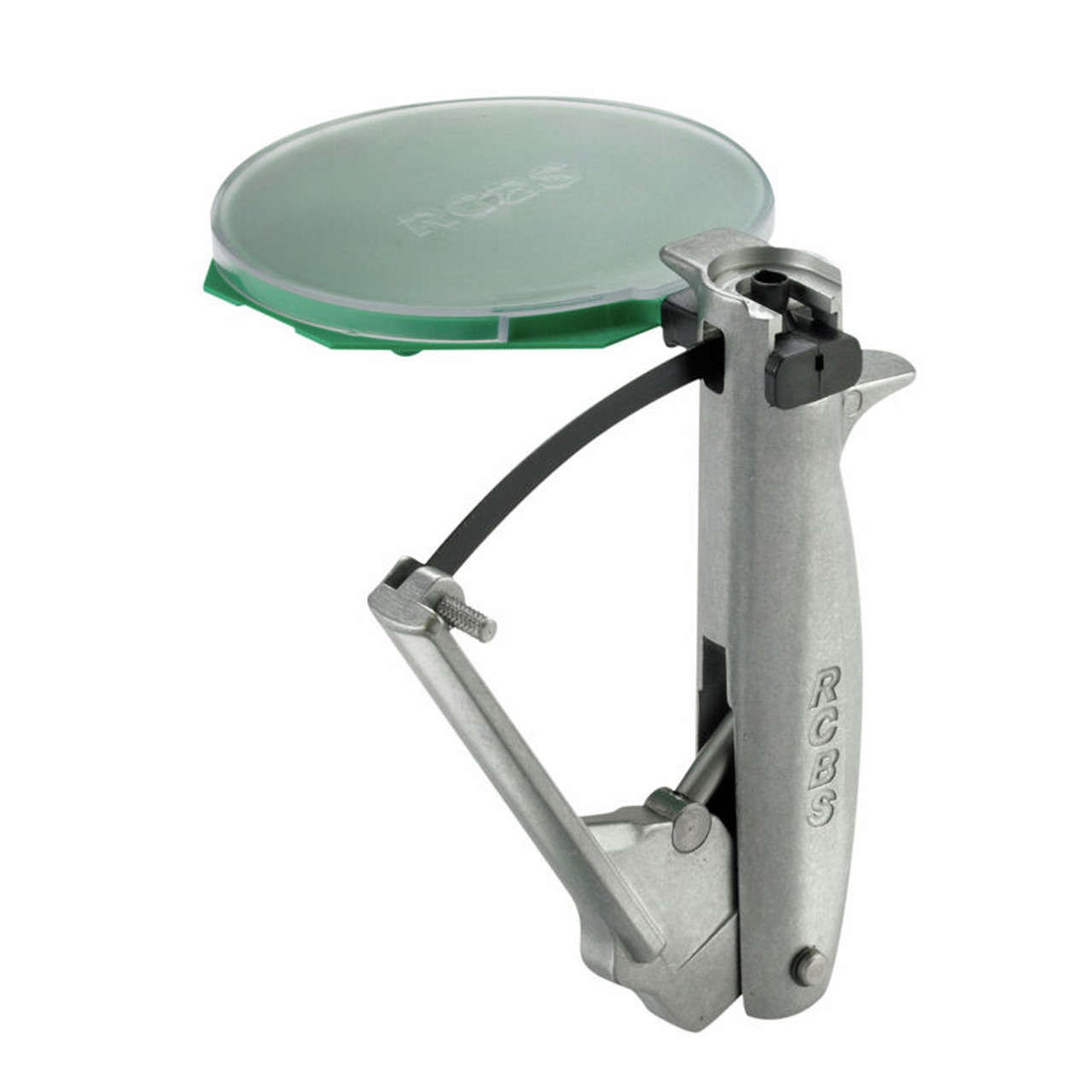
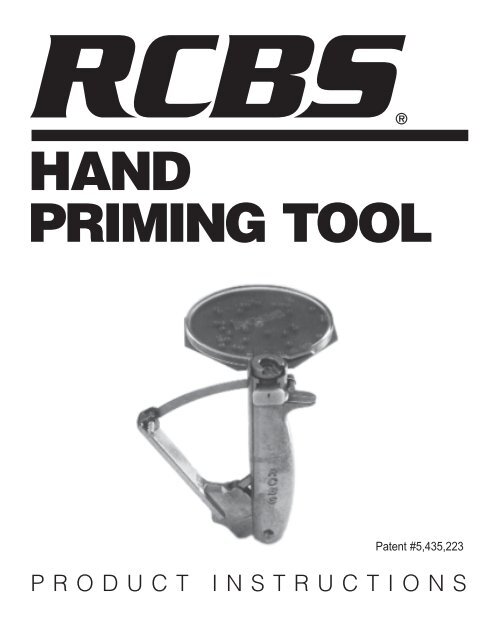
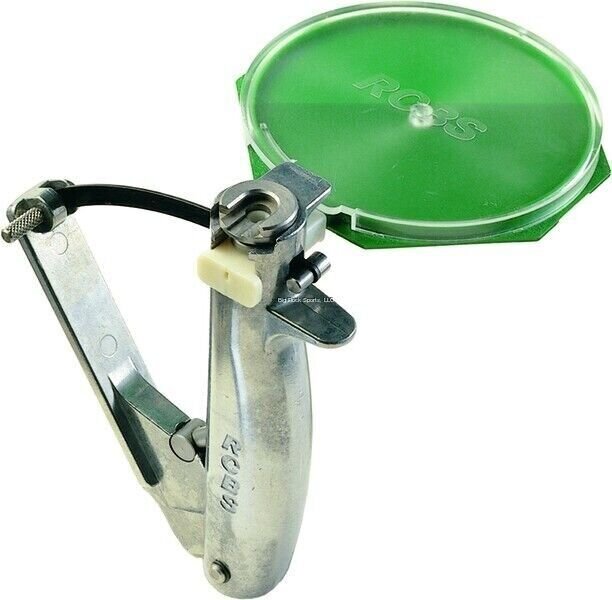
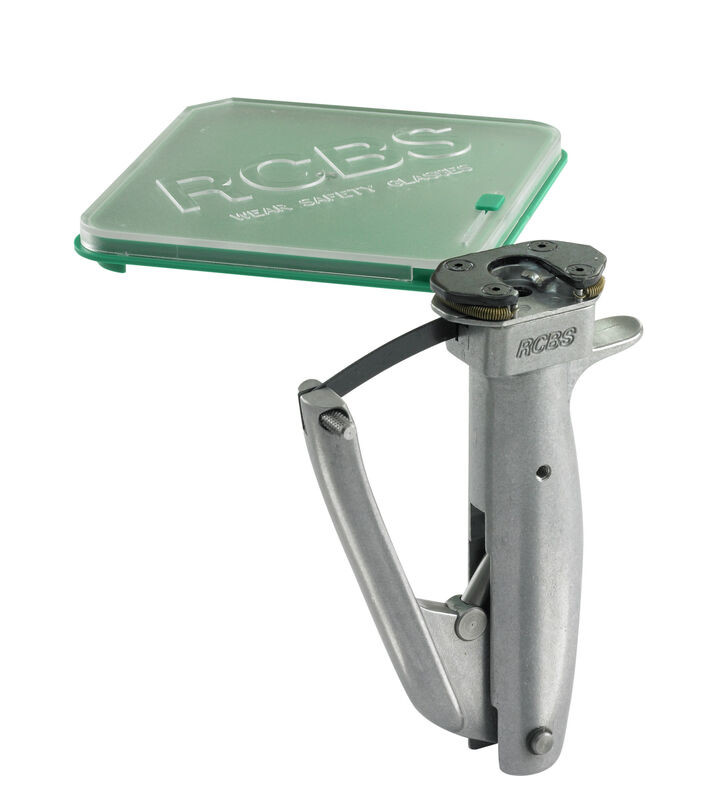
An RCBS hand priming tool seats primers into prepared cartridge cases. It uses a small primer tray, a shell holder, and a seating ram. When you squeeze the handle, the ram pushes the primer into the primer pocket.
The tool is popular because it separates primer seating from the loading press. This lets you hold the case in one hand and feel the primer as it enters the pocket. That feel can help you spot a tight pocket, a dirty case, or a primer that does not fit.
Most RCBS hand priming tools work with interchangeable shell holders. The shell holder must match the cartridge case. A shell holder for .45 ACP, for example, may not fit a .223 Remington case correctly.
An RCBS hand priming tool does not replace case preparation. Cases must be clean, sized, deprimed, and inspected before you begin. The primer pocket must also be free of heavy fouling and damaged brass.

What You Need Before You Begin
Before learning how to use an RCBS hand priming tool, gather the right equipment. Good preparation prevents most problems at the bench.
You will need:
• An RCBS hand priming tool in good condition
• The correct RCBS shell holder for your cartridge
• Small or large primers that match your loading data
• Clean, resized, and deprimed cartridge cases
• A primer tray
• Safety glasses
• A well-lit, clean work area
• The correct reloading manual
Check the cartridge manufacturer’s data before selecting a primer. Primer type is not chosen by appearance alone. Small pistol, small rifle, large pistol, and large rifle primers differ in size and performance.
Keep primers away from oil, solvents, powder, heat, and open flames. Do not mix primer types in the same tray. If you stop during the process, place the tool and primers in a safe position before leaving the bench.
Wear safety glasses whenever you handle or seat primers. A primer can ignite if it receives a sharp impact, although careful handling greatly reduces this risk.

How to Set Up an RCBS Hand Priming Tool
Correct setup is the foundation of safe and consistent primer seating. Take a few minutes to identify each part before installing primers.
1. Read the tool manual
RCBS has produced several hand priming tool designs. The exact tray, shell holder, and primer feed system can vary by model. Read the instructions for your specific tool before loading it.
Do not rely only on a video or a general guide. A manual explains the correct parts, primer orientation, and adjustment method for that model.
2. Install the correct shell holder
Insert the shell holder into the tool as described in the manual. It should lock into place without force.
Test the fit with an empty case. The case should slide into the shell holder smoothly and remain secure while you operate the handle. If the case rocks, binds, or falls out, stop and check the shell holder number.
3. Install the correct primer ram
RCBS hand priming tools usually use separate components or settings for small and large primers. Select the ram that matches the primer size.
A small primer should not be forced into a large-primer setup, and a large primer should not be placed in a small-primer system. The wrong setup can damage the primer or the tool.
4. Check the primer seating adjustment
If your model has an adjustment feature, set it according to the manual. Start with a conservative setting. You can make small changes after checking a test case.
The goal is to seat the primer slightly below the case head. It should not stand proud, and it should not be crushed deeply into the pocket.

How to Use an RCBS Hand Priming Tool Step by Step
The basic process is easy, but each step matters. Work slowly until the motion feels natural.
Step 1: Inspect the cases
Look at each case before placing it in the tool. Reject cases with split mouths, deep scratches, damaged rims, heavy corrosion, or loose primer pockets.
Check the primer pocket for dirt and leftover primer material. A heavily fouled pocket can stop the new primer from seating fully.
If the case has been cleaned, make sure no media remains in the primer pocket. A small piece of media can prevent proper seating.
Step 2: Load primers into the tray
Place the correct primers into the primer tray. Use only one primer type at a time.
Gently shake or move the tray so the primers turn anvil side up. The open cup should face down, while the flat side faces up. Follow the RCBS instructions for your model, since tray designs can differ.
Do not use your fingers to flip individual primers while they are in the tray. If a primer is upside down, remove it safely rather than forcing it through the feed system.
Step 3: Place the case in the shell holder
Hold the tool in a stable position. Insert the prepared case into the shell holder with the primer pocket facing the seating ram.
The case should sit squarely. If it does not enter smoothly, remove it and inspect the rim and shell holder. Never use the handle to force a poorly fitting case into position.
Step 4: Bring a primer under the case
Operate the primer feed gently. The primer should move into position below the primer pocket.
Keep your fingers away from the primer during this step. Avoid shaking the tool or striking the tray. Smooth movement is safer and helps prevent a primer from becoming misaligned.
Step 5: Squeeze the handle slowly
Close the handle with steady pressure. You should feel the primer enter the pocket.
Do not snap the handle shut. Primers are designed to ignite when struck, and sudden force is unnecessary. A controlled squeeze gives better feedback and reduces the chance of crushing or tilting the primer.
Step 6: Check primer depth
Remove the case and inspect the primer. It should be seated below the case head, usually just enough that it does not catch when you lightly run a fingertip across it.
A primer that sits high can create a dangerous condition in some firearms. A primer that is badly crushed may also be unsafe. Set aside any questionable case for careful inspection.
Step 7: Repeat the process
Continue with the remaining cases only after the first few look correct. Pause if the pressure or feel changes.
Consistency matters more than speed. The RCBS hand priming tool is designed to give you feedback, so use that feedback instead of trying to finish as quickly as possible.
How Deep Should a Primer Be Seated?
A primer should sit slightly below the case head. The exact depth depends on the cartridge and primer pocket, but the primer should not be flush or above the case head.
The most important check is function and feel:
• The primer should be below the case head.
• It should sit level in the primer pocket.
• It should not be tilted.
• It should not show crushed edges.
• It should not spin loosely in a worn pocket.
Some reloaders use a depth gauge or a flat inspection surface for added consistency. For general handloading, careful visual and fingertip checks are still essential.
Never attempt to correct a high primer by striking it with a tool. Remove the case from your loading batch and follow a safe procedure from a trusted reloading manual. If you are unsure, discard the suspect round according to local rules or ask an experienced reloader for help.
Common Mistakes When Using an RCBS Hand Priming Tool
Small errors can affect ignition, reliability, and safety. These are the mistakes seen most often when learning how to use an RCBS hand priming tool.
Using the wrong shell holder
A shell holder that looks close may still be incorrect. The rim shape and case dimensions must match the cartridge.
Check the RCBS shell holder chart and confirm the part number. Do not force a case into a shell holder that does not fit.
Mixing small and large primers
Small and large primers are not interchangeable. Mixing them can damage the tool and create serious loading errors.
Keep primers in their original packaging until you are ready to use them. Return unused primers to the correct container.
Seating primers with too much force
The handle should not require extreme pressure. Excess force may mean the primer is the wrong size, the pocket is dirty, the case is not aligned, or the adjustment is incorrect.
Stop when the pressure feels unusual. Investigate the cause instead of pushing harder.
Ignoring loose primer pockets
A loose primer pocket can allow the primer to move or fall out. This is a case defect, not a tool adjustment problem.
Set the case aside. Do not try to compensate by seating the primer deeper.
Priming dirty cases
Dirt and tumbling media can prevent the primer from reaching the correct depth. Clean the pocket before priming, and inspect it under good light.
Working too fast
Speed can hide changes in feel. A steady rhythm is helpful, but every case still needs a final inspection.
Using damaged tool parts
Inspect the tray, ram, spring, and shell holder. Replace parts that are cracked, bent, badly worn, or difficult to operate.
Tips for Better Primer Seating Consistency
Good technique makes how to use an RCBS hand priming tool easier and more repeatable.
• Prime cases in one organized batch rather than switching between several cartridge types.
• Keep the tool clean and free of spilled primers.
• Use the same hand position for each case.
• Apply smooth pressure instead of squeezing in short, sharp movements.
• Check the first several primers before continuing.
• Sort cases by brand when consistent results matter.
• Keep a simple loading log with the cartridge, primer, brass, and date.
• Stop when you feel tired or distracted.
Case brands may use primer pockets with slightly different dimensions. That is one reason a familiar case may feel different from another case of the same caliber.
Experienced reloaders often describe primer seating as a conversation between the hand and the case. A clean pocket feels smooth. A damaged or obstructed pocket often feels rough, hard, or uneven. Pay attention to that difference.
Troubleshooting an RCBS Hand Priming Tool
The primer will not enter the pocket
First, confirm the primer size and shell holder. Then inspect the pocket for dirt, crimping, or damage.
Military-style brass may have a crimp around the primer pocket. That crimp must be removed with the correct case-preparation tool before a new primer can seat properly.
The primer seats too high
A high primer can result from an adjustment problem, a dirty pocket, an incorrect primer, or incomplete handle travel.
Do not use the round until you identify the cause. Check the case and tool setup, then consult the RCBS instructions.
The primer goes in crooked
A crooked primer usually means the primer was not aligned with the pocket or the case was not seated squarely in the shell holder.
Remove the case from the batch. Do not try to force the primer straight with another tool.
The handle feels unusually hard
Stop immediately. Check for a wrong primer size, a damaged pocket, a blocked feed path, or a primer sitting off center.
A hand priming tool should provide firm but controlled resistance. Unusual force is a warning, not a challenge.
Primers do not feed correctly
Inspect the tray and primer channel for dirt, spilled primers, or a damaged part. Confirm that the tray is installed in the correct position for your model.
Never add oil to the primer feed system. Oil can contaminate primers and cause ignition problems.

Safety Rules for Hand Priming
Primer safety deserves more attention than speed. Primers contain sensitive ignition compounds, so treat them with care.
Follow these rules:
• Wear safety glasses.
• Keep primers away from heat, sparks, flame, and chemicals.
• Use only the primer type listed in reliable loading data.
• Never force a primer into a pocket.
• Do not use damaged or contaminated primers.
• Keep primers in their original packaging when stored.
• Store primers in a cool, dry place according to local laws and manufacturer guidance.
• Keep children and unauthorized people away from the loading area.
• Do not smoke while handling primers or ammunition components.
• Clean up spilled primers carefully and follow local disposal guidance.
The Sporting Arms and Ammunition Manufacturers’ Institute, commonly called SAAMI, publishes industry standards for ammunition and components. Reloading manuals from established manufacturers also provide tested data and safety guidance. Use published data rather than guessing.
Do not use internet load data from an unknown source simply because it looks convenient. Primer choice, case capacity, powder type, bullet weight, and seating depth all affect pressure.
))/1485836.json)
Maintenance and Storage
A clean RCBS hand priming tool works more smoothly and gives better feedback. After each session, remove loose primers and powder residue from the tray and feed area.
Use a soft brush or dry cloth unless the manufacturer gives different instructions. Avoid lubricants near primers. Oil and solvent can contaminate primer compounds.
Inspect the tool before storage. Look for:
• Cracks in the tray
• Bent or worn primer rams
• Damaged springs
• Loose fasteners
• Burrs around the shell holder
• Primer residue in the feed path
Store the tool in a dry place. Keep primers separate from the tool if the tool will be exposed to oil, solvents, or heavy shop dust.
When to Replace a Case or Primer
Knowing when to stop is part of learning how to use an RCBS hand priming tool. Brass is reusable, but it is not indestructible.
Discard or separate a case when you see:
• A split neck or mouth
• A deep crack
• A damaged rim
• Severe corrosion
• A loose primer pocket
• A bulge or other unusual deformation
• A primer pocket that will not hold a primer correctly
Discard a primer if it is wet, crushed, dented, contaminated, or otherwise damaged. Do not try to repair a defective primer.
When in doubt, set the component aside. The cost of one case or primer is small compared with the risk of using a questionable component.
Frequently Asked Questions About How to Use an RCBS Hand Priming Tool
How do you load primers into an RCBS hand priming tool?
Place the correct primers in the tray and orient them according to the instructions for your model. Confirm that the primer size matches the installed ram and that the primers feed smoothly before inserting a case.
Which shell holder does an RCBS hand priming tool use?
The tool uses an RCBS shell holder matched to the cartridge case. Check the RCBS shell holder chart or your tool manual because similar cartridges may require different shell holders.
How far below the case head should a primer sit?
A primer should sit slightly below the case head and remain level in the pocket. It should not be proud, tilted, crushed, or loose.
Why is my RCBS hand priming tool hard to squeeze?
Hard pressure can indicate a dirty or crimped primer pocket, a wrong primer size, poor case alignment, or an incorrect tool setup. Stop and inspect the case and tool instead of forcing the handle.
Can you use an RCBS hand priming tool for rifle and pistol cases?
Many RCBS hand priming tools can prime both rifle and pistol cases when the correct shell holder, ram, and primer size are installed. Always confirm compatibility in the instructions for your specific model.
Should you lubricate an RCBS hand priming tool?
Do not place oil or lubricant near primers or the primer feed path. Follow the manufacturer’s maintenance instructions and use only approved methods for moving parts away from primer contact.
What should you do with a high primer?
Set the case aside and find the cause before using it. Check the pocket, primer size, tool adjustment, and seating alignment, and follow a trusted reloading manual for corrective steps.
Conclusion
Learning how to use an RCBS hand priming tool comes down to correct parts, clean cases, gentle pressure, and careful inspection. Use the right shell holder and primer ram, seat each primer slightly below the case head, and stop whenever the tool feels unusual.
The best results come from a slow, repeatable process. Start with a small batch, inspect every case, and use published loading data from a reliable manual. Practice these habits at your bench, explore the instructions for your exact RCBS model, and share your questions or loading lessons with other careful reloaders.
Recent Tool Guides
 Hammer
How To Hammer Flowers Onto Paper: Easy Guide
Learn how to hammer flowers onto paper with simple steps, helpful tips, and beautiful results for...
Read Guide → Wrench
How To Use A Hex Wrench: Easy Step-By-Step Guide
Learn how to use a hex wrench correctly with simple steps, helpful tips, and common mistakes...
Read Guide → Hacksaw
How To Cut Curtain Pole With Hacksaw: Easy Guide
Learn how to cut curtain pole with hacksaw safely and neatly. Follow simple steps for accurate...
Read Guide → Wrench
How To Use A Husky Torque Wrench: Easy Guide
Learn how to use a Husky torque wrench correctly with simple steps, torque settings, and safety...
Read Guide → Hammer
How To Hold A Hammer: Safe Grip Guide
Learn how to hold a hammer with the right grip, stance, and technique for safer, more...
Read Guide → Hacksaw
How To Cut Flexible Metal Conduit With Hacksaw: Easy Guide
Learn how to cut flexible metal conduit with hacksaw safely and cleanly. Follow simple steps for...
Read Guide →