

Yes, you can cut steel pipe with a hacksaw when you use the right blade, steady pressure, and safe technique.
A hacksaw is a simple, low-cost tool that can cut many steel pipes cleanly without power or sparks. After working with steel tubing, threaded pipe, and repair projects, I have found that the blade choice and pipe support matter more than brute force. This guide explains when you can cut steel pipe with a hacksaw, how to do it safely, and when another cutting tool is a better choice.

Can You Cut Steel Pipe With a Hacksaw?
Yes, you can cut steel pipe with a hacksaw. A standard hacksaw uses a thin, hardened steel blade with teeth that remove small chips as you push the tool across the pipe. It can cut carbon steel, galvanized steel, stainless steel, and many thin-wall steel tubes.
The job is easiest when:
• The pipe is firmly clamped
• The blade is sharp and suited to metal
• The cut line is marked clearly
• You use slow, even strokes
• You allow the blade to do the work
A hacksaw is often the best choice for one or two cuts. It costs little, works without electricity, and gives you good control. It also creates less heat than an abrasive wheel or torch.
However, cutting thick steel pipe by hand takes time. A power tool may be more practical for large pipe, repeated cuts, or heavy wall thickness.
When Is a Hacksaw Suitable for Steel Pipe?
A hacksaw works well for common home repairs, plumbing changes, small fabrication jobs, and metalwork projects. It is especially useful when you need a clean cut in a tight space.
You can usually cut:
• Black steel pipe
• Galvanized steel pipe
• Mild steel tubing
• Stainless steel pipe
• Steel conduit
• Thin-wall structural tubing
The pipe diameter does not tell the whole story. Wall thickness matters just as much. A thin 2-inch steel tube may cut faster than a thick 1-inch pipe with a heavy wall.
For occasional work, a hacksaw is practical up to moderate thickness. For very thick pipe, expect more effort and a longer cutting time. If the blade bends, skips, or becomes hot, stop and inspect the setup.
In my own shop work, I once tried to rush through a thick steel tube with a worn blade. The cut wandered, and the final edge needed much more cleanup. A fresh blade would have saved time and produced a straighter result.

What Hacksaw Blade Should You Use?
The blade is the most important part of the tool. Use a blade made for cutting metal, not wood or plastic. Most metal-cutting hacksaw blades use high-carbon steel or bi-metal construction.
Blade tooth count is measured in teeth per inch, or TPI.
• 14 to 18 TPI works for thick steel and large pipe
• 18 to 24 TPI is a good general choice
• 24 to 32 TPI works for thin-wall pipe and tubing
As a basic rule, at least three teeth should touch the work during each stroke. If too few teeth engage, the blade may catch and strip its teeth. If the teeth are too fine for thick steel, the cut may clog with metal chips.
A bi-metal blade is often worth the small extra cost. Its flexible body resists breaking, while its hardened teeth stay sharp longer. For stainless steel, choose a strong bi-metal blade and use steady pressure. Stainless steel can work-harden if you rub the blade across the surface without cutting.
Tools and Materials You Need
Before you cut steel pipe with a hacksaw, gather the right tools. A good setup improves safety and makes the cut much easier.
You will need:
• A sturdy hacksaw frame
• A sharp metal-cutting blade
• A vise or pipe clamp
• A marker, scribe, or wraparound guide
• A tape measure
• Safety glasses
• Work gloves
• A flat file or deburring tool
• Cutting oil, when suitable
A full-size hacksaw gives you more control than a small junior hacksaw. Check that the blade sits tightly in the frame. Most hacksaw blades cut when moving forward, so install the teeth so they point away from the handle.
Use cutting oil only when appropriate for the material and project. Oil can reduce friction and extend blade life, but it also makes the pipe slippery. Keep your grip and work area secure.

How to Cut Steel Pipe With a Hacksaw
Follow these steps for a clean and safe cut.
1. Confirm the Pipe Is Safe to Cut
Never cut a pipe that may contain gas, steam, pressurized water, fuel, chemicals, or electrical wiring. Shut off, drain, depressurize, and verify the line before starting.
If the pipe is part of an active plumbing, gas, sprinkler, or industrial system, follow the applicable code and use a qualified professional when needed. A hacksaw cannot make an unsafe pipe safe.
2. Measure and Mark the Cut
Measure from a known point and mark the pipe with a permanent marker or scribe. For a straight cut, wrap a strip of paper around the pipe and align its edges. Trace along the paper to create a guide line.
This simple method works like a belt around the pipe. It helps keep the line square, especially when you do not have a pipe-cutting guide.
3. Secure the Pipe
Place the pipe in a vise or pipe clamp. Use wood, leather, or soft jaws to protect finished surfaces. Tighten the vise enough to hold the pipe, but do not crush thin-wall tubing.
Support long pipe on both sides of the vise. Unsupported pipe can vibrate, pinch the blade, or move as you cut.
4. Start a Shallow Groove
Place the blade on the cut line and make a few short strokes. Keep the blade at a right angle to the pipe. These first strokes create a shallow groove that guides the rest of the cut.
Do not start with long, forceful strokes. A shallow groove gives the blade a track and reduces the chance of slipping.
5. Use Long, Even Strokes
Once the groove is established, use smooth strokes over most of the blade length. Apply firm but moderate pressure on the forward stroke, then reduce pressure as you pull back.
Keep the frame straight. Let the teeth cut the metal instead of forcing the blade through it. Excess pressure can bend the blade, damage the teeth, and create a crooked cut.
6. Check the Cut as You Work
Pause every so often to check your angle and blade condition. If the cut begins to slope, adjust the frame gently rather than twisting it sharply.
For thick pipe, you can rotate the pipe in the vise after cutting a short distance. This method can help you maintain a square path around the full circumference.
7. Finish and Deburr the Edge
Support the pipe during the final strokes. A partially cut pipe can break suddenly and leave a rough edge.
After the cut, remove burrs with a file or deburring tool. Run the file around both the outside and inside edges. A smooth edge protects hands, seals, fittings, and cables.

Safety Tips for Cutting Steel Pipe
Cutting steel pipe by hand is safer than using a torch, but it still creates sharp edges and metal chips. Basic protection matters.
Wear:
• Safety glasses with side protection
• Close-fitting work gloves
• Long sleeves and sturdy shoes
• Hearing protection when working for long periods
Keep loose clothing, hair, and cords away from the blade. Do not hold the pipe in your hand while cutting. The pipe can shift, and the blade can slip into your fingers.
Be careful with galvanized pipe. Mechanical cutting does not produce the same intense heat as welding or torch cutting, but the coating can still create dust and sharp flakes. Avoid breathing dust, wash your hands after handling the pipe, and use ventilation.
Do not use a hacksaw on a pipe with unknown contents. Fuel lines, gas lines, and chemical lines can hold dangerous residue even after they appear empty.
Workplace safety guidance commonly emphasizes eye protection, stable workholding, hazard checks, and control of sharp edges. Those principles apply equally to a small home repair.

How Long Does It Take to Cut Steel Pipe?
The time depends on pipe diameter, wall thickness, metal type, blade quality, and your cutting speed. A thin steel tube may take only a few minutes. A thick pipe can take much longer.
Typical factors include:
• Thin-wall tubing cuts quickly
• Thick-wall pipe requires more strokes
• Stainless steel usually takes more patience
• A dull blade can double the work
• Poor support causes vibration and wasted effort
Do not judge progress only by the number of strokes. A steady cut is better than a fast cut that wanders. If the blade stops removing material, replace it rather than pushing harder.

Common Mistakes to Avoid
Many poor cuts come from setup problems rather than a lack of strength. Avoid these common errors when you cut steel pipe with a hacksaw.
Using the Wrong Blade
A wood blade will not cut steel correctly. A blade with teeth that are too coarse may snag thin tubing, while a blade that is too fine may clog in thick material.
Cutting Without a Vise
Holding the pipe with one hand makes the work unstable. The pipe may roll, and the blade may jump. Always clamp the material securely.
Pushing on the Return Stroke
The blade is designed to cut in one direction. Heavy pressure on the return stroke can dull the teeth and make the tool harder to control.
Using a Dull Blade
A dull blade creates heat, friction, and frustration. If the teeth look rounded, missing, or packed with chips, install a new blade.
Twisting the Hacksaw
Twisting can bend or snap the blade. Keep the frame square and let the groove guide the cut.
Skipping Deburring
A cut pipe may look finished, but its edge can be razor sharp. Always file the rim before handling, fitting, painting, or installing the pipe.
Hacksaw vs. Other Steel Pipe Cutting Tools
A hacksaw is not the only way to cut steel pipe. The best tool depends on the pipe, location, finish, speed, and available power.
Tubing Cutter
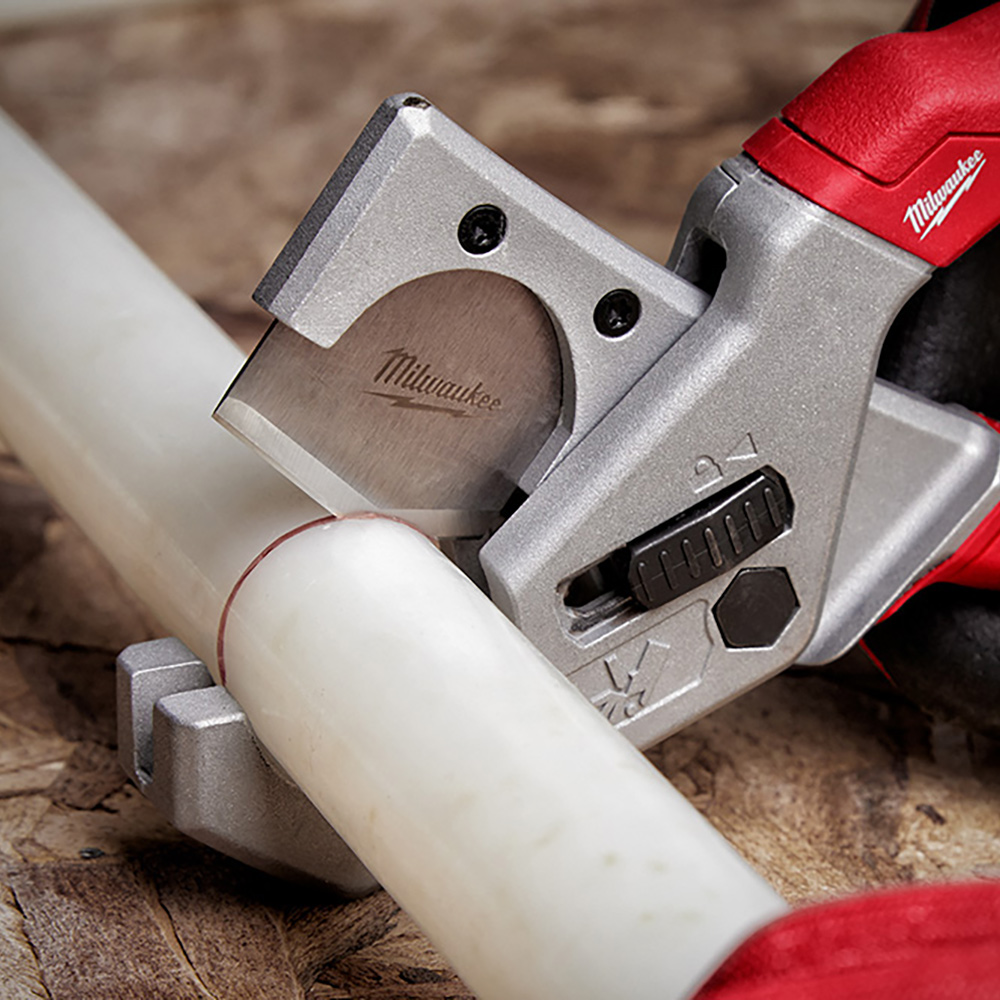
A rotary tubing cutter works well on thin-wall steel tubing. It makes a neat cut with little mess, but it may not handle thick structural pipe. It also creates an inside ridge that may need removal.
Reciprocating Saw
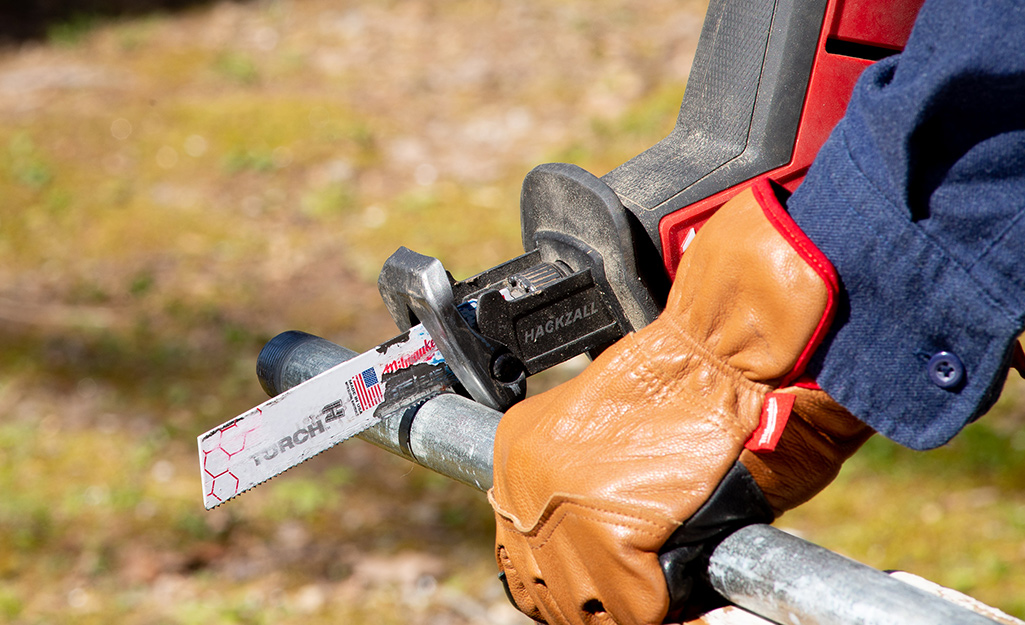
A reciprocating saw cuts faster than a hand hacksaw. It is useful for demolition and hard-to-reach areas, but it creates more vibration and can produce a rougher edge.
Angle Grinder
An angle grinder with a metal-cutting wheel can cut thick pipe quickly. It creates sparks, heat, dust, and noise, so use proper eye, face, hearing, and respiratory protection. Keep sparks away from fuel, wood, insulation, and other flammable materials.
Portable Band Saw
A portable band saw often gives a clean, controlled cut with less spark than an abrasive wheel. It costs more, but it is a strong choice for repeated steel pipe work.
Cold-Cutting Saw
A cold-cutting saw can produce accurate cuts with limited heat. It is useful in fabrication shops, but it may be excessive for a single home repair.
Choose a hacksaw when control, low cost, and low noise matter more than speed. Choose a power tool when you have many cuts or thick material, provided you can manage its safety risks.
How to Get a Straighter Cut
A straight cut begins before the first stroke. Mark the pipe carefully and secure it so it cannot roll.
Use these techniques:
• Wrap paper around the pipe to create a square guide
• Check the mark from several angles
• Clamp the pipe close to the cut
• Start with short strokes
• Keep the blade perpendicular
• Use the full blade length
• Rotate the pipe when practical
• File high spots after cutting
For threaded pipe, avoid damaging the threads. Place the vise on an unthreaded section or protect the threads with soft material. Damaged threads may prevent a fitting from sealing correctly.
If the cut must meet a strict engineering tolerance, a powered saw or machine tool may be more suitable. A hacksaw can make an excellent repair cut, but it is still a manual process.
Can You Cut Stainless Steel Pipe With a Hacksaw?
Yes, you can cut stainless steel pipe with a hacksaw, but it requires more care. Stainless steel is tough and can harden when rubbed without enough cutting action.
Use a sharp bi-metal blade with about 24 to 32 TPI for thin stainless tubing. Apply steady pressure and avoid stopping in the same groove for too long. If you only polish the surface, the metal may become harder to cut.
Cutting oil can help reduce friction when the project allows it. Clean the pipe afterward, especially if it will be used in a sanitary or food-related setting.
Can You Cut Galvanized Steel Pipe With a Hacksaw?
Yes, a hacksaw can cut galvanized steel pipe. The zinc coating does not prevent the blade from cutting the steel beneath it.
After cutting, remove burrs and inspect the exposed edge. The cut area no longer has the original coating, so it may need suitable corrosion protection if the pipe will face moisture.
Avoid heating galvanized steel with a torch or grinder unless you understand the ventilation and coating hazards. A hacksaw produces far less heat and is often the safer choice for a small cut.
What to Do After Cutting Steel Pipe
A good cut is only the first step. Prepare the pipe for its final use.
Deburr the Pipe
Use a file, deburring tool, or suitable reamer. Remove sharp edges from both the outside and inside.
Clean the Surface
Wipe away metal chips, oil, and dust. Do not blow chips toward your face or skin with compressed air.
Inspect the Cut
Look for cracks, crushed walls, heavy burrs, or an angled edge. A fitting may not seat correctly on a damaged end.
Protect the Bare Metal
Apply primer, paint, or another suitable coating when corrosion protection is needed. Follow the coating instructions for surface preparation and drying time.
Test the Assembly
If the pipe is part of a fluid system, inspect and test the connection according to the system’s requirements. Never assume that a clean-looking cut guarantees a safe seal.
Frequently Asked Questions About Can You Cut Steel Pipe With a Hacksaw
Can a regular hacksaw cut steel pipe?
Yes, a regular full-size hacksaw can cut many steel pipes when fitted with a sharp metal-cutting blade. Clamp the pipe securely and use slow, straight strokes.
What TPI hacksaw blade is best for steel pipe?
An 18 to 24 TPI blade is a good general choice for many steel pipes. Use a coarser blade for thick material and a finer blade for thin-wall tubing.
Can you cut steel pipe without a vise?
You can, but it is not recommended. A vise or pipe clamp keeps the material stable, improves accuracy, and lowers the risk of blade slips and hand injuries.
Is cutting steel pipe with a hacksaw hard?
Cutting thin steel pipe is usually manageable, but thick-wall pipe requires time and effort. A sharp blade, good support, and steady pressure make the job much easier.
Can you cut galvanized steel pipe with a hacksaw?
Yes, a hacksaw can cut galvanized steel pipe. Wear eye protection, control the dust, deburr the edge, and protect the newly exposed steel from corrosion when needed.
Can you cut stainless steel pipe with a hacksaw?
Yes, but stainless steel needs a sharp blade and consistent pressure. Avoid rubbing the blade without cutting, because stainless steel can work-harden.
Should you use oil when cutting steel pipe?
Cutting oil can reduce friction and extend blade life, especially on thick or stainless steel. Use it only when suitable, and keep the pipe and your hands secure.
Conclusion
You can cut steel pipe with a hacksaw, and it is often the safest and simplest option for a small job. Use a sharp metal-cutting blade, choose the right TPI, clamp the pipe firmly, and make slow, even strokes. Always check the pipe contents first, wear eye protection, and deburr the finished edge.
For thin or moderate steel pipe, patience usually matters more than power. Try these steps on your next repair, and share your results or questions in the comments.
