Who Buys Used Hand Tools: Best Places To Sell Fast
In the United States, used hand tools are bought by tool dealers, pawn shops, contractors, mechanics, collectors, auction companies, and private buyers. Online marketplaces such as eBay, Facebook Marketplace, and Craigslist can also connect you with local or national buyers.
The best buyer depends on the tool’s brand, condition, age, and value. A clean set of Snap-on wrenches may interest a professional mechanic. A mixed box of common screwdrivers may sell faster at a yard sale or flea market. Rare vintage tools may bring more money from a collector than from a pawn shop.
This guide explains who buys used hand tools, what each buyer wants, how to price your tools, and how to avoid common selling mistakes in the U.S.
The Main Types of Buyers for Used Hand Tools
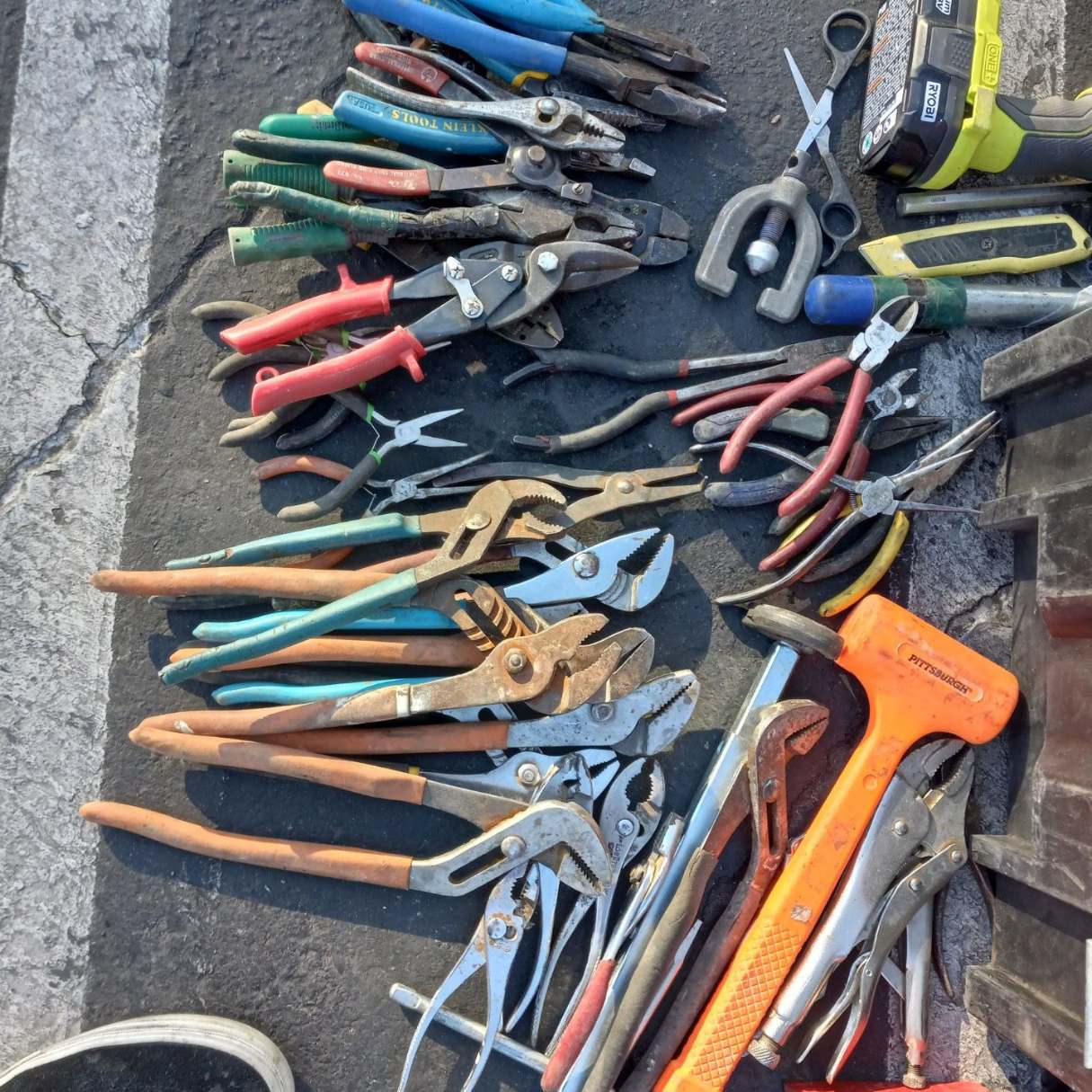
Different buyers pay for different reasons. Some want low prices. Others want trusted brands, rare models, or tools they can resell.
1. Local tool dealers and used tool stores
Used tool dealers often buy hand tools for resale. They may operate from a storefront, a mobile truck, a repair shop, or an online store.
These buyers often look for:
- Professional brands
- Complete wrench and socket sets
- Tools in good working order
- Older tools with clear brand marks
- Tools that are easy to clean and resell
- Large lots from estate, shop, or business closures
A dealer will usually offer less than the final retail price. The difference covers cleaning, testing, storage, advertising, and profit. The benefit is speed and convenience.
Search terms such as “used tool buyer near me,” “used tool store,” and “tool dealer buying tools” can help you find local options. Call before visiting. Some dealers buy only trade tools, while others focus on vintage or industrial equipment.
2. Pawn shops
Pawn shops may buy or lend money on used hand tools. They often prefer tools that have a known resale market.
Pawn shops may be interested in:
- Ratchets and socket sets
- Combination wrench sets
- Pliers
- Torque wrenches
- Clamps
- Specialty automotive tools
- High-end branded tools
A pawn shop may decline low-value tools, incomplete sets, rusty items, or tools with no clear brand. It may also offer a loan instead of an outright purchase. A loan means you must repay the amount, plus any required charges, to get the item back.
Ask whether the quote is for a sale or a pawn loan. These are not the same transaction. Rules for pawn transactions vary by state and local law.
3. Professional mechanics and contractors
Mechanics, electricians, plumbers, carpenters, and maintenance workers often buy used tools for daily work. They may pay more than a reseller if the tool meets a specific need.
Professional users often want:
- Strong tool steel
- Smooth ratchet action
- Accurate measuring tools
- Comfortable grips
- Replacement parts or warranty support
- A complete set with little missing
A contractor may buy a full job lot because it saves time. A mechanic may want one specific specialty tool. Local trade groups, shop bulletin boards, and Facebook groups can help you reach these buyers.
Be clear about wear. A professional buyer will likely test the tool before paying. Do not describe a worn tool as “like new.”
4. Online marketplace buyers
Online marketplaces give you access to more buyers, including collectors and people looking for a specific model.
Common options in the United States include:
- eBay for branded, vintage, rare, and specialty tools
- Facebook Marketplace for local sales and larger lots
- Craigslist for local pickup
- OfferUp for local transactions in supported areas
- Etsy for some vintage or unusual tools, when the item fits its marketplace rules
Online selling may produce a higher price, but it takes more work. You must photograph the tools, write an accurate listing, answer questions, pack the order, and handle shipping or returns.
For heavy tool sets, local pickup may be more practical. Shipping can reduce your profit because of weight and box size.
5. Auction houses and estate-sale companies
Auction companies buy or sell tools from estates, business closures, workshops, and storage units. Some work on commission rather than buying the tools outright.
An auction may suit you when:
- You have many tools
- The tools belonged to a retired tradesperson
- You need to clear a garage or workshop
- The collection includes unusual or vintage items
- You do not want to handle individual sales
Auction results can vary. A rare tool may attract strong bids, while common tools may sell for little. Ask about the commission, listing fees, pickup service, buyer fees, and payment schedule before signing an agreement.
6. Tool collectors and vintage tool buyers
Collectors look beyond basic function. They may care about the maker, model, markings, age, patent details, finish, and original box.
Vintage tool buyers may seek:
- Early American-made tools
- Discontinued brands
- Wooden-handled tools
- Blacksmith and machinist tools
- Early measuring tools
- Unusual trade tools
- Tools with patent dates or maker stamps
Do not clean collectible tools with harsh chemicals or power wheels before checking their value. Aggressive cleaning can remove original finishes and lower collector interest.
7. Scrap metal dealers and recyclers
Scrap yards may accept damaged steel or aluminum tools, but scrap value is usually much lower than resale value.
A recycler may be suitable for tools that are:
- Broken beyond practical repair
- Severely corroded
- Missing key parts
- Unsafe to use
- Too common or damaged to sell profitably
Separate tools with resale value before taking anything to a scrap yard. A rusty hand plane, old machinist tool, or marked wrench may be worth more to a collector than its metal weight.

What Used Hand Tools Sell Best?
The tools that sell best usually have one or more strong traits: a trusted brand, good condition, a complete set, a clear use, or collector interest.
Professional brands
Brand names can affect resale value. Buyers often recognize brands such as:
- Snap-on
- Mac Tools
- Matco
- SK Tools
- Proto
- Wright
- Klein Tools
- Channellock
- Knipex
- Craftsman
- Stanley
- Estwing
- Milwaukee hand tools
Brand alone does not guarantee a high price. A damaged premium tool may be worth less than a clean, complete mid-range set.
Complete sets
Complete sets are often easier to sell than loose tools. Buyers can use them at once and do not need to search for missing pieces.
A set’s value may drop when it lacks:
- Common socket sizes
- The ratchet
- The carrying case
- Special adapters
- Matching pieces
- A key part of the set
Count the pieces. List missing items clearly. A photo of every piece can build buyer trust.
Specialty tools
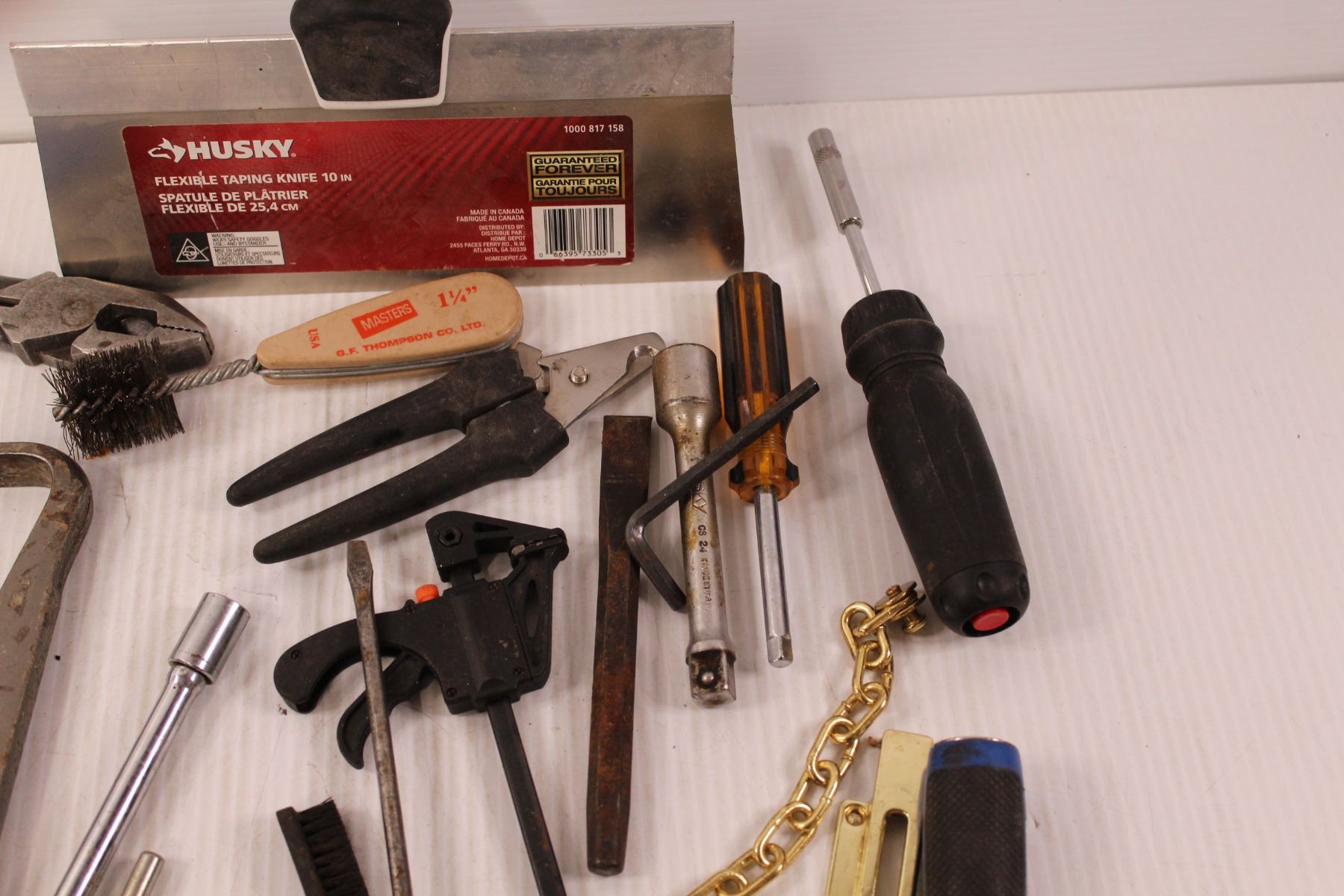
Specialty tools can attract buyers because they solve a specific problem. Examples include:
- Brake tools
- Pullers
- Bearing tools
- Flare tools
- Torque tools
- Pipe tools
- Tile and masonry tools
- Electrical crimpers
- Bicycle repair tools
- Locksmith tools
- HVAC hand tools
A specialty tool may sit longer than a common screwdriver, but the right buyer may pay more.
Vintage and unusual tools
Age helps only when it connects to rarity, quality, design, or collector demand. An old tool is not automatically valuable.
Look for:
- Clear maker marks
- Patent dates
- Unusual designs
- Original packaging
- Matching sets
- Early versions of known brands
- Tools linked to a trade or historic practice
Use sold listings, not only active listings, when researching online prices. An asking price shows what someone hopes to get. A completed sale gives better evidence of what buyers paid.

How to Estimate the Value of Used Hand Tools
There is no single price guide that covers every used hand tool. A practical estimate uses condition, brand, completeness, demand, and selling costs.
Use this simple pricing method
- Identify the tool. Record the brand, model, size, and type.
- Check the condition. Look for rust, cracks, bent parts, worn jaws, damaged teeth, and missing pieces.
- Compare completed sales. Search the exact model on eBay and filter for sold or completed listings when available.
- Check local listings. Compare similar tools on Facebook Marketplace, Craigslist, and local auction pages.
- Adjust for selling costs. Include platform fees, shipping, packing materials, travel, and your time.
- Set a price range. Use a higher price for individual sales and a lower price for a quick lot sale.
A simple hypothetical example
Suppose similar used wrench sets recently sold for $60 to $80 online. Your set is clean but missing two common sizes.
A reasonable local asking price might be below the price of a complete set. If you sell online, you also need to account for fees and shipping. If you sell to a dealer, the offer may be lower because the dealer needs room for resale costs.
This is an example, not a fixed market rule. Local demand and the exact brand can change the result.
Condition matters more than surface shine
Buyers usually care about function first. Check whether:
- Ratchets engage and release
- Pliers open and close evenly
- Cutting edges are not badly chipped
- Adjustable jaws move smoothly
- Measuring tools give consistent readings
- Handles are secure
- No part is cracked or dangerously bent
Light surface rust may be removable. Deep pitting, mushroomed striking ends, broken teeth, and cracked handles can affect safety and value.

Where to Sell Used Hand Tools
The best selling location depends on whether you want maximum price, fast payment, or minimal effort.
| Selling option | Best for | Main benefit | Main limitation |
|---|---|---|---|
| Local tool dealer | Branded tools and large lots | Fast and simple | Lower offer than retail |
| Pawn shop | Common, resellable tools | Immediate local quote | May offer less or structure a loan |
| Facebook Marketplace | Mixed lots and heavy sets | No shipping for local sales | More messages and no-shows |
| eBay | Rare, branded, or small tools | Wider buyer pool | Packing, fees, and shipping |
| Auction company | Large collections or estates | Handles many items | Commission and uncertain final price |
| Garage or estate sale | Common household tools | Convenient clearance | Lower individual prices |
| Scrap recycler | Broken or unsellable tools | Clears damaged metal | Low value compared with resale |
If you have only a few common tools, a local sale may be the most efficient choice. If you have a rare model, a national marketplace may reach the right buyer.
For a large collection, get more than one quote. Separate high-value items from low-value items before requesting a bulk offer.
How to Prepare Used Hand Tools Before Selling
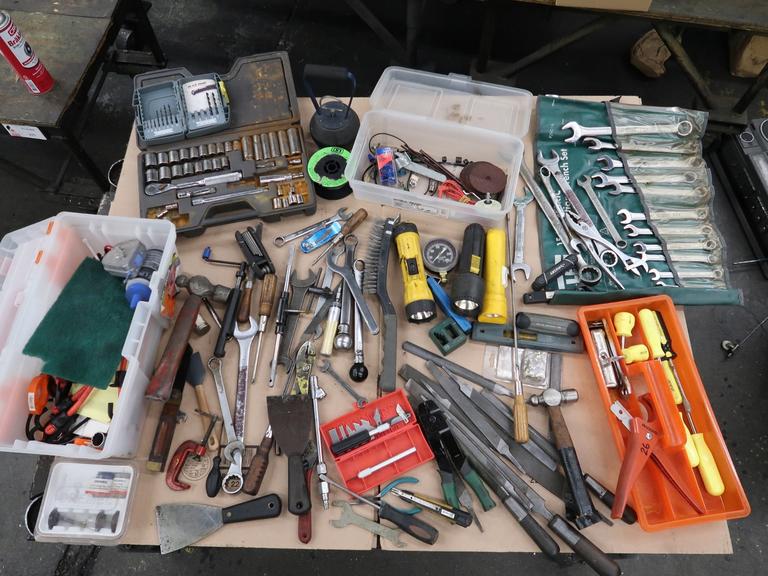
Good preparation can improve trust and reduce disputes. It does not require expensive restoration.
1. Sort the tools
Create separate groups:
- Professional or premium brands
- Complete sets
- Specialty tools
- Vintage tools
- Common loose tools
- Damaged or scrap items
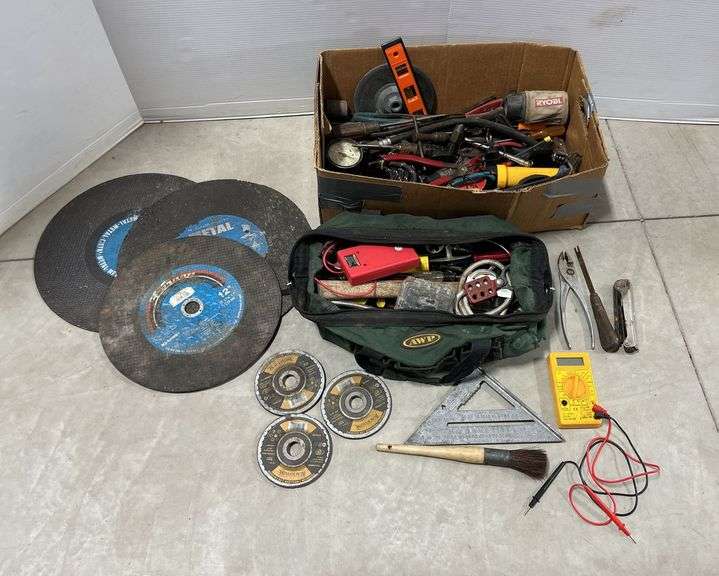
Do not mix valuable tools with scrap. A mixed box makes it harder for buyers to see what they are paying for.
2. Clean them safely
Wipe away dirt and grease with a cloth. For ordinary steel tools, a mild cleaner may help remove grime. Dry the tools fully to prevent new rust.
Avoid aggressive polishing on vintage tools. Do not use a cleaning method that removes maker marks, original finish, or tool edges.
3. Test basic function
Check moving parts by hand. Do not use a damaged tool under load just to prove that it works.
For torque wrenches, measuring tools, or other precision equipment, state whether calibration is known or unknown. Do not claim accuracy without suitable evidence.
4. Photograph the right details
Take clear photos of:
- The full tool
- Brand and model markings
- Size markings
- Damage or rust
- All pieces in a set
- The case or box
- Any serial or patent marks
Natural light often shows condition better than a dark garage photo.
5. Write an accurate listing
Include the tool type, brand, model, size, condition, missing parts, and pickup or shipping terms.
A useful title might be:
Used Proto 3/8-Inch Drive Socket Set, 20 Pieces, Case Included
Avoid vague claims such as “rare,” “mint,” or “professional grade” unless the evidence supports them.
Safety and Legal Issues When Selling Used Tools
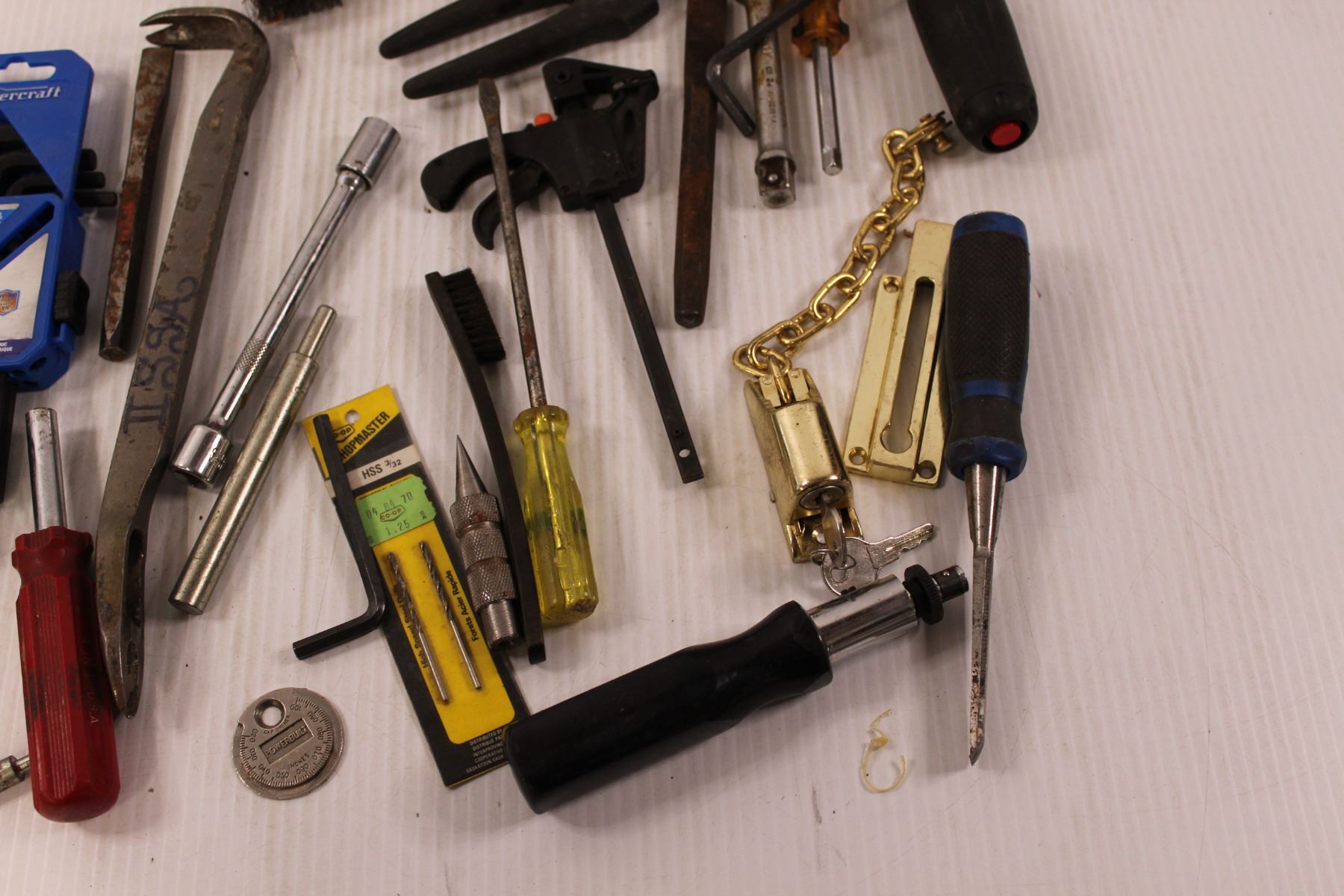
Used hand tools can cause injury if they are damaged, modified, or falsely described. Do not sell a tool as ready for work when it has a crack, loose head, badly worn striking face, or other serious defect.
Take extra care with:
- Hammers and striking tools with loose heads
- Chisels with damaged striking ends
- Cutters with broken handles
- Jacks, pullers, or clamps with structural damage
- Torque tools with unknown calibration
- Tools contaminated with chemicals or hazardous materials
- Tools with sharp edges packed loose in a box
Disclose known defects in writing. Keep a copy of the listing and sale messages.
State and local laws may affect pawn transactions, secondhand sales, sales tax, business activity, and required records. If you sell tools regularly for profit, ask a tax professional how to track income and expenses. The IRS explains general rules for reporting income and selling personal property, but your tax result depends on your facts.
For local transactions, meet in a public place when practical. Bring only the tools needed for the sale. Confirm payment before handing over the tools. Be cautious with overpayment checks, fake payment notices, pressure to ship before payment clears, and requests to move to unusual payment methods.
Common Mistakes to Avoid
Pricing every tool by the original retail price
Used tools rarely sell for the same amount as new tools. Wear, missing parts, changing product lines, and local demand all affect the price.
Selling a valuable set as scrap
Separate old, branded, or unusual tools before recycling anything. Search the maker and model first.
Hiding defects
A buyer who discovers a serious defect may request a refund, leave negative feedback, or dispute the payment. Honest photos and clear terms reduce this risk.
Cleaning vintage tools too aggressively
A bright finish is not always better. Collectors may prefer original surfaces and readable marks.
Ignoring shipping weight
Heavy steel tools can cost more to ship than expected. Weigh the packed box, not only the loose tools.
Accepting the first offer on a large collection
A quick offer can be useful, but compare it with at least one other buyer when the collection includes premium or vintage tools.
Mixing tools with different values
A box of premium wrenches, common screwdrivers, and broken pliers is hard to price. Sorting usually gives you better control.

Frequently Asked Questions
Who buys used hand tools near me?
Start with used tool dealers, pawn shops, auction companies, estate-sale firms, and local mechanics or contractors. Search for “used tool buyer near me,” then call to confirm that the business buys hand tools and accepts your brands or tool types.
Will a pawn shop buy a box of mixed hand tools?
It may, but pawn shops often prefer recognizable brands and tools with clear resale value. Sort the box first. Remove broken items and separate complete sets from common loose tools.
Are old hand tools worth money?
Some are. Value depends on brand, rarity, condition, markings, design, and buyer demand. Age by itself does not prove that a tool is valuable.
Should I sell tools individually or as a lot?
Sell premium, rare, and specialty tools individually when the likely price justifies the extra work. Sell common tools in a lot when speed and convenience matter more.
How can I tell if a used hand tool is safe to sell?
Inspect it for cracks, loose parts, severe wear, bent sections, and damage that could cause failure. Disclose known problems. If the tool could cause serious injury when used, do not present it as work-ready without proper inspection or repair.
Final Recommendation
The best buyer for used hand tools depends on your goal. Choose a local dealer or pawn shop for speed, an online marketplace for rare or branded tools, a contractor or mechanic for useful working tools, and an auction company for a large collection.
Before you sell, sort the tools, clean them lightly, test only safe functions, record the brand and model, and compare completed sales. Keep valuable tools out of the scrap pile, disclose defects, and get more than one offer when the collection may have collector or professional value.
Recent Tool Guides
 Hammer
How To Hammer Flowers Onto Paper: Easy Guide
Learn how to hammer flowers onto paper with simple steps, helpful tips, and beautiful results for...
Read Guide → Wrench
How To Use A Hex Wrench: Easy Step-By-Step Guide
Learn how to use a hex wrench correctly with simple steps, helpful tips, and common mistakes...
Read Guide → Hacksaw
How To Cut Curtain Pole With Hacksaw: Easy Guide
Learn how to cut curtain pole with hacksaw safely and neatly. Follow simple steps for accurate...
Read Guide → Wrench
How To Use A Husky Torque Wrench: Easy Guide
Learn how to use a Husky torque wrench correctly with simple steps, torque settings, and safety...
Read Guide → Hammer
How To Hold A Hammer: Safe Grip Guide
Learn how to hold a hammer with the right grip, stance, and technique for safer, more...
Read Guide → Hacksaw
How To Cut Flexible Metal Conduit With Hacksaw: Easy Guide
Learn how to cut flexible metal conduit with hacksaw safely and cleanly. Follow simple steps for...
Read Guide →