How To Use Bissell Proheat Hand Tool: Easy Step Guide
Use the Bissell ProHeat hand tool by spraying cleaning solution, scrubbing gently, and slowly extracting dirty water.
Learning how to use Bissell ProHeat hand tool correctly can make upholstery, stairs, rugs, and car interiors look fresh without soaking them. After working with portable carpet cleaners, I have found that the best results come from using less water, making slow passes, and giving fabric enough time to dry.
What Is the Bissell ProHeat Hand Tool?
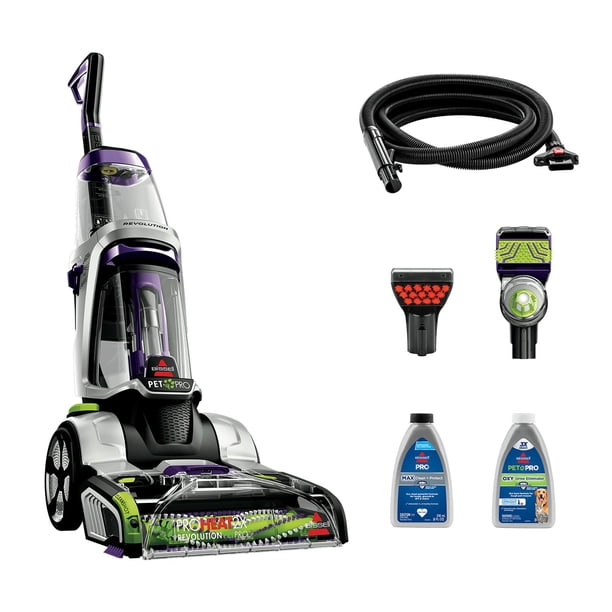
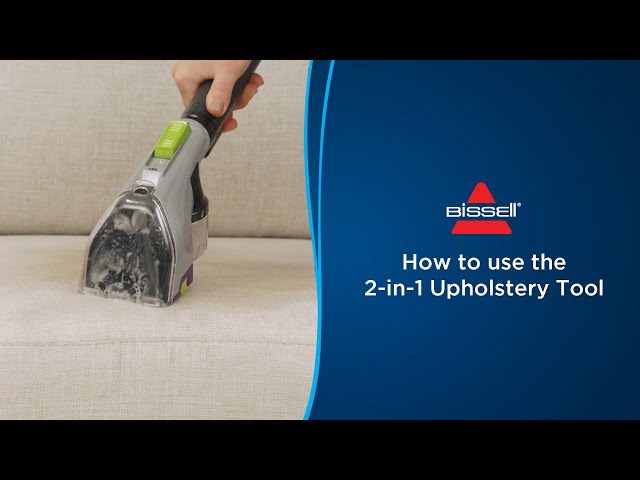
The Bissell ProHeat hand tool is a small attachment made for cleaning spots and tight areas. It connects to the cleaner’s hose and uses spray, agitation, and suction to lift dirt from fabric or carpet.
Depending on your model, the tool may be called an upholstery tool, tough stain tool, stair tool, or 3-in-1 stair tool. The shape may differ, but the basic method stays the same.
The tool usually performs three jobs:
• It sprays a small amount of cleaning formula onto the surface.
• It loosens dirt with a brush or shaped nozzle.
• It removes dirty water through suction.
This design is useful because a full-size carpet cleaner cannot easily reach stairs, sofa cushions, car seats, mattress edges, or small stains. Think of the hand tool as a focused cleaning brush with a small vacuum built into it.
Always check your specific Bissell ProHeat model manual before use. Some models have different hose connections, tool settings, or formula instructions.
What You Need Before Using the Hand Tool
Good preparation makes the cleaning process faster and safer. Before learning how to use Bissell ProHeat hand tool, gather the right supplies and inspect the surface.
You will need:
• A Bissell ProHeat machine
• The correct hose and hand tool
• Bissell cleaning formula approved for your machine
• Clean, warm tap water
• A vacuum cleaner
• White towels or clean microfiber cloths
• A soft brush for dry debris
Do not use boiling water. Very hot water can damage some fabrics, seals, or machine parts. Use the water temperature recommended in your owner’s guide.
Before applying water or formula, inspect the fabric care label. Look for cleaning codes:
• W means water-based cleaning may be suitable.
• WS means water-based or solvent-based cleaning may be suitable.
• S means use a solvent-based method only.
• X means vacuum or brush cleaning only.
A Bissell ProHeat hand tool uses water and formula, so do not use it on an “S” or “X” fabric unless the manufacturer confirms that it is safe. When the label is missing, test a hidden area first.

How to Use Bissell ProHeat Hand Tool Step by Step
The cleaning process is simple, but each step matters. Rushing the spray or suction stage can leave fabric wet, create water marks, or push dirt deeper.
1. Vacuum the area first
Remove loose dirt, crumbs, hair, and dust with a vacuum. Pay extra attention to seams and corners because debris often collects there.
Dry vacuuming prevents mud from forming when water reaches loose soil. It also reduces the number of wet passes needed later.
2. Check the machine
Make sure the clean water tank is seated correctly. Fill it with warm water and the recommended amount of Bissell formula.
Do not add extra formula to make the cleaner “stronger.” Too much soap can leave a sticky film. That film attracts more dirt and may make the surface look dull after drying.
3. Attach the hose and hand tool
Turn the machine off before connecting the hose. Push the hose firmly into the hose opening, then attach the hand tool until it locks or fits securely.
Give the tool a gentle pull to confirm the connection. A loose hose can reduce suction and cause leaks.
4. Test a hidden spot
Choose an area behind a cushion or under a piece of furniture. Spray a small amount of solution and extract it.
Wait until the test area dries. Check for color transfer, fading, shrinking, texture changes, or a water ring. If the fabric reacts badly, stop and use a safer cleaning method.
5. Position the tool correctly
Hold the tool flat against the surface. The opening should make good contact with the fabric or carpet.
Avoid pressing too hard. Heavy pressure can block the suction path and force moisture into the padding. A light, steady touch usually works better.
6. Spray a small amount of solution
Press the spray trigger while moving the tool slowly over the area. Use short sprays rather than flooding the fabric.
For a small stain, spray only enough to dampen the fibers. Large amounts of water do not always improve cleaning. They often increase drying time and the risk of a musty smell.
7. Agitate the stain gently
Move the tool back and forth over the spot. Let the brush do the work.
For delicate upholstery, use light pressure and fewer passes. For durable carpet, you can use slightly more agitation, but avoid rough scrubbing that may damage the pile.
8. Extract the dirty water
Release the spray trigger. Move the tool slowly over the wet area while keeping the suction opening flat.
Make several slow extraction passes. This is one of the most important parts of learning how to use Bissell ProHeat hand tool. The spray loosens dirt, but the suction pass removes the moisture and suspended soil.
9. Repeat only when needed
Look at the recovered water and the fabric. If the area still looks dirty, repeat the spray and extraction process once or twice.
Do not keep spraying because the stain remains visible while wet. Many fabrics look darker when damp. Wait for the area to dry before deciding whether another cleaning pass is needed.
10. Dry the surface
Blot the area with a clean white towel. Then improve air movement by opening a window, running a fan, or turning on room ventilation.
Keep people and pets away until the surface is fully dry. Drying may take a few hours, depending on the fabric, room humidity, airflow, and amount of water used.
How to Clean Different Surfaces
The same hand tool can clean many areas, but each material needs a slightly different method. Surface type, fabric strength, and padding thickness all affect the result.
Upholstery and sofa cushions
Remove loose cushions when possible. Clean one small section at a time so you can control moisture.
Use short spray bursts and slow suction passes. Avoid soaking the cushion, especially if it has thick foam. Foam can hold water long after the outer fabric feels dry.
For sofa arms and seat edges, keep the tool moving. Staying in one place while spraying may create a dark ring.
Carpeted stairs
Start at the top of the stairs and work downward. This keeps the hose from dragging across areas that you already cleaned.
Use overlapping passes, but do not saturate the stair tread. Stairs may have padding, wood, or other materials below the carpet that should not become excessively wet.
When learning how to use Bissell ProHeat hand tool on stairs, focus on slow extraction. Stairs often dry more slowly because air cannot move around them as freely.
Area rugs
Check the rug label and backing before using water. Some rugs can shrink, bleed color, or develop waves when wet.
Test a hidden corner first. Clean small sections and avoid letting water reach a wood floor underneath. Place a waterproof barrier below the rug if needed.
Car seats and floor mats
Vacuum the vehicle first. Remove floor mats and clean them outdoors or in a well-ventilated space when practical.
Use very little water on car seats. Vehicle upholstery can have thick foam, wiring, seat sensors, or leather-like coatings below the surface. Keep the tool away from electrical controls and do not flood seams.
Mattresses
Use caution with mattresses. They can hold moisture deep inside and may develop an odor if they dry slowly.
Use a light mist, strong extraction, and plenty of airflow. Never sleep on a damp mattress. If the stain is large, old, or linked to bodily fluids, a professional cleaning service may be the safer choice.
Tips for Better Stain Removal
The type and age of a stain affect the result. A fresh spill is often easier to remove than a stain that has dried, heated, or been treated with several products.
Use these practical tips:
• Blot fresh spills instead of rubbing them.
• Work from the outside of a stain toward the center.
• Use a white towel to check for color transfer.
• Treat grease with a product approved for the fabric and machine.
• Do not mix cleaning chemicals.
• Avoid bleach, dish soap, laundry detergent, and homemade mixtures unless the care label and machine instructions allow them.
• Give the surface time to dry before judging the final result.
Some stains may not disappear completely. Red dye, ink, pet urine, rust, and old oil can permanently change fibers. The goal is to remove as much soil as safely possible without damaging the material.
In my experience, the most common mistake is trying to erase a stain in one long, wet session. Several light treatments are usually safer than one aggressive treatment.
Common Mistakes to Avoid
Knowing what not to do is just as important as knowing how to use Bissell ProHeat hand tool.
Using too much formula
Extra formula can create residue. Follow the measuring line on the tank or the instructions for your exact model.
Overwetting the fabric
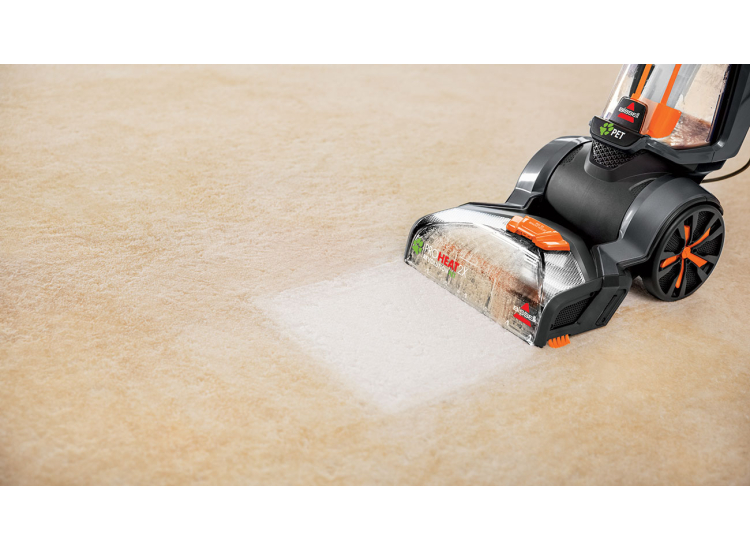
A wet surface is not proof of deep cleaning. Excess moisture can cause slow drying, odors, color bleeding, and damage to backing materials.
Moving too fast
Fast passes leave water behind and may not give the tool enough time to recover dirty liquid. Move slowly during both cleaning and extraction.
Scrubbing too hard
Hard scrubbing can fuzz carpet, flatten fibers, or damage upholstery. Let the tool’s brush and suction perform most of the work.
Ignoring the care label
A machine may be safe for one sofa but unsuitable for another. Fabric codes and manufacturer instructions should guide your choice.
Cleaning without a test patch
A hidden test takes only a few minutes. It can prevent a large, visible color problem.
Storing the tool while dirty
Dirty tools can develop odors and transfer grime during the next cleaning. Rinse the tool after every use.

How to Clean the Bissell ProHeat Hand Tool After Use
Proper cleanup protects suction and helps prevent odors. Follow these steps after the job:
-
Turn off the machine and unplug it.
-
Remove the hand tool from the hose.
-
Rinse the tool with clean water.
-
Remove visible hair or lint from the nozzle and brush.
-
Check the suction opening for trapped debris.
-
Empty and rinse the dirty water tank.
-
Rinse the hose if your model instructions permit it.
-
Wipe the tool with a clean cloth.
-
Let every part air-dry before storage.
Do not store the hand tool in a sealed damp bag or closed tank. Moisture trapped inside can create a sour odor and support mold growth.
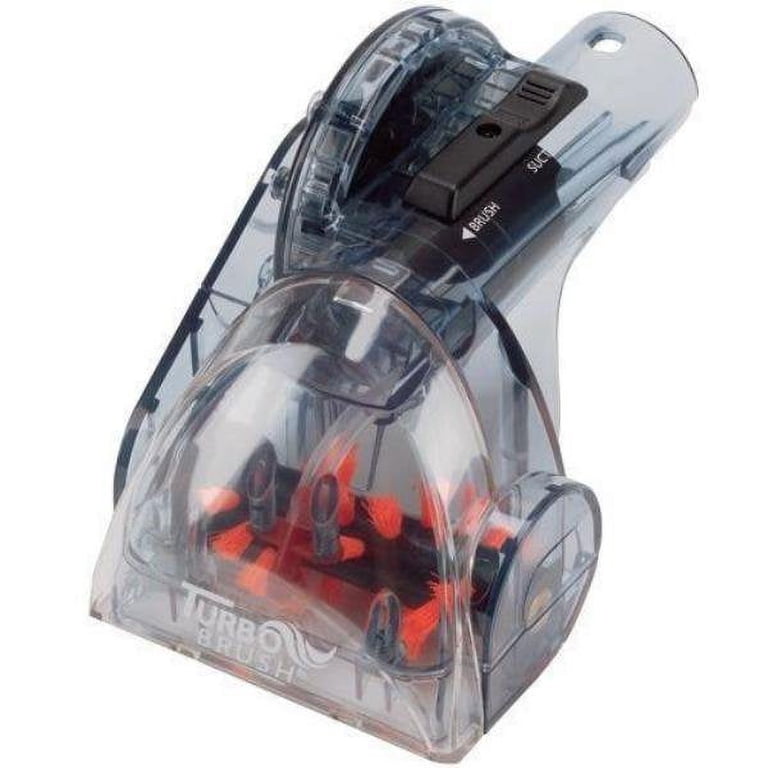
If suction becomes weak, inspect the tool, hose, tank lid, and filters. A blockage in any one of these parts can affect the whole cleaning system.
Troubleshooting the Hand Tool
Small problems are often easy to fix. Always unplug the machine before inspecting connections or removing debris.
The tool does not spray
Check that the clean water tank contains water and sits securely. Confirm that the hose and tool are fully attached.
If the machine has been stored for a long time, the spray path may need cleaning. Follow the model-specific instructions rather than forcing a sharp object into the nozzle.
The tool has weak suction
Make sure the dirty water tank is not full. Check that its lid and gasket are properly seated.
Also inspect the tool opening and hose for clogs. A folded hose can restrict airflow.
The carpet stays too wet
Use shorter sprays and more slow suction passes. Make sure the spray trigger is released during extraction.
Poor ventilation can also extend drying time. Use fans and leave space around cushions when possible.
The stain comes back
A stain may return when residue or liquid below the surface moves upward as the fabric dries. Extract the area again with minimal solution and allow it to dry fully.
If the problem continues, the stain may be in the padding or backing. Professional treatment may be needed.
The tool smells bad
Rinse the tool, hose, tanks, and filters as directed. Allow all parts to dry in open air.
Avoid covering up the smell with fragrance. The odor usually signals trapped moisture or residue that needs to be removed.
How Often Should You Use the Hand Tool?
Use the hand tool when you see a spot, spill, or buildup. Quick treatment is usually better than waiting for dirt to become embedded.
For homes with children, pets, or heavy traffic, inspect upholstery and stairs every few weeks. Deep-clean high-use areas when they look dull or develop odors, but do not clean them on a fixed schedule if they are still clean.
A reasonable routine may include:
• Vacuuming upholstery and stairs weekly.
• Treating fresh spots as soon as possible.
• Deep-cleaning fabric areas every few months when needed.
• Cleaning and drying the tool after every use.
Your home’s traffic level matters more than the calendar. A quiet guest room may need less cleaning than a busy family sofa.

Frequently Asked Questions About How to Use Bissell ProHeat Hand Tool
Can I use the Bissell ProHeat hand tool on a couch?
Yes, you can use it on many water-safe couches. Check the upholstery code, test a hidden area, and use light sprays with slow extraction passes.
Do I spray while moving the hand tool?
Yes, spray in short bursts while moving the tool over the surface. Then release the trigger and make slow suction passes to remove dirty water.
How much Bissell formula should I use?
Use the amount listed in your machine’s manual or on the formula label. Extra formula can leave residue and may cause the surface to attract dirt.
Can I use the hand tool on car seats?
You can use it on many fabric car seats, but use minimal water and avoid electrical controls, seams, and sensors. Provide strong airflow so the seats dry completely.
Why is my Bissell hand tool leaving the carpet wet?
The tool may be moving too quickly, spraying too much, or losing suction because of a full tank or blockage. Check the hose, nozzle, dirty water tank, and filters before cleaning again.
Can I use the hand tool on leather?
Do not assume that every leather surface is safe for a water-based carpet cleaner. Check the care instructions and use a leather product designed for that material.
How long does the cleaned area take to dry?
Drying time depends on water use, fabric thickness, humidity, and airflow. Many light treatments dry within several hours, but thick cushions and foam may take longer.
Should I rinse the fabric after using the tool?
Usually, a separate rinse is not needed when you use the correct formula amount. If residue remains, follow the machine instructions for a clean-water rinse rather than adding more chemicals.
Conclusion
Learning how to use Bissell ProHeat hand tool comes down to five habits: check the fabric, use the right formula, spray lightly, extract slowly, and dry the area well. Vacuum first, test a hidden spot, and never assume that more water or soap will produce a better result.
With careful technique, the tool can refresh upholstery, stairs, rugs, car interiors, and small carpet stains. Try it on one small area first, follow your model’s manual, and share your results or questions in the comments.
Recent Tool Guides
 Hammer
How To Hammer Flowers Onto Paper: Easy Guide
Learn how to hammer flowers onto paper with simple steps, helpful tips, and beautiful results for...
Read Guide → Wrench
How To Use A Hex Wrench: Easy Step-By-Step Guide
Learn how to use a hex wrench correctly with simple steps, helpful tips, and common mistakes...
Read Guide → Hacksaw
How To Cut Curtain Pole With Hacksaw: Easy Guide
Learn how to cut curtain pole with hacksaw safely and neatly. Follow simple steps for accurate...
Read Guide → Wrench
How To Use A Husky Torque Wrench: Easy Guide
Learn how to use a Husky torque wrench correctly with simple steps, torque settings, and safety...
Read Guide → Hammer
How To Hold A Hammer: Safe Grip Guide
Learn how to hold a hammer with the right grip, stance, and technique for safer, more...
Read Guide → Hacksaw
How To Cut Flexible Metal Conduit With Hacksaw: Easy Guide
Learn how to cut flexible metal conduit with hacksaw safely and cleanly. Follow simple steps for...
Read Guide →