What Are Hand Tools Made Of: Materials Explained
Most hand tools are made of hardened steel, with grips and handles shaped from plastic, rubber, wood, or composite materials.
If you have ever held a wrench, screwdriver, hammer, or pair of pliers, you have felt how material affects strength, comfort, weight, and safety. Understanding what are hand tools made of helps you choose the right tool, spot poor quality, prevent rust, and use each tool within its limits. This guide explains the metals, plastics, rubbers, woods, coatings, and advanced materials found in modern hand tools.

Why Hand Tool Materials Matter
A hand tool must handle force without bending, cracking, slipping, or wearing too quickly. Its material controls how well it performs under pressure.
For example, a wrench needs high strength and hardness. A screwdriver needs a tough tip that will not twist or chip. A hammer needs a strong head and a handle that helps reduce shock.
The best hand tools balance several properties:
• Strength: The tool must resist bending or breaking.
• Hardness: The working edge must resist dents and wear.
• Toughness: The tool must absorb sudden force without shattering.
• Corrosion resistance: The tool should resist moisture, oils, and chemicals.
• Comfort: The handle should reduce strain and provide a secure grip.
• Weight: The tool must feel heavy enough for the job but not tiring to use.
This balance explains why manufacturers rarely use one material for an entire tool. A professional screwdriver may have a steel shaft, a hardened tip, a plastic core, and a rubber grip. Each part has a different job.

What Are Hand Tools Made Of?
Most hand tools are made of steel or steel alloys. Steel provides the strength needed for cutting, gripping, turning, striking, and fastening.
However, steel is only one part of the answer to what are hand tools made of. Many tools also contain these materials:
• Carbon steel for strong, affordable tool bodies
• Alloy steel for better strength and wear resistance
• Chrome vanadium steel for sockets, ratchets, and wrenches
• Stainless steel for rust resistance
• Aluminum for light tools and tool bodies
• Copper or brass for non-sparking tools
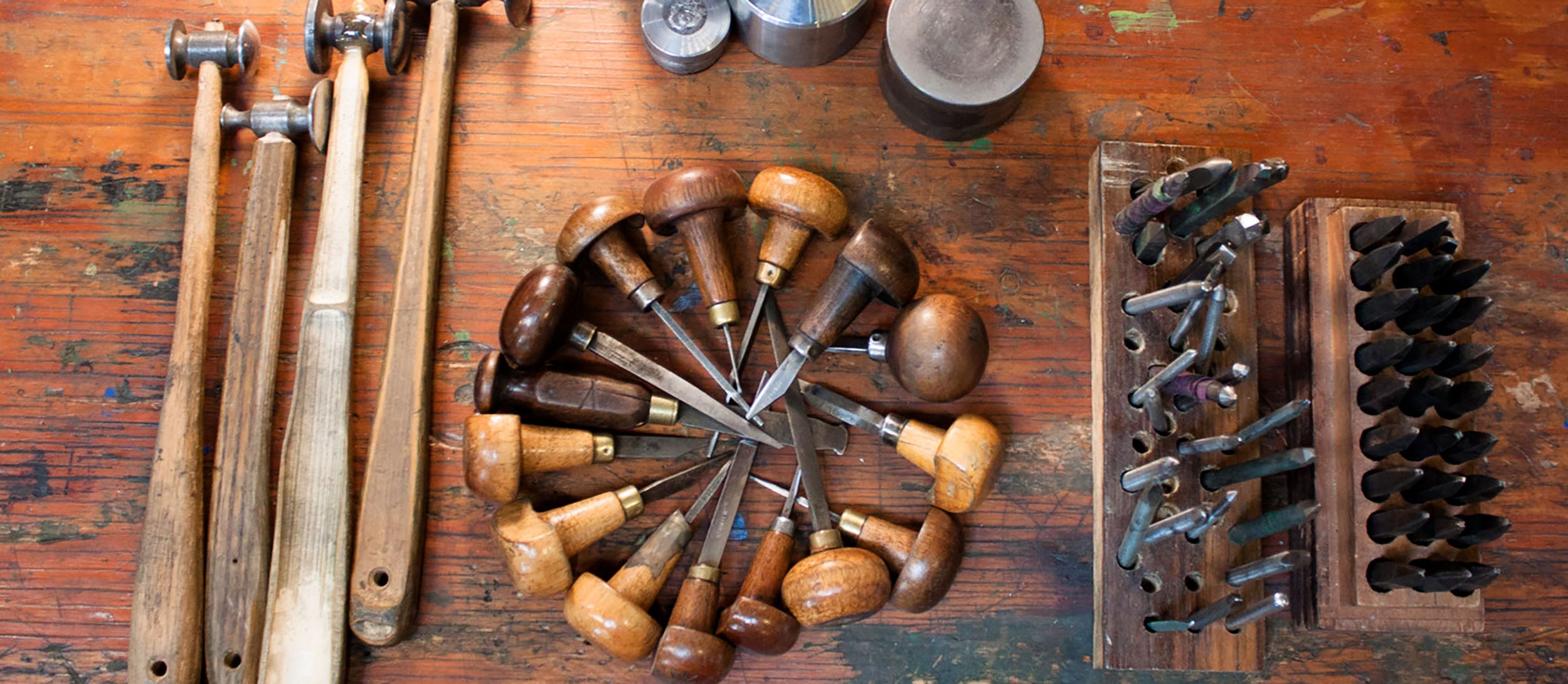
• Wood for classic hammer and tool handles
• Nylon and polypropylene for handles and housings
• Rubber and thermoplastic elastomers for soft grips
• Fiberglass composites for impact-resistant handles
• Tungsten carbide for very hard cutting or scraping edges
• Chrome, nickel, phosphate, or black oxide coatings for surface protection
The exact material depends on the tool’s purpose. A hand saw, for instance, needs a thin, hard blade. A pry bar needs toughness and resistance to bending. A measuring tape needs flexible spring steel and a protective polymer case.

Steel: The Main Material in Hand Tools
Steel is the most common material in hand tools because it offers a useful mix of strength, hardness, cost, and availability. It is made mainly from iron and carbon, with other elements added to improve performance.
The amount of carbon changes how steel behaves. Low-carbon steel is easier to shape but is not as hard. Higher-carbon steel can become very hard after heat treatment, but it may be less forgiving if poorly designed.
Carbon Steel
Carbon steel is used in many basic hand tools, including:
• Screwdriver shafts
• Pliers
• Wrenches
• Hammers
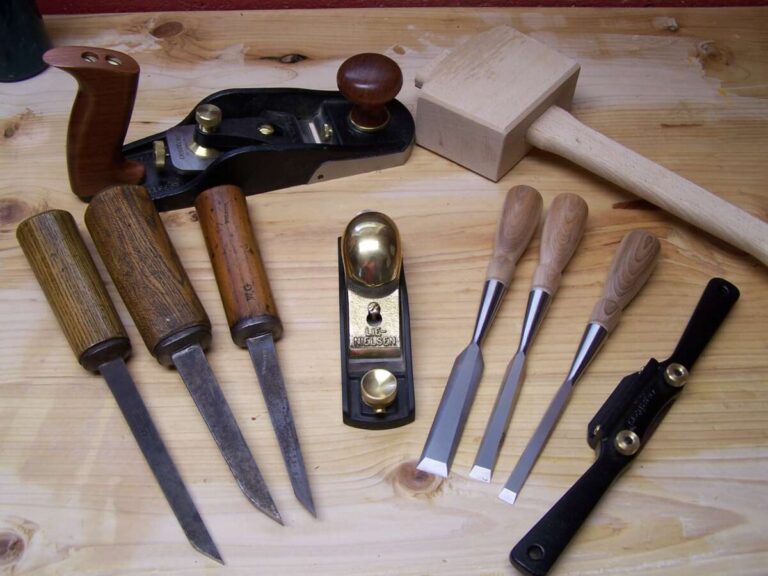
• Chisels
• Files
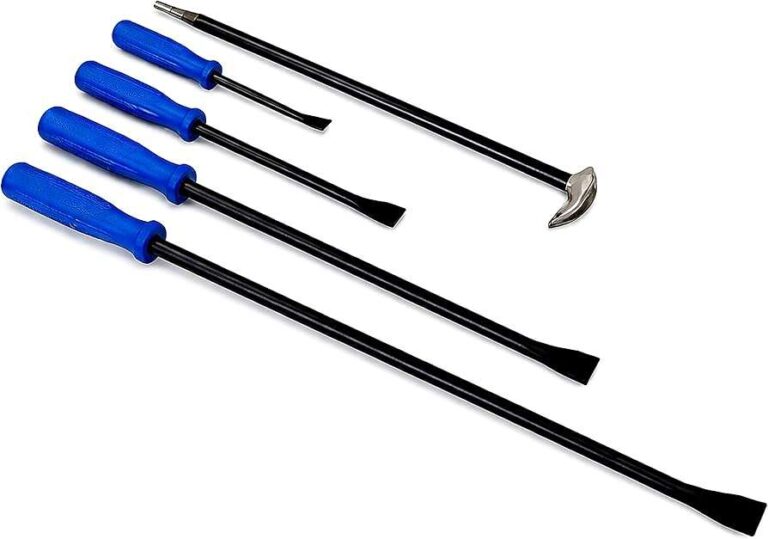
• Pry bars
Carbon steel is often affordable and strong. Its main weakness is rust. Without a protective coating or regular care, moisture can cause oxidation.
Alloy Steel
Alloy steel contains added elements such as chromium, molybdenum, nickel, or vanadium. These elements can improve strength, toughness, hardness, or resistance to heat and wear.
Alloy steel is common in professional tools because it can withstand repeated loads. A socket used with a ratchet, for example, may experience high twisting force. An appropriate alloy helps the socket resist cracking or stretching.
Chrome Vanadium Steel
Chrome vanadium steel, often marked “Cr-V,” is widely used in sockets, combination wrenches, ratchets, and pliers. Chromium can improve hardenability and wear resistance, while vanadium can help refine the steel’s structure and improve strength.
The label alone does not guarantee quality. Heat treatment, forging, machining, and quality control matter just as much. Two tools may use similar steel but perform very differently because one was poorly hardened or finished.
How Heat Treatment Changes Tool Steel
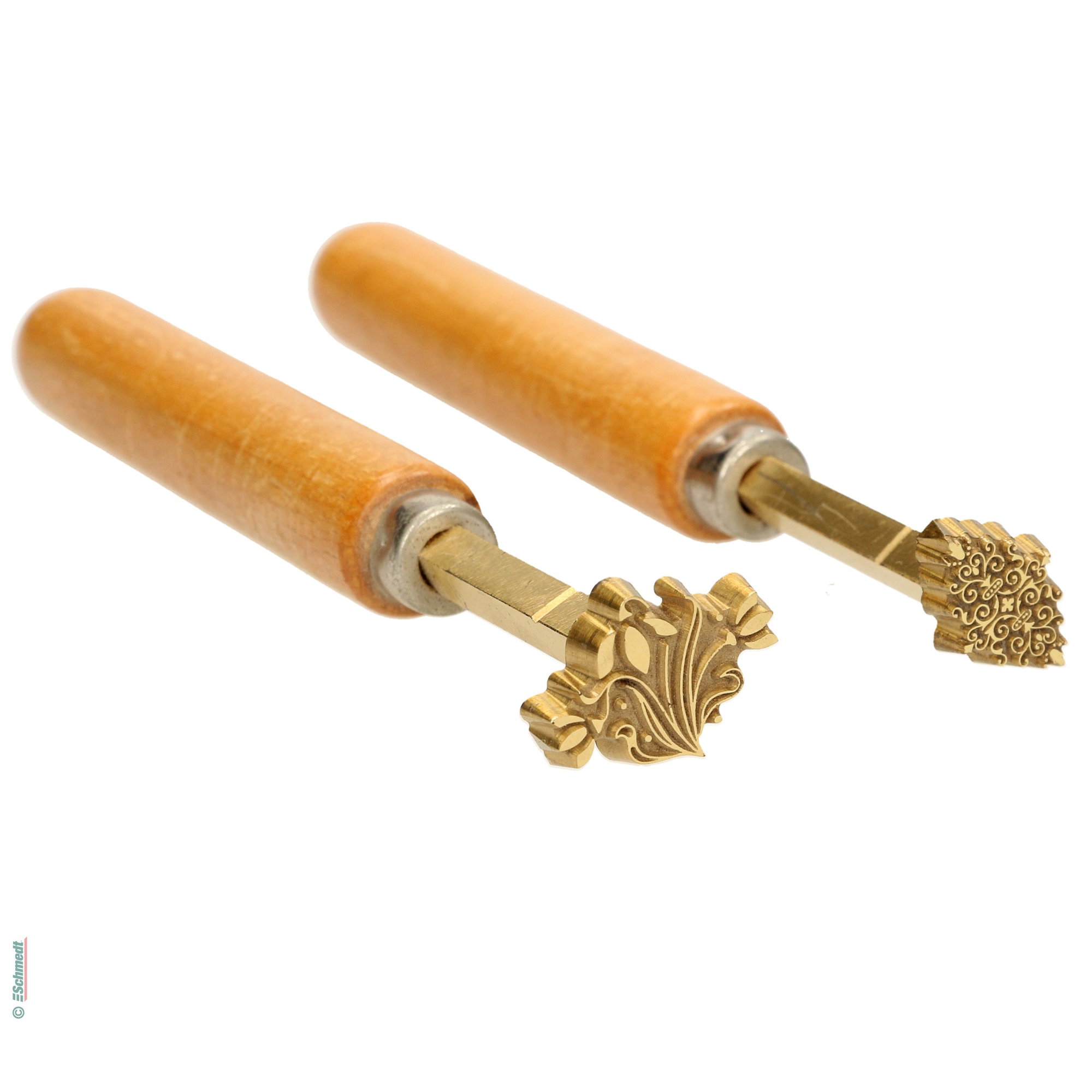
Heat treatment is one of the most important steps in making hand tools. It changes the internal structure of steel so the tool can become hard, tough, or flexible in the right places.
A typical process may include:
-
Heating the steel to a controlled temperature.
-
Quenching it in oil, water, or another medium.
-
Tempering it at a lower temperature to reduce brittleness.
A tool that is too soft may bend or wear. A tool that is too hard may crack or chip. Tempering helps create a practical balance between hardness and toughness.
Different parts of one tool may receive different treatment. A chisel edge needs high hardness, while its body needs enough toughness to absorb impact. Some pliers have hardened jaws but a tougher central body.
This is why a tool’s performance cannot be judged by its metal name alone. The manufacturing process is part of what are hand tools made of in practical terms. The steel’s chemistry matters, but so do forging, heat treatment, grinding, and inspection.
Stainless Steel Hand Tools
Stainless steel contains enough chromium to form a thin protective layer on its surface. This layer helps slow rust and corrosion.
Stainless steel tools are useful in:
• Marine work
• Food preparation areas
• Medical and laboratory settings
• Outdoor maintenance
• Wet or humid environments
Stainless steel is not completely rust-proof. Salt, harsh chemicals, scratches, and poor cleaning can still cause stains or corrosion. Some stainless grades also trade hardness for corrosion resistance, so they may not match high-quality alloy steel for heavy-duty torque.
For light maintenance, stainless steel can be an excellent choice. For high-force automotive work, a properly heat-treated alloy steel tool may perform better.

Aluminum, Copper, and Brass in Hand Tools
Steel dominates heavy-duty tools, but other metals have important roles.
Aluminum
Aluminum is light, easy to shape, and naturally resistant to many forms of corrosion. It appears in:
• Lightweight tool bodies
• Handles
• Rulers
• Clamps
• Specialty wrenches
• Tool cases and housings
Aluminum is not as hard or strong as most tool steels. It is better for reducing weight than for handling extreme torque.
Copper and Brass
Copper and brass are used when a tool must reduce the risk of sparks. Non-sparking tools are used around flammable gases, vapors, or dust.
Brass is harder than pure copper, while copper is softer and more conductive. These tools are not automatically safe in every hazardous area. Workplace rules, tool condition, and the exact environment still matter.
A non-sparking tool can also create heat through friction. Users should follow site safety procedures rather than treating the material as a complete guarantee.

What Are Hand Tool Handles Made Of?
Hand tool handles are made from wood, plastic, rubber, fiberglass, and composite materials. The handle must give the user control while managing vibration, pressure, and sweat.
Wood Handles
Wood remains popular for hammers, axes, mallets, and some garden tools. Hickory is valued for its strength and ability to absorb shock. Ash is also used for handles because it is tough and flexible.
Good wood handles should be:
• Straight-grained
• Free from major cracks and knots
• Properly fitted to the tool head
• Smooth but not overly polished
• Dry and free from rot
A cracked wooden handle can fail without much warning. Never wrap a damaged handle and assume the tool is safe for heavy use. Replacement is the better choice.
Plastic Handles
Plastics such as polypropylene, nylon, and ABS are common in screwdrivers, pliers, utility knives, and measuring tools. They are light, easy to mold, and resistant to many chemicals.
Plastic handles can become brittle after long exposure to sunlight, heat, or certain solvents. A handle that feels sticky, cracked, or unusually hard should be replaced.
Rubber and Soft-Grip Materials
Rubber and thermoplastic elastomers create a softer grip. They can improve comfort and help prevent slipping during routine work.
Soft grips have limits. They may tear, swell, or degrade when exposed to oils, fuels, solvents, or high heat. A comfortable handle is useful, but it does not make an unsafe tool suitable for excessive force.
Fiberglass and Composite Handles
Fiberglass-reinforced handles are common in hammers, axes, sledgehammers, and striking tools. They are strong, resistant to weather, and less likely than wood to split along the grain.
Composite handles can still crack or separate after severe impact. Inspect the connection between the handle and tool head before use.
Protective Coatings on Hand Tools
Many tools have a surface coating that protects the base metal. The coating may also make the tool easier to clean or more comfortable to hold.
Common finishes include:
• Chrome plating: Smooth, bright, and resistant to corrosion
• Nickel plating: Adds corrosion resistance and a decorative finish
• Black oxide: Helps reduce glare and offers mild corrosion protection
• Phosphate coating: Improves surface protection and oil retention
• Powder coating: Adds a durable colored layer to some tool bodies
• Zinc plating: Provides sacrificial corrosion protection
A chrome finish does not mean a tool can never rust. Scratches, worn plating, water, and road salt can expose the steel beneath. Wipe tools dry after use and apply a light protective oil when the manufacturer recommends it.
Avoid using a coated tool if the surface is flaking. Loose plating can expose sharp edges and may signal deeper damage.
Materials Used in Common Hand Tools
The answer to what are hand tools made of becomes clearer when you look at individual tool types.
Screwdrivers
Screwdrivers usually contain a steel shaft and a hardened steel tip. The handle may use polypropylene, nylon, rubber, or a layered composite.
The tip may receive extra hardening to resist wear. A poor match between the tip and fastener can damage both parts. Always choose the correct drive type and size.
Wrenches and Sockets
Wrenches and sockets are usually made from forged alloy steel. Chrome vanadium steel is common for general tools, while stronger specialty alloys may be used for high-torque applications.
A polished chrome finish is common for hand tools. Impact sockets often have a dark phosphate or oxide finish and thicker walls. Never use a standard chrome socket with an impact wrench unless the manufacturer clearly permits it.
Pliers
Pliers are often made from carbon steel or alloy steel. Their jaws may be hardened to improve grip and cutting life.
Handles commonly use dipped plastic or molded composite materials. Insulated electrician’s pliers have a special insulating layer, but the user must check the voltage rating and inspect the insulation for cuts.
Hammers
Hammer heads are commonly made from hardened steel. Handles may be wood, fiberglass, or composite material.
The striking face should be hard enough to resist mushrooming but not so brittle that it chips. Replace a hammer if the face is badly damaged, the eye is cracked, or the head is loose.
Chisels and Punches
Chisels and punches need hard working ends and tough bodies. Many are made from forged and heat-treated alloy steel.
Do not use a cold chisel as a punch unless it is designed for that purpose. A damaged striking end can create dangerous metal chips.
Cutting Tools
Hand saws, snips, knives, and bolt cutters often use hardened carbon steel, alloy steel, or stainless steel. Some premium cutting edges use carbide or other hard materials.
Harder does not always mean better. A very hard edge may stay sharp longer but can chip if used on the wrong material.
What Are Hand Tools Made of for Electrical Work?
Electrical hand tools use standard tool metals, but their handles often include insulating polymers. These materials may include PVC, nylon, polypropylene, and rubber-like compounds.
Insulated tools are designed to reduce the chance of electric shock when used correctly. They are not a replacement for shutting off power, verifying the circuit, wearing suitable protective equipment, and following electrical safety rules.
Look for:
• A clear voltage rating
• Intact insulation
• No cuts, burns, swelling, or exposed metal
• A recognized testing mark where required
A tool with damaged insulation should be removed from service. Tape is not a reliable replacement for factory insulation.
Forged Versus Cast Hand Tools
Manufacturing method affects tool strength. Forging presses or shapes heated metal under force. This can create a strong grain flow and dense structure.
Casting pours molten metal into a mold. It allows complex shapes and can be cost-effective, but the result depends on the alloy and quality of the casting process.
Forged tools are common where high strength matters, such as:
• Wrenches
• Pliers
• Ratchets
• Hammers
• Pry bars
Cast materials can still be useful in tool bodies, housings, and specialty products. The word “forged” is helpful, but it is not the only sign of quality. Design, heat treatment, dimensions, and inspection all matter.
How to Choose the Right Hand Tool Material
Start with the job, the environment, and the force involved. Do not select a tool based only on a shiny finish or a low price.
Use this simple process:
-
Identify the task. Turning, cutting, striking, and gripping require different properties.
-
Check the environment. Moisture, salt, chemicals, heat, and electricity affect material choice.
-
Match the tool to the load. Use heavy-duty tools for high torque and impact work.
-
Inspect the handle. Look for cracks, looseness, swelling, or damaged insulation.
-
Check the working edge. It should not be rounded, chipped, or badly worn.
-
Select the correct size. Oversized or undersized tools can slip and cause injury.
-
Follow the manufacturer’s limits. No material makes a tool suitable for every task.
A practical lesson is simple: the strongest-looking tool is not always the safest tool. A large adjustable wrench may seem useful, but a correctly sized box-end wrench usually grips a fastener more securely and reduces damage.
Common Mistakes That Damage Hand Tools
Many tool failures come from misuse rather than poor material. Even excellent steel can fail when used outside its design.
Avoid these mistakes:
• Using a wrench as a hammer
• Striking a regular socket with an impact driver
• Using pliers to turn a fastener
• Extending a wrench with a pipe without checking its rating
• Heating a tool to loosen a fastener without considering heat treatment
• Using a screwdriver as a pry bar
• Leaving carbon steel tools wet
• Storing tools in salt, fertilizer, or chemical residue
• Applying excessive force to a damaged tool
• Using a tool with a cracked or loose handle
During routine maintenance, clean tools with a dry cloth after use. Remove dirt before it traps moisture. Store them in a dry place, and use a light rust-preventive oil on uncoated steel when appropriate.
How to Tell Whether a Hand Tool Is High Quality
Material markings can offer useful clues. Look for clear information about steel type, insulation rating, impact use, and intended purpose.
Other quality signs include:
• Clean, even machining
• Smooth jaws that align correctly
• Sharp but properly finished cutting edges
• No cracks, pits, burrs, or deep tool marks
• A handle that fits tightly
• Clear brand and size markings
• A warranty or published specification
Do not assume that a premium price always proves better performance. Independent testing, accurate dimensions, proper heat treatment, and good design are more meaningful than appearance alone.
Professional tool standards often specify requirements for dimensions, torque, hardness, insulation, or impact resistance. When safety or high force is involved, choose tools that meet the applicable standard for the job.
Environmental Impact of Hand Tool Materials
Steel tools can last for decades when maintained correctly. Long service life reduces the need for replacement and limits waste.
Many metals used in hand tools can be recycled. Steel, aluminum, copper, and brass are valuable scrap materials. Plastic grips and mixed-material tools are harder to recycle because the components may need to be separated.
You can reduce environmental impact by:
• Buying durable tools instead of disposable ones
• Repairing or replacing handles when practical
• Keeping tools clean and dry
• Choosing the correct tool to prevent premature damage
• Donating usable tools
• Recycling worn metal tools through a suitable facility
A durable tool is like a good pair of work boots. The initial cost may be higher, but careful use can provide years of service.
Frequently Asked Questions About What Are Hand Tools Made Of
What metal is most commonly used in hand tools?
Steel is the most common metal in hand tools. Carbon steel, alloy steel, stainless steel, and chrome vanadium steel are used because they provide useful levels of strength, hardness, and toughness.
Are hand tools made from stainless steel?
Some hand tools are made from stainless steel, especially those used in wet, marine, food, or laboratory environments. Stainless steel resists corrosion, but it may not provide the same high hardness or torque strength as specialized alloy steel.
Why are hand tool handles made from plastic or rubber?
Plastic and rubber can improve grip, reduce vibration, and make tools more comfortable to hold. These materials are also light and easy to mold, but they can degrade from heat, sunlight, oils, or harsh chemicals.
Are forged hand tools stronger than cast tools?
Forged tools are often strong because forging compresses and aligns the metal structure. However, a well-made cast tool can still perform well, so alloy choice, design, heat treatment, and quality control must also be considered.
What are non-sparking hand tools made of?
Non-sparking tools are commonly made from copper alloys such as bronze or brass. They are intended for certain hazardous areas, but they can still create heat through friction and must be used according to workplace safety rules.
What are insulated hand tools made of?
Insulated hand tools usually have a steel working part covered by layers of plastic or rubber-like insulation. The insulation has a specific voltage rating and must remain free from cuts, burns, and other damage.
Can hand tools rust even if they have a chrome finish?
Yes. Chrome plating can slow corrosion, but scratches or worn areas may expose the steel below. Cleaning, drying, and proper storage help prevent rust.
Conclusion
Hand tools are mainly made of steel, but their full construction may include aluminum, copper, brass, wood, plastic, rubber, fiberglass, composites, and protective coatings. The best material depends on the tool’s job, the force it must handle, and the environment where it will be used.
Understanding what are hand tools made of helps you buy wisely, avoid misuse, and recognize when a tool needs repair or replacement. Inspect your tools, keep them dry, and match each one to its intended task. Explore reliable tool specifications, build a safer toolkit, and share your own hand tool tips or questions in the comments.
Recent Tool Guides
 Hammer
How To Hammer Flowers Onto Paper: Easy Guide
Learn how to hammer flowers onto paper with simple steps, helpful tips, and beautiful results for...
Read Guide → Wrench
How To Use A Hex Wrench: Easy Step-By-Step Guide
Learn how to use a hex wrench correctly with simple steps, helpful tips, and common mistakes...
Read Guide → Hacksaw
How To Cut Curtain Pole With Hacksaw: Easy Guide
Learn how to cut curtain pole with hacksaw safely and neatly. Follow simple steps for accurate...
Read Guide → Wrench
How To Use A Husky Torque Wrench: Easy Guide
Learn how to use a Husky torque wrench correctly with simple steps, torque settings, and safety...
Read Guide → Hammer
How To Hold A Hammer: Safe Grip Guide
Learn how to hold a hammer with the right grip, stance, and technique for safer, more...
Read Guide → Hacksaw
How To Cut Flexible Metal Conduit With Hacksaw: Easy Guide
Learn how to cut flexible metal conduit with hacksaw safely and cleanly. Follow simple steps for...
Read Guide →