What Hand Tool Causes The Most Injuries: Safety Facts
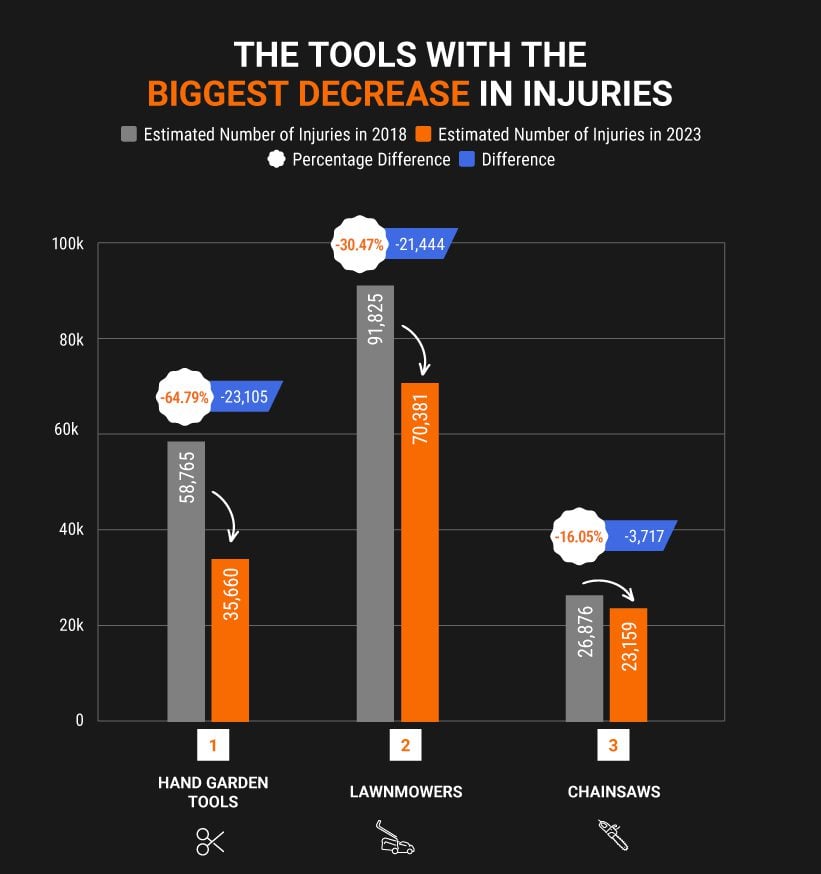
Hammers are often the hand tool linked to the most reported injuries in U.S. workplace and home-safety discussions. However, there is no single national ranking that covers every hand tool, every setting, and every injury.
The answer changes when the data include knives, utility blades, scissors, or hand saws. Cutting tools may cause more serious wounds, while hammers often cause more impact injuries, crushed fingers, bruises, and eye injuries.
The safest conclusion is this:
Hammers are a leading cause of hand-tool injuries, but knives and utility blades can also produce a large number of severe injuries. The highest-risk tool depends on how the data are collected.
This guide explains what the U.S. evidence can and cannot show, why common hand tools cause injuries, and how to reduce the risk.
Why There Is No Single “Most Dangerous” Hand Tool
The United States does not use one universal injury database that ranks every hand tool in the same way. Different agencies track different events.
For example:
- The U.S. Consumer Product Safety Commission’s NEISS system estimates injuries treated in hospital emergency departments.
- The Bureau of Labor Statistics tracks work-related injuries reported by employers.
- The Occupational Safety and Health Administration provides safety rules and guidance for tools used at work.
- Medical studies may track only hand injuries, eye injuries, cuts, or injuries that required surgery.
These systems measure different groups. A hammer injury treated at home may not appear in a workplace database. A small cut treated at an urgent-care center may not appear in an emergency-department estimate.
The wording also matters. A “hand tool” may include:
- Hammers
- Screwdrivers
- Pliers
- Wrenches
- Chisels
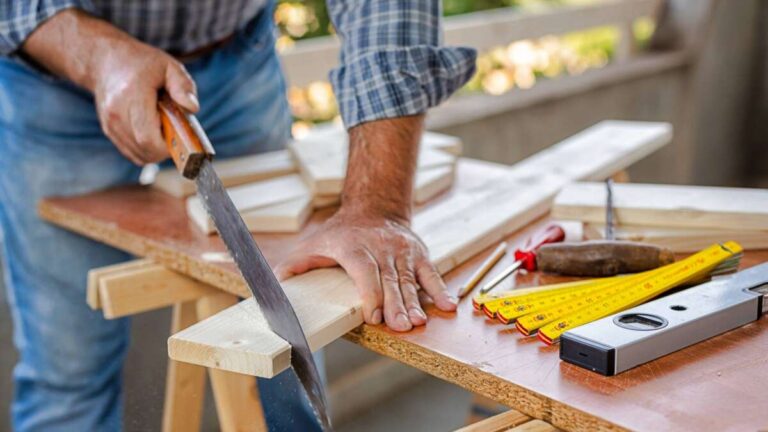
- Hand saws
- Utility knives
- Pocketknives
- Scissors
- Shears
- Manual cutters
Some studies treat knives as a separate group. Others include them with hand tools. That can change the result.
The best evidence-based answer
For common workshop and construction tools, hammers are a leading source of reported injuries. They are used often, require force, and can injure the user or another person nearby.
For cutting tools, utility knives, blades, and knives can cause more severe lacerations. These injuries may involve tendons, nerves, blood vessels, or joints.
So, “most injuries” and “most serious injuries” are not the same question.
How Hammers Cause So Many Injuries
Hammers cause injuries mainly through impact, loss of control, and missed strikes.
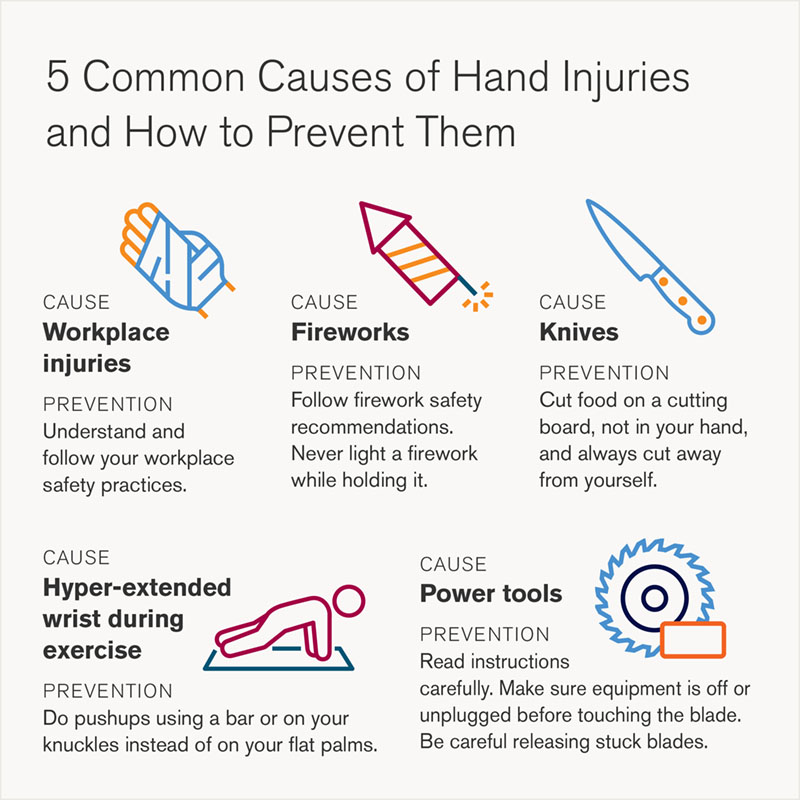
Common hammer injuries include:
- Smashed fingers and thumbs
- Bruises and broken bones
- Eye injuries from flying chips or fasteners
- Cuts from damaged handles or sharp workpieces
- Shoulder and wrist strain
- Injuries to people standing near the work area
A hammer is simple, but it transfers a large amount of force over a small area. If the hammer misses the fastener, the force may land on a hand. If the handle breaks, the head can fly free.
A loose nail can also bend or eject from the surface. Metal-on-metal strikes may send small fragments into the air. This is why eye protection matters even when the task seems minor.
Conditions that raise hammer risk
Hammer injuries become more likely when:
- The handle is cracked, loose, oily, or damaged.
- The hammer head is loose or mushroomed.
- The worker uses the wrong hammer for the task.
- The fastener is held close to the striking point.
- The user swings from an unstable position.
- The workpiece is not secured.
- Gloves reduce grip or make the tool harder to control.
- Other people stand within the swing or rebound area.
A hammer is not automatically unsafe. The risk comes from force, poor control, bad tool condition, and an unstable work setup.
Safer hammer use
Before striking:
- Check the head and handle.
- Replace a cracked handle.
- Do not use a hammer with a loose head.
- Secure the workpiece in a vise or with a clamp.
- Use eye protection when striking hard materials.
- Keep your other hand away from the strike zone.
- Use a tool or holder when starting a small fastener.
- Choose a hammer sized for the job.
- Keep bystanders out of the work area.
Do not use a hammer as a substitute for a wrench, pry bar, punch, or chisel unless the tool is designed for striking.

How Cutting Tools Compare With Hammers
Knives and utility blades often cause fewer blunt-force injuries than hammers, but their injuries can be deeper and more damaging.
A cutting tool can injure the user when the blade slips, the material moves, or the blade travels toward the body. A dull blade can be especially risky because the user may apply more force. When the blade finally breaks free, it can move suddenly.
Common cutting-tool injuries include:
- Deep finger or hand cuts
- Tendon damage
- Nerve damage
- Artery or vein damage
- Puncture wounds
- Injuries caused by broken blades
- Cuts from carrying or storing an exposed blade
Why “sharp” does not always mean safer
A sharp blade usually needs less force than a dull blade. That can make it easier to control. But a sharp blade can also cause a serious wound in a moment.
The safest approach is not to choose between a sharp and dull blade. Instead:
- Use the correct blade for the material.
- Keep the cutting path away from your body.
- Secure the item before cutting.
- Replace damaged or dull blades.
- Retract or cover the blade after use.
- Do not catch a falling knife.
- Carry a knife with the edge facing away from the body.
- Dispose of used blades in a suitable sharps container.
Never use a utility knife by pulling it toward your hand, leg, or body. If the material needs strong force, stop and change the setup rather than pushing harder.
Hammers versus cutting tools
| Tool group | Common injury type | Main risk factor | Typical prevention |
|---|---|---|---|
| Hammers | Crushing, bruising, fractures, eye injuries | Missed strikes and flying fragments | Eye protection, sound tools, secured work |
| Utility knives | Cuts and punctures | Blade slip or movement toward the body | Retracted blade, stable material, safe cutting path |
| Screwdrivers | Punctures and hand injuries | Slipping or using the tool as a pry bar | Correct tip, stable grip, no prying |
| Pliers | Pinches, cuts, and strain | Poor grip or sudden release | Correct size, clean jaws, controlled force |
| Hand saws | Cuts and abrasions | Binding, slipping, or exposed teeth | Secure work, correct saw, controlled strokes |
| Chisels | Cuts, eye injuries, and flying chips | Mushroomed heads or hard impact | Eye protection, sound chisel, proper striking tool |
This table shows why one overall winner can be misleading. The tool that causes the most events may not cause the most severe injuries.

Which Hand Tools Cause the Most Serious Injuries?
Knives, utility blades, hand saws, and chisels can cause some of the most serious hand-tool injuries. Their sharp edges can damage tissue below the skin.
Severity depends on more than the tool. Important factors include:
- Where the tool strikes
- The force behind the movement
- The direction of travel
- Whether the tool is sharp or broken
- Whether the person is wearing suitable protection
- How quickly the injury receives medical care
A small-looking cut can still be serious if it causes numbness, loss of movement, heavy bleeding, or a pale or cold finger.
Seek urgent medical care for:
- Bleeding that does not stop after firm pressure
- A deep or gaping wound
- Numbness or tingling
- Loss of finger or hand movement
- A visible tendon, bone, or joint
- A puncture from a dirty or rusty object
- A wound from a used blade
- A partial amputation
- A foreign object stuck in the wound
For severe bleeding, call 911 in the United States and apply firm direct pressure with clean cloth or gauze. Do not remove an embedded object. Do not delay emergency care to clean a deep wound.
A tetanus booster may be needed after some puncture or dirty wounds. A clinician should decide based on the wound and vaccination history.
The Most Common Causes of Hand-Tool Injuries
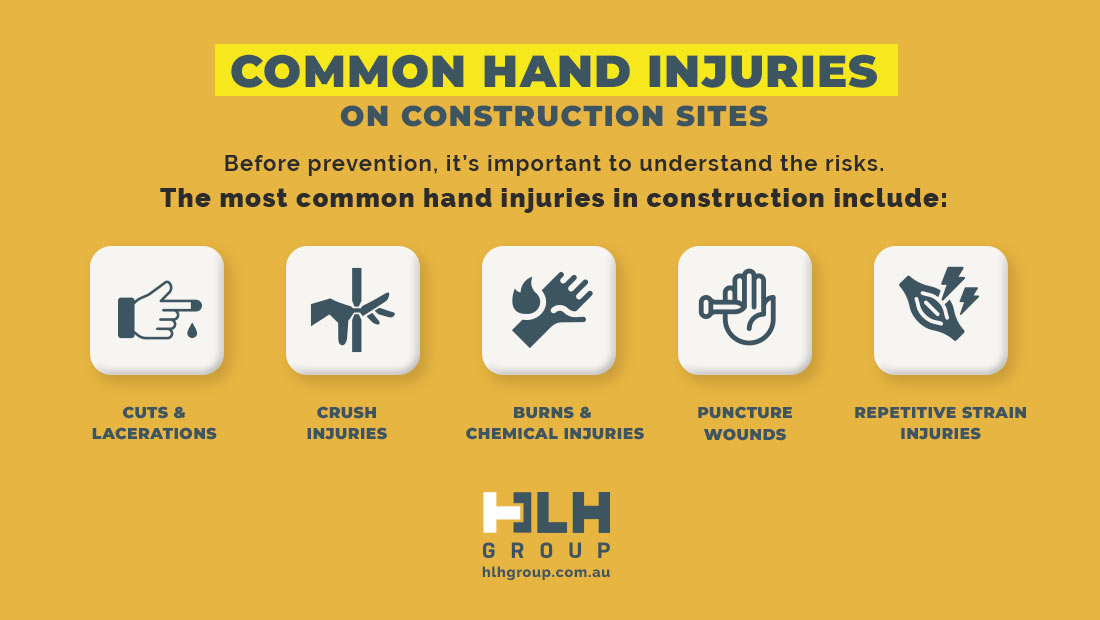
The tool itself is only one part of the hazard. Many injuries arise from the way the tool is selected, held, or used.
1. Using the wrong tool
A screwdriver used as a chisel can slip or break. Pliers used to turn a bolt may damage the tool and cause a sudden release. A hammer used on a hardened surface may send fragments into the eyes.
Use the tool made for the task. If the correct tool is not available, stop and get one rather than forcing a substitute.
2. Using damaged tools
Remove tools from service when they have:
- Cracked handles
- Loose heads
- Bent shafts
- Mushroomed striking ends
- Broken jaws
- Damaged insulation
- Worn tips
- Exposed sharp edges that should be covered
Do not make a temporary repair that changes how the tool handles force. A taped hammer handle or improvised blade guard may fail without warning.
3. Poor body position
A tool is harder to control when the user is reaching, twisting, kneeling on an unstable surface, or working above shoulder height.
Set the work at a comfortable height. Stand with both feet stable. Keep the cutting or striking path away from your body.
4. Rushing
Speed reduces control. It also increases the chance that the user will skip eye protection, fail to secure the work, or keep using a damaged tool.
Short pauses can prevent long recovery times.
5. Clutter and poor lighting
A loose cord, scrap of wood, or oily floor can cause a fall while a tool is in use. Poor lighting makes it harder to see the cut line, tool damage, and nearby hands.
Keep the work area clean and light the task from the side, not only from behind the user.
A Simple Risk Check Before Using Any Hand Tool
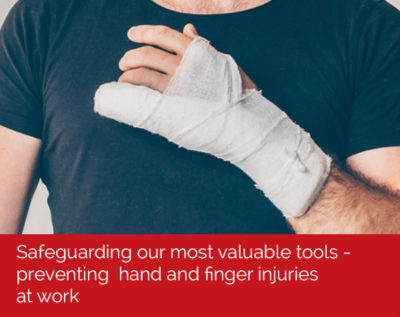
Use this quick check before starting a task:
Tool
Is the tool the right type and size? Is it clean, sharp when needed, and free of damage?
Work
Is the material stable? Can it move, roll, split, or spring back?
Path
Where will the tool go if it slips? Is that path away from your hand, leg, face, and other people?
Force
Can you complete the task with controlled force? If not, should you use a clamp, larger tool, powered tool, or another method?
Protection
Do you need safety glasses, hearing protection, cut-resistant gloves, or other protective equipment?
Protective equipment does not replace safe technique. For example, gloves may reduce some cuts but may also catch on rotating equipment. The correct choice depends on the task and the tool.
The NIOSH hierarchy of controls places safer design and engineering controls above personal protective equipment. In practice, securing the work and changing the cutting path often provides more protection than relying on gloves alone.

Common Mistakes to Avoid
Holding a small item in your hand while striking it
Use a clamp, vise, or holding tool when possible. This keeps fingers away from the impact zone.
Cutting toward your body
Plan the cut so the blade moves away from your hands and torso. If the material is awkward, reposition it before cutting.
Using a dull or damaged blade
A blade that drags or bends can slip. Replace it instead of increasing pressure.
Leaving tools on the floor
A tool on the floor can cause a fall or expose someone to a sharp edge. Store tools in a case, drawer, rack, or tool box.
Wearing loose clothing near moving parts
Loose sleeves, jewelry, and cords can interfere with control. Secure them before work begins.
Assuming gloves solve every hazard
Gloves must fit the task. A cut-resistant glove may help with some handling tasks, but it cannot make a hand safe in the path of a hammer or blade.
Continuing after an injury
Stop work after a cut, crush injury, eye impact, or suspected fracture. Small wounds should be cleaned and covered. Serious symptoms require prompt medical evaluation.

Frequently Asked Questions
Is a hammer the most dangerous hand tool?
Not in every setting. Hammers are a leading source of reported hand-tool injuries because they are common and transfer high impact force. Utility knives, knives, saws, and chisels may cause more severe injuries in some situations.
Are utility knives more dangerous than hammers?
They can be, depending on the task. A utility knife can cause a deep cut with one slip, while a hammer more often causes bruising, crushed fingers, or fractures. Injury frequency and injury severity are different measures.
What hand tool causes the most finger injuries?
Hammers, pliers, and screwdrivers can all cause finger injuries. Hammers commonly crush fingers, while screwdrivers and utility knives may puncture or cut them. The exact ranking depends on the dataset and whether home injuries are included.
Do safety gloves prevent hand-tool injuries?
Gloves may reduce some cuts, splinters, and abrasions, but they do not prevent all injuries. They cannot replace a stable workpiece, a safe tool path, eye protection, or proper technique.
When should a hand tool be replaced?
Replace or remove a tool from service when its handle is cracked, its head is loose, its striking end is mushroomed, its jaws no longer grip, or its tip is damaged. A tool that cannot be controlled safely should not remain in use.
Conclusion: The Safest Answer Depends on the Measure
If the question means which common hand tool is often associated with the most reported injuries, the practical answer is usually the hammer.
If the question means which hand tool can cause the most severe wound, sharp tools such as utility knives, knives, hand saws, and chisels deserve equal or greater concern.
The best next step is to inspect the tool, secure the work, plan the direction of force, and keep your hands out of the tool’s path. For U.S. workplace rules, consult OSHA guidance. For a serious injury, call 911 or seek urgent medical care.
Sources
- U.S. Consumer Product Safety Commission: NEISS Injury Data
- OSHA: Hand and Power Tools
- Bureau of Labor Statistics: Nonfatal Occupational Injuries and Illnesses
- CDC/NIOSH: Hierarchy of Controls
Recent Tool Guides
 Hammer
How To Hammer Flowers Onto Paper: Easy Guide
Learn how to hammer flowers onto paper with simple steps, helpful tips, and beautiful results for...
Read Guide → Wrench
How To Use A Hex Wrench: Easy Step-By-Step Guide
Learn how to use a hex wrench correctly with simple steps, helpful tips, and common mistakes...
Read Guide → Hacksaw
How To Cut Curtain Pole With Hacksaw: Easy Guide
Learn how to cut curtain pole with hacksaw safely and neatly. Follow simple steps for accurate...
Read Guide → Wrench
How To Use A Husky Torque Wrench: Easy Guide
Learn how to use a Husky torque wrench correctly with simple steps, torque settings, and safety...
Read Guide → Hammer
How To Hold A Hammer: Safe Grip Guide
Learn how to hold a hammer with the right grip, stance, and technique for safer, more...
Read Guide → Hacksaw
How To Cut Flexible Metal Conduit With Hacksaw: Easy Guide
Learn how to cut flexible metal conduit with hacksaw safely and cleanly. Follow simple steps for...
Read Guide →