

Clamp the screw, mark the cut, and use steady hacksaw strokes to remove excess threads safely.
Learning how to cut a screw with a hacksaw is a simple skill that can save a trip to the hardware store. With the right blade, firm support, and a little patience, you can shorten a screw cleanly without damaging its threads or surrounding material. This guide explains the method I use in real workshop projects, along with safety tips, common mistakes, and better options for special cases.
What You Need to Cut a Screw With a Hacksaw
A hacksaw works well for cutting steel, stainless steel, brass, and many other common screw materials. The key is to match the blade and setup to the screw size.
Gather these tools before you begin:
- A hacksaw with a tight, straight blade
- A fine or medium-tooth metal-cutting blade
- A bench vise or locking pliers
- A permanent marker or scribe
- A ruler or tape measure
- A file or metal deburring tool
- Safety glasses
- Work gloves, if they do not reduce your grip
- A spare nut that matches the screw thread
For most small screws, use a blade with about 18 to 32 teeth per inch. A finer blade gives smoother control on thin screws. A coarser blade removes metal faster but may catch or bend a small screw.
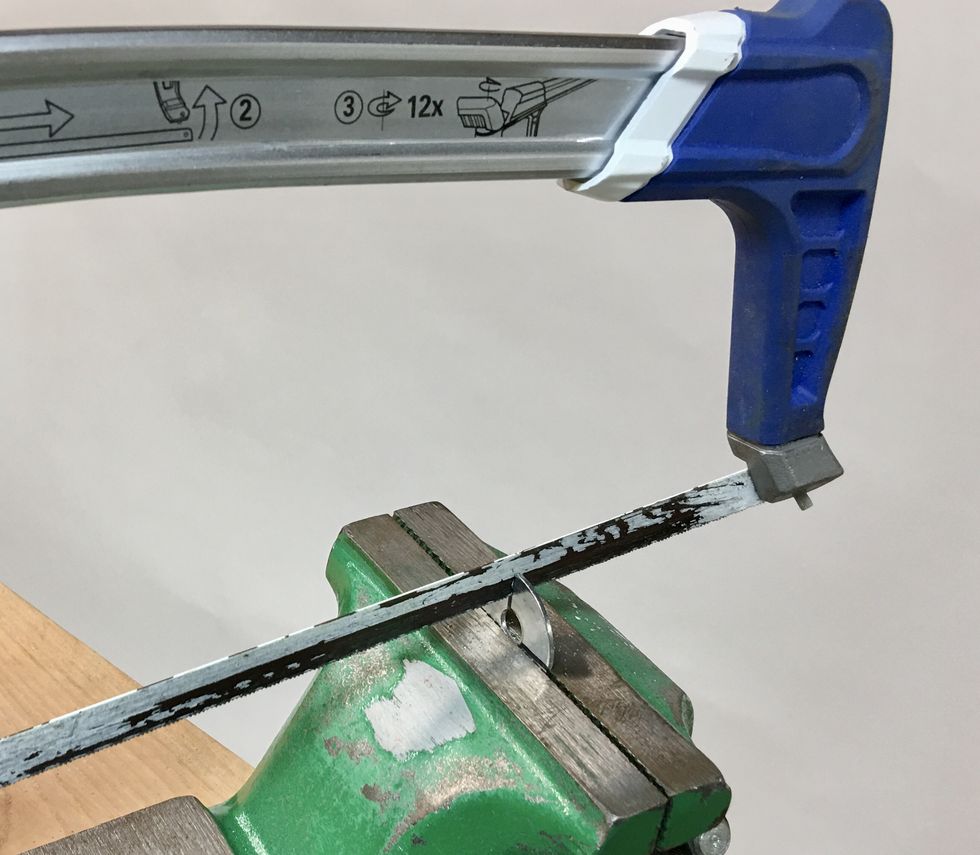
A standard hacksaw blade should face forward, with the teeth pointing away from the handle. The blade should also be tight enough that it does not twist during the cut.
Safety Steps Before Cutting
Cutting a screw creates sharp metal edges and small chips. Those pieces can fly toward your face or lodge in your skin, so basic protection matters.
Follow these safety steps:
- Put on safety glasses before starting.
- Secure the screw so it cannot spin or jump.
- Keep both hands on the hacksaw when possible.
- Keep your fingers away from the blade path.
- Cut away from your body.
- Check the blade for cracks or missing teeth.
- Keep loose clothing and hair away from the tool.
- Brush away metal chips instead of wiping them with bare hands.
A vise is the safest choice because it holds the screw firmly. If you use locking pliers, wrap the screw with a thin piece of leather or cardboard first. This can protect the threads from deep jaw marks.
Never hold a small screw in your fingers while cutting. It may seem faster, but the blade can slip in an instant. A secure workpiece gives you better control and produces a cleaner cut.

How to Cut a Screw With a Hacksaw
The best way to cut a screw with a hacksaw is to measure twice, support the screw well, and let the blade do the work. Do not rush the first cut.
1. Measure the Needed Length
Install the screw in the project, if possible, and mark the point where you want the end to stop. Remove the screw before cutting unless the surrounding material is fully protected.
Measure from the underside of the screw head to the cut mark. This matters because screw length is usually measured from the bearing surface under the head, not from the tip.
Add a small allowance if you are unsure. You can always remove more metal, but you cannot add it back.
2. Mark the Cut Line
Use a permanent marker, scribe, or fine-tip pen to draw a clear line around the screw. A square line helps the hacksaw start evenly.
For a more accurate cut, place the screw into a matching nut first. Then mark the screw just beyond the nut. After cutting, the nut can help repair or realign the threads as you remove it.
3. Secure the Screw
Place the screw in a vise with the cut line close to the vise jaws. Keep the section you want to save on the side supported by the jaws.
Tighten the vise firmly, but do not crush the threads. For a small screw, use soft jaw covers or thin wood strips. The screw should not rotate when you apply light pressure with the hacksaw.
4. Start a Shallow Groove
Position the hacksaw blade on the marked line. Use short, gentle strokes to create a shallow groove before using longer strokes.
This starting groove acts like a track. It keeps the blade from wandering across the screw and helps prevent a crooked cut.
Hold the saw at a comfortable angle and keep the frame steady. Light pressure works better than force at this stage.
5. Use Long, Steady Strokes
Once the groove is established, use smooth strokes that use most of the blade length. Push the saw forward with moderate pressure, then reduce pressure on the return stroke.
A hacksaw cuts mainly on the forward stroke. Pressing hard on the return stroke can dull the teeth and make the blade jump.
Keep the blade straight and follow the mark. If the cut begins to angle, stop and correct the blade position rather than forcing it deeper.
6. Finish the Cut Carefully
As the blade nears the far side of the screw, reduce pressure. The last few strokes should be slow and controlled.
A sudden break can bend the screw, damage the threads, or leave a rough burr. Support the waste piece if it is large enough to move during the final strokes.
7. Smooth the Cut End
Use a flat file to remove the sharp edge. A few light strokes around the end are usually enough.
You can also use a small round file to clean the inside edge of the threads. Do not remove too much metal. The goal is to remove burrs, not reshape the screw.
8. Restore the Threads
If you placed a nut on the screw before cutting, slowly unscrew it after the cut. The nut can push small burrs away from the threads.
If the nut binds, do not force it. Turn it back, clean the cut end with a file, and try again. For damaged threads, use a thread file or the correct die if you have one.
That complete process shows how to cut a screw with a hacksaw while keeping the threads useful and the end safe to handle.
How to Get a Straight, Clean Cut
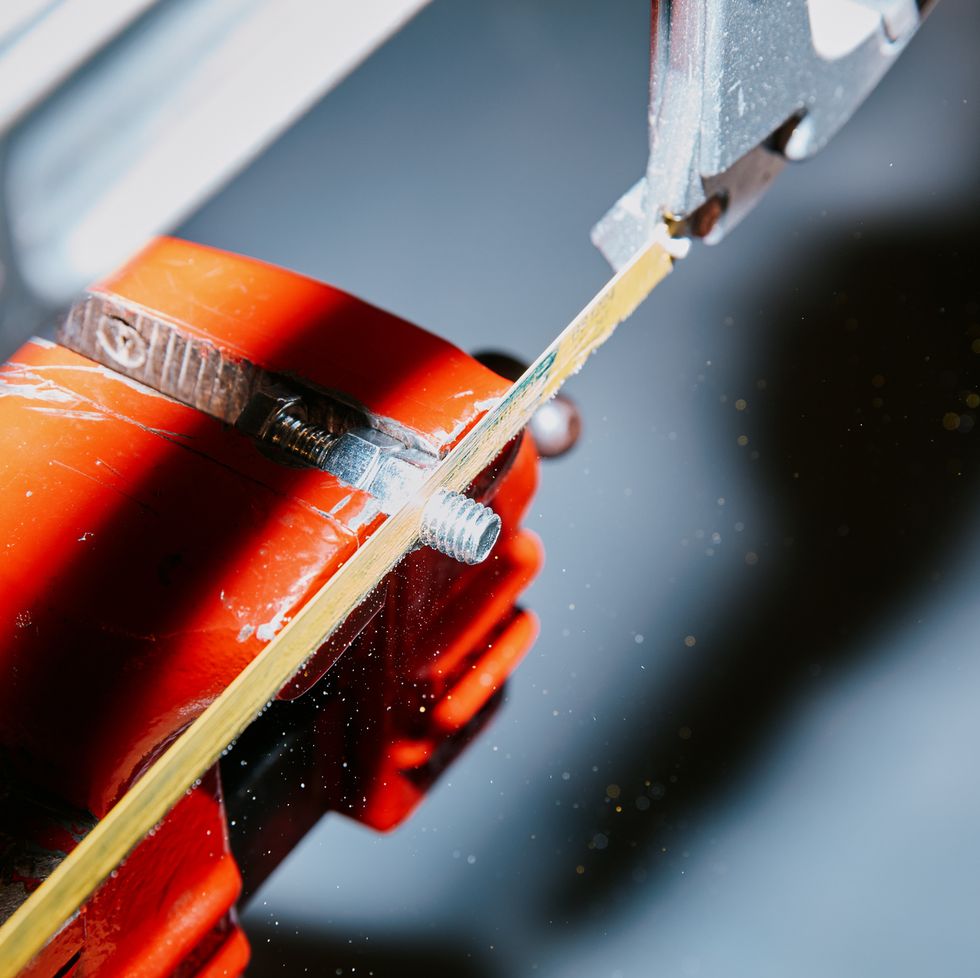
A clean cut depends more on setup than strength. Think of the hacksaw as a small hand-powered file that needs a stable guide.
These tips improve the result:
- Keep the cut close to the vise jaws to reduce vibration.
- Use a new or sharp metal-cutting blade.
- Let the blade stay perpendicular to the screw.
- Make several light strokes instead of a few hard strokes.
- Reapply the mark if it becomes hard to see.
- Turn the screw only if your setup requires it.
- File the cut end from several angles.
- Test the finished screw in a nut before installing it.
For a large bolt, you can rotate the workpiece slightly as the cut deepens. This can help you follow the line around the bolt. However, keep the workpiece secure and avoid changing the cutting angle too often.
When I first began shortening machine screws, I often pressed too hard because I wanted to finish quickly. The result was a slanted cut and a damaged blade. A slower rhythm produced a much cleaner end and took less effort overall.

Cutting a Screw Without Damaging the Threads
The most common problem after shortening a screw is a burr that prevents a nut from starting. This happens when the final cut tears the metal instead of slicing it cleanly.
The nut-before-cut method is one of the most useful solutions. Thread the nut onto the screw before cutting, leaving the cut area exposed. After you finish, remove the nut slowly. Its internal threads can realign the outer threads near the cut.
This method works best when:
- The nut matches the exact thread size and pitch.
- The screw is not heavily rusted.
- The cut is reasonably square.
- You file the end before removing the nut.
Do not rely on the nut to fix a badly angled cut. If the end is heavily damaged, use a thread file or replace the screw. A replacement fastener is often safer than forcing a nut onto damaged threads.
For high-strength, safety-critical, or load-bearing fasteners, avoid modifying the screw unless the manufacturer or a qualified professional allows it. Cutting can remove protective coatings and may change how the fastener performs.

Common Mistakes to Avoid
Knowing how to cut a screw with a hacksaw also means knowing what can go wrong. Most poor results come from weak support, the wrong blade, or too much pressure.
Avoid these mistakes:
- Cutting without securing the screw
- Using a wood-cutting blade
- Starting with long strokes before making a groove
- Holding the screw by hand
- Cutting on the wrong side of the mark
- Applying heavy pressure
- Ignoring a loose hacksaw blade
- Skipping the filing step
- Forcing a nut over damaged threads
- Reusing a screw with serious damage or corrosion
A loose blade tends to twist and wander. A dull blade creates heat and requires excess force. If the saw feels difficult to control, stop and inspect the blade and vise setup.
Also check the finished length before installation. A screw that is too long may interfere with moving parts, wires, pipes, or other components behind the material. A screw that is too short may not provide enough thread engagement.
When a Hacksaw Is Not the Best Choice
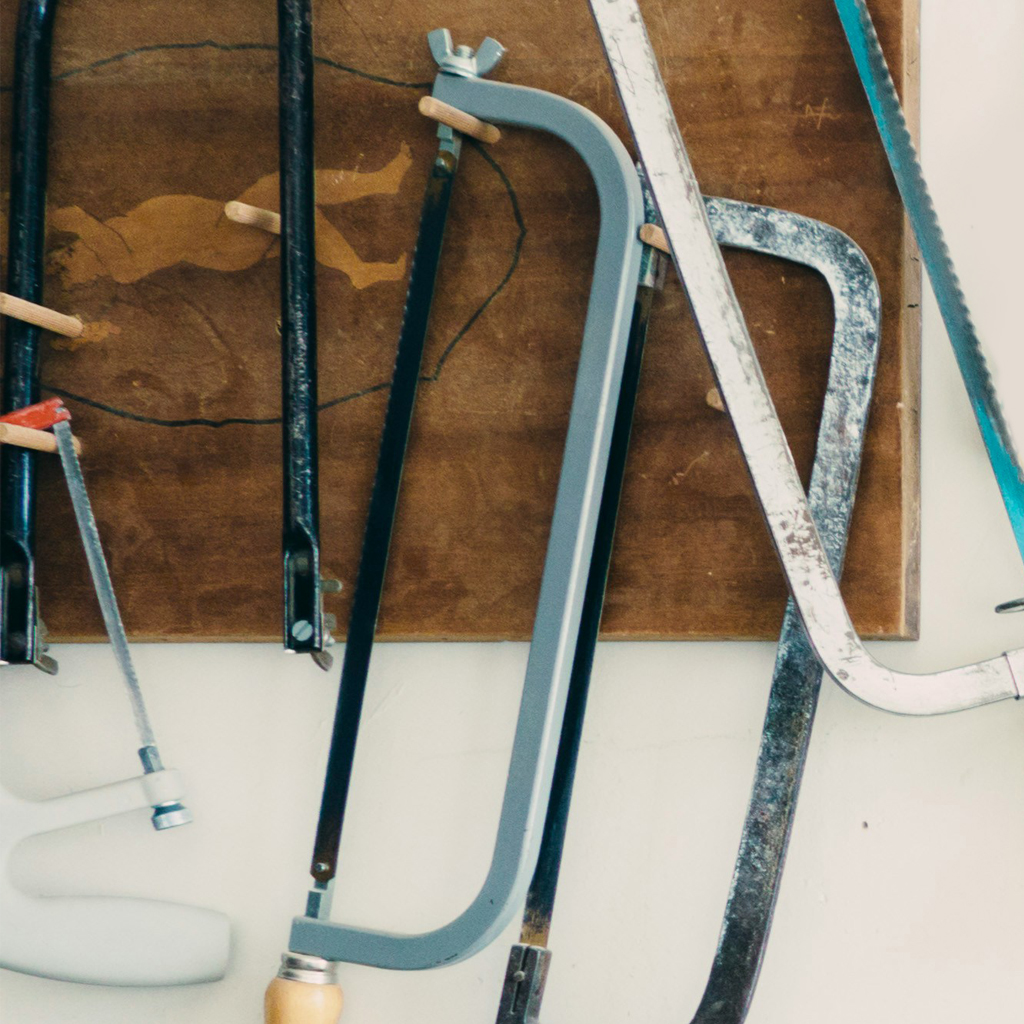
A hacksaw is affordable and accessible, but it is not ideal for every screw. The tool is best for occasional cuts and small repair jobs.
Consider another tool when:
- You need to cut many screws.
- You need highly consistent lengths.
- The screw is hardened.
- The screw is very thick.
- The cut must be perfectly square.
- The screw has a special coating that must remain intact.
- The fastener is part of a critical assembly.
A bolt cutter is fast, but it can crush threads near the cut. An angle grinder cuts quickly, but it creates sparks, heat, and more metal dust. A rotary tool can make precise cuts on small screws, but it also requires eye protection and careful control.
For repeated work, a metal-cutting band saw or powered cutoff tool may be more efficient. Even then, deburring and thread inspection remain important.
When choosing a method, think about the screw material, the required accuracy, the number of cuts, and the risks around the work area.

Practical Examples
Shortening a Machine Screw
Suppose a machine screw extends 1/4 inch beyond a bracket and may catch on clothing. Mark the screw at the bracket surface, remove it, and add a nut before making the cut.
Secure the screw in a vise, cut slowly with a fine-tooth blade, and file the end. Remove the nut carefully, then reinstall the screw and check that no sharp edge remains.
Shortening a Threaded Rod
Threaded rod is longer and less rigid than a short screw, so vibration can make the cut rough. Support the rod close to the cut and use a blade with enough teeth to keep several teeth engaged at once.
After cutting, file the end and run a matching nut across the repaired section. If the rod supports a heavy load, inspect it closely and follow the hardware specifications.
Cutting a Rusted Screw
A rusted screw may break or shed scale during cutting. Wear eye protection, apply penetrating oil if removal is needed, and clean the threads before fitting a nut.
If the screw is badly weakened, replacement is usually the better choice. A rusty fastener may not provide reliable strength even after a clean cut.
Frequently Asked Questions About How to Cut a Screw With a Hacksaw
Can I cut a screw with any hacksaw blade?
Use a blade made for cutting metal. A fine or medium-tooth blade gives better control and reduces the chance of bending or tearing the screw threads.
Should I put a nut on the screw before cutting?
Yes, when the thread size and pitch match. The nut can help protect the threads and push away small burrs when you remove it after cutting.
How do I stop the screw from moving while I cut it?
Secure the screw in a bench vise, with the cut line close to the jaws. Soft jaw covers can protect the threads and help prevent damage.
What should I do if the cut is not straight?
File the end until it is smooth and reasonably square. If the angle is severe or the threads are badly damaged, replace the screw rather than forcing a nut onto it.
Can I cut a hardened screw with a hacksaw?
A hacksaw may struggle with a hardened screw and can wear out quickly. Use a blade designed for hardened metal or choose a suitable powered cutting tool with proper safety controls.
Is it safe to cut a screw while it is installed?
It is usually safer to remove the screw first. Cutting in place can damage nearby surfaces, wires, or pipes and can spread metal chips into the assembly.
Conclusion
Learning how to cut a screw with a hacksaw is mostly about control, not force. Mark the correct length, secure the screw, start with a shallow groove, use steady strokes, and file the end before installation.
A matching nut can help restore the threads, while safety glasses and a stable vise protect you from common workshop hazards. For critical fasteners or hardened screws, replacement or a professional cutting method may be the wiser choice.
Try the process on a spare screw first, then use these steps on your project. If you found this guide helpful, explore more practical hardware guides or share your own cutting tips in the comments.
