How To Use A Hacksaw On Metal: Easy Cutting Guide
Introduction
To use a hacksaw on metal, choose the right blade, secure the metal in a vise, place the blade on your cut line, and make steady forward strokes with light pressure. Let the teeth do the work. A clean setup matters more than brute force.
This guide applies to common metal-cutting jobs in the United States, such as cutting threaded rod, bolts, steel tube, aluminum bar, copper pipe, and light metal stock. It covers a standard manual hacksaw, not a powered reciprocating saw or abrasive cut-off tool.
What You Need Before Cutting Metal
Gather the following tools and supplies:
- A hacksaw with a firm frame
- A sharp metal-cutting blade
- A bench vise or another approved work-holding device
- Eye protection with side shields
- A marker, scribe, or pencil
- A metal file or deburring tool
- A tape measure or ruler
- Light cutting oil, when suitable for the metal
- Work gloves for handling sharp stock and fresh cut edges
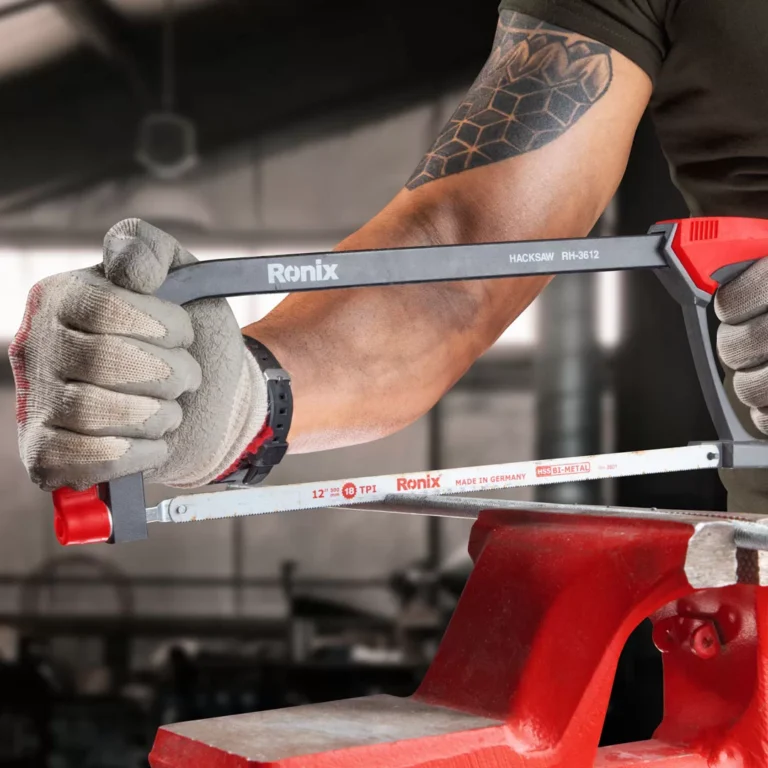
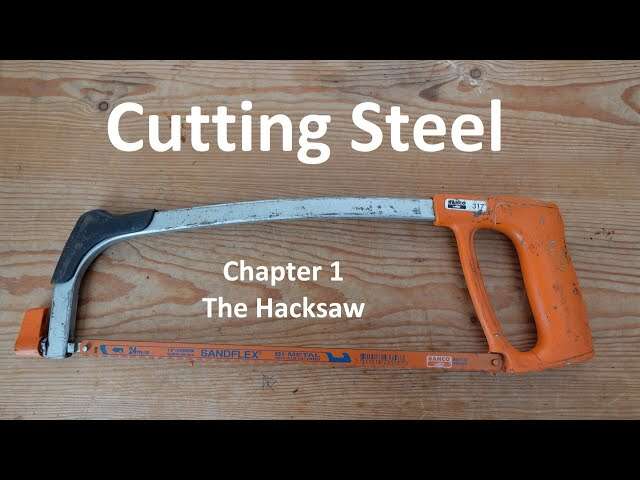
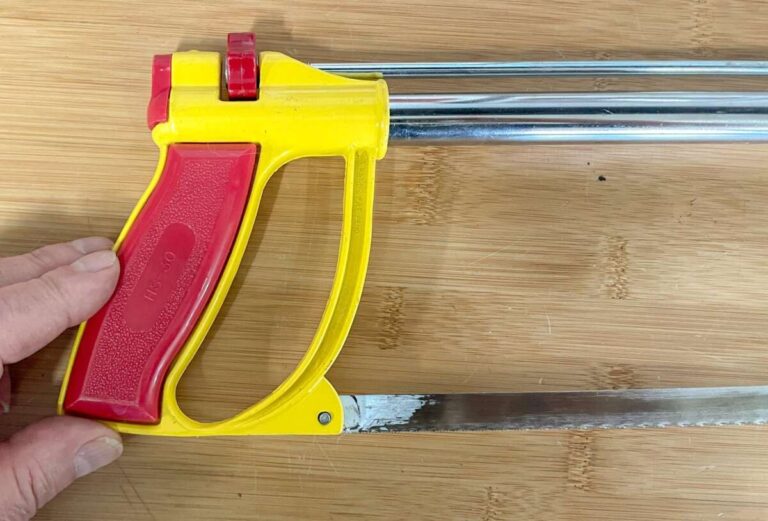
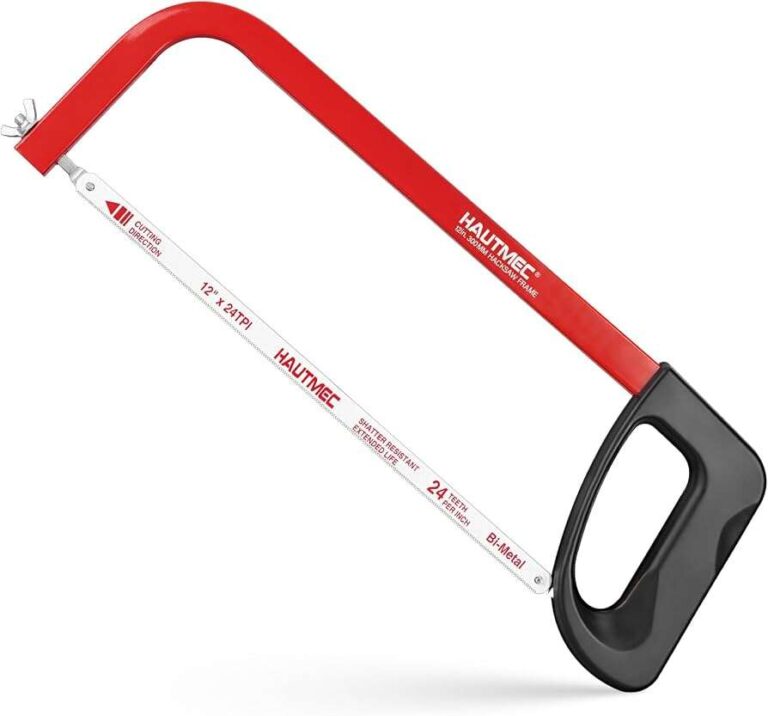
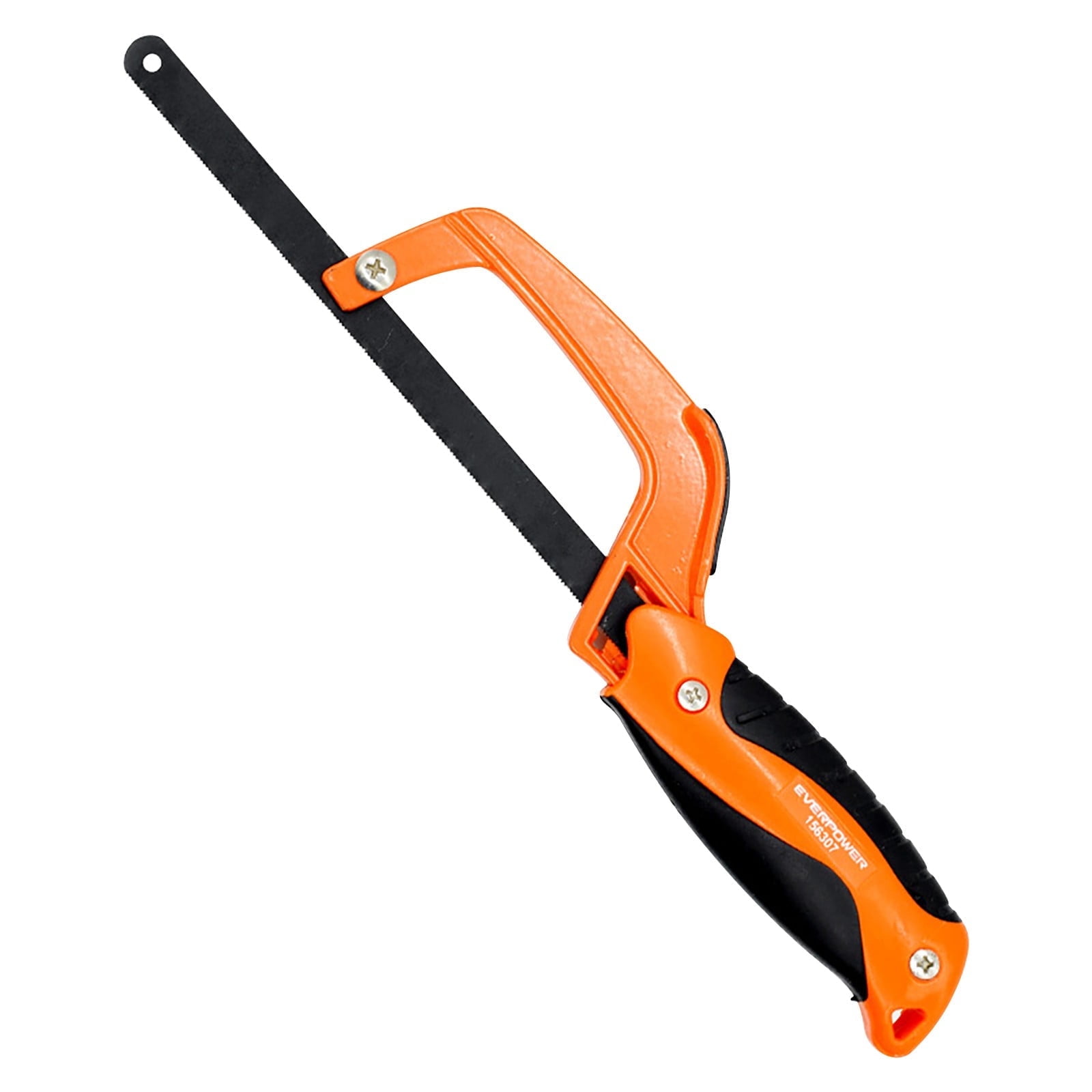
A standard hacksaw has a frame, handle, blade, tensioning screw, and blade pins. The blade has small teeth that remove a narrow strip of metal as you push it across the workpiece.
A vise is not optional for most accurate cuts. If the metal moves, the blade can bind, the cut can wander, and the workpiece can damage the blade or your hands. The U.S. Occupational Safety and Health Administration advises workers to control hazards through proper work practices and suitable personal protective equipment; its machine guarding and hand-tool guidance also supports securing work and inspecting tools before use.
Inspect the hacksaw
Before cutting, check that:
- The frame is not bent or cracked.
- The handle is secure.
- The tension screw works.
- The blade is straight and free of major damage.
- The blade pins fit fully into the frame.
- The blade does not flex excessively when pressed by hand.
Replace a blade that is missing teeth, badly worn, warped, or loose. A damaged blade is more likely to snap or produce a rough cut.
Mark the cut
Measure twice and mark the cut once. Wrap a strip of masking tape around round stock to create a clear guide line. For square or flat stock, mark all visible sides if the cut must be precise.
If the finished length matters, account for the blade’s narrow cut, called the kerf. A hacksaw removes only a small amount of material, but placing the blade on the wrong side of the line can still make a part too short.

How to Choose the Right Hacksaw Blade
Choose a blade with enough teeth engaged in the metal during each stroke. The main rating is teeth per inch, or TPI.
| Metal and thickness | Common starting point |
|---|---|
| Thin sheet metal or small tubing | 24–32 TPI |
| General steel, brass, or copper stock | 18–24 TPI |
| Thick steel bar or heavy-wall tubing | 14–18 TPI |
| Aluminum or soft nonferrous metal | 18–24 TPI, with care to prevent tooth loading |
These are starting points, not fixed rules. A blade with too few teeth can catch and snag in thin metal. A blade with too many teeth may cut slowly because each tooth has little room to clear chips.
As a practical rule, keep at least two or three teeth in the metal at all times. For thin sheet, more teeth should contact the work. For thick stock, a coarser blade gives each tooth more space to remove material.
Bi-metal versus carbon-steel blades
A bi-metal blade combines a flexible back with harder cutting teeth. It usually tolerates bending and general shop use better than a basic carbon-steel blade. A carbon-steel blade may cost less and work well for occasional light cuts, but it tends to be less forgiving.
For regular work on steel, stainless steel, or hard fasteners, a quality bi-metal blade is often the sensible choice. The blade package should state that it is intended for metal.
Select the correct blade length
Most full-size hacksaws use blades around 12 inches long, but frames vary. The blade must fit both mounting pins without forcing the frame or leaving excessive slack.
Check the hacksaw frame or its instructions before buying a replacement blade. A blade that fits the pins but is too short or too long for the frame can create poor tension and an unsafe setup.

How to Install a Hacksaw Blade
Install the blade with the teeth pointing forward, away from the handle. A standard hacksaw cuts on the forward stroke.
- Loosen the tensioning screw.
- Remove the old blade if one is installed.
- Fit one blade hole over the pin near the handle.
- Fit the other hole over the pin at the front of the frame.
- Tighten the tensioning screw until the blade is firm.
- Check that the blade sits straight in the frame.
Do not tighten the blade until the frame bends or the tension screw becomes difficult to turn. The blade should feel firm, not strained. Too little tension can cause wandering or buckling. Too much tension can damage the frame or blade pins.
With the blade installed, lightly pluck or tap it. It should make a short, firm sound and should not sag. This is only a quick check; the blade must still remain straight when placed on the workpiece.
How to Cut Metal With a Hacksaw
Follow this sequence for a controlled cut.
1. Secure the metal
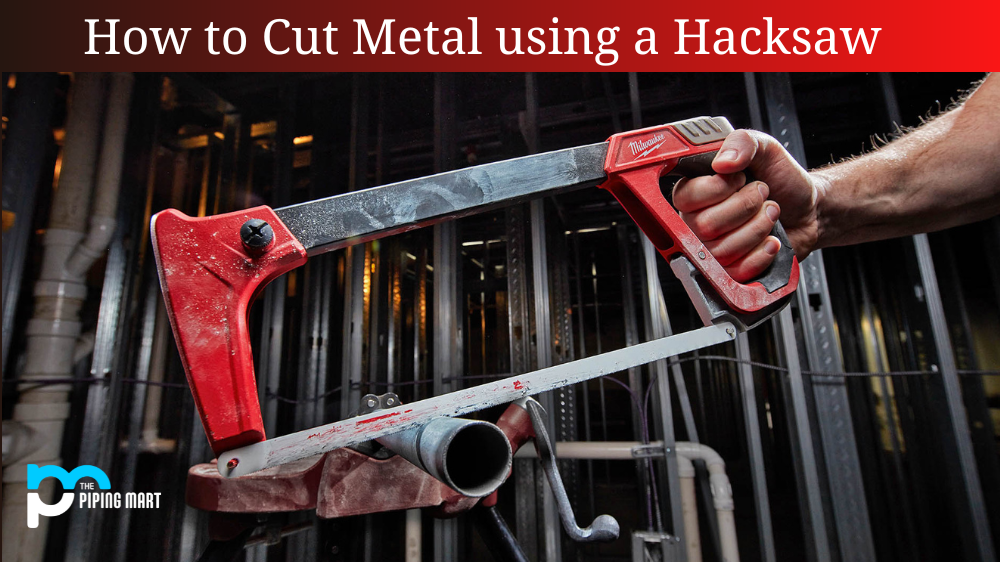
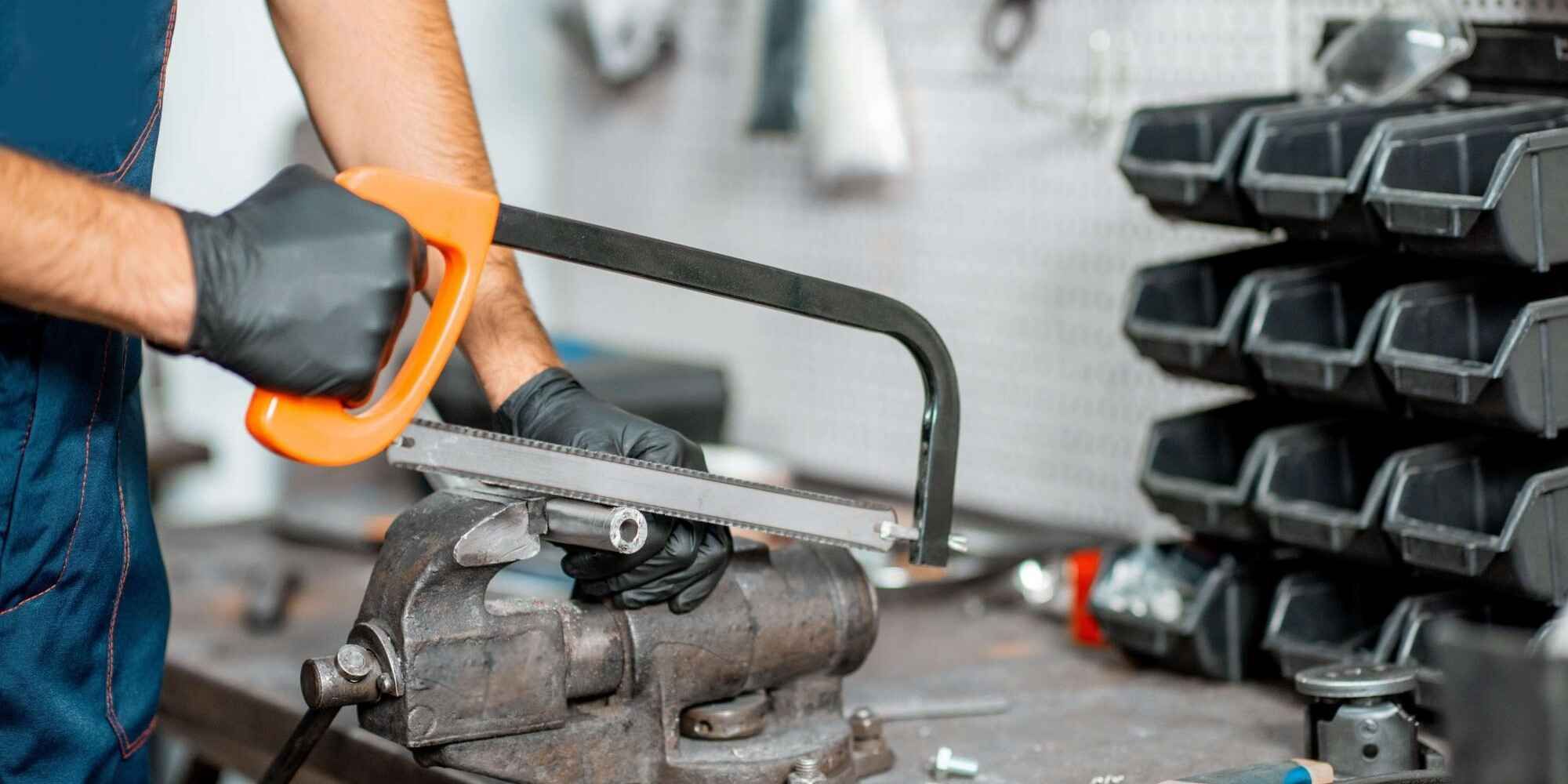
Place the workpiece in a vise. Clamp it close to the cut line, but leave enough room for the hacksaw frame to move freely.
For tubing or thin stock, avoid crushing the material. Use wood, soft jaws, or thin protective pieces between the vise jaws and the workpiece when needed.
The section being cut should extend only as far as necessary. A long, unsupported section can vibrate. Vibration makes the blade chatter and can produce a crooked cut.
2. Set your body position
Stand with a balanced stance and keep both hands on the tool when practical. Hold the handle with your dominant hand and place your other hand near the front of the frame.
Keep your fingers away from the blade teeth and the area where the frame moves. Do not brace the workpiece with your free hand while cutting it.
3. Start a shallow groove
Place the blade on the waste side of the mark. Tilt the hacksaw slightly so only a small section of the blade contacts the metal.
Use two or three short, light strokes to create a starting groove. This groove gives the blade a track and helps prevent it from skating across the surface.
Once the groove is established, bring the hacksaw closer to level. If the cut must be square, check the blade position against the face of the workpiece as you begin.
4. Use long, steady strokes
Push the hacksaw forward with moderate pressure. Then reduce pressure as you pull the blade back. The blade is designed to cut on the forward stroke.
Use as much of the blade length as the work allows. Long strokes spread wear across more teeth and usually cut faster than short, choppy motions.
Keep the blade aligned with the cut line. Do not twist the frame to correct a wandering cut. Stop, reset the blade, and continue from the existing groove.
5. Use light pressure near the end
As the blade approaches the far side of the metal, reduce pressure and shorten the stroke if needed. Thin pieces can break suddenly when only a small section remains.
Support the waste piece if it can fall, but keep your fingers away from the cut. Let the final teeth pass through the metal rather than snapping the piece by hand.
6. Finish and deburr the edge
Remove the cut piece and inspect the edge. Sharp burrs can cut skin and interfere with assembly.
Hold a file at a shallow angle and make a few controlled passes over the edge. A deburring tool can also remove the sharp lip inside tubing or around a drilled hole.

How to Make a Straighter, Faster Cut
A straight cut comes from control, not force. Use these adjustments when the cut starts to drift:
- Keep the blade square: Check the blade against the workpiece face after the starting groove forms.
- Reduce sideways pressure: Pushing the frame sideways bends the blade and widens the cut.
- Use a firm vise: Movement at the workpiece can look like a blade problem.
- Support long stock: Add a stand or support so the material does not bounce.
- Use the correct TPI: Too coarse a blade can catch in thin metal.
- Replace a worn blade: Dull teeth encourage excessive pressure.
- Keep the frame moving: Stopping in the same part of the cut can deepen one groove and make the blade wander.
For long cuts, you may apply a small amount of suitable cutting fluid to the blade. Cutting fluid can reduce friction and heat, but it is not required for every job. Use the product according to its label, keep it away from your eyes and skin, and clean the work area afterward.
Aluminum can clog the spaces between teeth, a condition called loading. If this happens, stop and clean or replace the blade. Do not keep forcing a clogged blade through the work.

Common Problems and Fixes
| Problem | Likely cause | What to do |
|---|---|---|
| The blade skips across the surface | No starting groove or too much pressure | Start with short, light strokes |
| The blade breaks | Excessive tension, twisting, or a damaged blade | Install a sound blade and keep the stroke straight |
| The cut is crooked | Workpiece movement or sideways force | Tighten the vise and check blade alignment |
| Cutting feels very slow | Dull blade, wrong TPI, or hard material | Fit a fresh blade suited to the material |
| Teeth strip from the blade | Too much pressure or too few teeth engaged | Use a finer blade and lighter strokes |
| The blade clogs | Soft metal packed between teeth | Stop, clean the blade, and reduce pressure |
| The metal vibrates | Too much unsupported material | Clamp closer to the cut and add support |
| The finished edge is sharp | Burrs remain after cutting | File or deburr every exposed edge |
If the blade binds, stop pushing. Keep the hacksaw steady, back it out carefully, and inspect the cut. A binding blade may indicate that the workpiece is closing around the kerf or that the frame is no longer aligned.
If you cannot cut the material with reasonable effort after checking the blade and setup, stop and identify the metal. Hardened steel, tool steel, and thick structural material may need a different cutting method. Do not solve the problem by applying extreme force.

Hacksaw Safety for Metal Cutting
Wear safety glasses whenever you cut metal. Small chips and broken teeth can travel toward your face. Use hearing protection if the work creates uncomfortable noise, especially in a confined shop.
Keep loose clothing, cords, and hair away from the frame. Maintain a clear area around the vise. Do not hold the metal in one hand while cutting it with the other.
Handle cut metal as if every edge is sharp. Remove burrs before carrying or installing the part. Collect metal chips with a brush or vacuum suitable for the material; do not wipe them away with bare hands.
Avoid cutting energized electrical parts, pressurized tubing, gas lines, or components that may contain hazardous liquids. A manual hacksaw can create sparks or sharp fragments, and the workpiece may have risks that are not visible from the outside.
Do not use a hacksaw blade that is too short, bent, loose, or intended for wood. Do not strike the frame with a hammer. If a blade breaks, stop and inspect the frame, workpiece, and remaining blade before installing a replacement.

When to Use a Different Tool
A hacksaw is useful for occasional cuts and small or medium metal stock. It may not be the best choice when:
- You need many identical cuts.
- The metal is very thick or hardened.
- The workpiece cannot be secured safely.
- The cut must meet a tight production tolerance.
- The material contains an unknown coating or residue.
- The job would require unsafe force or an awkward body position.
A metal-cutting bandsaw can provide more consistent repeated cuts. An angle grinder with a suitable cutting wheel can cut some materials quickly, but it creates sparks, noise, heat, and abrasive dust. A reciprocating saw may help with installed metal, but it has different kickback, blade, and control risks.
Choose the tool based on the material, cut location, quantity, accuracy, and hazards. A slower manual cut is often the better choice when it gives you more control.
Frequently Asked Questions
Which direction should hacksaw teeth face?
The teeth should point forward, away from the handle. A standard hacksaw cuts as you push it forward. Pulling hard on the return stroke adds wear and can damage the blade.
What hacksaw blade is best for steel?
A bi-metal blade with about 18 to 24 TPI is a useful starting point for many steel parts. Use a finer blade for thin steel and a coarser blade for thick stock. The ideal choice depends on the material thickness and hardness.
Can a hacksaw cut stainless steel?
Yes. Use a sharp metal-cutting blade, preferably a durable bi-metal blade, and use steady strokes with moderate pressure. Stainless steel can work-harden if the blade rubs without cutting, so avoid very light rubbing strokes that create heat without removing metal.
Should I use oil when cutting metal with a hacksaw?
Sometimes. A small amount of suitable cutting fluid can reduce friction on some metal-cutting jobs. It is not always needed, and the wrong fluid can make cleanup harder or cause a soft metal to load the teeth. Follow the fluid label and keep the blade cutting rather than sliding.
How do I cut a bolt with a hacksaw?
Thread a nut onto the bolt before cutting. Clamp the bolt securely, cut on the waste side of the mark, and file the cut end. When you remove the nut, it can help straighten minor thread damage at the end. Replace the bolt if the threads or fastener have been damaged in a way that affects safe assembly.
Why does my hacksaw blade keep breaking?
Common causes include excessive tension, a bent frame, sideways force, a loose workpiece, or a blade that is too short or damaged. Check the frame and mounting pins, reduce pressure, and keep the stroke straight.
Conclusion
To cut metal with a hacksaw, secure the workpiece, fit the blade with its teeth facing forward, start a shallow groove, and use smooth strokes with light pressure. Choose the blade TPI for the metal thickness, keep the work supported, and deburr the finished edge.
If the cut feels unusually hard, stop rather than forcing the tool. Check the blade, clamp, material, and cutting direction first. A sound blade and a steady setup will usually produce a cleaner cut with less effort.
Recent Tool Guides
 Wrench
How To Store A Torque Wrench: Smart Storage Guide
Learn how to store a torque wrench correctly to protect its calibration, prevent damage, and extend...
Read Guide → Hammer
How To Hammer Flowers Onto Paper: Easy Guide
Learn how to hammer flowers onto paper with simple steps, helpful tips, and beautiful results for...
Read Guide → Wrench
How To Use A Hex Wrench: Easy Step-By-Step Guide
Learn how to use a hex wrench correctly with simple steps, helpful tips, and common mistakes...
Read Guide → Hacksaw
How To Cut Curtain Pole With Hacksaw: Easy Guide
Learn how to cut curtain pole with hacksaw safely and neatly. Follow simple steps for accurate...
Read Guide → Wrench
How To Use A Husky Torque Wrench: Easy Guide
Learn how to use a Husky torque wrench correctly with simple steps, torque settings, and safety...
Read Guide → Hammer
How To Hold A Hammer: Safe Grip Guide
Learn how to hold a hammer with the right grip, stance, and technique for safer, more...
Read Guide →