Can A Hacksaw Cut Through Metal: Best Cutting Guide
Yes, a hacksaw can cut through metal when fitted with the right blade and used with steady pressure.
If you are wondering, “can a hacksaw cut through metal,” the answer depends on the metal type, blade teeth, cutting method, and the thickness of the workpiece. A hacksaw is simple, affordable, and surprisingly capable, but it works best when you match the blade to the job and let the teeth do the cutting.
Can a Hacksaw Cut Through Metal?
Yes, a hacksaw can cut through many common metals. It can cut steel, aluminum, brass, copper, threaded rod, metal pipe, bolts, nails, and thin sheet metal.
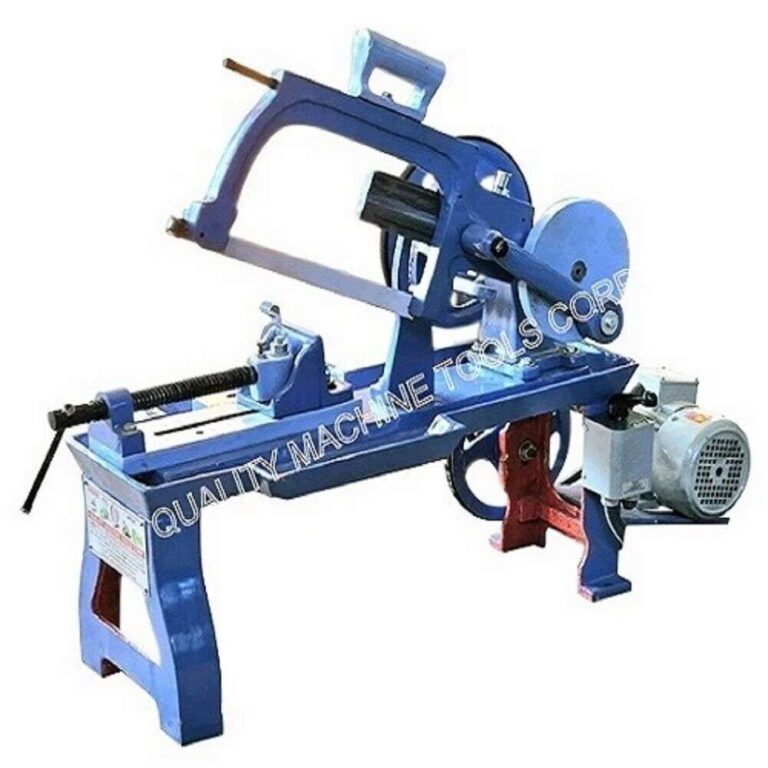
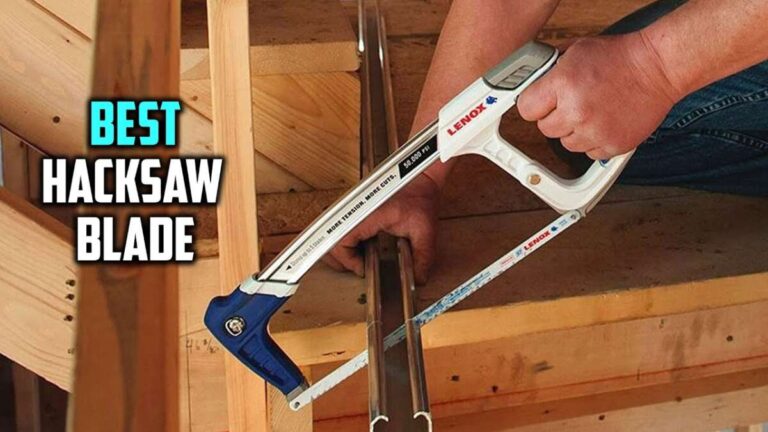
A hacksaw uses a narrow, replaceable blade with small teeth. As you push and pull the frame, the teeth remove tiny pieces of metal. This process is slower than using a power saw, but it gives you good control.
Can a hacksaw cut through metal quickly? Usually not. A hand hacksaw needs patience, especially when cutting thick steel or stainless steel. Still, it is often the safest and most practical tool for small jobs.

What Metals Can a Hacksaw Cut?
The blade matters more than the frame. A sharp, suitable blade can cut several types of metal, but each material feels different under the teeth.
Steel
A hacksaw can cut mild steel well. This includes many bolts, brackets, flat bars, angle iron, and light steel tubing.
Hard steel takes longer. Stainless steel can also be cut, but it creates more heat and may wear out a low-quality blade fast.
Aluminum
Aluminum is soft and easy to cut with a hacksaw. However, its chips can clog the blade teeth. A blade with fewer teeth per inch often works better because it clears chips more easily.
Copper and Brass
Copper and brass are also easy to cut by hand. They are soft, but they can grab the blade if you rush or use too much force.
Cast Iron
A hacksaw can cut some cast iron parts, but the work is slow. Cast iron is hard and brittle, so the blade may dull quickly. For thick cast iron, an angle grinder or reciprocating saw may be a better choice.
Sheet Metal
A hacksaw can cut thin sheet metal, but the sheet may bend or vibrate. Clamp it between pieces of scrap wood, or support it close to the cut line.
Can a hacksaw cut through metal such as hardened steel? It may cut thin hardened steel, but the job can be difficult. A carbide blade, abrasive wheel, or professional cutting tool may be more suitable.

Choosing the Right Hacksaw Blade
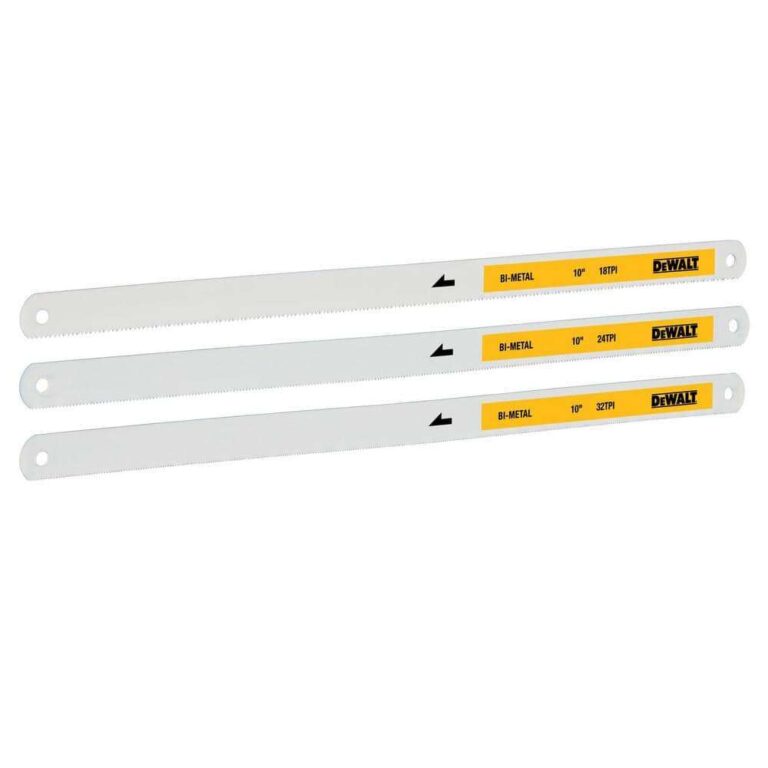
Blade choice is the key to clean metal cuts. Hacksaw blades are commonly rated by teeth per inch, or TPI.
Use these general guidelines:
• 14 TPI works well for thick, soft metal, such as aluminum or brass.
• 18 TPI is useful for medium-thickness metal and general workshop work.
• 24 TPI is a good choice for thin steel, tubing, and small bolts.
• 32 TPI suits very thin sheet metal and small, delicate parts.
The blade should keep at least two or three teeth in contact with the material during each stroke. If the metal is thin and only one tooth touches it, the blade may snag or break.
Bi-metal blades are a strong all-purpose choice. They combine flexible spring steel with hardened high-speed steel teeth. These blades usually last longer than basic carbon steel blades.
When asking, “can a hacksaw cut through metal,” also ask whether the blade is fresh. A dull blade creates heat, needs more force, and can slip from the cut.
How to Cut Metal With a Hacksaw
A clean cut starts with good setup. Do not treat the task like a race. A steady cut is safer and often faster than an aggressive one.
1. Mark the Cut
Use a permanent marker, scribe, or automatic center punch. Wrap masking tape around a pipe to create a straight guide line.
Measure twice before you cut. A hacksaw can remove metal, but it cannot put it back.
2. Secure the Workpiece
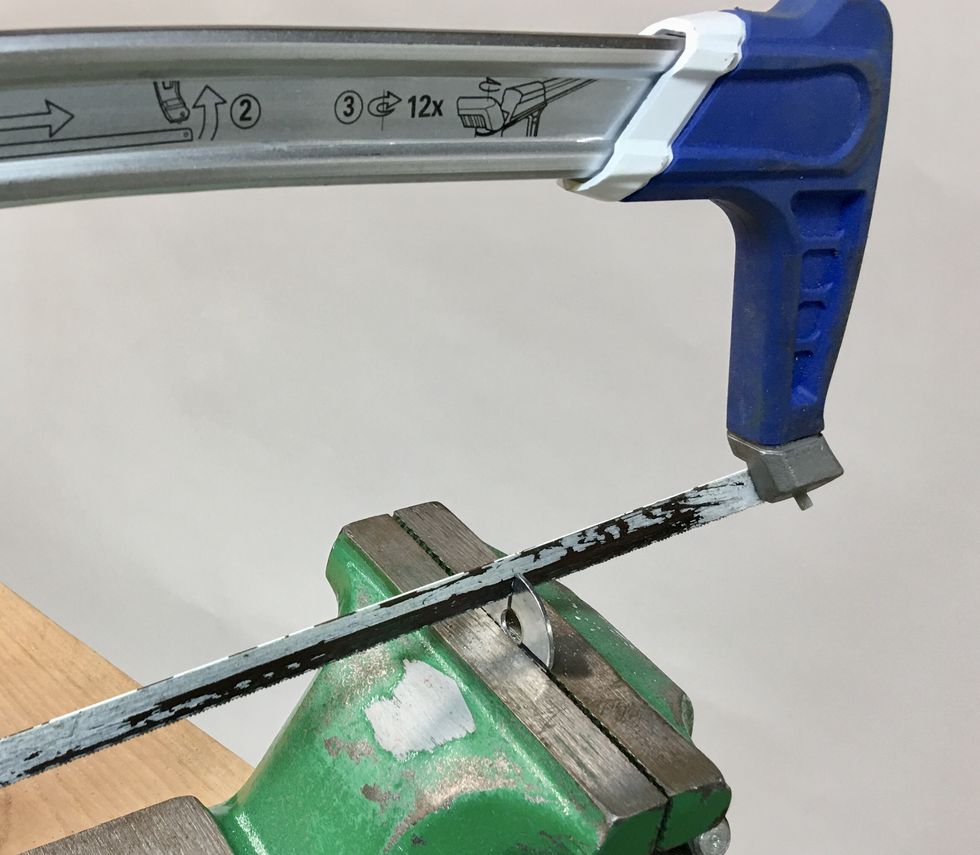
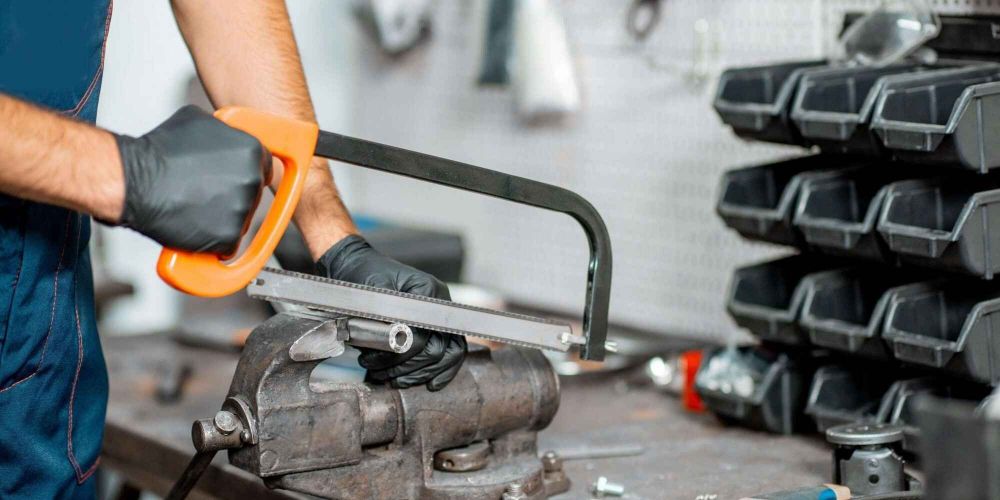
Clamp the metal firmly in a vise. Place the cut line close to the vise jaws to reduce vibration.
For pipe, use padded jaws or a scrap piece of leather. This protects the surface and helps prevent slipping.
3. Install the Blade Correctly
Most hacksaw blades cut on the forward stroke. The teeth should point away from the handle.
Tighten the blade until it feels firm. It should not sag, but do not over-tighten the frame. Excess tension can damage the blade or frame.
4. Start With Short Strokes
Place the blade on the waste side of the mark. Use short, light strokes to create a small groove.
This groove is called a kerf. Once it is established, use longer strokes that engage most of the blade.
5. Keep a Steady Rhythm
Apply pressure only during the forward stroke. Release pressure as you pull the blade back.
Use long, even strokes. Let the teeth cut the metal instead of forcing the frame through it. About 40 to 60 strokes per minute is a useful starting pace for many hand cuts.
6. Finish the Cut Carefully
Near the end, support the waste piece so it does not bend and break the remaining metal. Reduce pressure as the blade reaches the far side.
After the cut, remove sharp burrs with a file. A newly cut metal edge can be as sharp as a knife.
Can a hacksaw cut through metal with a smooth edge? Yes, if you use the right blade, secure the workpiece, and avoid twisting the frame.
Hacksaw Cutting Tips That Improve Results
Small technique changes can make a major difference. These tips help reduce broken blades, rough cuts, and wasted effort.
• Keep the blade straight. Twisting the frame can snap the blade or make the cut wander.
• Use nearly the full blade length. Short strokes wear out one small section of the teeth.
• Use cutting oil on steel and stainless steel. A few drops can reduce heat and friction.
• Do not use oil on aluminum if it causes chips to stick to the teeth. A clean blade and proper TPI may work better.
• Keep both hands on the saw. One hand guides the frame while the other provides steady forward pressure.
• Replace a dull blade early. A dull blade is not a test of strength.
• Clamp small parts securely. Holding metal in your hand is unsafe and produces poor results.
• Cut from the visible side. This helps keep the finished edge clean and makes it easier to follow the mark.
One common lesson from hands-on metal work is that excess force causes most problems. When a cut feels unusually hard, stop and check the blade, TPI, alignment, and clamping before pushing harder.

Common Problems When Cutting Metal
Even when you know can a hacksaw cut through metal, the actual cut may not go well. Most problems have a simple cause.
The Blade Keeps Breaking
The blade may be too tight, too loose, or twisted during the cut. The teeth may also be too fine for the material.
Use a firm grip and keep the blade square to the workpiece. Replace the blade if several teeth are missing.
The Blade Gets Dull Quickly
Hard metal, heavy pressure, and excess heat can dull a blade. Stainless steel is especially sensitive to poor technique because heat can harden the surface.
Use a bi-metal blade, cutting oil, and steady strokes. Avoid stopping in one spot while pressing hard.
The Cut Wanders
A wandering cut often begins with a poor starting groove. It can also result from a loose workpiece or a bent blade.
Start with short strokes and check the blade often. If the cut begins to drift, do not force it back. Start a new groove if needed.
The Metal Gets Very Hot
Heat comes from friction. It is more common with thick steel, stainless steel, and dull blades.
Pause for a moment, add suitable cutting oil, and reduce pressure. Wear gloves, but never touch the freshly cut metal until it cools.
The Blade Skips Over the Surface
The blade may have too few teeth for thin metal, or the workpiece may not be firmly supported.
Choose a finer blade and create a starter groove with light strokes. A center punch can help start a cut on flat metal.

Hacksaw Safety for Metal Cutting
A hacksaw is a hand tool, but it can still cause cuts, pinched fingers, and eye injuries. Basic safety habits matter.
Wear safety glasses to protect against metal chips. Use hearing protection if other loud tools are operating nearby.
Keep the workpiece in a vise. Do not hold it in one hand while sawing with the other. The blade can slip without warning.
Follow these safety steps:
-
Inspect the blade before use.
-
Make sure the blade is tight and properly aligned.
-
Keep your fingers away from the cutting path.
-
Wear close-fitting clothing and remove loose jewelry.
-
Use gloves when handling sharp metal, but keep them clear of the blade.
-
Let the metal cool before touching the cut edge.
-
File away burrs after cutting.
-
Clean metal chips with a brush, not your bare hand.
Do not use a hacksaw blade with a cracked frame or damaged handle. Also, never use a power tool near flammable liquids without following the tool maker’s safety guidance.
Can a hacksaw cut through metal safely? Yes, when the workpiece is stable, the blade is sound, and the operator uses controlled strokes.

Hacksaw vs. Other Metal-Cutting Tools
A hacksaw is not always the best choice. The right tool depends on the metal, cut length, thickness, accuracy, and available power.
Hacksaw
A hacksaw is best for small jobs, repair work, and cuts that need control. It is quiet, inexpensive, and does not create sparks.
Reciprocating Saw
A reciprocating saw cuts faster and handles thicker metal. It creates more vibration and needs the correct metal-cutting blade.
Angle Grinder
An angle grinder can cut steel quickly with an abrasive or thin cut-off wheel. It produces sparks, noise, dust, and a hot edge, so it needs careful control and proper protective equipment.
Band Saw
A metal-cutting band saw provides accurate, smooth cuts and works well for repeated jobs. It costs more and takes up more space.
Bolt Cutters
Bolt cutters work well on some soft bolts, chain, and rods. They are not suitable for every type of steel, and they may deform the material instead of making a clean cut.
Tin Snips
Tin snips are made for thin sheet metal. They are usually easier than a hacksaw for long cuts in light-gauge sheet.
Can a hacksaw cut through metal as fast as an angle grinder? No. A power tool is usually faster, but a hacksaw gives better control and avoids sparks and electrical hazards.

When a Hacksaw Is the Best Choice
A hacksaw is a smart choice when you need a simple, low-cost tool for a small cut. It is especially useful when power is unavailable or sparks would be a problem.
Good uses include:
• Cutting a threaded rod to length
• Shortening a small metal pipe
• Removing a damaged bolt
• Cutting aluminum stock
• Trimming a metal bracket
• Cutting a bicycle cable housing
• Adjusting a shelf support
• Making a small repair in a home workshop
A hacksaw is also useful in plumbing, automotive repair, construction, and general maintenance. It fits in a toolbox and needs little maintenance.
Its main weakness is speed. Cutting thick steel by hand can take several minutes or longer. If the cut is large, repeated, or very thick, another tool may save time and effort.

Frequently Asked Questions About Can a Hacksaw Cut Through Metal
Can a hacksaw cut through thick metal?
Yes, but thick metal takes more time and effort. Use a strong bi-metal blade, clamp the workpiece well, and apply cutting oil when suitable.
What hacksaw blade is best for steel?
An 18 or 24 TPI bi-metal blade works well for many steel parts. Choose a finer 32 TPI blade for thin sheet metal and a coarser blade for thicker material.
Can a hacksaw cut stainless steel?
Yes, a hacksaw can cut stainless steel. Use a sharp bi-metal blade, steady pressure, and cutting oil, and avoid letting the blade rub in one place.
Should hacksaw teeth point forward or backward?
The teeth should usually point forward, away from the handle. Most hacksaw blades cut on the forward stroke.
Can a hacksaw cut a metal pipe?
Yes, a hacksaw can cut metal pipe, including many steel, copper, and aluminum pipes. Secure the pipe firmly and rotate it as needed to keep the cut straight.
How long does it take to cut metal with a hacksaw?
The time depends on the metal, thickness, blade, and user technique. A thin bolt may take less than a minute, while thick steel may take much longer.
Why does my hacksaw blade keep getting stuck?
The blade may be pinched by the cut, the workpiece may be moving, or you may be using too much pressure. Secure the metal, use steady strokes, and check that the blade has the right TPI.
Conclusion
A hacksaw can cut through metal, including steel, aluminum, copper, brass, pipe, bolts, and sheet metal. Its success depends on using the right blade, securing the workpiece, keeping the saw straight, and applying steady pressure.
For small repairs and controlled cuts, a hacksaw remains one of the most useful tools in a toolbox. Choose a suitable TPI, wear eye protection, and let the blade do the work. Try these steps on your next metal-cutting project, and share your results or questions in the comments.
Recent Tool Guides
 Hammer
How To Hammer Flowers Onto Paper: Easy Guide
Learn how to hammer flowers onto paper with simple steps, helpful tips, and beautiful results for...
Read Guide → Wrench
How To Use A Hex Wrench: Easy Step-By-Step Guide
Learn how to use a hex wrench correctly with simple steps, helpful tips, and common mistakes...
Read Guide → Hacksaw
How To Cut Curtain Pole With Hacksaw: Easy Guide
Learn how to cut curtain pole with hacksaw safely and neatly. Follow simple steps for accurate...
Read Guide → Wrench
How To Use A Husky Torque Wrench: Easy Guide
Learn how to use a Husky torque wrench correctly with simple steps, torque settings, and safety...
Read Guide → Hammer
How To Hold A Hammer: Safe Grip Guide
Learn how to hold a hammer with the right grip, stance, and technique for safer, more...
Read Guide → Hacksaw
How To Cut Flexible Metal Conduit With Hacksaw: Easy Guide
Learn how to cut flexible metal conduit with hacksaw safely and cleanly. Follow simple steps for...
Read Guide →