

Yes, a junior hacksaw can cut through many types of thin metal with the right blade and steady pressure.
Knowing whether a junior hacksaw can cut through metal helps you choose the right tool for small repairs, craft work, and home projects. The answer depends on the metal type, its thickness, the blade’s teeth per inch, and how securely you hold the work. This guide explains what a junior hacksaw can cut, how to use it safely, and when a larger or powered tool is a better choice.

What Is a Junior Hacksaw?
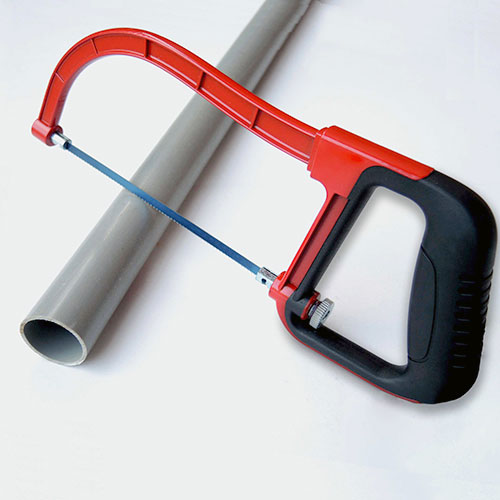
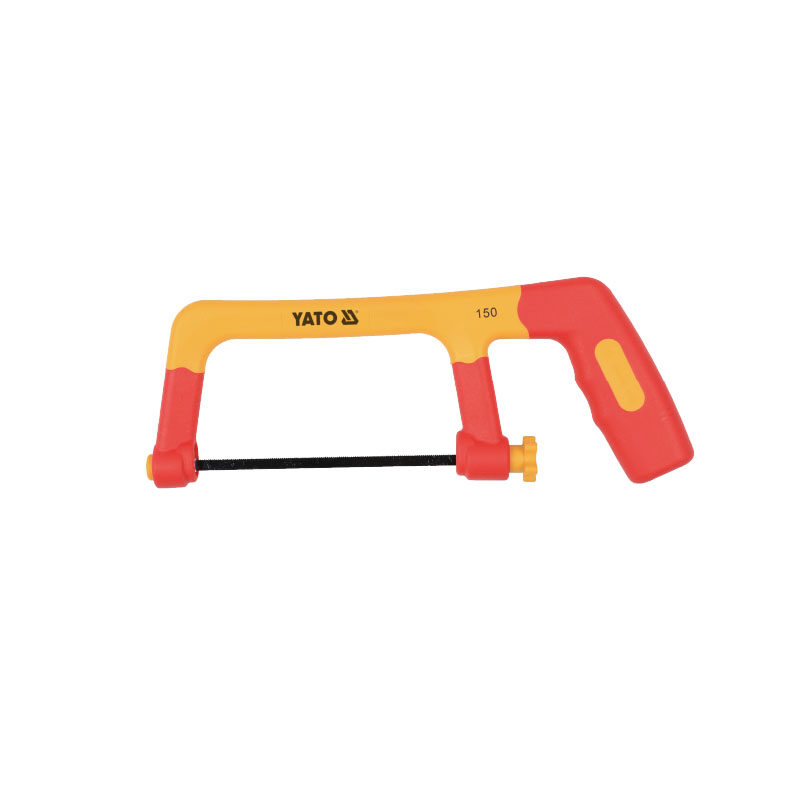
A junior hacksaw is a small hand saw with a narrow, replaceable blade held under tension in a compact metal or plastic frame. It is smaller than a standard hacksaw, so it is easy to control in tight spaces.
Most junior hacksaw blades are about 6 inches long. They often have fine teeth, commonly between 18 and 32 teeth per inch. The exact size can vary by brand.
A junior hacksaw is made for light cutting jobs. Common uses include:
• Cutting small bolts and screws
• Trimming thin metal tubing
• Cutting wire and small rods
• Removing damaged fasteners
• Cutting plastic pipe and thin wood
• Making model, craft, and hobby parts
The smaller frame gives you good control, but it also limits cutting depth. Think of it as a pocket-sized metal saw. It is useful, but it is not built for heavy steel work.

Can a Junior Hacksaw Cut Through Metal?
Yes, a junior hacksaw can cut through metal when it has a suitable blade and the metal is not too thick. The blade cuts by using many small teeth to remove material during each forward stroke.
A junior hacksaw can usually cut:
• Thin aluminum sheet
• Copper pipe
• Brass strip
• Mild steel wire
• Small steel bolts
• Thin steel tubing
• Metal brackets and light hardware
The task becomes harder as the metal gets thicker or harder. Stainless steel, hardened steel, spring steel, and thick cast iron can quickly wear out a small blade.
For most small home repairs, a junior hacksaw works best on metal less than about 1/8 inch thick. It may cut thicker metal, but the job will take longer and require more effort. The tool’s frame may also lack enough clearance for large stock.
So, can a junior hacksaw cut through metal in every situation? No. It can cut many light metals, but it is not a substitute for a full-size hacksaw, reciprocating saw, angle grinder, or band saw.
What Types of Metal Can a Junior Hacksaw Cut?
The metal’s hardness and thickness matter more than its color or appearance. A soft, thin metal may take only a few strokes. A hard, thick alloy may damage the blade before the cut is complete.
Aluminum
Aluminum is soft and easy to cut by hand. A junior hacksaw can cut aluminum sheet, small bars, and light tubing with little trouble.
Use a blade with around 18 to 24 teeth per inch. Clean the teeth often because soft aluminum can clog the blade.
Copper and Brass
Copper and brass are also suitable for a junior hacksaw. Plumbers often use small hacksaws to cut copper pipe in areas where a pipe cutter cannot fit.
A fine blade helps create a cleaner cut. Support the pipe well so it does not bend or vibrate.
Mild Steel
A junior hacksaw can cut mild steel bolts, rods, brackets, and thin tubing. This is one of the most common reasons people ask, “Can a junior hacksaw cut through metal?”
Choose a sharp bi-metal blade when possible. Mild steel is stronger than aluminum, so use slow, even strokes rather than forcing the saw.
Stainless Steel
Stainless steel can be cut with a junior hacksaw, but it needs more care. Stainless steel work-hardens when excessive pressure or poor technique creates heat.
Use a sharp blade with a suitable tooth count. Keep the saw moving at a steady pace, and avoid rubbing the blade in one spot without cutting.
Hardened Steel
Hardened steel is a poor match for a junior hacksaw. A standard blade may skid, become dull, or break.
For hardened steel, use an abrasive wheel, a carbide tool, or a machine designed for hard materials. If the metal resists normal hand pressure, stop rather than forcing the cut.
Choosing the Right Junior Hacksaw Blade
The blade is the most important part of the tool. A strong frame cannot make up for a dull or unsuitable blade.
Look for these blade features:
• Tooth count: Fine teeth work well on thin metal. Coarser teeth suit thicker metal.
• Material: Bi-metal blades are flexible and resist tooth breakage. High-speed steel blades can cut hard material but may be less forgiving.
• Tension: The blade should feel tight in the frame. A loose blade can wander and twist.
• Length: Check that the blade fits the junior hacksaw frame. Many compact models use 6-inch blades.
As a general guide:
• 18 teeth per inch: Thicker, softer metal
• 24 teeth per inch: General metal cutting
• 32 teeth per inch: Thin sheet metal and small tubing
A useful rule is to keep at least three teeth in contact with the metal during the cut. If too few teeth touch the work, the blade can catch and lose teeth.

How to Cut Metal With a Junior Hacksaw
The cutting method affects the result as much as the blade does. A controlled process produces a straighter cut and reduces blade wear.
1. Mark the Cut
Use a permanent marker, scriber, or engineer’s blue to mark the cut line. Wrap masking tape around round tubing to create a clear guide.
Measure twice before cutting. A junior hacksaw removes a narrow strip of metal, so an inaccurate mark can ruin a small part.
2. Secure the Metal
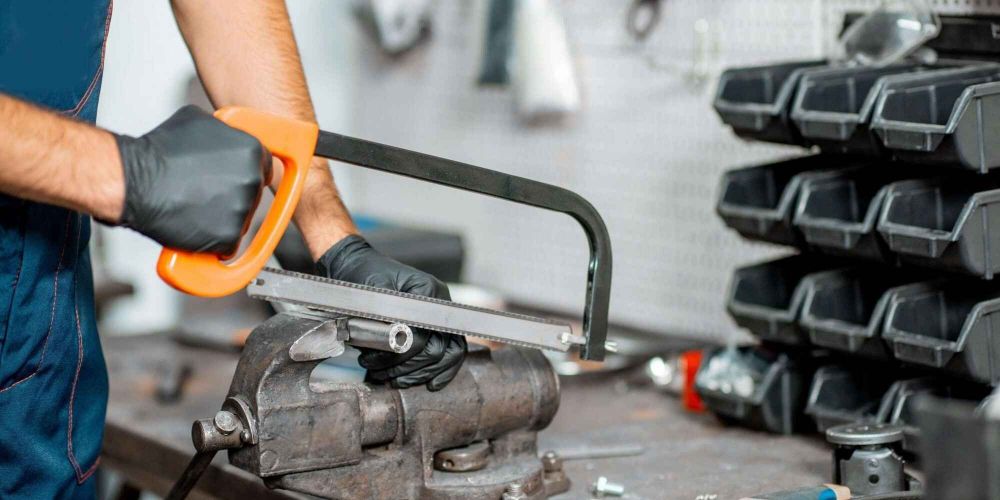
Clamp the metal in a vise or hold it with a suitable clamp. Keep the cut close to the vise jaws to reduce vibration.
Never hold a small piece in your hand while sawing. The blade can slip and cut your fingers before you can react.
3. Start With a Light Groove
Place the blade on the waste side of the mark. Use short, gentle strokes to create a shallow groove.
Once the groove forms, use longer strokes. Let the teeth do the work. Pushing too hard can bend the blade or strip its teeth.
4. Keep the Blade Straight
Hold the frame level and follow the marked line. Try to use the full length of the blade instead of moving only a small section.
A straight blade creates less heat and gives the teeth a chance to wear evenly. If the cut begins to angle, stop and correct your position.
5. Use Cutting Fluid When Suitable
A small amount of cutting oil can reduce friction when cutting steel. It helps cool the teeth and may extend blade life.
Do not use oil near electrical equipment, sparks, or open flames. For aluminum, a dry blade may work well because oil can make the soft chips stick to the teeth.
6. Finish With Care
Slow down as the blade approaches the far side of the metal. Thin pieces can break suddenly, and the saw may jump forward.
Support the waste piece so it does not bend and pinch the blade. After the cut, remove sharp edges with a file or deburring tool.
How Long Does It Take to Cut Metal?
The time depends on the metal, thickness, blade quality, and your technique. A small steel bolt may take one to three minutes. Thin aluminum may take less than a minute.
A thick steel bar can take much longer. At that point, a junior hacksaw may become tiring and inefficient.
During hands-on repair work, the most common mistake is rushing the first few strokes. A slow start creates a clean groove. After that, the blade tracks more easily and the cut usually becomes faster.
If the blade produces dust instead of small chips, it may be dull or unsuitable. If the metal becomes very hot, reduce pressure and check the blade.

Junior Hacksaw vs. Standard Hacksaw
Both tools use toothed blades, but they serve different needs.
| Feature | Junior hacksaw | Standard hacksaw |
|---|---|---|
| Frame size | Compact | Larger |
| Blade length | Often about 6 inches | Often 10 to 12 inches |
| Control | Excellent in tight spaces | Good for longer cuts |
| Cutting depth | Limited | Greater |
| Best use | Small repairs and light material | General metalwork |
| User effort | Higher on thick metal | Lower on larger stock |
A junior hacksaw is easier to carry and control. A standard hacksaw gives you more blade travel and a stronger frame.
If you often cut bolts, pipe, or metal brackets, a junior hacksaw may be enough. If you cut thick bar stock or make long cuts, choose a standard hacksaw.

When a Junior Hacksaw Is Not the Best Choice
A junior hacksaw is useful, but it has clear limits. Choose another tool when:
• The metal is thick or wide
• The material is hardened steel
• You need many repeated cuts
• The cut must be extremely straight
• The workpiece cannot be clamped securely
• The job must be completed quickly
A full-size hacksaw is the simplest upgrade. For frequent work, a reciprocating saw, angle grinder, band saw, or metal-cutting circular saw may be more practical.
Powered tools save time, but they create more noise, heat, sparks, and flying debris. The fastest tool is not always the safest tool for a small repair.

Safety Tips for Cutting Metal
Metal cutting can create sharp edges, hot chips, and flying fragments. Basic protection prevents most common injuries.
• Wear safety glasses with side protection.
• Use gloves when handling cut metal, but keep them away from moving powered tools.
• Secure the work in a vise or clamp.
• Keep both hands on the hacksaw frame when possible.
• Check the blade for cracks, missing teeth, and loose tension.
• Keep your fingers behind the blade path.
• File sharp edges after cutting.
• Clean metal chips with a brush, not your bare hand.
• Keep oil away from sparks and ignition sources.
Safety guidance from workplace regulators consistently stresses eye protection, secure workholding, and control of sharp edges. These steps are simple, but they matter even for a small hand tool.
Common Mistakes to Avoid
Using the wrong technique can make a simple cut feel impossible. Avoid these common errors.
Using a Wood-Saw Blade
Wood saws have larger teeth and a different tooth shape. They can catch on metal and may break.
Use a blade made for metal. Check the package for a stated metal-cutting use.
Applying Too Much Pressure
A hacksaw cuts through tooth action, not brute force. Heavy pressure can bend the blade, damage the teeth, and make the cut crooked.
Use firm but light pressure on the forward stroke. Ease off during the return stroke.
Choosing Too Few Teeth
Large teeth may snag thin sheet metal. The work can shake, and the blade may remove chunks instead of making a smooth cut.
Choose enough teeth to keep several teeth engaged at once.
Cutting Without a Clamp
Loose metal can vibrate and pinch the blade. It can also spin, shift, or fall when the cut breaks through.
Take a moment to clamp it securely. That small step often saves time.
Ignoring Blade Wear
A dull blade needs more force and produces more heat. Replace it when the teeth look rounded, damaged, or uneven.
A fresh blade is often cheaper than repairing a damaged workpiece.
Can You Lubricate a Junior Hacksaw Blade?
Yes, light cutting oil can help when cutting steel or other hard metals. It reduces friction and carries heat away from the cutting area.
Apply only a small amount to the cut line. Too much oil can make the handle slippery and cause metal chips to stick.
Lubrication is not always needed for aluminum, copper, or very thin sheet metal. Test a dry cut first, then add a little fluid if the blade heats up or drags.
Frequently Asked Questions About Can a Junior Hacksaw Cut Through Metal
Can a junior hacksaw cut through a steel bolt?
Yes, a junior hacksaw can cut through a small mild steel bolt with a sharp metal-cutting blade. Clamp the bolt firmly and use slow, even strokes.
Can a junior hacksaw cut stainless steel?
Yes, but stainless steel takes more effort than mild steel. Use a sharp bi-metal blade, steady pressure, and cutting oil when appropriate.
Can a junior hacksaw cut aluminum?
Yes, aluminum is one of the easier metals to cut with a junior hacksaw. Use a suitable blade and clean the teeth if soft aluminum begins to clog them.
What blade is best for cutting metal with a junior hacksaw?
A bi-metal blade with about 24 to 32 teeth per inch works well for many small metal-cutting jobs. Use finer teeth for thin sheet metal and small tubing.
Can a junior hacksaw cut thick metal?
It can cut some thick metal, but the process may be slow and tiring. A standard hacksaw or powered metal-cutting tool is usually a better choice for thick stock.
Why does my junior hacksaw blade keep breaking?
The blade may be loose, too coarse for the metal, or forced at an angle. Secure the work, keep the blade straight, and use lighter pressure.
Is cutting metal with a junior hacksaw safe?
Yes, when you use eye protection, secure the metal, and handle sharp edges carefully. Inspect the blade before use and keep your fingers clear of its path.
Conclusion
A junior hacksaw can cut through many types of metal, including aluminum, copper, brass, mild steel, and small stainless steel parts. Its success depends on using the right blade, securing the work, and applying steady pressure.
It is an excellent choice for small repairs and tight spaces. For thick, hardened, or repeated metal cuts, a full-size hacksaw or powered tool will save time and effort.
Choose a sharp blade, mark the cut clearly, and let the teeth do the work. If you have used a junior hacksaw for a metal project, share your experience or explore more practical tool guides to improve your next repair.
