

Yes, you can cut metal with a hand saw when you use the right blade, steady pressure, and safe technique.
The question “can you cut metal with a hand saw” has a practical answer: a hand saw can cut many metals, but the tool and blade must match the job. A hacksaw can handle bolts, pipe, threaded rod, sheet metal, and small metal bars with surprising control. This guide explains which saw to use, how to cut cleanly, what mistakes to avoid, and when a power tool is the better choice.
Can You Cut Metal With a Hand Saw?
Yes, you can cut metal with a hand saw. The best tool for most home and workshop tasks is a hacksaw fitted with a metal-cutting blade. A hacksaw uses a narrow, fine-toothed blade that removes small amounts of metal with each stroke.
You can also use other manual saws for special jobs. A compact junior hacksaw works well in tight spaces. A metal-cutting back saw can make controlled cuts in thin stock. However, a common wood saw is not suitable for metal because its teeth are too large and its blade may become damaged.
When asking “can you cut metal with a hand saw,” the key issue is not only the saw. It is the blade, the metal type, the metal thickness, and the quality of the cut you need.
A hand saw can cut:
• Mild steel
• Aluminum
• Copper
• Brass
• Stainless steel
• Threaded rod
• Steel pipe
• Metal conduit
• Small angle iron
• Thin sheet metal
A manual saw is often slower than an angle grinder or reciprocating saw. Still, it offers excellent control. It also creates less noise, fewer sparks, and no need for electricity or batteries.

What Type of Hand Saw Cuts Metal?
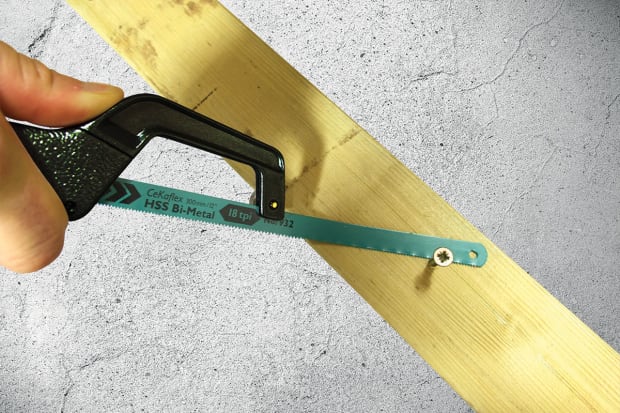
A hacksaw is the most common hand saw for cutting metal. It has a rigid frame and a replaceable blade held under tension. Most standard hacksaw blades are 10, 12, or 14 inches long.
The blade tooth count is measured in teeth per inch, or TPI. Choosing the correct TPI helps prevent binding, rough cuts, and broken teeth.
Hacksaw blades
Use these general blade ranges:
• 14 to 18 TPI for thicker metal, such as steel bar or heavy pipe
• 18 to 24 TPI for general-purpose work
• 24 to 32 TPI for thin sheet metal, tubing, and small bolts
A useful rule is to keep at least three teeth in contact with the metal at all times. If only one or two teeth touch the work, the blade may catch, chatter, or strip its teeth.
Junior hacksaws
A junior hacksaw is smaller and easier to control in narrow areas. It works well for cutting plastic-coated wire, small bolts, copper pipe, and thin metal brackets. Its short blade makes it less efficient for long cuts.
Mini metal saws
Some small hand saws use replaceable metal-cutting blades. These tools are useful for light repairs, model work, and small pieces of aluminum or brass. They are not ideal for thick steel.
Carbide-grit blades
Carbide-grit blades do not have traditional teeth. Instead, they use abrasive carbide particles along the cutting edge. They can cut hardened materials and some thin metals, but they often cut more slowly and leave a different edge.
A wood saw, pruning saw, or drywall saw should not be used on metal. Their tooth shape and spacing are made for softer materials.
Which Metals Can a Hand Saw Cut?
A hand saw can cut many common metals, but each metal behaves differently. Soft metals usually cut faster. Hard metals need more time, better blades, and lighter pressure.
Mild steel
Mild steel is common in brackets, bolts, rods, and structural parts. A sharp bi-metal hacksaw blade works well. Use a medium or fine tooth count, depending on the thickness.
Stainless steel
Stainless steel is harder to cut by hand. It can work-harden when you rub the blade across the surface without removing metal. Use firm, steady strokes and avoid stopping halfway through a cut.
Aluminum
Aluminum is soft and easy to cut, but it can clog the teeth. A blade with fewer teeth per inch often works better. Cutting wax or a light lubricant can help keep the teeth clear.
Copper and brass
Copper and brass are relatively soft. They can be cut with a fine blade, but the blade may load with material. Clean the teeth often and avoid forcing the saw.
Cast iron
Cast iron is hard and brittle. A hand saw can cut thin cast iron pieces, but thick sections take a long time. An abrasive wheel or specialized power tool may be more practical.
Hardened steel
Hardened steel is a difficult material for a regular hacksaw. A standard blade may skate across the surface. You may need a carbide-grit blade, an abrasive tool, or professional machining equipment.

How to Choose the Right Blade
The blade is the working part of the saw. A strong frame cannot compensate for a dull or unsuitable blade.
Bi-metal blades are a reliable choice for general metalwork. They combine a flexible alloy body with hardened high-speed steel teeth. This design helps the blade resist breakage while keeping the teeth sharp.
Carbon steel blades cost less and can work on soft metals. However, they usually wear out faster. For regular repairs, a bi-metal blade is often worth the small extra cost.
Consider these blade features:
• Tooth count: Match the TPI to the metal thickness
• Blade length: Choose a blade that fits the saw frame
• Blade material: Bi-metal suits most home and workshop tasks
• Tooth direction: Install the blade so the teeth point forward
• Blade tension: Tighten the blade until it does not flex during a stroke
A blade should feel tight but not dangerously over-tensioned. Excessive tension can bend the frame or snap the blade.
If you ask “can you cut metal with a hand saw” because your blade keeps breaking, the blade may be installed backward, too loose, too tight, or used on metal that is too thick.

How to Cut Metal With a Hand Saw
Cutting metal by hand is simple when you follow a steady process. Take your time during setup. A secure workpiece is safer and produces a straighter cut.
1. Measure and mark the cut
Mark the cut line with a permanent marker, scribe, or machinist’s layout tool. For a straight cut, wrap a strip of paper around round pipe to create a guide line.
Add a small amount of extra material if the final size must be exact. You can file the edge after cutting.
2. Secure the metal
Clamp the workpiece in a vise. Place the cut line close to the vise jaws, but leave enough room for the saw frame to move.
Do not hold the metal in your hand while sawing. The blade can slip, and the metal can move suddenly. A clamp or vise turns the workpiece into a stable target instead of a moving obstacle.
3. Start with a light groove
Place the blade on the mark and use short, gentle strokes. This creates a shallow groove that guides the blade.
Starting with long, hard strokes often makes the blade wander. A small groove gives the blade a track to follow.
4. Use long, steady strokes
Once the groove is established, use most of the blade length. Push the saw forward with moderate pressure, then release pressure on the return stroke.
The blade cuts on the forward stroke. Do not press hard while pulling it back. This reduces tooth wear and helps prevent the blade from catching.
5. Keep the blade straight
Hold the saw frame square to the workpiece. If the blade twists, the cut may become crooked or the blade may buckle.
Let the blade do the work. A sharp blade with the right TPI will cut better than a dull blade pushed with force.
6. Support the final section
As the cut nears completion, support the loose piece. This prevents the metal from snapping, bending, or pinching the blade.
Slow down for the final few strokes. The last part of a cut is where many slips occur.
7. File the edge
Freshly cut metal can have sharp burrs. Use a metal file or deburring tool to smooth the edge. Run the file away from your body and wear eye protection.

Safety Tips for Cutting Metal by Hand
A hand saw is quieter than a power saw, but it can still cause cuts, eye injuries, and puncture wounds. Treat every cut as a real workshop task.
Wear safety glasses with side protection. Small metal chips can break away from the workpiece or blade. Safety glasses are especially important when cutting hardened metal or cleaning burrs.
Use work gloves that fit well. Gloves can protect against sharp edges, but loose gloves may catch on the blade or workpiece. Keep your hands behind the cutting path.
Follow these safety steps:
• Clamp the metal firmly
• Inspect the blade before use
• Replace blades with missing or damaged teeth
• Keep the saw frame in good condition
• Keep both feet stable
• Cut away from your body
• Keep the work area clear
• Remove sharp burrs after cutting
• Do not use excessive force
• Store blades where they cannot cause injury
Avoid cutting metal near flammable liquids, dry paper, or loose sawdust if your method creates sparks. A standard hacksaw creates few sparks, but friction and damaged blades can still produce heat.
Workplace safety guidance commonly stresses eye protection, stable workpieces, and proper tool maintenance. These are simple steps, but they prevent many avoidable injuries.
Common Mistakes to Avoid
Many poor cuts come from small setup errors. Fixing those errors can make hand sawing faster and easier.
Using a wood saw
A wood saw has large teeth and wide gullets. It may grab the metal, damage the teeth, and create an uneven cut. Use a hacksaw or another blade designed for metal.
Choosing the wrong TPI
A blade with too few teeth can catch on thin sheet metal. A blade with too many teeth can clog when cutting thick stock. Match the blade to the thickness of the material.
Applying too much pressure
Heavy pressure does not always speed up cutting. It can bend the blade, strip the teeth, and make the saw jump. Use controlled pressure on the forward stroke.
Cutting loose material
A moving workpiece makes it hard to follow the line. It also increases the chance of a blade slip. Clamp the metal before you begin.
Letting the blade overheat
Long, forceful strokes can heat the blade. If the blade becomes hot, stop and let it cool. On some metals, a suitable cutting lubricant can reduce friction.
Reusing a dull blade
A dull blade makes you work harder and increases the risk of slipping. If the saw produces dust instead of clean chips, or if progress becomes very slow, replace the blade.
Breaking through too quickly
The last part of the cut needs care. If you push hard at the end, the metal may bend and pinch the blade. Reduce pressure and support the cut-off section.

Can You Use Lubricant When Cutting Metal?
Yes, a small amount of cutting lubricant can help in some cases. Lubricant reduces friction, carries heat away, and helps prevent metal from sticking to the teeth.
Use a product made for metal cutting when possible. A light machine oil may work for some mild steel jobs. Aluminum often benefits from a lubricant that prevents the soft metal from clogging the blade.
Do not flood the work area with oil. Too much lubricant makes the handle slippery and can collect chips. Apply a small amount to the cut line or blade, then wipe away excess fluid after cutting.
Lubrication is not always needed for short cuts in thin metal. A sharp blade, correct TPI, and steady technique often matter more.

Hand Saw Versus Power Tool
A hand saw is best when you need control, low noise, and a simple setup. It is useful for one or two cuts, indoor repairs, small projects, and areas without power.
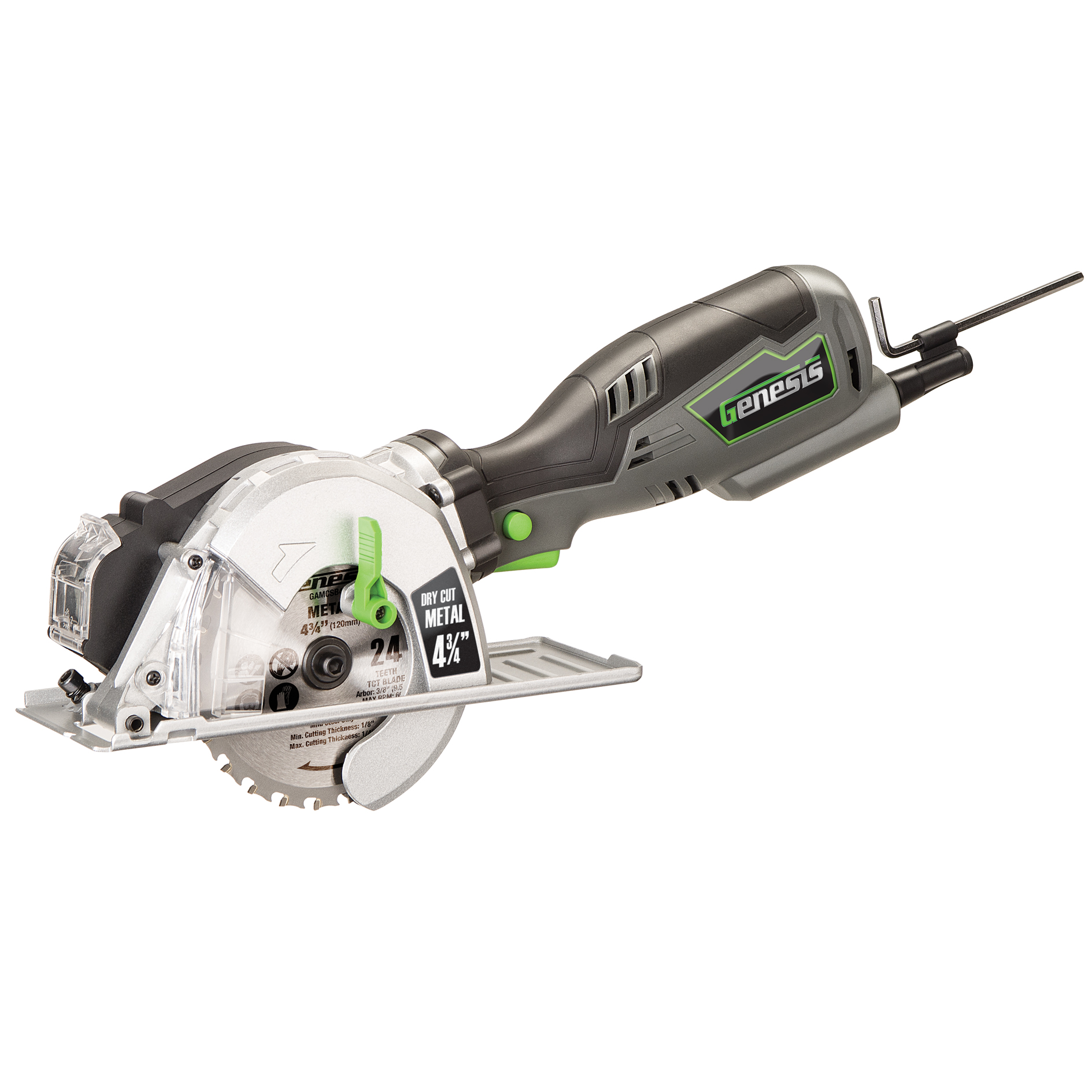
A power tool is usually better for thick steel, repeated cuts, long cuts, or production work. An angle grinder, reciprocating saw, band saw, or portable cut-off saw can remove metal faster.
Choose a hand saw when:
• You need a clean, controlled cut
• The workpiece is small
• You are making only a few cuts
• Noise must stay low
• Sparks are a concern
• You do not have access to electricity
• The metal is thin or moderately sized
Choose a power tool when:
• The metal is thick
• You need many identical cuts
• The project is time-sensitive
• The material is hardened
• The cut is long
• You need to cut large pipe or heavy stock
Power tools bring their own risks. They can create sparks, high noise, flying debris, and kickback. Faster does not always mean safer.
In my view, the best tool is the one that gives you control without exceeding the job’s demands. For a single bolt, a hacksaw is often easier than setting up an angle grinder.

How Long Does It Take to Cut Metal by Hand?
Cutting time depends on the metal, thickness, blade condition, and your technique. A small steel bolt may take less than a minute. A thick steel bar may take several minutes or much longer.
A sharp blade and a firm vise can make a major difference. So can using the full blade length instead of tiny strokes.
Expect slower progress when cutting:
• Stainless steel
• Thick steel bar
• Hardened fasteners
• Cast iron
• Large pipe
• Metal with a difficult shape
Do not judge success only by speed. A straight cut with minimal damage is often more valuable than a fast, rough cut.
If the blade stops removing material, check the setup. The metal may be moving, the blade may be dull, or the TPI may not suit the material.
How to Get a Straight, Clean Cut
A clean cut begins before the first stroke. Mark the line around the entire piece when possible. This is especially helpful when cutting round pipe or tubing.
Use a guide block for repeated cuts. A small piece of scrap wood or metal can help keep the blade square. Clamp the guide beside the cut line, leaving enough space for the blade.
Keep your shoulders relaxed and use a smooth rhythm. Short, nervous strokes often create a crooked groove. Long strokes with light pressure usually give better results.
After cutting, inspect the edge. A file can remove burrs and correct small high spots. If the final dimension matters, measure again after filing.
When Should You Use a Different Tool?
A hand saw may not be the right choice for every metal-cutting task. Switching tools is sensible when the work becomes unsafe, inefficient, or too demanding.
Use an angle grinder for fast cuts in heavy steel, but control sparks and wear full protective equipment. Use a reciprocating saw for awkward locations and larger pipe. Use a band saw when you need repeatable, square cuts with less heat.
For precise work, a metal-cutting bandsaw, cold saw, or machining tool may produce a better result. For very thick or hardened materials, professional cutting equipment may be necessary.
Stop using a hand saw if:
• The blade repeatedly bends or breaks
• The workpiece is too large to secure
• The metal becomes excessively hot
• The cut requires extreme force
• The blade cannot stay on the marked line
• The material may contain dangerous coatings
• You cannot maintain a safe body position
Knowing when not to use a hand saw is part of skilled tool use.
Frequently Asked Questions About Can You Cut Metal With a Hand Saw
Can you cut steel with a regular hand saw?
You can cut steel with a hacksaw that has a metal-cutting blade. A fine or medium TPI bi-metal blade works well for most mild steel parts.
Can you cut aluminum with a hacksaw?
Yes, a hacksaw can cut aluminum pipe, sheet, bar, and small brackets. Use a suitable blade and clean the teeth if soft aluminum begins to clog them.
Can a hand saw cut thick metal?
A hand saw can cut thick metal, but the process may be slow and tiring. For heavy steel, a powered band saw, reciprocating saw, or angle grinder may be more practical.
Should hacksaw teeth face forward or backward?
Hacksaw teeth should normally face forward, away from the handle. The blade cuts during the forward stroke, so install it in that direction.
Do you need oil when cutting metal with a hand saw?
Oil is not required for every cut, but a small amount of suitable cutting lubricant can reduce friction and heat. Use care because excess oil can make the tool and workpiece slippery.
Why does my hacksaw blade keep breaking?
A blade may break because it is too loose, too tight, dull, incorrectly installed, or twisted during the cut. Excessive pressure and an unsecured workpiece are also common causes.
Is it safe to cut metal indoors with a hacksaw?
It can be safe if the area is well lit, the workpiece is secured, and you wear eye protection. Keep the area clear of hazards and clean up sharp metal chips and burrs afterward.
Conclusion
So, can you cut metal with a hand saw? Yes. A properly fitted hacksaw can cut steel, aluminum, copper, brass, pipe, bolts, and many other common metals.
Choose the right TPI, clamp the material firmly, use steady forward strokes, and let the blade do the work. Wear eye protection, replace dull blades, and switch to a power tool when the metal is too thick or the job becomes unsafe.
Start with a small, manageable project and practice your technique. If you have a useful metal-cutting tip or a question about your tool, leave a comment and share your experience.
