How To Choose A Hacksaw Blade: Easy Buying Guide
Choose a hacksaw blade by matching its length, tooth pitch, material, and the metal you plan to cut.
Learning how to choose a hacksaw blade can save time, reduce rough cuts, and protect both your tool and your hands. After using hacksaws on pipe, threaded rod, sheet metal, and plastic, I have found that the right blade is less about brand and more about matching the blade to the job.

Why the Right Hacksaw Blade Matters
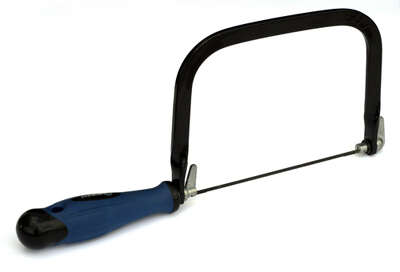
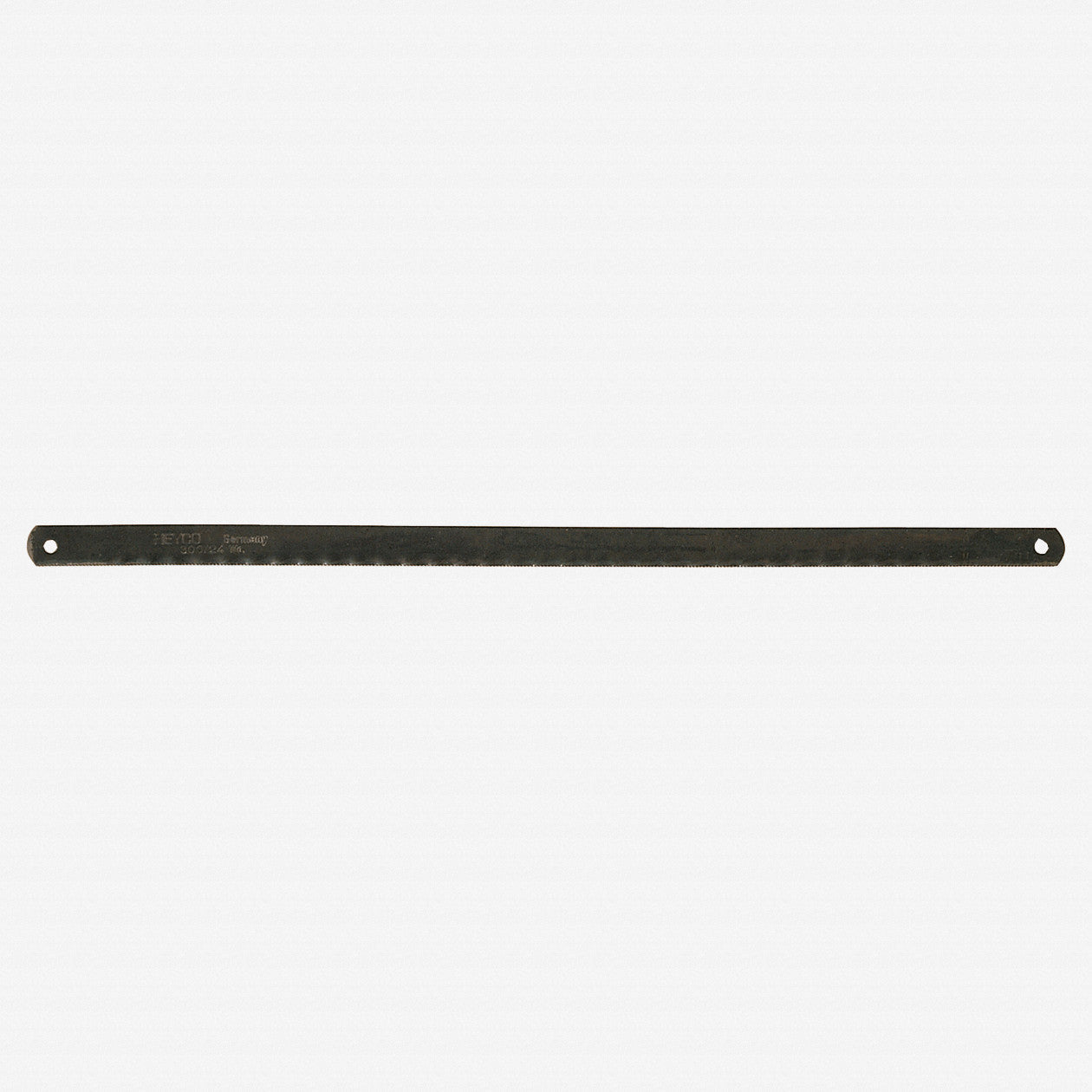
A hacksaw blade is a thin strip of toothed metal made for cutting materials by hand. The frame holds the blade under tension while you push and pull it through the workpiece.
The wrong blade may cut slowly, clog with chips, chatter, or break teeth. The right blade feels controlled. It makes steady chips and needs only moderate pressure.
When learning how to choose a hacksaw blade, focus on four main details:
- Blade length
- Teeth per inch, or TPI
- Blade material
- The size and type of material being cut
Tooth shape, tooth set, blade thickness, and frame tension also affect performance. These details matter more when you cut hard metal, thick stock, or materials that need a clean finish.

Check the Hacksaw Blade Length
Most full-size hacksaw frames use 12-inch blades. Some frames accept 10-inch or 14-inch blades, while compact junior hacksaws often use blades around 6 inches long.
Always check the frame before buying a blade. The blade must fit between the frame pins or mounting posts. A blade that is too short will not fit safely. A blade that is too long may not tension correctly.
The most common hacksaw blade lengths include:
- 6 inches for compact and junior hacksaws
- 10 inches for smaller frames and light work
- 12 inches for standard full-size hacksaws
- 14 inches for certain heavy-duty frames
Blade length does not tell you how aggressive the cut will be. A longer blade gives you a longer stroke, which can improve speed and reduce heat. Tooth pitch and blade material control most of the cutting action.
My usual advice is simple: remove the old blade and measure it from pin hole to pin hole. This avoids guessing, especially when the frame has no clear size marking.

Understand Teeth Per Inch, or TPI
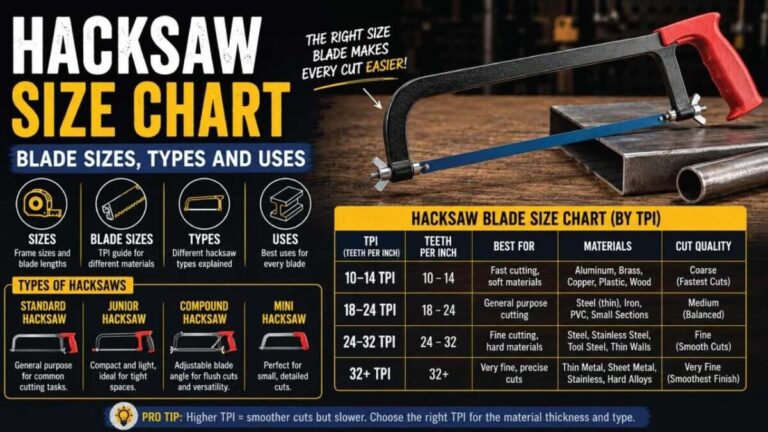
Teeth per inch describes how many teeth appear along one inch of the blade. It is one of the most important parts of how to choose a hacksaw blade.
A low-TPI blade has larger teeth and deeper gullets. It removes more material with each stroke. A high-TPI blade has smaller teeth, so it makes a smoother cut but removes material more slowly.
Use this basic guide:
| Blade pitch | Best use |
|---|---|
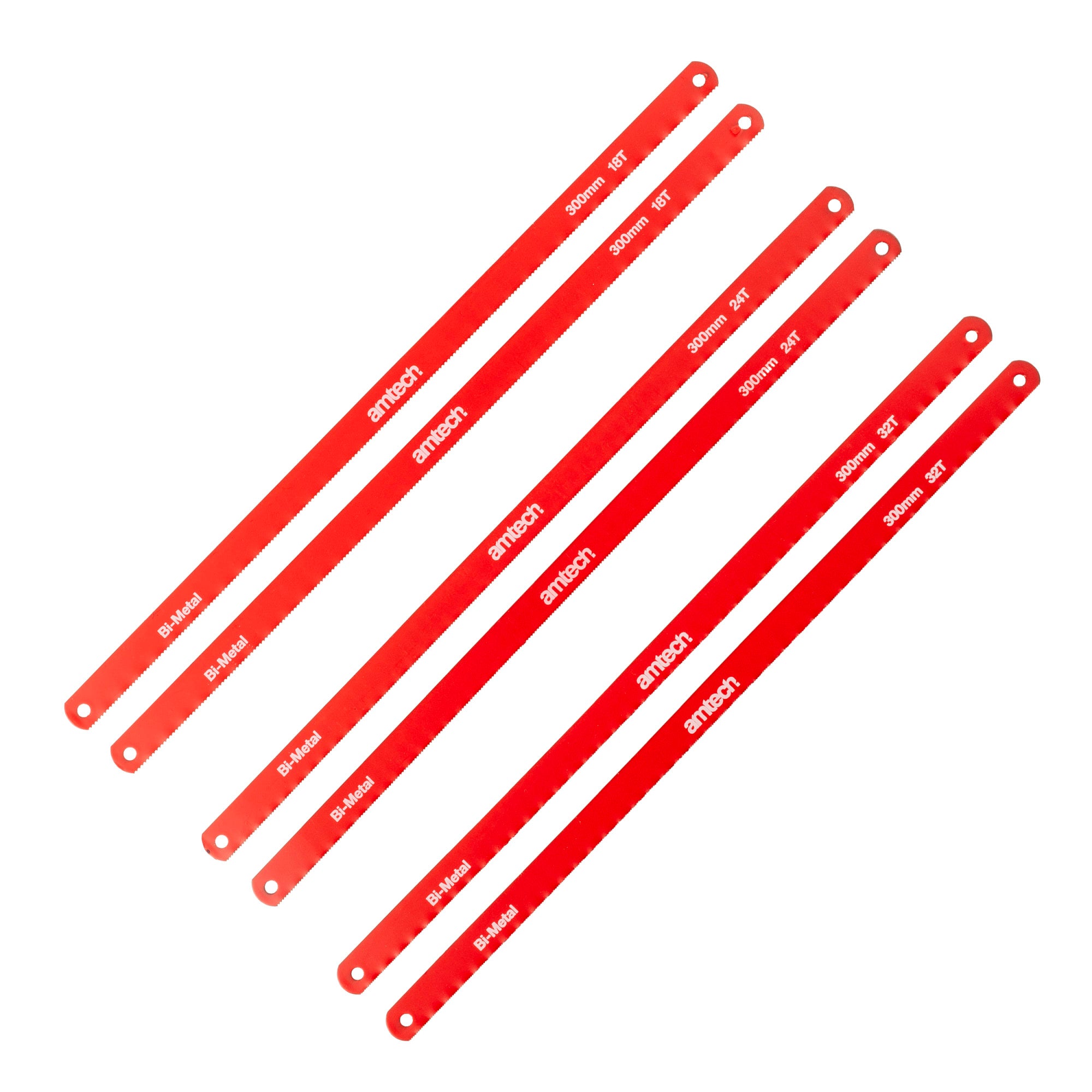
| 14 TPI | Thick steel, cast iron, heavy pipe, and tough material |
| 18 TPI | Medium steel, angle iron, and general workshop work |
| 24 TPI | Thin-wall tubing, sheet metal, conduit, and small parts |
| 32 TPI | Very thin sheet, fine tubing, and delicate cuts |
The teeth should engage the workpiece at several points during each stroke. As a general rule, at least three teeth should contact the material. This helps prevent tooth breakage and reduces snagging.
For example, a 14-TPI blade may work well on a thick steel bolt. On thin sheet metal, its large teeth can catch the edge and bend the material. A 32-TPI blade gives better control on thin stock but may clog or wear quickly in thick metal.

Match the TPI to Material Thickness
Material thickness is often more important than the material name. A thin aluminum tube and a thick aluminum plate need different blades, even though both are aluminum.
Use a coarse blade for thick material and a fine blade for thin material. The goal is to keep several teeth in the cut without burying too many teeth at once.
Here is a practical starting point:
- Material thicker than about 1/2 inch: choose 14 to 18 TPI
- Material between 1/8 and 1/2 inch: choose 18 to 24 TPI
- Material thinner than 1/8 inch: choose 24 to 32 TPI
These ranges are not strict laws. A hard, brittle metal may need a finer pitch than a soft metal of the same thickness. A large hollow tube may also need a different blade because the teeth can catch when they break through the far wall.
When learning how to choose a hacksaw blade, imagine the teeth as tiny chisels. Large chisels suit thick stock. Small chisels suit thin stock and leave a cleaner edge.
Select the Right Blade Material
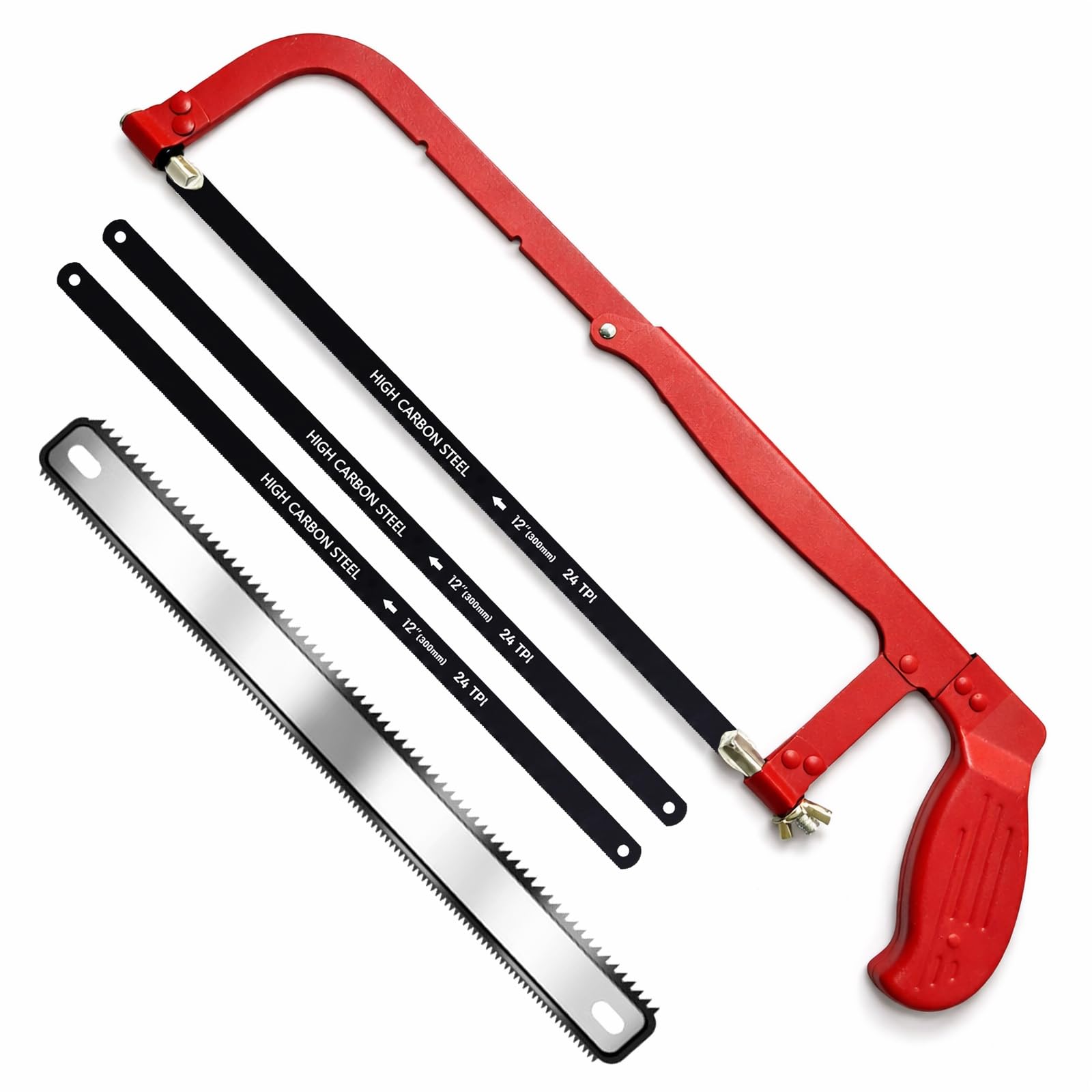
Hacksaw blades are made from several types of steel. Blade material affects cutting speed, flexibility, tooth life, and resistance to breakage.
Carbon steel blades
Carbon steel blades are usually the least expensive option. They work well for light-duty cutting, soft materials, plastic, wood, and occasional household repairs.
Their teeth can wear faster on hard steel. They are a reasonable choice when you need a blade for one small project and do not expect heavy use.
High-speed steel blades
High-speed steel, or HSS, holds its hardness at higher temperatures. HSS edges can cut hard metals well, but a fully HSS blade may be less flexible than a bi-metal blade.
These blades suit demanding work when tooth hardness matters more than flexibility.
Bi-metal blades
Bi-metal blades combine a flexible alloy steel backing with a hardened high-speed steel tooth edge. This design gives the blade flexibility while keeping the teeth hard.
For most metalworking tasks, a bi-metal hacksaw blade is the best all-around choice. It costs more than a basic carbon blade, but it usually lasts longer and resists tooth breakage.
Tungsten carbide grit blades
Carbide grit blades do not use normal saw teeth in the same way. They have abrasive carbide particles bonded to the edge.
They can cut fiberglass, hardened materials, tile-like products, and some abrasive composites. They are not usually the first choice for ordinary steel pipe or bolts.
Choose the Blade for the Material
Different materials create different cutting problems. Soft materials can clog a blade. Hard materials can wear the teeth. Thin materials can bend or snag.
Steel and stainless steel
For mild steel, start with an 18-TPI or 24-TPI bi-metal blade. Use 14 TPI for thick stock and 32 TPI for thin sheet.
Stainless steel is harder and tends to work-harden if you rub the blade without cutting. Use a sharp bi-metal blade, steady pressure, and a moderate pace. Cutting too slowly with light pressure can create heat and harden the surface.
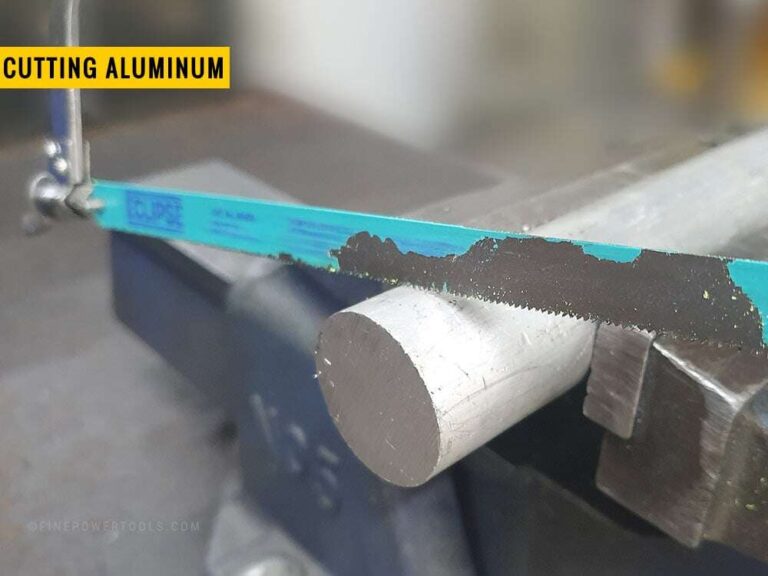
Aluminum and copper
Aluminum and copper are soft. They can load the spaces between teeth, especially with a very fine blade.
An 18-TPI or 24-TPI blade often works well. Keep the blade moving and clear chips from the teeth. A small amount of suitable cutting lubricant can reduce clogging.
Cast iron
Cast iron is hard and brittle. A 14-TPI blade is often suitable for thick cast iron, while a finer blade may work better on thin sections.
Support the work well. Sudden movement can damage teeth because cast iron may chip rather than form a smooth curl.
Plastic and PVC
Plastic pipe cuts easily, but coarse teeth may grab and crack the wall. An 18-TPI or 24-TPI blade usually gives better control.
For thin plastic, use a fine blade. Let the teeth cut rather than forcing the frame, since heat from friction can soften the plastic and clog the blade.
Wood
A hacksaw is not the best tool for most wood. If you must cut wood with one, use a coarse blade or a special blade designed for wood and plastic.
For regular woodwork, a handsaw, coping saw, or reciprocating saw blade will usually be faster and cleaner.

Consider Tooth Set and Tooth Shape
Tooth set refers to the slight side-to-side pattern of the teeth. This creates a kerf, which is the narrow slot made by the blade.
A wider set helps prevent the blade from binding in thick material. A smaller set can make a cleaner cut but may create more friction.
Common tooth patterns include:
- Regular set teeth for general cutting
- Wavy set teeth for thin sheet and tubing
- Raker or variable tooth patterns for smoother, lower-vibration cuts
Some blades use a variable pitch. For example, the TPI changes along the cutting edge. Variable-pitch blades can reduce vibration and work well across a range of materials.
Tooth shape is not always listed clearly on inexpensive packaging. In that case, choose a reputable bi-metal blade with a TPI suited to the material thickness. This simple choice works well for most home and workshop tasks.
Decide Between Rigid and Flexible Blades
A hacksaw blade needs enough flexibility to survive the stroke, but too much flex can make the cut wander.
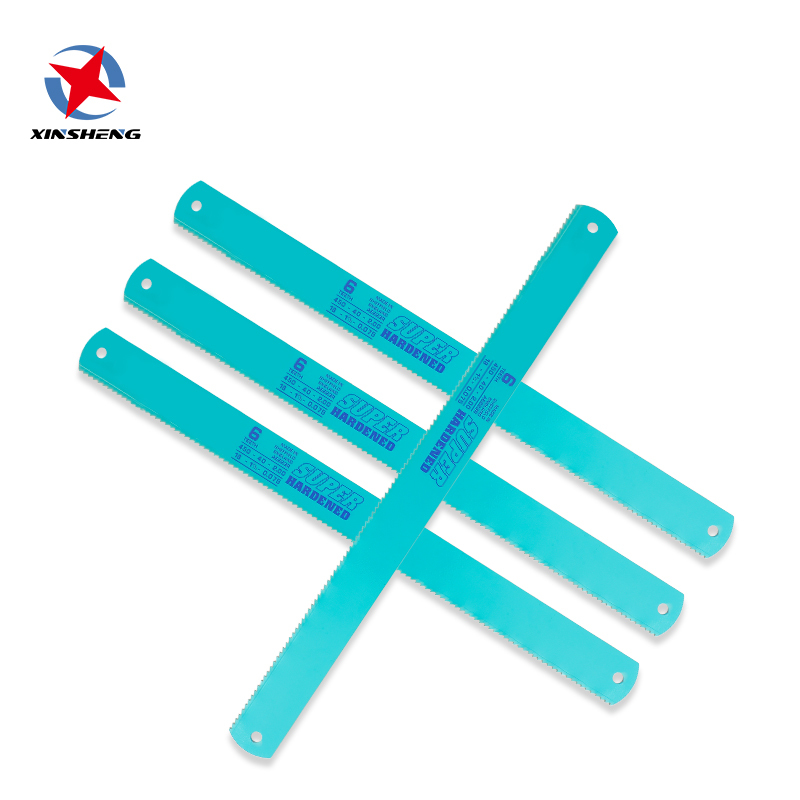
Rigid blades resist bending. They suit straight cuts in stable workpieces. Flexible blades can tolerate twisting and uneven movement, but they may produce less accurate cuts if you apply too much side pressure.
For routine repair work, a flexible bi-metal blade is often a good balance. For precise cuts in a solid piece of metal, a stiffer blade may feel more controlled.
The frame also matters. A strong frame with a reliable tensioning system lets the blade perform better. Even an excellent blade can cut poorly if the frame bends or the blade is loose.
Choose the Correct Blade Direction
Most hacksaw blades are designed to cut on the push stroke. Install the blade so the teeth point away from the handle.
Some compact saws use blades that can cut on the pull stroke, but you must follow the frame instructions. The printed blade markings can also help confirm the correct direction.
A backward blade may still move through soft material, but it will cut poorly and may snag. It can also make you apply too much force, which increases the risk of slipping.
When learning how to choose a hacksaw blade, remember that blade installation is part of blade selection. A suitable blade mounted backward is still the wrong setup.
Use the Right Blade for Common Jobs
Here are practical examples of how to choose a hacksaw blade for common tasks:
- Cutting a 3/4-inch steel threaded rod: use a 14 or 18-TPI bi-metal blade.
- Cutting thin electrical conduit: use an 18 or 24-TPI blade.
- Cutting a thin aluminum bracket: use a 24-TPI blade.
- Cutting a PVC pipe: use an 18 or 24-TPI blade.
- Cutting a small stainless steel bolt: use a sharp 24-TPI bi-metal blade.
- Cutting thin sheet metal: use a 24 or 32-TPI blade.
- Cutting thick cast iron: use a 14-TPI blade with firm support.
These are starting points, not rigid rules. Test the blade on a small area when the material is costly or the cut must be exact.
How to Install and Tension a Hacksaw Blade
Correct tension helps the blade cut straight and prevents premature breakage.
Follow these steps:
- Loosen the frame tension knob or lever.
- Fit one blade hole over the mounting pin.
- Attach the other end to the opposite pin.
- Confirm that the teeth point in the cutting direction.
- Tighten the tension system until the blade is firm.
- Check that the blade does not twist from side to side.
Do not overtighten the blade. Excess tension can damage the frame, strip the tension screw, or cause a broken blade to release sharply.
A properly tensioned blade should feel firm when lightly plucked. It should not sag, but it should not feel like a guitar string either.
Use Good Cutting Technique
Even the best blade will fail if the technique is poor. Clamp the workpiece firmly and mark the cut with a visible line.
Start with short, light strokes to create a groove. Once the groove is established, use long strokes that take advantage of as much blade length as possible.
Keep these habits in mind:
- Apply steady pressure on the forward stroke.
- Release most pressure on the return stroke.
- Keep the blade straight and square to the work.
- Use the full length of the blade when possible.
- Let the teeth cut instead of forcing them.
- Stop if the blade begins to bind or twist.
I once rushed through a thick steel rod with a fine blade. The teeth clogged, the cut drifted, and the blade became hot enough to discolor. Switching to an 18-TPI bi-metal blade and using longer strokes solved the problem in minutes.
That experience reinforced a basic lesson: pressure cannot replace the correct blade.
Know When to Use Cutting Fluid
Cutting fluid can lower friction, carry heat away, and help clear chips. It is most useful on steel, stainless steel, and other metals that generate heat.
Apply a small amount to the cut line or blade. Too much fluid can make the handle slippery and collect abrasive debris.
You usually do not need cutting fluid for short cuts in plastic or soft aluminum. In some cases, lubricant can make soft chips stick to the teeth instead of clearing them.
Use a product suitable for the material and workplace. Keep oil away from electrical equipment and clean the workpiece after cutting.
Avoid Common Hacksaw Blade Mistakes
Many poor cuts come from a simple mismatch or setup error. Watch for these common problems:
- Using a low-TPI blade on thin sheet metal
- Using a high-TPI blade on thick stock
- Choosing a blade that is too short for the frame
- Installing the teeth backward
- Cutting with a loose blade
- Applying pressure on the return stroke
- Twisting the frame during the cut
- Reusing a blade with dull or missing teeth
- Allowing the workpiece to vibrate
- Cutting stainless steel with a dull blade and weak pressure
A damaged blade should be replaced. Missing teeth can cause uneven cutting and sudden snags. A cracked blade may break without warning.
Wear safety glasses, keep your free hand away from the cutting path, and deburr the finished edge with a file.
How to Tell When a Blade Is Worn Out
A hacksaw blade does not need to be completely toothless before replacement. Replace it when the cut becomes slow, rough, or difficult to control.
Other warning signs include:
- The blade slips sideways during normal strokes.
- You need much more force than before.
- The teeth shine or look rounded.
- The blade produces excessive heat.
- The cut line wanders even when the frame is straight.
- Several teeth are missing near the cutting area.
A dull blade wastes time and can damage the workpiece. It also encourages excessive pressure, which increases the chance of blade failure.
A Simple Buying Checklist
Before purchasing a replacement, check the package and your project.
Ask yourself:
- What material am I cutting?
- How thick is the material?
- What blade length does my frame accept?
- Which TPI gives at least three teeth in the workpiece?
- Do I need a flexible, rigid, or variable-pitch blade?
- Is a bi-metal blade worth the extra cost?
- Will I make one cut or many cuts?
- Do I need a clean edge or maximum cutting speed?
For most household repairs, a 12-inch, 18-TPI or 24-TPI bi-metal blade is a useful starting point. A small set containing several TPI options is even better if you cut different materials.
How to Choose a Hacksaw Blade on a Budget
The cheapest blade is not always the least expensive choice. A blade that breaks quickly may cost more after several replacements and wasted work.
For occasional use, carbon steel can be adequate. For regular work, a bi-metal blade usually offers better value because it combines flexible backing steel with hard cutting teeth.
Buy fewer blades with the correct specifications instead of a large pack with unknown quality. Check that the teeth are even, the blade is straight, and the size matches your frame.
A small selection of 18, 24, and 32 TPI blades covers many home repair needs. Add a 14-TPI blade if you often cut thick steel or heavy pipe.
Frequently Asked Questions About How to Choose a Hacksaw Blade
What is the best all-purpose hacksaw blade?
An 18-TPI or 24-TPI bi-metal blade is a strong all-purpose choice for many metal repairs. Choose 18 TPI for medium and thick material, and 24 TPI for thinner stock.
Is a higher TPI hacksaw blade better?
A higher TPI blade is better for thin material and smoother cuts, but it is not always better. Fine teeth can clog or wear quickly when used on thick metal.
How many teeth should contact the material?
Try to keep at least three teeth engaged in the workpiece during the cut. This reduces snagging and helps protect the teeth from breaking.
Should hacksaw teeth point forward or backward?
For most standard hacksaws, the teeth should point forward, away from the handle. The blade normally cuts during the push stroke, though some specialty frames use a different setup.
Are bi-metal hacksaw blades worth the cost?
Bi-metal blades are often worth the cost for steel, stainless steel, and frequent use. They combine hard teeth with a flexible backing, so they usually resist both wear and breakage better than basic carbon blades.
Can a hacksaw blade cut stainless steel?
Yes, a sharp bi-metal blade can cut stainless steel. Use the correct TPI, firm steady pressure, and avoid rubbing the blade without making progress because stainless steel can harden from heat and friction.
How do I choose a hacksaw blade for PVC pipe?
Use an 18-TPI or 24-TPI blade for most PVC pipe. A finer blade can help with thin walls, while steady strokes prevent the teeth from grabbing and cracking the pipe.
Conclusion
The best way to choose a hacksaw blade is to match the blade length, TPI, material, and tooth design to the job. Use coarse teeth for thick material, fine teeth for thin material, and bi-metal construction for dependable metal cutting.
Secure the workpiece, tension the blade correctly, and use steady strokes. Start with an 18-TPI and 24-TPI bi-metal blade for general repairs, then add specialized blades as your projects grow.
The next time you reach for a hacksaw, take a moment to inspect the material and its thickness before cutting. That small decision can produce a straighter cut, longer blade life, and a much easier job. Explore more tool guides, and share your own hacksaw tips or project experience in the comments.
Recent Tool Guides
 Hammer
How To Hammer Flowers Onto Paper: Easy Guide
Learn how to hammer flowers onto paper with simple steps, helpful tips, and beautiful results for...
Read Guide → Wrench
How To Use A Hex Wrench: Easy Step-By-Step Guide
Learn how to use a hex wrench correctly with simple steps, helpful tips, and common mistakes...
Read Guide → Hacksaw
How To Cut Curtain Pole With Hacksaw: Easy Guide
Learn how to cut curtain pole with hacksaw safely and neatly. Follow simple steps for accurate...
Read Guide → Wrench
How To Use A Husky Torque Wrench: Easy Guide
Learn how to use a Husky torque wrench correctly with simple steps, torque settings, and safety...
Read Guide → Hammer
How To Hold A Hammer: Safe Grip Guide
Learn how to hold a hammer with the right grip, stance, and technique for safer, more...
Read Guide → Hacksaw
How To Cut Flexible Metal Conduit With Hacksaw: Easy Guide
Learn how to cut flexible metal conduit with hacksaw safely and cleanly. Follow simple steps for...
Read Guide →