

Yes, you can use a hand saw to cut metal when you choose the right blade and work slowly.
Can you use a hand saw to cut metal safely and cleanly? Yes, but the answer depends on the saw, the metal type, the metal thickness, and your technique. A standard wood saw will struggle, while a hacksaw with a fine metal-cutting blade can handle many home and workshop jobs. This guide explains the best tools, blade choices, cutting steps, safety rules, and common mistakes so you can work with confidence.
Can You Use a Hand Saw to Cut Metal?
Yes, you can use a hand saw to cut metal. The most common choice is a hacksaw, which has a narrow, replaceable blade held under tension in a metal frame. Its fine teeth remove small amounts of metal with each stroke.
A hand saw works well for light and medium cutting tasks, such as:
• Cutting threaded rod
• Shortening bolts
• Trimming metal pipe
• Cutting aluminum bar
• Removing damaged screws or brackets
• Cutting thin steel sheet
• Shaping small metal stock
The key is to match the blade to the material. Metal is harder and denser than wood, so a wood-cutting saw usually has teeth that are too large. Those teeth may catch, bend, or break.
Can you use a hand saw to cut metal in every situation? No. A hand saw is practical for small jobs, but it becomes slow and tiring when the metal is thick, hard, or large. For those tasks, a powered tool or professional cutting service may be safer and more efficient.
Which Hand Saw Should You Use?
When people ask, “Can you use a hand saw to cut metal?” they often mean a regular hand saw. The better answer is that you need a hand saw designed for metal or fitted with a suitable metal-cutting blade.
Hacksaw
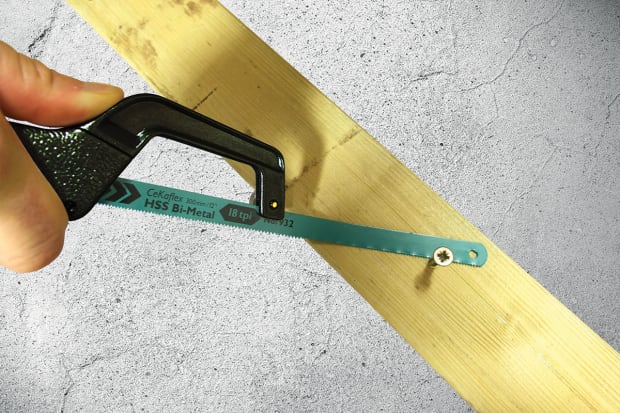
A hacksaw is the standard hand tool for cutting metal. It uses a thin blade with fine teeth, often ranging from 14 to 32 teeth per inch, or TPI.
Choose:
• 14 to 18 TPI for thick metal and larger work
• 24 TPI for general-purpose cutting
• 28 to 32 TPI for thin sheet metal and small tubing
A useful rule is to keep at least three teeth in contact with the metal during each stroke. If the teeth are too large for the material, the blade can snag and chip.
Junior hacksaw
A junior hacksaw has a smaller frame and shorter blade. It is useful in tight spaces, but it cuts more slowly and may flex more than a full-size hacksaw.
Mini metal saw
A mini metal saw has a compact frame and a short blade. It can help with small repairs, plastic-coated wire, and thin aluminum. It is less suitable for thick steel.
Coping saw with a metal blade
A coping saw can cut thin metal when fitted with a fine metal blade. However, the blade is less supported than a hacksaw blade. Use it only for light work and simple curves.
What about a regular wood hand saw?
A standard wood saw is not a good choice for metal. Its teeth are wide and coarse, and its blade may bend or dull quickly. If you only have a wood saw, wait until you can get a proper hacksaw or a blade marked for metal cutting.

How to Cut Metal With a Hand Saw
Can you use a hand saw to cut metal with good results? Yes, if you prepare the work and let the blade do the cutting. Rushing is the fastest way to make a crooked cut or damage the blade.
Follow these steps.
1. Measure and mark the cut
Use a tape measure, ruler, or square to mark the cut line. A permanent marker works on many surfaces. For bright metal, a metal scribe can create a sharper line.
Wrap masking tape around pipe or round stock to help create a straight guide. Check the measurement twice before cutting. Metal is not easy to add back once removed.
2. Secure the metal
Clamp the work firmly in a vise. Place scrap wood, leather, or cardboard between the vise jaws and finished surfaces if you want to prevent marks.
The metal should not move or vibrate. Movement wastes energy and can cause the blade to jump. Never hold small metal in one hand while sawing with the other.
3. Install the blade correctly
The teeth of most hacksaw blades should point away from the handle. This design makes the blade cut on the forward stroke.
Tighten the blade until it feels firm and straight. Do not overtighten it, since excessive tension can break a thin blade or damage the frame.
4. Start with short strokes
Place the blade on the waste side of the mark. Begin with short, light strokes to create a shallow groove. This groove helps guide the blade.
Once the groove forms, use longer strokes that use most of the blade length. Long strokes spread wear across the teeth and reduce heat.
5. Use steady pressure
Press down gently during the cutting stroke. Release most pressure on the return stroke. Do not force the blade.
Can you use a hand saw to cut metal quickly by pushing harder? Usually not. Too much force causes the blade to bind, wander, or break. A steady rhythm works better than brute strength.
6. Finish the cut with care
Support the waste piece near the end of the cut. Otherwise, the metal may snap and tear the remaining edge.
Slow down as the cut nears completion. After the cut, use a file or deburring tool to remove sharp edges.

Choosing the Right Metal-Cutting Blade
Blade selection has a major effect on cutting speed, finish, and safety. High-carbon steel blades are affordable and useful for common work. Bi-metal blades combine flexibility with hard cutting teeth and often last longer.
Blade material
• Carbon steel blades work for light, low-cost jobs
• High-speed steel blades stay sharp on harder metals
• Bi-metal blades resist breakage and suit regular workshop use
• Carbide-grit blades can cut some abrasive materials but are not typical for basic hacksaw work
Blade tooth count
The teeth-per-inch rating matters more than many beginners expect. A fine blade cuts thin material better because it keeps several teeth engaged at once.
For example:
• Thin sheet metal: 28 to 32 TPI
• Small steel tubing: 24 to 32 TPI
• Aluminum bar: 18 to 24 TPI
• Thick steel bar: 14 to 18 TPI
• Threaded rod: 18 to 24 TPI
Aluminum can clog a fine blade because it is soft and sticky. A blade with a moderate tooth count and light pressure often works better.

What Types of Metal Can a Hand Saw Cut?
Can you use a hand saw to cut metal such as steel, aluminum, copper, or brass? In most cases, yes, but each material behaves differently.
Steel
A hacksaw can cut mild steel, threaded rod, bolts, flat bar, and thin tubing. Steel requires patience and a sharp blade. Stainless steel is harder and may generate more heat, so use a quality bi-metal blade and avoid excessive pressure.
Aluminum
Aluminum is softer than steel and usually cuts more quickly. However, it can clog the blade teeth. Clean the blade when needed, and consider a small amount of cutting lubricant made for aluminum.
Copper and brass
Copper and brass are relatively easy to cut by hand. They can also deform under clamping pressure, so tighten the vise enough to hold the work without crushing it.
Cast iron
Cast iron is hard and brittle. A hacksaw can cut small pieces, but the process is slow. The edges may chip, and the work can create gritty dust. For larger cast iron parts, a machine shop or suitable power tool may be a better choice.
Hardened steel
Hardened steel can quickly wear a regular hacksaw blade. If the file will not scratch the surface, the metal may be too hard for a simple hand saw. Use a specialized abrasive method or ask a qualified professional.

Safety Tips for Cutting Metal by Hand
Can you use a hand saw to cut metal without protective equipment? You should not. Hand sawing seems low risk, but sharp edges, broken teeth, and flying chips can cause injuries.
Wear:
• Safety glasses with side protection
• Work gloves that fit well
• Long pants and closed-toe shoes
• Hearing protection during long cutting sessions
• A dust mask when cutting creates fine particles
Keep loose clothing, jewelry, and long hair away from the work. Make sure the vise and bench are stable before you begin.
Inspect the blade first. Replace it if it is cracked, badly bent, missing teeth, or dull. A dull blade needs more force, and more force increases the chance of slipping.
Do not use oil near an open flame or electrical source. Use a suitable cutting lubricant only when needed, and wipe away excess oil from the work area.
Metal edges stay sharp after cutting. Handle the piece with care, and remove burrs with a file before checking the fit.
Safety guidance for hand tools consistently stresses eye protection, secure work, and proper tool condition. These simple habits prevent many avoidable injuries.

Common Mistakes to Avoid
Many poor cuts come from setup errors rather than a lack of strength. These mistakes are easy to fix.
Using the wrong blade
A wood blade or a blade with very coarse teeth may catch in the metal. Select a blade made for metal and match its TPI to the material thickness.
Cutting without a clamp
Holding the work by hand makes the cut less accurate and increases the risk of injury. Secure the work in a vise or with a rated clamp.
Pushing too hard
Force does not replace a sharp blade. Hard pressure can bend the blade, damage the teeth, and make the cut wander.
Starting at the wrong angle
Begin with the blade at about a 30-degree angle. This helps the teeth engage gradually and reduces the chance of slipping.
Letting the blade overheat
Heat can reduce blade life and make some metals harder to cut. Pause when the blade becomes very hot. Use light strokes and suitable lubricant when appropriate.
Ignoring the finish
A cut edge may have burrs that can slice skin or prevent parts from fitting. Always inspect the edge and smooth it with a file.
In my own workshop experience, the most common beginner mistake is rushing the first few strokes. A slow start creates a clean groove, much like drawing a pencil line before using a ruler. Once the groove is established, the rest of the cut becomes far easier.
When Should You Use a Different Tool?
Can you use a hand saw to cut metal when the job is large or urgent? You can try, but it may not be the best choice. Tool selection should consider metal thickness, cut length, accuracy, noise, and the finish you need.
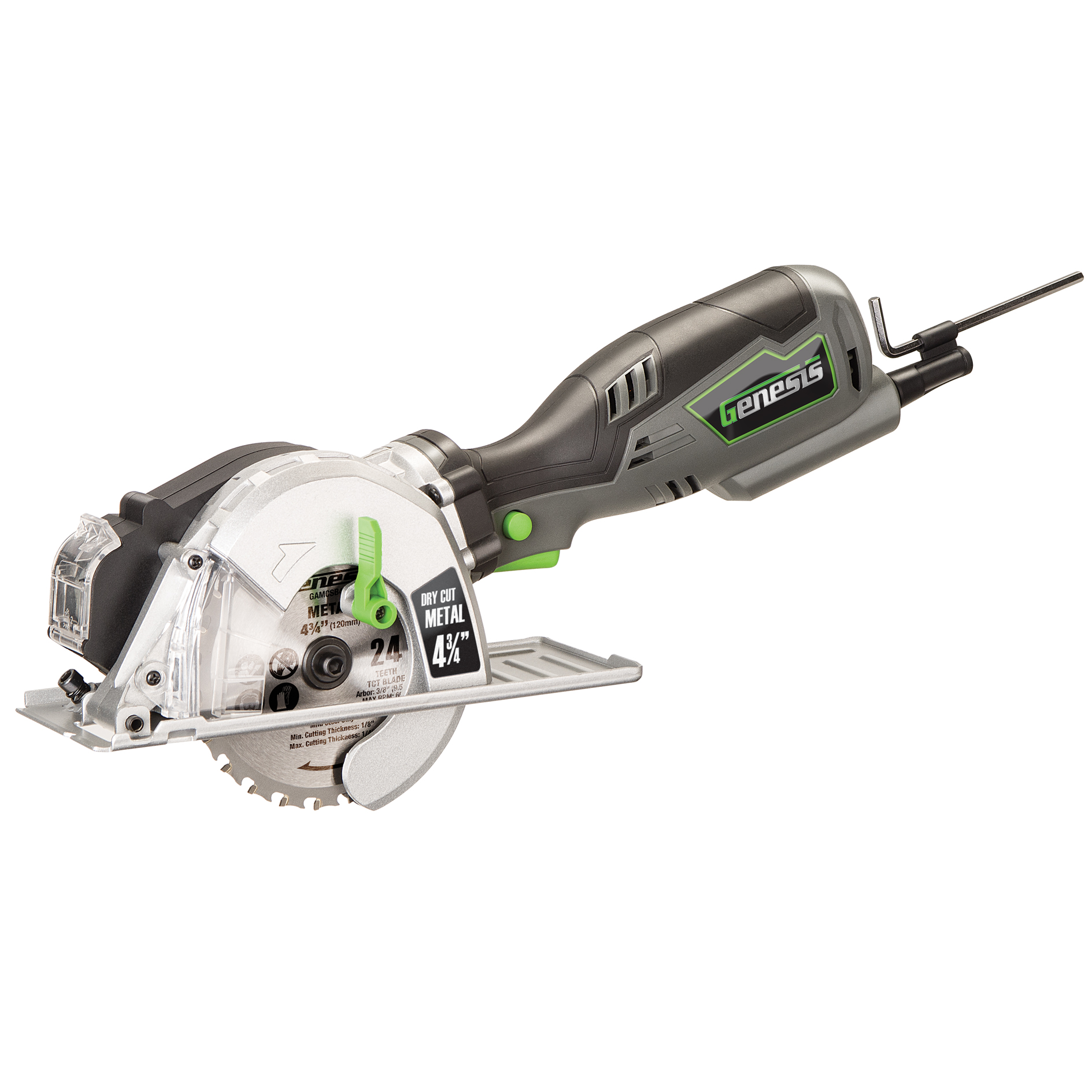
Consider these alternatives:
• Reciprocating saw for demolition and thick stock
• Angle grinder for fast cuts in steel and iron
• Portable band saw for controlled cuts in pipe and bar
• Metal-cutting circular saw for repeated straight cuts
• Abrasive chop saw for heavy stock
• Tin snips for thin sheet metal
• Bolt cutters for some soft, small-diameter rods
• Metal-cutting bandsaw for accurate workshop work
Powered tools cut faster, but they also create more noise, sparks, heat, and flying debris. Read the tool manual, use the correct blade, and follow the manufacturer’s safety instructions.
For a single bolt, pipe, or bracket, a hacksaw is often the simplest option. For repeated cuts or thick steel, a powered tool saves time and reduces physical strain when used correctly.
How to Improve Accuracy and Cut Quality
A clean metal cut begins before the saw touches the work. Use a square to mark straight lines on flat stock. For pipe, mark the entire way around the surface so the blade does not drift.
Keep the hacksaw frame square to the metal. Check your progress often rather than waiting until the cut is complete. If the blade starts to wander, stop and deepen the original groove instead of forcing it back into place.
For better results:
• Use a new blade for important work
• Clamp close to the cut
• Leave room on the waste side of the mark
• Keep both hands on the saw when practical
• Use long, smooth strokes
• Stop if the blade begins to bind
• File the edge after cutting
One lesson I learned early is that blade alignment matters more than speed. A slow, square cut often takes less total time than a fast cut that must be corrected with a file or repeated from the beginning.

Frequently Asked Questions About Can You Use a Hand Saw to Cut Metal
Can you use a hand saw to cut metal pipe?
Yes, a hacksaw can cut many metal pipes, including thin steel, copper, brass, and aluminum pipe. Secure the pipe in a vise, mark the cut around its full diameter, and use a fine or medium metal-cutting blade.
Can you use a regular hand saw to cut metal?
A regular wood hand saw is not recommended for metal. Use a hacksaw or another hand saw with a blade specifically designed for metal cutting.
Can a hacksaw cut stainless steel?
Yes, a hacksaw with a sharp bi-metal blade can cut thin stainless steel. Use steady pressure, avoid overheating the blade, and expect the work to take longer than cutting mild steel.
What is the best hacksaw blade for cutting metal?
A 24 TPI blade is a good general-purpose choice for many metal jobs. Use 28 to 32 TPI for thin sheet metal and 14 to 18 TPI for thicker metal.
Should you use oil when cutting metal with a hacksaw?
A small amount of suitable cutting lubricant can reduce friction and heat, especially on harder metals. It is not always needed for thin aluminum, copper, or short cuts, and excess lubricant can make the work slippery.
Why does my hacksaw blade keep breaking?
The blade may be too tight, too loose, dull, or unsuitable for the metal. The work may also be moving, or you may be using too much pressure or twisting the frame during the cut.
How do you make a clean metal cut by hand?
Mark the cut clearly, clamp the metal firmly, choose the correct TPI, and begin with short strokes. Keep the blade square, use light pressure, and smooth the finished edge with a file.
Conclusion
Can you use a hand saw to cut metal? Yes, a hacksaw can handle many small and medium metal-cutting jobs when you use the right blade, secure the material, and work with steady pressure. It is especially useful for bolts, pipe, threaded rod, brackets, aluminum, copper, and thin steel.
The main limits are thickness, hardness, cutting length, and time. Use a powered tool or professional service when the work is too large, too hard, or too demanding for safe hand cutting.
Choose the blade carefully, wear eye protection, and let the teeth do the work. If you found this guide useful, explore more practical tool guides or share your own metal-cutting tips in the comments.
