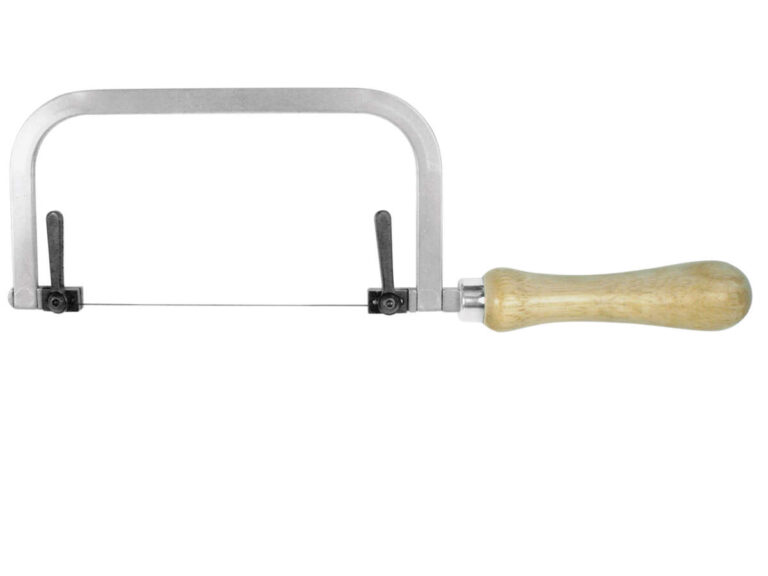
Will A Hacksaw Cut Through A Padlock: Does It Work?
Yes, a hacksaw can cut some padlocks, but hardened steel may make the job slow, unsafe, or impractical.
The answer to “will a hacksaw cut through a padlock” depends on the lock’s metal, shackle size, and blade quality. A basic hardware-store lock may be vulnerable, while a hardened shackle can resist hand tools for a long time. This guide explains the limits, risks, legal concerns, and safer options so you can make a smart choice for property you own or are authorized to open.
Will a Hacksaw Cut Through a Padlock?
Yes, a hacksaw may cut through a padlock shackle. However, it is not guaranteed to work on every lock. The shackle is the U-shaped metal bar that holds the lock closed, and its hardness matters more than the lock’s brand or price.
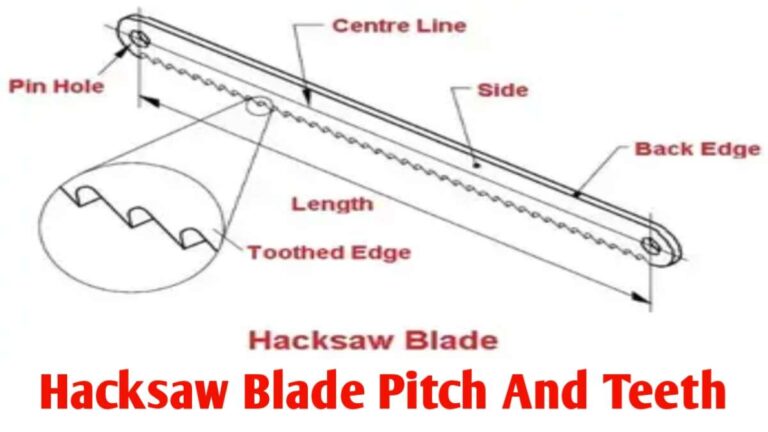
A hacksaw uses a toothed blade to remove small amounts of metal with repeated strokes. This creates friction and heat. On soft steel, the process may be possible. On hardened boron steel, alloy steel, or stainless steel, the blade may dull before making useful progress.
When asking, “will a hacksaw cut through a padlock,” consider these factors:
• Shackle material: Hardened steel is much harder to cut than mild steel.
• Shackle thickness: A thick shackle takes more time and effort.
• Blade quality: Fine-tooth blades made for metal work better than general-purpose blades.
• Lock position: Limited space can make safe tool use difficult.
• Lock design: Some padlocks shield much of the shackle, leaving little exposed metal.
A hacksaw is best viewed as a slow metal-cutting tool, not a quick lock-opening method. If the lock protects a shed, gate, storage unit, or bicycle that belongs to you, confirm your ownership before choosing any removal method.

What Makes Some Padlocks Hard to Cut?
Padlocks are made in many grades. A small indoor lock may use a relatively soft steel shackle. A commercial outdoor lock may use hardened steel designed to resist cutting, sawing, prying, and weather damage.
The main features that affect cutting resistance include:
Hardened shackles
Manufacturers heat-treat some shackles to increase hardness. This process makes the metal more resistant to common hand tools. It can also make a hacksaw blade slip, wear down, or lose its teeth.
Shackle diameter
A thick shackle contains more metal. Even if the material is not extremely hard, the extra diameter increases the cutting time. A narrow shackle may be easier to damage than a thick one.
Shackle protection
Some locks have a covered or closed-shackle design. The lock body surrounds much of the shackle. This leaves less room for a blade and protects the most exposed areas.
Lock body construction
A strong lock body does not always mean a strong shackle. Still, a solid body can make the lock harder to hold safely while someone works on it. This increases the risk of slipping tools, scratched surfaces, and hand injuries.
Corrosion and age
Rust does not always make a lock easy to remove. It can seize the internal parts and create sharp flakes of metal. An old lock may be weak in one area but still difficult to handle safely.
So, will a hacksaw cut through a padlock with a hardened shackle? It might, but the time and effort can be far greater than many people expect.

How Long Does It Take to Cut a Padlock With a Hacksaw?
There is no reliable single time estimate. A thin, soft shackle may take only a short period for someone with the right blade and a stable work position. A thick, hardened shackle may take much longer or may not be practical with a hand hacksaw.
The result can change based on:
• The hardness of the shackle
• The blade’s condition
• The amount of exposed metal
• The user’s strength and technique
• The stability of the lock and object
• The quality of the hacksaw frame
Many people underestimate the effort because a hacksaw looks simple. In practice, repeated sawing can tire the hands and arms quickly. A worn blade can also create heat and friction without making much progress.
From a practical maintenance viewpoint, the biggest mistake is forcing the tool after the blade has stopped cutting well. That can cause the blade to snap or the frame to twist. Metal fragments may also fly toward the face or hands.
If the lock is attached to a valuable gate, trailer, mailbox, or storage door, damage to the surrounding property may cost more than professional lock removal.

Can a Hacksaw Cut a Hardened Steel Padlock?
A hacksaw can sometimes mark or slowly damage hardened steel, but cutting through it may be difficult. Standard high-carbon steel blades often lose their cutting edge quickly against very hard shackles.
Hardened padlocks are designed to resist common attacks. Some use materials and shapes that reduce the effectiveness of hand saws. A covered shackle can make the task even harder because the blade cannot reach a useful cutting position.
This is why the answer to “will a hacksaw cut through a padlock” should never be treated as universal. The word “padlock” covers everything from a light-duty indoor lock to a commercial security lock used on a warehouse gate.
For a lock you own, safer choices may include:
• Contacting the manufacturer for a replacement key or removal recommendation
• Calling a licensed locksmith
• Asking the property manager or storage facility for authorized assistance
• Using a professional lock removal service
• Replacing the entire hasp or latch if it is already damaged
Do not try to cut a lock that belongs to another person, a rental property, a public facility, or a shared storage area without clear permission. Even if the reason seems harmless, unauthorized lock removal can be treated as property damage or unlawful entry.
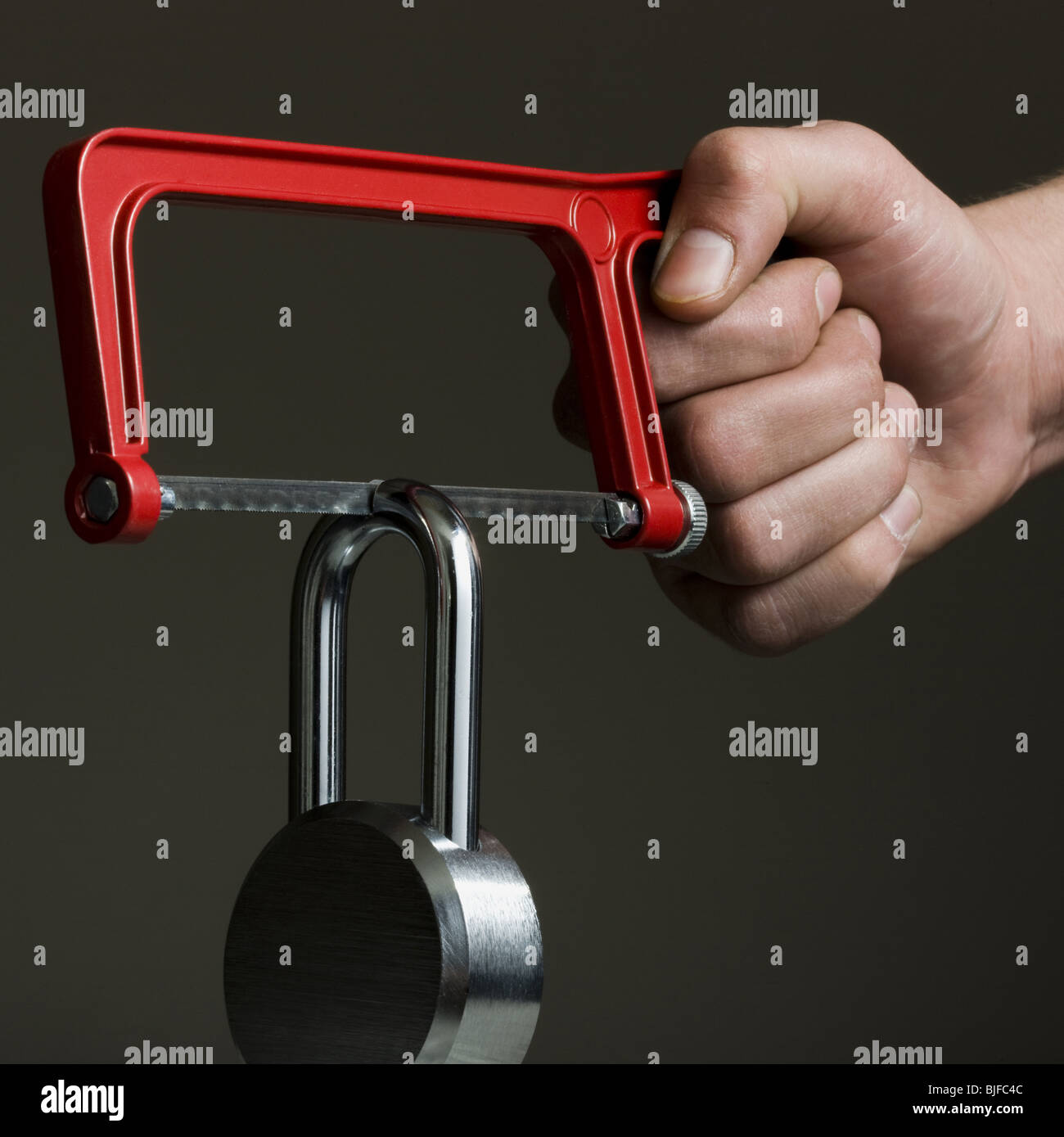
Hacksaw Versus Other Padlock Removal Options
A hacksaw is only one possible tool, and it is rarely the best choice for every situation. The correct method depends on ownership, the lock’s location, and the risk of damaging nearby property.
When a hacksaw may make sense
A hacksaw may be reasonable for a small, inexpensive lock that you own and can safely place in a stable work area. It may also be useful when power tools are unavailable and the surrounding material will not be damaged.
Even then, wear eye protection and sturdy gloves. Keep hands away from the blade path, and stop if the frame bends, the blade cracks, or the lock shifts.
When a locksmith is the better choice
A locksmith is usually the safest option when:
• The lock protects a home, business, vehicle, or rented unit
• The lock is high security
• The hasp or door could be damaged
• The key is lost but the lock may be preserved
• You cannot prove ownership on-site
• The lock is in a crowded or difficult location
A professional can verify authorization and select a method that limits damage. In many cases, the cost of service is lower than repairing a damaged gate, door, or storage box.
When replacement is practical
If the lock is already broken, rusted, or inexpensive, replacing it may be simpler than trying to save it. Take a photo of the lock and measure the shackle size before buying a replacement. Look for weather resistance, a suitable shackle length, and security features that match the location.

Safety Tips for Removing a Padlock You Own
Even a basic hand tool can cause injury when used against metal. A broken blade can act like a small spring, and tiny metal chips can enter the eyes or skin.
Use these basic precautions:
• Confirm that you own the lock or have clear permission to remove it.
• Wear safety glasses with side protection.
• Use work gloves that fit well and do not reduce control.
• Keep children and bystanders away from the work area.
• Secure the lock and the surrounding object before applying force.
• Use the correct blade for metal rather than wood or plastic.
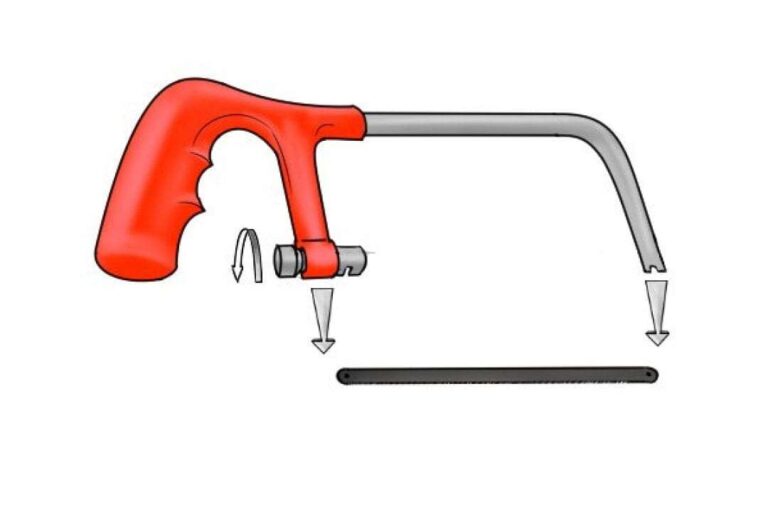
• Inspect the blade and frame before use.
• Stop if the tool slips, bends, overheats, or shows damage.
• Avoid working near fuel, wiring, pressurized containers, or flammable materials.
• Dispose of broken blades and sharp metal pieces safely.
Do not use a damaged hacksaw frame or continue with a blade that has missing teeth. A tool that cuts poorly can be more dangerous because the user often applies extra force.
If the lock is attached to a vehicle, electrical cabinet, gas enclosure, or industrial machine, call a qualified professional. The hidden hazards may be more serious than the lock itself.
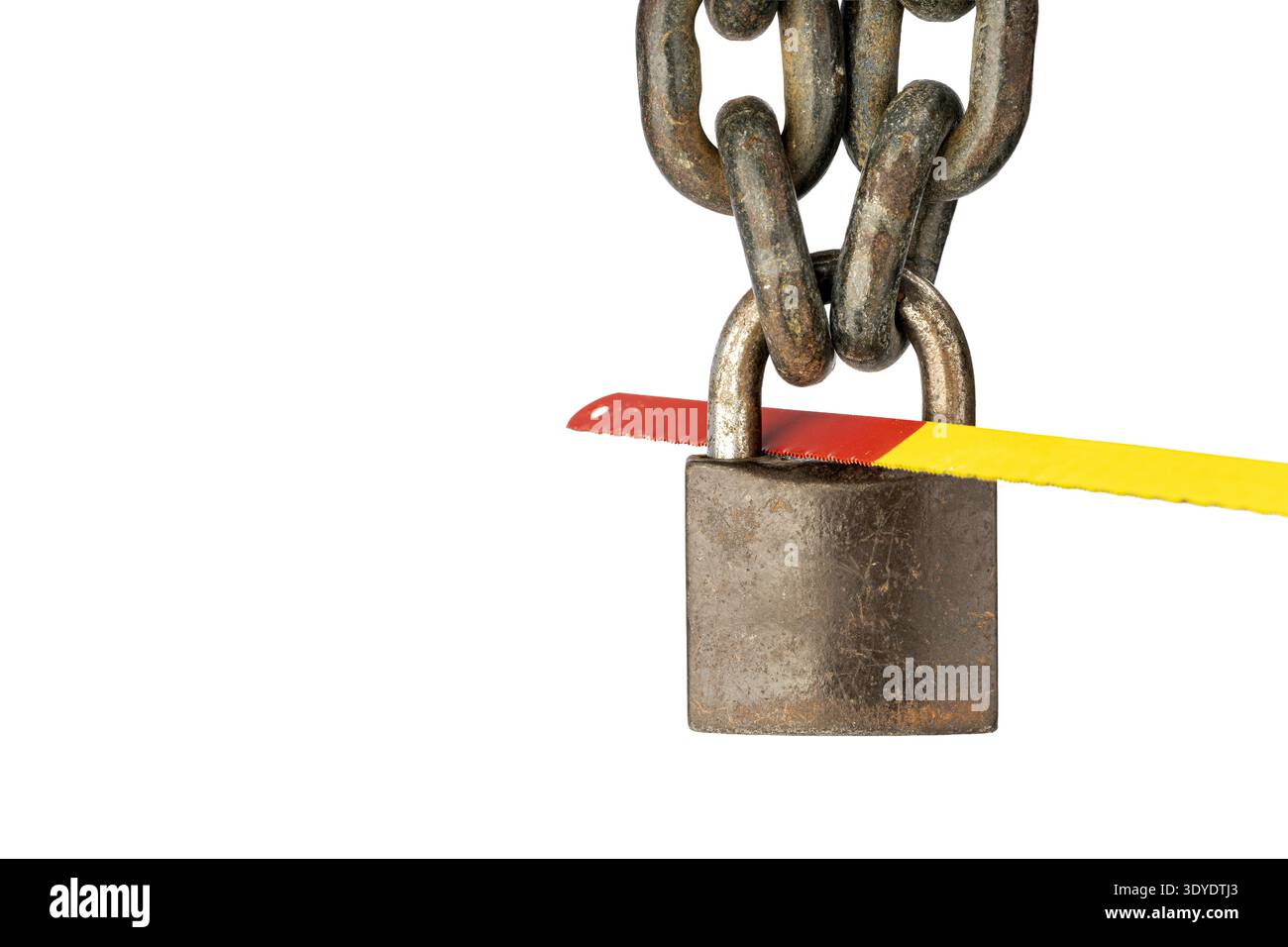
Common Mistakes People Make With a Hacksaw
One common mistake is assuming that more force always means faster cutting. It does not. Excess pressure can bend the blade, reduce control, and make the teeth wear unevenly.
Another mistake is choosing the wrong blade. A blade made for wood will not perform well on metal. A blade with damaged or dull teeth may create heat but remove very little material.
People also often cut in an awkward position. When the lock moves, the blade can slip into the hand, nearby paint, or the object holding the lock. A stable setup is essential, but creating that setup may not be possible on a gate or outdoor fixture.
A further mistake is ignoring the lock’s construction. If the shackle is protected by the lock body, repeatedly sawing at it may waste time. At that point, a locksmith can usually provide a more controlled solution.
The practical lesson is simple: the question “will a hacksaw cut through a padlock” is less important than whether using one is safe, legal, and cost-effective in that specific situation.

How to Choose a Padlock That Resists Hacksaws
If you are buying a new padlock, focus on the complete security design rather than the price alone. No consumer padlock is impossible to defeat, but better construction can delay unauthorized access and discourage casual tampering.
Look for:
• A hardened steel or boron alloy shackle
• A short or covered shackle
• A thick lock body
• Corrosion resistance for outdoor use
• A protected keyway
• Independent security testing when available
• A size that matches the hasp without leaving excess space
A lock should also fit the job. A small indoor padlock may be fine for a locker but unsuitable for a driveway gate. For valuable equipment, use a lock and hasp designed to work together. A strong padlock attached to a weak latch still provides poor security.
Keep the key in a safe place and consider a spare. Many lockouts happen because of misplaced keys, not because the lock failed.

Frequently Asked Questions About Will a Hacksaw Cut Through a Padlock
Will a regular hacksaw cut through a small padlock?
It may cut through a small padlock if the shackle is made from softer steel and enough of it is exposed. Hardened or shielded shackles can make a regular hacksaw ineffective or extremely slow.
Will a hacksaw cut through a hardened steel padlock?
A hacksaw may scratch or slowly wear hardened steel, but cutting through it can be difficult. The blade may dull quickly, so professional removal is often safer and more practical.
What type of hacksaw blade cuts a padlock?
A blade designed for cutting metal is the appropriate general type. The correct choice still depends on the shackle material, and using the wrong blade can increase slipping, breakage, and injury risk.
Is it legal to cut a padlock with a hacksaw?
Cutting a padlock is generally lawful when you own it or have clear permission from the owner. Removing someone else’s lock or entering protected property without authorization may violate criminal or civil laws.
Should I call a locksmith instead of using a hacksaw?
Call a locksmith when the lock protects a vehicle, home, business, rental unit, or valuable equipment. Professional help can reduce property damage and may preserve the door, hasp, or lock system.
Can a hacksaw damage the item attached to the padlock?
Yes. A slipping blade can scratch paint, cut nearby material, or damage a door, fence, chain, or latch. Poor positioning also increases the chance of hand injuries and broken blades.
Conclusion
A hacksaw can cut through some padlocks, but the result depends on the shackle’s material, thickness, design, and condition. Soft, exposed steel may be manageable, while hardened or covered shackles can resist a hand saw and create unnecessary risk.
Before asking, “will a hacksaw cut through a padlock,” confirm ownership, inspect the lock, and consider the value of the attached property. For high-security locks, difficult locations, or valuable doors and gates, a licensed locksmith is usually the safest choice. Choose the method that protects both people and property, and share your experience or questions in the comments.
Recent Tool Guides
 Hammer
How To Hammer Flowers Onto Paper: Easy Guide
Learn how to hammer flowers onto paper with simple steps, helpful tips, and beautiful results for...
Read Guide → Wrench
How To Use A Hex Wrench: Easy Step-By-Step Guide
Learn how to use a hex wrench correctly with simple steps, helpful tips, and common mistakes...
Read Guide → Hacksaw
How To Cut Curtain Pole With Hacksaw: Easy Guide
Learn how to cut curtain pole with hacksaw safely and neatly. Follow simple steps for accurate...
Read Guide → Wrench
How To Use A Husky Torque Wrench: Easy Guide
Learn how to use a Husky torque wrench correctly with simple steps, torque settings, and safety...
Read Guide → Hammer
How To Hold A Hammer: Safe Grip Guide
Learn how to hold a hammer with the right grip, stance, and technique for safer, more...
Read Guide → Hacksaw
How To Cut Flexible Metal Conduit With Hacksaw: Easy Guide
Learn how to cut flexible metal conduit with hacksaw safely and cleanly. Follow simple steps for...
Read Guide →