
Cut metal with hand tools by marking accurately, using the right tool, and working slowly with steady control.
If you want clean, safe cuts without a power tool, learning how to cut metal with hand tools is a skill worth having. I’ve found that most mistakes come from rushing, not from the tool itself. With the right setup, a little patience, and the proper cutting method, you can cut sheet metal, rod, pipe, and bar stock with impressive accuracy.
How to Cut Metal with Hand Tools: What You Need to Know First
Cutting metal by hand is really about matching the tool to the material. Thin sheet metal needs a different approach than steel rod or aluminum pipe. Once you understand the metal’s thickness, hardness, and shape, the job gets much easier.
From experience, I can tell you this: a sharp blade or a well-kept edge matters more than brute force. I’ve seen beginners lean too hard on a hacksaw and bend the blade, while a simple, steady stroke would have done the job better. The goal is control, not speed, and that idea guides every good method for how to cut metal with hand tools.
Best Hand Tools for Cutting Metal
Different tools work best for different types of metal. Choosing the right one saves time and helps you make cleaner cuts.
Hacksaw
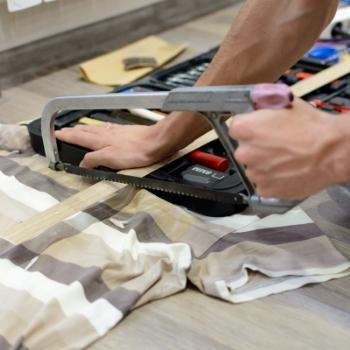
A hacksaw is the classic hand tool for cutting metal. It works well on bolts, rods, pipe, angle iron, and thin stock. Use a blade with enough teeth for the metal you are cutting, since finer teeth usually give smoother results.
Tin Snips
Tin snips are best for thin sheet metal, HVAC duct, flashing, and soft metal sheets. They come in left-cut, right-cut, and straight-cut versions. If you try to force them through material that is too thick, the cut will twist and the tool will wear out fast.
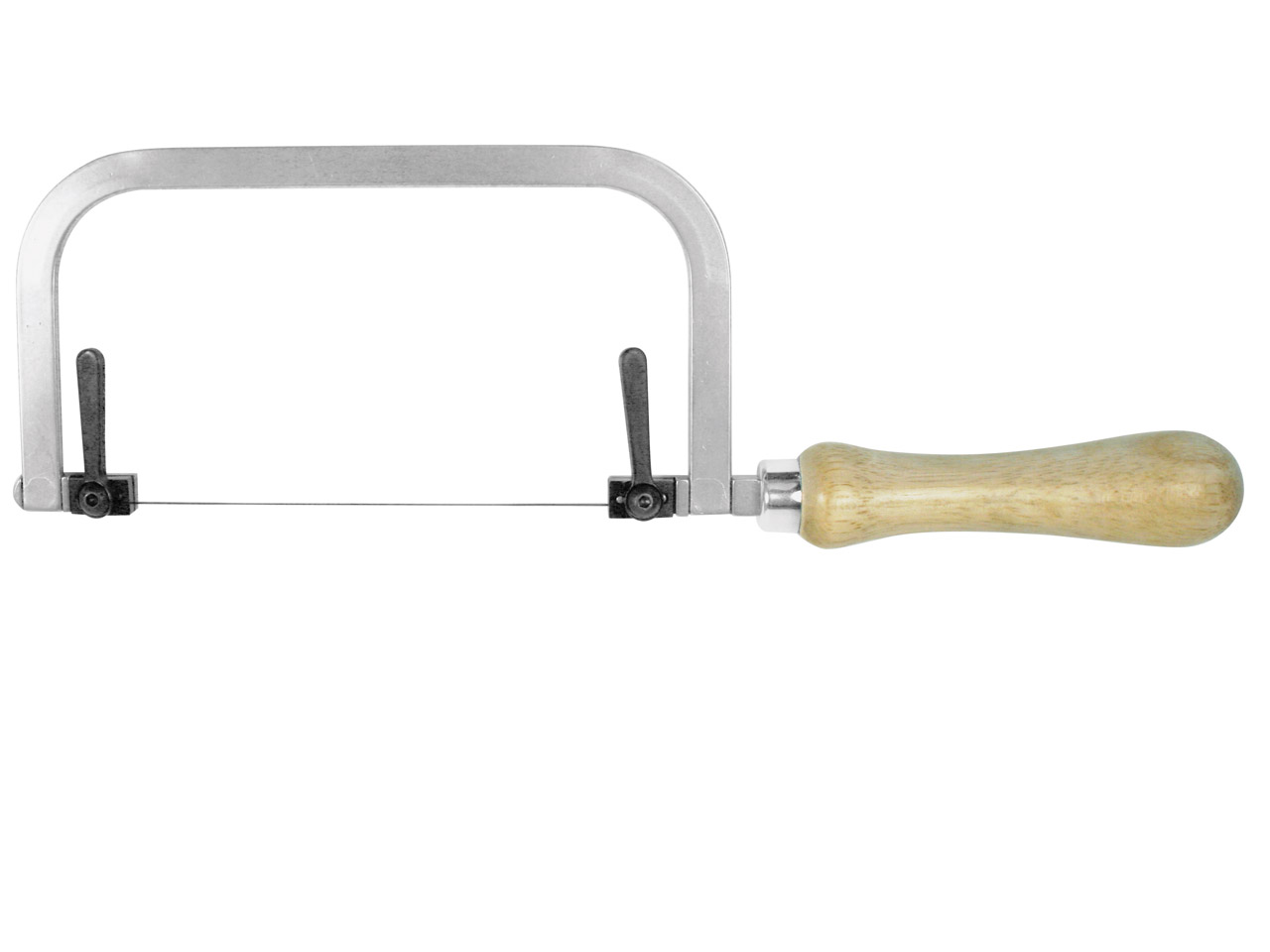
Metal-Cutting Saw
A metal-cutting hand saw can be useful for small jobs where a hacksaw feels awkward. It gives you more comfort on longer cuts, especially when working on light pipe or tubing. It is not the fastest option, but it can be very controlled.
Bolt Cutters
Bolt cutters are ideal for chains, wire, small bolts, padlocks, and rebar ties. They do one thing very well: deliver strong cutting force with leverage. If the metal is too hard for the cutter’s rating, stop and switch tools instead of forcing it.
Aviation Snips
Aviation snips are a type of tin snip made for curved, detailed cuts in sheet metal. They are great for tight turns and shape work. Most pros keep left, right, and straight versions nearby because each one handles a different direction better.

How to Cut Metal with Hand Tools Step by Step
The basic process is simple, but each step matters. A clean cut begins before the blade ever touches the metal.
1. Mark the Cut Clearly
Use a marker, scribe, or soapstone to mark the cut line. A bright line helps you stay on track and reduces wasted material. If the cut must be precise, measure twice and mark once.
2. Secure the Metal
Clamp the metal in a vise or on a stable workbench. Loose material vibrates, shifts, and makes the tool slip. In my shop, this is where many bad cuts start and where many good cuts are saved.
3. Choose the Right Blade or Tool
Match the tool to the metal type and thickness. For example, use tin snips for sheet metal and a fine-tooth hacksaw blade for steel rod or tubing. This is one of the biggest factors in how to cut metal with hand tools cleanly.
4. Start the Cut Slowly
Begin with light pressure to create a groove or track. Let the tool find the line before you increase your pace. If you start too hard, you can jump off the mark and ruin the edge.
5. Keep Your Strokes Steady
Use long, smooth strokes with a hacksaw and avoid twisting the blade. With snips, make small, controlled bites instead of trying to cut too much at once. Consistency beats force every time.
6. Finish the Edge
After the cut, the edge may be sharp or rough. Use a file, deburring tool, or sandpaper to smooth it. This step improves safety and makes the finished piece look much better.
How to Cut Metal with Hand Tools by Metal Type
Not all metals behave the same. Knowing the material helps you pick the right tool and avoid frustration.
Sheet Metal
Sheet metal is best cut with tin snips or aviation snips. Keep the sheet supported so it does not buckle as you cut. For long straight cuts, a guide line and slow progress make the result much cleaner.
Steel Rod and Bolt Stock
A hacksaw is the most common hand tool for this job. Use a fine-tooth blade and clamp the rod tightly so it does not spin. If the rod is hardened, expect slower progress and more blade wear.
Aluminum
Aluminum is softer than steel, so it cuts faster. That said, it can clog blades, so clear chips often. A clean blade and gentle pressure help prevent jagged edges.
Copper and Brass
These metals are relatively soft and easy to cut by hand. A hacksaw or snips may work depending on thickness. The main challenge is preventing dents and keeping the cut line neat.
Thin Pipe and Tubing
Pipe and tubing are easier when clamped securely and rotated slightly as you cut. A hacksaw works well, but keep the blade square to avoid a crooked cut. If you need a very clean edge, file the inside and outside after cutting.
Safety Tips When Cutting Metal by Hand
Safety is not optional here. Metal edges are sharp, chips fly, and even a small slip can cause a cut.
• Wear safety glasses to protect your eyes from chips and shards.
• Use cut-resistant gloves when handling rough or freshly cut metal.
• Clamp the workpiece so your hands stay away from the blade path.
• Keep your fingers clear of thin sheet edges, which can slice like paper.
• Work in good light so your cut line stays visible.
• Replace dull blades early, because dull tools slip more often.
I always tell people this: a safe setup is faster than a risky one. When you do how to cut metal with hand tools the right way, the tool feels like an extension of your hand instead of a fight.
Common Mistakes to Avoid
Most problems come from a few predictable habits. Once you know them, they are easy to avoid.
• Using the wrong tool for the metal thickness
• Forcing the cut instead of letting the blade work
• Forgetting to clamp the material
• Starting with a dull blade
• Cutting too fast and losing the line
• Ignoring burrs and sharp edges after the cut
One mistake I made early on was rushing a hacksaw cut on steel tubing. I pressed too hard, the blade wandered, and the cut ended up crooked. Since then, I’ve learned that patience makes a bigger difference than strength.
How to Get Cleaner, Straighter Cuts
Clean cuts do not happen by luck. They come from good prep and a steady hand.
• Use a square or straightedge to mark the line
• Score the line lightly before the full cut
• Keep your blade aligned with your mark
• Stop and check your angle if the cut starts drifting
• Support the cut-off piece so it does not tear at the end
A useful trick for how to cut metal with hand tools is to let the tool do the work. Think of it like drawing a line with a pen, not carving with a shovel. The lighter, more controlled motion usually gives the best result.
When Hand Tools Make More Sense Than Power Tools
Hand tools are not just for emergencies. In many real-world jobs, they are the smartest choice.
• Small home repairs where setup time matters more than speed
• Tight spaces where power tools are awkward
• Jobs that need quiet operation
• Light-duty cutting where precision matters
• Situations where sparks or electricity are a concern
I still reach for hand tools often when I need a quick, controlled cut. They are slower, yes, but they also give you a lot of feedback. That feedback helps you stay accurate, which is a big reason people still search for how to cut metal with hand tools instead of jumping straight to a powered saw.
Maintenance for Better Results
A well-kept tool cuts better, lasts longer, and is safer to use. Maintenance is part of the job, not an afterthought.
• Clean metal dust and chips off tools after use
• Store blades dry to prevent rust
• Replace worn snips or dull hacksaw blades
• Oil moving parts on snips and bolt cutters
• Check handles and grips for looseness or damage
This is one of those habits that pays off over time. A sharp blade and clean pivot can turn a hard job into an easy one.
Frequently Asked Questions
What is the easiest hand tool for cutting metal?
For thin sheet metal, tin snips or aviation snips are usually the easiest. For rods, bolts, and small pipe, a hacksaw is often the most practical choice.
Can I cut metal without power tools?
Yes, you can cut many types of metal safely and accurately without power tools. The key is choosing the right hand tool, securing the metal, and working at a steady pace.
What blade should I use for a hacksaw?
Use a fine-tooth blade for harder or thinner metal and a coarser blade for thicker, softer stock. The right tooth count helps reduce snagging and gives you a smoother cut.
How do I keep metal from bending while cutting?
Clamp the metal firmly and support both sides of the cut if possible. This is especially important with thin sheet metal and tubing, which can flex and deform as you work.
How do I remove sharp edges after cutting metal?
Use a metal file, deburring tool, or medium-grit sandpaper to smooth the edge. This makes the piece safer to handle and improves the finished look.
Conclusion
Learning how to cut metal with hand tools gives you control, flexibility, and confidence on projects big and small. Once you match the tool to the metal, mark your line carefully, and cut with patience, the work becomes much easier and a lot more accurate.
If you are just starting out, begin with simple cuts and build your skill from there. Practice on scrap metal, keep your tools sharp, and pay attention to how the material responds. If this guide helped, explore more shop tips, save it for your next project, or leave a comment with the metal-cutting method you use most.