

You can cut glass with a hacksaw only with a diamond or abrasive blade, but it is risky and rarely the best method.
The answer to “can you cut glass with a hacksaw” depends on the glass, blade, and cutting method. A normal toothed hacksaw blade will usually chip, crack, or shatter glass instead of cutting it cleanly. This guide explains what works, what fails, and how to choose a safer tool for the job.
Can You Cut Glass With a Hacksaw?
Yes, but only in limited cases. You may cut some types of glass with a hacksaw fitted with a diamond-grit or carbide-grit blade. The blade must grind through the glass slowly rather than use sharp teeth to bite into it.
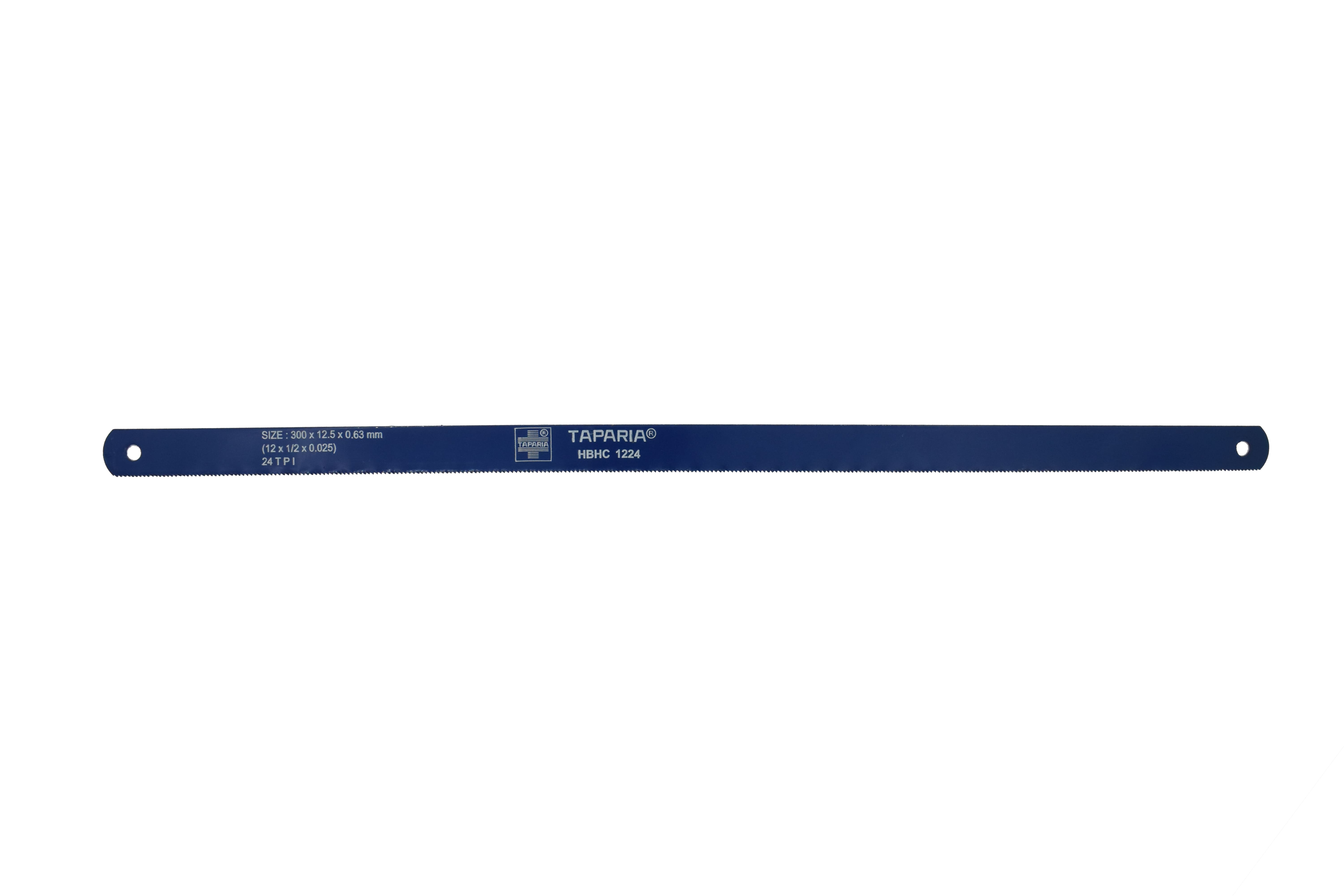
A standard hacksaw blade is made for metal, plastic, or other solid materials. Its teeth create shock and pressure. Glass is hard but brittle, so that pressure can spread through the sheet and cause a sudden crack.
When people ask, “can you cut glass with a hacksaw,” they often mean a regular hand hacksaw. With that setup, the practical answer is no. A normal blade is not designed to make a controlled glass cut.
A hacksaw may work better for:
• Thin glass tubing
• Small glass tiles
• Glass-fiber materials
• Some non-tempered glass pieces
• Glass that can be removed and replaced if it breaks
It is not a good choice for large window panes, mirrors, vehicle glass, or valuable glass panels.

Why a Standard Hacksaw Blade Usually Fails
A hacksaw removes material with small teeth. Those teeth create repeated impacts along a narrow cut line. Metal can bend slightly and spread this force. Glass cannot. It tends to hold stress until it suddenly breaks.
The main problems include:
• Chipping: The teeth pull small flakes from the edge.
• Cracking: Tiny chips can form stress points that grow across the glass.
• Shattering: A crack may travel faster than you can react.
• Uneven cuts: The blade can wander across the surface.
• Heat damage: Friction can create heat and worsen stress.
Glass cutting is more like controlling a fault line than sawing wood. The goal is to make one clean score and guide the break. A hacksaw tries to remove material over many strokes, which is why it is often too aggressive.
Another issue is blade movement. The thin glass may flex under the pressure of the saw. Even slight movement can turn a small cut into a full break.
So, can you cut glass with a hacksaw safely? Only when the workpiece is small, firmly supported, and cut with the right abrasive blade. Even then, the risk remains higher than with a glass cutter or wet saw.
Which Types of Glass Can You Cut?
The type of glass matters more than many people expect. Some glass can be scored and snapped. Other glass cannot be cut after manufacture.
Non-tempered glass
Ordinary window glass and many picture-frame panes are non-tempered. A glass cutter can often score and break this material. A diamond-grit tool may also grind through it, but the edge may need polishing.
Tempered glass
Tempered glass should not be cut with a hacksaw. It has been heat-treated to increase strength. Once its surface is damaged, it may break into many small pieces at once.
Examples include:
• Shower doors
• Side windows in many vehicles
• Some patio doors
• Glass table tops
• Certain appliance panels
Look for a permanent safety marking in one corner. If you suspect the glass is tempered, do not test it with a saw.
Laminated glass
Laminated glass has one or more plastic layers between glass sheets. A hacksaw may cut one layer but leave the plastic film attached. Cutting it requires special tools and careful handling.
Vehicle windshields are a common example. They need professional equipment because the glass can crack, splinter, and retain sharp fragments.
Glass tile
Glass tile is a different case. A wet saw with a diamond blade is usually the right tool. A hacksaw with a diamond-grit blade may work for a tiny adjustment, but it will be slow and may leave a rough edge.

Can You Cut Glass With a Hacksaw Using a Special Blade?
A special blade can make the process possible, but it does not make it easy. The best option is a diamond-grit blade, diamond-coated wire, or abrasive cable made for glass and ceramic materials.
These blades grind the glass instead of using standard teeth. They need light pressure, steady movement, and cooling. Some require water to control dust and heat.
If you try this method, use these basic steps:
Confirm that the glass is not tempered.
Mark the cut with a grease pencil or glass marker.
Support the glass on a flat, stable surface.
Cover nearby areas with a protective cloth or sheet.
Fit a diamond-grit or abrasive blade.
Wear safety glasses, gloves, long sleeves, and closed shoes.
Start with light strokes and let the abrasive blade do the work.
Keep the cut wet if the blade instructions allow it.
Stop often to check for cracks or movement.
Smooth the finished edge with a diamond hand pad.
Never force the blade. If the glass begins to flex, vibrate, or crack, stop at once. A small workpiece is much easier to control than a large sheet.
Can you cut glass with a hacksaw this way? Technically, yes. However, the process is slow, messy, and less predictable than using a proper glass-cutting tool.

Safer Tools for Cutting Glass
For most home projects, a hacksaw is not the best tool. The right tool depends on the glass shape, thickness, and cut style.
Glass cutter
A hand glass cutter uses a small hardened wheel to score the surface. You then apply controlled pressure to break the glass along the score.
This tool works well for straight cuts in non-tempered glass. It does not remove a wide channel. Instead, it creates a controlled weakness.
Wet saw with a diamond blade
A wet saw is useful for glass tile and some thick glass products. Water cools the blade, reduces dust, and helps create a smoother cut.
Use a blade labeled for glass or tile. A general masonry blade may chip the surface badly.
Glass grinder
A glass grinder uses a diamond bit and water to shape small pieces. It is common in stained-glass work. It is better for curves, not long straight cuts.
Diamond rotary tool
A rotary tool with a diamond wheel or bit can grind small openings and notches. It requires a firm grip and careful dust control.
Professional glass service
A glass shop is the safest choice for large, expensive, thick, laminated, or tempered panels. Professionals can identify the glass and use equipment that produces a cleaner edge.

How to Cut Non-Tempered Glass More Safely
If your goal is a straight cut in ordinary glass, use a glass cutter rather than a hacksaw. The process is simple, but it requires a steady hand.
Prepare the work area
Work on a large, flat table. Place a clean cloth, rubber mat, or thin sheet of insulation under the glass. The support should be firm and even.
Clean the glass before marking it. Dirt or grit under the surface can shift the glass and affect the score.
Mark the cut
Use a straightedge and mark the line on the glass. Measure twice. Once the glass breaks, you cannot easily repair a poor measurement.
Leave enough room for the edge to be trimmed or polished. A cut placed too close to the edge may cause unwanted breakage.
Score once
Apply a small amount of glass-cutting oil to the wheel if recommended by the tool maker. Hold the cutter upright and draw it across the surface in one smooth motion.
You should hear a consistent, soft scratching sound. Do not repeatedly score the same line. Multiple passes can create extra cracks.
Break along the score
Place the score line just over the edge of the table or use running pliers made for glass. Apply gradual, even pressure.
Wear eye protection during this step. Even a good score can produce small chips.
Smooth the edge
Use a diamond sanding pad or glass file to remove sharp edges. Do not touch a newly cut edge with bare fingers. It can be sharp enough to cause a deep cut.

Safety Risks You Should Not Ignore
Glass work can cause cuts, eye injuries, and breathing hazards. The risk increases when a saw creates chips or fine dust.
Wear:
• Safety glasses with side protection
• Cut-resistant gloves that still allow good control
• Long sleeves and long pants
• Closed-toe shoes
• A suitable dust mask when dry grinding is unavoidable
Keep children and pets away from the work area. Do not work over a carpet, sink, or place where fragments can hide.
Water can reduce dust, but electricity and water create a serious shock risk. Use only equipment designed for wet cutting, follow its instructions, and use proper ground-fault protection.
Do not sweep glass fragments with your bare hands. Use a brush and dustpan, then wipe the area with a damp disposable cloth. Place fragments in a strong container before throwing them away.
If glass enters your eye, do not rub it. Seek medical help. For a deep cut, heavy bleeding, or a wound caused by contaminated glass, get prompt medical care.

Common Mistakes When Cutting Glass With a Hacksaw
Many failed attempts follow the same pattern. Avoiding these mistakes can prevent broken glass and injuries.
• Using a standard metal-cutting blade: The teeth can catch and crack the glass.
• Cutting tempered glass: Tempered glass can explode into small pieces.
• Applying too much force: Pressure increases flex and stress.
• Supporting only one end: Unsupported glass can bend and break.
• Cutting without cooling: Heat can create uneven expansion and cracks.
• Ignoring the edge: A rough edge remains dangerously sharp.
• Cutting valuable glass first: Practice on a low-cost piece.
• Working without eye protection: Small chips can travel quickly.
One workshop lesson applies to nearly every glass project: slow is fast. Rushing a cut often leads to a broken panel, while patient setup usually saves time.
If you are wondering, can you cut glass with a hacksaw for a home repair, ask a second question first: what will happen if the glass breaks? If the answer involves injury, expensive damage, or a hard-to-replace part, use a proper tool or hire a professional.

When Should You Hire a Professional?
A professional glass cutter is the better choice when the material is large, costly, thick, tempered, laminated, or part of a building system.
Call a professional for:
• Shower doors
• Vehicle glass
• Large window panes
• Glass railings
• Load-bearing or structural panels
• Custom table tops
• Tempered patio doors
• Laminated security glass
Professionals can also polish, bevel, drill, and finish the edge. This matters because a cut edge may need more than basic smoothing. Poor edge work can create stress that leads to later breakage.
The price of a professional cut is often lower than the cost of replacing a broken panel or treating an injury. For a small craft project, a glass shop may also cut a replacement piece while you wait.

Frequently Asked Questions About Can You Cut Glass With a Hacksaw
Can you cut glass with a regular hacksaw blade?
A regular hacksaw blade is not suitable for most glass. Its teeth can chip, crack, or shatter the material instead of making a clean cut.
Can you cut glass with a hacksaw and water?
Water may reduce heat and dust when used with a suitable diamond-grit blade and wet-rated equipment. It does not make a standard toothed hacksaw safe, and electricity must be kept away from uncontrolled water.
Can you cut tempered glass with a hacksaw?
No. Tempered glass should not be cut with a hacksaw or a glass cutter. Cutting or scoring it can cause the entire panel to break into many small pieces.
What blade can cut glass?
A diamond-grit blade, diamond-coated wire, or specialized abrasive blade can grind some non-tempered glass. For straight cuts, a glass cutter is usually more suitable.
Is it safer to cut glass with a hacksaw or a glass cutter?
A glass cutter is safer and more effective for straight cuts in non-tempered glass. A hacksaw is mainly useful for small jobs when fitted with the correct abrasive blade and used with strong safety controls.
Can you cut a glass bottle with a hacksaw?
A hacksaw may scratch or partly grind a bottle, but it often creates uneven cracks and sharp edges. A bottle-cutting jig, scoring tool, and careful edge finishing are better options, though professional handling is safest.
Conclusion
Can you cut glass with a hacksaw? In limited cases, a diamond or abrasive blade can grind through some non-tempered glass. A normal hacksaw blade, however, is likely to chip, crack, or shatter the material.
For straight cuts, choose a glass cutter. For glass tile, use a wet saw with a diamond blade. For tempered, laminated, large, or valuable glass, contact a professional. Take time to identify the glass, prepare a stable work area, and wear proper protection before making any cut. Share your glass-cutting project or explore more tool-safety guides before you begin.
