

The four key masonry hand tools are a brick hammer, masonry trowel, jointer, and bolster chisel.
If you have ever watched a skilled mason work, you may notice that the best results come from simple tools used with great control. Knowing what are four hand tools specific to masonry helps beginners choose the right gear, avoid common mistakes, and build cleaner, stronger work. This guide explains each tool, its purpose, limits, and safe use in clear, practical terms.
What Are Four Hand Tools Specific to Masonry?
The four most useful hand tools specific to masonry are the brick hammer, masonry trowel, jointing tool, and bolster chisel. Each tool has a different job. One cuts, another spreads mortar, one shapes joints, and the last helps split or remove masonry.
These tools have stayed popular because they are strong, simple, and easy to control. They do not need fuel, batteries, or complex settings. Still, the right tool matters. Using a trowel as a scraper or a general hammer on a brick can lead to poor work and damaged materials.
The four core tools are:
• Brick hammer: Cuts, trims, and taps brick or block.
• Masonry trowel: Lifts, spreads, and shapes mortar.
• Jointer: Compresses and finishes mortar joints.
• Bolster chisel: Scores, splits, and removes masonry.
A professional mason may also use levels, tape measures, line blocks, pointing tools, and brushes. However, these four tools form a useful starting set for bricklaying, block work, repairs, and repointing.
1. Brick Hammer
A brick hammer has two working ends. One end is a flat striking face. The other is a narrow, sharp blade made for scoring and trimming brick. This design makes the brick hammer one of the most recognizable hand tools specific to masonry.
The hammer is not meant to smash bricks without control. A mason first marks the cut line and scores the surface with the blade. A firm tap along the line can then split the brick more cleanly.
Main uses of a brick hammer
• Trimming bricks to fit around corners or openings.
• Breaking small pieces from damaged masonry.
• Tapping bricks into position.
• Removing old mortar in small repair areas.
• Adjusting the shape of soft masonry units.
A brick hammer works best on common clay brick and some concrete products. It may not produce a clean cut on dense engineering brick, reinforced concrete, or hard stone. For those materials, a masonry saw or powered cutter may be safer and more precise.
How to use it well
Mark the cut with a pencil or crayon. Score all sides of the brick when possible. Keep your fingers away from the impact zone, wear safety glasses, and use controlled strikes rather than wild swings.
One common beginner mistake is hitting the center of a brick repeatedly. This often creates a jagged break. A patient mason treats the tool like a pencil, not a club. The goal is control.
2. Masonry Trowel
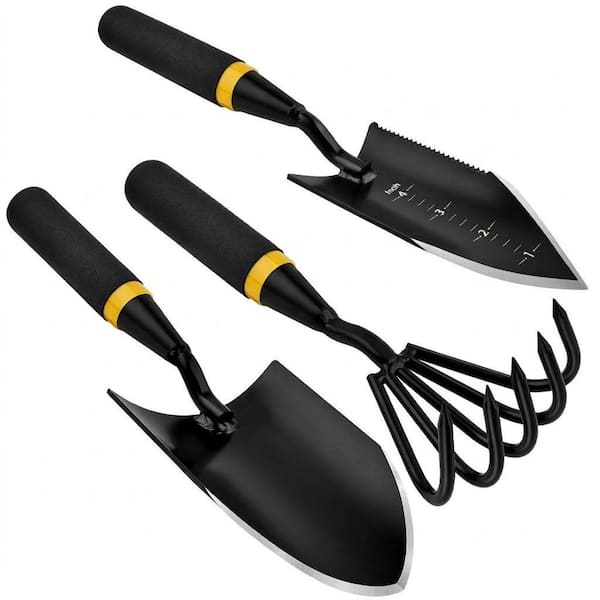
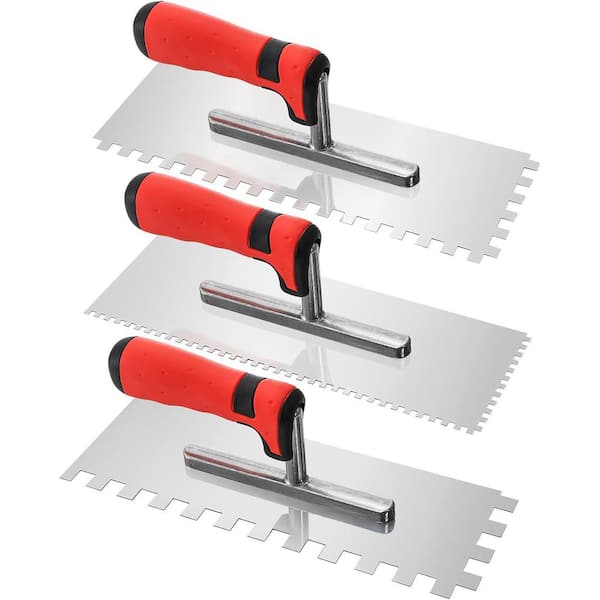
The masonry trowel spreads mortar between bricks, blocks, and stones. It also helps lift mortar from a board or mortar pan. Among the four hand tools specific to masonry, the trowel usually gets the most daily use.
A brick trowel often has a pointed end and a broad steel blade. The pointed shape helps place mortar in tight spaces. A block trowel is usually wider because concrete blocks need a larger mortar bed.
Main uses of a masonry trowel
• Scooping mortar from a board or pan.
• Spreading a level mortar bed.
• Buttering the end of a brick or block.
• Cutting away extra mortar.
• Shaping small areas during repair work.
The blade should be stiff enough to support mortar but flexible enough for smooth control. A poor-quality trowel may bend, rust, or develop a rough edge. A comfortable handle also matters because repeated wrist strain can make long work sessions painful.
Trowel technique
Hold the trowel with a relaxed grip. Pick up a manageable amount of mortar, place it on the wall, and draw the blade across the surface. The motion should be steady and smooth.
For brickwork, apply enough mortar to create full, even coverage. Too little mortar can leave weak spots. Too much mortar creates waste and makes the joint harder to finish.
Clean the blade often. Dried mortar can change the angle of the tool and leave marks in fresh work. A five-second rinse or scrape can save several minutes later.
A lesson many new workers learn quickly is that a trowel is not a pry bar. Do not use it to force heavy blocks, open containers, or strike hard objects. That can bend the blade or loosen the handle.
3. Masonry Jointer
A masonry jointer is a small tool used to compress and shape mortar joints. It comes in different sizes and profiles, including concave, V-shaped, and flat designs. The profile affects both the look and the weather resistance of the finished joint.
The jointer is one of the most important hand tools specific to masonry repair. It helps create neat joints during new construction and helps match existing mortar during repointing.
Main uses of a masonry jointer
• Compressing mortar inside a joint.
• Creating a consistent joint profile.
• Removing loose crumbs from the joint edge.
• Improving the appearance of brick and stone work.
• Helping shed water from finished mortar joints.
A concave jointer is widely used because it compresses the mortar and creates a curved surface. This shape is often durable and attractive. A flat or raked joint may suit certain designs, but the correct choice depends on the existing wall and project requirements.
Best time to tool a joint
Mortar should be firm but not fully hard when you tool it. If it is too wet, the joint may smear and lose shape. If it is too dry, the jointer may not compress it properly.
Test a small area first. The mortar should resist light pressure without sticking heavily to the tool. This simple test can prevent a full wall from developing uneven joints.
When repairing an older wall, match the original joint size and profile. A modern hard mortar may damage historic soft brick because the brick can move and weather faster than the mortar. Historic masonry often needs a compatible, softer mortar rather than the strongest available mix.

4. Bolster Chisel
A bolster chisel has a wide, flat cutting edge and a thick body. It is used with a hammer to score, split, or remove brick, block, mortar, and some types of stone. It provides more control than a general cold chisel.
The bolster chisel completes the basic answer to what are four hand tools specific to masonry because it handles controlled demolition and cutting. It is especially helpful when a powered cutter would be too large, too noisy, or unnecessary.
Main uses of a bolster chisel
• Cutting bricks along a marked line.
• Removing old mortar from joints.
• Opening small channels in masonry.
• Breaking damaged block sections.
• Removing excess concrete from a small area.
Place the cutting edge on the marked line. Hold the chisel at a suitable angle, then strike the striking end with a masonry hammer. Move along the line instead of forcing one deep blow.
Never strike a hardened steel chisel with another hardened steel tool. Use a hammer designed for the job and inspect the chisel before use. A mushroomed head can send sharp metal fragments into the air.
Wear eye protection, gloves, sturdy footwear, and hearing protection when repeated strikes create high noise. Keep other people clear of chips and fragments.
How to Choose the Right Masonry Hand Tool
Understanding what are four hand tools specific to masonry is useful, but choosing the right version of each tool is just as important. Tool quality, size, material, and comfort all affect the final result.
Consider these points before buying:
• Job type: Bricklaying, repointing, block work, and demolition need different shapes.
• Material: Soft brick needs more control than dense concrete or hard stone.
• Handle comfort: A secure, comfortable grip can reduce hand fatigue.
• Blade quality: Look for hardened steel with a clean, even edge.
• Tool balance: A well-balanced tool is easier to control.
• Replacement cost: Professional-grade tools often last longer under daily use.
For occasional repairs, a mid-range tool set may be enough. For daily masonry work, invest in tools with strong forged steel, durable handles, and replacement options.
Avoid buying a very light hammer for heavy work. Also avoid the opposite mistake: using an oversized tool for delicate brick repair. The best tool feels like an extension of your hand.

Safe Use and Care
Masonry creates dust, chips, sharp edges, and heavy loads. Good technique cannot replace basic protective equipment. Safety agencies consistently recommend eye protection when cutting, striking, or removing masonry.
Use these habits on every job:
• Wear safety glasses or a face shield.
• Use hearing protection during repeated hammering.
• Wear gloves that allow a firm grip.
• Use a dust mask or respirator suitable for the dust present.
• Keep tools dry and free from oil on the grip.
• Inspect handles, heads, and cutting edges before work.
• Keep bystanders away from flying chips.
• Use proper lifting methods for blocks and mortar.
Silica dust deserves special attention. Cutting or grinding masonry can release respirable crystalline silica, which can cause serious lung disease after repeated exposure. Wet cutting, dust control systems, ventilation, and a suitable respiratory program can lower exposure. Follow current workplace rules and the instructions for your protective equipment.
Tool care is simple. Wash mortar from trowels and jointers before it hardens. Dry steel tools after cleaning. Store chisels so their cutting edges do not strike other tools.
Do not grind away a badly mushroomed chisel head without knowing the correct repair method. In many cases, replacing the tool is safer. A damaged tool can fail without warning.

Common Mistakes to Avoid
Many poor masonry results come from using a good tool in the wrong way. Learning what are four hand tools specific to masonry includes learning their limits.
Avoid these common errors:
• Using a brick hammer to cut dense concrete.
• Spreading mortar with a bent or dirty trowel.
• Tooling joints when mortar is too wet.
• Striking a chisel with the wrong hammer.
• Skipping eye protection during brick cutting.
• Leaving dried mortar on steel tools.
• Applying too much force instead of improving technique.
Another common mistake is choosing appearance over compatibility. A joint may look smooth but still fail if the mortar is too hard for the brick. The wall must be treated as a system, not as a group of separate parts.
Start with a small practice area. This lets you test the mortar, tool angle, joint profile, and cutting method before working on a visible section.
Practical Starter Kit
A beginner can build a useful masonry tool kit without buying every tool in the store. Start with the tools that match the planned work.
A basic kit may include:
• One brick hammer.
• One brick or pointing trowel.
• One jointer that matches the joint size.
• One bolster chisel.
• One masonry hammer.
• Safety glasses and work gloves.
• A stiff hand brush.
• A small level and tape measure.
For repointing, add a narrow pointing trowel and a mortar hawk or board. For block work, choose a wider block trowel. For stone work, add tools designed for the stone type because stone hardness varies greatly.
A compact kit is easier to carry and maintain. More tools do not always produce better work. Skill grows faster when you learn what each tool can do and when to stop using it.
Frequently Asked Questions About What Are Four Hand Tools Specific to Masonry
What are the four basic hand tools specific to masonry?
The four basic tools are a brick hammer, masonry trowel, masonry jointer, and bolster chisel. Together, they cover cutting, mortar placement, joint finishing, and controlled masonry removal.
What tool is used to spread mortar?
A masonry trowel is used to scoop, spread, and shape mortar. Brick trowels have a pointed profile, while block trowels are often wider for larger units.
What tool makes mortar joints smooth?
A masonry jointer compresses and shapes mortar joints. The joint profile may be concave, V-shaped, or flat, depending on the wall design and repair needs.
Can a brick hammer cut concrete?
A brick hammer can chip or adjust some small concrete pieces, but it is not ideal for dense concrete. A bolster chisel, masonry saw, or suitable powered cutter usually provides better control and safety.
What is the difference between a bolster chisel and a cold chisel?
A bolster chisel has a wider cutting edge and is made for cutting brick, block, and masonry. A cold chisel is usually narrower and is more suited to cutting or shaping metal and smaller hard materials.
Do masonry tools need special maintenance?
Most masonry tools need only regular cleaning, drying, and inspection. Remove mortar before it hardens, protect cutting edges, and replace tools with cracked handles, loose heads, or unsafe damage.
Conclusion
The answer to what are four hand tools specific to masonry is clear: a brick hammer, masonry trowel, jointer, and bolster chisel. Each tool performs a distinct task, from cutting brick to spreading mortar and finishing joints.
Use the correct tool for the material, work with controlled pressure, and protect your eyes and lungs. Start with a small, quality set, practice on a hidden area, and keep every tool clean. Explore more masonry techniques, compare reliable tools, and share your own jobsite tips in the comments.
