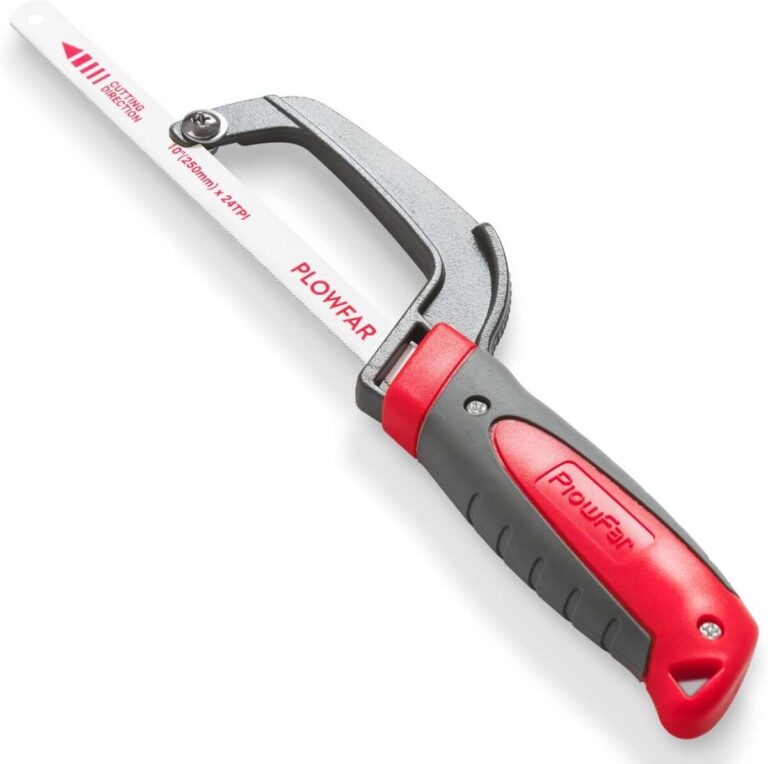
How Thick Is A Hacksaw Blade: Standard Sizes And Uses
Most hacksaw blades are about 0.025 to 0.050 inches thick, with 0.032 inches being a common size.
Understanding how thick is a hacksaw blade helps you choose the right tool for each cut. Blade thickness affects strength, flexibility, cutting speed, kerf width, and the type of metal you can cut safely. In this guide, you’ll learn the common sizes, how thickness differs from tooth pitch, and how to select and use the right blade.
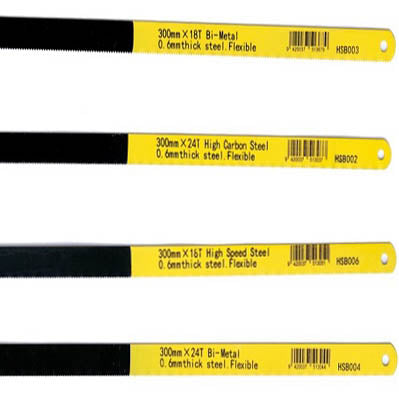
How Thick Is a Hacksaw Blade?
A standard hand hacksaw blade is usually between 0.025 and 0.050 inches thick. That equals about 0.64 to 1.27 millimeters. The most common general-purpose blade is close to 0.032 inches, or 0.8 millimeters.
The exact size depends on the blade type, length, material, and intended use. Most full-size hacksaw blades are 12 inches long and about 1/2 inch wide, but thickness can vary.
Common hacksaw blade thicknesses include:
• 0.025 inches, or about 0.64 millimeters: Thin and flexible
• 0.032 inches, or about 0.81 millimeters: Common general-purpose size
• 0.035 inches, or about 0.89 millimeters: Medium-duty option
• 0.042 inches, or about 1.07 millimeters: Stronger heavy-duty blade
• 0.050 inches, or about 1.27 millimeters: Thick and rigid blade
When people ask how thick is a hacksaw blade, they often mean the metal strip itself. This measurement does not include the height of the teeth.
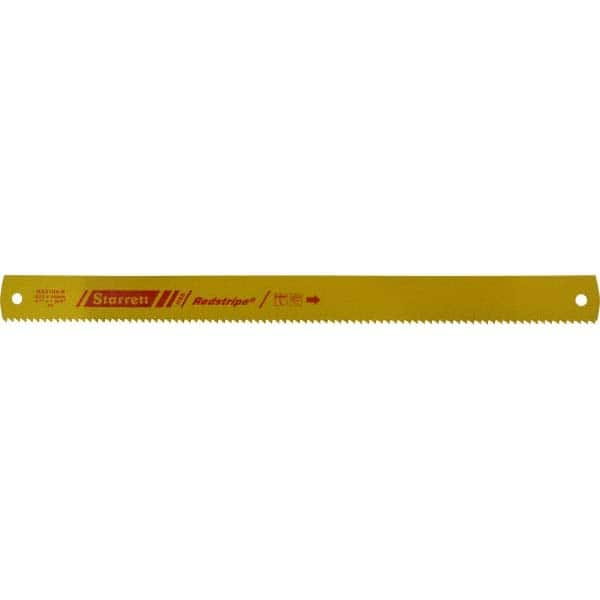
Typical Hacksaw Blade Thickness by Type
Different hacksaw blades use different thicknesses because they serve different cutting jobs. A thin blade can reach tight spaces, while a thick blade handles force and vibration better.
Full-Size Hacksaw Blades
Full-size hacksaw blades are often 12 inches long. Their thickness commonly falls between 0.025 and 0.050 inches.
A 0.032-inch blade is a practical choice for many home and workshop tasks. It can cut steel tubing, threaded rod, bolts, aluminum, copper, and plastic without feeling too fragile.
Junior Hacksaw Blades
Junior hacksaw blades are smaller and often thinner than full-size blades. Many measure around 0.015 to 0.025 inches thick, though sizes vary by brand.
These blades work well for light cuts, small metal parts, craft work, and areas where a full-size hacksaw will not fit. They bend more easily, so steady pressure matters.
Heavy-Duty Hacksaw Blades
Heavy-duty blades are usually thicker and more rigid. They may measure around 0.042 to 0.050 inches thick.
These blades are useful for thick steel, cast iron, large bolts, and tough pipe. They need a sturdy hacksaw frame because a weak frame can reduce cutting control.
Bi-Metal Hacksaw Blades
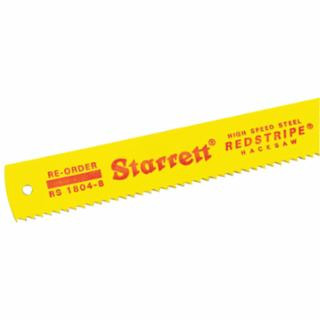
Bi-metal blades combine two types of steel. A flexible alloy steel body supports a harder high-speed steel tooth edge.
Their thickness may be similar to standard carbon steel blades, but they often last longer. Bi-metal construction improves resistance to tooth breakage, especially when cutting hard metal or working with vibration.
Why Hacksaw Blade Thickness Matters
Blade thickness changes how the blade behaves during a cut. Think of a thin blade as a flexible ruler and a thick blade as a stiff metal bar. Each has a useful purpose.
A thicker blade usually offers these benefits:
• Better resistance to bending
• Greater stability during long cuts
• Stronger support for heavy pressure
• Wider and more consistent kerf
• Lower risk of twisting in tough material
A thinner blade has its own advantages:
• Easier access in narrow spaces
• Less material removed during the cut
• Lower cutting resistance in some thin materials
• Better control for small parts
• Useful performance on thin sheet metal
The best thickness depends on the workpiece. A thick blade on thin sheet metal may snag, while a thin blade on heavy steel may bend or break.
Hacksaw Blade Thickness vs. Tooth Pitch
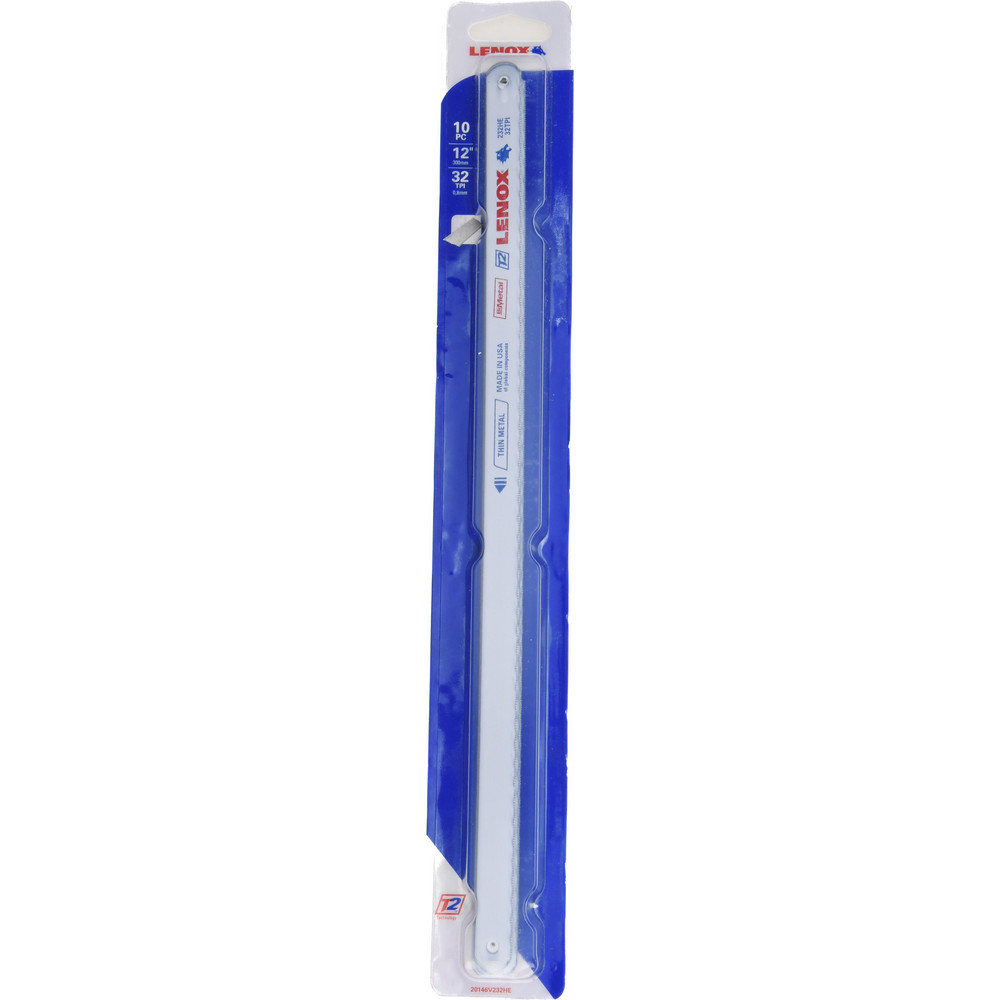
Thickness and tooth pitch are separate measurements. Thickness describes how thick the blade body is. Tooth pitch describes the distance between teeth.
Tooth pitch is commonly listed as teeth per inch, or TPI. Common hacksaw blade pitches include:
• 14 TPI: Coarse teeth for thick material
• 18 TPI: Medium-coarse teeth for general metal work
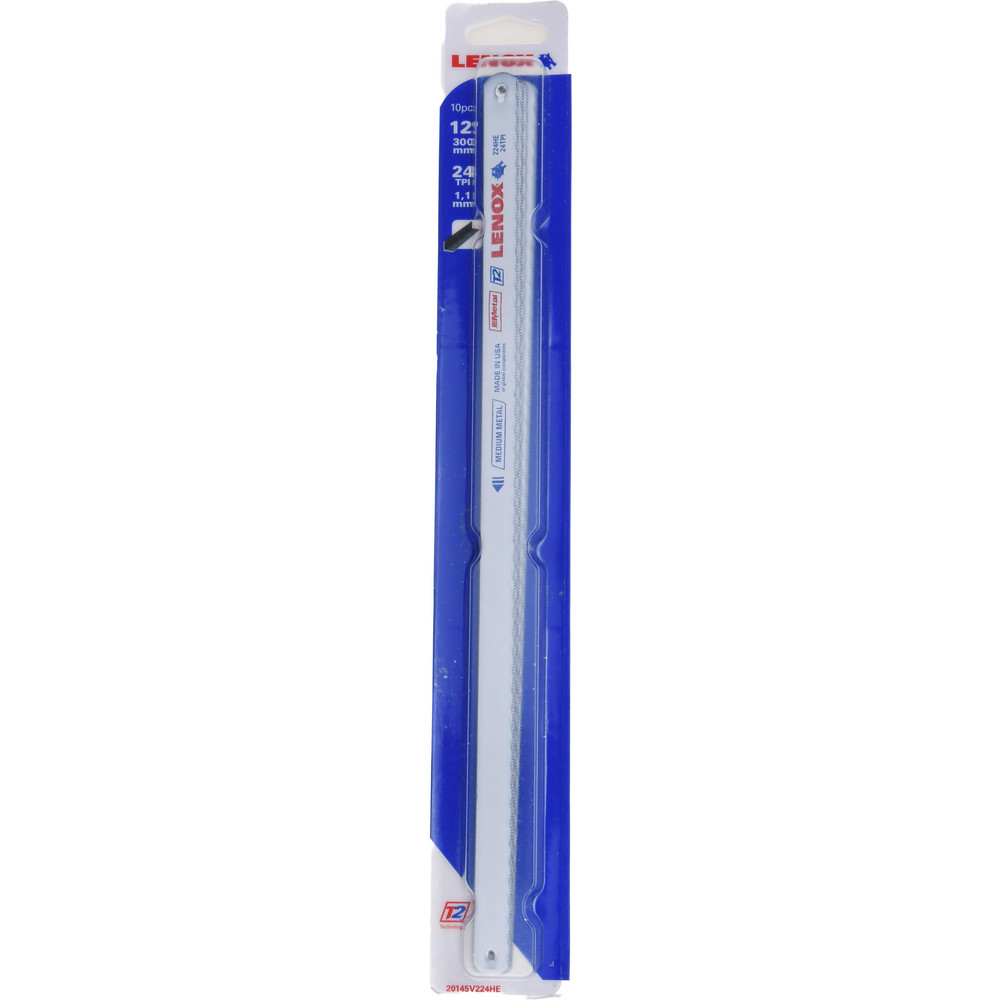
• 24 TPI: Fine teeth for thinner metal
• 32 TPI: Very fine teeth for thin sheet and small parts
A thick blade can have fine teeth. A thin blade can also have coarse teeth. The two features work together, but one does not determine the other.
For example, a 0.032-inch hacksaw blade with 24 TPI may be a good choice for thin-wall tubing. A 0.050-inch blade with 14 TPI may work better for thick steel bar.
How to Choose the Right Hacksaw Blade Thickness
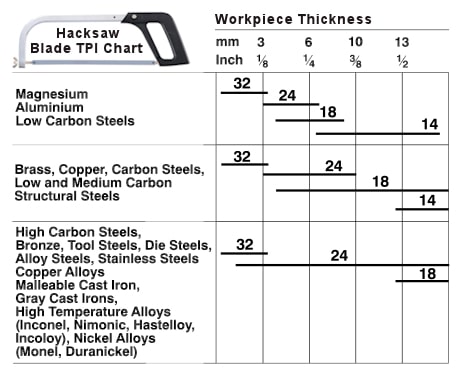
Start by looking at the material and its thickness. Then consider the available space, the required cut quality, and how much force the job will involve.
Use this simple guide:
• Thin sheet metal: Choose a thin blade with 24 or 32 TPI
• Small tubing: Use a medium blade with 24 TPI
• General steel stock: Choose about 0.032 inches with 18 or 24 TPI
• Thick steel bar: Use a thicker blade with 14 or 18 TPI
• Stainless steel: Use a durable bi-metal blade with fine, sharp teeth
• Plastic pipe: Choose a fine-tooth blade to reduce cracking and tearing
• Tight spaces: Use a thin junior hacksaw blade
Keep at least two or three teeth inside the material during each stroke. This rule helps prevent tooth damage and gives the blade a smoother cut.
If the material is very thin, use more teeth per inch. If the material is thick, use fewer teeth per inch so the gullets can clear chips.
How to Measure Hacksaw Blade Thickness
You can measure a hacksaw blade with a digital caliper or a micrometer. A micrometer usually gives a more precise reading, but a basic caliper works well for home use.
Follow these steps:
- Clean dirt and oil from the blade.
- Place the measuring tool across the flat blade body.
- Avoid measuring over the teeth.
- Take readings in two or three areas.
- Compare the result with the package specification.
Do not press too hard with a caliper. Excess pressure can slightly compress the tool jaws or create an inaccurate reading.
Remember that worn teeth do not change the blade’s body thickness. However, heat, coating, paint, or heavy rust can affect the reading.
In shop work, I have found that packaging details are often more reliable than guessing by sight. Two blades may look almost identical but have different thicknesses and tooth pitches.
How Blade Thickness Affects Cutting Performance
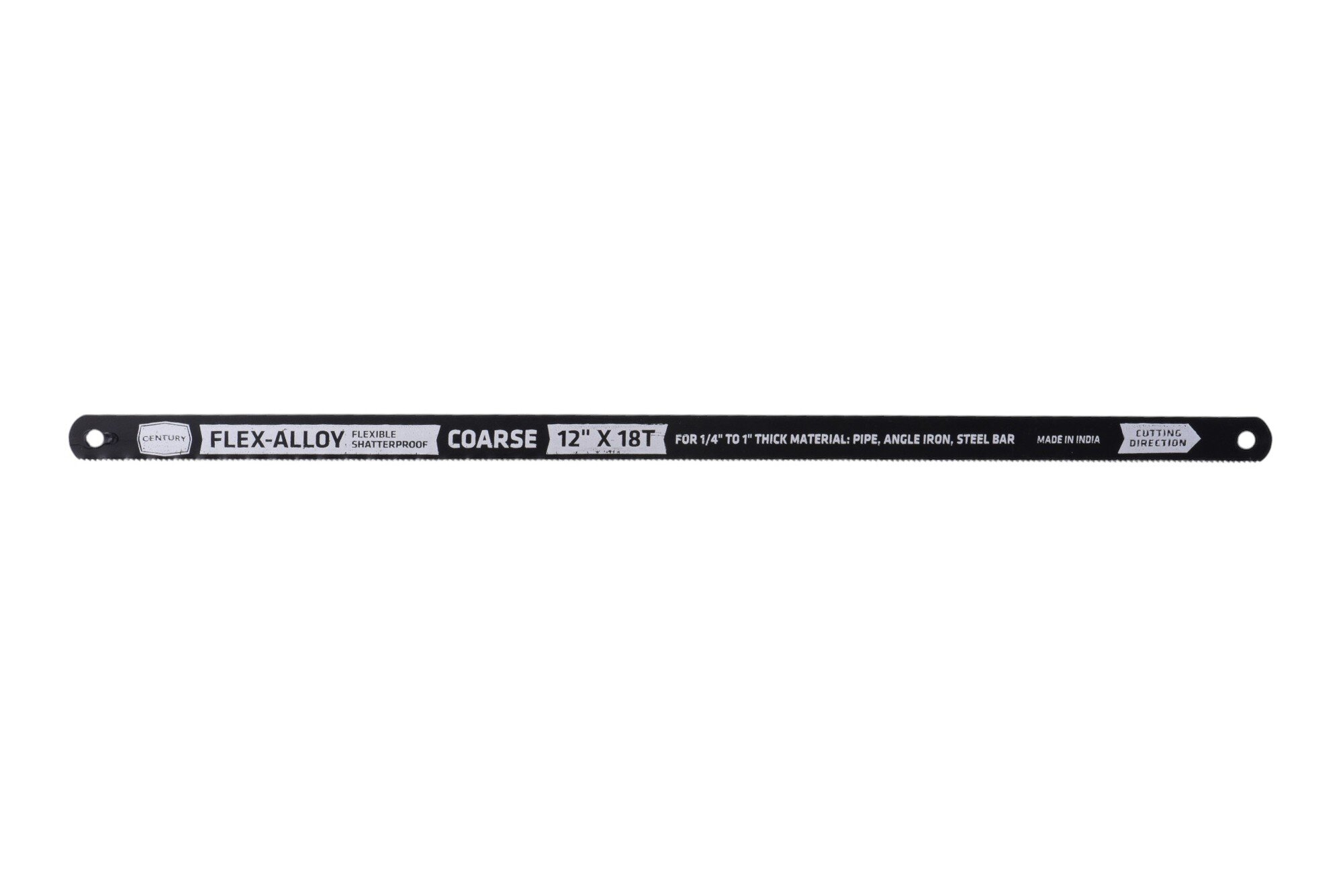
A thicker hacksaw blade generally cuts with more stability. It is less likely to twist when you apply pressure, which helps produce a straighter cut.
The trade-off is a wider kerf. A wider kerf removes more material and may require more effort. It can also create more heat when cutting hard metal.
A thin hacksaw blade creates a narrower cut and may feel faster on light material. However, it is more sensitive to side pressure. Pushing the frame sideways is one of the fastest ways to bend or snap a thin blade.
The cutting result also depends on several other factors:
• Tooth sharpness
• Tooth pitch
• Blade tension
• Cutting speed
• Workpiece support
• Lubrication
• Operator pressure
This is why knowing how thick is a hacksaw blade is useful, but thickness alone does not predict total performance.
Correct Blade Tension and Installation
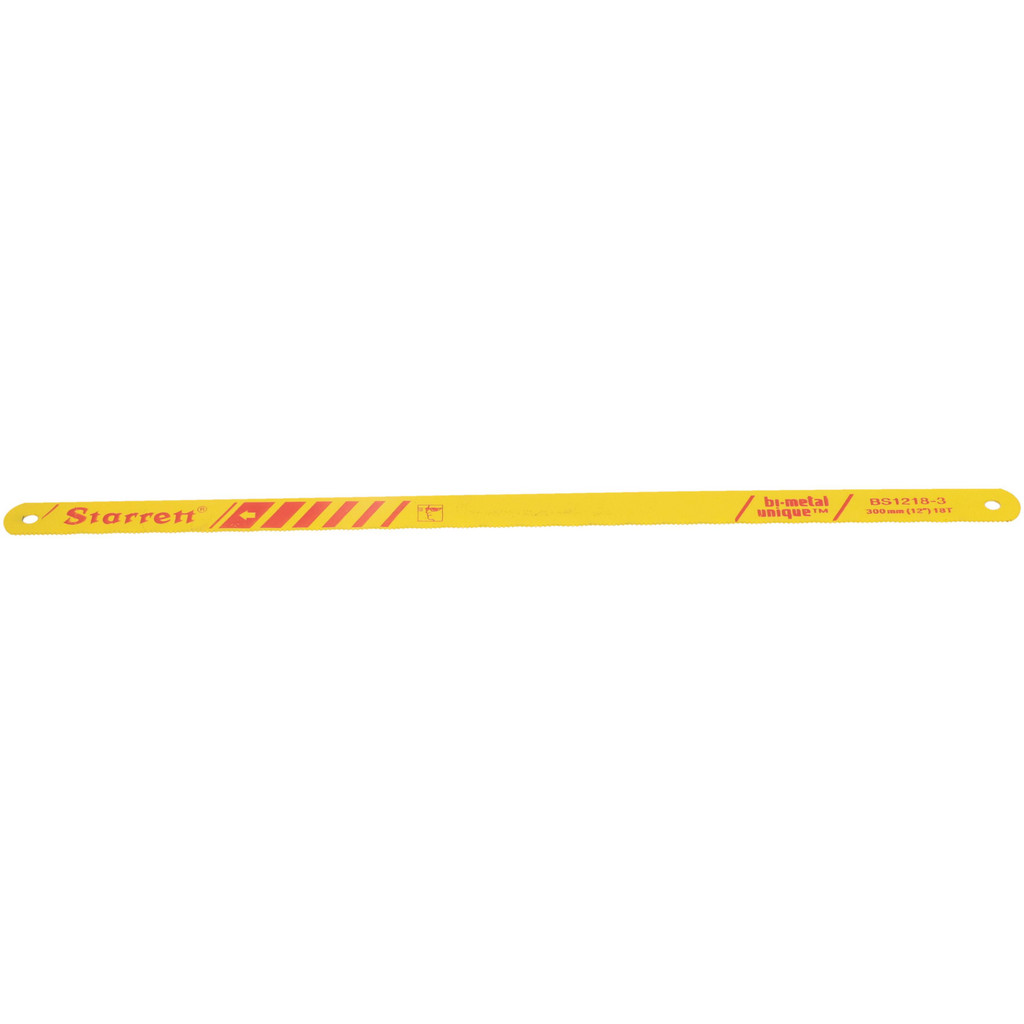
Even the right thickness will perform poorly if the blade is loose. A hacksaw blade should be tight enough to resist bending but not so tight that the frame or blade is damaged.
Install the blade with the teeth pointing forward, toward the cutting stroke. Most hacksaws cut when you push forward, so the teeth should face away from the handle.
Use these steps:
- Loosen the frame tension.
- Fit the blade onto both mounting pins.
- Confirm that the teeth point forward.
- Tighten the frame until the blade feels firm.
- Test it with light finger pressure.
A correctly tensioned blade should not sag. It should also not sound excessively tight or feel as if it may snap from a small touch.
When using a thin blade, reduce side pressure. Let the teeth do the work, much like letting a sharp kitchen knife glide through food instead of forcing it.
Common Mistakes to Avoid
Many broken hacksaw blades fail because of technique rather than poor quality. Avoiding a few simple mistakes can greatly extend blade life.
Common errors include:
• Choosing a blade that is too coarse for thin metal
• Using too few teeth in the workpiece
• Applying heavy pressure on the return stroke
• Twisting the frame during the cut
• Using a loose blade
• Cutting without securing the workpiece
• Continuing to use a blade with dull or missing teeth
• Using a thin blade on material that needs a rigid blade
I once saw a new blade fail during the first cut because the workpiece was not clamped firmly. The blade was not defective. The loose metal shook the frame, caught the teeth, and caused a sharp bend.
Secure the material in a vise, keep the frame straight, and use long, even strokes. These habits matter more than raw arm strength.
Safety Tips for Using a Hacksaw
A hacksaw is simple, but it can still cause cuts, broken teeth, and flying fragments. Basic safety practices reduce these risks.
Wear safety glasses whenever you cut metal. Small chips can leave the workpiece at unexpected angles.
Follow these safety tips:
• Inspect the blade before use
• Replace blades with missing or damaged teeth
• Wear safety glasses
• Clamp the workpiece firmly
• Keep both hands clear of the cutting path
• Use controlled strokes
• Slow down near the end of the cut
• Remove sharp burrs with a file
• Keep the blade aligned with the cut
Do not use a cracked frame or a bent blade. A damaged frame can release tension suddenly and create an avoidable hazard.
Can You Use a Thicker Blade on Thin Metal?
You can, but it may not be the best choice. A thick blade removes more material and may catch on thin sheet metal.
For thin metal, a fine-tooth blade is usually more important than maximum thickness. A medium-thickness blade with 24 or 32 TPI often gives better control than a very thick blade with coarse teeth.
If the thin material flexes, support it close to the cut. Vibration can damage teeth even when the blade thickness seems suitable.
Can You Use a Thin Blade on Thick Steel?
A thin blade can cut thick steel, but it is more likely to bend, wander, or break. The cut may also take longer because the blade cannot handle strong pressure as well.
For thick steel, choose a stronger blade around 0.042 to 0.050 inches thick. Match it with a coarse or medium tooth pitch and keep the blade well tensioned.
Use cutting oil when the material and blade manufacturer allow it. Lubrication can reduce heat and friction, especially on hard steel.
When Should You Replace a Hacksaw Blade?
Replace the blade when it cuts slowly, slips across the workpiece, or requires unusual force. Dull teeth often create more heat and make the blade harder to control.
Replace it immediately if you see:
• Missing teeth
• Cracks
• Severe bending
• Rounded teeth
• Heavy rust at the tooth line
• A blade that will not stay tight
A dull blade can make you push harder. That extra force increases the chance of slipping and damaging the workpiece.
Frequently Asked Questions About How Thick Is a Hacksaw Blade
How thick is a standard hacksaw blade?
A standard hacksaw blade is commonly 0.025 to 0.050 inches thick. Around 0.032 inches is a widely used general-purpose thickness.
Is a hacksaw blade 1/2 inch wide?
Many full-size hacksaw blades are about 1/2 inch wide. The width and thickness can vary by blade style, manufacturer, and intended use.
What is the thinnest hacksaw blade?
Some junior and specialty hacksaw blades are about 0.015 to 0.025 inches thick. Their exact size depends on the frame and the manufacturer.
Is a thicker hacksaw blade better?
A thicker blade is stronger and more resistant to bending, but it is not always better. Thin materials often need a finer, more flexible blade with a narrower kerf.
What hacksaw blade thickness is best for steel?
A blade around 0.032 inches thick works well for many general steel cuts. Thick steel may need a 0.042- or 0.050-inch blade, while thin sheet steel usually benefits from a finer tooth pitch.
Does blade thickness affect teeth per inch?
Blade thickness does not directly determine teeth per inch. A blade of nearly any common thickness may be available with coarse, medium, or fine teeth.
Conclusion
Most hacksaw blades are 0.025 to 0.050 inches thick, and a 0.032-inch blade is a strong all-purpose choice. Thin blades suit narrow spaces and light materials, while thick blades offer better control on heavy steel.
Choose thickness together with tooth pitch, blade material, and workpiece size. Measure the blade when accuracy matters, keep it tight, and use steady strokes instead of force. With the right blade, even a difficult cut becomes more like a straight path than a wrestling match.
Check your next blade’s thickness and TPI before cutting, and share your preferred hacksaw setup or cutting tip in the comments.
Recent Tool Guides
 Hammer
How To Hammer Flowers Onto Paper: Easy Guide
Learn how to hammer flowers onto paper with simple steps, helpful tips, and beautiful results for...
Read Guide → Wrench
How To Use A Hex Wrench: Easy Step-By-Step Guide
Learn how to use a hex wrench correctly with simple steps, helpful tips, and common mistakes...
Read Guide → Hacksaw
How To Cut Curtain Pole With Hacksaw: Easy Guide
Learn how to cut curtain pole with hacksaw safely and neatly. Follow simple steps for accurate...
Read Guide → Wrench
How To Use A Husky Torque Wrench: Easy Guide
Learn how to use a Husky torque wrench correctly with simple steps, torque settings, and safety...
Read Guide → Hammer
How To Hold A Hammer: Safe Grip Guide
Learn how to hold a hammer with the right grip, stance, and technique for safer, more...
Read Guide → Hacksaw
How To Cut Flexible Metal Conduit With Hacksaw: Easy Guide
Learn how to cut flexible metal conduit with hacksaw safely and cleanly. Follow simple steps for...
Read Guide →