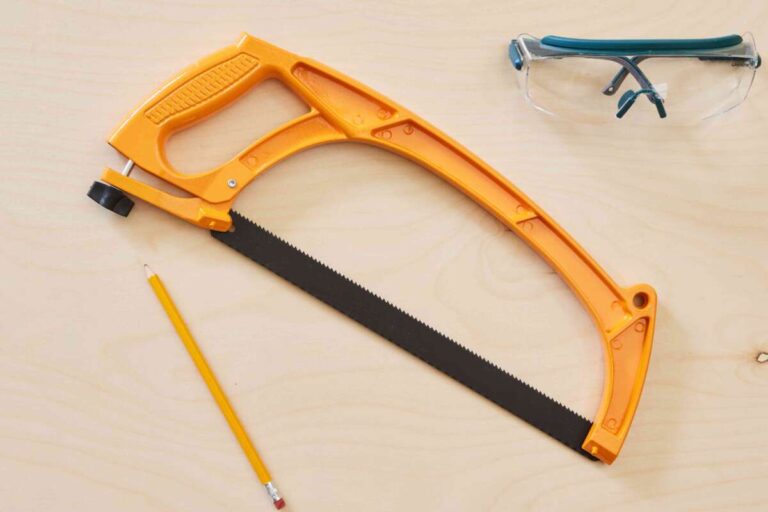
When Cutting Tubing With A Hacksaw Use A Blade With: Teeth
Introduction
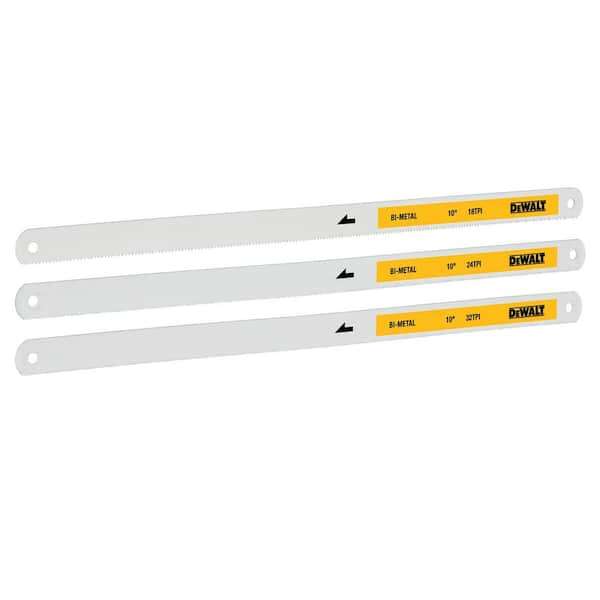
When cutting tubing with a hacksaw, use a fine-tooth blade with about 24 to 32 teeth per inch (TPI). Choose 32 TPI for thin-wall tubing and 24 TPI for thicker tubing.
Fine teeth help prevent the blade from catching, bending, or tearing the tube wall. They also make a cleaner cut than a coarse blade. As a simple rule, keep at least two or three teeth in contact with the tubing at all times.
This guide applies to common tubing work in the United States, including steel, stainless steel, aluminum, copper, and plastic tubing. The best blade still depends on the tube material, wall thickness, and cut quality needed.

Why a Fine-Tooth Blade Works Best on Tubing
A fine-tooth hacksaw blade spreads the cutting force across more teeth. This matters because tubing often has a thin wall and a hollow center.
A coarse blade can grab the edge of the tube. When that happens, the blade may:
- Catch and jerk the hacksaw
- Bend or crack the tube wall
- Tear the cut instead of slicing it
- Leave large burrs
- Damage the blade
Fine teeth remove less material with each stroke. That usually gives you better control and a smoother cut.
The key measurement is teeth per inch, or TPI. A higher TPI number means the teeth are smaller and closer together.
The two- or three-tooth rule
Select a blade that places at least two or three teeth across the material being cut. If only one large tooth engages the wall, that tooth may snag the tube.
For example:
- A thin-wall tube may need a 32-TPI blade.
- A medium-wall steel tube may work well with 24 TPI.
- A very thick tube may need 18 or 24 TPI, depending on its wall thickness.
Do not select a blade based only on the outside diameter. The wall thickness matters more than the total tube size.

How Many Teeth Per Inch Should You Use?
Use this table as a starting point. The exact choice can change with the material and the cut you need.
| Tubing type or condition | Recommended blade | Reason |
|---|---|---|
| Very thin-wall metal tubing | 32 TPI | Reduces snagging and tooth breakage |
| Thin- to medium-wall steel tubing | 24 TPI | Good balance of speed and control |
| Thick-wall steel tubing | 18–24 TPI | Larger gullets clear more chips |
| Stainless steel tubing | 24–32 TPI | Fine teeth help control work hardening |
| Aluminum tubing | 18–24 TPI | Prevents excessive clogging while cutting |
| Copper or brass tubing | 24–32 TPI | Gives a clean cut with less crushing |
| Rigid plastic tubing | 10–18 TPI, or a plastic-cutting blade | Coarse teeth can clear plastic chips |
| Flexible plastic or hose | Use the maker’s recommended cutter | A hacksaw may crush or distort it |
For most metal tubing, 24 TPI is the safest general starting point. Move to 32 TPI when the wall is very thin or when the cut must be clean.
Blade manufacturers such as Starrett and LENOX publish blade-selection information based on material thickness and tooth pitch. Their guidance supports matching the tooth size to the thickness of the material, rather than choosing the fastest-cutting blade.
How to Cut Tubing With a Hacksaw
Follow these steps for a controlled cut.
1. Confirm the tube material
Check whether the tube is steel, stainless steel, aluminum, copper, brass, or plastic. Do not assume that all tubing cuts the same way.
Also confirm that the tube is not part of a pressurized, electrical, fuel, medical, or refrigerant system. Isolate and drain any system before cutting.
2. Measure and mark the cut
Mark the cut line with a fine-tip marker, scribe, or wraparound guide. A square line helps the finished tube fit correctly.
For round tubing, wrap a strip of paper around the tube. Align the paper edges, then trace one edge as a guide. This method helps keep the cut even around the tube.
3. Clamp the tubing
Secure the tube in a vise. Use soft jaw covers or a piece of wood, rubber, or leather to reduce dents.
Place the clamp close to the cut, but leave enough space for the hacksaw frame. Do not hold the tube in your hand while sawing.
4. Install the blade correctly
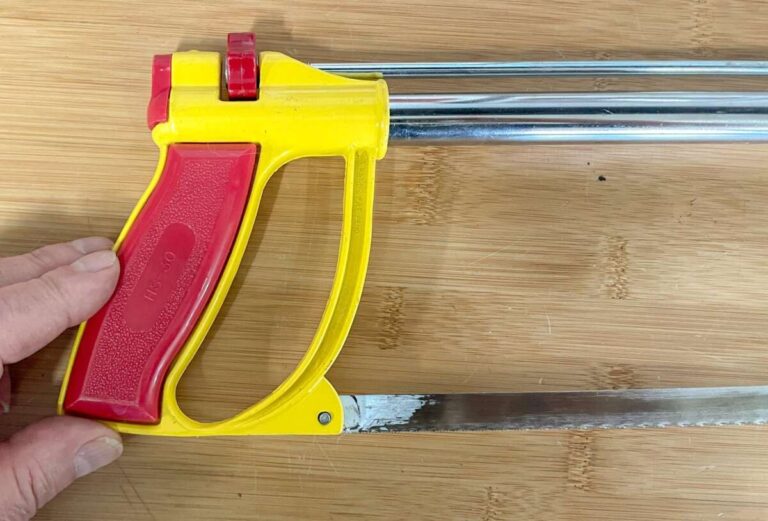
Fit the blade so the teeth point forward, toward the end of the hacksaw that moves away from you.
Tighten the blade until it is firm and straight. A loose blade can twist and bind. Do not overtighten it, because excessive tension can damage the frame or break the blade.
5. Start with light strokes
Begin with short, light strokes to form a small groove on the cut line. Once the groove is established, use longer strokes that engage most of the blade.
Keep the hacksaw square to the tube. Let the blade do the cutting. Heavy pressure can bend the blade or collapse thin tubing.
6. Finish the cut carefully
As the blade nears the far side of the tube, reduce pressure. The final section can break away suddenly if you force the saw.
Support the cut-off piece so it does not fall and pull the blade sideways.
7. Deburr the tube
After cutting, remove the sharp edge with a deburring tool, half-round file, or fine abrasive cloth. Clean both the outside and inside edge.
A burr can cut skin, damage a seal, restrict flow, or prevent a fitting from seating correctly.
Signs of a proper cut
A good cut should have:
- A line that stays close to the mark
- No crushed or flattened tube wall
- Small, manageable burrs
- No deep scratches beside the cut
- A square end when the application requires it
Blade Choice by Material and Wall Thickness
Steel tubing
For ordinary steel tubing, a 24-TPI bi-metal blade is a useful general choice. Use 32 TPI for thin walls and 18 TPI for heavier walls when the teeth will still remain engaged.
Bi-metal blades combine a flexible backing with harder cutting teeth. This design can help resist tooth breakage during hand sawing, but it does not remove the need for the correct TPI.
Stainless steel tubing
Stainless steel needs steady pressure and a consistent stroke. If you pause while applying pressure, the surface can harden in the cut area. This is called work hardening.
A sharp 24- or 32-TPI blade, firm clamping, and steady strokes are usually better than forcing a coarse blade through the tube.
Aluminum, copper, and brass tubing
These softer metals can clog a blade, especially when the teeth are too fine or the blade is dirty. A 18- to 24-TPI blade may work well for thicker aluminum.
Use light pressure. If the teeth fill with metal, stop and clean or replace the blade. Do not apply excessive force to speed up the cut.
Plastic tubing
Rigid plastic often cuts well with a hacksaw, but the best tooth pattern depends on the plastic. A blade with moderate teeth can reduce chipping while still clearing plastic debris.
Flexible hose and soft plastic tubing may crush under a hacksaw. Use a tubing cutter or the cutting method specified by the tube maker when a round, undamaged end is required.
Common Mistakes to Avoid
Using a coarse blade on thin tubing
This is the most common error. Large teeth can grab the wall and tear it. Switch to a 24- or 32-TPI blade.
Using an extremely fine blade on thick tubing
A very fine blade may cut slowly and clog with chips. If the blade does not clear debris, choose a slightly coarser blade that still keeps several teeth in the material.
Cutting without a vise
Holding tubing by hand makes the cut less stable and increases the chance of slipping. Clamp the work whenever possible.
Pushing on the return stroke
A hacksaw normally cuts on the forward stroke. Use light pressure on the forward stroke and release pressure as you pull the saw back.
Using a dull blade
A dull blade needs more force. It may rub, wander, and heat the tubing instead of cutting it. Replace the blade when it stops producing chips or begins to skid.
Ignoring the inside burr
The inside edge can be just as sharp as the outside edge. Deburr both surfaces before installing the tube.
Safety Requirements for Hacksaw Cutting
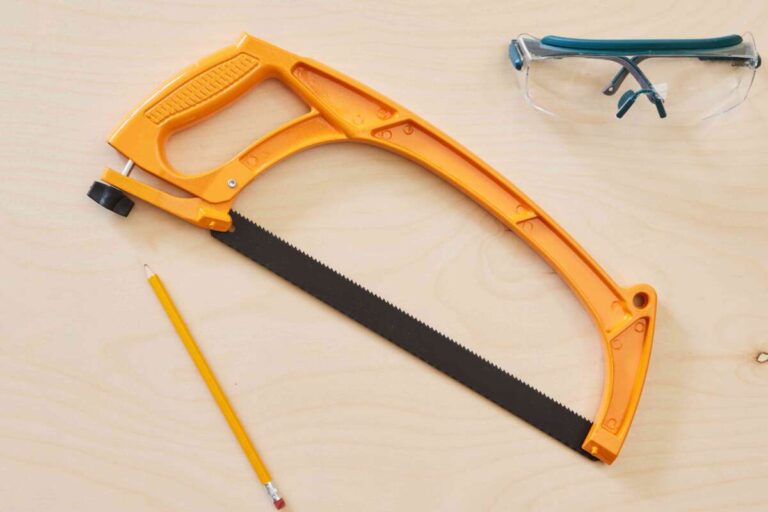
Wear safety glasses when cutting tubing. Small metal chips and broken teeth can travel quickly.
Use gloves when handling freshly cut tubing, but keep gloves away from a moving blade and do not allow loose material to catch on the saw. Keep the work area stable and remove scraps from the vise before starting another cut.
Never cut a tube that may contain pressure, fuel, refrigerant, chemicals, or electrical wiring unless the system has been properly isolated. For gas lines, medical systems, high-pressure systems, or structural components, follow the applicable code, job procedure, and manufacturer instructions. A qualified professional may be required.
The Occupational Safety and Health Administration provides general guidance for safe use of hand and power tools, including keeping tools in good condition and using suitable personal protective equipment.
Hacksaw Blade Selection: Quick Decision Guide
Use this short process:
-
Is the tubing thin-wall metal?
Choose 32 TPI. -
Is it ordinary steel or copper tubing with a medium wall?
Choose 24 TPI. -
Is it thick-wall metal tubing?
Consider 18–24 TPI, provided several teeth remain engaged. -
Is the material soft aluminum or brass?
Start with 18–24 TPI and watch for clogged teeth. -
Is it rigid plastic?
Use a blade intended for plastic or a moderate-tooth blade. -
Is the tubing part of a pressurized or hazardous system?
Stop and follow the system’s safe isolation procedure before cutting.
The best general answer remains: use a fine-tooth hacksaw blade, usually 24 to 32 TPI, with 32 TPI preferred for thin-wall tubing.
Frequently Asked Questions
Is a 32-TPI blade always best for tubing?
No. A 32-TPI blade is useful for thin-wall tubing, but it may cut slowly or clog on thick, soft material. Choose the finest blade that still clears chips and keeps several teeth in contact with the wall.
Can I use a hacksaw to cut stainless steel tubing?
Yes, if the tubing is safely isolated and firmly clamped. Use a sharp 24- or 32-TPI blade, keep your strokes steady, and avoid stopping while pressing the blade against the stainless steel.
Should hacksaw teeth point forward or backward?
They should point forward. A standard hacksaw cuts on the forward stroke, away from the handle.
How do I stop tubing from crushing in the vise?
Use soft jaws, clamp only as tightly as needed, and support thin tubing with an insert when practical. A tubing cutter may be better when the tube must remain perfectly round.
When should I use a tubing cutter instead of a hacksaw?
Use a tubing cutter when you need a fast, square cut on compatible metal tubing and can accept the internal ridge it may create. Use a hacksaw when the tube is too large, the material is not suitable for a cutter, or you need to cut in a confined space.
Conclusion
When cutting tubing with a hacksaw, choose a fine-tooth blade with 24 to 32 TPI. Use 32 TPI for thin-wall tubing and 24 TPI for most medium-wall metal tubing.
Clamp the tube, start with light strokes, keep the saw square, and deburr the finished cut. If the tube carries pressure, fuel, chemicals, or electrical components, isolate it safely before cutting.
Recent Tool Guides
 Hammer
How To Hammer Flowers Onto Paper: Easy Guide
Learn how to hammer flowers onto paper with simple steps, helpful tips, and beautiful results for...
Read Guide → Wrench
How To Use A Hex Wrench: Easy Step-By-Step Guide
Learn how to use a hex wrench correctly with simple steps, helpful tips, and common mistakes...
Read Guide → Hacksaw
How To Cut Curtain Pole With Hacksaw: Easy Guide
Learn how to cut curtain pole with hacksaw safely and neatly. Follow simple steps for accurate...
Read Guide → Wrench
How To Use A Husky Torque Wrench: Easy Guide
Learn how to use a Husky torque wrench correctly with simple steps, torque settings, and safety...
Read Guide → Hammer
How To Hold A Hammer: Safe Grip Guide
Learn how to hold a hammer with the right grip, stance, and technique for safer, more...
Read Guide → Hacksaw
How To Cut Flexible Metal Conduit With Hacksaw: Easy Guide
Learn how to cut flexible metal conduit with hacksaw safely and cleanly. Follow simple steps for...
Read Guide →