Can A Hacksaw Be Used For Wood: When It Works Best
Yes, a hacksaw can cut wood, but it is slower, rougher, and less effective than a wood saw.
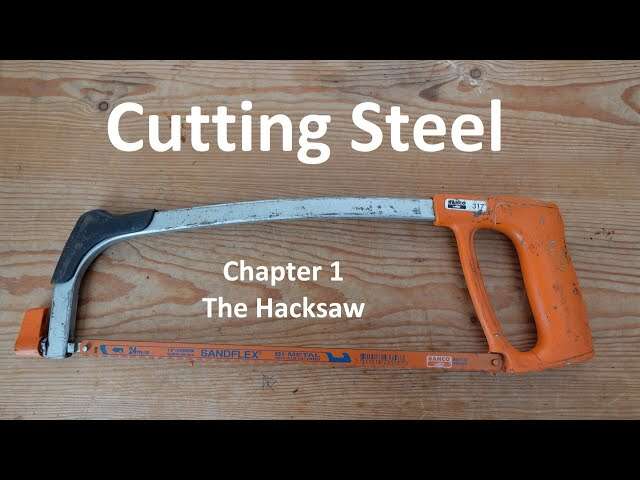
A hacksaw is built mainly for cutting metal, yet its fine teeth can handle some wood-cutting tasks. Knowing when and how to use one can help you avoid damaged timber, wasted time, and unsafe cuts. This guide explains can a hacksaw be used for wood, which woods it can cut, what problems to expect, and when another saw is the better choice.
Can a hacksaw be used for wood?
Yes, a hacksaw can be used for wood. Its narrow blade and fine teeth will remove small amounts of wood with each stroke. However, a hacksaw is not the best tool for most wood projects.
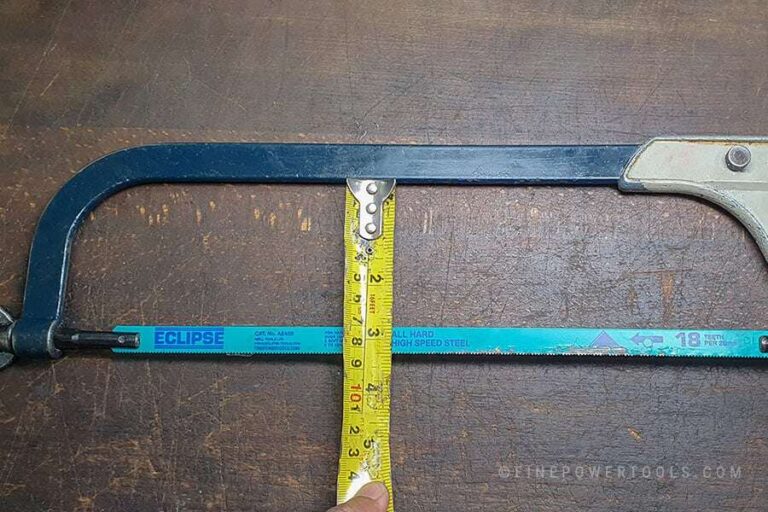
A standard hacksaw blade often has between 18 and 32 teeth per inch, or TPI. This tooth pattern is useful for metal because it creates a smooth, controlled cut. Wood saws usually have larger teeth and fewer teeth per inch. These bigger teeth clear wood chips faster.
When you ask, “Can a hacksaw be used for wood?” the most accurate answer is: sometimes, but only for light work. A hacksaw may work well for:
• Cutting a thin wood strip
• Trimming a small dowel
• Shortening a small piece of softwood
• Making a small repair when no wood saw is available
• Cutting wood near a tight corner
A hacksaw will struggle with thick boards, hardwood, plywood sheets, and long straight cuts. The blade may clog with sawdust. It may also bend, wander, or take much longer than expected.

Why a hacksaw can cut wood
A saw cuts by using teeth to remove small pieces of material. A hacksaw follows the same basic principle as a hand saw. The main difference is the shape, size, and spacing of its teeth.
Wood is softer than most metals. Because of this, a sharp hacksaw blade can often cut through softwood. Pine, cedar, fir, and balsa are easier to cut than oak, maple, or beech.
The blade’s fine teeth create a narrow cut called a kerf. A narrow kerf can help you make a neat cut in thin material. Yet the small spaces between the teeth fill with wood dust more quickly than the large teeth on a regular wood saw.
Here is what happens during a cut:
-
The teeth scrape and break wood fibers.
-
The blade moves forward and backward through the material.
-
The tooth spaces carry some sawdust out of the cut.
-
Fine tooth spaces fill sooner, which slows the cut.
-
Extra pressure can bend the blade or damage the wood.
This explains why can a hacksaw be used for wood has a practical rather than simple yes-or-no answer. The tool can cut the material, but its design does not suit most woodworking jobs.

What types of wood can a hacksaw cut?
A hacksaw can cut several types of wood, but thickness and hardness matter. Thin, soft pieces are the easiest. Thick and dense pieces create more resistance and heat.
Softwood
Softwood is usually the best match for a hacksaw. A sharp blade can cut small pieces of pine, spruce, cedar, and fir. These woods have softer fibers and create less resistance.
For example, you may use a hacksaw to trim a small pine dowel or shorten a thin cedar strip. Use slow strokes and let the teeth do the work.
Hardwood
A hacksaw can cut hardwood, but the process is slower. Oak, walnut, maple, and hickory can quickly dull a fine blade. The cut may also produce heat and require more force.
If you must cut hardwood with a hacksaw, choose a sharp blade and work slowly. Clamp the piece firmly. Do not push hard, because excess force can cause the blade to buckle.
Plywood and engineered wood
A hacksaw can cut thin plywood, but the result may not be clean. The thin layers can splinter, especially on the side where the blade exits.
Medium-density fiberboard, or MDF, is also possible to cut. However, MDF creates fine dust. Wear eye protection and use suitable dust control. Avoid breathing the dust, and follow the safety guidance for your workspace.
Laminated or finished wood
Finished boards can chip when cut with a hacksaw. The blade may tear the surface layer instead of producing a clean edge. Masking tape over the cut line can reduce small chips, but it will not turn a hacksaw into a finish-cutting tool.

When should you use a hacksaw for wood?
A hacksaw makes sense when the cut is small, the wood is thin, and convenience matters more than speed. It can be a useful backup tool in a home toolbox.
You might use it for a quick repair, such as trimming a loose wooden peg. It may also help when you need to cut a small dowel inside a narrow space. The slim blade can reach areas that are awkward for a larger hand saw.
A hacksaw is also useful if you are working with mixed materials. For example, a project may include a thin wood strip and a small metal bracket. A hacksaw can cut both materials, although you should inspect the blade after cutting metal.
In my workshop experience, the biggest benefit is control on very small cuts. I once used a hacksaw to trim a narrow wood rod when a full-size saw would have damaged the surrounding part. The cut was slow, but the small frame gave me good visibility.
Choose a hacksaw for wood when:
• The wood is thin
• The cut is short
• The piece is firmly supported
• A rough or slightly slow cut is acceptable
• You need a narrow blade
• No better wood-cutting tool is available
When should you avoid using a hacksaw on wood?
You should avoid a hacksaw when the cut is long, deep, or important to the final appearance. A hacksaw is not a good choice for building furniture, cutting framing lumber, or preparing visible trim.
Long cuts expose the main weakness of this tool. The fine blade removes little material with each stroke. Your arm may tire before the cut is complete. Fatigue can lead to poor control and an uneven edge.
Avoid using a hacksaw for wood when:
• The board is thick
• The wood is very hard
• You need a fast cut
• The edge must be clean and straight
• You need to make many cuts
• The project requires accurate angles
• The blade is dull, bent, or damaged
A common mistake is to press harder when the blade moves slowly. This usually makes the problem worse. The blade can flex, bind, or break. I have found that a slow, light stroke gives better results than forcing the tool through the wood.

Hacksaw versus wood saw
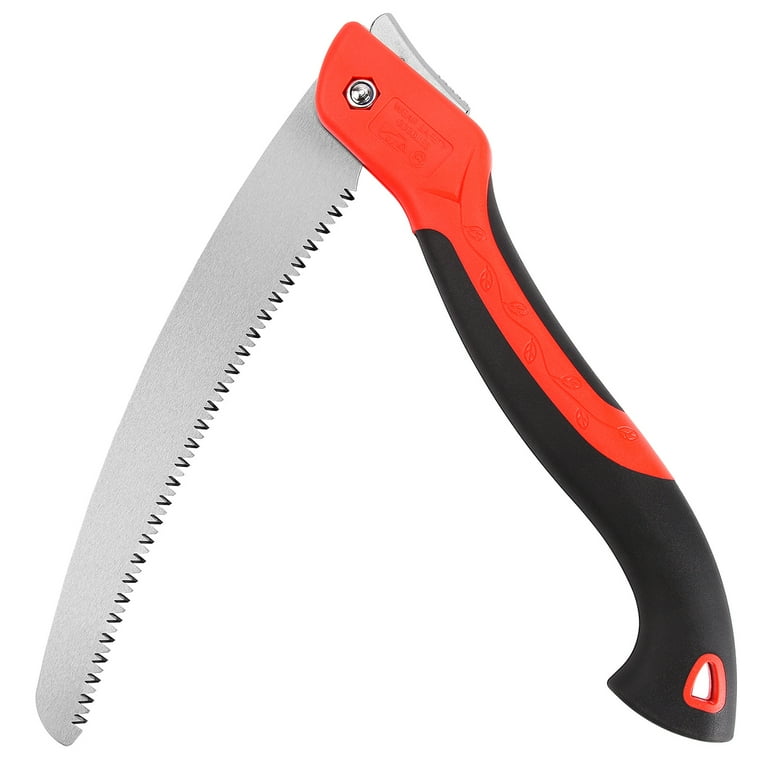
A wood saw is usually the better choice because its teeth are designed to remove wood chips quickly. It also gives you a larger cutting stroke and better control over common lumber sizes.
A traditional crosscut hand saw works well across the grain. Its teeth are shaped to sever wood fibers. A rip saw is designed to cut along the grain. A coping saw works well for curves, while a Japanese pull saw can produce a thin and clean cut.
Here is a simple comparison:
| Tool | Best use | Main limitation |
|---|---|---|
| Hacksaw | Thin wood and small repairs | Slow and prone to clogging |
| Crosscut hand saw | Cutting boards across the grain | Less useful for tight curves |
| Panel saw | General sheet and board cutting | Needs more open space |
| Coping saw | Curved and detailed cuts | Not suitable for thick stock |
| Jigsaw | Curves and straight cuts | Needs power and blade control |
| Circular saw | Fast, long cuts | Requires careful setup and safety |
The answer to can a hacksaw be used for wood changes when you compare it with the correct tool. A hacksaw may complete the job, but a wood saw will usually be faster, cleaner, and easier.

How to use a hacksaw on wood safely
Safe setup matters more than speed. Secure the wood before you begin. A loose piece can shift, pinch the blade, or cause the hacksaw to slip.
Follow these steps:
-
Mark the cut line with a pencil or marking knife.
-
Support the wood on a stable workbench.
-
Clamp the piece close to the cut area.
-
Check that the hacksaw blade is tight and faces forward.
-
Start with short, light strokes to create a groove.
-
Keep the blade square to the surface.
-
Use steady strokes across the full length of the blade.
-
Reduce pressure as the blade approaches the end.
-
Support the waste piece so it does not tear away.
-
Smooth the edge with sandpaper if needed.
Wear safety glasses during the cut. Small chips and dust can enter your eyes. Keep your fingers away from the blade path, and never hold the wood in your hand while cutting toward yourself.
Use a dust mask or suitable respirator when cutting MDF, treated wood, or dusty materials. Work in a well-ventilated area. Do not burn or reuse treated wood scraps, since some treatments can release harmful chemicals.

Choosing the right hacksaw blade for wood
If you need to cut wood with a hacksaw, blade choice can improve the result. A blade with fewer teeth per inch may clear sawdust better than an extremely fine blade.
A 14 to 18 TPI blade can work better for thicker or softer wood than a 24 to 32 TPI blade. Still, hacksaw blades are made for metal, so even the best choice will have limits.
Look for these features:
• A sharp, undamaged blade
• A blade length that fits the frame
• A strong bi-metal blade for durability
• Medium tooth spacing for small wood cuts
• A tight frame with no loose fittings
Do not use a blade with missing teeth. A damaged blade can catch in the wood and make the tool difficult to control. Replace it if it bends, cracks, or becomes dull.
One lesson worth remembering is that a dull blade creates more danger than a sharp one. People often push harder when the tool stops cutting. That extra force reduces control and increases the chance of a slip.

How to get a cleaner cut with a hacksaw
A hacksaw will not usually leave the same finish as a sharp wood saw. You can still improve the result with a few simple methods.
First, mark the waste side of the line. Saw beside the line rather than directly through it. This preserves your measurement and gives you room to smooth the edge.
Second, place painter’s tape over the cut area when working with plywood or finished wood. The tape can support loose fibers and reduce surface chipping. Remove it slowly after the cut.
Third, clamp the wood close to the blade. If the piece vibrates, the blade may wander. Firm support also makes the cut feel smoother.
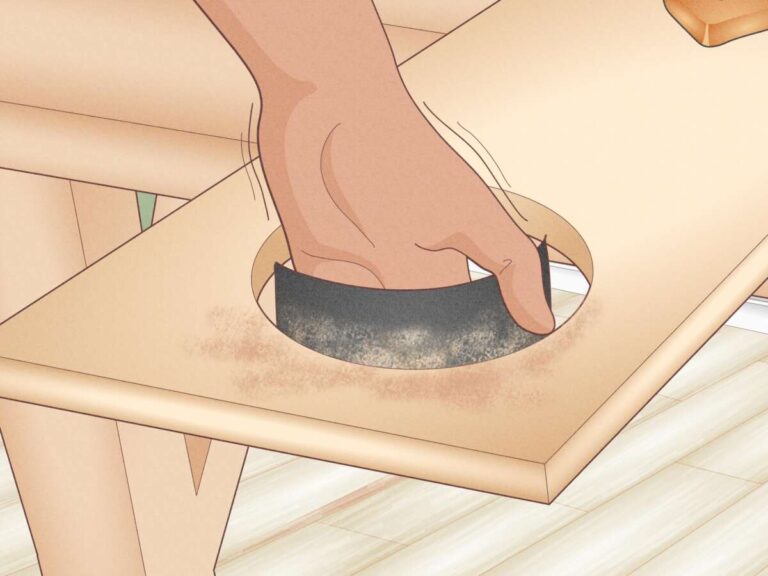
Finally, finish the edge with 120 to 180 grit sandpaper. Sand in the direction of the wood grain when possible. For a small dowel, rotate the piece as you sand to avoid creating a flat spot.
The best answer to can a hacksaw be used for wood also depends on your quality expectations. A rough utility cut may be fine. A visible furniture edge deserves a proper wood saw and careful finishing.

Common mistakes to avoid
Using the wrong technique can turn a simple cut into a frustrating task. The most common mistake is treating a hacksaw like a powered saw. It is a hand tool that rewards patience.
Avoid these errors:
• Pushing down hard on the blade
• Cutting without clamping the wood
• Using a blade with damaged teeth
• Starting with long strokes before making a groove
• Twisting the frame during the cut
• Cutting through knots at high pressure
• Ignoring dust from MDF or treated wood
• Expecting a perfect finish without sanding
Another mistake is using a hacksaw for a job that clearly needs a different tool. If you need to cut a two-by-four, build a shelf, or make repeated cuts, buy or borrow a hand saw, jigsaw, or circular saw.
A tool does not need to be dangerous to be unsuitable. It may simply make the work harder and the result worse.
Frequently Asked Questions About Can a Hacksaw Be Used for Wood
Can a hacksaw cut through a wooden board?
Yes, a hacksaw can cut through a thin wooden board, especially if it is made from softwood. It will be slow on thick boards and may leave a rough or uneven edge.
Is a hacksaw better than a hand saw for wood?
No, a regular hand saw is usually better for wood. Its larger teeth remove sawdust faster and make longer cuts with less effort.
Can I use a metal hacksaw blade to cut wood?
You can use a metal hacksaw blade for small wood cuts, but it may clog with sawdust. A blade with moderate tooth spacing will usually work better than an extremely fine blade.
Will a hacksaw cut plywood?
Yes, a hacksaw can cut thin plywood. The edges may splinter, so use masking tape, support the sheet well, and sand the cut afterward.
Can a hacksaw cut hardwood?
A hacksaw can cut hardwood, but the process is slow and may dull the blade. Use a sharp blade, clamp the wood securely, and avoid forcing the tool.
What is the safest way to use a hacksaw on wood?
Clamp the wood firmly, wear safety glasses, and use controlled strokes. Keep your hands away from the blade path and replace any bent or damaged blade.
Can a hacksaw make a straight cut in wood?
It can make a short straight cut if you mark the line and keep the frame square. For long or highly accurate cuts, a wood saw or power saw will give better control.
Conclusion
So, can a hacksaw be used for wood? Yes, but it is best for thin wood, small repairs, short cuts, and situations where another saw is not available. It works most effectively with softwood and careful technique.
For thick boards, hardwood, plywood sheets, or clean finish cuts, choose a tool made for wood. Secure the material, use a sharp blade, wear eye protection, and let the teeth cut at their own pace.
Use the right saw for the job, and even a simple repair will feel easier and safer. Explore more woodworking guides, practice on scrap wood, and share your own hacksaw tips in the comments.
Recent Tool Guides
 Hammer
How To Hammer Flowers Onto Paper: Easy Guide
Learn how to hammer flowers onto paper with simple steps, helpful tips, and beautiful results for...
Read Guide → Wrench
How To Use A Hex Wrench: Easy Step-By-Step Guide
Learn how to use a hex wrench correctly with simple steps, helpful tips, and common mistakes...
Read Guide → Hacksaw
How To Cut Curtain Pole With Hacksaw: Easy Guide
Learn how to cut curtain pole with hacksaw safely and neatly. Follow simple steps for accurate...
Read Guide → Wrench
How To Use A Husky Torque Wrench: Easy Guide
Learn how to use a Husky torque wrench correctly with simple steps, torque settings, and safety...
Read Guide → Hammer
How To Hold A Hammer: Safe Grip Guide
Learn how to hold a hammer with the right grip, stance, and technique for safer, more...
Read Guide → Hacksaw
How To Cut Flexible Metal Conduit With Hacksaw: Easy Guide
Learn how to cut flexible metal conduit with hacksaw safely and cleanly. Follow simple steps for...
Read Guide →