What Are The Best Quality Hand Tools: Expert Guide
The best quality hand tools in the United States are the ones that fit the job, resist wear, feel safe in the hand, and have dependable replacement support. For most buyers, that means choosing professional-grade tools from brands such as Snap-on, Wright, Proto, SK Tools, Knipex, Channellock, Klein Tools, Tekton, and Estwing—but no single brand makes the best tool in every category.
A good wrench may come from one company, while the best pliers or wire stripper may come from another. The right choice depends on your work, budget, tool size, warranty needs, and access to replacement parts.
This guide explains how to judge tool quality and which brands are strong choices for mechanics, electricians, plumbers, builders, and home users in the U.S.

Quick answer: Which hand tools are the best quality?
For demanding professional work, Snap-on, Wright Tool, Proto, and SK Tools are leading choices for many mechanic and industrial tools. They are known for strong materials, precise fit, and professional service channels.
For specialized tools, the strongest choices often include:
| Tool type | Strong quality choices | Best fit |
|---|---|---|
| Combination and socket wrenches | Snap-on, Wright, Proto, SK Tools, Tekton | Automotive, industrial, and home repair |
| Pliers | Knipex, Channellock, Klein Tools | General repair, plumbing, electrical work |
| Screwdrivers | Wera, Wiha, Klein Tools, Vessel | Assembly, electrical, and precision work |
| Wire strippers and cutters | Klein Tools, Knipex, Ideal | Electrical work |
| Hammers | Estwing, Vaughan, Stiletto | Framing, demolition, and general work |
| Hex and Torx keys | Wiha, Wera, Bondhus | Machinery, bicycles, electronics, and repair |
| Measuring tools | Stanley, Tajima, Milwaukee, Lufkin | Construction and general use |
| Home tool sets | Tekton, Craftsman, Husky, GearWrench | Home maintenance and light repair |
A professional brand is not always the best value. A homeowner who uses a ratchet twice a month may gain more from a well-made mid-range tool with a clear warranty than from the most expensive professional tool.
What makes a hand tool high quality?
A high-quality hand tool combines sound materials, accurate working surfaces, safe design, and useful support after purchase. Brand name alone does not prove quality.
Look for these traits:
- Accurate fit: A socket should fit the fastener with little unwanted play.
- Strong working edges: Pliers, cutters, chisels, and screwdrivers should keep their shape under normal use.
- Good heat treatment: Steel must be hard enough to resist wear but not so brittle that it chips or breaks.
- Comfortable grip: Handles should reduce slipping and hand strain without hiding defects.
- Clear size marks: Markings should remain readable after normal use.
- Corrosion resistance: A plated or coated surface can slow rust, though it cannot replace proper care.
- Useful warranty terms: Read what the warranty covers and how claims are handled.
- Parts and service: A replaceable ratchet head or available cutter may extend tool life.
Many common hand tools are made from alloy steel. The steel grade matters, but it is only one part of the result. Manufacturing quality, heat treatment, geometry, and inspection also affect performance.
A tool can look thick and still fit poorly. A thinner tool can work better if its shape and steel treatment are well controlled.
Best quality hand tools by category
The best brand changes with the tool type. A company that excels at pliers may not make the best sockets, and a strong measuring-tool brand may not be known for screwdrivers.
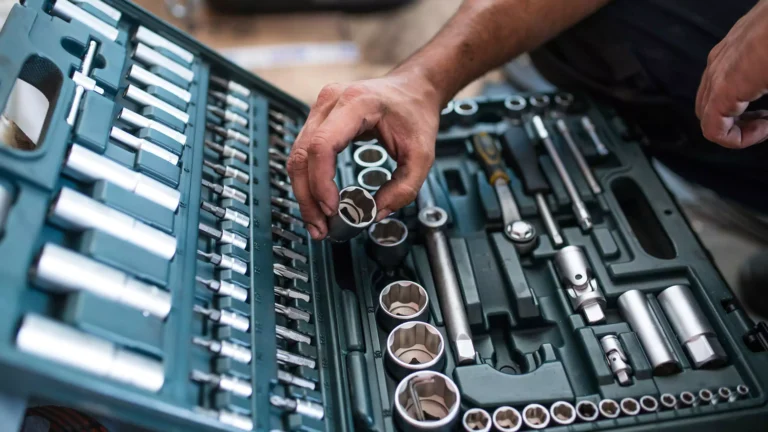
Best ratchets, sockets, and wrenches
Snap-on is a premium choice for mechanics who want precise fit, professional support, and a broad repair-tool range. Its price is high, so the value makes the most sense for technicians who use tools daily and can benefit from mobile or dealer service.
Wright Tool and Proto are strong choices for industrial, fleet, and maintenance work. Their product lines include tools designed for professional environments, including large sizes and specialty applications.
SK Tools is well known among buyers who want American-made options in selected product lines. Availability, manufacturing location, and warranty terms can vary by product, so check the exact model.
Tekton is often a practical value choice for home mechanics and serious do-it-yourself users. Its appeal is usually a useful range, clear size markings, and a lower cost than premium truck brands. As with any brand, inspect the exact set rather than assuming every product line has the same level of performance.
When buying sockets, choose six-point sockets for stubborn or high-torque fasteners when possible. They place force on the flat sides of the fastener instead of mainly on the corners.
Avoid using standard chrome hand sockets with an impact wrench. Use impact-rated sockets for impact tools.
Best pliers
Knipex is a leading choice for precision pliers, cutters, water-pump pliers, and specialty gripping tools. Many users value the smooth joint action and carefully formed jaws.
Channellock is a strong American choice for tongue-and-groove pliers, slip-joint pliers, and general gripping tools. Its broad availability also makes replacement easy.
Klein Tools is especially strong for electrical pliers, side-cutting pliers, long-nose pliers, and insulated tools. Electricians should confirm the tool’s markings and rating before using it near energized equipment.
Choose pliers by jaw shape and task:
- Use long-nose pliers for reach and small parts.
- Use diagonal cutters for cutting wire.
- Use locking pliers when you need clamping force.
- Use tongue-and-groove pliers for large, irregular parts.
- Use linesman’s pliers for gripping, twisting, and cutting electrical wire.
Do not use ordinary pliers as a wrench. This can damage the jaws and round the fastener.
Best screwdrivers
Wera and Wiha are popular choices for precise tips, comfortable handles, and specialty driver systems. Klein Tools remains a common choice for electrical work and general service.
A high-quality screwdriver should have:
- A tip that matches the fastener.
- A shaft that resists bending during normal use.
- A handle that allows controlled torque.
- Markings that make size selection easy.
- A tip finish that improves grip without hiding damage.
Do not use a screwdriver as a pry bar, punch, or chisel unless the manufacturer specifically designs it for that purpose. A damaged tip can slip and cause hand injuries or damage the fastener.
For Phillips screws, use the correct size. A number-two Phillips driver does not fit every cross-head screw. Pozidriv, JIS, Torx, and other drive types can look similar but are not interchangeable.
Best wire strippers and electrical hand tools
Klein Tools, Knipex, and Ideal Industries are well-regarded choices for electrical hand tools in the United States.
Electricians should pay special attention to:
- Insulation condition.
- Voltage markings.
- Tool category markings, where applicable.
- Correct wire-size range.
- Whether the tool is designed for insulated or energized work.
A tool marked “insulated” is not automatically safe for every electrical task. Follow the tool instructions and applicable workplace procedures. De-energize circuits whenever possible, verify the absence of voltage with a properly rated tester, and use qualified electrical help when the work exceeds your training.
The Occupational Safety and Health Administration advises employers to select and maintain tools suited to the work and to protect workers from hazards caused by damaged or misused tools. Home users should follow the same basic principle.
Best hammers
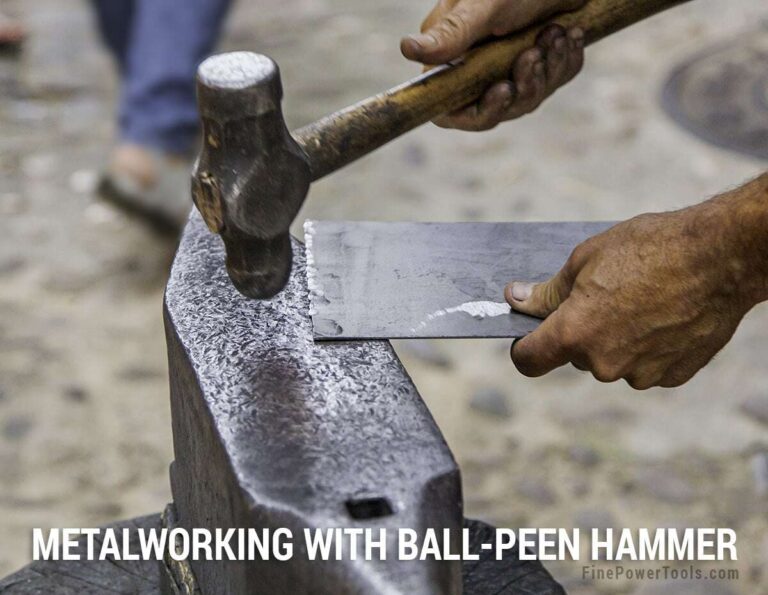
Estwing is known for one-piece steel construction in many of its claw hammers. This design removes a separate wooden handle, though it may transmit more vibration to some users.
Vaughan offers a broad range of framing, trim, and general-purpose hammers. Stiletto makes premium titanium hammers aimed at professional framing users who value lower weight and reduced vibration.
Choose a hammer by the job:
- A claw hammer suits general home repair and light framing.
- A framing hammer has a heavier head and often a milled face.
- A trim hammer gives better control for finish work.
- A dead-blow hammer reduces bounce and helps protect surfaces.
- A rubber mallet suits light assembly and surface-sensitive work.
Never strike a hardened steel object with a hammer unless the tool is designed for that use. Flying chips can cause serious eye injuries.
Best hex keys and Torx tools
Bondhus, Wera, and Wiha make strong choices for hex and Torx keys. Look for clean, accurate tips and markings that remain readable.
For frequent work, a T-handle or ball-end design may improve speed and access. A ball end is useful for angled access, but it is not the best choice for maximum torque. Use the straight end when loosening a tight fastener.
Replace keys with rounded tips. A worn key can damage the fastener and may twist or break under load.
Best measuring and layout tools
For tape measures, levels, squares, and layout tools, Stanley, Lufkin, Tajima, and Milwaukee all offer useful options across different price ranges.
A high-quality measuring tool should have:
- Clear, durable markings.
- A secure hook or reference edge.
- A case that resists cracking.
- Smooth blade movement.
- A locking mechanism that holds reliably.
For precision layout, check whether the square is truly square. A tool can look rugged but still produce poor results if its reference edge is inaccurate.

Best hand tools for different users
The best quality hand tools depend on how often you work and what failure would cost you.
Best for professional mechanics
A professional mechanic should prioritize:
- Accurate sockets and wrenches.
- Ratchets with serviceable parts or strong warranty support.
- Comfortable pliers and screwdrivers.
- Specialty tools for the vehicles being serviced.
- Easy replacement if a tool fails during work.
Snap-on, Proto, Wright, SK Tools, GearWrench, and selected Tekton lines can all fit different professional needs. A shop that depends on daily tool use may justify premium pricing. A technician who owns many tools may also value a brand’s dealer network and warranty process.
Best for electricians
Electricians should focus on insulation, correct ratings, wire-size range, grip, and cutting performance. Klein Tools, Knipex, Wiha, Wera, and Ideal are common choices across different electrical tasks.
Do not select an electrical tool only because it has a bright insulated handle. Check the exact markings and use the tool only within its stated limits.
Best for plumbers
Plumbers often need strong adjustable wrenches, pipe wrenches, tongue-and-groove pliers, tubing cutters, and basin tools.
Knipex and Channellock are strong choices for many plier tasks. RIDGID is widely associated with pipe tools and plumbing equipment. The best tool depends on pipe material, access, and whether the tool may damage a finished surface.
Use smooth-jaw tools on polished fittings when appearance matters. Serrated jaws can leave marks.
Best for homeowners
Most homeowners do not need a premium truck-brand tool set. A good starter kit may include:
- A 3/8-inch drive ratchet and metric sockets.
- Combination wrenches in common metric sizes.
- Phillips and flat-head screwdrivers.
- Adjustable pliers.
- Long-nose pliers.
- Diagonal cutters.
- A utility knife.
- A tape measure.
- A claw hammer.
- Hex keys.
- A level.
- Safety glasses.
Tekton, Craftsman, Husky, and Harbor Freight’s better tool lines can serve basic home repair needs. Compare the exact tool, warranty, fit, and return policy rather than choosing by logo alone.
Premium tools versus affordable tools
Premium tools can offer better fit, smoother movement, stronger service support, or longer wear life. They do not make every task faster, and they cannot prevent misuse.
A simple value test helps:
Value = purchase cost + replacement cost + downtime cost
For example, a professional who loses an hour because a ratchet fails may spend more through downtime than through the original purchase price. A homeowner may never face that cost. In that case, a reliable mid-range tool may be the better buy.
Premium tools are most likely to make sense when:
- You use them every day.
- A failure could stop paid work.
- The tool requires precise fit.
- The manufacturer offers useful service.
- Your safety depends on proper insulation or control.
- You need a specialty tool that cheaper brands do not make well.
Affordable tools may be the better choice when:
- You use them only a few times each year.
- The task is low risk.
- The tool is easy to replace.
- The set includes sizes you will actually use.
- The warranty and return process are clear.
Do not pay extra for features that do not help your work. A polished finish, laser-etched logo, or large case may add cost without improving the tool’s function.

How to check hand-tool quality before buying
Use this short inspection process in a store or when the tool arrives.
1. Check the working end
Look for clean edges, even jaws, straight shafts, and smooth contact surfaces. On sockets, inspect the drive opening and the fastener end for burrs or poor shaping.
2. Test movement
Open and close pliers. Turn the ratchet. Slide the adjustable jaw. Movement should feel controlled, not gritty or loose.
A small amount of movement may be normal. Excess play, binding, or rough spots can signal poor assembly or damage.
3. Read the markings
Confirm the unit system, size, tool type, and any safety rating. Metric and SAE sizes are not interchangeable, even when they seem close.
4. Inspect the handle
The grip should stay secure and should not cover cracks, sharp edges, or loose parts. A soft grip is not automatically safer if it becomes slippery with oil.
5. Read the warranty
Find out whether the warranty covers normal wear, broken parts, misuse, or only manufacturing defects. Some warranties are lifetime warranties, but the claim process may still require proof of purchase or a visit to a retailer.
6. Check the return policy
A return policy matters when you cannot test the tool before purchase. Keep the receipt and packaging until you confirm that the tool fits your work.

Common hand-tool mistakes to avoid
Poor tool use can damage both the tool and the person using it.
- Using the wrong size: A loose socket can round a fastener.
- Using chrome sockets with impact tools: Standard sockets may crack under impact loading.
- Adding a pipe to a ratchet: Extra leverage can overload the tool.
- Striking a wrench: Use a striking wrench only when designed for that purpose.
- Using pliers on finished fittings: Serrated jaws can leave deep marks.
- Using damaged tools: Cracks, mushroomed ends, and bent shafts can create flying debris.
- Ignoring rust: Surface rust can spread and weaken some tools over time.
- Storing tools wet: Moisture speeds corrosion.
- Mixing up metric and SAE sizes: A nearly fitting tool can slip.
- Skipping eye protection: Cutting, striking, and scraping can send particles toward the eyes.
Clean tools after use. Wipe away oil, dirt, and moisture, then store them in a dry place. Do not grind, weld, or alter a tool unless the manufacturer allows it and you understand the effect on strength and safety.
Are made-in-USA hand tools better?
A U.S.-made hand tool is not automatically better, and an imported tool is not automatically poor. Country of origin tells you where the tool was made, not how accurately it was designed, inspected, or supported.
Some brands make certain tools in the United States and source other tools elsewhere. Manufacturing location can also change by model and over time. Check the exact product page, package label, or manufacturer statement before buying.
Judge the tool by:
- Fit and finish.
- Material and heat treatment information.
- Quality control.
- Warranty support.
- Replacement availability.
- User safety.
- Performance for the intended task.
Country of origin may matter to your purchasing goals, but it should be one factor rather than the only quality test.
How to build a quality hand-tool set
Start with tools that solve your real problems. Buying a large set often leaves you with unused sizes and missing specialty tools.
A practical home set can grow in this order:
- Screwdrivers and pliers.
- A tape measure and level.
- A hammer and utility knife.
- A ratchet, sockets, and combination wrenches.
- Hex and Torx keys.
- Specialty tools for your car, home, or trade.
- Better versions of the tools you use most.
For automotive work, buy metric sizes first if your vehicles use metric fasteners. Add SAE sizes when your equipment requires them. For plumbing, prioritize access and jaw design. For electrical work, prioritize ratings and insulation over appearance.
Buy fewer good tools before buying a large collection of tools you will rarely use.
Frequently asked questions
What is the best overall hand-tool brand?
There is no single best brand for every hand tool. Snap-on is a premium choice for many professional mechanic tools, while Knipex is especially strong in pliers and Klein Tools is strong in electrical hand tools. Tekton, Craftsman, and Husky can offer better value for many home users.
Are expensive hand tools worth the money?
They can be worth the money for daily professional use, precise work, difficult fasteners, or jobs where failure causes costly downtime. For occasional home repair, a reliable mid-range tool may provide better value.
Is Harbor Freight good enough for home use?
Some Harbor Freight tool lines can work well for occasional home repair. Inspect the exact product, compare its fit and warranty, and avoid using an inexpensive tool for a safety-critical task unless its rating and design clearly support that use.
How long should quality hand tools last?
A quality hand tool can last for many years when used correctly, stored dry, and not overloaded. Lifespan depends on the tool, workload, environment, maintenance, and misuse. Cutting edges and ratchet parts may wear sooner than simple wrenches.
Should I buy a complete tool set or individual tools?
Buy a complete set when it includes the sizes and types you need at a fair price. Buy individual tools when you need better quality in a specific category or when a set contains many sizes you will not use.
Final recommendation
For the best quality hand tools, match the brand and design to the work instead of searching for one universal winner.
- Choose Snap-on, Proto, Wright, or SK Tools for demanding professional mechanic and industrial work.
- Choose Knipex or Channellock for high-quality pliers.
- Choose Klein Tools or Ideal for many electrical hand tools.
- Choose Wera or Wiha for precise screwdrivers and hex tools.
- Choose Tekton, Craftsman, or Husky for practical home and DIY tool sets.
- Choose Estwing, Vaughan, or Stiletto for different hammer needs.
Before buying, check the fit, materials, markings, warranty, safety rating, and return policy. The best tool is not always the most expensive one. It is the tool that performs the task safely, fits your hand and fastener, and remains dependable for the work you actually do.
Recent Tool Guides
 Hammer
How To Hammer Flowers Onto Paper: Easy Guide
Learn how to hammer flowers onto paper with simple steps, helpful tips, and beautiful results for...
Read Guide → Wrench
How To Use A Hex Wrench: Easy Step-By-Step Guide
Learn how to use a hex wrench correctly with simple steps, helpful tips, and common mistakes...
Read Guide → Hacksaw
How To Cut Curtain Pole With Hacksaw: Easy Guide
Learn how to cut curtain pole with hacksaw safely and neatly. Follow simple steps for accurate...
Read Guide → Wrench
How To Use A Husky Torque Wrench: Easy Guide
Learn how to use a Husky torque wrench correctly with simple steps, torque settings, and safety...
Read Guide → Hammer
How To Hold A Hammer: Safe Grip Guide
Learn how to hold a hammer with the right grip, stance, and technique for safer, more...
Read Guide → Hacksaw
How To Cut Flexible Metal Conduit With Hacksaw: Easy Guide
Learn how to cut flexible metal conduit with hacksaw safely and cleanly. Follow simple steps for...
Read Guide →