

A bi-metal blade with 18 to 24 teeth per inch is the best hacksaw blade for most metal-cutting jobs.
Knowing what is the best hacksaw blade for cutting metal can save time, reduce effort, and prevent rough cuts. The right choice depends on the metal type, its thickness, and the finish you need. This guide explains tooth count, blade material, cutting technique, and common mistakes so you can choose with confidence.
The Best Hacksaw Blade for Cutting Metal
For most home, repair, and workshop jobs, a bi-metal hacksaw blade is the best all-purpose option. It combines a flexible spring-steel body with hardened high-speed steel teeth. This design helps the blade resist breaking while keeping its cutting edge sharp.
An 18 TPI or 24 TPI bi-metal blade works well for common metal stock. It can cut steel tubing, threaded rod, angle iron, aluminum, copper pipe, and mild steel sheet.
The best hacksaw blade for cutting metal should match the job rather than simply have the highest tooth count. A fine blade is not always better. If the blade teeth are too small, the cut may take longer and clog with chips. If the teeth are too large, they may catch, strip, or break.
For most users, this is a reliable starting point:
• 14 TPI for thick steel and heavy stock
• 18 TPI for general-purpose metal cutting
• 24 TPI for thin tubing, sheet metal, and small rods
• 32 TPI for very thin sheet and delicate work

Why Bi-Metal Blades Usually Perform Best
Bi-metal blades are made by joining two types of steel. The blade body stays flexible, while the tooth edge receives a hard high-speed steel treatment. This gives the blade both toughness and wear resistance.
A carbon steel blade costs less, but it can dull or break sooner. It may be suitable for occasional light work, such as cutting soft aluminum or a small brass fitting. For regular steel cutting, bi-metal is usually the better value.
A good bi-metal blade also tolerates slight twisting better than a rigid hardened blade. That matters because hand sawing rarely stays perfectly straight. A small mistake in pressure can damage a cheaper blade.
The best hacksaw blade for cutting metal should also fit your frame correctly. Most full-size hacksaw frames use 12-inch blades, although the actual cutting length is often about 10 to 12 inches. Check the frame before buying a replacement.
Common blade materials
• Carbon steel: Low cost and suitable for light, occasional work
• Bi-metal: A strong choice for steel, stainless steel, pipe, and general repairs
• High-speed steel: Hard and wear-resistant, but less forgiving if misused
• Carbide-grit: Useful for hardened steel, cast iron, tile, and abrasive materials

How Tooth Count Affects Metal Cutting
Teeth per inch, or TPI, describes how many teeth appear along one inch of blade length. It is one of the most important factors when choosing a hacksaw blade.
As a basic rule, at least two or three teeth should stay in contact with the workpiece during the cut. If only one tooth engages the metal, it can catch and break. If too many teeth sit in the cut, chips may not clear well.
Use this guide when choosing a blade:
• 14 TPI: Thick steel plate, large angle iron, heavy pipe, and structural stock
• 18 TPI: Medium steel, square tubing, threaded rod, and general repair work
• 24 TPI: Thin wall tubing, conduit, small bolts, and aluminum stock
• 32 TPI: Thin sheet metal, narrow strips, and fine cuts
For example, a 1/8-inch steel tube often cuts well with an 18 or 24 TPI blade. A thin metal panel may need 24 or 32 TPI. A thick steel bar may cut more easily with 14 TPI.
A common mistake is using a 32 TPI blade on thick steel. The fine teeth fill with chips and create a lot of friction. The blade may feel smooth at first, but the cut becomes slow and hot.

Choose the Blade for the Metal Type
Different metals place different demands on a hacksaw blade. Steel is strong and can create heat. Aluminum is soft and can clog teeth. Stainless steel is tough and often work-hardens when cut with too much pressure.
Mild steel
Mild steel is common in brackets, bolts, tubing, and hardware. An 18 TPI bi-metal blade is a strong general choice. Use 14 TPI for thick stock and 24 TPI for thinner sections.
Stainless steel
Stainless steel needs a sharp, durable blade. Choose a quality bi-metal blade with 18 to 24 TPI. Use steady pressure and avoid rubbing the blade back and forth without cutting.
Stainless steel can harden when overheated or rubbed. Once the surface becomes hard, the teeth may struggle to bite. Cutting at a steady pace with cutting fluid can help.
Aluminum
Aluminum is soft, but it can pack between the teeth. A 14 or 18 TPI blade often works well for thicker aluminum. For thin aluminum, use 24 TPI and clean the teeth when chips begin to collect.
A small amount of suitable cutting lubricant can reduce clogging. Do not use excessive lubricant, since it can make the workpiece slippery.
Copper and brass
Copper and brass are softer than steel. An 18 to 24 TPI blade usually gives a clean cut. Support tubing well to prevent crushing and use light pressure near the end of the cut.
Hardened steel and cast iron
Standard hacksaw blades may struggle with hardened steel. A carbide-grit blade or an abrasive cutting method may work better. Cast iron can also wear ordinary teeth quickly, especially when the surface is rough.
The best hacksaw blade for cutting metal changes when the metal becomes unusually hard, thick, or abrasive. Always inspect the material before choosing the blade.
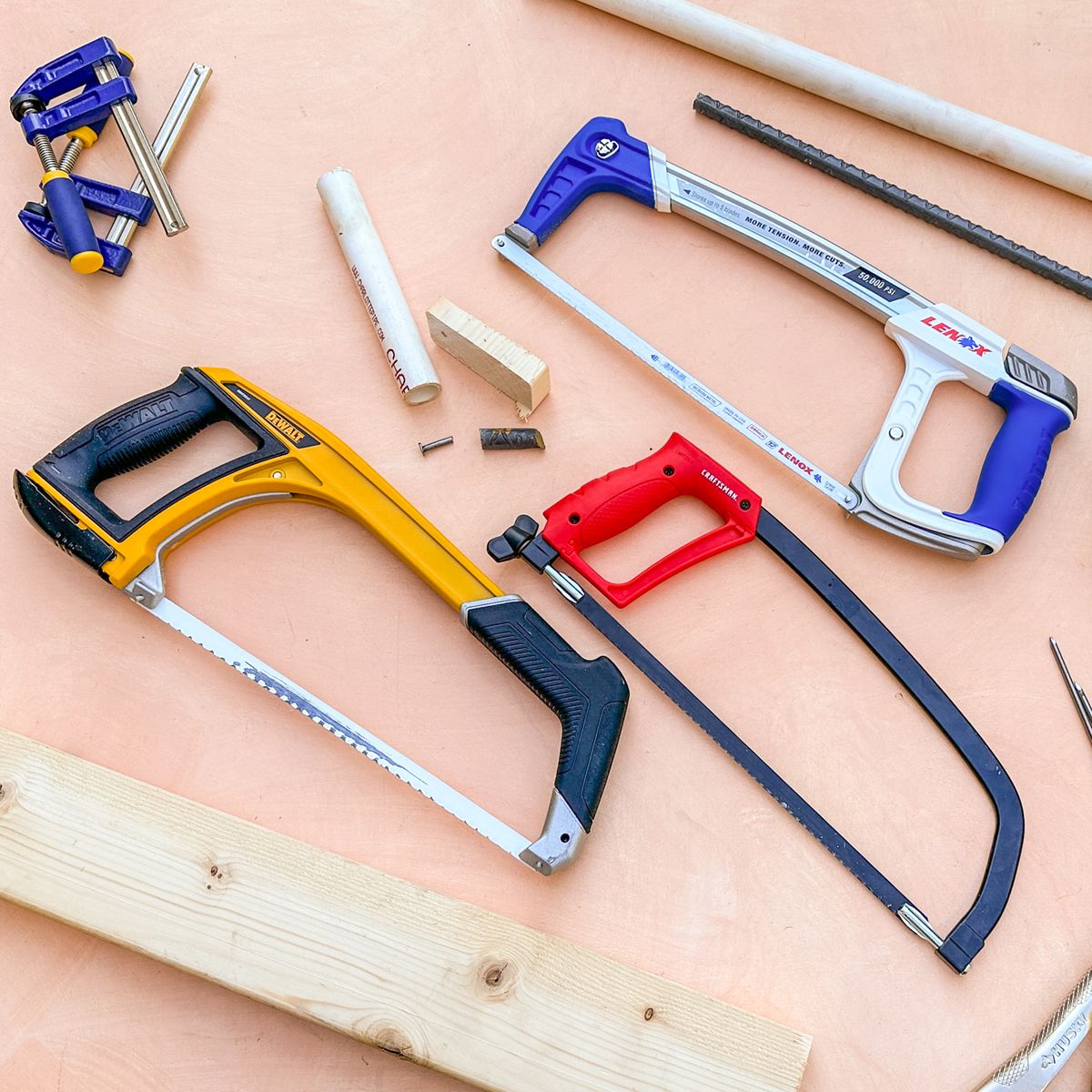
Match the Blade to Metal Thickness
Blade selection becomes easier when you think about thickness instead of width. The goal is to keep several teeth engaged without filling the cut with too many teeth.
For thin material, choose more teeth per inch. This reduces tooth snagging and helps prevent the edge from breaking. For thick material, choose fewer teeth per inch so each tooth can remove more material.
Here are practical examples:
• 18 TPI: Steel pipe with a wall thickness near 1/8 inch
• 24 TPI: Thin conduit, small bolts, and light tubing
• 32 TPI: Sheet metal and narrow metal strips
• 14 TPI: Thick bar stock and large steel sections
If you are between two choices, select the finer blade for thin material and the coarser blade for thick material. It is safer to have three teeth engaged than one.
The best hacksaw blade for cutting metal also depends on the cut length. A long cut through thick stock benefits from a coarser blade because it clears chips faster. A short, precise cut may benefit from a finer blade.
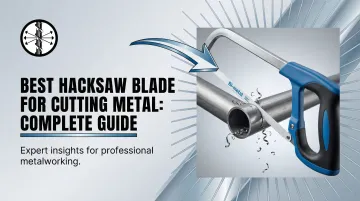
How to Use a Hacksaw Blade Correctly
Even the best blade will perform poorly if the frame is loose or the cutting motion is too aggressive. Good technique improves speed, blade life, and safety.
Mark the cut clearly with a permanent marker or scribe.
Secure the workpiece in a vise. Place soft jaws or scrap wood around finished surfaces if needed.
Install the blade with the teeth pointing forward, away from the handle.
Tighten the frame until the blade feels firm. Do not overtighten it.
Start with short, light strokes to create a straight groove.
Use long strokes that make full use of the blade length.
Apply pressure only on the forward stroke.
Release pressure on the return stroke.
Slow down as the blade nears the end of the cut.
Support the offcut so it does not bend and break the final teeth.
Many beginners push hard during both directions of the stroke. That creates heat and wears the teeth quickly. A hacksaw works more like a controlled file than a power saw.
In workshop repairs, I have found that a clean setup often matters more than expensive equipment. A firmly clamped workpiece and a properly tensioned frame can make a basic blade feel much better.
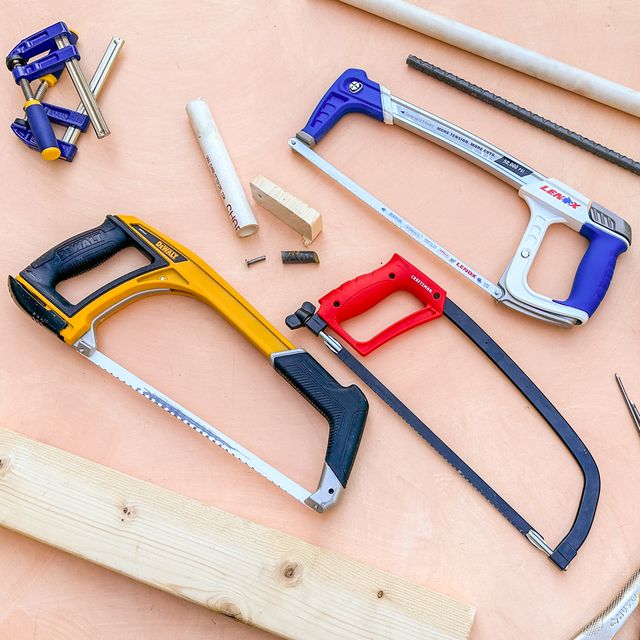
Cutting Fluid, Lubrication, and Heat Control
Cutting fluid can help reduce friction and heat, especially when cutting stainless steel or thick steel. It also helps chips move out of the tooth gaps.
For many hand-cutting jobs, a few drops of light cutting oil are enough. Use a product made for metalworking when possible. Avoid applying so much fluid that the handle or workpiece becomes difficult to hold.
Aluminum may benefit from a lubricant that reduces chip buildup. Some machinists use specialized aluminum-cutting fluid, while others use a light wax made for saw blades. Follow the product label and keep all lubricants away from sparks and flames.
Do not rely on lubricant to fix the wrong blade. A clogged 32 TPI blade will still struggle on thick steel. First choose the correct TPI, then use lubrication to improve the cut.
The best hacksaw blade for cutting metal stays cooler when you use moderate pressure and steady strokes. Heat is often a sign of poor tooth engagement, a dull blade, or excessive force.

Signs That a Hacksaw Blade Is Dull
A dull blade does not always look worn. Its cutting behavior gives better clues.
Replace the blade when you notice:
• The cut takes much longer than normal
• The blade slides over the surface instead of biting
• You need heavy pressure to remove material
• The blade creates excessive heat
• Teeth are missing, rounded, or packed with chips
• The cut begins to wander
A dull blade can make you push harder. That increases the chance of slipping and injuring your hand. Replacing a low-cost blade is usually safer and faster than forcing it through the job.
Do not continue using a blade with several missing teeth. A broken tooth can cause the remaining teeth to catch unevenly. It can also create a rough cut that needs extra filing.
My practical rule is simple: if the blade feels more like it is rubbing than cutting, stop and inspect it. That small pause often prevents a frustrating repair.
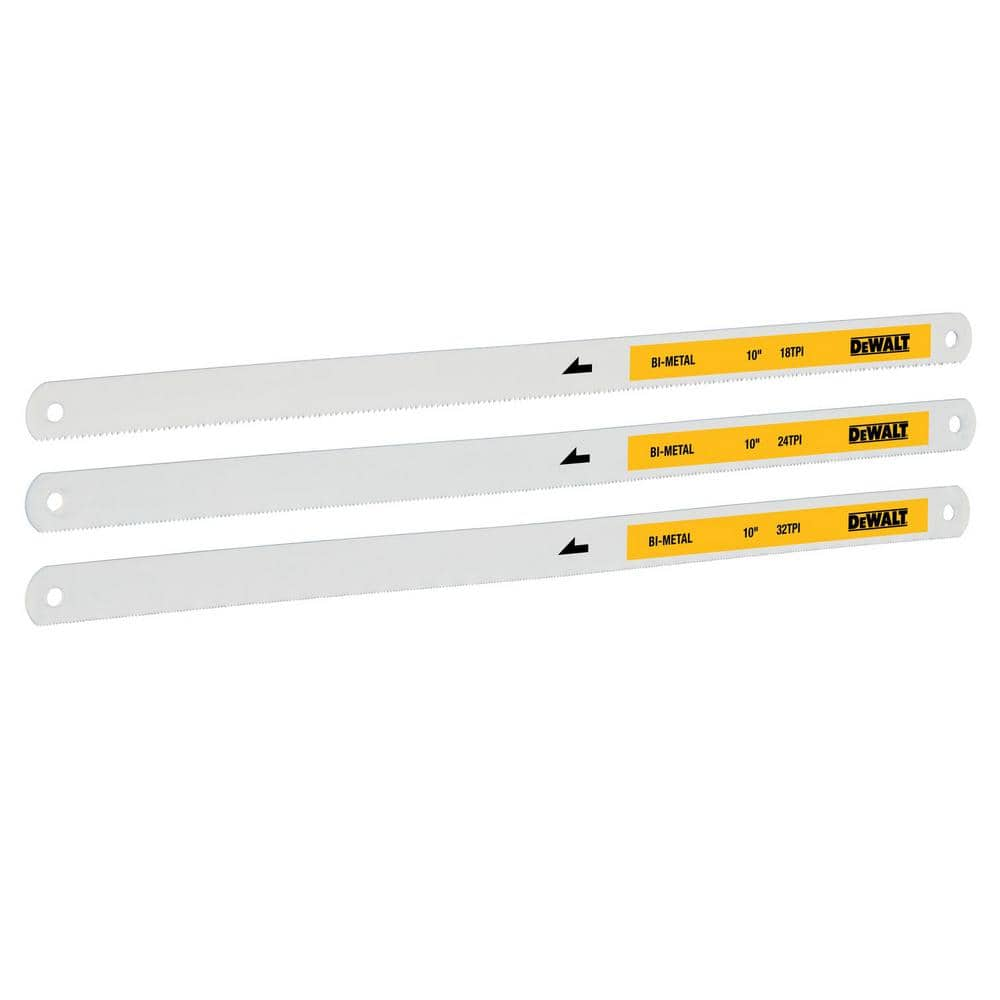
Common Hacksaw Blade Mistakes to Avoid
Choosing the wrong blade is only one part of the problem. Poor setup and technique can also cause early blade failure.
Using too few teeth in the cut
If the workpiece is too thin for the blade, the teeth can snag. Choose a higher TPI blade so more teeth remain engaged.
Using too many teeth for thick metal
Fine teeth can clog when cutting thick stock. Switch to a lower TPI blade that clears chips more easily.
Installing the blade backward
Most hacksaw blades cut on the forward stroke. Check the tooth direction before tightening the frame.
Leaving the frame loose
A loose blade flexes and may twist in the cut. It can also produce a crooked edge. Tighten the blade until it is firm, but avoid extreme tension.
Pushing on the return stroke
The return stroke should be light. Pressing in both directions creates heat and shortens blade life.
Cutting an unsupported tube
Thin tubing can collapse or vibrate in a vise. Support it close to the cut and avoid crushing it with excessive clamp pressure.
Reusing a damaged blade
A blade with cracked teeth or a bent body is not worth saving. Discard it safely and install a new one.
These simple corrections often matter more than moving from a budget blade to a premium blade.

Best Hacksaw Blade Options by Job
The following guide gives a practical starting point for common tasks.
| Job | Recommended blade | Reason |
|---|---|---|
| General steel repair | 18 TPI bi-metal | Balanced speed and durability |
| Thin steel sheet | 24 or 32 TPI bi-metal | Reduces tooth snagging |
| Thick steel bar | 14 TPI bi-metal | Removes material faster |
| Stainless steel pipe | 18 or 24 TPI bi-metal | Resists wear and heat |
| Aluminum tubing | 14 or 18 TPI | Helps prevent clogging |
| Copper pipe | 24 TPI | Gives a controlled, clean cut |
| Hardened steel | Carbide-grit blade | Handles very hard surfaces |
| Cast iron | Carbide-grit or heavy-duty blade | Resists abrasive wear |
The best hacksaw blade for cutting metal is often a quality bi-metal blade in the 18 to 24 TPI range. Keep one coarse blade and one fine blade in your toolbox so you can adapt to different materials.
Price alone does not determine quality. Look for even teeth, a straight body, clear packaging information, and a reputable manufacturer. A low-cost pack can be useful if the blades are properly hardened and match your frame.
Safety Tips for Cutting Metal by Hand
Wear safety glasses whenever you cut metal. Small chips can break from the workpiece or blade and travel farther than expected.
Use gloves when handling sharp stock, but keep loose material away from the blade path. Gloves should not replace careful hand placement. Keep your free hand behind the blade and never hold the workpiece in your palm while sawing.
Secure long or heavy material before cutting. A moving workpiece can pinch the blade and cause a sudden slip. Remove burrs with a file after the cut, since freshly cut edges can be extremely sharp.
Watch for heat. The workpiece, blade, and chips may become hot even during hand sawing. Give the metal time to cool before touching it directly.
Good safety habits are part of choosing what is the best hacksaw blade for cutting metal. A blade that cuts quickly but encourages poor control is not the right choice for the job.
Frequently Asked Questions: What Is the Best Hacksaw Blade for Cutting Metal
Is a bi-metal hacksaw blade better than a carbon steel blade?
Yes, a bi-metal blade is usually better for regular metal cutting. It combines flexible steel with hardened teeth, so it lasts longer and resists breaking.
What TPI hacksaw blade should I use for steel?
An 18 TPI blade is a good general choice for medium steel. Use 14 TPI for thick steel and 24 or 32 TPI for thin steel or sheet metal.
Can a hacksaw cut stainless steel?
Yes, a sharp bi-metal blade can cut stainless steel. Use steady pressure, avoid rubbing the blade, and apply a small amount of cutting fluid to control heat.
Which hacksaw blade is best for aluminum?
A 14 or 18 TPI blade usually works well for thicker aluminum. Use 24 TPI for thin aluminum, and clean the teeth if soft chips begin to clog them.
Should hacksaw blade teeth face forward or backward?
The teeth should normally face forward, away from the handle. Most hacksaw blades cut on the forward stroke.
How tight should a hacksaw blade be?
The blade should feel firm and produce a clear, controlled cut without excessive flex. Do not overtighten the frame, because too much tension can damage the blade or frame.
Can I use a hacksaw blade to cut hardened steel?
You can try a carbide-grit blade, but ordinary bi-metal teeth may wear quickly. For very hard steel, an abrasive wheel or powered cutting tool may be more suitable.
Conclusion
The best hacksaw blade for cutting metal is usually a quality bi-metal blade matched to the metal thickness. Choose 14 TPI for thick stock, 18 TPI for general work, and 24 to 32 TPI for thin material. Keep the workpiece secure, use steady forward strokes, and replace blades that become dull or damaged.
For most toolboxes, start with an 18 TPI and a 24 TPI bi-metal blade. That simple pair covers many steel, aluminum, copper, and stainless steel jobs. Try these tips on your next project, and share your preferred hacksaw blade or metal-cutting method with other readers.
