

The five essential hand tools are a hammer, screwdriver, pliers, wrench, and tape measure.
If you are wondering what are 5 hand tools, these five cover many basic repair, building, and maintenance tasks. They do not need batteries or a power cord, yet they can help you assemble furniture, tighten fasteners, make measurements, and fix common problems around the home.
This guide explains what each tool does, when to use it, how to choose a safe and useful version, and which mistakes to avoid. Whether you are starting a home toolbox or improving your workshop, understanding what are 5 hand tools gives you a strong and practical foundation.
What Are 5 Hand Tools?
Hand tools are tools powered by human force rather than electricity, fuel, or a motor. They include simple tools for striking, turning, gripping, cutting, measuring, and shaping materials.
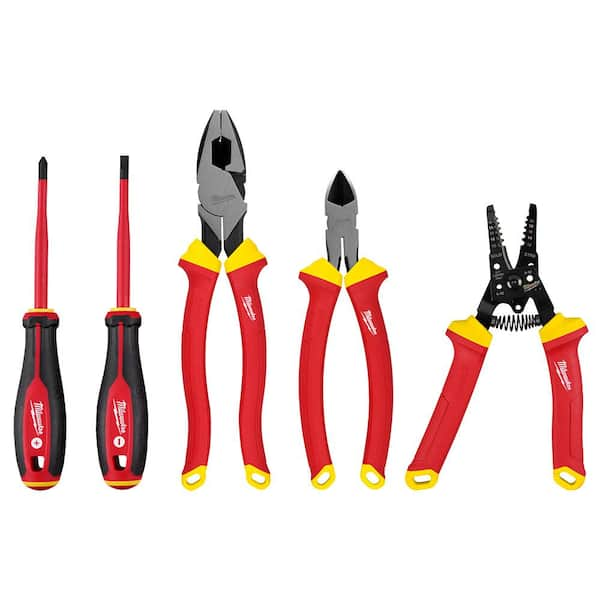
When people ask what are 5 hand tools, they usually want to know which tools are most useful for everyday work. A practical starter set includes:
- Hammer
- Screwdriver
- Pliers
- Wrench
- Tape measure
These tools serve different purposes. A hammer delivers impact, a screwdriver turns screws, pliers grip objects, a wrench turns nuts and bolts, and a tape measure checks length or distance.
The best five hand tools may differ by job. A carpenter may need a utility knife, chisel, or level, while a bicycle owner may prefer hex keys. Still, the five tools above are among the most useful for general household repairs and small projects.

1. Hammer
A hammer is a hand tool with a weighted head and a handle. It is mainly used to drive nails, join materials, remove nails, and deliver controlled impact.
The claw hammer is the most useful type for a basic home toolbox. One end has a flat face for striking, while the other end has a curved claw for pulling nails. Some hammers have a smooth face, which helps reduce marks on wood.
Common hammer uses include:
• Driving nails into wood
• Removing nails from boards
• Fitting small parts into place
• Light demolition work
• Tapping joints together
A good general-purpose hammer often weighs between 16 and 20 ounces. A lighter hammer may feel easier to control, while a heavier hammer can deliver more force. For most home tasks, control matters more than raw power.
Look for a handle that feels secure and comfortable. Wood handles can absorb some vibration and are easy to replace. Fiberglass handles are often strong and durable. Steel handles are sturdy but may transmit more vibration to your hand.
One common mistake is using a hammer as a pry bar, chisel, or wrench. This can damage the tool or cause the head to loosen. Always wear eye protection when striking metal, pulling nails, or working with materials that may splinter.
A useful lesson from basic repair work is to let the hammer do the work. Short, controlled swings are safer and more accurate than wild, forceful blows. If a nail bends, stop and replace it instead of continuing to strike at an unsafe angle.
2. Screwdriver
A screwdriver is designed to turn screws. It has a handle, a metal shaft, and a tip that fits into a screw head.
The two most common screwdriver types are:
• Flat-head screwdriver, which fits slotted screws
• Phillips screwdriver, which fits cross-shaped screw heads
Many homes also benefit from a Torx screwdriver set. Torx tips have a star-shaped design and are common in appliances, vehicles, electronics, and modern furniture.
A screwdriver is used for more than putting screws into wood. You can use it to remove cabinet hardware, tighten electrical cover plates, assemble furniture, and repair small household items.
The tip must match the screw head. A poor fit can strip the screw, damage the driver, or cause the tool to slip. This is one of the most common mistakes beginners make when learning what are 5 hand tools.
Choose a screwdriver with:
• A tip that matches the fastener
• A comfortable, non-slip handle
• A hardened steel shaft
• A shaft length suited to the work area
Do not use a screwdriver as a chisel, pry bar, or punch. The tip may break or slip. Also, never work on electrical equipment unless the power is off and you understand the safety risks. A standard screwdriver is not automatically insulated for electrical work.
In practice, a multi-bit screwdriver can save space and money. However, a full set of individual screwdrivers often gives better control and reaches tight spaces more easily.
3. Pliers
Pliers are hand tools with two handles and gripping jaws. They use a pivot to increase hand force and hold, bend, cut, or pull materials.
Several plier types are useful:
• Slip-joint pliers for general gripping
• Long-nose pliers for narrow spaces
• Cutting pliers for wire and small metal parts
• Tongue-and-groove pliers for larger objects
• Locking pliers for holding an object firmly
Slip-joint pliers are a good starting point because their jaw position can adjust to different sizes. Long-nose pliers work well when your fingers cannot reach a small part. Cutting pliers are useful for wire, but they should only cut materials within their rated capacity.
Pliers should grip an object without crushing or damaging it. Place the jaws squarely on the work. If the object is round, oily, or under heavy tension, use extra care because it may slip.
Never use pliers to turn a nut when the correct wrench is available. Pliers can round the edges of the nut and make future removal difficult. They can also leave marks on polished surfaces.
Keep your fingers away from the pivot and closing jaws. When cutting wire, wear safety glasses because small pieces can fly toward your face. Check that the handles and pivot move smoothly before use.
A practical workshop lesson is that larger pliers are not always better. Oversized pliers may provide more force, but they also increase the chance of damaging a part. Choose the smallest tool that can safely complete the job.
4. Wrench
A wrench is used to turn nuts, bolts, and other fasteners. In the United States, wrench sizes are commonly measured in inches, while metric sizes are measured in millimeters.
Common wrench types include:
• Combination wrench with an open end and a box end
• Adjustable wrench with a movable jaw
• Socket wrench with removable sockets
• Open-end wrench for accessible fasteners
• Box-end wrench for a stronger grip
A combination wrench is a useful addition to a basic toolbox. The open end slides over a fastener from the side. The box end surrounds more of the fastener and usually provides better grip.
An adjustable wrench is convenient because one tool fits several sizes. However, it must be adjusted correctly. A loose fit can slip, round the fastener, and hurt your hand.
For the best result, select the exact wrench size whenever possible. Push the wrench rather than pulling it toward your body. Keep your hand positioned so it will not strike a sharp edge if the tool slips.
Do not add a pipe to a wrench handle to create extra leverage unless the tool and procedure are designed for it. Excess force can damage the fastener or break the wrench. Penetrating oil may help loosen a stuck bolt, but give it time to work and wear eye protection.
When comparing what are 5 hand tools, the wrench stands out because it transfers force around a fastener. This reduces damage when the tool fits correctly.
5. Tape Measure
A tape measure is a flexible measuring tool housed in a protective case. It has a marked blade that extends and retracts to measure length, width, height, or distance.
A standard tape measure often includes:
• A metal blade with inch and fractional markings
• A locking button
• A sliding hook at the end
• A belt clip
• A protective case
Tape measures are useful for furniture assembly, home improvement, woodworking, moving, and simple layout work. You can use one to measure a wall before buying shelves or check whether a table will fit through a doorway.
Accuracy depends on how you use the tool. Keep the blade straight and read the marking at eye level. Do not bend the blade sharply, and allow it to retract slowly so the hook and fingers stay safe.
Measure twice before cutting, drilling, or ordering materials. This simple habit prevents wasted wood, misplaced shelves, and many frustrating repairs.
Tape measures have limits. They are not ideal for highly precise machining or long distances where the blade may sag. For those jobs, a caliper, laser measure, or long measuring tape may be more suitable.
Among the answers to what are 5 hand tools, the tape measure is often overlooked. Yet measurement is the foundation of accurate work. A perfect cut in the wrong place is still a mistake.
Why These Five Hand Tools Matter
The five tools work together like a small repair team. The tape measure helps you plan, the screwdriver and wrench adjust fasteners, the pliers hold or shape parts, and the hammer applies impact when needed.
They also support many everyday tasks, such as:
• Hanging pictures and shelves
• Assembling tables and cabinets
• Tightening loose screws and bolts
• Repairing bicycles and garden equipment
• Building simple wood projects
• Removing old nails and hardware
A basic toolbox does not need to be expensive. Buy reliable tools one at a time instead of choosing a large set filled with items you rarely use. Strong materials, comfortable handles, and accurate sizes matter more than a high tool count.
For safety, keep tools clean, dry, and in good condition. Replace damaged handles, worn tips, cracked insulation, and badly rounded jaws. The Occupational Safety and Health Administration recommends selecting the correct tool for the task and inspecting hand tools before use.
How to Choose the Right Hand Tools
When deciding what are 5 hand tools to buy, think about your work rather than the packaging. A tool that feels good in your hand is more useful than one that simply looks impressive.
Use these buying guidelines:
• Choose a hammer with a secure head and comfortable handle
• Buy screwdrivers with hardened tips and several common sizes
• Select pliers with smooth movement and firm jaws
• Choose wrenches that match the fastener sizes you use most
• Pick a tape measure with clear markings and a sturdy hook
Avoid tools with loose heads, bent shafts, chipped tips, rusty working surfaces, or rough moving parts. These defects can reduce control and increase injury risk.
You should also consider hand size and grip strength. A thick handle may feel comfortable for one person but awkward for another. If possible, hold the tool before buying it.
For occasional household repairs, mid-range tools are often enough. Professional users may need tools with tighter tolerances, stronger alloys, lifetime warranties, or specialized designs. The right choice depends on frequency, workload, and budget.
Hand Tool Safety Tips
Even simple tools can cause cuts, bruises, eye injuries, and strains when used carelessly. Safe technique protects both you and the material.
Follow these basic rules:
- Inspect the tool before use.
- Wear safety glasses when striking, cutting, or pulling.
- Keep handles clean and dry.
- Use the correct size and type for the job.
- Keep your free hand away from the work area.
- Secure loose materials before applying force.
- Do not use damaged tools.
- Store sharp tools with their edges protected.
- Keep children away from active work areas.
- Follow manufacturer instructions for specialty tools.
Good body position also matters. Stand with stable footing, keep your wrist straight when possible, and avoid reaching beyond your balance. If a fastener will not move, stop and reassess instead of using uncontrolled force.
Many hand tool injuries happen because a person rushes. Taking an extra minute to choose the right tool can prevent a painful mistake.
Caring for and Storing Hand Tools
Good care helps hand tools last for many years. After use, wipe away dirt, moisture, oil, and sawdust. Dry metal surfaces to reduce rust.
Store tools where they will not fall or rub against one another. A toolbox, wall rack, drawer organizer, or pegboard can work well. Keep screwdrivers and wrenches sorted by size so you can find the correct tool quickly.
Basic maintenance includes:
• Lightly oiling moving plier joints
• Cleaning rust from suitable metal surfaces
• Replacing damaged hammer handles
• Keeping screwdriver tips sharp and clean
• Checking tape measure blades for bends or cracks
Do not leave tools outdoors or in a damp shed for long periods. Moisture can weaken wooden handles, rust metal parts, and damage tape measure springs.
A small amount of care protects your investment. It also makes each job smoother because clean, working tools provide better control.
Common Mistakes to Avoid
Knowing what are 5 hand tools is useful, but correct use matters just as much. Many tool problems come from using a familiar tool for the wrong task.
Avoid these mistakes:
• Using pliers instead of the correct wrench
• Striking a screwdriver with a hammer
• Using a hammer with a loose head
• Measuring with a bent or damaged tape blade
• Applying excessive force to a stuck fastener
• Holding small work in your hand while cutting
• Ignoring eye protection
• Leaving tools wet after use
Another mistake is buying a complete tool set without checking quality. A large case may contain many weak or poorly fitted tools. Start with the tools you need most, then expand as your projects grow.
The best hand tool is the one that fits the task, fits the fastener, and gives you control. That simple rule prevents many common problems.
Frequently Asked Questions About What Are 5 Hand Tools
What are the five most common hand tools?
The five most common general-purpose hand tools are a hammer, screwdriver, pliers, wrench, and tape measure. Together, they cover striking, turning, gripping, fastening, and measuring tasks.
What is the most important hand tool for a beginner?
A screwdriver set is often one of the most useful starting points because homes contain many screws. However, a small toolbox with all five basic tools gives a beginner much more flexibility.
Are hand tools better than power tools?
Hand tools provide control, portability, and quiet operation. Power tools are faster for large or repeated jobs, but hand tools are often safer and more practical for small repairs.
How should hand tools be stored?
Store hand tools in a dry toolbox, drawer, pegboard, or wall rack. Keep them clean, protect sharp edges, and arrange them by type or size for quick access.
Can pliers replace a wrench?
Pliers can grip some nuts and bolts, but they are not a true replacement for a wrench. Their jaws may slip or damage the fastener, especially when the fit is loose.
How often should hand tools be replaced?
Replace a hand tool when it has a cracked handle, loose head, damaged tip, badly worn jaw, or unsafe moving part. Tools that remain sound and well maintained can last for decades.
Conclusion
The answer to what are 5 hand tools is simple: a hammer, screwdriver, pliers, wrench, and tape measure. Each tool has a clear role, and together they handle many common home, workshop, and maintenance tasks.
Choose tools that fit your hand and your work. Use the right tool for each job, inspect it before use, and store it properly after use. Start with these five, practice safe technique, and expand your toolbox as your skills grow. Explore more repair guides, try a small project, and share your favorite hand tool in the comments.
