

A hacksaw blade’s pitch is the spacing, measured in teeth per inch, between its cutting teeth.
Understanding what is the pitch of a hacksaw blade helps you choose the right blade, cut faster, and avoid damaged teeth. In practical work, the correct pitch depends on the material, its thickness, and the type of cut you need. This guide explains the measurement, common blade sizes, selection rules, and mistakes to avoid.
What Is the Pitch of a Hacksaw Blade?
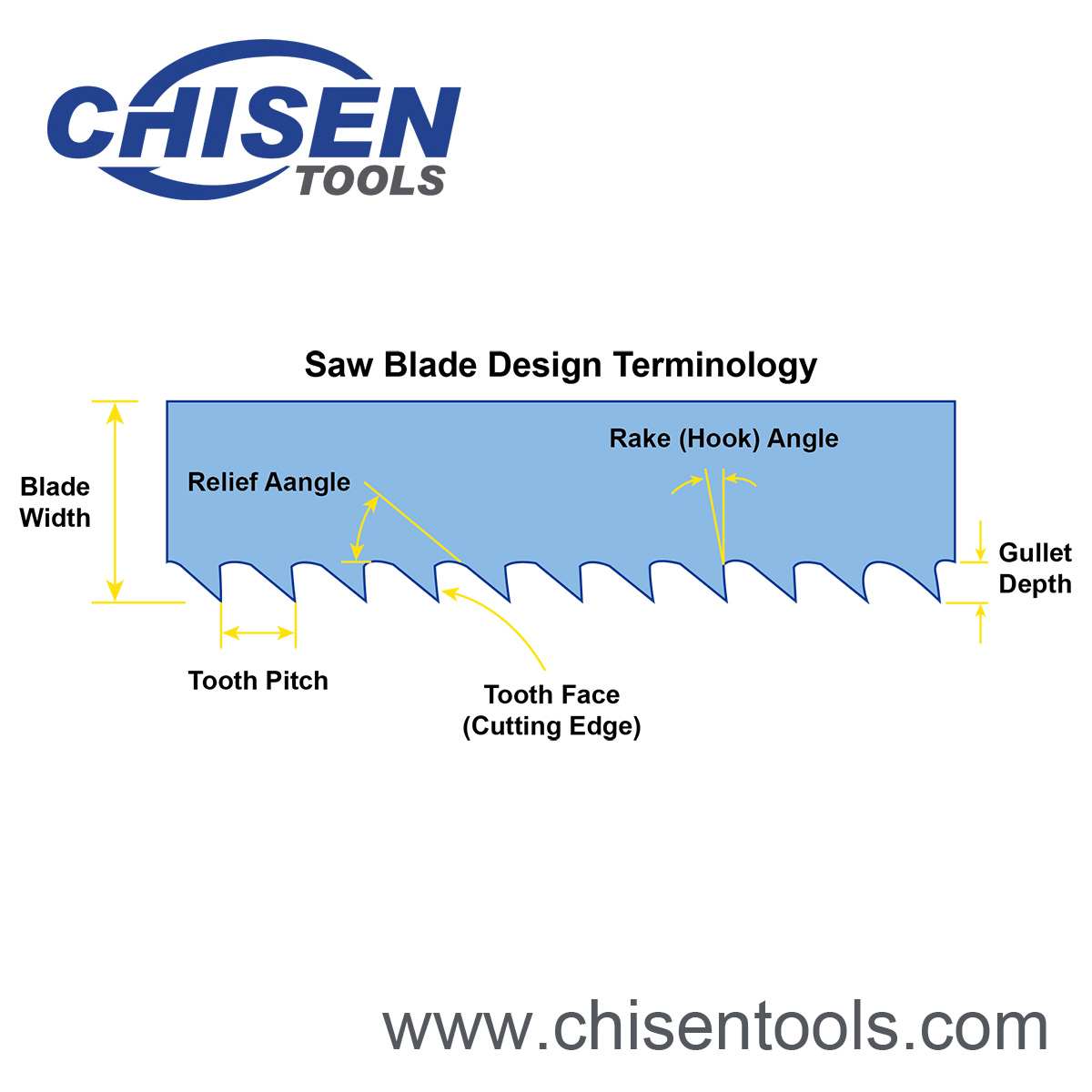
The pitch of a hacksaw blade is the distance from one tooth to the next. It is usually described as teeth per inch, or TPI. A blade with 14 TPI has 14 teeth in each inch of cutting length.
So, what is the pitch of a hacksaw blade in simple terms? It is the tooth spacing that controls how much material each tooth removes during a cut.
A high TPI blade has small, closely spaced teeth. A low TPI blade has larger teeth with more space between them. Think of the difference between a fine-tooth comb and a wide-tooth comb. The same basic idea applies to hacksaw blades.
Most hacksaw blades have one of these common pitches:
• 14 TPI for thick metal and larger sections
• 18 TPI for medium-thickness metal
• 24 TPI for thin metal and general-purpose work
• 32 TPI for very thin metal, tubing, and sheet metal
The correct answer to what is the pitch of a hacksaw blade is not one fixed number. Hacksaw blades come in several pitches for different materials and jobs.
How Hacksaw Blade Pitch Is Measured
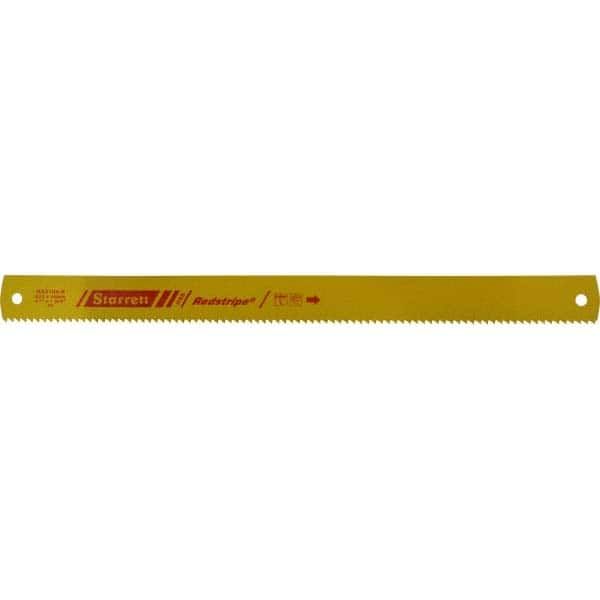
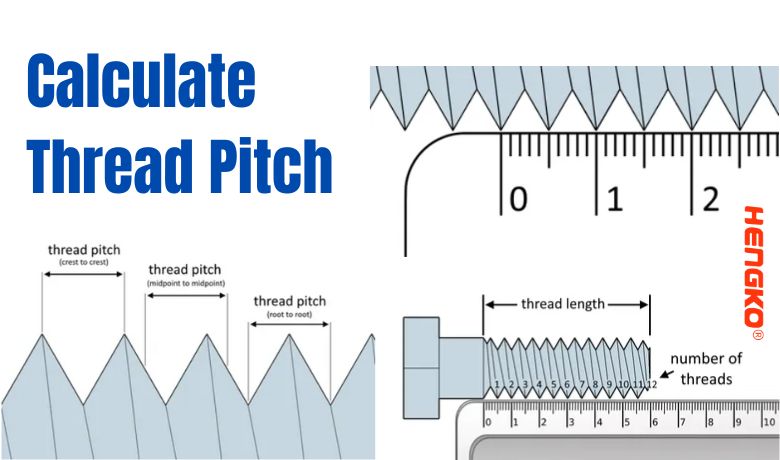
Hacksaw blade pitch is measured by counting the teeth across one inch of blade length. This measurement is called TPI, or teeth per inch.
For example, place a ruler along the blade and count the teeth within a one-inch section:
• 14 teeth in one inch means 14 TPI
• 18 teeth in one inch means 18 TPI
• 24 teeth in one inch means 24 TPI
• 32 teeth in one inch means 32 TPI
Some modern blades use metric pitch. Instead of teeth per inch, they may list the distance between teeth in millimeters. A smaller metric distance means a finer pitch.
The tooth spacing is not always perfectly easy to count by eye. Many blades have a variable pitch, such as 10 to 14 TPI. This means the tooth spacing changes along the blade. Variable-pitch blades can reduce vibration and make general cutting smoother.
When someone asks what is the pitch of a hacksaw blade, they may also mean the distance between tooth points. In technical terms, pitch is the measurement from one tooth tip to the matching point on the next tooth.
Why Hacksaw Blade Pitch Matters
Pitch affects cutting speed, control, finish, and blade life. It also determines how well the blade clears chips from the cut.
A low pitch, such as 14 TPI, has larger teeth. These teeth remove more material with each stroke. They work well on thick steel, brass, copper, and aluminum sections.
A high pitch, such as 32 TPI, has smaller teeth. These teeth remove less material per stroke but create a cleaner cut in thin material. They also help prevent the blade from catching on narrow tubing or sheet metal.
Choosing the wrong pitch can cause several problems:
• Large teeth on thin metal may snag or break
• Fine teeth on thick metal may clog with chips
• Too few teeth in the cut can cause vibration
• Too many teeth in the cut can make cutting slow
• An unsuitable pitch can create uneven or rough cuts
A useful rule is to keep at least two or three teeth engaged in the material during each part of the stroke. For thin sheet metal, more teeth should be inside the cut at once.
This is one of the most important ideas behind what is the pitch of a hacksaw blade. Pitch is not just a number on the package. It directly affects how the blade behaves in real work.
Hacksaw Blade Pitch Chart
The following chart provides a simple starting point for selecting a hacksaw blade.
| Blade pitch | Best use | Typical materials |
|---|---|---|
| 14 TPI | Thick sections and fast cutting | Large steel, brass, copper, and aluminum |
| 18 TPI | Medium sections | Angle iron, pipe, rods, and general metal |
| 24 TPI | Thin sections and everyday work | Thin pipe, small rods, and metal brackets |
| 32 TPI | Very thin material | Sheet metal, conduit, thin wall tubing, and small wire |
These recommendations are general. The exact choice can change based on the material hardness and the shape of the workpiece.
For example, a thick aluminum bar may need a different blade than a thick hardened steel bar. Aluminum is soft and produces larger chips, so a blade with enough tooth space may cut better. Hardened steel usually needs a tougher blade and a controlled cutting speed.
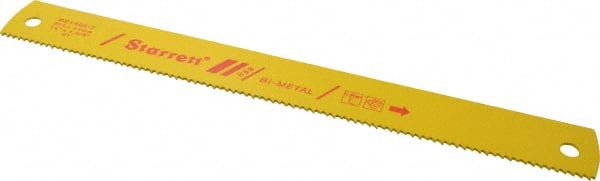
A variable pitch blade, such as 18 to 24 TPI, can be useful when you cut several types of material. It offers a balance between speed and smoothness.
How to Choose the Right Hacksaw Blade Pitch
Choosing a blade becomes easier when you check three things: material thickness, material type, and desired finish.
1. Check the material thickness
The thinner the material, the higher the TPI should be. This keeps several teeth in contact with the workpiece and reduces tooth damage.
• Material thicker than about 1/2 inch: 14 or 18 TPI
• Material around 1/8 to 1/2 inch: 18 or 24 TPI
• Material thinner than about 1/8 inch: 24 or 32 TPI
• Very thin sheet metal: 32 TPI
These are starting points, not strict laws. A large pipe wall may need a different choice from a flat metal bar of the same thickness.
2. Consider the material
Soft materials often need more chip clearance. Hard materials usually benefit from smaller teeth and a steady cutting motion.
For steel, 18 or 24 TPI is often a useful general choice. For thin stainless steel, 24 or 32 TPI can provide better control. For aluminum, a blade with adequate tooth space helps prevent clogging.
3. Decide how smooth the cut must be
A coarse blade cuts quickly but may leave a rougher surface. A fine blade cuts more slowly but usually leaves a cleaner edge.
If you plan to file the edge afterward, a coarse or medium blade may save time. If the cut will be visible or needs close control, use a finer pitch.
In my experience with hand cutting, beginners often choose the finest blade because it looks more precise. That can be a mistake. A fine blade on thick steel feels slow and may overheat, while the right medium pitch makes the job feel much easier.
Coarse Pitch vs. Fine Pitch
A coarse pitch means fewer teeth per inch. A fine pitch means more teeth per inch.
Coarse pitch
Coarse blades usually range from 14 to 18 TPI. They are useful when:
• The material is thick
• Fast cutting matters
• The workpiece produces large chips
• The cut is not highly visible
• The blade needs good chip clearance
The main limitation is tooth engagement. If the material is too thin, a coarse blade may have only one tooth touching the work. That tooth can catch and break.
Fine pitch
Fine blades usually range from 24 to 32 TPI. They are useful when:
• The material is thin
• The workpiece is hollow
• The cut needs better control
• The edge should be relatively smooth
• Tooth snagging is a concern
The main limitation is slow chip removal. If you use a fine blade on thick material, the narrow spaces between teeth can fill with chips.
The answer to what is the pitch of a hacksaw blade should always include the intended use. A fine pitch is not automatically better, and a coarse pitch is not automatically stronger. Each one has a proper place.
Blade Pitch and Teeth in the Cut
One of the most useful cutting rules is to keep several teeth engaged in the material. Two or three teeth should normally remain in contact during the stroke.
If too few teeth are engaged, the blade can:
• Grab the workpiece
• Jump out of the cut
• Break individual teeth
• Create a rough surface
• Increase hand fatigue
If too many teeth are engaged, cutting can feel slow. The teeth may not have enough space to carry chips away.
For a thin piece of metal, a 32 TPI blade may keep many teeth in the cut. For a thick bar, a 14 TPI blade gives each tooth more room to remove material.
This balance explains why what is the pitch of a hacksaw blade matters so much. The pitch controls the relationship between tooth contact and chip space.
How to Use a Hacksaw Blade Correctly
The correct pitch will not help much if the blade is installed or used poorly. Follow these basic steps:
- Secure the workpiece firmly in a vise.
- Install the blade with the teeth pointing forward.
- Tension the blade until it feels firm, but do not over-tighten it.
- Start the cut with short, gentle strokes.
- Keep the blade straight and aligned with the cut.
- Use steady pressure on the forward stroke.
- Release pressure on the return stroke.
- Let the teeth do the cutting instead of forcing the frame.
A hacksaw cuts on the forward stroke. Pressing hard on the return stroke can dull the teeth and increase friction.
For long cuts, use the full length of the blade. Short, fast strokes wear out a small section of teeth and create heat. I have seen many blades fail because the user worked only one inch of the blade instead of using a smooth, full stroke.
Lubrication can also help when cutting some metals. A light cutting oil may reduce heat and friction, but always follow the blade maker’s guidance. Keep oil away from areas where it could create a slipping hazard.
Common Mistakes When Choosing Blade Pitch
Many hacksaw problems come from using a blade that does not match the job.
Using a coarse blade on thin metal
Large teeth can catch the edge of thin metal. This may bend the workpiece or break the teeth.
Using a fine blade on thick metal
Small teeth can fill with chips. The cut becomes slow, and the blade may heat up.
Ignoring hollow tubing
A tube may look thick from the outside, but its wall may be thin. Choose the pitch for the wall thickness, not the outside diameter.
Cutting without enough tension
A loose blade can wander, twist, or buckle. It may also produce a crooked cut.
Pushing too hard
Excess pressure does not always make a hacksaw cut faster. It can strip teeth, bend the blade, and make the cut less accurate.
Choosing only by TPI
TPI matters, but blade material also matters. Carbon steel blades suit light work, while bi-metal blades are often more durable for demanding metal cutting.
These lessons make what is the pitch of a hacksaw blade easier to apply. Look at the entire job, not only the number printed on the package.
Blade Materials and Pitch
Hacksaw blades are made from several materials. Pitch and blade material work together.
Carbon steel blades
Carbon steel blades are often affordable and suitable for light work. They may wear faster when cutting hard steel or thick stock.
High-speed steel blades
High-speed steel teeth can resist wear and heat better than basic carbon steel. They are useful for harder materials but may cost more.
Bi-metal blades
Bi-metal blades combine a flexible spring steel body with harder cutting teeth. This design helps resist breakage while maintaining tooth durability.
A high-quality bi-metal blade with the right pitch can outperform a cheaper blade with an unsuitable pitch. Still, no blade can overcome poor technique or an incorrect application.
Frequently Asked Questions About What Is the Pitch of a Hacksaw Blade
What does 24 TPI mean on a hacksaw blade?
Twenty-four TPI means the blade has about 24 teeth across one inch of cutting length. It is a common choice for thin to medium metal and general-purpose work.
Is a higher TPI better for a hacksaw blade?
A higher TPI is better for thin materials and cleaner cuts, but not for every job. Thick materials usually need a lower TPI so the larger teeth can remove chips more effectively.
What hacksaw blade pitch is best for steel?
For many steel cutting tasks, 18 or 24 TPI works well. Use 14 TPI for thick steel and 32 TPI for thin steel or sheet metal.
What hacksaw blade pitch should I use for tubing?
Choose the pitch based on the tube wall thickness. Thin wall tubing usually needs 24 or 32 TPI, while thick wall tubing may work better with 18 TPI.
How many teeth should touch the material when cutting?
Try to keep at least two or three teeth engaged in the workpiece. This reduces snagging and helps distribute cutting force across several teeth.
Can I use a 32 TPI blade on thick metal?
You can, but it is usually inefficient. The fine teeth may clog with chips, heat up, and wear quickly before the cut is complete.
Why do hacksaw teeth break during a cut?
Teeth may break because the pitch is too coarse for thin material, the blade is loose, the workpiece moves, or the user applies too much pressure. A twisted blade or sideways force can also damage the teeth.
Conclusion
The pitch of a hacksaw blade is its tooth spacing, usually listed as teeth per inch. Low TPI blades suit thick materials and faster cuts, while high TPI blades work better on thin material and detailed cuts.
When deciding what is the pitch of a hacksaw blade, match the TPI to the material thickness, material type, and finish you need. Keep several teeth in the cut, use steady pressure, and choose a durable blade material for demanding work.
Before your next cut, check the stock thickness and select the pitch instead of reaching for the first blade in the toolbox. Share your cutting experience or explore more tool guides to build greater confidence with hand tools.
