How To Use A Hacksaw Correctly: Safe Cutting Guide
A hacksaw cuts metal, plastic pipe, and other hard materials with a fine-toothed blade. To use one correctly, choose the right blade, install it with the teeth pointing forward, clamp the work firmly, and make steady forward strokes with light pressure. This guide applies to common hand tools used in U.S. homes, garages, workshops, and job sites.
A hacksaw works best when the blade stays straight and the material does not move. Let the teeth do the cutting. Pushing too hard can bend the blade, damage the cut, or cause the blade to snap.

What Is a Hacksaw?
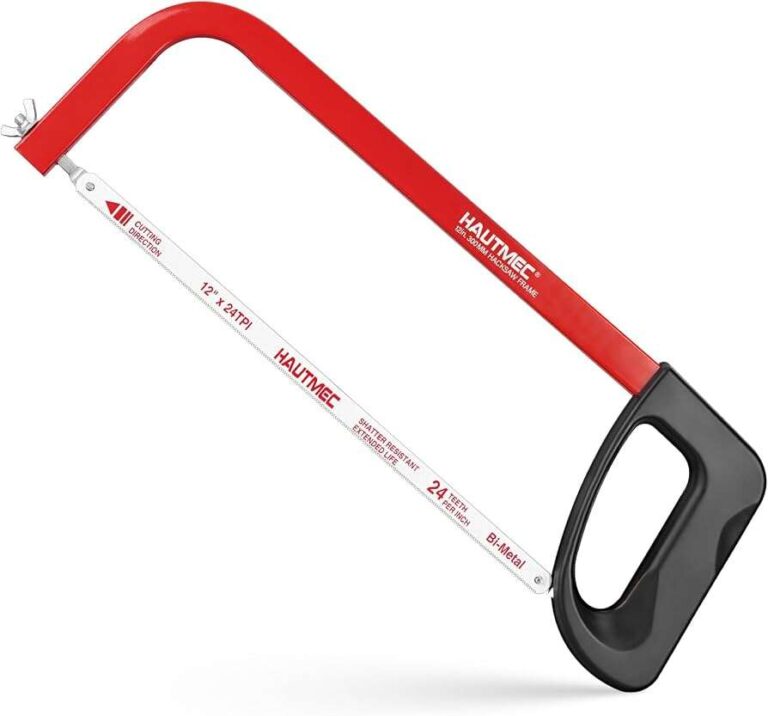
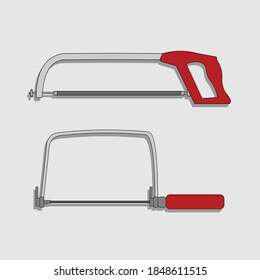
A hacksaw is a hand saw with a narrow, replaceable blade held under tension in a metal frame. Most standard hacksaws use blades about 10 or 12 inches long. The blade has small teeth designed to cut metal, plastic, tubing, threaded rod, bolts, and similar materials.
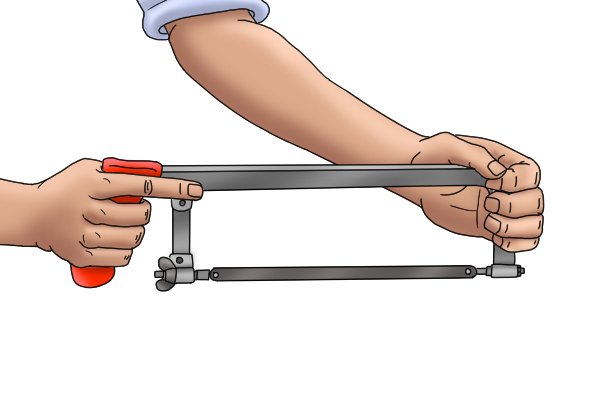
A typical hacksaw has these parts:
- Frame: Holds the blade in place.
- Handle: Gives you a firm grip.
- Blade: Contains the cutting teeth.
- Blade pins or posts: Fit through the holes at each end of the blade.
- Tension adjuster: Tightens the blade so it does not flex during a cut.
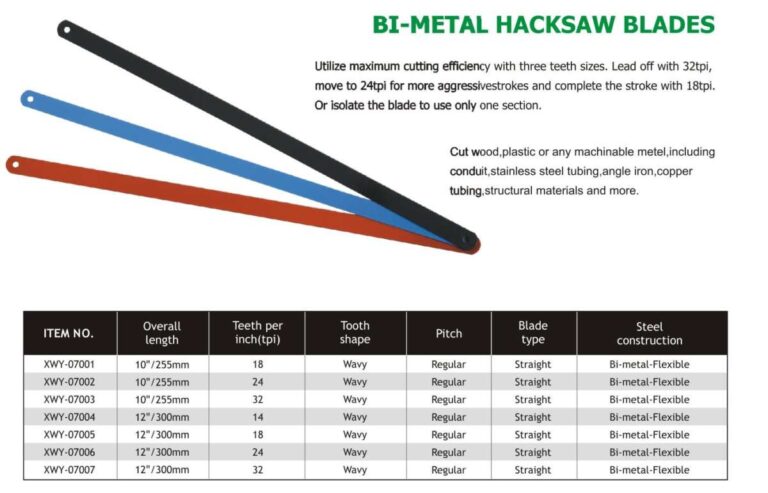
Blade tooth size is often described as teeth per inch, or TPI. A higher TPI blade has smaller teeth and gives a smoother cut. A lower TPI blade has larger teeth and usually cuts faster through thick stock.
Choose a blade that keeps at least two or three teeth in contact with the material during the cut. If too few teeth touch the work, the blade may catch or lose teeth. If the teeth are too fine for thick material, the cut can take longer and clog with chips.

Choose the Right Blade and Set Up the Hacksaw
Choose the blade based on the material, its thickness, and the finish you need. Use a blade made for metal when cutting steel, aluminum, brass, copper, or threaded rod. Use a fine-tooth blade for thin metal and a coarser blade for thicker stock.
| Material or job | Useful blade choice | Reason |
|---|---|---|
| Thin sheet metal | 24–32 TPI | Keeps several teeth in the work |
| Small bolts and tubing | 18–24 TPI | Balances speed and control |
| Thick steel or heavy stock | 14–18 TPI | Larger teeth clear chips better |
| Plastic pipe | 14–24 TPI | Cuts without needing a special saw |
| Smooth, clean finish | Higher TPI | Makes a finer cut |
These ranges are practical starting points, not strict rules. Always follow the blade maker’s instructions when they differ. Bi-metal blades are a useful general option because they combine flexible backing with harder teeth, but blade material alone does not replace the need for the correct tooth size.
Install the blade
- Check the frame and blade. Do not use a blade with missing teeth, cracks, rust damage, or a bent edge.
- Loosen the tension adjuster. Make enough room for the blade ends to fit over the frame posts.
- Point the teeth forward. A standard hacksaw cuts on the forward push stroke. The teeth should face away from the handle.
- Fit both blade ends onto the posts. Make sure the blade sits flat and straight.
- Tighten the blade. The blade should feel firm and should not sag or twist.
- Stop if the frame or blade looks damaged. A damaged frame may not hold proper tension.
Do not overtighten the blade. Excess tension can damage the frame or cause a worn blade to break. The goal is a straight, firm blade with little side-to-side movement.
Prepare the Work Area Safely
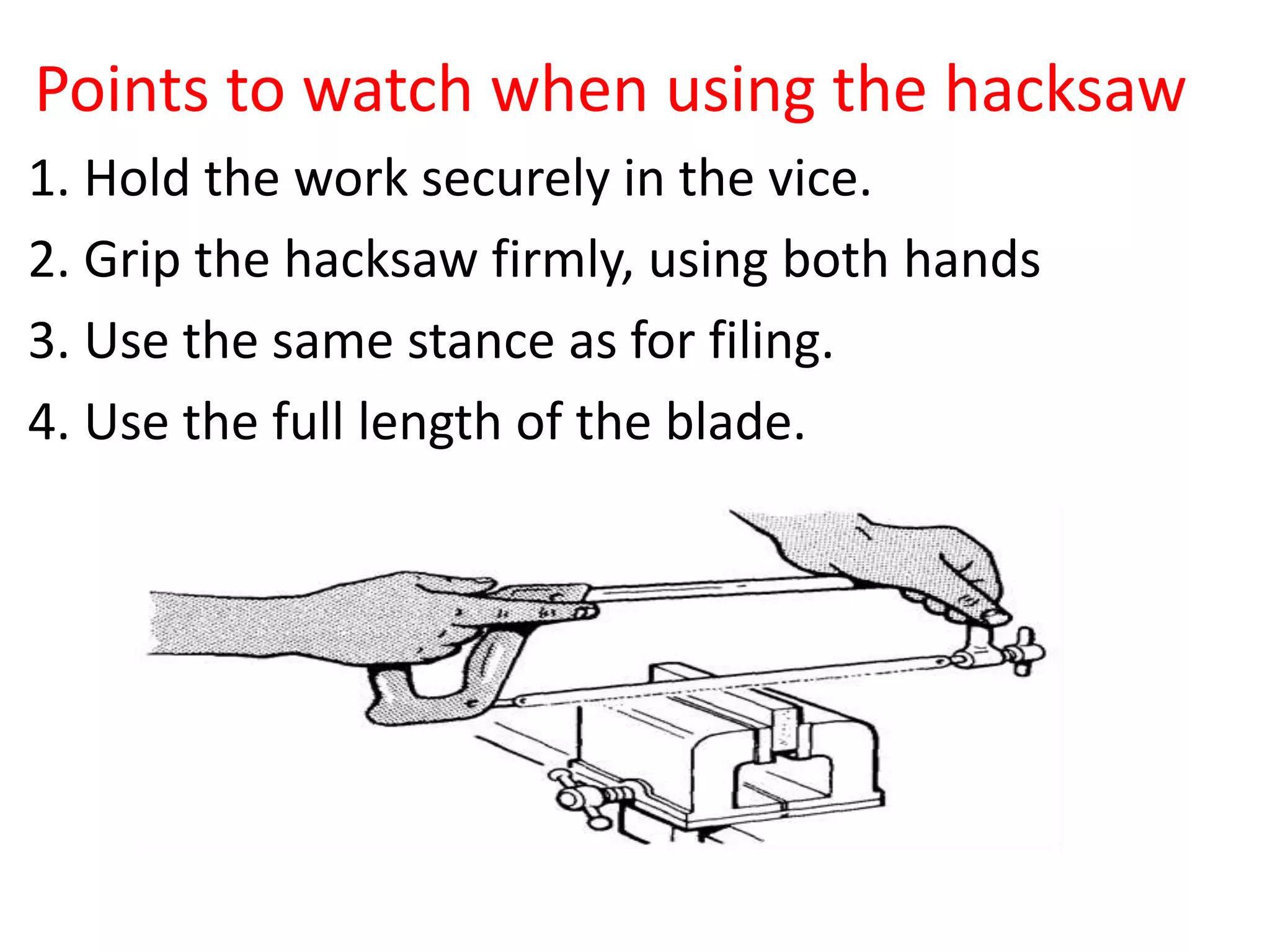
Secure the material before you start cutting. A bench vise is usually the best choice because it holds the work at a comfortable height and keeps both hands available for the saw. If a vise is not available, use a clamp designed for the material and surface.
Mark the cut with a pencil, permanent marker, or a fine scribe. For a square cut, wrap a strip of paper around round tubing as a guide, then trace its edge. Check the mark from more than one side before cutting.
Before you begin, check for hazards:
- Wear safety glasses with side protection.
- Use hearing protection if the work creates loud noise.
- Keep loose clothing, jewelry, and hair away from the blade.
- Keep your free hand behind the blade path.
- Make sure the material will not fall when the cut is complete.
- Do not cut material that may contain live electricity, pressurized gas, or stored pressure.
- If you are cutting an installed pipe or fitting, identify what is inside it before making the cut.
Use gloves with care. Gloves can protect against sharp edges, but loose gloves may catch on moving tools. Keep your hand well away from the blade and follow the glove guidance for the material and task.
A hacksaw is a hand tool, but it can still create sharp chips and burrs. Treat the cut edge as sharp until you have filed or deburred it.

How to Use a Hacksaw Correctly
Use long, controlled strokes and let the teeth remove the material. A short, fast stroke often wears the center of the blade and makes it harder to keep the cut straight.
- Place the material in the vise. Hold the cut line close to the vise jaws, but leave enough room for the saw frame to move. Do not crush soft tubing.
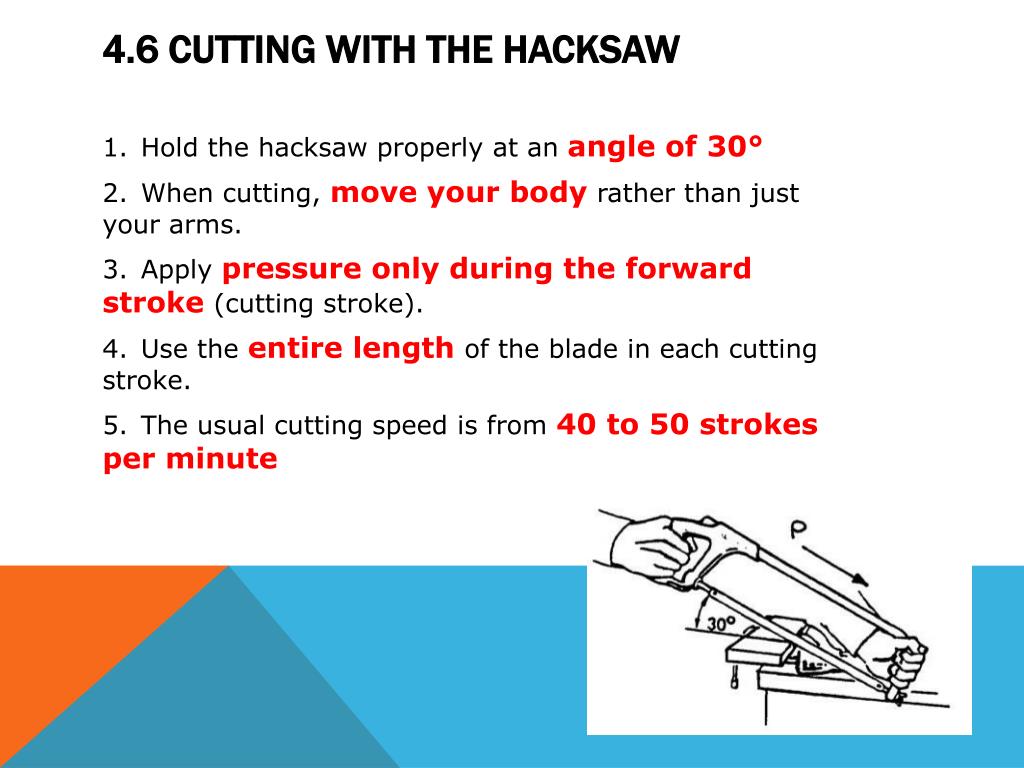
- Stand in a balanced position. Keep both feet stable and position your body so the saw can move straight forward and back.
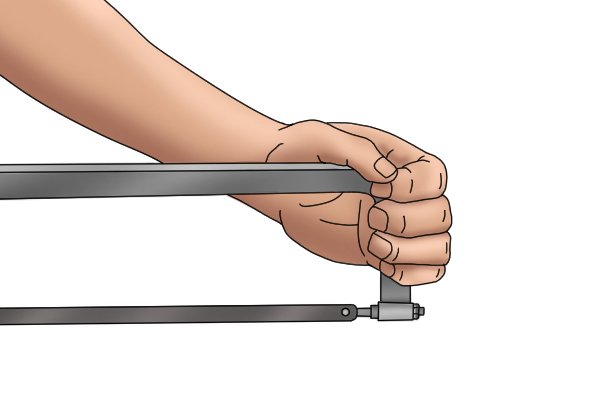
- Hold the handle firmly. Keep your wrist straight. Place your other hand on the front of the frame if you need more control.
- Set the blade on the waste side of the mark. This leaves the finished part at the correct size. Account for the width of the blade, known as the kerf.
- Make a shallow starting groove. Use short, light strokes until the blade has formed a clear track.
- Lengthen the stroke. Move the saw through as much of the blade as the work allows. Use a steady push and a relaxed return.
- Apply pressure only on the forward stroke. Ease off while pulling the saw back. The teeth are designed to cut as they move forward.
- Keep the blade square. Check the angle from the front and side. Stop and correct the angle if the cut begins to wander.
- Slow down near the end. Support the offcut so it does not break away and bend the blade.
- Inspect and finish the edge. Remove burrs with a file or deburring tool.
For a straight cut, smooth rhythm matters more than force. A useful motion is a full push followed by a light return. If the blade squeals, binds, or leaves deep uneven marks, reduce pressure and check the blade alignment.
When cutting thin sheet metal, clamp the sheet between pieces of scrap wood if the setup allows. This can reduce vibration and help prevent the sheet from bending. When cutting pipe, place the pipe firmly in the vise and turn it as needed only if doing so remains safe and keeps the cut aligned.
How to Cut Different Materials
The correct method changes slightly with the material. The blade must match both the material and its thickness.
Metal
For steel, cut slowly with steady pressure. A suitable cutting fluid may reduce heat and friction, but check the product label and the material before using it. Keep fluids away from electrical sources and clean the work area afterward.
Aluminum and soft metals can clog the teeth. Use a blade suited to nonferrous metal and clear chips often. Do not force the blade if it begins to bind.
Threaded rod and bolts
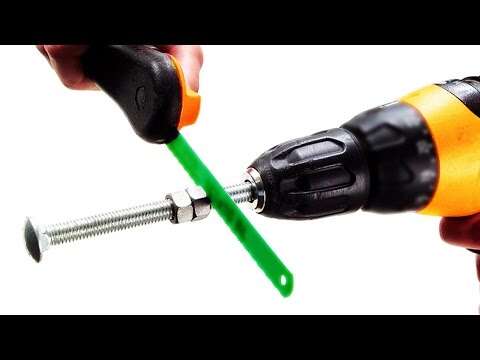
Clamp the rod close to the cut. If possible, thread a matching nut onto the rod before cutting. After the cut, remove the nut over the cut end. This can help realign minor thread damage, but it will not repair badly crushed threads.
For a bolt that must fit through a hole, measure the length twice and leave the correct amount of material for the nut or fitting. Deburr the end before assembly.
Plastic pipe
A hacksaw can cut PVC and some other plastic pipe. Use light pressure because plastic can crack or grab the blade. Support the pipe close to the cut and clean away plastic dust before joining or fitting the pipe.
Do not assume every plastic is safe to cut by hand. Some materials may release harmful dust or fibers. Check the material label or manufacturer guidance when the pipe type is unknown.
Thin sheet metal
Thin sheet can flex, catch, and produce a rough edge. Support it well, use a fine-tooth blade, and take light strokes. Wear eye protection because small metal fragments can break loose.
Signs of a Good Cut—and What to Do When It Fails
A good hacksaw cut has a clear path, little wandering, and an edge that needs only minor filing. The material stays stable, the blade moves without binding, and the cut does not show heavy tearing or crushing.
Use this troubleshooting guide if the result is poor:
| Problem | Likely cause | Correction |
|---|---|---|
| Blade wanders | Poor starting groove or loose work | Re-clamp the material and start with short strokes |
| Blade bends | Side pressure or a loose blade | Tighten the blade and keep the frame square |
| Teeth strip out | Wrong blade direction, too much force, or too few teeth in the work | Install a new blade correctly and use lighter pressure |
| Cut is rough | Blade is dull, damaged, or too coarse | Choose a fresh blade with a suitable TPI |
| Saw binds | Material moves, kerf closes, or pressure is too high | Improve support and reduce pressure |
| Cut takes too long | Blade is too fine or worn | Use a suitable coarser blade |
| Material vibrates | Work is not clamped near the cut | Move the vise or add safe support |
| Edge is sharp | Burrs remain after cutting | File or deburr the edge |
Stop immediately if the blade breaks, the material shifts, or the saw begins to twist. Keep the blade pointed away from your body while removing it. Inspect the work and replace the blade before continuing.
Do not try to straighten a bent hacksaw blade and keep using it. A damaged blade can break without warning. Dispose of broken blades in a container that protects people from the exposed teeth.
Hacksaw Safety Limits and Better Tool Choices
A hacksaw is a good choice for small, controlled cuts. It is not the best tool for every job. Use a pipe cutter when a clean, round cut is required and the pipe is suitable for that tool. Use a powered saw only when you understand its guard, blade, speed, and kickback risks.
Get qualified help when the job involves:
- Live electrical systems
- Pressurized gas or hydraulic lines
- Structural steel or load-bearing parts
- Unknown materials that may contain hazardous substances
- A pipe or vessel that cannot be fully isolated and depressurized
- A cut that could damage hidden wiring, plumbing, or building components
A hacksaw does not make a hazardous job safe. Shutting off power, draining pressure, identifying the material, and supporting the work are separate safety steps.
For routine home work, the safest process is simple: inspect the tool, secure the material, use eye protection, cut with controlled forward strokes, and finish the edge. The tool should feel predictable throughout the cut. If it does not, stop and find the cause.

Key Takeaways
- Install the blade with its teeth pointing away from the handle.
- Match the blade’s TPI to the material thickness.
- Clamp the work firmly and mark the cut before starting.
- Begin with short strokes, then use long, steady forward strokes.
- Press on the push stroke and ease off on the return.
- Keep the blade square and let it cut at its own pace.
- Slow down near the end of the cut.
- File sharp burrs and replace damaged blades.
- Never cut unknown, live, or pressurized systems without proper isolation and training.
Frequently Asked Questions
Which way should hacksaw teeth face?
The teeth should normally face forward, away from the handle. A standard hacksaw cuts on the forward push stroke.
How tight should a hacksaw blade be?
The blade should be firm and straight with little side movement. Do not tighten it so much that the frame bends or the blade is placed under excessive tension.
Can a hacksaw cut wood?
It can cut some wood, but it is not the right tool for most wood projects. A wood saw has larger teeth and a shape better suited to clearing wood chips. Use the saw designed for the material whenever possible.
Why does my hacksaw blade keep breaking?
Common causes include excessive force, side pressure, a loose or damaged frame, incorrect installation, or work that moves during the cut. Check the blade direction, improve clamping, and use smooth forward strokes.
Should I use oil when cutting metal with a hacksaw?
A suitable cutting fluid may help with some metals, but it is not always needed. Follow the blade and fluid manufacturer’s instructions, and keep fluids away from electrical hazards. Never use a fluid simply because it is available.
How do I make a hacksaw cut straight?
Start with a shallow groove, keep the blade square to the material, use long strokes, and avoid twisting the frame. Clamping the material close to the cut also reduces movement.
Conclusion
Using a hacksaw correctly comes down to control. Select a suitable blade, point the teeth forward, secure the material, and use steady pressure only on the push stroke. Finish by checking the cut and removing sharp burrs.
For your next cut, mark the line, clamp the work close to it, and begin slowly. A calm start usually produces a straighter and safer result than extra force.
Recent Tool Guides
 Hammer
How To Hammer Flowers Onto Paper: Easy Guide
Learn how to hammer flowers onto paper with simple steps, helpful tips, and beautiful results for...
Read Guide → Wrench
How To Use A Hex Wrench: Easy Step-By-Step Guide
Learn how to use a hex wrench correctly with simple steps, helpful tips, and common mistakes...
Read Guide → Hacksaw
How To Cut Curtain Pole With Hacksaw: Easy Guide
Learn how to cut curtain pole with hacksaw safely and neatly. Follow simple steps for accurate...
Read Guide → Wrench
How To Use A Husky Torque Wrench: Easy Guide
Learn how to use a Husky torque wrench correctly with simple steps, torque settings, and safety...
Read Guide → Hammer
How To Hold A Hammer: Safe Grip Guide
Learn how to hold a hammer with the right grip, stance, and technique for safer, more...
Read Guide → Hacksaw
How To Cut Flexible Metal Conduit With Hacksaw: Easy Guide
Learn how to cut flexible metal conduit with hacksaw safely and cleanly. Follow simple steps for...
Read Guide →