How To Cut Metal Pipe With A Hacksaw: Easy Guide
To cut metal pipe with a hacksaw, secure it firmly, mark the cut, use steady strokes, and smooth the edge.
Learning how to cut metal pipe with a hacksaw is simple, but good results depend on the right blade, safe setup, and steady technique. Whether you are cutting steel conduit, copper pipe, aluminum tubing, or threaded pipe, this guide explains the process clearly and helps you avoid rough cuts, damaged threads, and common safety mistakes.
Tools and Materials You Need
Before you cut metal pipe with a hacksaw, gather the right tools. A well-prepared work area makes the job safer and helps the blade last longer.
You will need:
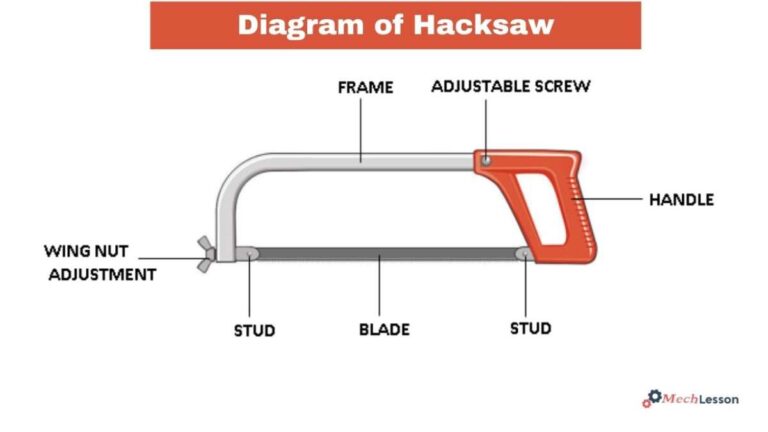
• A hacksaw with a strong frame
• A sharp blade made for metal
• A tape measure or ruler
• A permanent marker or pencil
• A bench vise or pipe clamp
• Safety glasses
• Work gloves
• A metal file or deburring tool
• Cutting oil for thick steel or stainless steel
• A wire brush for cleaning the cut
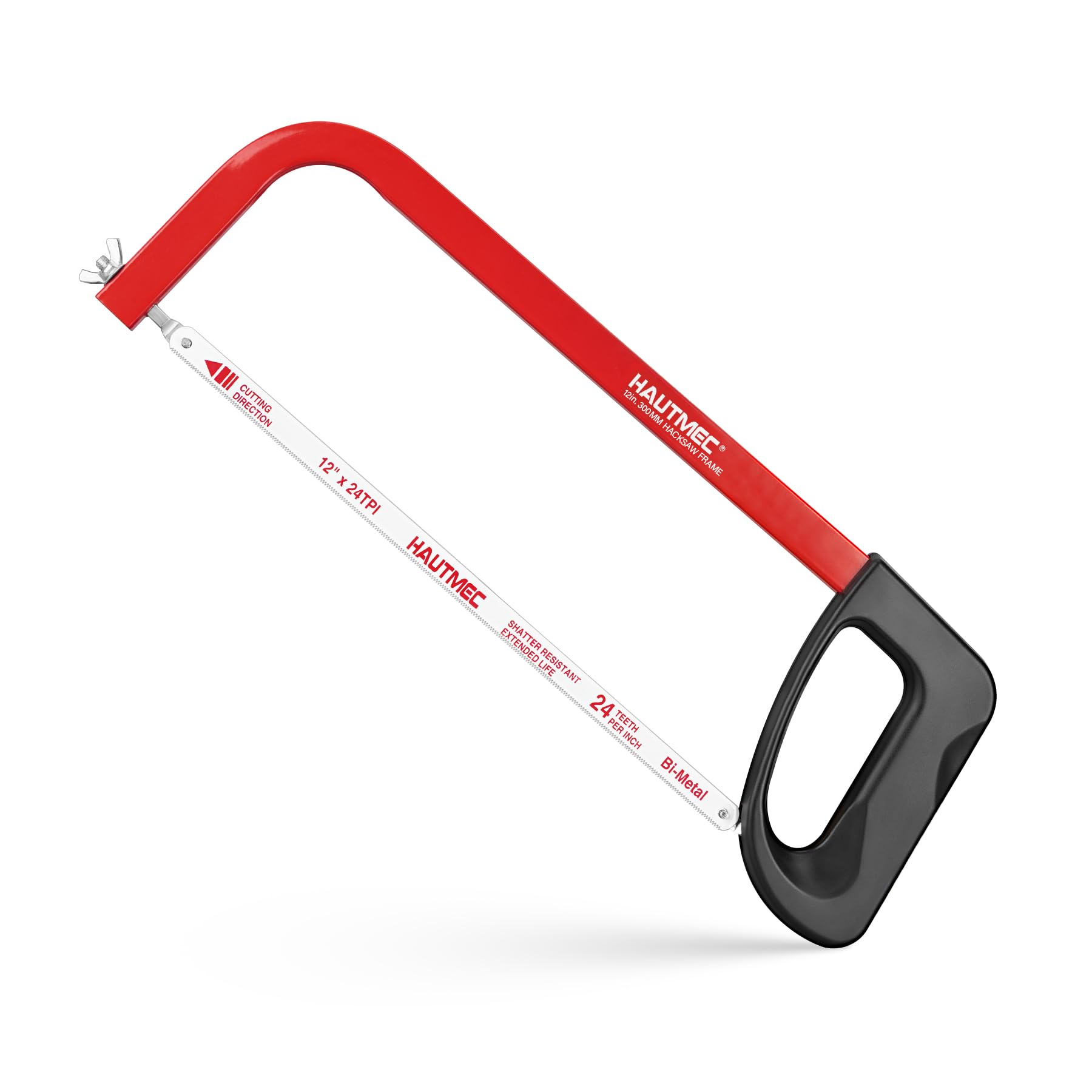
Choose a blade with the correct tooth count. Blades with 18 teeth per inch work well for thick metal. Blades with 24 teeth per inch suit most general pipe work. Fine blades with 32 teeth per inch are useful for thin-wall tubing.
A simple rule helps: at least three teeth should touch the pipe at once. If the teeth are too large for the wall thickness, the blade can catch, chatter, or break.
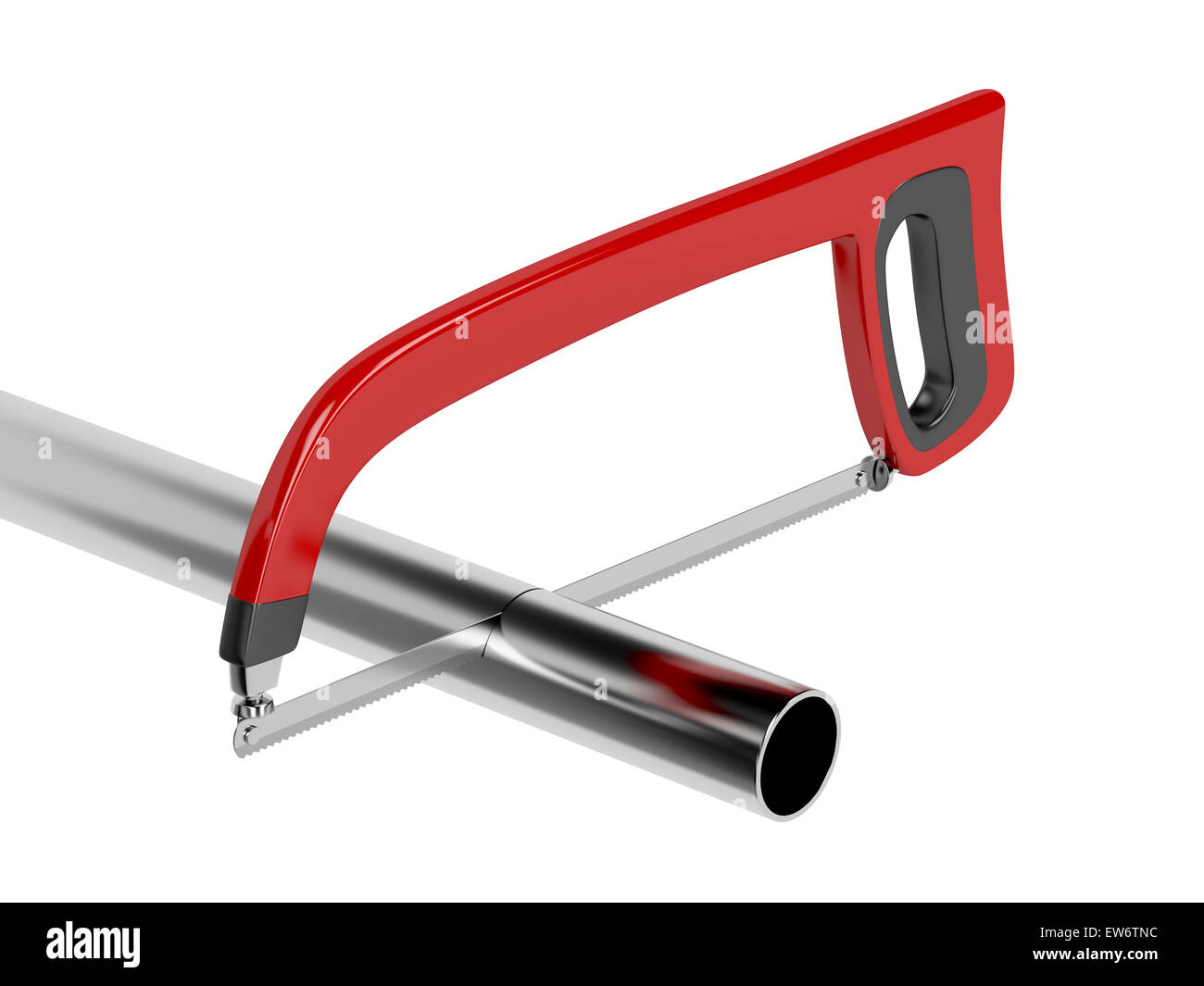
Choose the Right Hacksaw Blade
The blade matters more than many beginners expect. A dull or poorly matched blade can turn a five-minute task into a frustrating one.
For most metal pipe, use a high-carbon steel or bi-metal blade. Bi-metal blades have flexible backs and hardened teeth, so they resist breaking while cutting tough metal.
Use this guide:
• 14 to 18 TPI: Thick steel pipe and heavy tubing
• 18 to 24 TPI: General steel pipe and conduit
• 24 to 32 TPI: Thin-wall tubing, copper, and aluminum
• Variable-pitch blades: Mixed materials and reduced vibration
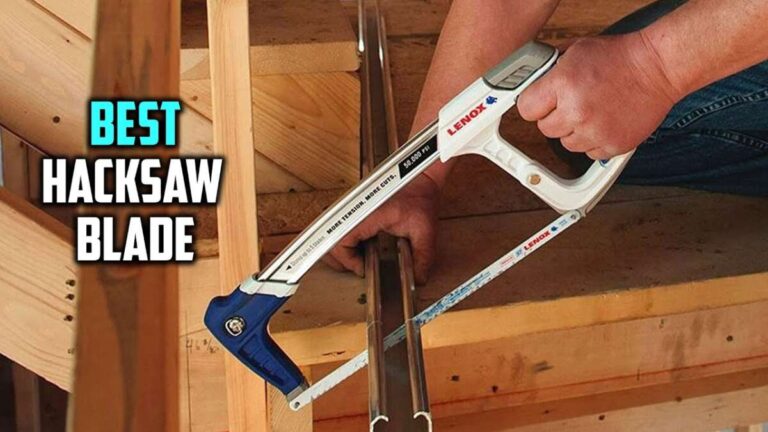
Install the blade with the teeth pointing forward, toward the front of the hacksaw. Most hacksaws cut on the forward stroke. The blade should be tight enough that it does not twist when you press it lightly from the side.
I once saw a new DIYer blame the pipe for a poor cut when the real problem was a loose blade. The blade wandered, the cut became uneven, and the pipe edge ended up looking like a tiny sawtooth pattern. A tight blade and light pressure would have solved the problem.

Prepare the Pipe Before Cutting
Safe preparation is a key part of learning how to cut metal pipe with a hacksaw. First, confirm what the pipe carries or carried. Never cut a pipe that may contain gas, fuel, steam, chemicals, pressurized water, or electrical wiring unless a qualified professional has made it safe.
Shut off and drain plumbing lines. For gas lines, contact a licensed professional. If the pipe is part of an electrical system, follow local electrical rules and confirm that the circuit is de-energized.
Next, clean the pipe. Dirt, oil, and rust can hide the mark and make the blade slip. Wipe the surface with a rag and use a wire brush if the pipe has loose rust.
Measure twice before you mark. Wrap a strip of paper around round pipe if you need a straight guide. Align the paper edges, mark around the pipe, and then check the line from every angle.
Keep these points in mind:
• Mark the exact cut location
• Add no extra length unless the project requires it
• Check for fittings, threads, bends, or damaged areas nearby
• Make sure the finished length matches the project plan
A straight mark is like a road for the blade. If the road curves, the cut will follow it.

Secure the Pipe in a Vise
A secure pipe is easier to cut and much safer. Place the pipe in a bench vise with the cut line close to the jaws. This reduces vibration and prevents the pipe from flexing.
Use soft jaw covers, wood blocks, or thick leather if you do not want vise marks. Do not crush thin-wall tubing by tightening the vise too much. It should hold the pipe firmly without flattening it.
For long pipe, support the free end with a stand, workbench, or block of wood. Unsupported pipe can twist as you cut. That movement wastes energy and may pull the blade out of alignment.
If a vise is not available, use a proper pipe clamp. Avoid holding the pipe with one hand while cutting with the other. The pipe can spin, and the blade may jump toward your hand.
Before starting, test the setup by pushing the pipe gently. If it moves, stop and secure it again.
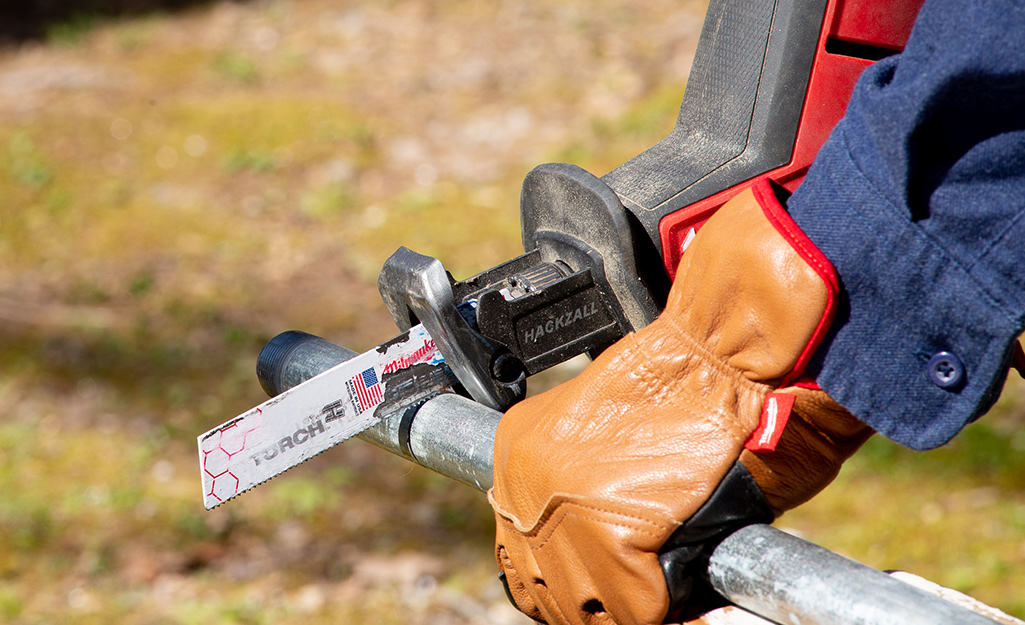
How to Cut Metal Pipe With a Hacksaw
Once the pipe is marked and secured, follow these steps. Take your time at the start because the first few strokes control the final cut.
-
Set the hacksaw blade on the mark. Hold the saw so the blade is square to the pipe.
-
Make two or three light backward strokes to create a small groove. This helps the teeth stay on the line.
-
Begin cutting with long, steady forward strokes. Use the full length of the blade when possible.
-
Apply firm but moderate pressure on the forward stroke. Release most pressure as you pull the saw back.
-
Keep the frame square. Check the angle after several strokes, especially on large pipe.
-
Use a slower rhythm for thick steel or stainless steel. Speed creates heat and can dull the blade.
-
Add a small amount of cutting oil when working with thick metal. Keep oil away from your gloves and wipe spills from the floor.
-
Stop before the final breakthrough and support both sides of the cut. The pipe may drop, pinch the blade, or break away suddenly.
-
Finish with a few light strokes. Do not force the blade through the last section.
Good cutting feels controlled. If the saw squeals, jumps, or binds, stop and inspect the blade, the angle, and the pipe support.
When you cut metal pipe with a hacksaw, you do not need brute strength. Think of the blade as a row of tiny chisels. Your job is to guide them in a straight path and let the teeth remove the metal.

How to Make a Straight Cut
A straight cut is important when pipe must fit into a coupling, compression fitting, or threaded connection. A crooked cut can create gaps, leaks, or poor alignment.
Use a wraparound guide for round pipe. A piece of stiff paper, masking tape, or a pipe-cutting guide can help. Wrap it around the pipe so the edges meet evenly. Trace the edge with a marker.
Keep your body behind the saw and use both hands. Place one hand on the hacksaw handle and the other on the front of the frame. This gives you better control and reduces twisting.
Check the cut from more than one direction. A line that looks straight from above may angle downward on the far side.
For very precise work, leave a small amount of extra metal. After the first cut, file down to the final mark. This is often easier than trying to make a perfect cut in one pass.

Finish and Deburr the Cut Edge
After you cut metal pipe with a hacksaw, the edge usually has burrs. A burr is a sharp ridge of metal left by the blade. It can cut skin, damage seals, restrict water flow, or interfere with fittings.
Use a flat metal file on the outside edge. Push the file away from your body with steady strokes. For the inside edge, use a round file, deburring tool, or reamer.
Remove these defects:
• Sharp outer ridges
• Sharp inner lips
• Loose metal chips
• Uneven high spots
For copper pipe, a standard pipe reamer works well. For steel pipe, use a suitable file or rotary deburring tool. Clean the pipe after filing so metal dust does not enter a plumbing system.
Run a clean cloth carefully around the edge. If the cloth snags, more deburring is needed. Never test sharp metal with your bare finger.
A neat finish is not only about appearance. It helps fittings seat properly and lowers the chance of cuts during installation.
Safety Tips for Cutting Metal Pipe
Metal cutting creates sharp edges, chips, noise, and sometimes heat. Basic precautions protect your eyes, hands, and workspace.
Wear safety glasses with side protection. Small metal chips can fly when a tooth breaks or when the pipe separates. Gloves help with handling the pipe, but keep them clear of the moving blade.
Follow these safety practices:
• Secure the pipe before every cut
• Keep both hands on the hacksaw when possible
• Keep fingers away from the blade path
• Wear long sleeves and sturdy shoes
• Keep the work area dry and free of clutter
• Do not use a damaged or bent blade
• Store loose blades with the teeth covered
• Remove metal chips with a brush, not bare hands
• Keep cutting oil away from ignition sources
• Wash your hands after handling oily or coated metal
Painted, galvanized, or coated pipe may create harmful dust or fumes when cut. Work in a well-ventilated area, avoid breathing dust, and follow the product safety information. Do not heat coated pipe unless you understand the risks and have proper controls.
Safety guidance from workplace authorities consistently emphasizes eye protection, secure workpieces, and control of sharp edges. These steps are simple, but they prevent many common workshop injuries.
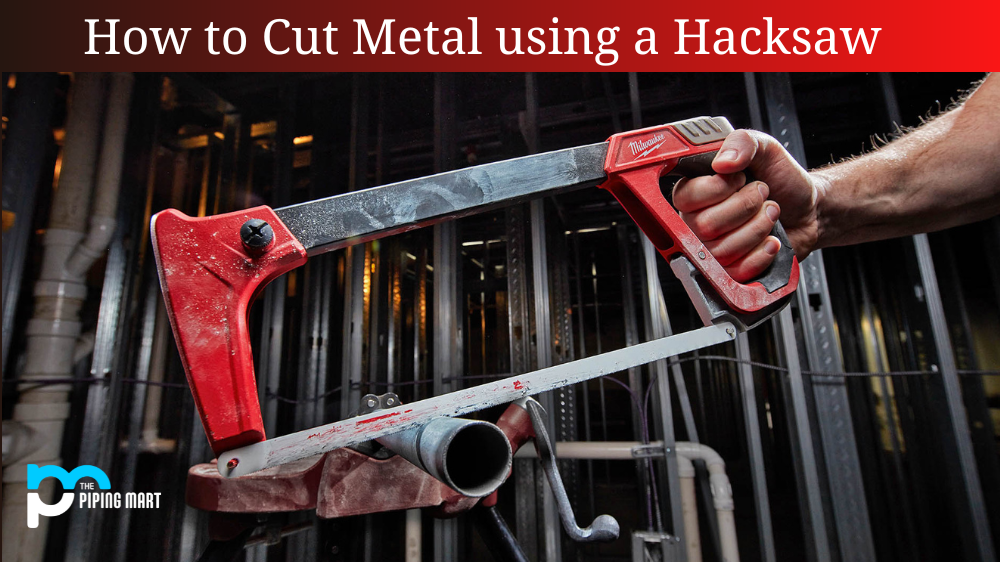
Common Mistakes to Avoid
Many problems occur because the user rushes the setup. The actual sawing is often the easiest part.
Avoid these mistakes:
• Using a wood-cutting blade: Its teeth are not designed for metal and may snag or dull quickly.
• Cutting without support: The pipe can move, bend, or spin.
• Pressing too hard: Excess pressure can break teeth and produce a crooked cut.
• Using a dull blade: A dull blade creates heat and makes the job slower.
• Starting with long strokes: The blade may slide off the mark before a groove forms.
• Ignoring the pipe contents: A closed or pressurized pipe can create a serious hazard.
• Leaving burrs: Sharp edges can cause injury or prevent a proper fitting seal.
• Cutting too close to vise jaws: The blade may hit the jaws and become damaged.
• Letting the pipe drop: The falling section can pinch the blade or damage nearby surfaces.
One lesson I learned early is to stop when the cut starts to feel wrong. Continuing through vibration or binding rarely saves time. A quick adjustment often prevents a broken blade and a much worse finish.
Hacksaw Versus Other Pipe-Cutting Tools
A hacksaw is affordable, portable, and useful for many small repair jobs. It can cut steel, copper, brass, aluminum, and some stainless steel when you use the correct blade and technique.
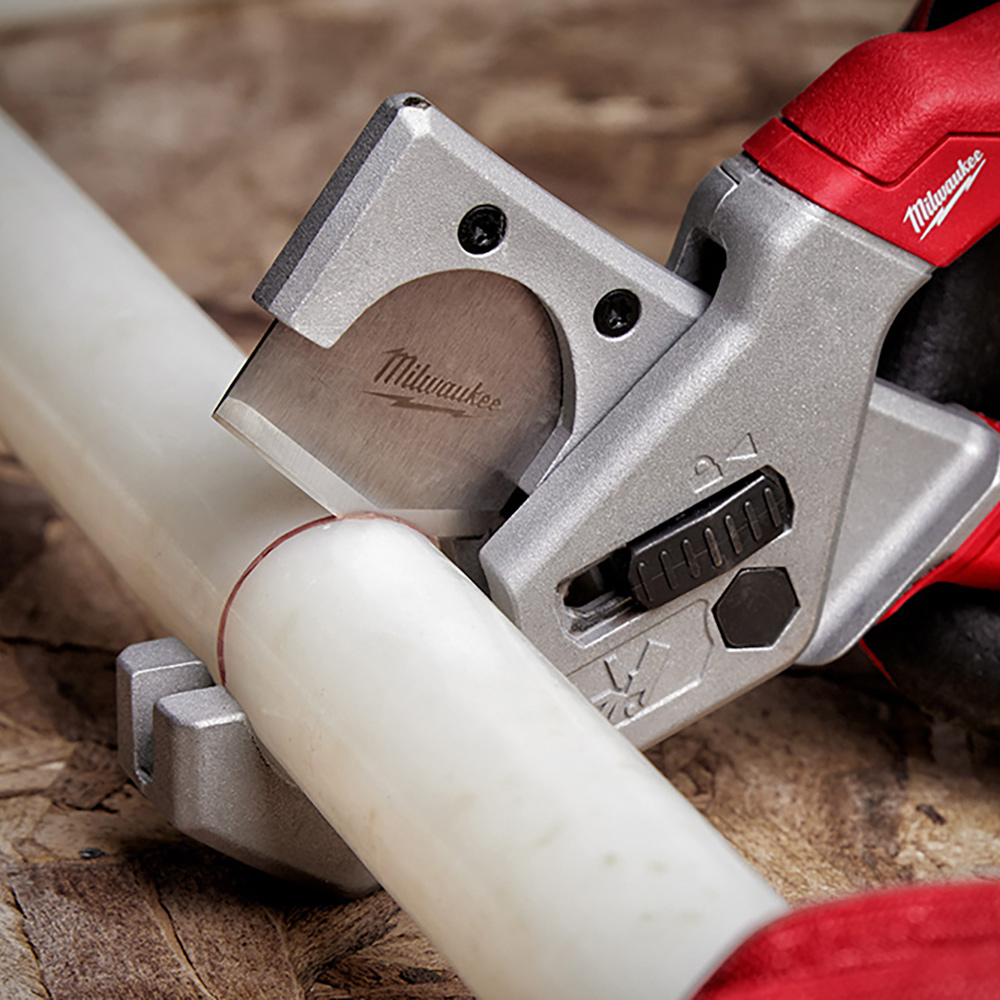
However, it is not always the best tool. A tubing cutter gives cleaner, faster results on soft copper and thin-wall tubing. A reciprocating saw can handle larger pipe, but it creates more noise, vibration, and sparks. An angle grinder cuts thick metal quickly, but it requires stronger safety controls and produces sparks and abrasive dust.
Choose a hacksaw when:
• You need a low-cost hand tool
• The pipe is in a tight space
• You need quiet cutting
• You are making one or two cuts
• Sparks are not acceptable
Choose another tool when:
• The pipe is very thick
• You need many identical cuts
• The cut must meet tight production tolerances
• The material is too hard for practical hand cutting
A hacksaw has limits. It is not a replacement for a pipe cutter, band saw, or professional metal-cutting machine in every situation.
Tips for Different Types of Metal Pipe
Different metals respond differently to a hacksaw. Adjust the blade and your cutting speed to match the material.
Steel pipe is strong and may require a 18 to 24 TPI bi-metal blade. Use steady pressure and cutting oil on thick sections.
Stainless steel work-hardens when overheated or rubbed without cutting. Use a sharp blade, firm strokes, and a slow pace. Do not repeatedly polish the same spot with light pressure.
Copper and aluminum are softer. A fine blade can produce a clean cut, but the teeth may clog with soft metal. Clean the blade if buildup affects its movement.
Galvanized pipe has a zinc coating. Avoid creating unnecessary dust, ventilate the area, and wash your hands after handling it. Deburr the cut and protect exposed steel if corrosion control matters.
Plastic-coated or insulated pipe may need a different method. Check whether the coating must remain intact and follow the manufacturer’s instructions.
How to Improve Cutting Speed and Accuracy
The best way to cut metal pipe with a hacksaw faster is to improve control, not to push harder. A sharp blade, firm support, and correct tooth count do most of the work.
Use these practical improvements:
• Mark the pipe with a visible, narrow line
• Start with short strokes until the groove is stable
• Keep the blade at 90 degrees to the pipe
• Use the full blade length
• Match your stroke speed to the metal
• Clear chips from the cut when needed
• Replace the blade when it becomes dull
• File the edge instead of forcing a perfect final stroke
For repeated cuts, make a simple guide from scrap wood or use a commercial pipe-cutting jig. This keeps each cut consistent and reduces measuring errors.
Remember that hand tools reward patience. A calm, even rhythm is usually more effective than fast, aggressive movement.
Frequently Asked Questions About How to Cut Metal Pipe With a Hacksaw
Can a hacksaw cut through steel pipe?
Yes, a hacksaw can cut steel pipe when fitted with a sharp bi-metal blade. Use a suitable tooth count, secure the pipe firmly, and cut with steady strokes.
What hacksaw blade is best for metal pipe?
A blade between 18 and 24 teeth per inch works well for many steel pipes. Use 24 to 32 TPI for thin-wall tubing and a coarser blade for thick metal.
Should the hacksaw blade face forward or backward?
The teeth should normally face forward, toward the front of the hacksaw. Most hacksaws cut on the forward stroke, so the blade should be tight and correctly aligned.
How do you cut metal pipe without a vise?
Use a strong pipe clamp or another approved work-holding tool. Do not hold the pipe in one hand while sawing because it can spin and cause the blade to slip.
How do you prevent a crooked hacksaw cut?
Mark the pipe clearly, start with short light strokes, and keep the blade square to the pipe. Checking the blade angle often is easier than correcting a crooked cut later.
How do you remove burrs from cut metal pipe?
Use a flat file on the outside and a round file, reamer, or deburring tool inside. Brush away the chips and check that no sharp ridge remains.
Can you cut galvanized pipe with a hacksaw?
Yes, but work in a well-ventilated area and avoid breathing dust from the coating. Wear eye protection, clean the cut, and follow safe handling guidance for the material.
Conclusion
To cut metal pipe with a hacksaw safely, choose the right metal blade, mark the pipe carefully, secure it in a vise, and use slow, controlled strokes. Support the pipe, protect your eyes and hands, and always deburr the finished edge.
The process becomes much easier with practice. Start with a scrap piece, check your blade angle, and focus on a smooth rhythm rather than force. Use these steps on your next repair, and explore more practical tool guides to build your workshop skills.
Recent Tool Guides
 Hammer
How To Hammer Flowers Onto Paper: Easy Guide
Learn how to hammer flowers onto paper with simple steps, helpful tips, and beautiful results for...
Read Guide → Wrench
How To Use A Hex Wrench: Easy Step-By-Step Guide
Learn how to use a hex wrench correctly with simple steps, helpful tips, and common mistakes...
Read Guide → Hacksaw
How To Cut Curtain Pole With Hacksaw: Easy Guide
Learn how to cut curtain pole with hacksaw safely and neatly. Follow simple steps for accurate...
Read Guide → Wrench
How To Use A Husky Torque Wrench: Easy Guide
Learn how to use a Husky torque wrench correctly with simple steps, torque settings, and safety...
Read Guide → Hammer
How To Hold A Hammer: Safe Grip Guide
Learn how to hold a hammer with the right grip, stance, and technique for safer, more...
Read Guide → Hacksaw
How To Cut Flexible Metal Conduit With Hacksaw: Easy Guide
Learn how to cut flexible metal conduit with hacksaw safely and cleanly. Follow simple steps for...
Read Guide →