How To Use Rug Doctor Hand Tool: Easy Cleaning Guide
Use the Rug Doctor hand tool by spraying lightly, scrubbing slowly, and extracting dirty water in steady passes.
The Rug Doctor hand tool is made for stairs, upholstery, car interiors, pet spots, and other areas a full-size carpet cleaner cannot reach. I have used this attachment on many small and large messes, and the key lesson is simple: use less water than you think, move slowly, and give the fabric enough time to dry. This guide explains how to use the Rug Doctor hand tool safely, cleanly, and with better results.
What Is the Rug Doctor Hand Tool?
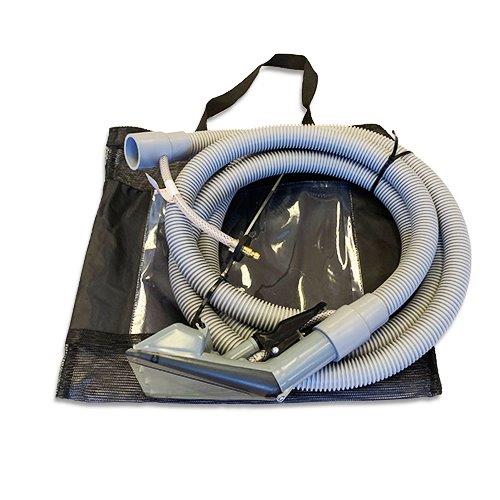
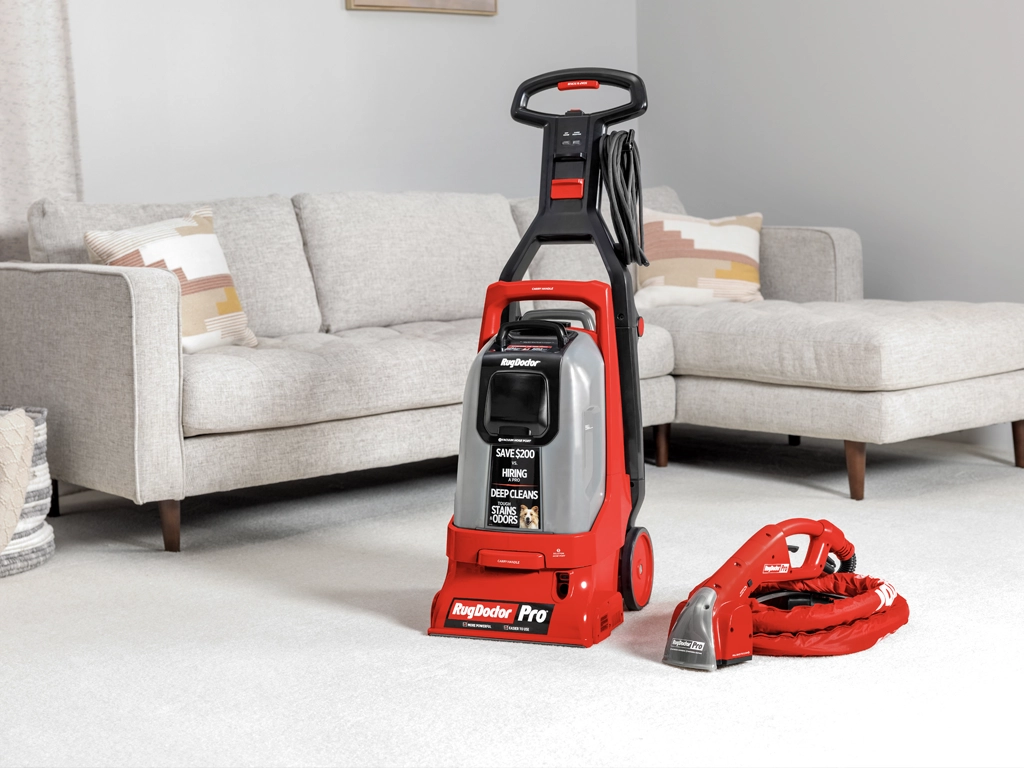
The Rug Doctor hand tool is a small upholstery and spot-cleaning attachment that connects to a Rug Doctor carpet cleaning machine. It combines three actions: spraying cleaning solution, brushing the surface, and suctioning dirty water into the machine’s recovery tank.
You can use it on many water-safe surfaces, including:
• Carpeted stairs
• Upholstered sofas and chairs
• Car seats and floor mats
• Rugs with small stained areas
• Pet accidents
• Fabric dining chairs
• Mattress spots, when the care label allows wet cleaning
The tool is not a magic wand. It cannot remove every stain, and it may not be safe for delicate fabrics such as silk, velvet, leather, or fabrics marked “dry clean only.” Always check the care label and test a hidden spot first.
What You Need Before Using the Rug Doctor Hand Tool
Good preparation makes the cleaning process faster and helps prevent water damage. Before you connect the Rug Doctor hand tool, gather the right supplies and inspect the surface.
You will need:
• A Rug Doctor machine with a working hose connection
• The Rug Doctor hand tool
• Rug Doctor cleaning solution approved for your machine
• Warm water, based on the machine’s instructions
• A vacuum cleaner
• White towels or clean microfiber cloths
• A small bucket for rinsing the tool
• A fan or open window to improve drying
Do not mix cleaning products unless the product label clearly allows it. Bleach, dish soap, ammonia, and strong household cleaners can damage fabric, create excess foam, or leave a sticky residue.
Before cleaning, remove coins, toys, hair clips, and other objects. Vacuum slowly to lift loose dirt. Dry debris is much easier to remove before it becomes wet mud.

How to Connect the Rug Doctor Hand Tool
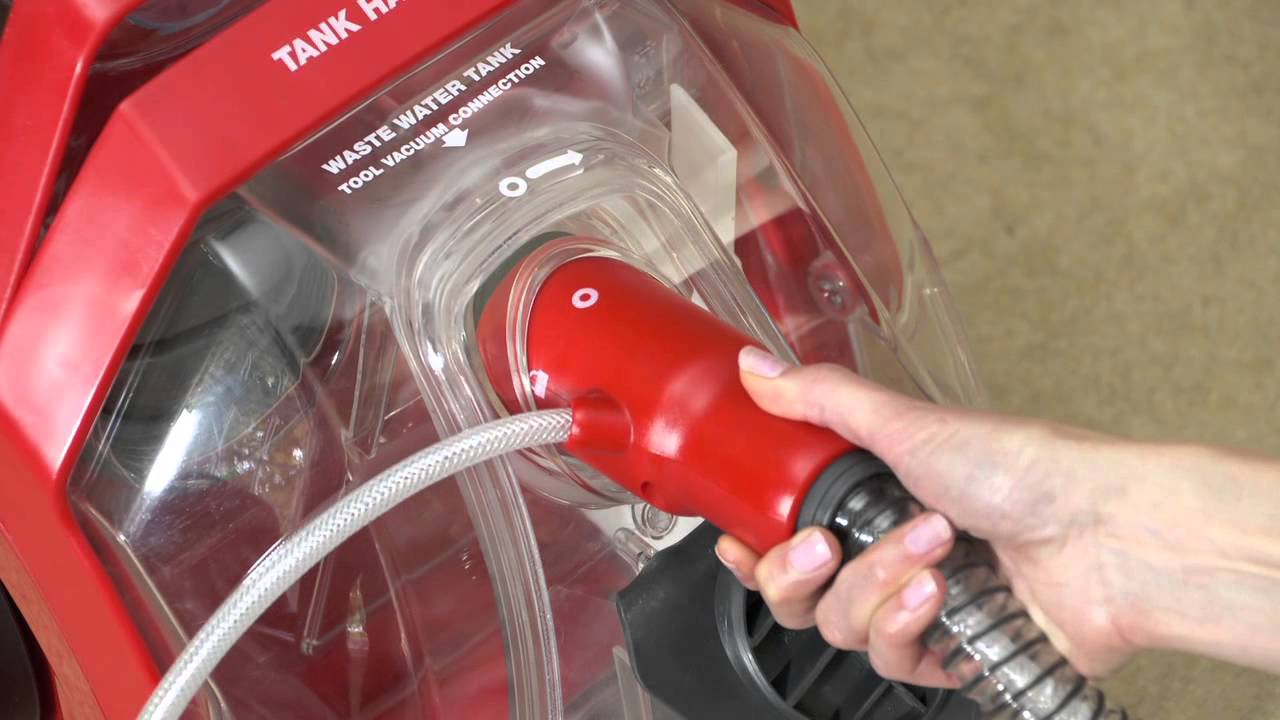
The exact connector can vary by Rug Doctor model, but most machines use a vacuum hose and a solution hose. Both must be fitted correctly for the hand tool to spray and extract.
Follow these steps:
- Turn off and unplug the Rug Doctor machine.
- Fill the clean-water tank with the correct amount of warm water.
- Add the recommended Rug Doctor cleaning formula.
- Attach the vacuum hose to the recovery or vacuum port.
- Attach the solution hose to the solution connection.
- Push each connection firmly into place.
- Attach the hand tool to the end of the hose.
- Check that the tool sits securely and does not wobble.
- Plug in the machine.
- Turn it on and test the spray over a towel or hidden area.
If the hand tool does not spray, turn the machine off before checking the connection. A loose solution line, blocked spray tip, or empty solution tank is often the cause.
Never pull the machine by the hose. This can loosen the fitting or damage the hose.
How to Use the Rug Doctor Hand Tool Step by Step
Learning how to use the Rug Doctor hand tool is mostly about controlling moisture. The tool works best when you clean small areas and make slow extraction passes.
Step 1: Test the Fabric
Choose a hidden area, such as the back of a cushion or the underside of a stair edge. Spray a small amount of solution, extract it, and wait until the area dries.
Check for:
• Color bleeding
• Fading
• Shrinking
• Texture changes
• Water marks
• Fabric damage
If you notice a change, stop and use a professional cleaning service.
Step 2: Spray a Light Amount of Solution
Hold the hand tool slightly above the surface or place it gently against the fabric, depending on the model. Press the spray trigger for a short burst.
Avoid soaking the material. A damp surface is usually enough. Too much water can cause long drying times, odor, mildew, or damage to the padding below.
Step 3: Agitate the Soil
Move the hand tool over the wet area with short, gentle strokes. Let the brush loosen the soil rather than pressing hard.
For a stain, work from the outside toward the center. This reduces the chance of spreading the mark into a larger ring.
Step 4: Extract the Dirty Water
Release the spray trigger. Then pull the hand tool slowly toward you while keeping the suction opening flat against the surface.
Make several slow passes without spraying. These dry passes remove leftover water and dirty solution. Think of this step like squeezing water from a sponge without twisting the fabric.
Step 5: Overlap Each Pass
Clean in small sections, about 12 inches wide. Overlap each pass slightly so you do not leave stripes or missed areas.
For heavily soiled fabric, repeat the process once. Avoid repeated wet cleaning if the area is already very damp.
Step 6: Blot and Dry the Area
Use a clean white towel to blot excess moisture. Then place a fan near the cleaned surface and improve air flow.
Most upholstery should dry fully before use. Do not sit on a damp sofa or replace a wet cushion cover, because pressure can trap moisture and create marks.

How to Clean Stairs With the Rug Doctor Hand Tool
The hand tool is often easier to control on stairs than the wide cleaning head. It can reach narrow treads, risers, edges, and corners.
Start at the top of the staircase and work downward. This keeps you from stepping on wet areas.
Use this method:
- Vacuum each stair, including the corners.
- Test the carpet in a hidden area.
- Clean one stair at a time.
- Spray a small amount of solution.
- Brush the carpet gently.
- Make slow extraction passes.
- Blot extra moisture with a towel.
- Leave the stairs open until fully dry.
Do not place the Rug Doctor machine on the stairs unless the model is designed for that use. Keep the machine on a stable, level floor and use only the hose and hand tool on the staircase.
Pay special attention to stair edges. Dirt often collects there, but too much water can run beneath the carpet or into the wood structure.

How to Clean Upholstery With the Rug Doctor Hand Tool
Upholstery requires more care than most carpet because fabric, foam, wood, and metal may sit close together. Before using the Rug Doctor hand tool on a sofa or chair, read the cleaning code on the furniture label.
Common upholstery codes include:
• W: Water-based cleaning may be suitable.
• S: Use a solvent-based cleaner only.
• WS or SW: Water-based or solvent cleaning may be allowed.
• X: Vacuum only or use a qualified professional.
A “W” code does not guarantee that every wet-cleaning machine is safe. Furniture construction and fabric age also matter.
Remove cushions when possible and clean one small section at a time. Do not flood seams, buttons, zippers, or areas where fabric meets wood. These spots can hold water and dry slowly.
For a sofa cushion, clean both the top and the sides only if the care label allows it. Stand the cushion upright after cleaning so air can reach both sides.
How to Remove Common Stains
The Rug Doctor hand tool can improve the appearance of many stains, but results depend on the type of spill, the fabric, and how long the stain has been present.
Pet Stains
Remove solid waste first and blot fresh liquid with towels. Clean slowly and extract thoroughly.
Pet urine may soak into padding or carpet backing. Surface cleaning may remove the visible mark but not the odor source. Enzyme treatment or professional odor control may be needed.
Coffee and Tea
Blot fresh spills instead of rubbing them. Use a light spray, gentle agitation, and several extraction passes.
Old coffee marks may need more than one treatment. Do not keep adding solution if the area becomes saturated.
Grease and Oil
Water-based carpet cleaning alone may not remove heavy grease. Use a fabric-safe pre-treatment that matches the surface and follow its label.
Test the product first. Some pre-sprays can lighten dyes or leave residue.
Mud
Allow heavy mud to dry when possible, then vacuum it away. Wet mud can spread quickly when scrubbed.
Clean from the outer edge toward the center. Use slow suction passes after each light spray.
Ink and Dye
Ink and dye are difficult stains. Rubbing can spread them and push color deeper into the fibers.
A professional cleaner may be the safest choice, especially for expensive upholstery, wool rugs, or light-colored fabric.

Common Mistakes to Avoid
Many poor cleaning results come from technique rather than the machine. Avoid these common mistakes when learning how to use the Rug Doctor hand tool.
• Using too much solution: Excess water can soak padding and cause odors.
• Moving too fast: Fast passes leave dirty water behind.
• Skipping the dry passes: Suction without spraying is essential for drying.
• Scrubbing too hard: Aggressive brushing can fuzz carpet or damage upholstery.
• Ignoring the care label: Some fabrics should never receive water.
• Cleaning without vacuuming: Loose dirt can turn into muddy residue.
• Using the wrong formula: Unapproved products may foam or damage the machine.
• Cleaning a large area at once: Small sections are easier to control.
• Walking on wet carpet: Foot traffic can flatten fibers and leave marks.
• Leaving dirty water in the machine: This can cause odors and bacterial growth.
One mistake I learned early was focusing too much on stain removal and not enough on drying. A spot may look clean at first, but trapped moisture can create a new odor later. Extraction and air flow are just as important as the cleaning solution.

How to Get Better Cleaning Results
Small changes can make the Rug Doctor hand tool more effective. These tips are useful for carpet, stairs, upholstery, and car interiors.
Vacuum Slowly
Move the vacuum in several directions. Dirt often sits deep between fibers, especially near doorways and under furniture.
Use Cool or Warm Water as Directed
Follow the machine manual rather than guessing. Very hot water may damage some materials and can set certain stains.
Treat Stains Early
Fresh spills are usually easier to remove than old stains. Blot first, then use the hand tool when the surface is suitable for wet cleaning.
Use White Towels
Colored towels can transfer dye to wet fabric. White cotton towels make it easier to see what soil you are removing.
Clean in Good Light
Bright light helps you see missed areas, overspray, and water marks. Natural light is useful, but avoid direct heat on damp upholstery.
Let the Area Dry Fully
Use fans, open windows, and space between cushions. Avoid high heat from hair dryers, which can damage some fibers or set stains.
Rinse the Tool
Run clean water through the solution line if the machine instructions allow it. Wipe the nozzle and brush after each use.

How to Clean and Store the Hand Tool
Cleaning the attachment after use protects the machine and prevents old dirt from returning to your fabric.
After cleaning:
- Turn off and unplug the Rug Doctor machine.
- Empty the dirty-water tank.
- Disconnect the hand tool and hoses.
- Rinse the tool with clean water.
- Remove hair and fibers from the brush.
- Wipe the spray tip.
- Check the hose for trapped debris.
- Allow all parts to air-dry.
- Store the tool in a dry place.
- Keep cleaning solution sealed and away from children and pets.
Do not store the hand tool while it is wet inside a closed container. Moisture trapped in the tool or hose can create a musty smell.
If the spray becomes weak, inspect the nozzle and solution line. If suction drops, check the recovery tank, hose, lid seal, and filter according to your machine’s instructions.
Is the Rug Doctor Hand Tool Safe for Cars?
The Rug Doctor hand tool can be useful for fabric car seats, carpets, and floor mats if those materials are water-safe. It is not suitable for leather, vinyl, electronics, or areas where water can reach wiring.
Remove floor mats before cleaning when possible. Keep doors open for ventilation and use only a small amount of solution.
Car upholstery can take a long time to dry, especially in cool or humid weather. Use towels and fans, and do not close the vehicle until the interior is dry.
For heated seats, airbag areas, and complex vehicle interiors, follow the vehicle manufacturer’s instructions. Professional detailing may be safer than wet extraction.
Rug Doctor Hand Tool Troubleshooting
The Hand Tool Does Not Spray
Check that the clean-water tank contains solution and that the solution hose is connected. A blocked spray tip may also restrict flow.
Turn the machine off before removing a blockage. Never insert a sharp object deep into the nozzle.
The Hand Tool Has Weak Suction
Empty the recovery tank if it is full. Then check that the lid is seated correctly and that the vacuum hose has no kink.
A loose connection can also reduce suction. Push the hose firmly into the port and test the tool again.
The Surface Is Too Wet
Stop spraying and make several slow extraction passes. Blot the area with clean towels and increase air flow.
If the surface remains wet for many hours, remove cushions when possible and position fans on both sides.
The Machine Makes Excess Foam
Too much cleaner or the wrong product may cause foam. Empty and rinse the recovery tank, then follow the machine’s cleaning instructions.
Do not add random anti-foam products unless the manufacturer approves them.
The Stain Comes Back
A returning stain may be caused by residue, deep contamination, or wicking from the backing. Blot the area, allow it to dry, and reassess before cleaning again.
Repeated wet cleaning can make the problem worse. Seek professional help when the stain returns after careful extraction.
When to Hire a Professional Cleaner
The Rug Doctor hand tool is useful for routine spots, but some jobs need professional equipment and experience.
Consider professional cleaning when:
• The fabric is marked “S” or “X.”
• The item is antique, valuable, or handmade.
• Water has caused visible rings or dye bleeding.
• Pet urine has soaked into padding.
• Mold or mildew is present.
• The stain covers a large area.
• The fabric is silk, velvet, leather, or delicate wool.
• The material has already shrunk or changed texture.
Professional cleaners can identify fiber types, choose safer products, and use stronger extraction systems. The extra cost may protect a sofa, rug, or carpet that would be expensive to replace.
Frequently Asked Questions About How to Use the Rug Doctor Hand Tool
How do you use the Rug Doctor hand tool?
Connect the vacuum and solution hoses, test the fabric, spray a light amount of solution, agitate gently, and extract with slow passes. Finish with extra dry passes and allow the area to dry fully.
Can you use the Rug Doctor hand tool on a couch?
You can use it on upholstery marked W or WS when the fabric passes a hidden-spot test. Avoid soaking seams and do not use it on fabrics labeled S, X, or dry clean only.
How much cleaning solution should you use?
Use the amount listed in the Rug Doctor machine or solution instructions. More solution does not always mean better cleaning and may leave residue or make the fabric too wet.
How long does upholstery take to dry after using the hand tool?
Drying time depends on fabric, humidity, air flow, and how much water was used. Many areas need several hours, while thick cushions may need longer.
Can the Rug Doctor hand tool remove pet urine?
It may remove surface soil and some odor, but urine that reaches padding may require enzyme treatment or professional cleaning. Extract the area well and never mix cleaning chemicals.
Why is my Rug Doctor hand tool not suctioning?
Check the recovery tank, lid, vacuum hose, and connections. A full tank, kinked hose, loose seal, or blocked tool can reduce suction.
Can you use the hand tool on car seats?
It can be used on water-safe fabric seats and carpets, but avoid leather, vinyl, electronics, and heated-seat areas. Use very little moisture and provide strong air flow during drying.
Conclusion
Using the Rug Doctor hand tool successfully comes down to four habits: test the material, spray lightly, extract slowly, and dry completely. The attachment is excellent for stairs, upholstery, car fabric, pet spots, and tight areas, but it has limits with delicate fabrics and deep damage.
Start with a small section and watch how the material reacts. With careful preparation and steady passes, you can refresh many surfaces without oversaturating them. Try these steps on your next small cleaning job, and share your results or questions with other readers.
Recent Tool Guides
 Hammer
How To Hammer Flowers Onto Paper: Easy Guide
Learn how to hammer flowers onto paper with simple steps, helpful tips, and beautiful results for...
Read Guide → Wrench
How To Use A Hex Wrench: Easy Step-By-Step Guide
Learn how to use a hex wrench correctly with simple steps, helpful tips, and common mistakes...
Read Guide → Hacksaw
How To Cut Curtain Pole With Hacksaw: Easy Guide
Learn how to cut curtain pole with hacksaw safely and neatly. Follow simple steps for accurate...
Read Guide → Wrench
How To Use A Husky Torque Wrench: Easy Guide
Learn how to use a Husky torque wrench correctly with simple steps, torque settings, and safety...
Read Guide → Hammer
How To Hold A Hammer: Safe Grip Guide
Learn how to hold a hammer with the right grip, stance, and technique for safer, more...
Read Guide → Hacksaw
How To Cut Flexible Metal Conduit With Hacksaw: Easy Guide
Learn how to cut flexible metal conduit with hacksaw safely and cleanly. Follow simple steps for...
Read Guide →