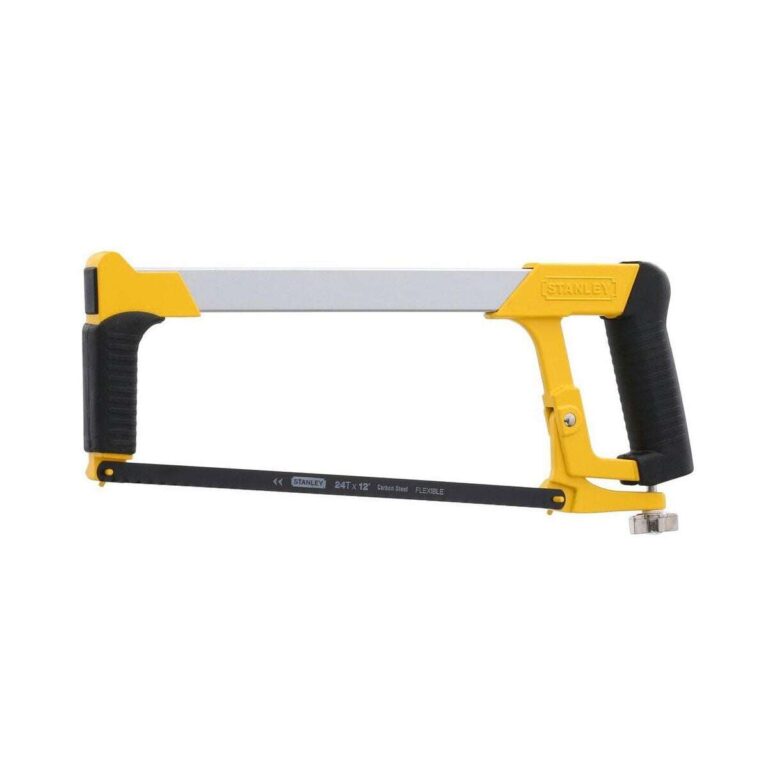
How Often Should I Replace A Hacksaw Blade: Quick Guide
For most DIYers in the United States, replace a hacksaw blade when it becomes dull, damaged, or slow—not after a fixed number of days or projects. A quality blade may last through several small cuts, while a blade used on thick steel, stainless steel, or hardened material may wear out much sooner.
The best rule is simple: if the blade needs heavy pressure, binds in the cut, cuts crookedly, or has missing teeth, install a new blade. A fresh blade is often safer, faster, and cheaper than forcing a worn one through metal.

The Short Answer: Replace the Blade When It Stops Cutting Well
A hacksaw blade does not have a universal replacement schedule. Blade life depends on the material, thickness, blade quality, tooth count, cutting pressure, lubrication, and how often you use the saw.
Replace the blade if you notice one or more of these signs:
- The teeth look rounded instead of sharp.
- Several teeth are missing, bent, or chipped.
- The blade takes much longer to cut through the same material.
- You must push hard to make progress.
- The blade binds, jumps, or catches in the cut.
- The cut drifts away from your marked line.
- The blade flexes more than it did when new.
- The blade has rust, cracks, kinks, or other damage.
- The saw produces more heat than usual.
- The blade makes a harsh scraping sound instead of a steady cutting sound.
Do not wait for every tooth to become dull. One damaged section can make the blade unstable and increase the chance of a broken blade or a ruined workpiece.

How Long Does a Hacksaw Blade Usually Last?
A hacksaw blade can last anywhere from one difficult cut to many small cuts. There is no reliable hour-based or cut-based lifespan because the work can vary so much.
For example, cutting thin-wall aluminum tubing places less stress on a blade than cutting thick carbon steel. Cutting one piece of stainless steel may also wear a blade faster than cutting several pieces of mild steel.
| Use case | Expected blade life | Main reason |
|---|---|---|
| Thin plastic or soft aluminum | Many cuts | The material is relatively easy to cut |
| Small mild-steel rod or tubing | Several to many cuts | Moderate tooth wear |
| Thick steel bar or plate | Few cuts to several cuts | High load and heat |
| Stainless steel | Often shorter than mild steel | Tough material can work-harden |
| Hardened steel or tool steel | Very short or unsuitable | A standard hacksaw blade may not be the right tool |
| Dirty, painted, rusty, or abrasive material | Reduced life | Coating and grit wear the teeth |
| Wood or the wrong material | Rapid damage | Hacksaw blades are designed mainly for metal and selected plastics |
These ranges are practical estimates, not a guarantee. The condition of the teeth matters more than the number of cuts.
A blade that makes ten clean cuts may be in better shape than one that makes two cuts through hard steel. Treat the cut, not the calendar, as the measure of blade life.

The Main Signs Your Hacksaw Blade Is Worn Out
1. The cut becomes slow
A dull blade removes less material with each stroke. You may find yourself making more strokes while the cut advances only a small amount.
Some slowdown can come from a poor blade choice or a loose frame. Check those issues first, but replace the blade if the setup is correct and cutting remains slow.
2. You need more force
A sharp blade should cut with steady, moderate pressure. If you have to lean heavily on the saw, the blade may be dull.
Excess pressure can bend the blade, damage the teeth, and cause the saw to jump. It also makes it harder to control the cut.
3. The blade binds or grabs
Binding means the blade becomes stuck or pinched in the cut. This may happen because the cut is closing, the blade is bent, the teeth are damaged, or the blade is too fine for the material.
A worn blade can also rub instead of cut. Stop and inspect it rather than pulling harder.
4. The cut wanders
A blade with uneven or damaged teeth may pull to one side. A loose frame or poor work support can cause the same problem.
If tightening the frame and securing the work do not correct the issue, change the blade.
5. Teeth are missing or bent
Missing teeth are a clear reason to replace a hacksaw blade. Do not try to “use up” a blade with a damaged tooth pattern.
A missing tooth can make the nearby teeth carry more load. That can lead to more tooth loss or a sudden break.
6. The blade is rusty, cracked, or kinked
Surface discoloration alone may not ruin a blade, but deep rust can weaken it. Never use a blade with a crack, sharp notch, severe bend, or kink.
A damaged blade can break under tension and send sharp pieces toward the user.

How to Check a Hacksaw Blade Before Replacing It
Use this quick inspection before each major job and whenever cutting feels different.
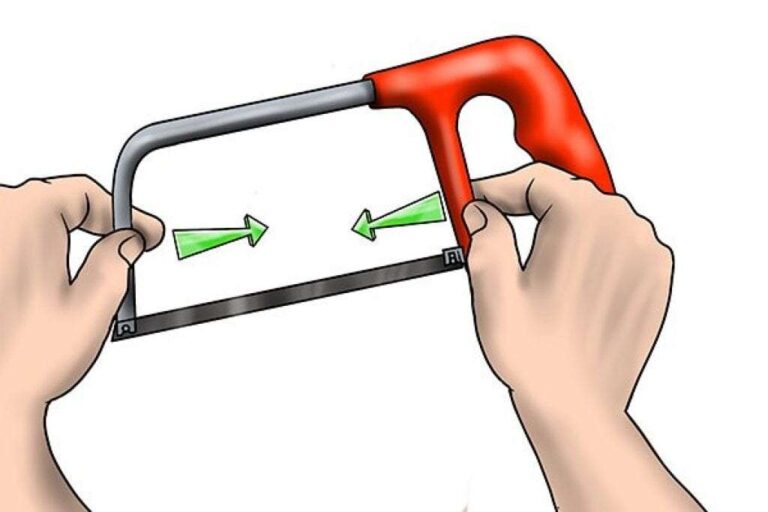
- Release the frame tension. Do not inspect a highly tensioned blade by bending or twisting it.
- Look along the teeth. Check for missing, rounded, chipped, or uneven teeth.
- Inspect the sides. Look for cracks, deep rust, bends, and kinks.
- Check the blade fit. Make sure the holes sit correctly on the frame pins.
- Check the tension. A loose blade may wander. An over-tightened blade may break.
- Review the material. Make sure the blade is suitable for the work.
- Replace it if there is doubt. Blades are inexpensive compared with damaged material or an injury.
Do not run your finger along the teeth to test sharpness. Look at the blade and use the way it cuts as the test.
A blade may look acceptable but still be dull. If the cut is slow and the setup is sound, replacement is the sensible choice.

Choose the Right Blade So It Lasts Longer
The correct tooth count helps prevent early wear. Hacksaw blades are commonly sold by teeth per inch, or TPI.
Use these general guidelines:
- 14 TPI: Thick metal and large stock.
- 18 TPI: Medium-thickness steel and general-purpose work.
- 24 TPI: Thin-wall tubing, sheet metal, and lighter stock.
- 32 TPI: Very thin metal and small parts.
The blade should have at least two or three teeth in the material at one time. If the teeth are too coarse, they can catch and break. If the teeth are too fine, the blade can clog, rub, and cut slowly.
For thin sheet metal, a fine blade usually works better. For thick bar stock, a coarser blade gives each tooth more room to clear material.
Use a blade made for the material when possible. Bi-metal blades are often more resistant to tooth breakage than basic carbon-steel blades, but the right choice still depends on the job.

How to Make a Hacksaw Blade Last Longer
A few simple habits can extend blade life without making the work harder.
Secure the material
Clamp the work firmly. Vibration can damage teeth and produce a rough, wandering cut.
Support long pieces close to the cut. A free piece can move and pinch the blade.
Use steady strokes
Keep the blade aligned with the cut. Use long, controlled strokes where the frame allows it. Avoid short, frantic strokes that heat the blade and wear only a small section of teeth.
Let the teeth do the cutting. Heavy force does not make a dull blade sharp.
Start the cut carefully
Begin with light pressure. Once a groove forms, increase pressure slightly while keeping the blade straight.
Starting at an angle or forcing the blade sideways can chip the first teeth.
Use cutting fluid when suitable
A small amount of suitable cutting oil can reduce heat and friction when cutting many metals. Do not use oil where it creates a handling, contamination, or fire hazard.
Follow the product label and workplace rules. For a small home repair, clean cutting technique may be enough.
Use a fresh section of teeth
If your hacksaw frame permits it, vary the cutting position when practical. This prevents one short section of teeth from taking all the wear.
Do not reuse a blade in a way that places a damaged area in the cut.
Store blades properly
Keep replacement blades dry and flat. Protect the teeth from impacts and avoid storing them loose in a drawer where they can bend or rust.

Should You Replace a Hacksaw Blade After One Difficult Cut?
Replace it after one cut if the cut was through very hard, thick, or abrasive material and the blade now shows wear or damage. Do not replace it merely because the material was difficult.
Inspect the teeth and test the blade on a safe, similar piece of scrap. If it cuts smoothly with normal pressure, it may still be usable.
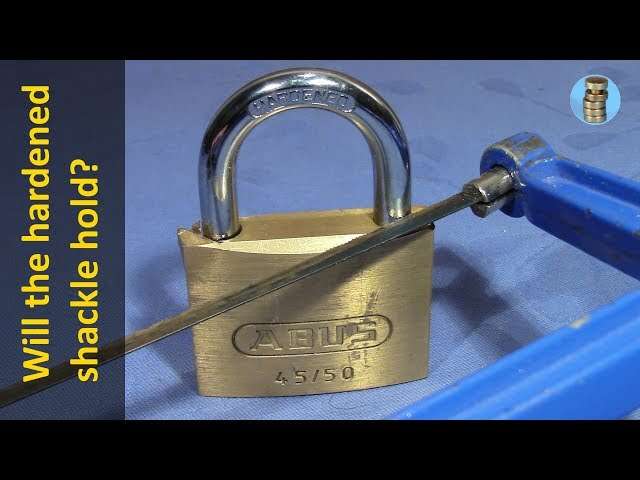
A single cut through hardened steel can make a standard blade unsuitable for further work. In that situation, the bigger issue may be tool choice. A reciprocating saw, abrasive cutoff wheel, band saw, or specialized blade may be more appropriate, depending on the material and your safety setup.
Never use a standard hacksaw blade to cut a material that the blade maker excludes. Check the package or manufacturer instructions when working with unusual alloys, hardened parts, or coated materials.

Can You Sharpen a Hacksaw Blade?
In normal home or shop use, you should replace a dull hacksaw blade rather than sharpen it.
Hacksaw blades have small, hardened teeth with a precise tooth shape and set. Filing them by hand is difficult and may remove the set that allows the blade to clear the cut. A filed tooth pattern may cut poorly and fail sooner.
Some large hand saws can be sharpened, but that does not generally apply to common replaceable hacksaw blades. Replacement is usually the safer and more practical option.

Common Mistakes That Shorten Blade Life
Using the wrong TPI
A fine blade on thick metal can clog and rub. A coarse blade on thin sheet can snag and tear the work.
Cutting without clamping the work
Movement transfers shock to the teeth. It also makes the cut less accurate.
Applying too much pressure
Force can bend the blade and break teeth. If the saw is not advancing, inspect the blade and material instead of pushing harder.
Running the blade backward
Most hacksaw blades are designed to cut on the push stroke, with the teeth facing forward. Install the blade according to the frame and blade instructions.
Reusing a visibly damaged blade
A cheap blade is not worth the risk of a broken, tensioned piece of metal.
Ignoring frame tension
A loose blade may twist and wander. Excessive tension can cause premature breakage. Tighten the frame until the blade is secure and straight, then follow the frame maker’s instructions.

Hacksaw Blade Replacement and Safety
Wear safety glasses when cutting metal. Small chips and broken teeth can become airborne.
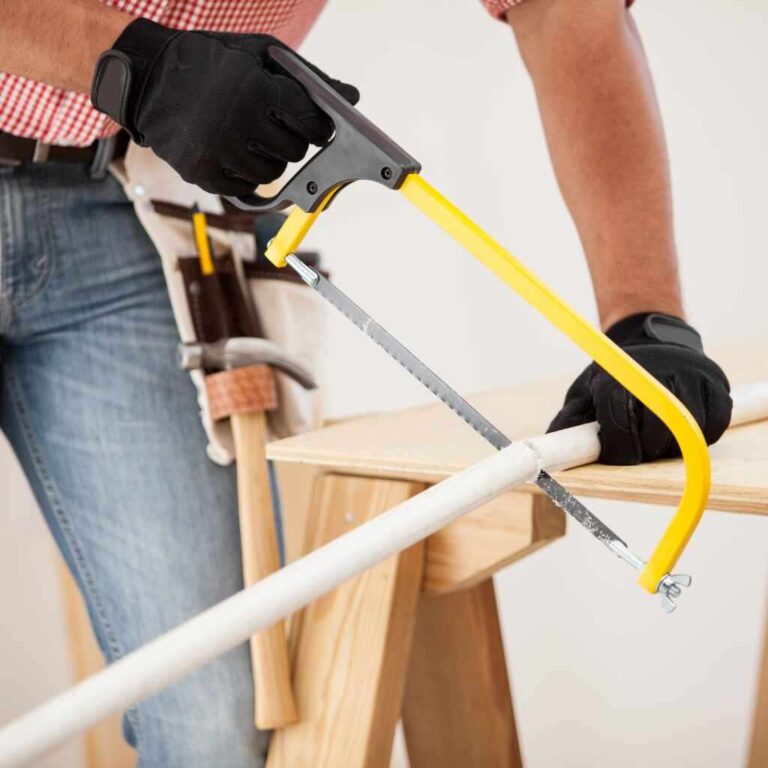
Wear gloves when handling blades, but keep gloves away from moving machinery. Gloves can catch in powered tools. Use a vise or clamp, keep both hands controlled, and maintain a stable stance.
Before replacing the blade:
- Remove the hacksaw from the work.
- Release the blade tension.
- Keep your face and hands away from the blade line.
- Remove the old blade carefully.
- Install the new blade with the teeth facing the correct direction.
- Tighten the frame without excessive force.
- Check that the blade is straight and secure.
- Make a light test cut.
Dispose of broken or worn blades in a rigid container. Do not leave loose blades in household trash where they can injure someone.

A Simple Replacement Decision Guide
Use this guide when you are unsure:
| Condition | Action |
|---|---|
| Blade cuts smoothly with normal pressure | Keep using it |
| Blade cuts slowly but teeth look intact | Check TPI, tension, alignment, and work support |
| Blade needs heavy pressure | Replace it after checking the setup |
| One or more teeth are missing | Replace it |
| Blade is cracked, kinked, or deeply rusted | Replace it immediately |
| Blade wanders despite a secure setup | Replace it |
| Blade binds repeatedly | Stop, inspect the material and blade, then replace if needed |
| Blade broke during the cut | Replace it and investigate the cause before continuing |
The most useful next step is to compare the old blade with a new one. Look at the tooth shape, then make the same type of cut with normal pressure.

Key Takeaways
- There is no fixed time or cut count for hacksaw blade replacement.
- Replace the blade when it is dull, damaged, bent, rusty, or missing teeth.
- A slow cut and heavy pressure are strong warning signs.
- Select TPI based on the material thickness.
- Keep the work clamped and use steady strokes.
- Do not sharpen ordinary replaceable hacksaw blades.
- Wear eye protection and release blade tension before changing a blade.
FAQs
How often should I replace a hacksaw blade for occasional home use?
Replace it when cutting performance drops or damage appears. For occasional use, inspect the blade before each project because rust and storage damage may matter more than tooth wear.
Why does my new hacksaw blade dull so quickly?
The blade may have the wrong TPI, the material may be unusually hard, or you may be applying too much pressure. Vibration, poor clamping, and cutting through abrasive coatings can also shorten blade life.
Should hacksaw teeth face forward or backward?
For most standard hand hacksaws, the teeth face forward so the blade cuts on the push stroke. Confirm the direction marked on the blade or frame instructions.
Can I use a hacksaw blade with missing teeth?
It is better not to. Missing teeth can cause rough cutting, snagging, and further tooth damage. Replace the blade before continuing.
What is the best hacksaw blade for stainless steel?
Use a blade rated for stainless steel, often with a durable bi-metal construction and a suitable fine-to-medium tooth count. Keep the blade moving with steady pressure because stainless steel can harden when overheated or rubbed without cutting.
Conclusion
Replace a hacksaw blade based on its condition and cutting performance, not on a set calendar schedule. If the blade cuts slowly, needs excessive pressure, wanders, binds, or has damaged teeth, change it.
Start with a secure workpiece, the correct TPI, and a straight blade. When the cut no longer feels controlled and steady, a new blade is usually the right next move.
Recent Tool Guides
 Hammer
How To Hammer Flowers Onto Paper: Easy Guide
Learn how to hammer flowers onto paper with simple steps, helpful tips, and beautiful results for...
Read Guide → Wrench
How To Use A Hex Wrench: Easy Step-By-Step Guide
Learn how to use a hex wrench correctly with simple steps, helpful tips, and common mistakes...
Read Guide → Hacksaw
How To Cut Curtain Pole With Hacksaw: Easy Guide
Learn how to cut curtain pole with hacksaw safely and neatly. Follow simple steps for accurate...
Read Guide → Wrench
How To Use A Husky Torque Wrench: Easy Guide
Learn how to use a Husky torque wrench correctly with simple steps, torque settings, and safety...
Read Guide → Hammer
How To Hold A Hammer: Safe Grip Guide
Learn how to hold a hammer with the right grip, stance, and technique for safer, more...
Read Guide → Hacksaw
How To Cut Flexible Metal Conduit With Hacksaw: Easy Guide
Learn how to cut flexible metal conduit with hacksaw safely and cleanly. Follow simple steps for...
Read Guide →