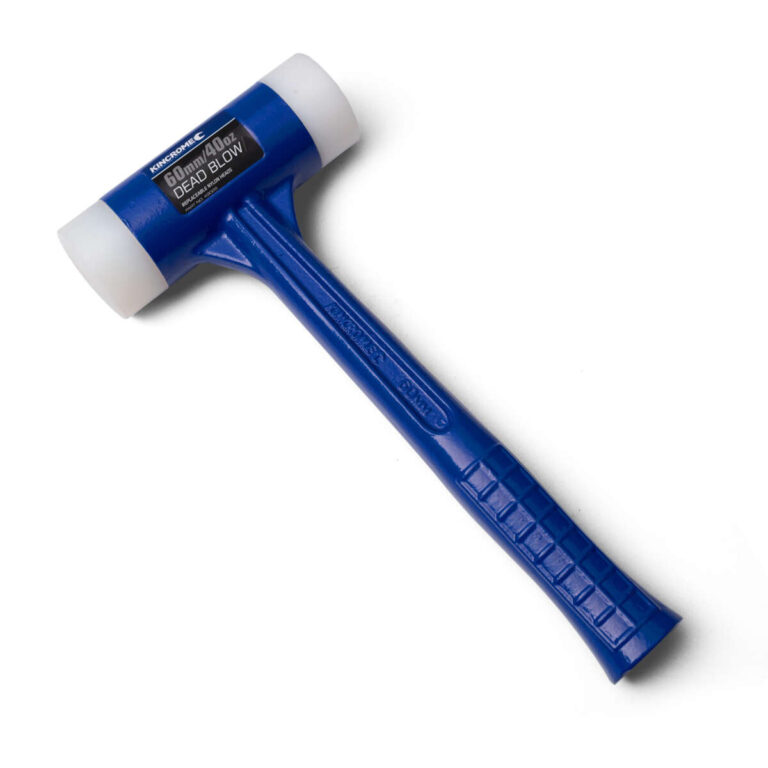
What Is The Peen Of A Hammer Used For: Uses Explained
The peen of a hammer is the shaped end opposite the flat striking face. In U.S. workshops, it is used mainly to shape, bend, spread, or form metal. A ball peen can also help set rivets and round the end of a metal pin.
The peen is not meant for every hammering job. Use the flat face to drive nails, strike punches, and hit general work. Use the peen when its shape gives you better control over metal.

What Is the Peen on a Hammer?
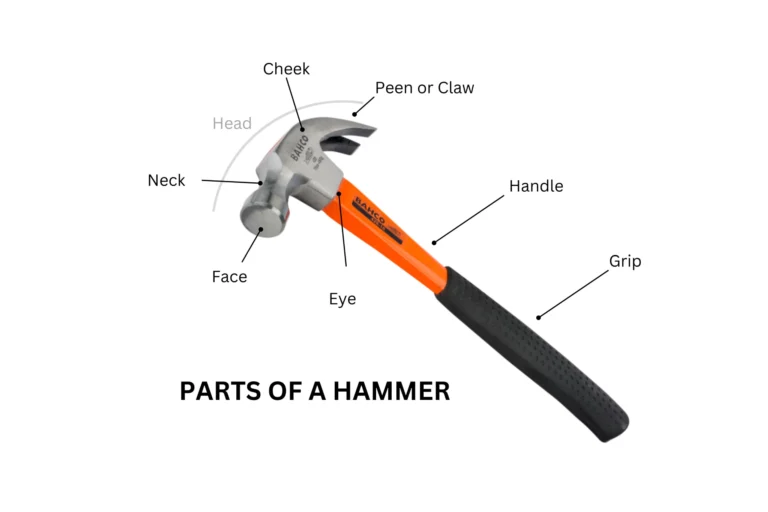
The peen is the narrow, shaped end of a hammer head. It may be round, wedge-shaped, or flat. Its design controls how force moves into the work.
A hammer may have one of these common peen shapes:
- Ball peen: A rounded end used for riveting and metal forming.
- Cross peen: A wedge-shaped end that runs across the handle.
- Straight peen: A wedge-shaped end that runs in line with the handle.
- rounding peen: A broad, curved end used to smooth and shape hot metal.
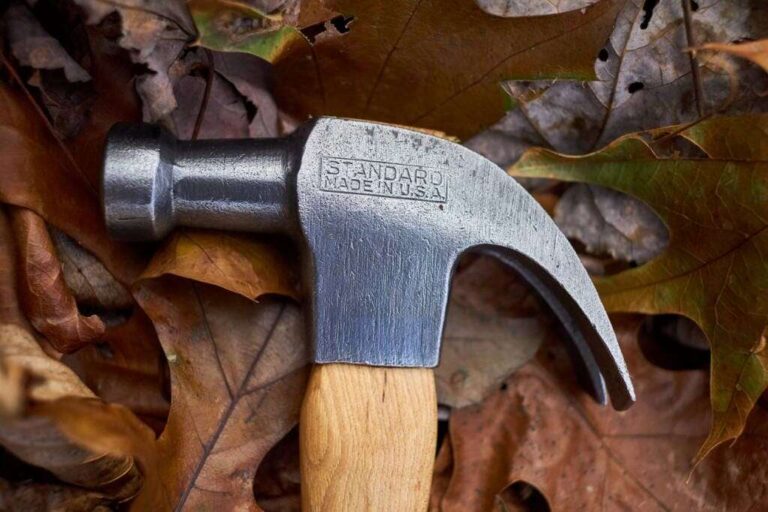
- Claw hammer nail-setting area: Some claw hammers have a small face or notch near the head, but this is not the same as a true metalworking peen.
A peen creates a smaller contact point than the flat face. This concentrates the blow in one area. As a result, the metal can move more easily.
The term peen can also describe the act of hammering metal to harden or shape its surface. In most hardware discussions, however, “the peen” means the shaped end of the hammer.
What Is a Ball Peen Hammer Used For?
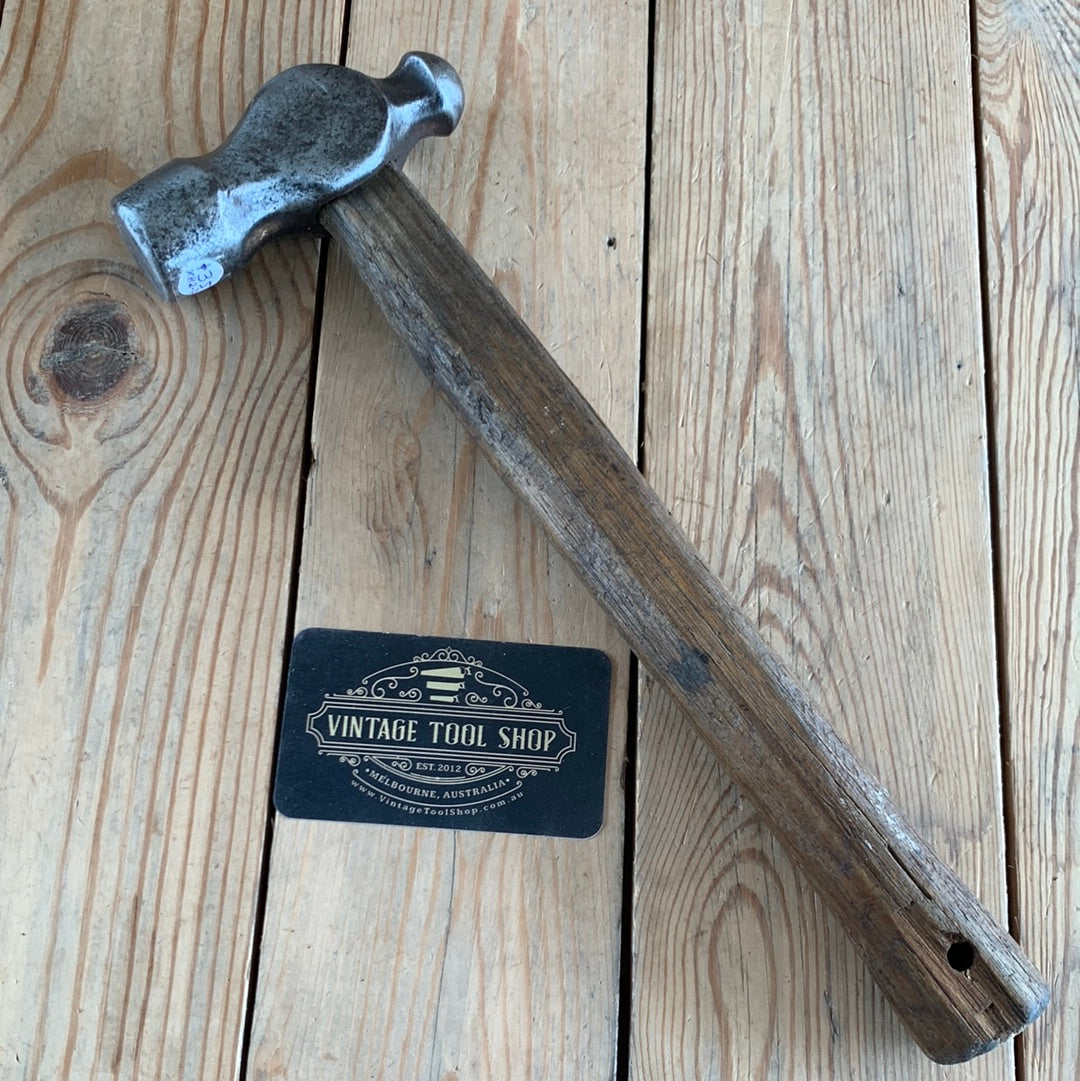
A ball peen hammer is used for metalwork, riveting, and light shaping. It is one of the most common hammers with a peen.
The ball end is useful for:
- Expanding the end of a rivet
- Forming a rounded rivet head
- Bending small metal parts
- Removing small dents from some metal parts
- Shaping sheet metal
- Starting a small dimple in soft metal
- Texturing or compressing a metal surface
To set a rivet, place the rivet through the holes in the parts. Support the factory-made head on a solid surface. Strike the free end with controlled blows from the ball peen. The metal spreads and forms a second head.
Use light blows at first. Heavy blows can bend the rivet or damage the work. The goal is to move the metal in small steps, not crush it in one strike.
A ball peen hammer is also useful when a flat hammer face cannot create the shape you need. The rounded end pushes metal outward in a smooth pattern.

What Are Cross Peen and Straight Peen Hammers Used For?
Cross peen and straight peen hammers help shape metal in narrow areas. Their wedge ends move metal in a more focused direction than a ball peen.
| Peen type | Main use | How the shape affects the work |
|---|---|---|
| Ball peen | Riveting and general metal forming | Spreads metal in many directions |
| Cross peen | Small metalwork and blacksmithing | Moves metal across the handle line |
| Straight peen | Grooves, corners, and narrow work | Moves metal along the handle line |
| Rounding peen | Smoothing and shaping hot metal | Spreads force over a wider curved area |
A cross peen can help draw out a narrow section of metal. It is also useful for reaching corners and working along an edge.
A straight peen works well for grooves, seams, and areas that need force in line with the handle. Blacksmiths may use it to draw out hot steel or move metal into a narrow shape.
A rounding peen has a wider curved surface. It can smooth marks left by a sharper peen. The correct choice depends on the metal, the shape, and the amount of control needed.

How Do You Use the Peen of a Hammer?
Use the peen with short, controlled blows and a stable work surface. The exact method depends on the task, but these steps provide a safe starting point.
-
Choose the right hammer.
Match the peen to the work. Use a ball peen for small rivets and general shaping. Use a cross or straight peen for narrow work. -
Check the hammer.
Do not use a hammer with a loose head, cracked handle, chipped peen, or badly mushroomed striking surface. Remove damaged tools from service. -
Secure the work.
Hold small parts in a vise or support them on an anvil or other suitable surface. Keep your fingers away from the impact area. -
Protect your eyes.
Wear safety glasses with side protection. Metal chips can break away from the work, the hammer, or the surface below it. -
Start with light blows.
Use the smallest force that moves the metal. Check the shape often. -
Keep the hammer aligned.
Strike the work with the intended part of the peen. Do not twist the hammer during impact. -
Stop and inspect the result.
Look for cracks, unwanted dents, sharp edges, or a bent rivet. Correct small errors before they become larger ones.
For hot metal, use tools rated for the task and follow the practices of the shop or forge. Hot work adds burn, fire, fume, and eye hazards that ordinary cold metal work may not have.

What Is the Difference Between the Peen and the Flat Face?
The flat face delivers a broad, general blow. The peen delivers a more focused blow that changes the shape of metal.
Use the flat face to:
- Drive nails
- Strike a punch or chisel when the tool is designed for that use
- Flatten a small surface
- Perform general assembly work
Use the peen to:
- Spread the end of a rivet
- Form a rounded shape
- Move metal into a corner or groove
- Create a small depression
- Work in a tight area
Do not use the peen simply because it looks more powerful. A concentrated blow can leave deep marks or damage thin sheet metal.
Do not use a claw hammer as a substitute for a ball peen hammer when forming rivets. A claw hammer may dent the rivet or damage the hammer face. Choose a tool made for the material and task.

Common Mistakes When Using a Hammer Peen
The most common mistake is using too much force. A peen moves metal quickly because its contact area is small. A few light blows usually give better control than one hard blow.
Other mistakes include:
- Using the wrong hammer: A framing hammer is not a metal-forming hammer.
- Striking hardened steel: The hammer or workpiece may chip.
- Ignoring a damaged peen: Chips and cracks can send metal fragments into the air.
- Holding the work by hand: A slip can place fingers under the blow.
- Using a weak support: A soft or unstable surface absorbs force and can cause poor results.
- Trying to fix a bent rivet with heavy blows: Replace the rivet when practical.
- Using a peen on finished surfaces: It may leave marks that are hard to remove.
- Hitting a punch off-center: This can cause the punch or hammer to glance away.
A badly mushroomed tool head can develop sharp edges. The Occupational Safety and Health Administration advises removing unsafe hand tools from service. Follow your workplace rules and the tool maker’s instructions.

How Do You Know If a Peen Is Safe to Use?
A peen is generally ready for use when the head is secure, the handle is sound, and the striking surfaces are free from dangerous damage.
Before use, check for:
- A loose hammer head
- A split, cracked, or swollen handle
- Deep chips in the peen
- Sharp cracks or large dents
- Severe mushrooming
- Oil or grease on the grip
- Damage caused by striking hardened steel
A small change in surface finish is not the same as a dangerous chip. When in doubt, stop using the hammer. A qualified tool professional or your workplace safety lead can assess it.
Never grind, heat, weld, or reshape a hammer head unless the manufacturer or a qualified professional provides instructions for that repair. Incorrect heating or grinding can change the hardness of the tool.

Key Takeaways
- The peen is the shaped end opposite the flat face of a hammer.
- Its main job is to shape, spread, bend, or form metal.
- A ball peen is useful for riveting and general metalwork.
- Cross peen and straight peen hammers help move metal in a focused direction.
- Use light, controlled blows and support the work well.
- Wear eye protection and remove damaged hammers from service.
- Use the flat face for general striking and the peen for shaping work.
Frequently Asked Questions
Can you use the peen of a hammer to drive nails?
You can, but you generally should not. The peen has a small contact area and may damage the nail, wood, or hammer. Use the flat face of a claw or framing hammer for nails.
Is a ball peen hammer the same as a peening hammer?
The terms are often used together, but they are not always exact matches. A ball peen hammer has a rounded ball end. “Peening hammer” can refer more broadly to a hammer designed to shape or harden metal through repeated blows.
Can a ball peen hammer remove dents?
It can help with some metal-shaping work, but results depend on the metal, thickness, access, and support behind the panel. A ball peen can leave new dents if used without proper technique.
Why does the peen have a different shape from the hammer face?
The different shape controls how force enters the work. The flat face spreads force across a larger area. The peen concentrates force so the user can move metal in a more specific way.
Should you use a peen on hardened steel?
Use caution. Hardened steel can chip a hammer or workpiece, especially when struck with another hard tool. Follow the tool manufacturer’s limits and use a tool designed for the material.
Conclusion
The peen of a hammer is mainly a metal-forming tool. It helps spread rivets, shape small parts, form curves, and move metal into tight areas. A ball peen is the most familiar type, while cross and straight peens offer more control over the direction of the blow.
For safe results, use the correct hammer, support the work, wear eye protection, and begin with light blows. If the job involves hardened steel, hot metal, or a damaged tool, stop and choose a safer method or get qualified guidance.
Recent Tool Guides
 Hammer
How To Hammer Flowers Onto Paper: Easy Guide
Learn how to hammer flowers onto paper with simple steps, helpful tips, and beautiful results for...
Read Guide → Wrench
How To Use A Hex Wrench: Easy Step-By-Step Guide
Learn how to use a hex wrench correctly with simple steps, helpful tips, and common mistakes...
Read Guide → Hacksaw
How To Cut Curtain Pole With Hacksaw: Easy Guide
Learn how to cut curtain pole with hacksaw safely and neatly. Follow simple steps for accurate...
Read Guide → Wrench
How To Use A Husky Torque Wrench: Easy Guide
Learn how to use a Husky torque wrench correctly with simple steps, torque settings, and safety...
Read Guide → Hammer
How To Hold A Hammer: Safe Grip Guide
Learn how to hold a hammer with the right grip, stance, and technique for safer, more...
Read Guide → Hacksaw
How To Cut Flexible Metal Conduit With Hacksaw: Easy Guide
Learn how to cut flexible metal conduit with hacksaw safely and cleanly. Follow simple steps for...
Read Guide →