

A hacksaw can cut some padlocks, but hardened shackles may resist, take time, and create serious safety risks.
Whether a hacksaw will cut a padlock depends on the shackle metal, thickness, lock design, and blade quality. This guide explains what to expect, why some locks defeat ordinary saws, and the safest legal options when you own the lock or have permission to remove it.
Will a hacksaw cut a padlock?
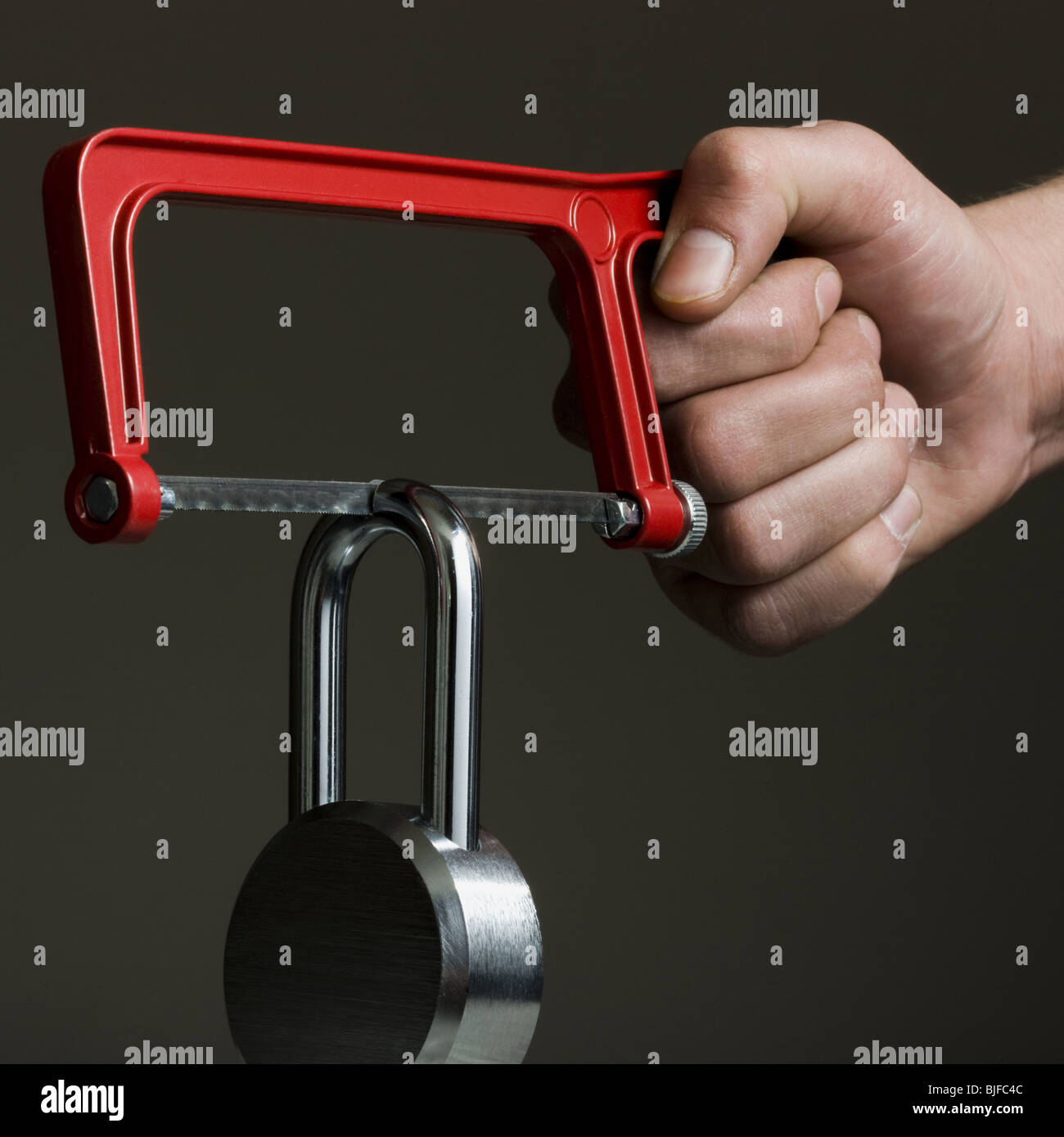
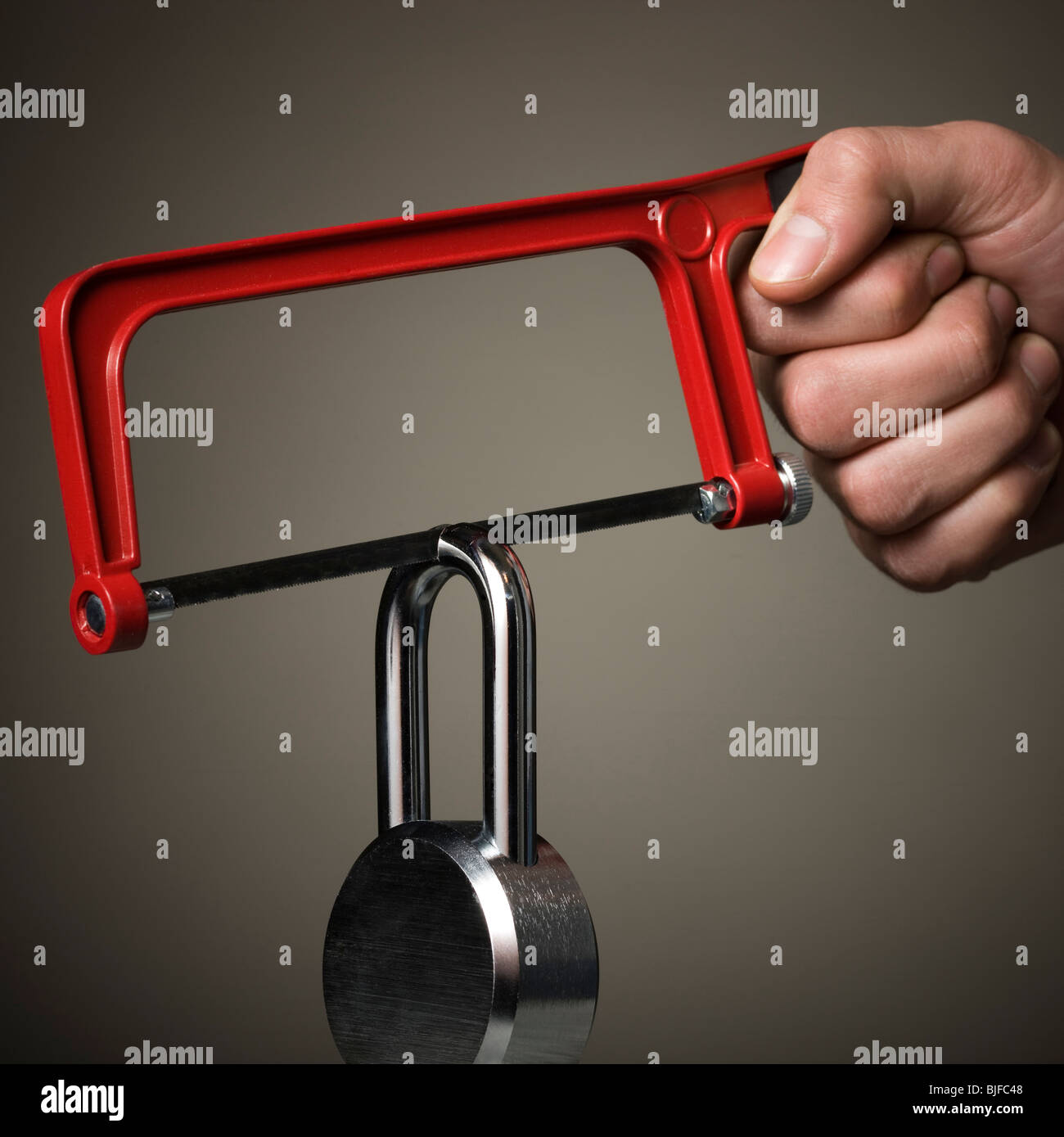
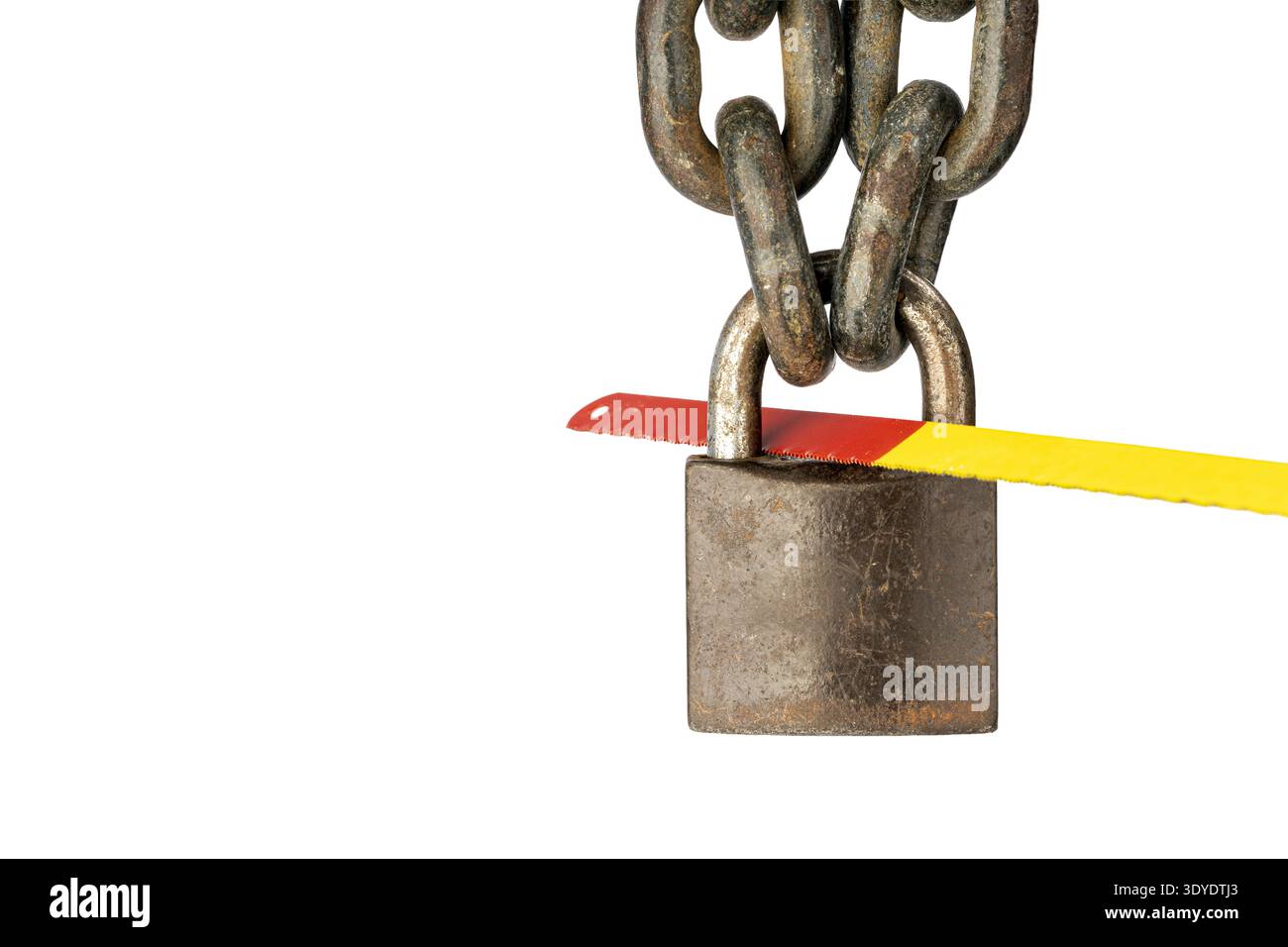
Yes, a hacksaw can cut some padlocks. It works by slowly wearing through the lock’s shackle, which is the U-shaped metal bar that passes through a hasp, chain, or cable.
However, the result varies widely. A cheap padlock with a mild-steel shackle may give way with steady work. A high-security padlock may use hardened steel, a thick shackle, or a protective design that makes a hand saw slow or ineffective.
The key factors are:
• Shackle material: Mild steel cuts more easily than hardened steel.
• Shackle thickness: A thick shackle needs more time and effort.
• Blade quality: Fine-tooth blades made for metal usually work better than general-purpose blades.
• Lock design: Some locks shield most of the shackle, leaving little metal exposed.
• Blade condition: A dull or damaged blade may slip, bind, or break.
So, will a hacksaw cut a padlock in every case? No. It is a basic cutting tool, not a guaranteed solution. For a lock you legally own, the best option often depends on the lock’s value, location, and urgency.

How a hacksaw cuts through a padlock
A hacksaw does not “unlock” a padlock. It cuts through the shackle by removing tiny amounts of metal with each stroke.
The blade has small teeth that scrape across the steel. As the teeth move back and forth, they form a narrow groove. Continued cutting deepens that groove until the shackle separates.
This process is similar to sanding a wooden board, but steel requires far more pressure, control, and patience. The harder the metal, the less effective a standard blade becomes.
A hacksaw may work best when:
• The shackle is exposed and easy to reach.
• The metal is not hardened.
• The shackle is fairly thin.
• The lock does not need to be preserved.
• You can work in a safe, stable area.
A hacksaw may work poorly when:
• The shackle is hardened steel.
• The lock has an anti-cut shroud.
• The cutting area is cramped.
• The lock is mounted against a hard surface.
• The blade is too coarse, too dull, or made for wood.
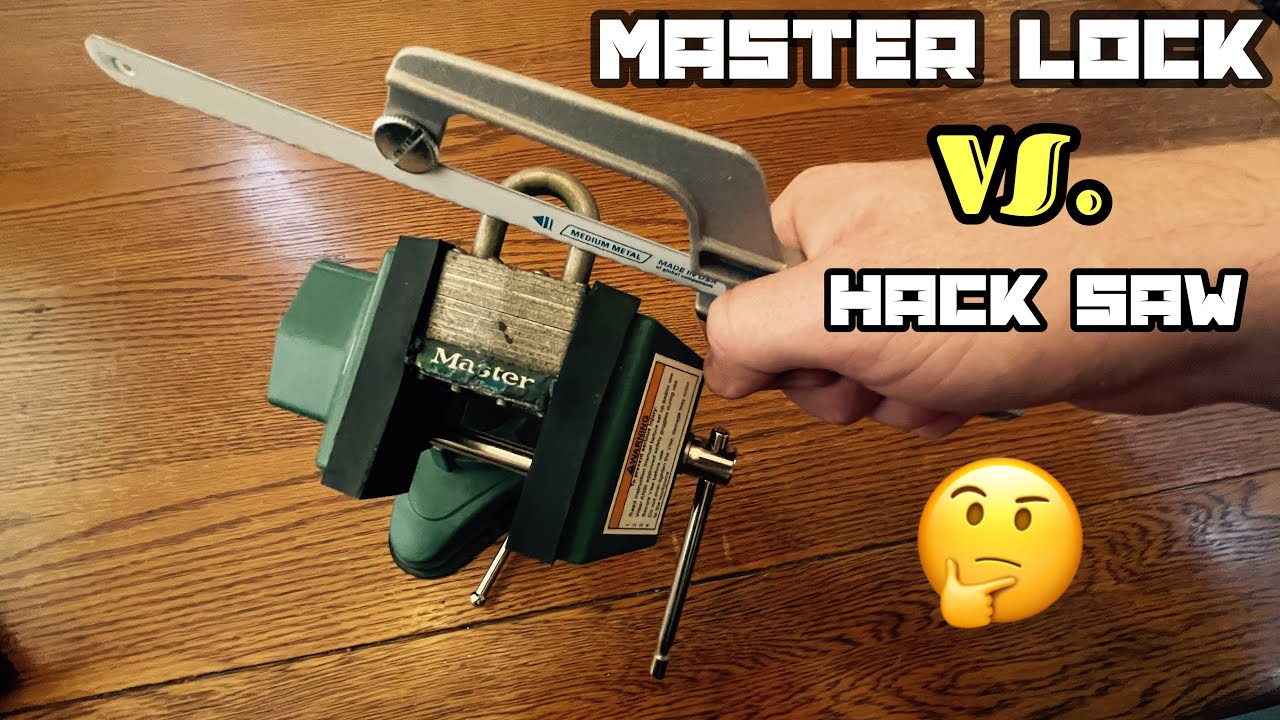
Will a hacksaw cut a padlock faster than other tools? Usually not. It is slower than many powered or professional tools, but it is quieter, inexpensive, and widely available. Those benefits do not remove the need for permission and proper safety precautions.

What types of padlocks are easier to cut?
Padlocks differ greatly in construction. A small luggage lock is not built like a commercial security lock used on a gate or warehouse door.
Basic low-security padlocks
Low-cost padlocks often use softer steel. Their shackles may be thin and fully exposed. These locks are more likely to yield to a hand hacksaw.
That does not mean every inexpensive lock is easy to cut. Some low-cost products still include hardened sections or coatings that make cutting harder than expected.
Medium-security padlocks
Many home and outdoor padlocks fall into this group. They may have thicker shackles and better bodies. A hacksaw may cut one, but the work can be tiring and slow.
Weather-resistant coatings may also make the surface harder to mark. The coating itself is not the main barrier, but it can make the blade slide until a groove forms.
High-security padlocks
High-security padlocks often use hardened boron steel, alloy steel, or other reinforced materials. Some also have shrouded shackles, which cover the sides of the U-shaped bar.
These features are designed to resist common cutting tools. In such cases, will a hacksaw cut a padlock? It might eventually damage the shackle, but the time and effort may not be reasonable.
Disc and enclosed padlocks
Disc padlocks protect much of the shackle inside a round body. Enclosed designs leave little metal exposed. This makes them especially difficult to attack with a hand saw.
The lock’s shape matters as much as the steel. A strong blade cannot help much if it cannot reach a useful cutting area.
How long does it take to cut a padlock with a hacksaw?
There is no single time estimate. A thin, soft shackle may take only several minutes for an experienced user. A thick, hardened shackle may take far longer, damage several blades, or remain impractical to cut by hand.
Time depends on:
• The hardness and diameter of the shackle
• The quality and sharpness of the blade
• The user’s strength and experience
• The amount of room for smooth strokes
• The stability of the lock and object holding it
• The number of cuts needed
Many people expect the job to be quick because the tool looks simple. In practice, cutting steel by hand is tiring. Short, uneven strokes waste energy and can overheat or damage the blade.
A common workshop lesson is that tool choice matters more than force. Pressing harder does not always make cutting faster. It can cause the teeth to skid, the blade to bend, or the frame to twist.
If the lock protects a valuable gate, storage unit, bike, or work site, damaging it without a plan may create a second problem. You may still need to repair the hasp, replace the chain, or remove sharp metal edges.

Hacksaw safety when cutting a padlock
If you own the lock or have clear permission to remove it, treat the job like any other metal-cutting task. A padlock can produce sharp edges, broken teeth, and small metal fragments.
Use sensible protection:
• Wear safety glasses to guard against metal chips.
• Wear sturdy gloves, while keeping fingers clear of the blade path.
• Keep the work area stable and free of people or pets.
• Do not cut near fuel, gas lines, batteries, or flammable materials.
• Inspect the blade and frame before use.
• Stop if the blade bends, cracks, or begins to slip.
• Dispose of broken blades safely.
A hacksaw can also damage the item around the padlock. For example, cutting too close to a gate hasp may mark the gate or weaken the hardware. On a bicycle, storage box, or trailer, an uncontrolled tool can scratch paint or damage nearby cables.
Avoid using improvised methods such as striking the lock with heavy objects or heating it with a torch. These methods can cause flying fragments, fire, burns, or damage to property. They may also violate local rules or create legal trouble.
Safety guidance from workplace and tool-safety organizations consistently stresses eye protection, secure workpieces, and correct tools for metalwork. Those basics matter even more when the object is under tension or mounted overhead.
Legal and ethical considerations
A padlock may belong to you, but the property around it may belong to someone else. Before cutting, confirm that you have the legal right to remove the lock.
This matters with:
• Rental units
• Shared gates
• Workplace storage
• Apartment bike rooms
• Public lockers
• Abandoned-looking property
• Neighboring fences
If the lock is not yours, contact the owner, property manager, site supervisor, or a licensed locksmith. A locksmith may ask for identification or proof of ownership. That protects both you and the professional.
Will a hacksaw cut a padlock that you are authorized to remove? Possibly, but authorization does not remove safety risks. It is still wise to consider whether non-destructive entry, a replacement key, or a manufacturer service is available.
Do not publish or use cutting advice to access another person’s property. Even a simple tool can become part of unlawful entry when used without permission. Responsible lock information should help owners solve access problems, not bypass security.

Better alternatives to cutting a padlock
Cutting is not always the best answer. If the lock still works, preserving it may save money and prevent damage.
Consider these options first:
Find or replace the key
Check with household members, staff, past tenants, or the person who installed the lock. Some padlocks also have key numbers that help a locksmith or manufacturer create a replacement.
Contact a locksmith
A licensed locksmith can assess the lock and choose a method that fits the situation. This may reduce damage to the gate, door, chain, or storage unit.
Contact the property owner
For a rental, managed facility, or shared area, the owner may have a master key or an approved removal process. This is often faster than trying to cut the lock yourself.
Use warranty or manufacturer support
Some quality padlock brands offer key replacement or limited service. Keep the model number, purchase details, and proof of ownership if available.
Replace the whole security setup
If the lock is rusted, frozen, or damaged, replacing only the padlock may not be enough. Check the hasp, chain, hinge, and mounting points as well.
A hand hacksaw can be useful for a lock you own, but it should be viewed as a last-resort removal tool rather than a universal lock solution.
Hacksaw versus other cutting tools
Different tools have different strengths. The safest choice depends on the lock, the location, and your experience.
• Hacksaw: Low cost and quiet, but slow and tiring.
• Bolt cutters: Effective on some softer shackles, but often ineffective against thick hardened steel.
• Reciprocating saw: Faster, but louder and more hazardous. It can damage nearby property and requires careful control.
• Angle grinder: Powerful and fast, but creates sparks, heat, noise, and fire risk. It is not suitable near flammable materials.
• Locksmith tools: Selected by a trained professional after assessing the lock and legal situation.
Tool comparisons should not be treated as a challenge to defeat security. They are meant to help owners choose a safe and lawful repair path. Powered tools also need suitable guards, eye protection, stable positioning, and attention to nearby materials.
In many real-world cases, hiring a professional costs less than repairing a damaged gate, replacing a bicycle frame, or dealing with an injury.

Common mistakes to avoid
People often focus only on whether a hacksaw will cut a padlock. The surrounding details can matter just as much.
Avoid these mistakes:
• Assuming every padlock uses soft steel.
• Using a wood blade on a metal shackle.
• Continuing with a dull or bent blade.
• Holding the lock loosely while cutting.
• Ignoring nearby wires, fuel, glass, or painted surfaces.
• Cutting a lock that may belong to someone else.
• Forgetting that the shackle may be under tension.
• Failing to plan how the removed lock will be replaced.
A particularly common mistake is forcing the blade. Smooth, controlled motion is safer than aggressive pressure. If the blade repeatedly slips or makes little progress, stop and reassess the lock rather than escalating force.
Another mistake is choosing a cheap replacement lock after removal. If the original lock failed because of rust or poor weather resistance, select a model rated for the location and use.
How to choose a replacement padlock
If you remove a damaged padlock, replace it with a lock suited to the risk. No padlock is invincible, but good design can delay unauthorized access and resist weather.
Look for:
• A hardened steel shackle
• A shrouded or protected shackle for high-risk areas
• A corrosion-resistant body
• A secure locking mechanism
• A size that fits the hasp without excessive movement
• A security rating appropriate for the location
For outdoor use, check for rust resistance and drainage features. For valuable property, consider a closed-shackle or disc-style design. For low-risk indoor use, a basic lock may be enough.
The best padlock is not always the largest one. It must fit the hardware correctly and resist the tools and conditions found at that location.
Frequently Asked Questions About Will a Hacksaw Cut a Padlock
Will a hacksaw cut a cheap padlock?
A hacksaw may cut a cheap padlock if its shackle is thin and made from softer steel. The time required still depends on blade quality, access, and the user’s technique.
Will a hacksaw cut a hardened steel padlock?
A hacksaw may struggle with a hardened steel shackle and may not be practical. Hardened steel is designed to resist common hand tools, so a locksmith is often the safer choice.
Can a hacksaw cut a padlock without damaging the gate?
It may be possible, but there is still a risk of scratches, slips, and accidental damage. Protecting the surrounding hardware and using a professional can reduce that risk.
Is it legal to cut a padlock?
It is generally lawful to remove a padlock that you own or are authorized to remove. Cutting someone else’s lock without permission may be treated as property damage or unlawful entry.
Should I use a hacksaw or call a locksmith?
Use a locksmith when the lock is high-security, mounted in a difficult place, connected to valuable property, or not clearly yours. A hacksaw may be reasonable for a simple lock you own when safety and access are straightforward.
Does a thicker padlock always offer better security?
Not always. Shackle hardness, body design, locking parts, weather resistance, and how the lock fits the hardware all affect security. A large lock with poor construction may be weaker than a smaller, well-designed model.
Conclusion
Will a hacksaw cut a padlock? Sometimes. A thin, soft shackle may yield to a good metal-cutting blade, while hardened or enclosed padlocks can resist for a long time. The lock’s material, thickness, design, and location all affect the outcome.
Only remove a padlock when you own it or have clear permission. Wear eye protection, protect nearby property, and consider a locksmith when the task is uncertain or high risk. If you found this guide helpful, explore more information on padlock ratings, outdoor security, and safe hardware maintenance before choosing your next lock.
