

Yes, a properly designed carbide blade can cut many types of metal safely and cleanly.
The real answer depends on the blade design, metal type, saw speed, tooth geometry, and cutting method. As someone familiar with shop cutting work, I know the difference between a smooth, controlled cut and a damaged blade often comes down to choosing the right carbide blade for the job. This guide explains how carbide works, which metals it can cut, its limits, and how to use one safely.
What Is a Carbide Blade?
A carbide blade is a cutting blade with teeth made from, or tipped with, tungsten carbide. Tungsten carbide is much harder than ordinary tool steel. It keeps a sharp edge longer and resists heat and wear.
Most circular carbide blades use carbide tips brazed onto a steel body. The steel body gives the blade strength and flexibility. The carbide teeth do the cutting.
When people ask, “can a carbide blade cut metal,” they often mean a carbide-tipped circular saw blade. The answer is yes, but only when the blade is rated for metal. A carbide blade made for wood is not automatically safe or effective on steel.

Carbide versus abrasive blades
An abrasive metal-cutting wheel removes metal through friction. It creates sparks, heat, and a wide kerf. A carbide blade uses sharp teeth to shear the metal away.
A carbide blade can offer:
• Faster cutting
• Less heat buildup
• Less material loss
• Lower noise in many applications
• Better repeatability for production work
However, carbide teeth can chip if the blade hits a hard surface, loose fastener, weld, or unstable workpiece. Carbide is hard, but it is also more brittle than many steel cutting edges.
Can a Carbide Blade Cut Metal?
Yes, a carbide blade can cut metal when the blade is specifically built for that material and used at the correct speed. Metal-cutting carbide blades are available for steel, stainless steel, aluminum, brass, copper, and other nonferrous metals.
The blade must match three main factors:
• The type of metal
• The thickness and shape of the workpiece
• The saw and its operating speed
For example, a carbide blade for thin aluminum may have a different tooth shape and hook angle from a blade for structural steel. A blade for stainless steel usually needs stronger teeth, a suitable coating, and a slower cutting process.
So, can a carbide blade cut metal if it is labeled only for wood? It may physically cut through soft metal, but that does not make it safe. Wood blades often have the wrong tooth shape, excessive hook angle, and an unsuitable speed rating.
Which Metals Can a Carbide Blade Cut?
The right carbide blade can cut both ferrous and nonferrous metals. Ferrous metals contain iron. Nonferrous metals do not.
Steel
Carbide-tipped blades can cut mild steel, angle iron, square tubing, channel, threaded rod, and some sheet products. The blade must be rated for ferrous metal.
Steel-cutting blades often have:
• Many small teeth
• A low or negative hook angle
• Strong carbide tips
• Special tooth grinds
• A blade body designed to control vibration
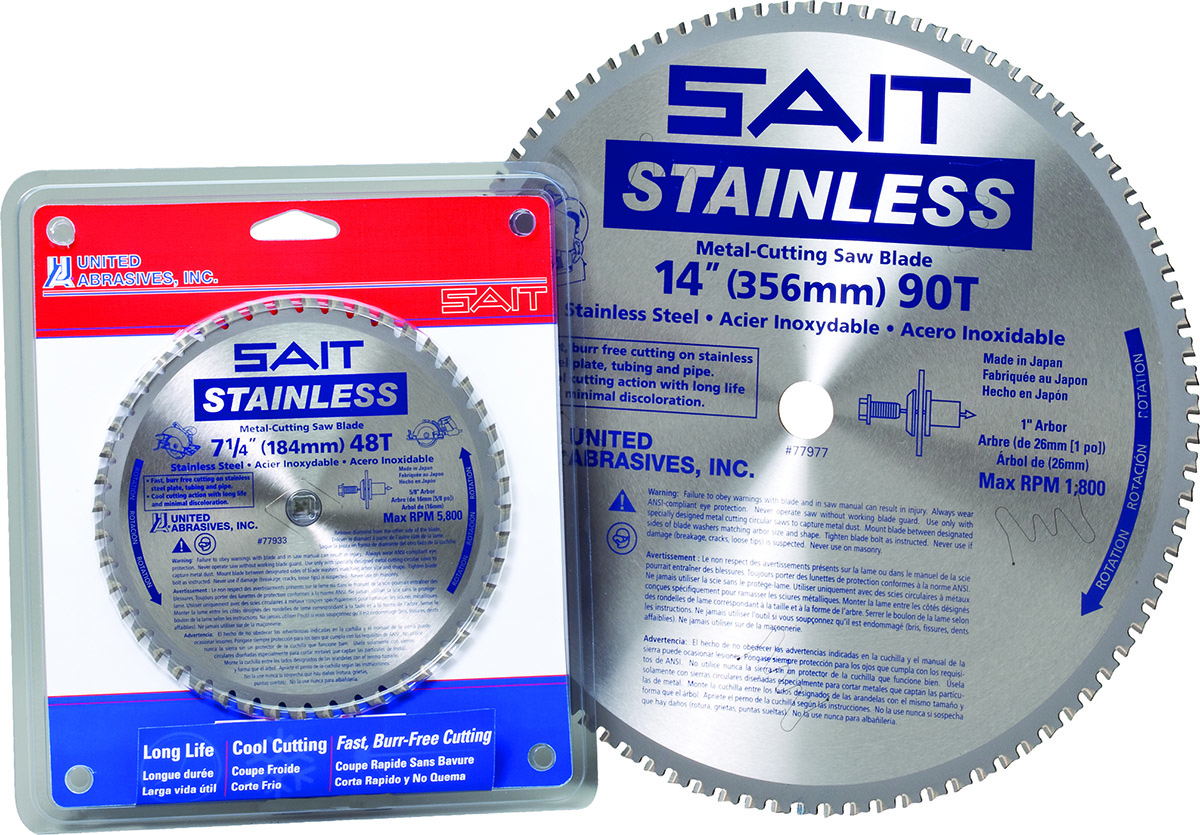
Stainless steel
Stainless steel is harder to cut than mild steel. It can work-harden when the blade rubs instead of cuts. This makes correct feed pressure very important.
A stainless-steel blade should be sharp and designed for stainless applications. Do not pause while the teeth are touching the metal. A steady feed helps prevent heat and work-hardening.
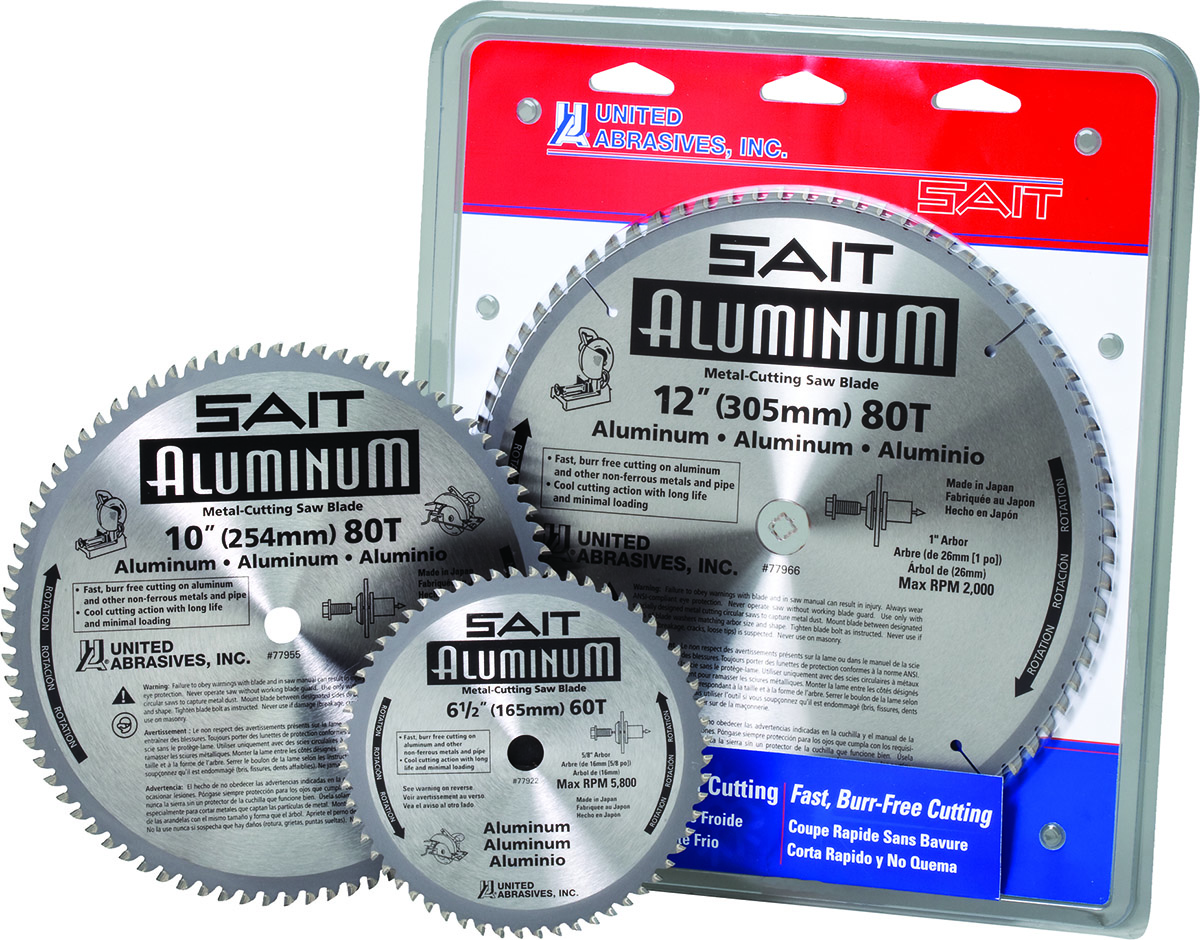
Aluminum
Carbide blades are excellent for aluminum when they have the correct tooth geometry. Aluminum is soft, but it can stick to the teeth. A blade with a polished face and suitable lubricant can reduce buildup.
Many aluminum blades use a high tooth count and a special grind for smooth cuts. Never use an oily setup near a saw unless the machine is designed for it.
Brass and copper
Carbide blades can cut brass and copper, but these metals behave differently. Copper is soft and can grab the blade if the workpiece is not held firmly. Brass can chip or fracture under poor cutting conditions.
Use a blade made for nonferrous metals and keep the workpiece fully supported.

What Type of Carbide Blade Should You Use?
The best blade depends on the saw and the job. A blade for a handheld circular saw is not the same as one for a cold saw or a chop saw.
Carbide-tipped metal-cutting circular blades
These blades are common for portable and stationary saws. They are made for jobs such as cutting:
• Steel tubing
• Sheet metal
• Metal roofing
• Conduit
• Aluminum extrusion
• Threaded rod
Check the blade label for the exact material and maximum revolutions per minute.
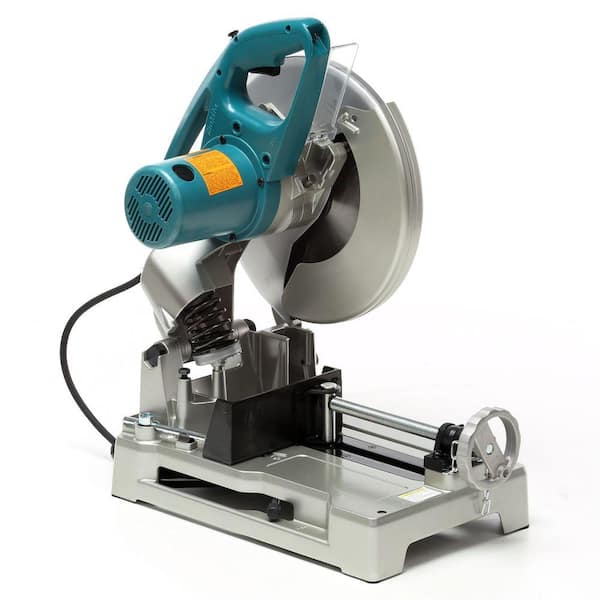
Carbide blades for chop saws
Metal-cutting chop saw blades use a reinforced body and tooth pattern suited to crosscutting. They are useful for repeated cuts in tubing, pipe, and bar stock.
The saw must hold the work securely. A loose piece can lift, twist, or kick back as the teeth exit the cut.
Carbide cold saw blades
Cold saws use toothed blades and a controlled feed. They often use coolant to keep the blade and workpiece cool. These machines produce accurate cuts with less heat than abrasive saws.
A cold saw blade may be made from high-speed steel with carbide teeth or from another specialized material. Always follow the machine maker’s speed and feed settings.
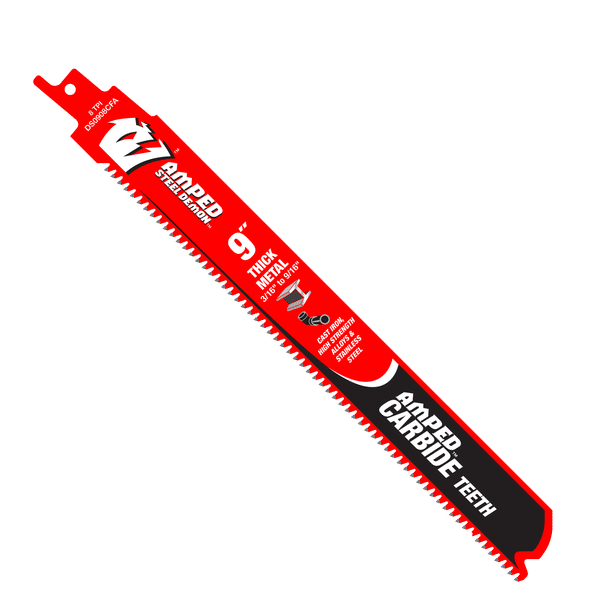
Carbide blades for reciprocating saws
Some reciprocating saw blades use carbide teeth or carbide grit. These blades can cut cast iron, hardened bolts, stainless steel, and other difficult materials.
They are useful when a circular saw cannot reach the work. The cut is usually slower and less precise.

Why Blade Speed Matters
Metal cutting requires a lower cutting speed than wood cutting. Wood saws often spin very fast. Metal-cutting blades usually need a lower surface speed to control heat and tooth impact.
The important value is surface speed, not only revolutions per minute. A large blade moving at the same RPM as a small blade has a higher tooth speed.
Using the wrong speed can cause:
• Blue or discolored teeth
• Premature carbide wear
• Tooth breakage
• Excessive sparks
• Poor cut quality
• Dangerous kickback
Always compare the saw’s RPM with the blade’s maximum rating. Never exceed the blade’s rated speed. The blade manufacturer’s instructions should take priority over general advice.
How to Cut Metal With a Carbide Blade
Follow a careful process. Good setup matters as much as the blade itself.
Choose a blade labeled for the exact metal.
Check the blade for cracked teeth, missing tips, warping, or heavy buildup.
Confirm that the blade diameter, arbor size, and RPM rating match the saw.
Clamp the workpiece close to the cut line.
Mark the cut clearly and check for hidden fasteners or welds.
Set the correct speed if the saw allows adjustment.
Start the saw before contacting the metal.
Apply steady pressure without forcing the blade.
Allow the teeth to cut instead of rubbing against the work.
Wait until the blade stops before setting the saw down.
The workpiece should be supported on both sides of the cut. Long stock can shift as the cut opens. That movement can pinch the blade and cause kickback.
A common mistake is pushing harder when the cut slows. That often creates more heat instead of more cutting. A sharp blade, stable workpiece, and correct speed solve the problem better.
Safety Tips for Carbide Metal Cutting
Metal cutting produces sharp chips, noise, heat, and sometimes sparks. Wear safety glasses with side protection or a face shield over safety glasses.
Use hearing protection during repeated cuts. Metal chips can travel farther than expected, so keep other people away from the cutting area.
Important safety steps include:
• Keep the blade guard in place.
• Wear close-fitting clothing.
• Avoid gloves near exposed rotating blades.
• Remove jewelry and tie back long hair.
• Use proper clamps instead of holding metal by hand.
• Check the saw’s electrical cord and switch.
• Keep flammable materials away from sparks.
• Use dust control when the process creates fine particles.
• Follow the safety instructions supplied with the saw and blade.
The Occupational Safety and Health Administration emphasizes machine guarding, eye protection, and safe work practices around power tools. Those rules are not just paperwork. They address the real hazards that cause many cutting injuries.
Carbide Blade Versus Abrasive Wheel
Both tools can cut metal, but they suit different jobs.
A carbide blade usually provides a cleaner, faster cut with less heat. It may leave an edge that needs little cleanup. This makes it useful for fabrication, installation, and repeated production cuts.
An abrasive wheel is often less expensive at the start. It can cut many metals and is useful when a rough edge is acceptable. However, it creates more sparks, smoke, heat, and material loss.
Choose a carbide blade when you need:
• Fast repeat cuts
• Low heat
• A cleaner edge
• Less grinding after cutting
• Accurate length control
Choose an abrasive wheel when:
• The saw is designed for abrasive wheels
• The metal is very thick or unusually hard
• The cut finish is not important
• The job is occasional and budget is the main concern
Never place a carbide blade on a machine designed only for abrasive wheels unless the machine maker approves that setup. The guard, flange, speed, and spindle design must all be compatible.
Common Problems and How to Fix Them
The blade gets hot
A hot blade may indicate the wrong speed, a dull tooth, too much feed pressure, or poor tooth clearance. Stop the cut and inspect the setup.
The blade binds
Binding often comes from weak support or movement in the workpiece. Clamp the metal firmly and support long sections on both sides.
The cut wanders
A worn blade, loose arbor, poor alignment, or excessive side pressure can make the cut wander. Let the blade cut straight without twisting it.
Teeth chip or break
Carbide tips may chip when they strike a weld, bolt, hardened scale, or loose material. Reduce vibration and inspect the metal before cutting.
Aluminum sticks to the teeth
Use a blade designed for aluminum. Clean buildup carefully and use an approved lubricant when the saw manufacturer allows it.
From practical shop experience, the most common mistake is treating a metal-cutting blade like a wood blade. The operator pushes too hard, uses the wrong RPM, or skips clamping. Those small errors can ruin an expensive blade in one afternoon.
How Long Does a Carbide Metal-Cutting Blade Last?
Blade life varies widely. The main factors include metal type, material thickness, tooth count, cutting speed, feed pressure, cooling, and operator technique.
A blade cutting thin aluminum under stable conditions may last through many cuts. A blade cutting thick stainless steel, dirty structural steel, or hardened material may wear much faster.
You can extend blade life by:
• Using the correct blade for the metal
• Keeping the workpiece stable
• Avoiding side pressure
• Using the correct feed rate
• Cleaning resin, oil, and metal buildup
• Replacing damaged blades early
• Storing blades in a dry protective case
A dull carbide blade does not always look obviously dull. Watch for slower cuts, more noise, increased heat, rough edges, and greater force at the handle. These signs often appear before the teeth visibly fail.
Can You Sharpen a Carbide Metal-Cutting Blade?
Yes, carbide blades can be sharpened by a qualified sharpening service. Carbide requires diamond grinding wheels and accurate equipment. A general bench grinder is not suitable.
Sharpening makes sense when the blade is high quality and the body is still straight. Replacement may be better when several teeth are missing, the blade has cracks, or the carbide tips are badly damaged.
Do not file carbide teeth with a normal steel file. The file will not restore the cutting edge and may damage the tooth geometry.
Frequently Asked Questions About Can a Carbide Blade Cut Metal
Can a carbide blade cut steel?
Yes, a carbide blade designed for ferrous metal can cut mild steel, tubing, conduit, and some structural shapes. A wood-cutting carbide blade is not a safe substitute.
Can a carbide blade cut stainless steel?
Yes, but stainless steel needs a suitable blade, controlled speed, steady feed, and strong workpiece support. A dull blade can make stainless steel work-harden and become harder to cut.
Can a carbide blade cut aluminum?
Yes, carbide blades are widely used for aluminum. Use a nonferrous-metal blade with the correct tooth design to reduce clogging and improve the finish.
Is a carbide blade better than an abrasive wheel?
It depends on the job. A carbide blade usually gives a faster, cooler, cleaner cut, while an abrasive wheel may cost less and handle some rough cutting tasks well.
Can you use a wood carbide blade to cut metal?
You should not use a wood blade for metal unless the manufacturer specifically rates it for that metal. Wood blades often run at the wrong speed and may have tooth geometry that increases kickback risk.
Does a carbide blade create sparks when cutting metal?
It can create some sparks, especially when cutting ferrous metal, but usually fewer than an abrasive wheel. The amount depends on the metal, blade condition, speed, and feed rate.
What should you do if a carbide blade starts smoking?
Stop the saw and let the blade stop fully. Inspect the speed, blade condition, workpiece support, and feed pressure before starting again.
Conclusion
So, can a carbide blade cut metal? Yes, but the blade must be made for the specific metal and used with the correct saw speed, tooth design, feed pressure, and safety setup.
A metal-cutting carbide blade can produce clean, fast, accurate cuts in steel, stainless steel, aluminum, brass, and other materials. It is not a universal tool, though. Choosing the wrong blade or using a wood-cutting blade on metal can cause heat, binding, tooth damage, and kickback.
Check the blade label, secure the workpiece, follow the manufacturer’s RPM limits, and wear proper protection. If you are planning a project, compare blades made for your exact metal before you begin, and share your cutting experience or questions in the comments.
