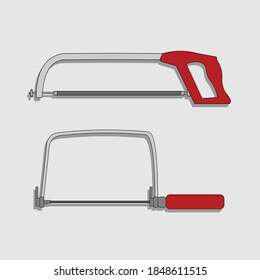
Can You Cut Metal With A Hacksaw: Easy Cutting Guide
Yes. You can cut many types of metal with a hacksaw if you use the right blade, secure the work, and let the teeth do the cutting. A hacksaw can cut steel, aluminum, copper, brass, threaded rod, bolts, pipe, and thin sheet metal.
For most jobs in a U.S. home workshop, garage, or job site, a hacksaw is a low-cost and useful hand tool. It is slower than an angle grinder or reciprocating saw, but it makes less noise, creates no electrical hazard, and gives you better control on small cuts.
What Is a Hacksaw?
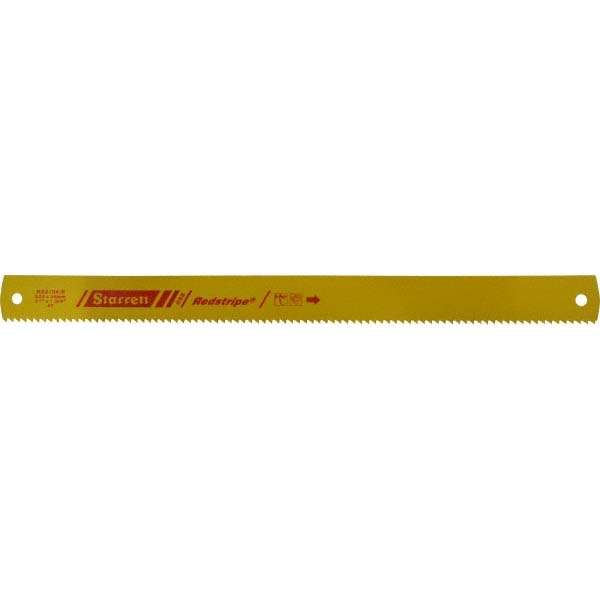
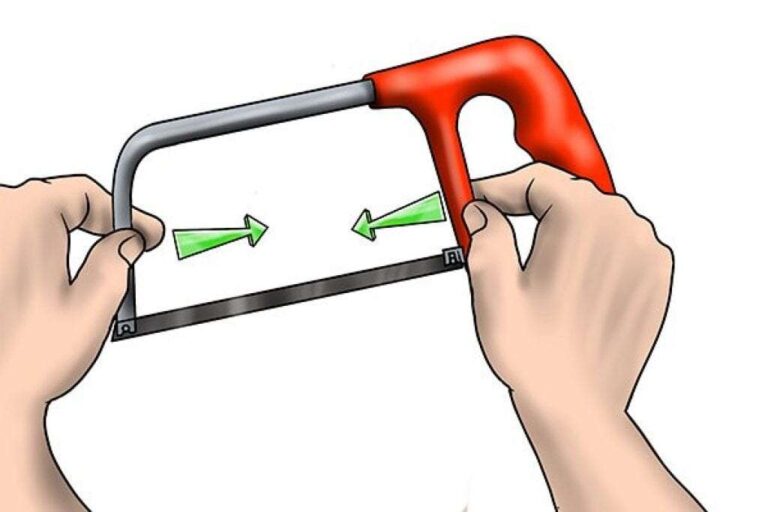
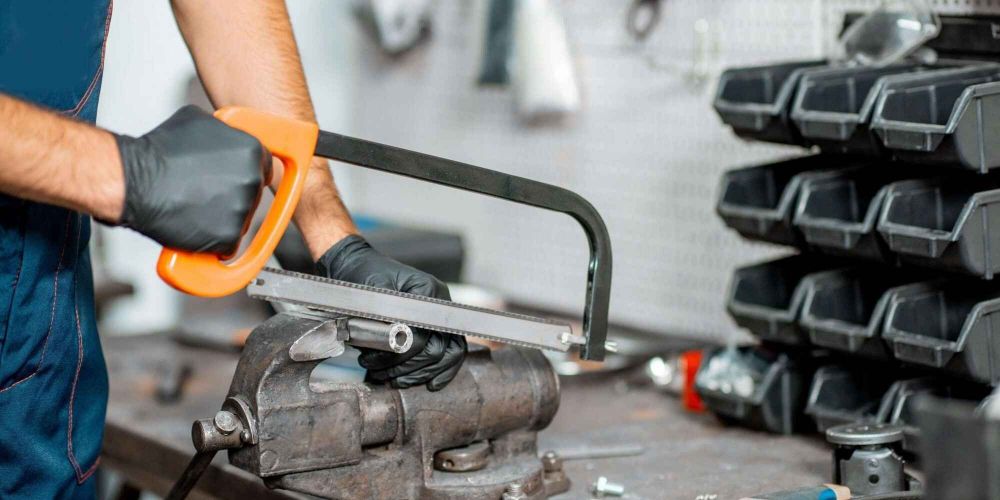
A hacksaw is a hand saw with a narrow, replaceable blade held under tension in a metal frame. Its blade has small teeth made for cutting hard materials such as metal and plastic.
Most standard hacksaws in the United States use a blade about 12 inches long. Compact models use shorter blades. The blade can have different tooth counts, usually listed as teeth per inch, or TPI.
The right TPI depends on the metal’s thickness:
| Metal thickness | Useful blade range | Typical use |
|---|---|---|
| Less than 1/8 inch | 24–32 TPI | Thin sheet, small tubing |
| 1/8 to 1/4 inch | 18–24 TPI | Bolts, angle iron, tubing |
| More than 1/4 inch | 14–18 TPI | Thick bar and heavy stock |
As a basic rule, keep at least three teeth in contact with the work during the cut. If too few teeth touch the metal, the blade may catch, chatter, or lose teeth.
A hacksaw blade may be made from high-carbon steel or bi-metal steel. Bi-metal blades usually resist tooth breakage better, especially when cutting tough steel or stainless steel.

What Types of Metal Can a Hacksaw Cut?
A hacksaw can cut most common, non-hardened metals found around a home or workshop. The blade type and the metal’s thickness determine how easy the cut will be.
Metals a hacksaw can usually cut
- Mild steel
- Stainless steel
- Aluminum
- Copper
- Brass
- Bronze
- Threaded rod
- Bolts and screws
- Steel pipe and conduit
- Aluminum tubing
- Wire rope, with the correct blade
- Thin metal sheet
A hacksaw can also cut cast iron, but the work may be slow and rough. Hardened tool steel, hardened bolts, springs, and some high-strength fasteners may damage a normal blade or make cutting impractical.
Do not assume that a metal-looking item is easy to cut. Some bolts and machine parts are heat-treated to resist wear. If the blade barely marks the surface after several firm strokes, the metal may be hardened or the blade may be dull.
Hacksaw versus other cutting tools
A hacksaw is a good choice when you need:
- A low-cost tool
- A quiet cutting method
- A cut without sparks
- Control over a small workpiece
- A simple tool that needs no power
- A cut near finished surfaces
An angle grinder is usually faster for thick steel, but it creates sparks, noise, and abrasive dust. A reciprocating saw can cut larger pieces faster, but it may be harder to control. A band saw often gives a cleaner and more repeatable cut for frequent metal work.
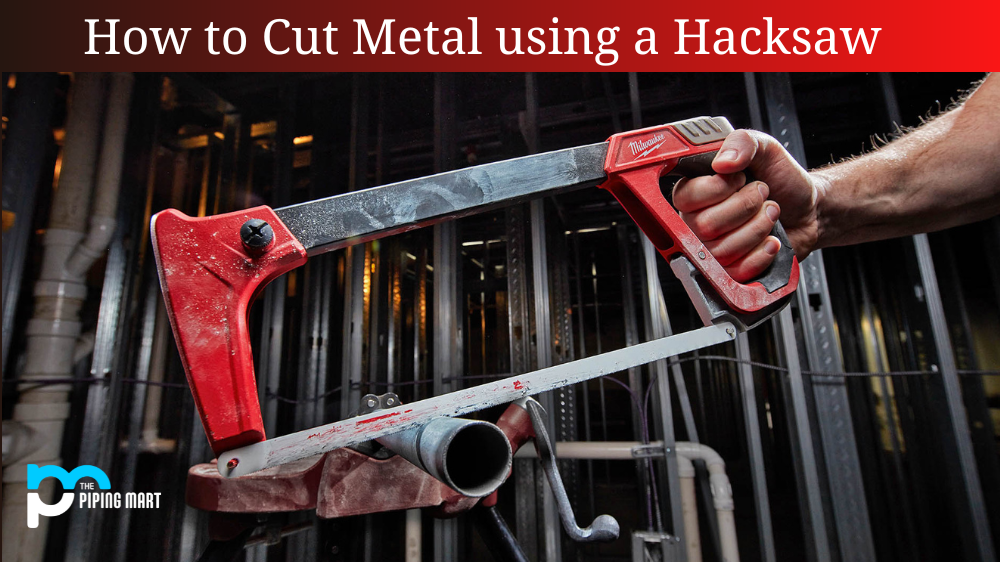
How to Cut Metal With a Hacksaw
Follow these steps for a clean and safe cut.
1. Choose the correct blade
Select the blade based on the metal’s thickness and hardness. Use a fine-tooth blade for thin metal and a coarser blade for thick stock.
Check the blade before installing it. Do not use one with missing teeth, deep rust, cracks, or a bent edge. A dull blade takes more force and is more likely to slip.
2. Install the blade correctly
Most hacksaw blades cut on the forward stroke. Install the blade so the teeth point away from the handle.
Tighten the blade until it is straight and firm. It should not sag in the frame, but do not over-tighten it so much that the frame or blade may fail.
Some specialty blades are designed for a different cutting direction. Follow the blade or saw maker’s instructions if the design is not clear.
3. Mark the cut
Use a permanent marker, scribe, or machinist’s layout tool to mark the cutting line. For a tube or bolt, mark all the way around the part if possible.
A narrow guide line helps keep the cut square. If the cut must be exact, mark the finished dimension and allow for the blade’s width, known as the kerf.
4. Secure the metal
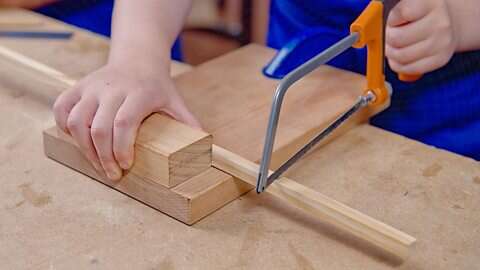
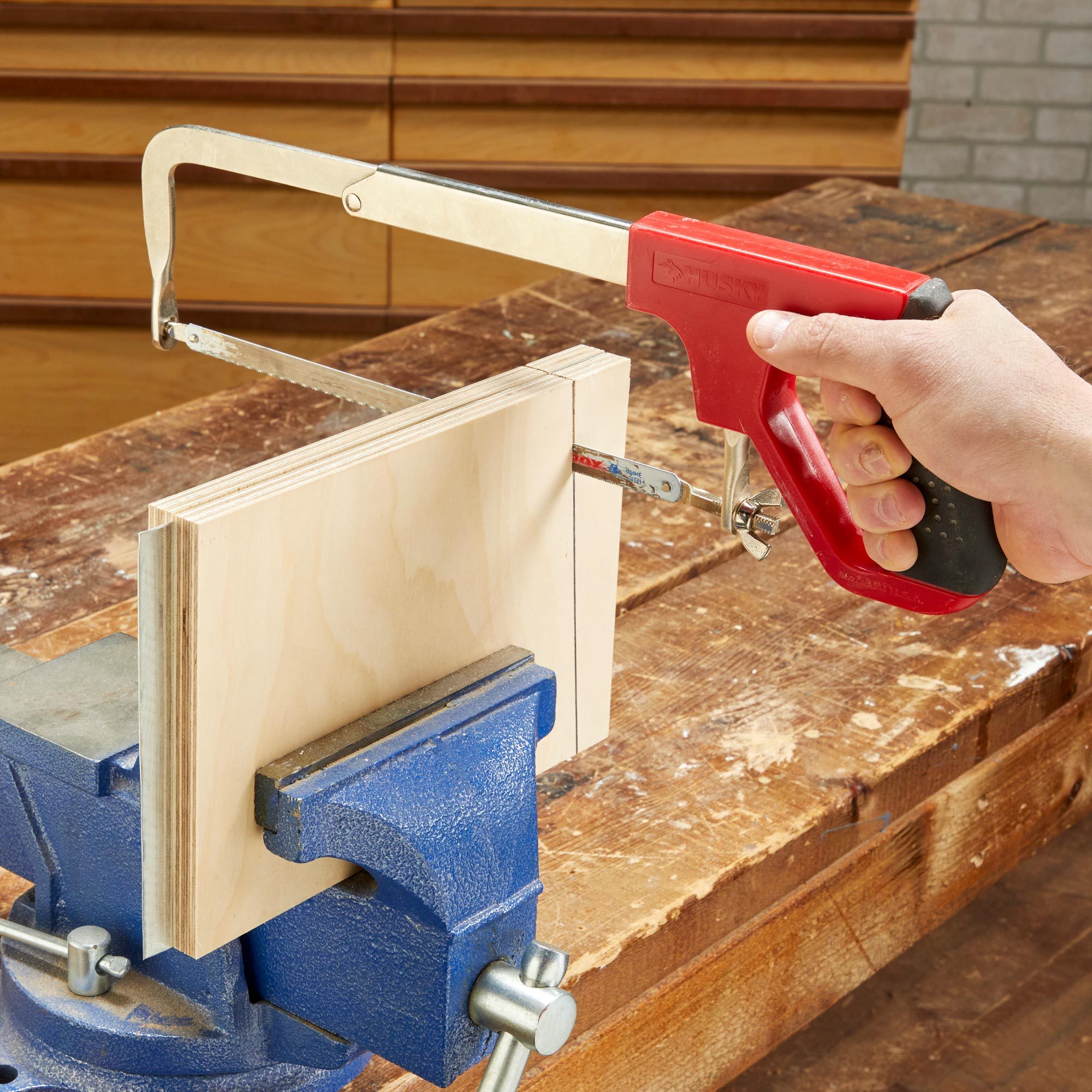
Clamp the workpiece in a vise. Place the cut close to the vise jaws to reduce vibration, but leave enough room for the saw frame to move.
Use soft jaw covers if the surface must remain free of vise marks. Do not hold the metal in one hand while sawing with the other. The blade can slip and cause a serious cut.
For long stock, support the free end so it does not twist or fall as the cut nears completion.
5. Start with short strokes
Place the blade on the waste side of the mark. Use short, light strokes to create a shallow groove.
This first groove is called a starter cut. It helps keep the blade on the line. Do not press hard at this stage. A heavy first stroke can make the blade jump across the surface.
6. Use steady, full strokes
Once the groove is established, use smooth strokes over most of the blade’s length. Apply pressure on the forward stroke and reduce pressure on the return stroke.
Keep the blade aligned with the cut. Let the teeth remove the metal. Pressing harder does not always make the cut faster; it can strip teeth, bend the blade, or make the cut wander.
A steady pace is better than fast, uneven strokes. Keep both hands on the saw when the work allows it.
7. Reduce pressure near the end
When only a small section remains, lighten your pressure. The metal may break suddenly, and the saw can travel forward after the cut opens.
Support both sides of the workpiece if possible. After the cut, remove sharp burrs with a file or deburring tool.
8. Check the result
A successful cut should be close to the marked line, with no major bends or torn edges. Small burrs are normal and can be removed.
If the cut is not square, use a flat file to correct the edge. For a precise fit, check the part with a square, ruler, or caliper rather than relying only on sight.

How to Cut Different Metals
The same basic method works across metals, but each material has different cutting behavior.
Steel
Mild steel is one of the most common hacksaw materials. Use a sharp blade with about 18 to 24 TPI for medium-thickness steel.
Steel requires firm, even pressure. Keep the blade straight and use cutting fluid only when appropriate. A small amount of cutting oil can help with some steel cuts, but keep oil away from your hands and the saw handle so your grip does not become slippery.
Stainless steel
Stainless steel can be cut with a hacksaw, but it often takes more time. Do not rub the blade back and forth without cutting. Excess rubbing can create heat and make the surface harder to cut.
Use a sharp bi-metal blade, steady pressure, and a controlled pace. Replace the blade if it begins to skid instead of forming chips.
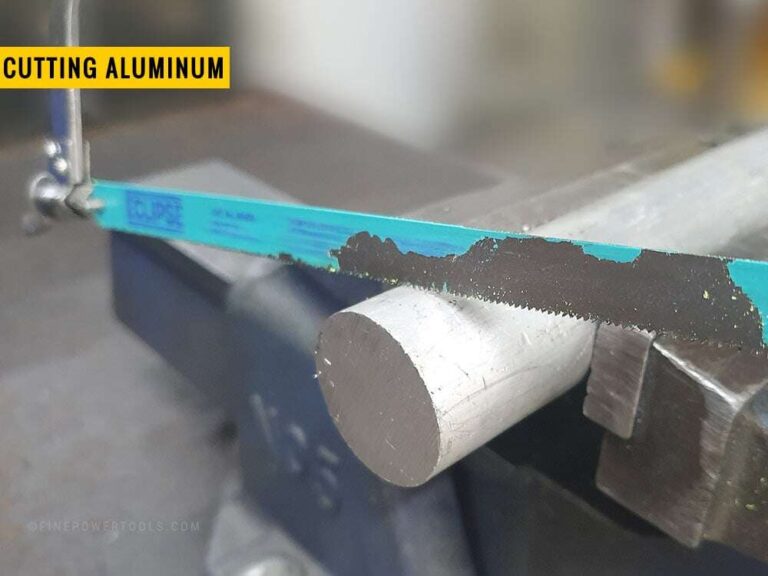
Aluminum
Aluminum is softer than steel, but it can clog the blade teeth. A blade with a suitable tooth pattern helps reduce clogging.
Clean the teeth if aluminum builds up. Avoid forcing the blade, since soft metal can bind around the teeth.
Copper and brass
Copper and brass are generally easy to cut by hand. Clamp them firmly because soft metal can deform under vise pressure or saw force.
Use a fine-tooth blade for thin tubing and support the tube close to the cut.
Threaded rod and bolts
A hacksaw works well for cutting threaded rod and ordinary bolts. Thread a nut onto the rod before cutting. After the cut, remove the burr and turn the nut off the end. The nut can help restore the thread as it passes over the damaged edge.
For a bolt that must fit a nut, file the cut end carefully. If the bolt is hardened, a normal hacksaw may not work well.

Common Hacksaw Problems and Fixes
The blade keeps slipping off the line
Likely causes:
- The starter groove is too shallow
- You are pressing too hard
- The workpiece is moving
- The blade is not tight
- The blade is dull
Start again with light strokes. Clamp the metal closer to the cut and check the blade tension.
The blade breaks
A blade may break because it is bent, over-tightened, installed incorrectly, or twisted during the cut. It may also break when too few teeth engage the metal.
Install a new blade and keep it straight. Never twist the saw to widen the cut.
The saw cuts very slowly
Check the blade first. A dull blade is the most common cause. Then confirm that the TPI suits the material.
A blade with very fine teeth may clog or remove metal slowly from thick stock. A blade with very coarse teeth may catch on thin material.
The cut is rough or uneven
Use a starter groove, hold the saw square, and slow down. Uneven pressure often causes a sloping cut.
If the metal is thin, support it close to the cut. Thin sheet and tubing can vibrate and tear if they are not held firmly.
The metal becomes hot
Some heat is normal, but excessive heat can dull the blade and make the work uncomfortable. Reduce pressure, use slower controlled strokes, and check whether the blade is dull.
Stop if the blade begins to smoke, bind, or lose teeth. A power tool may be a better choice for thick metal or repeated cuts.

Hacksaw Safety in a U.S. Workshop
Wear safety glasses that meet the applicable U.S. impact-protection standard, such as compliant eyewear marked for ANSI/ISEA Z87.1 use. OSHA’s general industry rule at 29 CFR 1910.133 requires suitable eye and face protection where hazards may cause eye or face injury.
Use gloves with care. Gloves can protect against sharp edges, but loose gloves may catch in powered tools. For a hand hacksaw, a snug pair may help when handling rough metal, but keep the glove away from the blade path and maintain a firm grip.
Follow these safety rules:
- Clamp the work before cutting.
- Keep fingers away from the blade.
- Inspect the frame and blade before use.
- Do not use a cracked or bent blade.
- Keep the saw aligned with the cut.
- Remove burrs before handling the finished part.
- Clean metal chips with a brush, not bare hands.
- Keep oil off the handle and floor.
- Wear hearing and face protection when switching to powered tools.
- Do not cut unknown containers that may hold pressure or chemicals.
A hacksaw does not create the sparks produced by many powered cutting tools, but sharp chips and burrs still cause injuries. Treat every freshly cut edge as dangerous until it has been filed or covered.
When Should You Use a Different Tool?
Use another tool when the workpiece is too thick, too hard, too large, or too numerous for practical hand cutting.
A hacksaw may be the wrong choice when:
- You need many identical cuts
- The metal is thick structural steel
- The metal is hardened
- The workpiece cannot be clamped securely
- The cut must be highly precise
- The job requires a long cut through sheet metal
- The blade keeps binding or breaking
For occasional thick-stock work, a reciprocating saw or angle grinder may be more efficient. For repeated straight cuts, a metal-cutting band saw can provide better control. For thin sheet, aviation snips or a nibbler may be more suitable, depending on the cut shape.
Always match the tool to the material and the work environment. A faster tool is not automatically safer if you cannot control it.

Key Takeaways
- Yes, a hacksaw can cut many metals, including steel, stainless steel, aluminum, copper, brass, bolts, and threaded rod.
- Choose the blade by metal thickness, hardness, and tooth count.
- Keep at least three teeth engaged with the work when possible.
- Clamp the metal firmly before cutting.
- Start with short, light strokes, then use smooth full strokes.
- Reduce pressure as the cut finishes.
- File away sharp burrs.
- Use another tool for hardened metal, thick stock, or repeated cuts.
Frequently Asked Questions
Can a hacksaw cut stainless steel?
Yes. Use a sharp bi-metal blade and steady pressure. Stainless steel may cut more slowly than mild steel. Do not force or twist the blade.
Can a hacksaw cut a bolt?
Yes. A hacksaw can cut many ordinary steel bolts. Thread a nut onto the bolt first if you need to restore the threads after cutting. Hardened bolts may require a different tool.
Can a hacksaw cut aluminum?
Yes. Aluminum is usually easy to cut, but it may clog the teeth. Use a suitable fine- or medium-tooth blade and clean the teeth when buildup occurs.
Should hacksaw teeth face forward or backward?
For most standard hacksaw blades, the teeth face forward, away from the handle. The saw normally cuts on the forward stroke. Check the manufacturer’s instructions for specialty blades.
Can you cut metal without a vise?
You can, but it is less safe and less accurate. Secure the metal with a suitable clamp or fixture whenever possible. Never hold a small metal part in your hand while sawing toward your fingers.
How do you make a hacksaw cut straight?
Mark the line clearly, clamp the work close to the cut, start with short strokes, and keep the blade square to the material. Use a file to correct small burrs or minor unevenness after cutting.
Conclusion
A hacksaw is a practical way to cut many common metals in a U.S. home workshop or garage. The key is not brute force. Use a sharp blade with the right TPI, secure the workpiece, start slowly, and keep the blade straight.
For a single bolt, tube, bracket, or short piece of metal, a hacksaw may be all you need. If the material is hardened, very thick, or part of a large batch, choose a tool designed for faster and more controlled cutting.
Recent Tool Guides
 Hammer
How To Hammer Flowers Onto Paper: Easy Guide
Learn how to hammer flowers onto paper with simple steps, helpful tips, and beautiful results for...
Read Guide → Wrench
How To Use A Hex Wrench: Easy Step-By-Step Guide
Learn how to use a hex wrench correctly with simple steps, helpful tips, and common mistakes...
Read Guide → Hacksaw
How To Cut Curtain Pole With Hacksaw: Easy Guide
Learn how to cut curtain pole with hacksaw safely and neatly. Follow simple steps for accurate...
Read Guide → Wrench
How To Use A Husky Torque Wrench: Easy Guide
Learn how to use a Husky torque wrench correctly with simple steps, torque settings, and safety...
Read Guide → Hammer
How To Hold A Hammer: Safe Grip Guide
Learn how to hold a hammer with the right grip, stance, and technique for safer, more...
Read Guide → Hacksaw
How To Cut Flexible Metal Conduit With Hacksaw: Easy Guide
Learn how to cut flexible metal conduit with hacksaw safely and cleanly. Follow simple steps for...
Read Guide →