How To Install A Hacksaw Blade Direction: Correct Setup
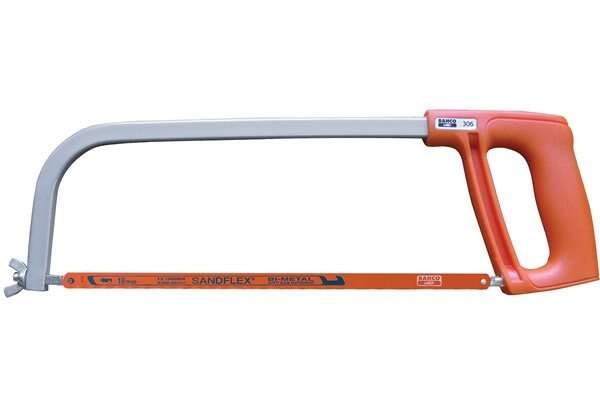
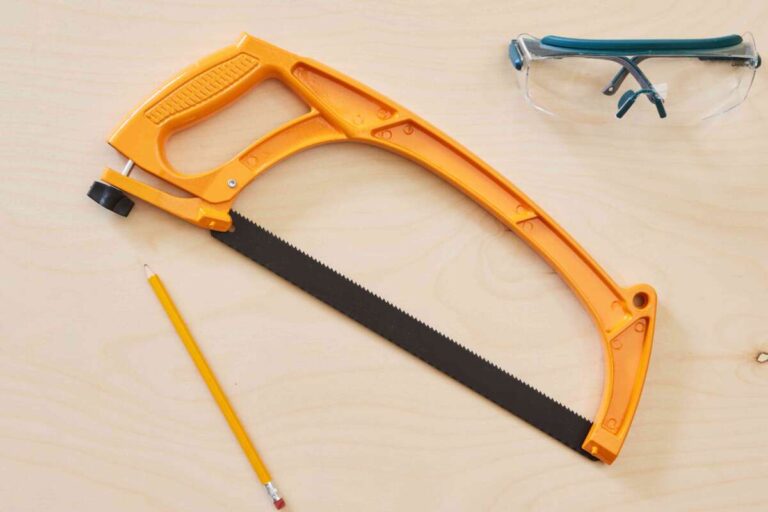
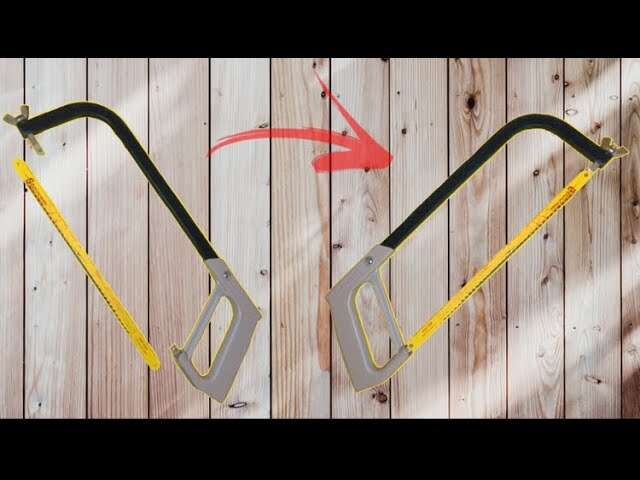
In the United States, most standard hacksaws use a blade with the teeth facing away from the handle. This lets the blade cut on the forward push stroke. The smooth return stroke brings the saw back without cutting.
To install the blade, loosen the frame, fit the blade onto both mounting pins, point the teeth away from the handle, and tighten the blade until it is firm. Do not over-tighten it, because too much tension can damage the frame or snap the blade.

Which Way Should a Hacksaw Blade Face?
A hacksaw blade should usually face forward, away from the handle. The handle is the part you hold. The blade teeth should point toward the front end of the hacksaw frame.
This direction matches the normal cutting motion:
- Push the saw forward: The teeth cut the material.
- Pull the saw back: The blade returns with little or no cutting action.
- Keep light pressure on the return stroke: This helps protect the teeth.
Most standard hacksaw blades are made for this push-cut action. This includes common blades used to cut steel tubing, bolts, threaded rod, conduit, plastic pipe, and other materials.
Quick direction check
Hold the hacksaw as if you are ready to cut. The teeth should point in the direction the frame moves when you push it away from your body.
If the teeth point toward the handle, the blade is reversed for normal use. The saw may still move through soft material, but it will not cut as designed. The blade can also slip, snag, or produce poor results.
How to Install a Hacksaw Blade Correctly
You can install a standard hacksaw blade in a few simple steps. Wear eye protection before you begin, and keep your fingers away from the teeth.
1. Choose the right blade
Select a blade that fits your hacksaw frame. Check these points:
- Length: Most full-size hacksaws use a 12-inch blade, but compact frames may use shorter blades.
- Tooth pitch: Fine teeth suit thin metal. Coarse teeth suit thicker stock.
- Blade type: High-carbon steel blades cost less. Bi-metal blades usually handle tougher work and resist breakage better.
- Mounting holes: The holes at each end must fit the pins or posts on the frame.
A blade that is too long, too short, or made for a different frame may not tension correctly.
2. Release the blade tension
Find the tension screw, wing nut, lever, or quick-release control at the front or rear of the frame.
Turn the tension control counterclockwise, or use the release lever if the frame has one. Loosen the blade until the mounting holes can slide off the frame pins.
Do not remove a blade by forcing it sideways. If the blade is still tight, release more tension first.
3. Check the new blade
Before fitting the new blade, look for:
- Bent edges
- Cracked teeth
- Damaged mounting holes
- Rust that affects the blade
- Missing or uneven teeth
Do not use a damaged blade. Small cracks can spread when you apply tension.
4. Point the teeth away from the handle
Place the blade so the teeth point toward the front of the hacksaw frame and away from the handle.
This is the key step in hacksaw blade direction. On a typical frame, the handle sits at the rear. The teeth should face the opposite end.
Some blades have printed arrows. If an arrow is present, follow the blade maker’s direction. If no arrow appears, use the standard push-cut setup: teeth away from the handle.
5. Fit the blade onto both pins
Place one mounting hole over the pin at one end of the frame. Then fit the other hole over the opposite pin.
Keep the blade straight in the frame. The teeth should face outward from the frame, not sideways toward the frame tube.
On some hacksaws, the blade can be installed with the teeth facing sideways. That position may help with a special cut, but it is not the normal setup for cutting with a standard hacksaw.
6. Tighten the blade
Turn the tension screw clockwise or close the quick-release lever. Tighten the blade until it is firm and straight.
A properly tensioned blade should not hang loose or twist easily. It should also not feel so tight that the frame bends or the mounting pins look stressed.
For a frame with a tension lever, close the lever only after the blade is seated. If the lever will not close, loosen the tension adjustment and try again. Do not force it.
7. Test the blade before cutting
Lightly tap the center of the blade with a finger or a non-sharp tool. A firm blade may produce a short, clear sound, but sound alone is not a reliable tension test.
The better checks are visual and physical:
- The blade sits straight.
- Both mounting holes are fully on the pins.
- The blade does not wobble.
- The frame remains straight.
- The teeth point away from the handle.
- The blade does not shift when you move the saw by hand.
If any part looks wrong, release the tension and reinstall the blade.

How Tight Should a Hacksaw Blade Be?
A hacksaw blade should be tight enough to stay straight during a cut, but not so tight that the frame or blade is under excessive stress.
There is no single tension setting for every hacksaw. Frames differ in size, material, and design. Follow the instructions for your specific model when they give a tension limit.
Use these practical signs:
| Condition | What it means | What to do |
|---|---|---|
| Blade hangs loose | Too little tension | Tighten it |
| Blade twists easily | Too little tension or poor seating | Check both mounting pins, then tighten |
| Blade is straight and stable | Usually correct | Begin with a light test cut |
| Frame bends or pins look strained | Too much tension | Loosen the blade |
| Blade snaps during setup | Possible over-tension, damage, or poor fit | Replace the blade and inspect the frame |
Over-tightening is a common mistake. A hacksaw does not cut better simply because the blade is extremely tight. Excess tension can cause a blade to break without warning.
How to Choose the Right Hacksaw Blade Teeth
The blade direction stays the same for most normal cuts, but the tooth size should match the material thickness.
A useful rule is to keep at least two or three teeth in contact with the material during the cut. This is a practical guide, not a universal law. The blade maker’s instructions take priority.
| Material or workpiece | Typical tooth choice | Reason |
|---|---|---|
| Thin sheet metal | Fine teeth | Reduces tooth grabbing and snagging |
| Thin-wall tubing | Fine or medium teeth | Helps prevent tooth damage |
| General steel stock | Medium teeth | Balances speed and control |
| Thick bar, rod, or pipe | Coarse teeth | Clears chips more easily |
| Plastic pipe | Fine to medium teeth | Helps limit rough edges and cracking |
A blade with too few teeth in the material can catch and strip teeth. A blade with very fine teeth can cut slowly and clog with chips when used on thick stock.
For a standard 12-inch hacksaw blade, tooth counts are often described as teeth per inch, or TPI. Common choices include 18, 24, and 32 TPI. Exact recommendations vary by blade design and material.
How to Cut Safely After Installing the Blade
Correct blade direction is only one part of safe hacksaw use.
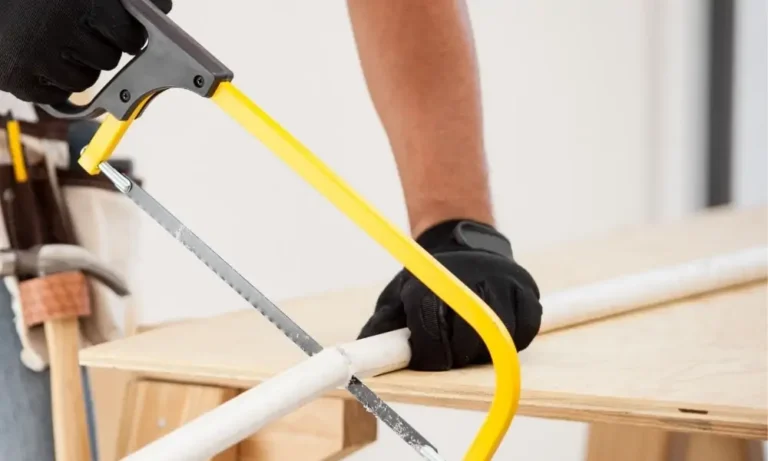
Secure the workpiece in a vise or another stable holding tool. Do not hold small metal parts in your hand while sawing. A moving workpiece can pinch the blade or cause the saw to jump.
Start with short, slow strokes. Let the teeth do the work. Use firm but light pressure on the forward stroke, then reduce pressure as you pull the saw back.
Keep both hands on the saw when the frame design allows it. One hand should control the handle. The other can guide the front of the frame. Keep your fingers clear of the blade path and the cut.
Wear safety glasses. Cutting metal can create sharp chips, and a broken blade can release small pieces. Gloves may help protect against sharp stock, but they should not replace safe hand placement or eye protection.

What If the Hacksaw Blade Is Installed Backward?
If the teeth face the handle, the blade is backward for a normal push-cut setup. Remove it and turn it around before cutting.
A backward blade may show these symptoms:
- The saw skates across the surface.
- The cut starts poorly.
- The blade cuts more during the pull stroke.
- You need unusual force.
- The teeth catch or chatter.
- The blade wears unevenly.
Some users install a blade backward for a special cutting method, such as certain flush or awkward-position cuts. That is an exception, not the standard direction. Use the blade maker’s instructions if the blade or saw frame is designed for a different setup.
If the teeth face the right way but the saw will not cut
Check the following in order:
- Confirm the blade is sharp. Worn teeth may slide over the material.
- Check the material. Hardened steel may need a blade made for that work.
- Check the tooth pitch. A blade that is too coarse for thin stock may catch.
- Secure the workpiece. Movement can prevent clean tooth engagement.
- Use a steady stroke. Fast, uneven strokes can cause chatter.
- Inspect the blade tension. A loose blade can twist and wander.
- Check for a damaged frame. Bent pins or a bent frame can misalign the blade.
Do not keep forcing the saw if the blade binds. Stop, release pressure, and inspect the setup.
Common Mistakes When Installing a Hacksaw Blade
Installing the teeth toward the handle
this reverses the normal cutting action. Turn the blade so the teeth point away from the handle.
Tightening the blade too much
Extreme tension can break the blade or damage the frame. Tighten only until the blade is firm and stable.
Using the wrong blade length
A blade that does not reach both mounting pins cannot be tensioned safely. Use the length specified for the frame.
Ignoring the blade’s arrow
Some blades include an arrow or other direction mark. Follow that mark when it differs from a general rule.
Using a damaged blade
A cracked or bent blade may fail during a cut. Replace it instead of trying to straighten or repair it.
Cutting without securing the work
A loose pipe, bolt, or metal strip can move suddenly. Clamp the material before you start.
Pressing hard on every stroke
Hacksaw teeth are small. Heavy force can bend the blade, break teeth, or make the saw jump. Use controlled pressure on the forward stroke.

Standard Hacksaw vs. Junior Hacksaw Blade Direction
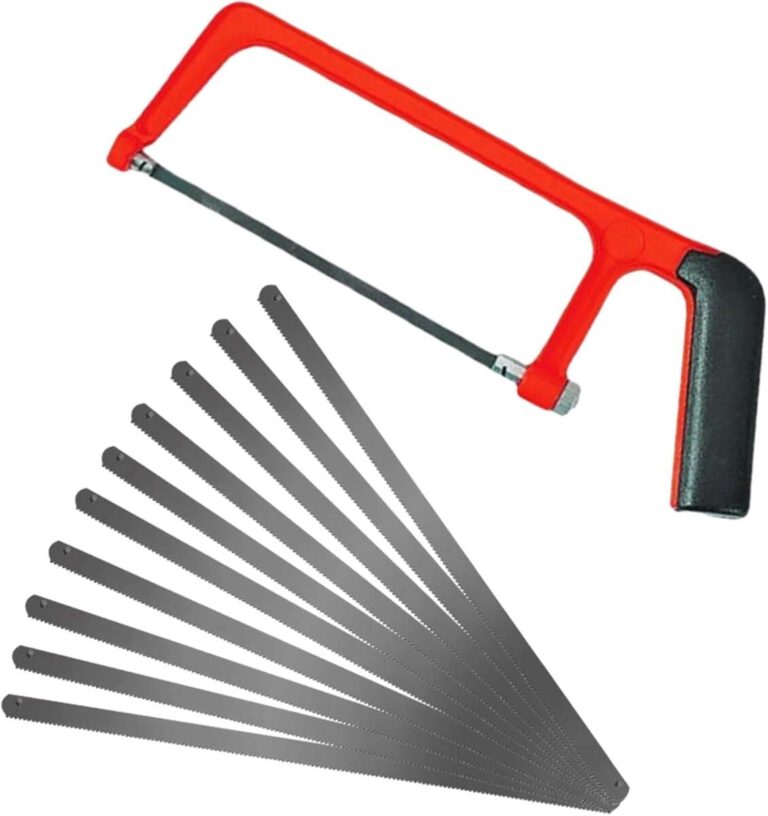
Both standard and junior hacksaws usually cut with the teeth facing away from the handle. The main difference is the frame and blade attachment method.
A full-size hacksaw often uses a 12-inch blade and a tensioning screw. A junior hacksaw uses a smaller frame and may use a narrow blade with a different mounting system.
Do not assume that every small hand saw uses the same blade direction. Check the frame design and the instructions supplied with the tool. If the teeth are marked with an arrow, use the marked direction.
Can You Install a Hacksaw Blade Vertically?
Some hacksaw frames let you mount the blade with the teeth facing sideways instead of facing the normal cutting direction. This can help reach tight spaces or make certain flush cuts.
Only use that position if the frame and blade stay secure. The blade must still fit tightly on both mounting points. A sideways blade can be harder to control, so use slow strokes and keep your hands away from the cutting path.
For general work, keep the blade in the normal position with the teeth pointing away from the handle.
When Should You Replace a Hacksaw Blade?
Replace the blade when the teeth are dull, missing, bent, or clogged with material. Replace it immediately if it has a crack or if it bends during a cut.
A dull blade often makes the saw feel harder to use. You may press more firmly, move more slowly, or see rough edges on the cut. More pressure is not a fix for a worn blade.
After a blade breaks, inspect the frame and mounting pins. A bent pin or damaged frame can cause the replacement blade to sit crooked or fail under tension.
Frequently Asked Questions
Should the teeth on a hacksaw blade face forward or backward?
For a standard hacksaw, the teeth should face forward, away from the handle. This makes the blade cut on the push stroke.
Which side of a hacksaw blade goes up?
The blade should sit straight in the frame, with the teeth pointing away from the handle. The blade’s flat sides do not normally have a required top or bottom unless the manufacturer marks one.
Can a hacksaw cut on the pull stroke?
A standard hacksaw blade is normally installed for a push stroke. Some specialty saws and blades are designed for pull cutting, but use that setup only when the product instructions support it.
Why does my hacksaw blade keep breaking?
Common causes include over-tightening, a damaged blade, a bent frame, incorrect blade length, blade twisting, or excessive pressure. Release the blade, inspect the frame, install a new blade, and use lighter pressure.
How do I know if a hacksaw blade is tight enough?
The blade should be straight, stable, and fully seated on both mounting pins. It should not hang loose or twist easily. Stop tightening if the frame bends or the mounting parts show strain.
Key Takeaways
- Install a standard hacksaw blade with the teeth pointing away from the handle.
- The teeth should cut on the forward push stroke.
- Make sure the blade length and mounting holes match the frame.
- Tighten the blade until it is firm, not excessively tight.
- Secure the workpiece and wear eye protection.
- Replace blades that are cracked, bent, dull, or missing teeth.
Conclusion
The correct hacksaw blade direction is simple: point the teeth away from the handle for normal push cutting. Fit the blade onto both frame pins, tighten it until it is straight and stable, and test the setup before cutting.
If the saw binds, skips, or breaks blades, stop and check the blade direction, tooth pitch, tension, frame condition, and workpiece support. A properly fitted blade should cut with steady strokes and moderate pressure.
Recent Tool Guides
 Hammer
How To Hammer Flowers Onto Paper: Easy Guide
Learn how to hammer flowers onto paper with simple steps, helpful tips, and beautiful results for...
Read Guide → Wrench
How To Use A Hex Wrench: Easy Step-By-Step Guide
Learn how to use a hex wrench correctly with simple steps, helpful tips, and common mistakes...
Read Guide → Hacksaw
How To Cut Curtain Pole With Hacksaw: Easy Guide
Learn how to cut curtain pole with hacksaw safely and neatly. Follow simple steps for accurate...
Read Guide → Wrench
How To Use A Husky Torque Wrench: Easy Guide
Learn how to use a Husky torque wrench correctly with simple steps, torque settings, and safety...
Read Guide → Hammer
How To Hold A Hammer: Safe Grip Guide
Learn how to hold a hammer with the right grip, stance, and technique for safer, more...
Read Guide → Hacksaw
How To Cut Flexible Metal Conduit With Hacksaw: Easy Guide
Learn how to cut flexible metal conduit with hacksaw safely and cleanly. Follow simple steps for...
Read Guide →