

Use a hand tap tool by drilling the right pilot hole, aligning the tap, cutting slowly, and clearing chips often.
Learning how to use hand tap tool correctly lets you cut clean internal threads in metal without damaging the tap or workpiece. The process looks simple, but success depends on the tap type, hole size, alignment, cutting fluid, and steady hand pressure. This guide explains the full method in clear steps, including safety tips, common mistakes, and practical ways to get strong, accurate threads.
What Is a Hand Tap Tool?
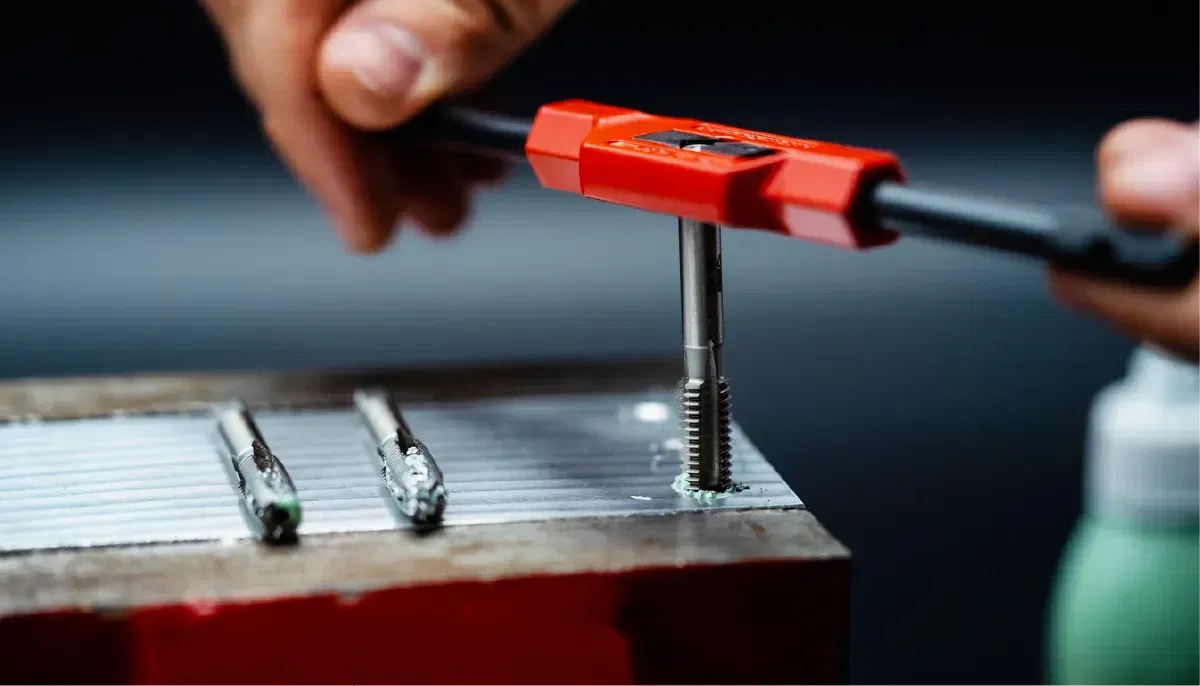
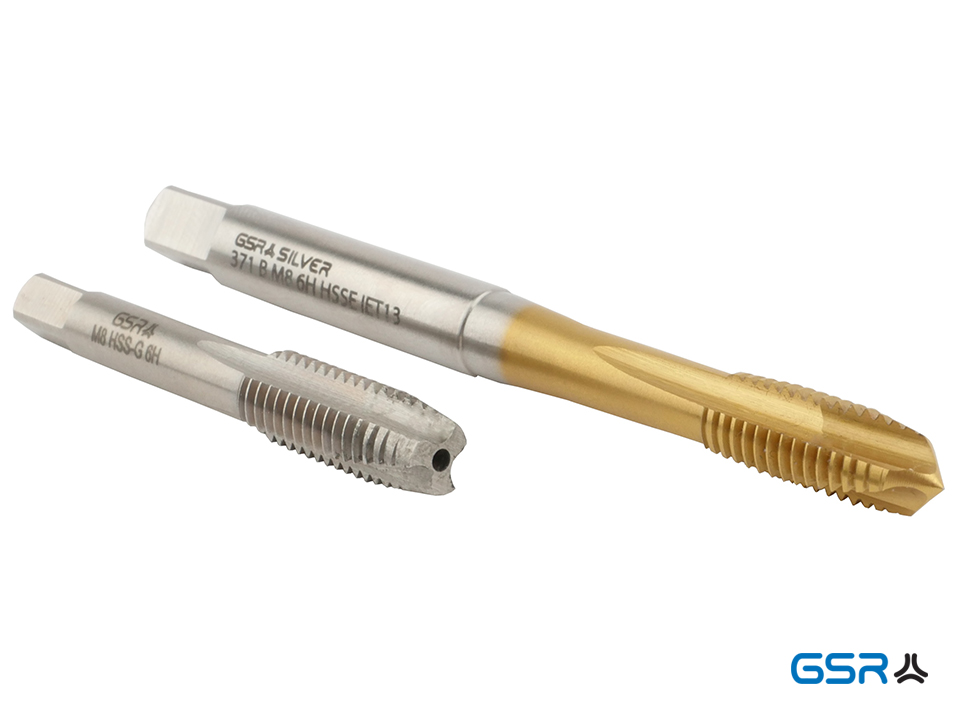
A hand tap tool creates internal threads inside a drilled hole. These threads allow you to install a bolt, screw, or threaded fitting. The tap cuts a spiral groove into the hole as you turn it.
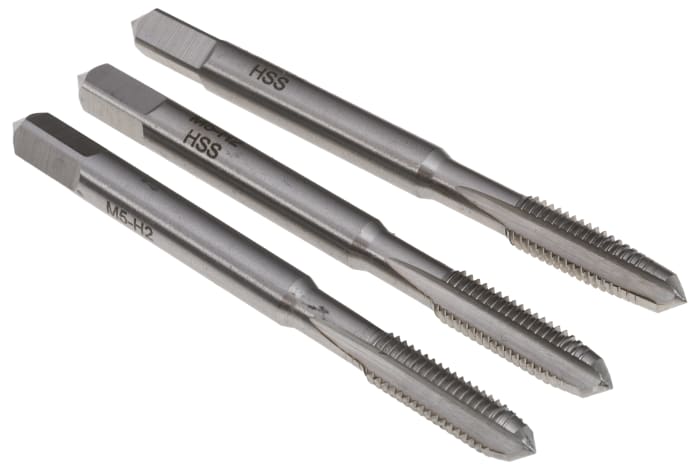
Most hand taps are made from hardened high speed steel or carbon steel. A standard hand tap set often includes:
• Taper tap: This has a long, gradual lead and is the easiest tap for starting a new thread.
• Plug tap: This has a shorter lead and cuts threads deeper into a blind hole.
• Bottoming tap: This has very few tapered threads and reaches close to the bottom of a blind hole.
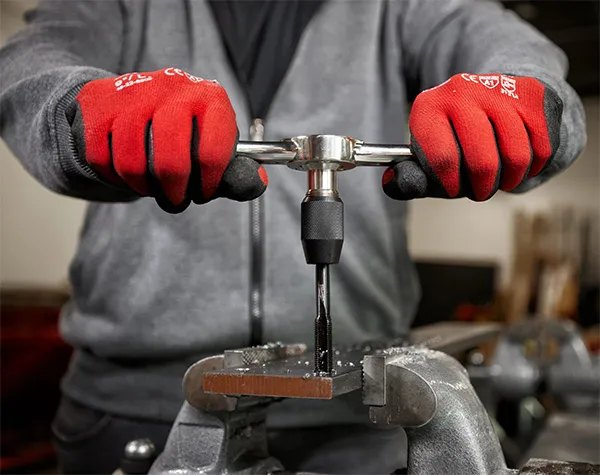
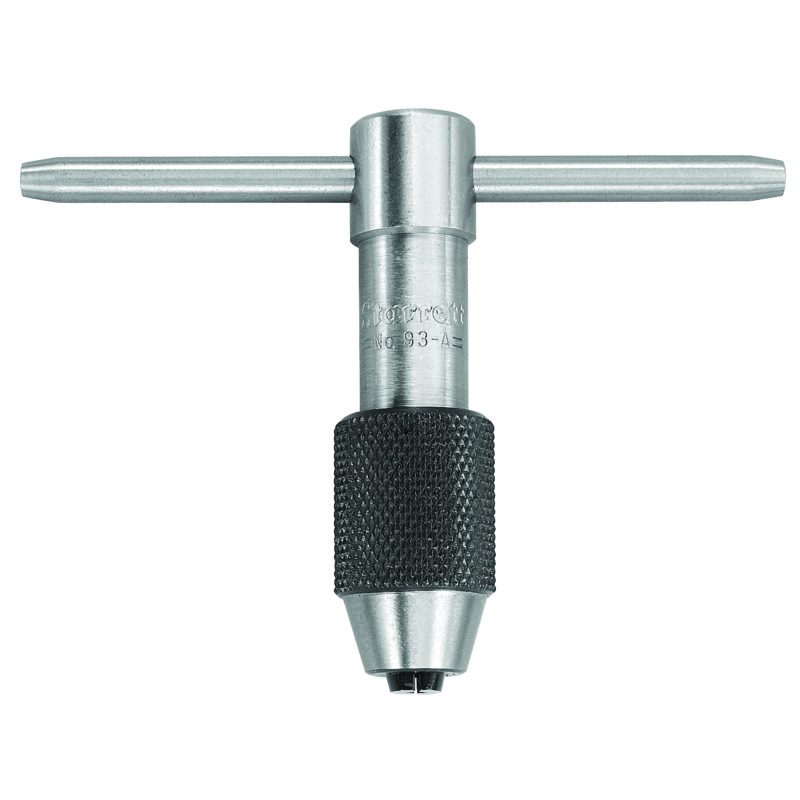
You normally hold the tap with a tap wrench. The wrench gives you control and helps keep the tap straight. Learning how to use hand tap tool starts with knowing which tap matches the job.
A hand tap is not the same as a machine tap. Hand taps are designed for slow, manual turning. Machine taps are made for drills, tapping machines, or CNC equipment and may have different flute designs.

Tools and Materials You Need
Before learning how to use hand tap tool in practice, gather all the needed tools. Good preparation reduces errors and keeps the tap from binding.
You will need:
• The correct hand tap for the desired thread size and type
• A tap wrench that fits the tap square
• A drill bit for the correct tap drill size
• A drill press or hand drill
• A center punch
• Cutting oil or tapping fluid
• A bench vise or another secure holding device
• A wire brush, small pick, or compressed air for chip removal
• Safety glasses
• A ruler, thread gauge, or caliper for checking the work
Check whether the thread is coarse or fine. For example, a 1/4-20 tap makes a coarse thread with 20 threads per inch. A 1/4-28 tap makes a fine thread with 28 threads per inch. These taps are not interchangeable.
You also need the correct tap drill size. The drill must leave enough metal for the tap to form the thread. A hole that is too small can cause binding and tap breakage. A hole that is too large can produce weak threads.

Choose the Correct Tap Drill Size
The pilot hole is one of the most important parts of how to use hand tap tool. The tap does not cut a thread from solid metal. It removes some material from a properly sized drilled hole.
For inch threads, a common estimate is:
Tap drill size = major diameter minus pitch
For a 1/4-20 thread:
• Major diameter: 0.250 inch
• Pitch: 1 ÷ 20 = 0.050 inch
• Estimated tap drill size: 0.200 inch
A standard number 7 drill, which measures about 0.201 inch, is commonly used for a 1/4-20 tap.
For metric threads, use:
Tap drill size = thread diameter minus thread pitch
For an M6 × 1.0 thread:
• Thread diameter: 6.0 millimeters
• Pitch: 1.0 millimeter
• Estimated tap drill size: 5.0 millimeters
These formulas provide a useful estimate, but tap drill charts are better. The ideal hole size can change with the material, thread strength, and percentage of thread engagement.
A full thread is not always the strongest thread. In many applications, about 65 to 75 percent thread engagement provides excellent strength while reducing the risk of tap breakage.
How to Use Hand Tap Tool: Step by Step
The best way to understand how to use hand tap tool is to follow a consistent process. Take your time, especially when tapping hard steel, stainless steel, or a deep blind hole.
1. Mark the Hole Location
Use a ruler, layout dye, or caliper to mark the hole location. Check the measurement twice before drilling.
Place a center punch on the mark and strike it lightly with a hammer. The small indentation helps the drill start without wandering.
2. Secure the Workpiece
Clamp the material firmly in a vise. The workpiece must not move while you drill or tap.
Use soft jaws, aluminum plates, or wood blocks when the surface could be damaged. Keep the work level and make sure the vise is tight.
Never hold a small workpiece in your hand while drilling. A rotating drill can grab it and cause a serious injury.
3. Drill the Pilot Hole
Use the correct tap drill size. Drill straight into the material and apply steady pressure.
For a through hole, drill completely through the workpiece. For a blind hole, drill deeper than the final thread depth. Leave extra space below the threads for chips and the pointed end of the tap.
A depth about two to three tap diameters deeper than the required thread can provide useful chip space, but the exact amount depends on the tap and material.
Apply cutting fluid while drilling tough metals. Remove chips often instead of forcing the drill through packed material.
4. Clean and Chamfer the Hole
Remove burrs from both sides of the hole. A countersink or larger drill can create a small chamfer at the entrance.
The chamfer gives the tap a smooth starting surface. It also prevents the first thread from tearing or lifting a sharp burr.
Clean the hole before tapping. Loose chips can make the tap start crooked or create rough threads.
5. Install the Tap in the Wrench
Insert the square end of the tap into the tap wrench. Tighten the wrench jaws evenly.
The tap must sit securely. If it slips, the square end may become damaged and your control will suffer.
For small taps, use a small wrench. A large wrench can give you too much leverage and make it easy to apply excessive force.
6. Align the Tap
Place the tap in the hole and check that it is square to the workpiece. Alignment is the most important skill in how to use hand tap tool.
You can check alignment from two directions. Look from the front and side, or place a small square beside the tap. On a drill press, you can use the drill chuck or quill to guide the tap for the first few turns, but do not power the tap unless the setup is designed for it.
A crooked start can ruin the thread before you notice the problem. If the tap leans, back it out and restart.
7. Apply Cutting Fluid
Add a few drops of suitable cutting fluid to the tap and hole. The fluid reduces heat and friction. It also helps carry chips out through the flutes.
Use a fluid made for the material:
• Aluminum often works well with a light cutting oil or a lubricant made for aluminum.
• Mild steel usually responds well to general purpose tapping oil.
• Stainless steel needs careful lubrication because it can work harden quickly.
• Cast iron is often tapped dry because its chips are powdery, but follow the tap maker’s guidance.
Do not use excessive fluid if it makes the workpiece difficult to hold. A small amount applied often is usually enough.
8. Turn the Tap Slowly
Apply light downward pressure while turning the wrench clockwise for a standard right hand thread. Let the tap cut the metal rather than forcing it.
After about half a turn to one full turn, reverse the tap about one quarter turn. This breaks the chip and helps clear the flutes.
Repeat this pattern:
Turn forward slowly.
Feel the cutting action.
Reverse slightly to break the chip.
Add more cutting fluid.
Continue until the thread reaches the needed depth.
The exact forward and reverse distance depends on the material and tap size. Softer metals may allow longer forward turns. Harder metals often need more frequent chip breaking.
9. Check the Thread Depth
For a through hole, continue until the taper or plug section has passed through the material. For a blind hole, stop before the tap reaches the bottom.
Never force the tap against the bottom of a blind hole. The trapped chips and bottom pressure can snap the tap.
Measure the depth of the bolt or screw before tapping. Mark the tap with tape if you need a visual stopping point.
10. Remove and Clean the Tap
Turn the tap counterclockwise slowly. Do not pull it out at an angle.
Brush away chips and clean the new threads. Use a matching bolt or thread gauge to test the fit.
The bolt should turn by hand for several rotations. If it binds, stop and inspect the thread. Forcing a bolt can damage both the new thread and the fastener.
How to Tap Different Materials
Material choice changes how to use hand tap tool. Each metal produces different chips and reacts differently to heat and pressure.
Mild Steel
Mild steel is a good material for beginners. Use a sharp high speed steel tap, the correct pilot hole, and cutting oil.
Break chips often. If the tap becomes hard to turn, reverse it, clean the flutes, and add more oil.
Stainless Steel
Stainless steel can harden when rubbed without cutting. Use a sharp tap, firm feed pressure, and plenty of suitable cutting fluid.
Do not slowly rotate a dull tap in the hole. That action can polish and harden the surface, making the next cut harder.
Aluminum
Aluminum is soft, but it can stick to the tap. Use a lubricant that reduces aluminum buildup.
Keep the flutes clean. A clogged tap can tear the thread even when the pilot hole is correct.
Brass and Copper
Brass often cuts easily, but some grades can grab the tap. Use controlled pressure and avoid excessive leverage.
Copper is soft and ductile. Keep the tap aligned and clear chips often to prevent material from packing into the flutes.
Cast Iron
Cast iron produces short, brittle chips. Many machinists tap it without oil because the dust can mix with fluid and form an abrasive paste.
Wear eye protection and clean the area carefully. Cast iron dust can irritate the eyes and lungs.
Common Mistakes to Avoid
Many tapping problems come from small errors. Knowing these mistakes makes how to use hand tap tool safer and more reliable.
• Using the wrong tap drill size: A hole that is too small creates heavy cutting pressure.
• Starting at an angle: A crooked tap produces weak, uneven threads.
• Turning too fast: Speed creates heat and increases the chance of breakage.
• Skipping chip reversal: Long chips can pack into the flutes and lock the tap.
• Using too much force: A tap is hard but brittle. It can snap with little warning.
• Tapping too deep in a blind hole: The tip may hit the bottom before the thread is complete.
• Using a dull tap: A dull edge rubs instead of cutting and can damage the hole.
• Holding the work by hand: The material can spin and cause injury.
• Using a bolt to force a bad thread: This can damage both parts and hide the real problem.
A broken tap is difficult to remove because hardened steel is often harder than the workpiece. Prevention is far easier than extraction.
How to Remove a Broken Tap
Even careful users can break a tap. Do not panic, and do not strike it with a regular drill bit. The broken piece may be harder than the drill.
Possible removal methods include:
• Tap extractor: A special extractor fits into the tap flutes and may allow gentle reverse turning.
• Screw machine or electrical discharge machining: A machine shop can remove a broken tap with specialized equipment.
• Punch method: Small fragments may sometimes be loosened with a fine punch, but this can damage the surrounding threads.
• Drill and retap: If the hole can be enlarged, you may drill out the damaged section and install a thread insert.
Before choosing a method, consider the material, hole size, and value of the part. If the workpiece is expensive or safety critical, professional removal is often the best choice.

Safety Tips for Hand Tapping
Safety is a key part of how to use hand tap tool. A tap can break suddenly, and sharp chips can cut skin or eyes.
Follow these practices:
• Wear safety glasses or a face shield.
• Keep loose clothing, hair, and jewelry away from drills and rotating tools.
• Clamp the work securely.
• Use a brush to remove chips instead of your fingers.
• Do not wear loose gloves near rotating equipment.
• Keep the tap wrench handles clear of nearby objects.
• Clean spilled cutting fluid from the floor and bench.
• Inspect taps for cracks, dull edges, or damaged threads.
• Stop if the tap binds or requires unusual force.
The main safety rule is simple: if the tool feels wrong, stop and inspect it. Extra force rarely fixes a tapping problem.
Tips for Better Thread Quality
Once you understand how to use hand tap tool, small improvements can make your results more consistent.
Use a guide when alignment matters. A drill press can help start the tap straight, even when you turn the tap by hand. You can also use a tapping guide block with a hole that matches the tap diameter.
Use a sharp tap for each difficult material. Store taps in a case so their cutting edges do not rub against other tools.
Practice on scrap metal first. This helps you learn the feel of the cut. A good tap feels steady and controlled. It should not require sudden force.
For critical parts, test the finished thread with a calibrated thread plug gauge or the correct fastener. A bolt test is useful, but it does not measure every aspect of thread accuracy.
Use thread inserts when the base material is soft, thin, or frequently assembled. An insert can provide stronger, more durable threads in aluminum and other light metals.
Troubleshooting Tapping Problems
The Tap Will Not Start
The hole may not have a chamfer, or the tap may be leaning. Remove the tap, clean the hole, add a small chamfer, and restart with better alignment.
The Tap Feels Too Tight
The pilot hole may be too small, the tap may be dull, or chips may be packed in the flutes. Reverse the tap, clean it, check the drill size, and apply fresh cutting fluid.
The Thread Looks Rough
Rough threads can result from a dull tap, poor lubrication, excessive speed, or incorrect chip removal. Try a new tap and use a slower, steadier turning pattern.
The Bolt Does Not Fit
Check the thread size and pitch first. If the tap and bolt do not match, the thread may be the wrong standard, such as metric instead of inch.
The Tap Breaks at the Entrance
This often points to poor alignment, a damaged tap, or too much starting pressure. A proper chamfer and a smaller tap wrench can improve control.
Frequently Asked Questions About How to Use Hand Tap Tool
Do I need cutting oil when using a hand tap?
Cutting oil is helpful for most metals because it reduces friction, heat, and chip buildup. The best fluid depends on the material, so follow the tap maker’s recommendation when available.
How far should I turn a hand tap before reversing it?
A common method is to turn forward about one half to one full rotation, then reverse about one quarter turn. Hard metals and small taps may need more frequent reversing to break chips.
How do I keep a hand tap straight?
Check the tap from two directions before turning it. A tapping guide, drill press, or square placed beside the tap can help maintain alignment.
Can I use a hand tap in a blind hole?
Yes, but you must control the depth and leave room for chips below the finished thread. Use a plug tap first and a bottoming tap when you need threads close to the bottom.
What causes a hand tap to break?
The most common causes are a pilot hole that is too small, poor alignment, excessive force, packed chips, dull cutting edges, and tapping too deep. Stopping when resistance rises can prevent many breakages.
Can I tap wood or plastic with a metal hand tap?
You can tap some plastics and dense materials, but the results vary. Soft wood may not hold a strong machine thread, while certain plastics can melt, crack, or deform during cutting.
Should I use a taper tap or a bottoming tap?
Use a taper tap to start a new thread because its long lead is easier to align. Use a bottoming tap after the thread has started when you need usable threads deeper in a blind hole.
Conclusion
Learning how to use hand tap tool is mainly about preparation and control. Choose the correct tap and pilot hole, secure the workpiece, start straight, use cutting fluid, and reverse often to break chips.
Do not rush the process or force a tap that feels tight. Practice on scrap metal, inspect each thread, and use the right tool for the material. With these habits, you can create clean, reliable internal threads and avoid many costly mistakes. Try the method on a simple project, then explore advanced tapping guides and thread repair techniques as your skill grows.
