Can You Cut Steel With A Hacksaw: Safe Cutting Guide
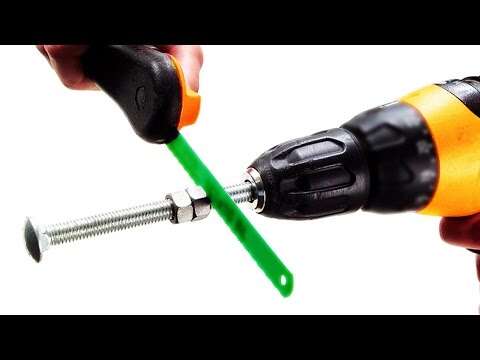
Yes, you can cut steel with a hacksaw. A hand hacksaw can cut mild steel, stainless steel, threaded rod, bolts, pipe, flat bar, and many other small steel parts. The job is slow, but it works when you use the right blade, hold the metal firmly, and let the blade do the cutting.
For most home, garage, and job-site tasks in the United States, a hacksaw is a low-cost way to cut steel without power tools. It is best for small cuts. Thick steel, hardened steel, or many repeated cuts may call for an angle grinder, reciprocating saw, band saw, or metal-cutting saw instead.
Introduction
A hacksaw cuts steel by using small teeth to remove metal on each forward stroke. The frame keeps the blade tight, while the teeth make a narrow cut called a kerf.
The best results come from three things:
- A sharp blade made for metal
- Firm support close to the cut
- Slow, steady strokes with light pressure
Steel type and thickness matter. A thin mild-steel strap may take only a few minutes. A thick steel bar can take much longer and may be a poor fit for a hand hacksaw.

What Kind of Steel Can a Hacksaw Cut?
A hacksaw can cut many common steel products, but not every steel item cuts at the same speed.
| Steel or metal item | Can a hacksaw cut it? | Main concern |
|---|---|---|
| Mild-steel sheet | Yes | Thin sheet can bend or vibrate |
| Steel angle iron | Yes | Support both sides of the cut |
| Steel pipe | Yes | Keep the cut square |
| Threaded rod | Yes | Protect the threads after cutting |
| Bolts | Yes | Use a fine-tooth blade |
| Stainless steel | Yes | Avoid heat and dull blades |
| Hardened steel | Sometimes | It may wear out a blade quickly |
| Tool steel | Sometimes | Hardness can make hand cutting impractical |
| Rebar | Yes | The cut can be slow and rough |
| Cast iron | Usually, but poorly suited | It can be brittle and abrasive |
Mild steel
Mild steel is usually the easiest steel to cut by hand. It includes many common brackets, flat bars, tubes, rods, and hardware sold at U.S. hardware stores and home centers.
Stainless steel
A hacksaw can cut stainless steel, but stainless steel can harden at the surface if the blade slips or you use too little pressure. Keep the blade moving. Do not rub the teeth back and forth without cutting.
Hardened steel
Hardened steel may be too hard for a normal hacksaw blade. If the teeth skate across the surface, make little progress, or become dull at once, stop forcing the cut. A powered abrasive wheel, carbide tool, or professional metal-cutting method may be more suitable.
The key question is not only, “Can a hacksaw cut steel?” It is also, “Is the steel soft enough and thin enough for this tool to make sense?”

Choose the Right Hacksaw Blade
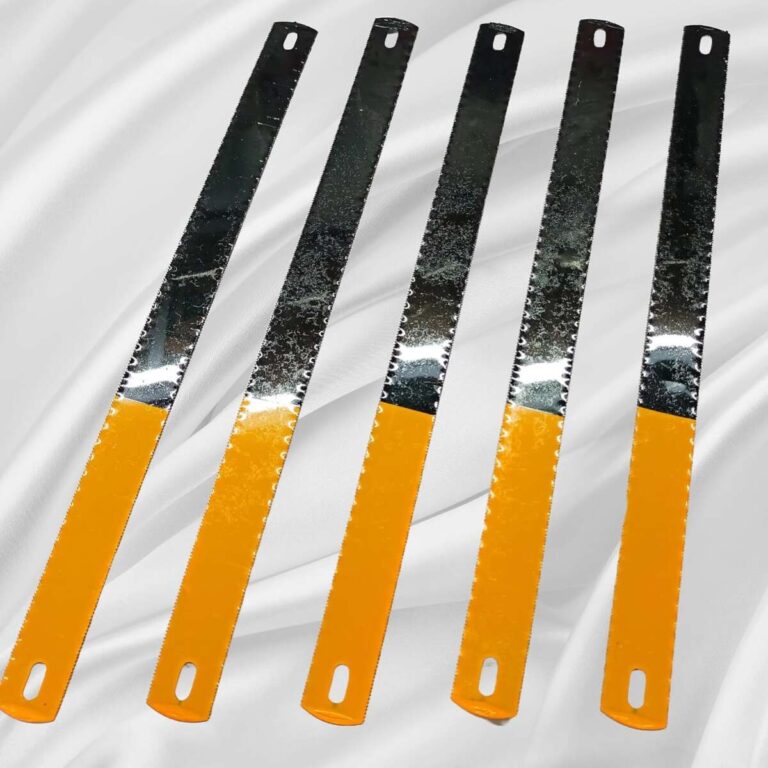
The blade is the most important part of the setup. Use a blade labeled for metal cutting, not one made for wood or plastic.
Select the correct tooth count
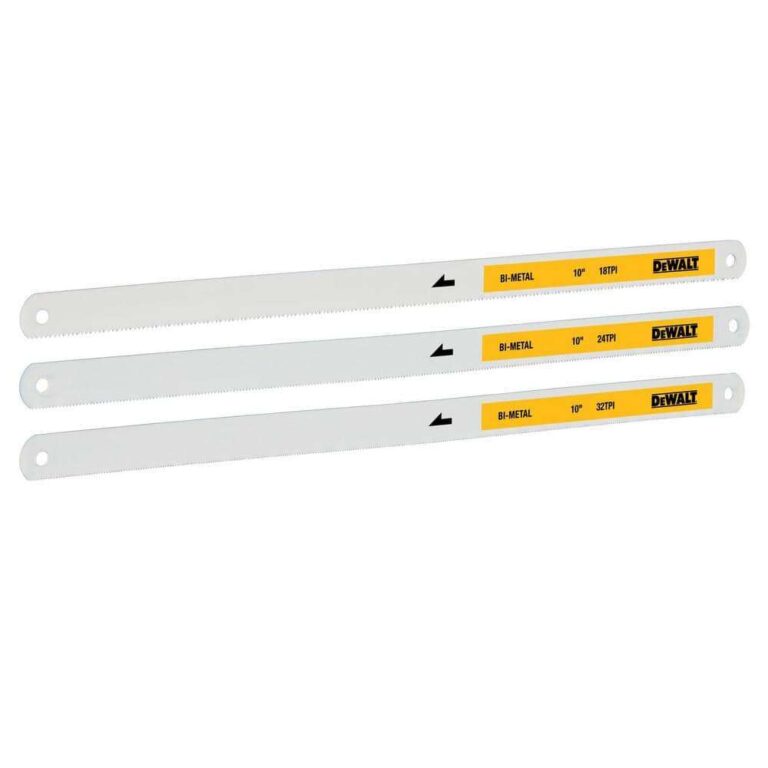
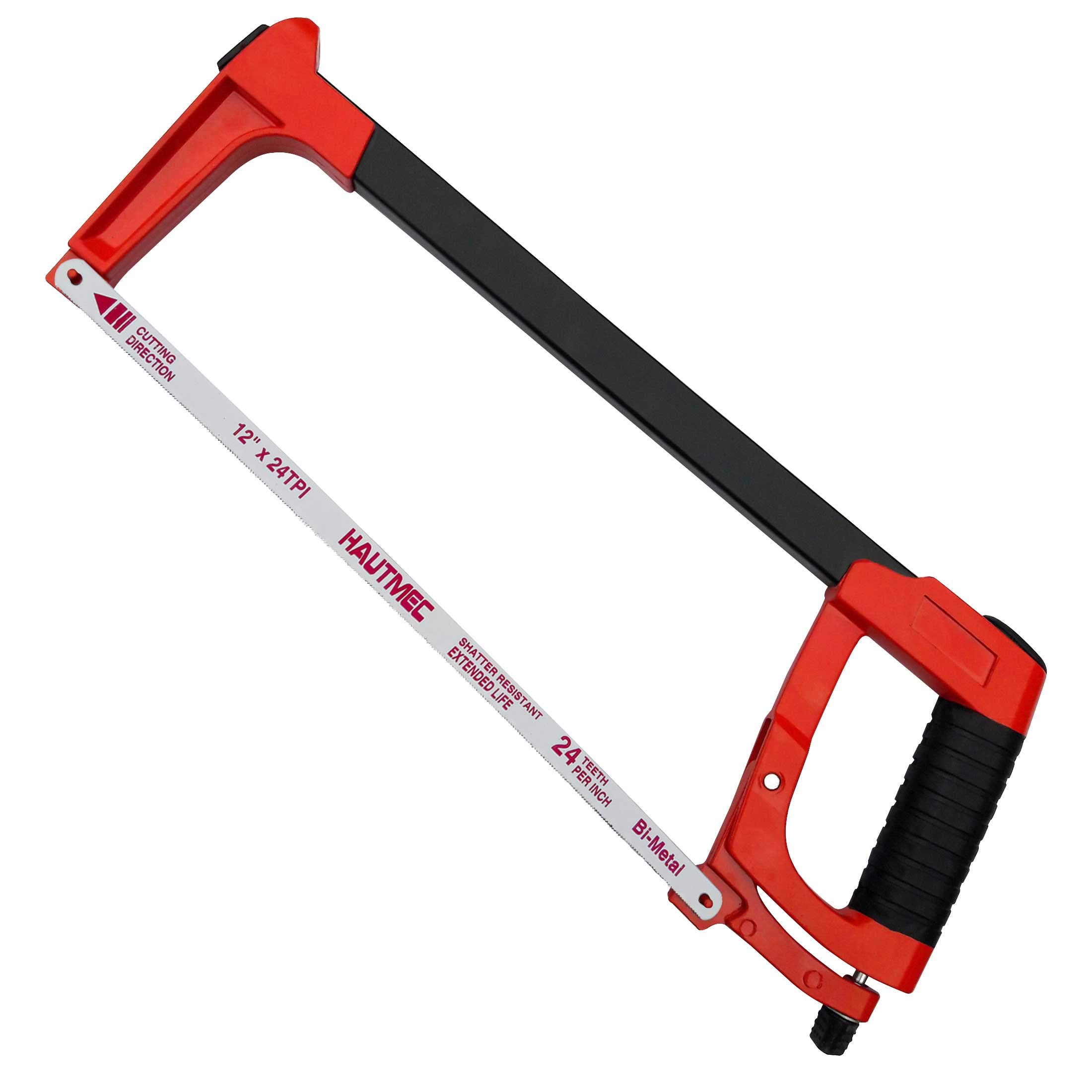
hacksaw blades are commonly sold by teeth per inch, or TPI.
- 14 TPI: Coarse blade for thicker steel
- 18 TPI: General-purpose blade for medium-thick steel
- 24 TPI: Good choice for thin wall tubing and small metal
- 32 TPI: Fine blade for thin sheet, small bolts, and narrow stock
A useful rule is to keep at least three teeth in the metal at all times. If too few teeth touch the work, the blade can catch and lose teeth. If too many teeth touch thick material, chips can clog the gullets between the teeth.
For many household steel cuts, an 18- or 24-TPI bi-metal blade is a practical starting point.
Pick a bi-metal blade when possible
A bi-metal blade has a flexible backing and harder cutting teeth. It usually lasts longer and resists tooth breakage better than a basic carbon-steel blade.
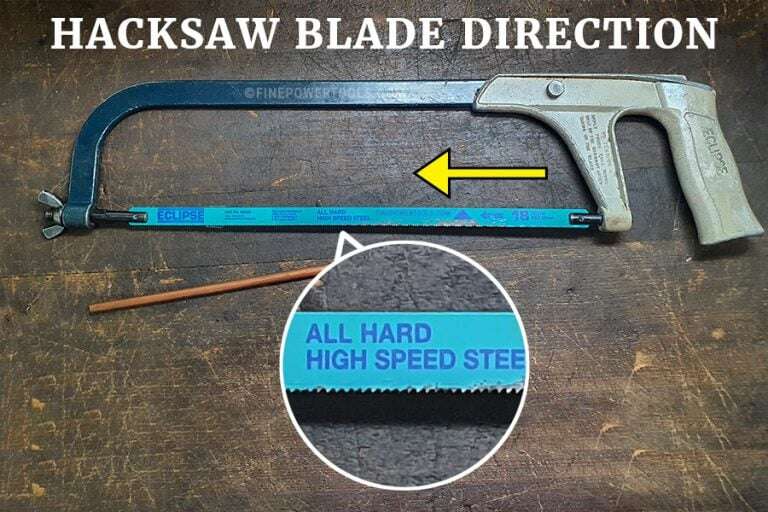
Blade length is also important. Common full-size hacksaw blades are about 12 inches long. Check that the blade fits your frame and that the teeth point forward when installed.
Install the blade correctly
Most hacksaw blades cut on the forward stroke. Mount the blade with the teeth pointing away from the handle. Tighten it until the blade is firm and does not sag.
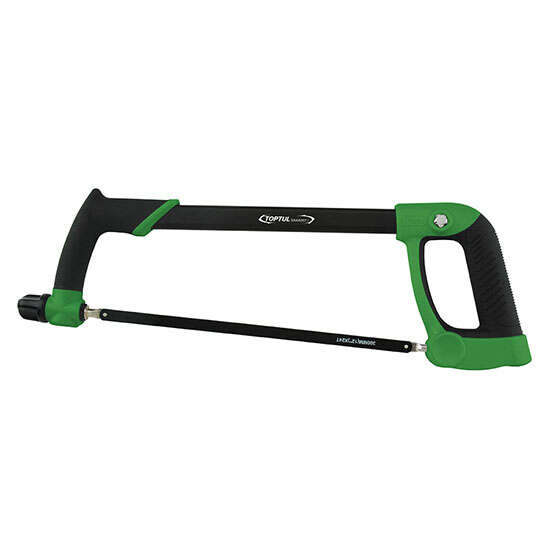
Do not overtighten a lightweight frame. Too much tension can damage the frame or snap the blade.

How to Cut Steel With a Hacksaw
Use this process for a straight cut through small steel parts.
1. Mark the cut
Use a permanent marker, layout dye, or a sharp scribe. Wrap masking tape around a pipe to create a visible guide line.
For a square cut, use a combination square or machinist’s square. A rough mark often leads to a crooked cut, even when the sawing motion is good.
2. Secure the steel
Clamp the work in a vise. Place the vise close to the cut, but leave enough room for the hacksaw frame to move.
The steel should not twist, bounce, or chatter. If you cut a long piece, support the far end so its weight does not pinch the blade.
For thin sheet metal, sandwich the sheet between pieces of scrap wood or clamp it against a firm backing board. This reduces vibration and helps prevent sharp movement.
3. Make a shallow starting notch
Hold the hacksaw at a low angle and make a few short strokes on the waste side of the mark. This creates a small groove.
Once the groove is clear, raise the saw so the blade can use more of its length. Starting with a long stroke can make the blade wander.
4. Use long, steady strokes
Push the saw forward with light pressure. Lift or ease pressure on the return stroke. Use as much of the blade length as the work allows.
Do not push hard enough to bend the blade. A bent blade can twist, break, or produce a slanted cut.
A steady rhythm works better than speed. Let the teeth remove the metal. If the blade squeals, jumps, or stops making chips, check the blade and your pressure.
5. Keep the cut straight
Watch both the cut line and the angle of the frame. If the blade begins to drift, stop and correct it early.
Do not twist the hacksaw to force it back onto the mark. That can bind the blade. Instead, widen the groove slightly on the waste side and resume with the frame square to the work.
6. Support the final section
Near the end of the cut, the remaining metal can flex or break. Reduce pressure and support the piece so it does not fall, pinch the blade, or tear the last section.
7. Deburr the edge
The cut edge will usually have sharp burrs. Use a metal file, deburring tool, or fine abrasive pad to smooth it.
Wear eye protection while filing and handling the cut part. Small metal slivers can remain on the edge.
Signs the cut is going well
- The blade makes small metal chips
- The cut follows the marked line
- The frame stays square to the work
- The blade does not bow or chatter
- The steel stays cool enough to touch safely after a short pause
How Long Does It Take to Cut Steel With a Hacksaw?
The time depends on the steel grade, thickness, blade, cut length, and your technique. The following estimates are only practical ranges, not fixed performance ratings.
| Example | Typical difficulty |
|---|---|
| Small bolt or threaded rod | Easy to moderate |
| Thin steel strap | Easy |
| 1-inch mild-steel square tube | Moderate |
| Thick angle iron | Moderate to hard |
| Steel bar several inches thick | Hard and slow |
| Hardened steel | Often impractical by hand |
A thin bolt may take less than a minute once it is clamped. A thick bar may take many minutes and require a new blade. If the cut takes too much force, produces no chips, or causes the blade to bind, the problem may be the tool choice rather than your technique.
For one or two cuts, a hacksaw can be economical. For dozens of cuts, a powered saw will usually save time and reduce hand strain.

Hacksaw vs. Other Ways to Cut Steel
A hacksaw is not always the best steel-cutting tool. Choose based on thickness, cut count, accuracy, noise, and available power.
| Tool | Best use | Main limits |
|---|---|---|
| Hacksaw | Small jobs and occasional cuts | Slow and labor-intensive |
| Angle grinder with cut-off wheel | Fast cuts and thick stock | Sparks, noise, dust, and a rough kerf |
| Reciprocating saw | Pipe, demolition, and awkward locations | Vibration and less control |
| Portable band saw | Repeated, clean cuts | Higher cost and setup |
| Metal-cutting chop saw | Many square cuts | Loud, sparks, and less portable |
| Cold saw | Accurate production cuts | Cost and machine requirements |
| Bolt cutter | Certain soft bolts and rods | Does not make a saw cut; may deform the metal |
Use a hacksaw when control matters more than speed. Choose a power tool when the steel is thick, the work is repetitive, or the cut must be completed quickly.
An angle grinder can cut steel, but it creates sparks and hot fragments. Keep flammable materials away, use the guard, and wear suitable eye and face protection. Never use a wheel that is not rated for the tool or material.

Safety Rules for Cutting Steel by Hand
Steel cutting can cause eye injuries, cuts, pinched fingers, and noise exposure. Use basic controls before you begin.
Wear suitable protection
At a minimum, use:
- Safety glasses with side protection
- Work gloves that fit well
- Close-fitting clothing
- Sturdy shoes
Gloves can help with sharp edges, but keep them away from powered rotating tools. Do not wear loose gloves near an angle grinder, drill press, or other rotating machine.
The Occupational Safety and Health Administration provides general requirements for eye and face protection in 29 CFR 1910.133. For home work, safety glasses marked to the applicable U.S. impact standard are a sensible choice.
Control the workpiece
Never hold steel in one hand while sawing it with the other. The blade can slip, and the part can move suddenly.
Use a vise or a proper clamp. Keep your free hand away from the blade path and from the point where the blade exits the cut.
Manage sharp edges
Freshly cut steel can be sharper than it looks. Deburr the part before installation or handling. Remove small metal chips with a brush or vacuum rather than bare fingers.
Use extra care with coated steel
Painted, galvanized, or plated steel may create harmful fumes or dust when heated, ground, or cut with power tools. Avoid creating dust or fumes in enclosed spaces. Read the product’s safety information, improve ventilation, and use suitable respiratory protection when the material or process requires it.
A hand hacksaw creates less heat and airborne dust than an abrasive power tool, but it still produces sharp chips and may damage a coating.

Common Hacksaw Problems and Fixes
The blade keeps breaking
Possible causes include too much pressure, loose blade tension, a bent frame, or a blade with the wrong tooth count.
Install a straight blade, tension it correctly, and use smooth strokes. Make sure the workpiece is clamped close to the cut.
The teeth strip or become dull
The blade may be too fine for thick steel, or the steel may be hardened. A blade can also dull if you saw over an old groove at a poor angle.
Try a fresh bi-metal blade with a suitable TPI. If the new blade also fails quickly, the steel may be too hard for a hand hacksaw.
The blade binds in the cut
Binding often comes from movement in the workpiece, a cut that closes under pressure, or a crooked blade path.
Clamp the steel more firmly. Support long stock. Keep the frame straight and avoid twisting it.
The cut is not square
The blade may have wandered, or you may be pressing harder on one side. Mark the cut around the part when possible, and check the frame angle as you saw.
For repeated square cuts, a guide or powered metal-cutting saw may give better results.
The blade will not start cutting
Check that the teeth point forward and that the blade is designed for metal. Make a shallow notch first. If the teeth slide over the surface, the material may be hardened.
Do not keep forcing the saw. Excess pressure can damage the blade and cause a sudden slip.

Key Takeaways
- Yes, a hacksaw can cut steel.
- Mild steel, pipe, bolts, threaded rod, and flat stock are common targets.
- Use a metal-cutting bi-metal blade.
- Choose about 18 TPI for thicker stock and 24 to 32 TPI for thin metal.
- Clamp the steel firmly before cutting.
- Use long, steady strokes and light forward pressure.
- Deburr the finished edge.
- Switch to a power tool when the steel is thick, hardened, or needed in large quantity.
- Wear eye protection and control sharp chips and edges.
FAQs
Can a hacksaw cut stainless steel?
Yes. Use a sharp bi-metal blade, keep the work secure, and maintain steady pressure. Do not let the blade rub without cutting because stainless steel can harden at the surface.
Can a hacksaw cut through a steel bolt?
Yes. Clamp the bolt in a vise and use a fine-tooth blade, often 24 or 32 TPI. Afterward, file the end and use a nut to help restore damaged threads if needed.
Should hacksaw teeth point forward or backward?
For a standard hacksaw, the teeth should point forward, away from the handle. The blade normally cuts on the forward stroke.
Can you cut hardened steel with a hacksaw?
Sometimes, but ordinary hacksaw blades may not cut it effectively. If the teeth skate across the surface or dull at once, use a tool and blade designed for hardened material or ask a machine shop to make the cut.
Do you need oil when cutting steel with a hacksaw?
Light cutting oil can help on some thicker steel and stainless steel, but it is not always necessary. Keep oil away from the handle and floor so the tool does not slip. Follow the blade maker’s guidance, and clean the work area after cutting.
What is better than a hacksaw for thick steel?
An angle grinder, portable band saw, metal-cutting chop saw, or cold saw may be better. The right choice depends on thickness, cut quality, noise, sparks, power access, and how many cuts you need.
Conclusion
A hacksaw is a practical tool for cutting many small steel parts in a U.S. home workshop, garage, or job site. Choose the right metal blade, clamp the steel, start with a shallow notch, and use steady strokes instead of heavy force.
If the steel is hardened, very thick, or needed in large quantities, a powered metal-cutting tool will usually be safer and more efficient. For a small number of cuts, though, a good hacksaw can do the job with little setup and no electricity.
Recent Tool Guides
 Hammer
How To Hammer Flowers Onto Paper: Easy Guide
Learn how to hammer flowers onto paper with simple steps, helpful tips, and beautiful results for...
Read Guide → Wrench
How To Use A Hex Wrench: Easy Step-By-Step Guide
Learn how to use a hex wrench correctly with simple steps, helpful tips, and common mistakes...
Read Guide → Hacksaw
How To Cut Curtain Pole With Hacksaw: Easy Guide
Learn how to cut curtain pole with hacksaw safely and neatly. Follow simple steps for accurate...
Read Guide → Wrench
How To Use A Husky Torque Wrench: Easy Guide
Learn how to use a Husky torque wrench correctly with simple steps, torque settings, and safety...
Read Guide → Hammer
How To Hold A Hammer: Safe Grip Guide
Learn how to hold a hammer with the right grip, stance, and technique for safer, more...
Read Guide → Hacksaw
How To Cut Flexible Metal Conduit With Hacksaw: Easy Guide
Learn how to cut flexible metal conduit with hacksaw safely and cleanly. Follow simple steps for...
Read Guide →