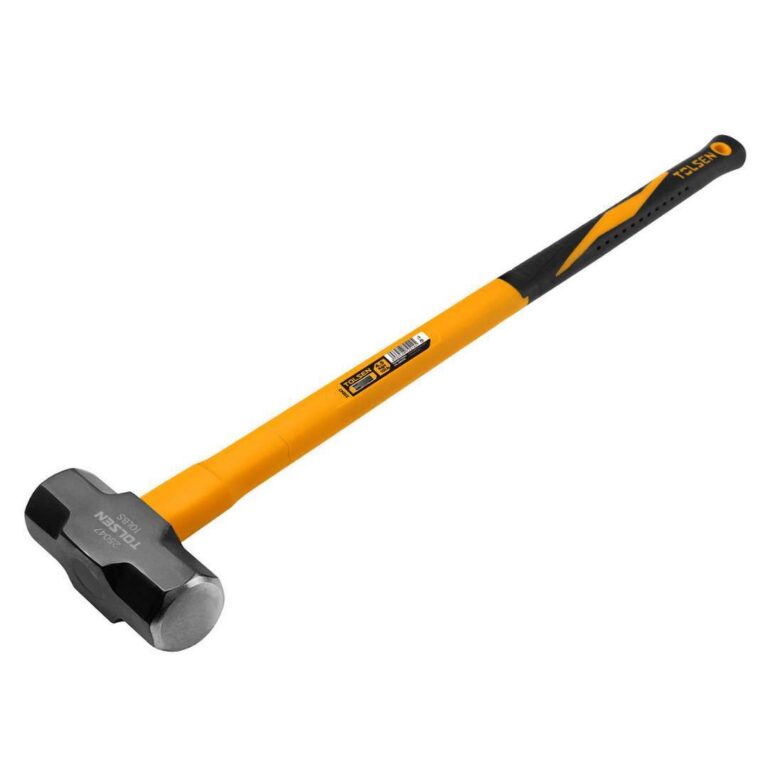
What Is A Straight Claw Hammer: Uses And Benefits
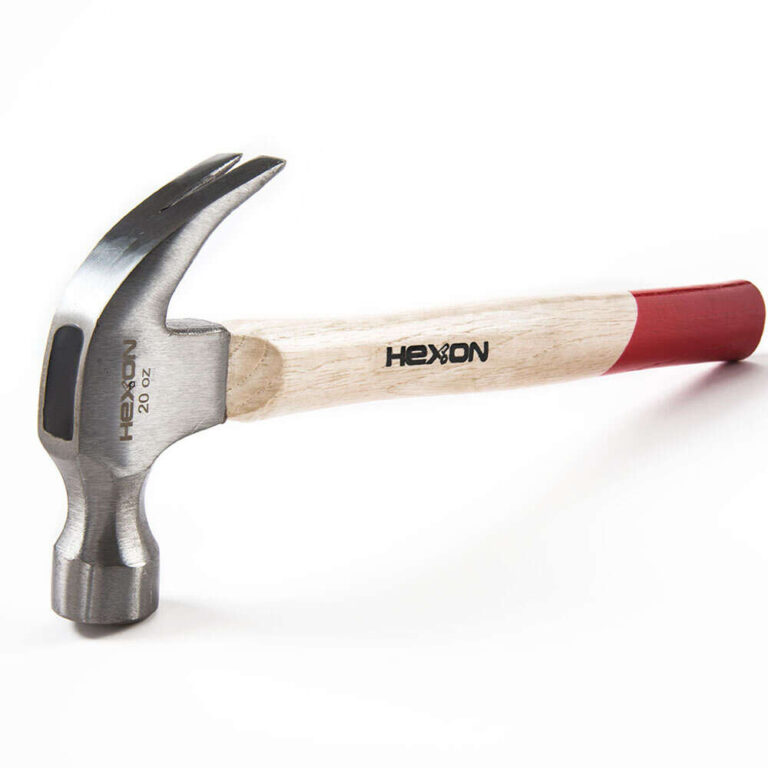
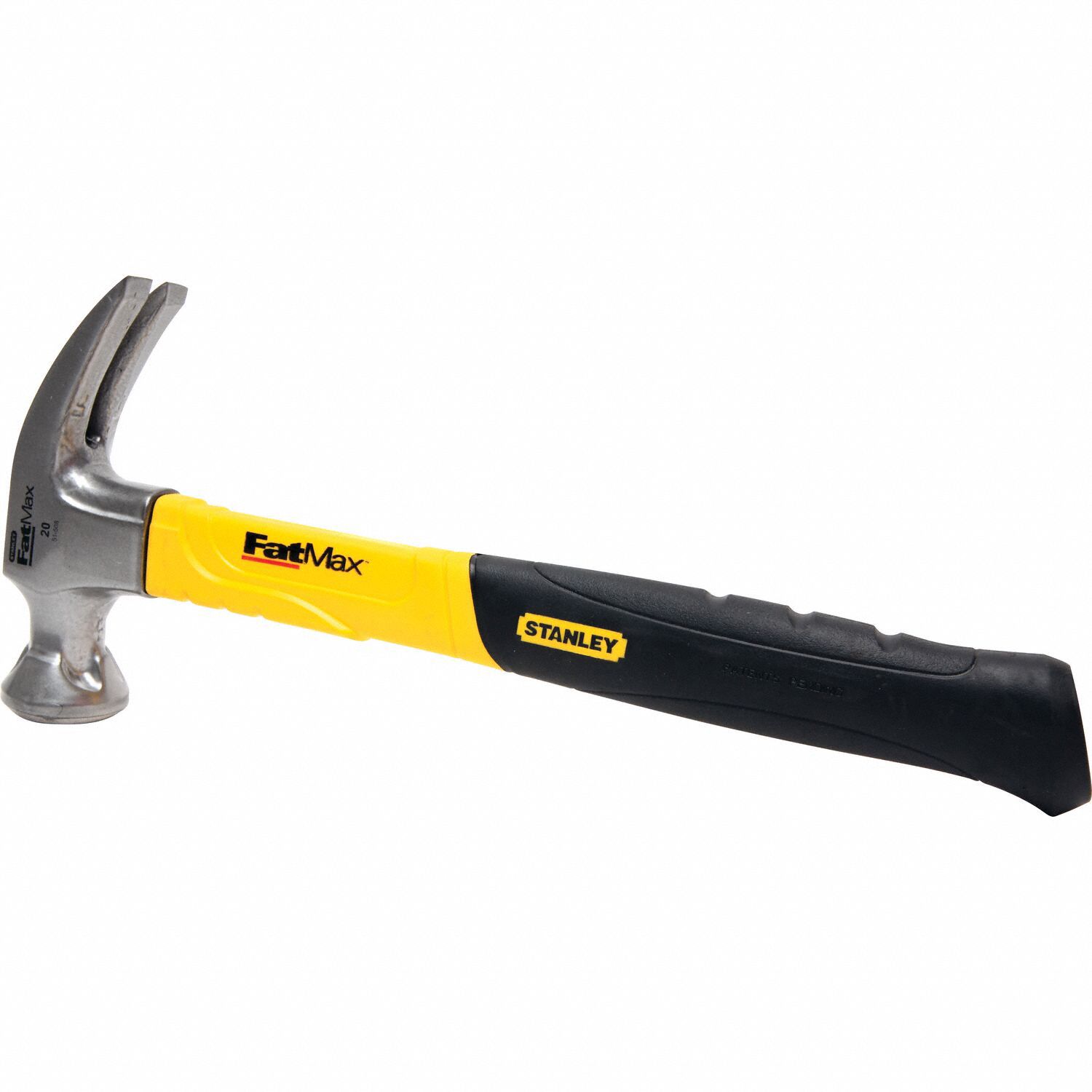
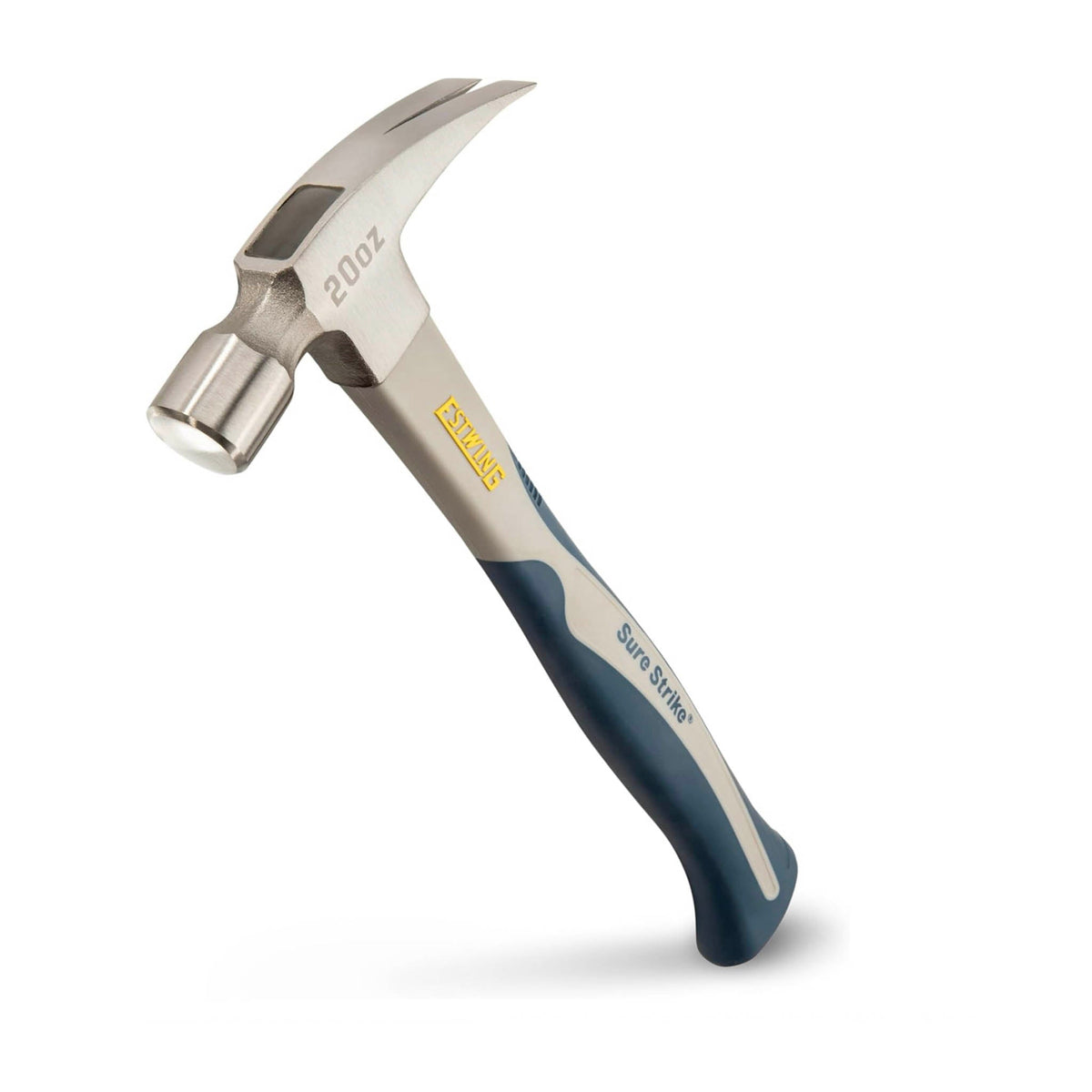
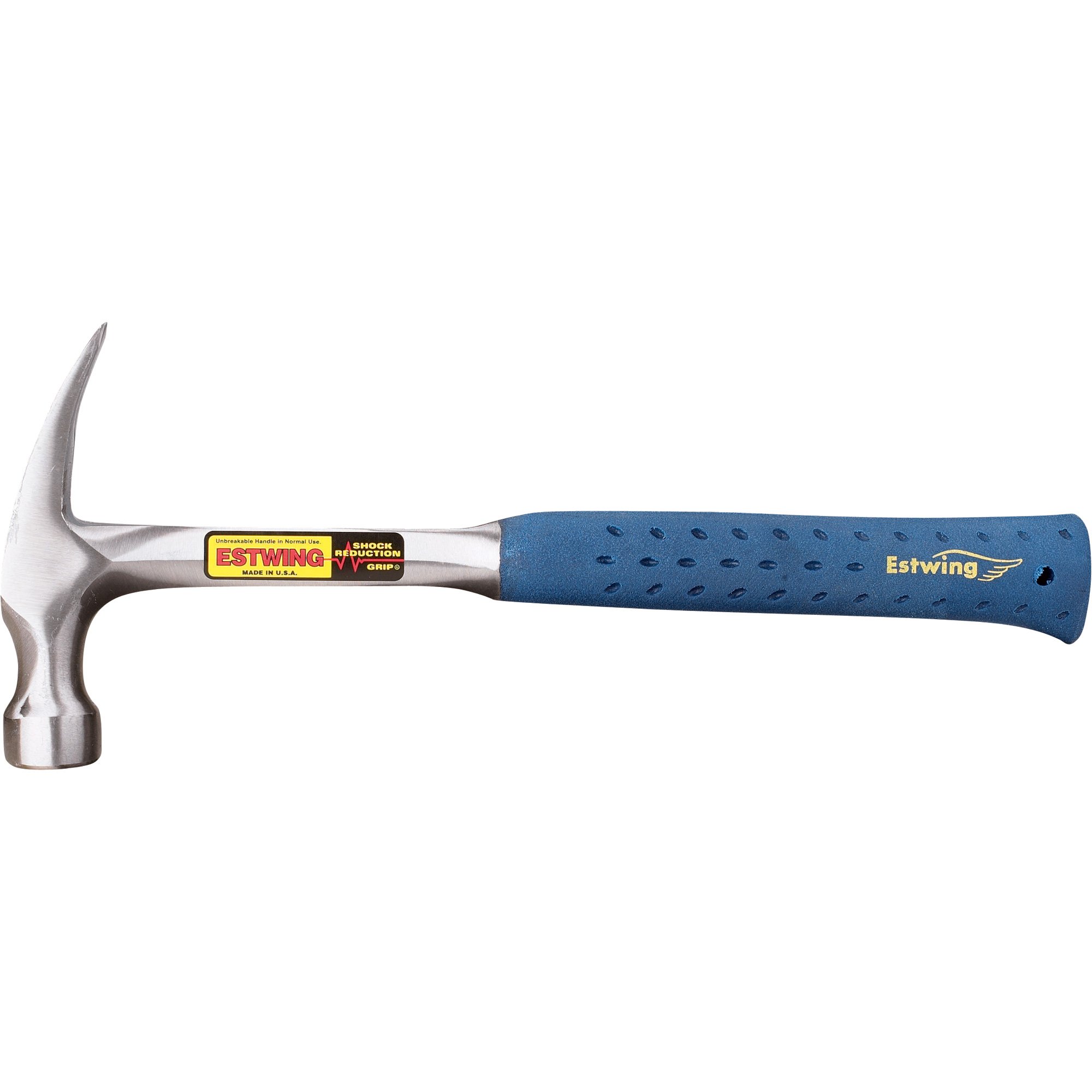
A straight claw hammer is a hand tool with a flat striking face on one end and a claw that extends in a mostly straight line from the hammer head. In the United States, people use it for driving nails, pulling nails, prying wood, and light demolition work.
The straight claw gives the hammer more reach and leverage than a curved claw. It is common in framing, carpentry, remodeling, and rough construction. It can also work as an all-purpose hammer, but its sharp claw may be less convenient for delicate trim work.

Straight Claw Hammer Definition
A straight claw hammer has two working ends:
- A striking face for driving nails and other fasteners
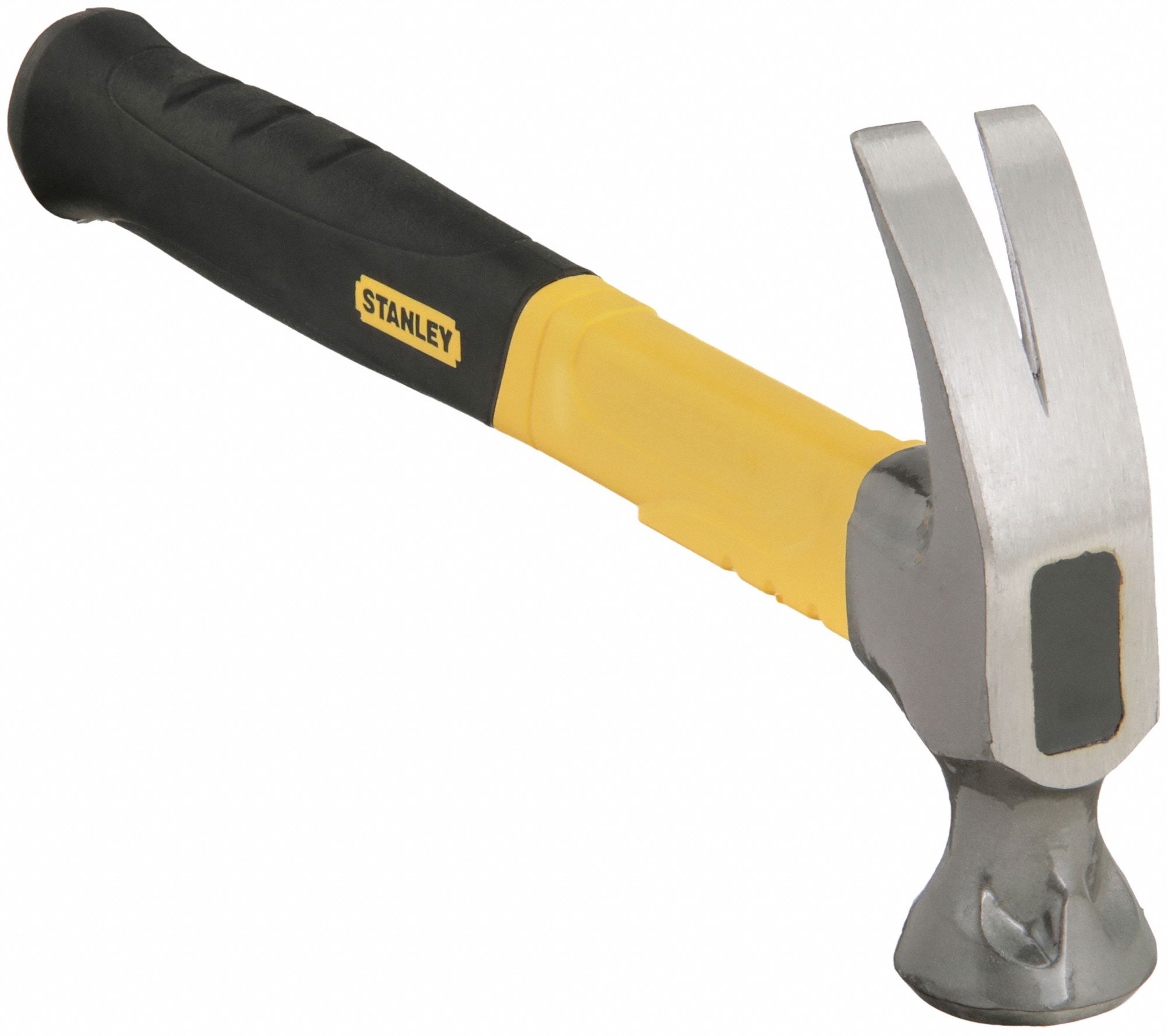
- A straight claw for pulling nails, splitting wood, and prying materials
The claw usually has a narrow gap called a nail slot. You place the slot under a nail head, then pull the handle back to lift the nail. The claw acts like a small lever.
The word “straight” describes the shape of the claw. The claw runs nearly in line with the handle instead of curving sharply away from it. This shape helps the user reach into gaps and apply strong pulling force.
A straight claw hammer is not a special type of nail. It is a type of hammer designed for common construction tasks.
Straight claw vs. curved claw
The main difference is claw shape and the work each shape supports.
| Feature | Straight claw hammer | Curved claw hammer |
|---|---|---|
| Claw shape | Mostly straight | Curves toward the hammer head |
| Best known for | Framing, prying, nail pulling, rough work | General carpentry and finish work |
| Reach | Often longer | Often shorter |
| Prying force | Strong and direct | Smooth and controlled |
| Wood surface risk | Can cause more damage | Often easier to use with less damage |
| Common users | Framers, builders, remodelers | Carpenters, DIY users, finish workers |
These are general differences. The exact result depends on the hammer’s weight, claw design, handle length, and the user’s technique.

Parts of a Straight Claw Hammer
Understanding the parts helps you choose the right tool and use it safely.
Hammer face
The face is the flat or slightly rounded surface that hits the nail. A face may be:
- Smooth: Better for finish work because it leaves fewer marks
- Textured or milled: Helps reduce slipping on the nail head
- Wide: Gives a larger target for rough framing
- Small: Offers more control for trim and smaller nails
A textured face can leave a pattern in the wood. Use a smooth-face hammer when visible wood will be exposed.
Hammer head
The head holds the face and claw together. It is often made from forged steel. Some models use a single-piece steel design, while others attach a steel head to a wood, fiberglass, or composite handle.
A heavier head can drive large nails with fewer swings. However, it also creates more strain and can be harder to control.
Claw
The claw is the split, pointed end of the hammer. It can:
- Pull common nails
- Lift boards
- Open small gaps
- Remove shingles or light materials
- Split pieces of wood along the grain
A straight claw often has a sharper point than a curved claw. That point can enter tight spaces, but it can also damage wood or puncture materials if used carelessly.
Handle
The handle affects comfort, control, and vibration.
Common handle materials include:
- Hickory or other hardwood: Traditional, light, and able to absorb some shock
- Fiberglass: Strong and often resistant to splitting
- Steel: Very durable, but it may send more vibration to the hand
- Composite materials: Designed to balance strength and comfort
Check the handle for cracks, looseness, splinters, or damage before use. A loose head can fly off during a swing.
What Is a Straight Claw Hammer Used For?
A straight claw hammer is used for more than driving nails. Its long, direct claw makes it useful for work that needs leverage.
Driving nails
The main job is driving nails into wood and similar materials. Hold the nail near the top, start it with light taps, then move your hand away once the nail stands on its own.
Use the correct hammer size for the nail. A small hammer may struggle with large framing nails. A heavy framing hammer may be too forceful for thin trim.
Pulling nails
To pull a nail:
- Slide the claw under the nail head.
- Push the claw deeper if the metal has room to enter.
- Pull the handle toward you.
- Place a scrap block under the hammer if you need more lift.
- Move the claw to a new position if the nail bends.
The scrap block protects the wood and increases leverage. It also helps keep the hammer head from pressing a deep mark into the surface.
Prying and lifting
A straight claw can lift boards, loosen nailed parts, and open small gaps. It is useful during demolition, but it is not a replacement for a pry bar.
Do not use the hammer for heavy prying if the handle, head, or claw is not rated for that force. Excessive pressure can bend the claw or break the handle.
Splitting wood
The claw can sometimes split small pieces of wood along the grain. This works best with dry, soft wood and light force. Do not use a hammer claw as a substitute for a splitting maul, hatchet, or proper wedge.
Removing roofing or siding materials
Roofers and remodelers may use straight claw hammers to pull nails and lift small pieces of material. Take extra care around hidden nails, brittle surfaces, electrical lines, and unstable boards.

Straight Claw Hammer vs. Other Hammers
A straight claw hammer is one option among several hammer types. The best choice depends on the material and task.
| Hammer type | Main purpose | How it differs from a straight claw hammer |
|---|---|---|
| Curved claw hammer | General carpentry | Curved claw often gives smoother nail removal |
| Framing hammer | Heavy wood framing | Often has a straight claw, longer handle, and heavier head |
| Finish hammer | Trim and finish work | Usually lighter and often has a smooth face |
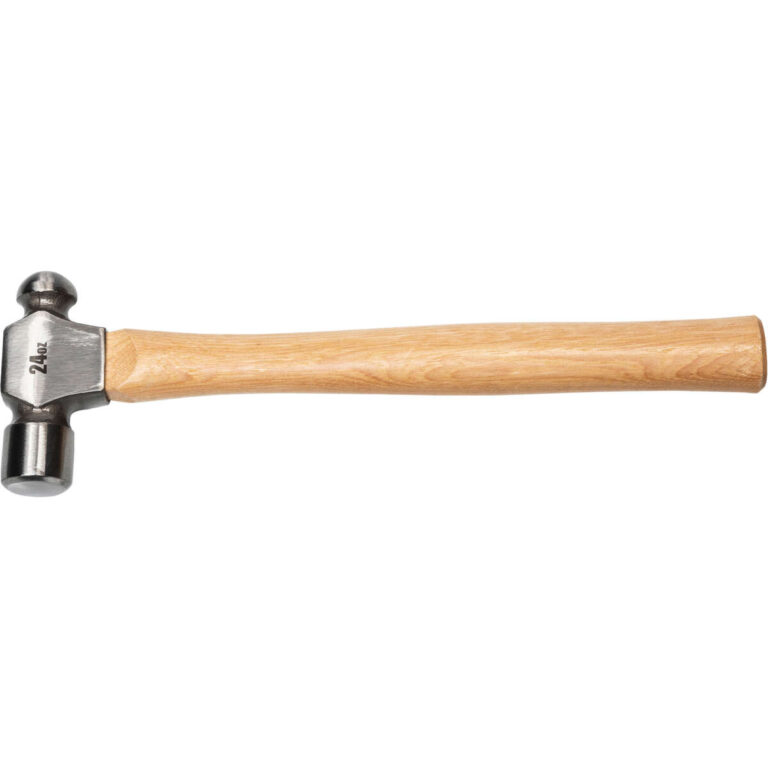
| Ball-peen hammer | Metalwork | Has a rounded peen instead of a nail-pulling claw |
| Sledgehammer | Heavy demolition | Much heavier and designed for two-handed striking |
| Pry bar | Heavy lifting and prying | Built for prying, not for driving nails |
| Roofing hammer | Roofing work | May include a hatchet edge, gauge, or specialized face |
A straight claw hammer and a framing hammer are not always identical. Many framing hammers use a straight claw, but a straight claw hammer can also be lighter and smaller for general use.
Is a straight claw hammer good for framing?
Yes. A straight claw hammer is often well suited to framing because the claw can pull nails and pry boards. Framing hammers are usually heavier and may have a longer handle than a basic household hammer.
The trade-off is control. A heavy framing hammer can drive large nails quickly, but it may damage trim or tire the user during small tasks.
Is a straight claw hammer good for finish carpentry?
It can be used, but it may not be the best choice. Finish carpentry often benefits from a lighter hammer with a smooth face and a curved claw.
For visible wood, select a hammer that matches the finish. Keep the face clean, and use a scrap piece of wood when pulling nails near a finished surface.

How to Choose a Straight Claw Hammer
Choose the hammer based on the work, your strength, and the level of control you need. The heaviest hammer is not automatically the best hammer.
1. Select the head weight
Hammer weight usually refers to the weight of the head, not the full tool. Common choices include:
- 8 to 12 ounces: Small nails, light repair work, and limited space
- 16 ounces: General household and carpentry work
- 20 to 28 ounces: Framing, larger nails, and heavy construction
These ranges are general. A manufacturer may measure or label a hammer differently, so check the product specifications.
A heavier head can reduce the number of swings needed. A lighter head may offer better control and reduce fatigue.
2. Check the handle length
A longer handle can increase swing speed and leverage. It can also make the hammer harder to control in a tight space.
A shorter handle is easier to control but may provide less force. Choose a length that lets you swing without hitting nearby objects or losing balance.
3. Match the face to the surface
Choose a smooth face when marks matter. Choose a milled face when nail grip matters more than surface appearance.
A milled face is common on framing hammers. It may leave a visible grid or dimple pattern if the hammer misses the nail.
4. Inspect the claw
Look for a claw that is:
- Evenly shaped
- Free from cracks
- Wide enough for the nails you remove
- Thin enough to fit under nail heads
- Strong enough for the intended task
A very narrow claw may enter tight gaps but can be less durable under heavy force.
5. Test the grip
The handle should feel secure and comfortable. Avoid a grip that twists in your hand or feels too smooth when your hands are dusty.
If possible, hold the hammer before buying it. Your wrist should remain fairly straight, and the tool should not feel front-heavy or difficult to stop.

How to Use a Straight Claw Hammer Safely
Safe use starts with the tool, the work area, and the swing. The Occupational Safety and Health Administration advises workers to keep hand tools in safe condition and use the right tool for the job.
Before work:
- Wear eye protection.
- Check the head and handle.
- Remove damaged tools from service.
- Keep your other hand away from the striking path.
- Make sure the workpiece is stable.
- Check for hidden wires, pipes, and fasteners before prying or cutting.
- Keep children and bystanders away from the swing area.
When driving a nail, use controlled swings. Do not choke up too close to the head when striking. Keep your thumb and fingers away from the nail if the hammer misses.
When pulling a nail, support the material if it could shift. Wear gloves when handling rough wood, but do not rely on gloves to protect against a missed strike.
Never use a hammer:
- With a cracked or loose handle
- With a chipped or mushroomed striking face
- As a wrench or makeshift mallet
- To strike hardened steel unless the manufacturer allows it
- Near live electrical parts
- To hit another hammer or hard metal tool without checking the tool guidance
A damaged hammer can fail without warning. Replace it or have it repaired by a qualified tool service provider.
Common Mistakes With Straight Claw Hammers
Many hammer injuries and damaged surfaces result from a poor tool match or rushed technique.
Using too much force
A powerful swing is not always better. It increases the chance of a miss, bent nail, damaged wood, or hand strain. Start with controlled taps and increase force only when needed.
Pulling a nail without protecting the wood
The claw can dent soft wood. Place a wood block under the hammer head before levering out the nail. The block spreads the load across a larger area.
Using the claw as a full-size pry bar
A claw hammer can handle light prying. It may bend or break during heavy lifting. Use a pry bar for large boards, stuck framing, or demolition that needs high force.
Ignoring the nail angle
A nail driven at an angle may bend or split the wood. Set the nail straight, then keep the hammer face square to the nail head.
Choosing a hammer that is too heavy
A heavy hammer may seem efficient, but repeated swings can lead to poor control and fatigue. For household repairs, a medium-weight hammer is often easier to manage than a framing hammer.
Striking with the edge of the face
The face should meet the nail head squarely. An edge strike can glance off and injure the user or damage the surface.
Maintenance and Storage
Basic care helps a straight claw hammer remain safe and effective.
Wipe dirt and moisture from the hammer after use. Store it in a dry place. Keep the striking face and claw free of heavy rust, but do not grind away large amounts of metal because that can change the tool’s shape.
For a wood handle, look for cracks, splits, and movement where the head meets the handle. For fiberglass or composite handles, inspect the grip and shaft for deep cuts, swelling, or separation.
Do not try to fix a loose head with makeshift wedges or glue unless the tool maker provides a repair method. If the head moves, stop using the hammer.
Key Takeaways
- A straight claw hammer has a flat striking face and a mostly straight nail-pulling claw.
- It is useful for driving nails, pulling nails, light prying, framing, and rough construction.
- Its straight claw gives good reach and leverage but may damage finished wood.
- A curved claw is often easier for controlled nail removal and finish work.
- Choose the head weight, handle, face, and claw shape for the task.
- Do not use a damaged hammer or substitute it for a heavy-duty pry bar.
- Wear eye protection and inspect the tool before every use.
FAQs About Straight Claw Hammers
Why is it called a straight claw hammer?
It is called a straight claw hammer because the claw extends in a mostly straight line from the head. The name separates it from a curved claw hammer, whose claw bends toward the hammer head.
Can a straight claw hammer pull all nails?
It can pull many common nails, but the claw must fit under the nail head. Nails with buried, damaged, or very small heads may need a nail puller or another tool. Do not force the claw into a position that could damage the hammer.
What weight straight claw hammer should a beginner use?
A 16-ounce hammer is a practical starting point for many household repairs and basic carpentry. A smaller hammer may be easier for light work. A heavier framing hammer is better suited to large nails and repeated construction work but requires more control.
Does a straight claw hammer damage wood?
It can. The sharp claw and hammer head may leave dents, splits, or gouges, especially in soft wood. Place a scrap block under the head when pulling nails, and use a smooth-face hammer for visible finish work.
Is a straight claw hammer the same as a framing hammer?
No. Many framing hammers have a straight claw, but the terms are not exact synonyms. A framing hammer is usually built for heavier, repeated work and may have a heavier head, longer handle, or textured face.
When should I use a pry bar instead?
Use a pry bar when you need to lift large boards, remove tightly fastened materials, or apply strong and repeated leverage. A straight claw hammer is better for light prying and nail removal.
Conclusion
A straight claw hammer is a versatile construction tool with a flat face for striking and a straight claw for pulling, lifting, and light prying. Its design favors reach and leverage, which makes it useful for framing, remodeling, and demolition.
For general home repairs, choose a manageable weight and a comfortable handle. For finish work, consider a lighter hammer with a smooth face and a curved claw. Whatever model you use, inspect it first and match the tool to the task.
Recent Tool Guides
 Hammer
How To Hammer Flowers Onto Paper: Easy Guide
Learn how to hammer flowers onto paper with simple steps, helpful tips, and beautiful results for...
Read Guide → Wrench
How To Use A Hex Wrench: Easy Step-By-Step Guide
Learn how to use a hex wrench correctly with simple steps, helpful tips, and common mistakes...
Read Guide → Hacksaw
How To Cut Curtain Pole With Hacksaw: Easy Guide
Learn how to cut curtain pole with hacksaw safely and neatly. Follow simple steps for accurate...
Read Guide → Wrench
How To Use A Husky Torque Wrench: Easy Guide
Learn how to use a Husky torque wrench correctly with simple steps, torque settings, and safety...
Read Guide → Hammer
How To Hold A Hammer: Safe Grip Guide
Learn how to hold a hammer with the right grip, stance, and technique for safer, more...
Read Guide → Hacksaw
How To Cut Flexible Metal Conduit With Hacksaw: Easy Guide
Learn how to cut flexible metal conduit with hacksaw safely and cleanly. Follow simple steps for...
Read Guide →