What Hacksaw Blade For Metal: Choose The Right One
Introduction
For most metal cutting jobs in the United States, use a 12-inch bi-metal hacksaw blade with 18, 24, or 32 teeth per inch (TPI). Choose the tooth count based on the metal’s thickness:
- 18 TPI: Thick steel, heavy pipe, and solid stock
- 24 TPI: General-purpose metal cutting
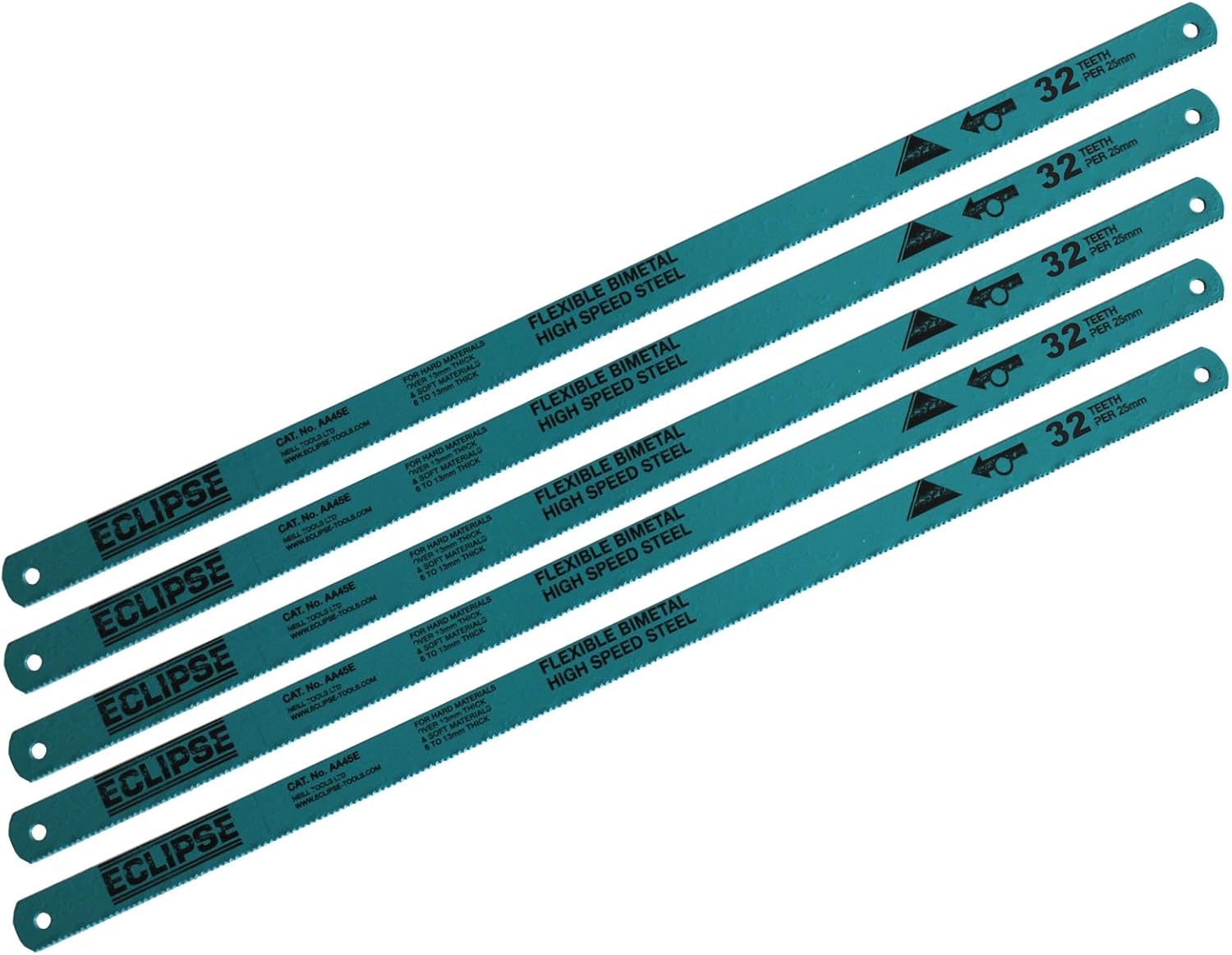
- 32 TPI: Thin sheet metal, tubing, conduit, and small parts
The best blade also depends on the metal type, its thickness, and whether you are cutting by hand or with a powered hacksaw. A blade with too few teeth can catch and snag. A blade with too many teeth can clog, rub, and cut slowly.
This guide explains how to choose the right hacksaw blade for steel, stainless steel, aluminum, copper, brass, tubing, and sheet metal. It also covers blade materials, cutting technique, safety, and common mistakes.
Quick answer: Which hacksaw blade is best for metal?
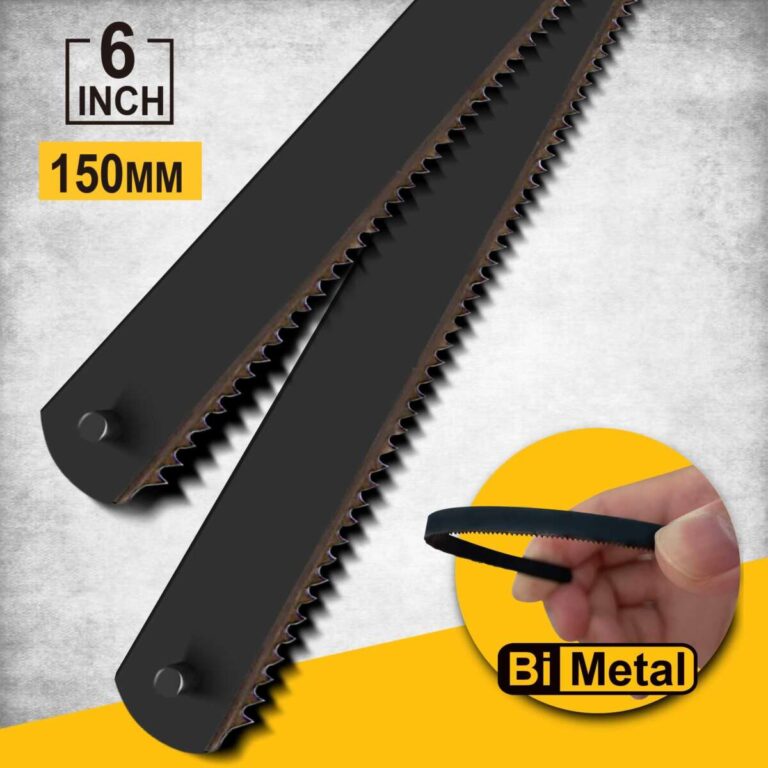
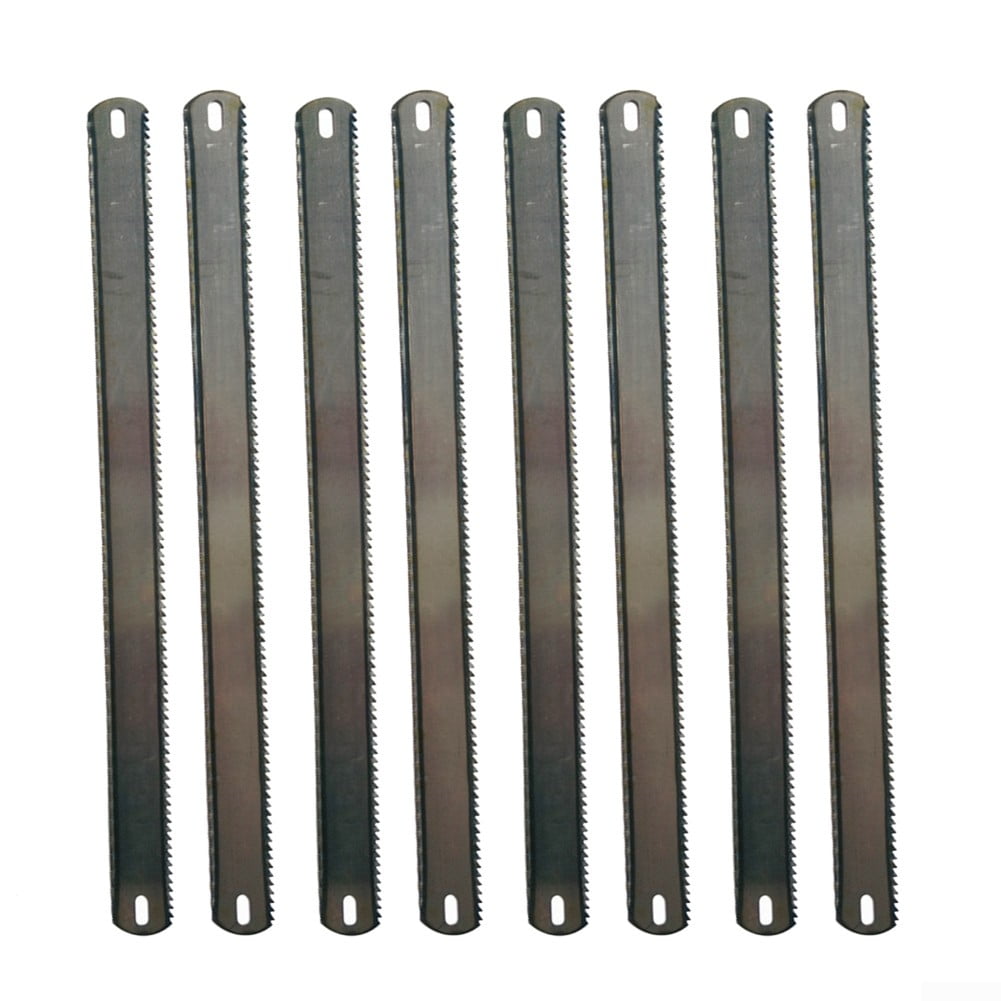
A bi-metal blade is the best general choice for most metal work. It combines a flexible spring-steel body with hard high-speed steel teeth. This design helps the blade resist breaking while keeping its teeth sharp.
Use this basic rule:
| Metal job | Recommended blade |
|---|---|
| Thick steel bar or heavy-wall pipe | 14–18 TPI |
| General steel cuts | 18–24 TPI |
| Stainless steel tubing or thin stock | 24–32 TPI |
| Thin sheet metal | 28–32 TPI |
| Aluminum and soft metals | 14–24 TPI |
| Copper or brass tubing | 18–24 TPI |
| Small bolts, screws, and threaded rod | 24–32 TPI |
These ranges are starting points, not strict limits. A thick piece of soft aluminum may need fewer teeth than a thin piece of hard stainless steel.
For most home repairs, a 24 TPI bi-metal blade is the safest one-blade starting point. If you often cut both thick and thin material, keep an 18 TPI and a 32 TPI blade as well.

What does TPI mean on a hacksaw blade?
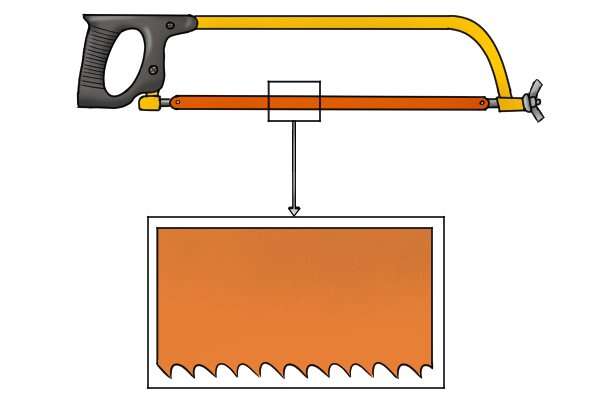
TPI means teeth per inch. It tells you how many cutting teeth fit within one inch of the blade.
A low-TPI blade has large teeth and removes material quickly. A high-TPI blade has smaller teeth and makes a smoother, more controlled cut.
Low-TPI blades: 14 to 18 TPI
Use a 14–18 TPI blade for:
- Thick steel plate
- Heavy steel pipe
- Large bolts
- Solid steel bar
- Thick aluminum stock
- Structural metal sections
Large teeth need enough space between them to carry away chips. If you use a fine blade on thick metal, the small gullets can fill with chips. The blade may then rub instead of cut.
Medium-TPI blades: 20 to 24 TPI
A 20–24 TPI blade works well for:
- General steel work
- Medium-wall tubing
- Electrical conduit
- Threaded rod
- Mild steel angle iron
- Common household repairs
A 24 TPI blade is a useful general-purpose choice because it handles many materials without being too aggressive or too slow.
High-TPI blades: 28 to 32 TPI
Use a 28–32 TPI blade for:
- Thin sheet metal
- Thin-wall tubing
- Small brackets
- Thin conduit
- Narrow metal strips
- Stainless steel parts with limited wall thickness
Fine teeth help keep several teeth in contact with thin material. That reduces tooth grabbing and helps prevent rough, broken cuts.
How many teeth should touch the work?
Try to keep at least two or three teeth in the cut at all times. If only one tooth engages the metal, that tooth can catch and break. If too many teeth are buried in thick metal, chips may not clear well.
This is why blade choice depends on both TPI and material thickness. The blade should have enough teeth in the work without packing the entire tooth line into the cut.

Choosing a hacksaw blade by metal type
The metal’s hardness and thickness both affect blade choice. “Steel” is not one single cutting condition. Mild steel, stainless steel, tool steel, and hardened steel can behave very differently.
Mild steel
For mild steel, use an 18–24 TPI bi-metal blade for most work.
Choose:
- 18 TPI for thick bar, heavy pipe, and solid stock
- 24 TPI for brackets, bolts, tubing, and general repairs
- 32 TPI for thin sheet or light-wall tubing
Use steady pressure. Mild steel usually cuts well by hand, but forcing the blade can strip teeth or bend the cut.
Stainless steel
Stainless steel usually needs a sharp bi-metal blade with 24–32 TPI. It can work-harden when overheated or rubbed without cutting.
To cut stainless steel:
- Mark the cut clearly.
- Start with light strokes.
- Keep the blade moving at a steady pace.
- Use firm pressure on the forward stroke.
- Avoid letting the blade slide over the surface without removing metal.
- Use cutting fluid when suitable for the job.
Do not use a dull blade on stainless steel. A dull blade creates heat and friction, which can make the surface harder to cut.
Aluminum
For aluminum, choose a 14–24 TPI blade, depending on thickness. Thick aluminum needs larger teeth so chips can clear. Thin aluminum needs finer teeth to prevent snagging.
Aluminum chips can clog a fine blade. If the teeth become packed, stop and clean or replace the blade. Do not keep forcing a clogged blade through the work.
Copper and brass
Use an 18–24 TPI blade for most copper and brass tubing or bar. These metals are softer than steel, so aggressive pressure can deform the work.
Clamp tubing close to the cut. This reduces vibration and helps prevent the tube from collapsing.
Hardened steel and tool steel
A standard hand hacksaw may struggle with hardened steel. Use a high-quality bi-metal blade, but first check whether the metal is truly hardened.
If the blade skates across the surface, turns blue from heat, or loses teeth quickly, stop. The material may require an abrasive wheel, carbide tool, drill press, or machine shop process. Do not assume a stronger push will solve the problem.
Cast iron
Cast iron is hard and brittle. A bi-metal blade may cut small sections, but the work can be slow and dusty. Support the part well and wear eye protection.
For large or thick cast-iron pieces, a powered cutting tool may be more suitable. Follow the tool maker’s instructions and control dust.

Bi-metal, carbon steel, and high-speed steel blades
Blade construction affects service life, flexibility, and cost.
Bi-metal blades
Bi-metal blades are the best general choice for metal cutting. They usually combine:
- A flexible alloy-steel backing
- Hardened high-speed steel cutting teeth
The flexible body helps reduce breakage. The hardened teeth resist wear better than ordinary carbon-steel teeth.
Choose bi-metal when you want one blade type for regular work on steel, stainless steel, aluminum, tubing, and hardware.
Carbon-steel blades
Carbon-steel blades cost less and may work for occasional light-duty cutting. They are less resistant to heat and wear than bi-metal blades.
They can make sense when:
- You need a low-cost blade for a single job.
- The material is soft.
- Cutting speed and long life are not important.
- You are cutting plastic or other nonmetal material with a suitable blade.
For repeated steel work, bi-metal usually offers better value because it lasts longer and is less likely to break under normal use.
High-speed steel blades
High-speed steel, often called HSS, is the tooth material used in many quality bi-metal blades. HSS teeth keep their hardness at higher temperatures than basic carbon steel.
The label “HSS” alone does not tell you the whole story. The blade’s backing, tooth set, weld quality, TPI, and intended material also matter.
Carbide-grit blades
Carbide-grit blades do not use normal saw teeth. They have abrasive carbide particles bonded to the edge.
They may help with:
- Very hard materials
- Fiberglass
- Ceramic
- Some hardened alloys
- Materials that chip or damage standard teeth
They are not the normal first choice for common steel pipe or mild-steel bar. They also cut by abrasion, so they may produce more dust and heat.

How to match blade TPI to material thickness
Material thickness is often more useful than the material name alone. Use the table below as a practical starting point.
| Material thickness | Starting TPI range | Typical work |
|---|---|---|
| Less than 1/16 inch | 28–32 TPI | Sheet metal and thin tubing |
| 1/16 to 1/8 inch | 24–32 TPI | Light tubing and conduit |
| 1/8 to 1/4 inch | 18–24 TPI | Brackets, pipe, and general stock |
| 1/4 to 1/2 inch | 14–18 TPI | Thick plate and solid bar |
| More than 1/2 inch | 10–18 TPI | Heavy stock and large sections |
These are approximate ranges. A soft metal may allow fewer teeth. A hard metal may need more teeth and a slower, more controlled cut.
A simple selection example
Suppose you need to cut a 1/8-inch steel tube. A 24 or 32 TPI bi-metal blade is a reasonable choice because several teeth will stay in contact with the tube wall.
Now suppose you need to cut a 1/2-inch steel bar. An 18 TPI blade gives each tooth more room to clear chips and removes metal more effectively.
For a very thin sheet, use a fine blade. A coarse blade may grab the sheet, bend it, or tear the edge.

How to use a hacksaw blade correctly
The right blade can still fail if the frame or cutting method is wrong. Use these steps for a cleaner and safer cut.
1. Inspect the blade
Do not use a blade with:
- Missing teeth
- Cracks
- Severe rust
- A bent body
- A damaged mounting hole
- Uneven tooth wear
A damaged blade can break during a stroke.
2. Install the blade in the correct direction
Most hacksaw blades cut on the forward stroke. The teeth should point away from the handle.
Some specialty frames or blades may have different instructions. Follow the frame or blade manufacturer’s markings if they differ.
3. Tension the blade
Tighten the frame until the blade is straight and secure. It should not wobble or twist during a stroke.
Do not overtighten a lightweight frame. Too much tension can damage the frame or cause the blade to fail.
4. Secure the work
Clamp the metal firmly in a vise. Place the cut close to the vise jaws to reduce vibration.
For tubing, support the tube so it cannot roll or collapse. For sheet metal, use a backing piece when practical.
5. Start with short strokes
Begin with light, short strokes to create a notch. Once the groove guides the blade, use longer strokes that use most of the blade length.
Long strokes spread wear across more teeth. They also reduce heat at one small section of the blade.
6. Apply pressure only on the cutting stroke
Press gently while moving the blade forward. Ease off as you pull the blade back.
Do not press hard on both strokes. The return stroke should reposition the blade, not grind the teeth against the metal.
7. Keep the blade straight
Keep the blade square to the work unless the cut calls for a specific angle. Twisting the frame can bend the blade and cause it to bind.
If the cut starts to wander, stop and correct the angle. Do not force the blade sideways.
8. Slow down near the end
As the cut nears completion, reduce pressure. Thin pieces can snap or leave a sharp edge when the blade breaks through.
Deburr the finished edge with a file or suitable abrasive tool.

What to do when a hacksaw blade is not cutting well
Poor cutting usually has a clear cause. Check the safest and simplest issues first.
| Symptom | Likely cause | Correction |
|---|---|---|
| Blade skips or catches | Too few teeth in the work | Use a higher TPI blade |
| Blade clogs with chips | TPI is too high for the material | Use a coarser blade |
| Cut is very slow | Dull blade, low pressure, or wrong TPI | Replace blade and match TPI |
| Teeth strip quickly | Too much pressure or loose work | Clamp the material and reduce force |
| Blade breaks | Excess tension, twisting, or damaged blade | Install a sound blade and keep it straight |
| Metal turns blue | Too much heat or friction | Slow down, use cutting fluid if suitable, and replace the blade |
| Cut wanders | Blade is bent or work moves | Re-clamp the work and install a straight blade |
| Tubing collapses | Poor support or excessive pressure | Support the tube and use lighter strokes |
If the blade skates on the surface
The blade may be dull, the metal may be hardened, or the starting groove may be too shallow. Re-mark the cut and create a small starter notch with controlled strokes.
If the blade still will not bite, stop forcing it. Inspect the metal and choose a different cutting method if needed.
If the blade binds
Binding can come from a closing cut, a bent blade, or movement in the work. Release pressure, stop the stroke, and check the setup.
Never pull a stuck blade sideways with force. That can bend or break it.
If the cut overheats
Heat may come from a dull blade, excessive pressure, a loose frame, or strokes that are too fast. Replace a worn blade and let the teeth do the work.
Cutting fluid may help on some metals, but use only a fluid suitable for the material and your workplace. Keep liquids away from electrical tools and clean the work area afterward.

Hacksaw safety for metal cutting
A hacksaw is a hand tool, but metal edges and broken blades can still cause serious injuries.
Wear:
- Safety glasses with side protection
- Work gloves when handling sharp stock
- Close-fitting clothing
- Protective footwear when handling heavy metal
Gloves can protect against sharp edges, but they do not make it safe to place fingers near the blade. Keep your free hand away from the cutting path.
Before cutting, check that:
- The work is clamped securely.
- The blade is properly mounted.
- The frame has no cracks.
- The cut path is clear.
- Nearby people are outside the work area.
- The metal has no hidden wires, lines, or stored energy.
Metal chips and burrs can be sharp. Brush chips away with a suitable brush rather than using bare fingers.
For powered hacksaws, reciprocating saws, angle grinders, and other powered tools, follow the tool’s instructions. Those tools have added risks from kickback, sparks, noise, and flying fragments. Use the guards and personal protective equipment required for the tool.

Common mistakes when choosing a hacksaw blade
Choosing the lowest TPI available
A coarse blade is not automatically faster. If the teeth are too large for the material, the blade can grab and strip teeth.
Choose a TPI that keeps at least two or three teeth engaged.
Using one blade for every metal job
A 24 TPI blade is versatile, but it cannot perform every task equally well. Thick steel may cut faster with 14–18 TPI. Thin sheet may cut more cleanly with 28–32 TPI.
Buying a blade by length only
A 12-inch blade is common in the United States, but the blade must fit the frame. Check the frame’s specified blade length and mounting style before buying.
Using a dull blade longer than you should
A dull blade wastes time and creates heat. It can also make you press harder, which increases the chance of breakage.
Replace the blade when cutting becomes slow, teeth look worn, or the blade needs unusual force.
Cutting loose metal
Loose stock can vibrate, move, and catch the teeth. Clamp the work close to the cut and use support for long pieces.
Ignoring burrs
A finished cut can have a sharp burr even when the cut looks clean. Remove it with a file or deburring tool before handling or fitting the part.
Best hacksaw blade choice by job
Use this quick guide when you need a practical answer.
- General home metal repair: 24 TPI bi-metal
- Steel pipe: 18–24 TPI bi-metal
- Thin-wall steel tubing: 24–32 TPI bi-metal
- Stainless steel: 24–32 TPI bi-metal
- Thick aluminum: 14–18 TPI
- Thin aluminum sheet: 24–32 TPI
- Copper tubing: 18–24 TPI
- Small bolts and threaded rod: 24–32 TPI
- Thick steel bar: 14–18 TPI
- Very hard or hardened metal: Check the material and consider an abrasive or carbide tool
If you are unsure, start with a 24 TPI bi-metal blade. It is a practical middle ground for many steel, aluminum, and tubing jobs.

Frequently asked questions
Is a bi-metal hacksaw blade better for steel?
Usually, yes. A bi-metal blade combines a flexible body with harder cutting teeth. That makes it a strong general choice for mild steel and many other metals. Blade quality, TPI, technique, and material hardness still affect the result.
Can you cut stainless steel with a regular hacksaw?
Yes, but use a sharp bi-metal blade with suitable TPI, often 24–32 TPI. Keep the blade moving so it cuts rather than rubs. Excess heat and pressure can make stainless steel harder to cut.
Is 18 TPI or 24 TPI better?
Neither is always better. Use 18 TPI for thicker material and 24 TPI for general-purpose work or medium-thickness metal. For thin sheet or tubing, choose a finer blade.
Should hacksaw teeth point toward or away from the handle?
For most standard hacksaws, the teeth point away from the handle because the blade cuts on the forward stroke. Check the instructions for unusual frames or specialty blades.
How long does a hacksaw blade last?
There is no fixed service life. It depends on the metal, thickness, blade quality, pressure, tension, and cutting frequency. Replace the blade when it cuts slowly, skips, overheats, or shows damaged or missing teeth.
Can you use a hacksaw blade to cut aluminum?
Yes. Use a suitable blade with enough space between the teeth to clear aluminum chips. A coarse blade often works for thick aluminum, while a finer blade suits thin sheet or tubing.
Final recommendation
For most metal cutting in a U.S. home shop, garage, or maintenance setting, choose a 12-inch, 24 TPI bi-metal hacksaw blade. Move to 18 TPI for thick metal and 32 TPI for thin sheet, tubing, or small parts.
Secure the work, keep several teeth in contact, use steady forward pressure, and replace the blade when it becomes dull. If the metal is hardened or the cut is large, a hacksaw may not be the right tool; choose a cutting method designed for that material and follow its safety instructions.
Research basis
This guide reflects common blade-selection and hand-tool guidance from U.S. workplace safety information and established tool-manufacturer technical resources. Useful references include:
- OSHA — Hand and Portable Powered Tools and Equipment, 29 CFR 1910.242–243
- National Institute for Occupational Safety and Health — Hand Tool Safety
- Bahco — Hand Saw and Hacksaw Product Information
- LENOX — Hacksaw Blade and Metal Cutting Resources
- Stanley — Hand Tool and Hacksaw Information
Recent Tool Guides
 Hammer
How To Hammer Flowers Onto Paper: Easy Guide
Learn how to hammer flowers onto paper with simple steps, helpful tips, and beautiful results for...
Read Guide → Wrench
How To Use A Hex Wrench: Easy Step-By-Step Guide
Learn how to use a hex wrench correctly with simple steps, helpful tips, and common mistakes...
Read Guide → Hacksaw
How To Cut Curtain Pole With Hacksaw: Easy Guide
Learn how to cut curtain pole with hacksaw safely and neatly. Follow simple steps for accurate...
Read Guide → Wrench
How To Use A Husky Torque Wrench: Easy Guide
Learn how to use a Husky torque wrench correctly with simple steps, torque settings, and safety...
Read Guide → Hammer
How To Hold A Hammer: Safe Grip Guide
Learn how to hold a hammer with the right grip, stance, and technique for safer, more...
Read Guide → Hacksaw
How To Cut Flexible Metal Conduit With Hacksaw: Easy Guide
Learn how to cut flexible metal conduit with hacksaw safely and cleanly. Follow simple steps for...
Read Guide →