How Do You Use A Hacksaw: Easy Cutting Guide
Introduction
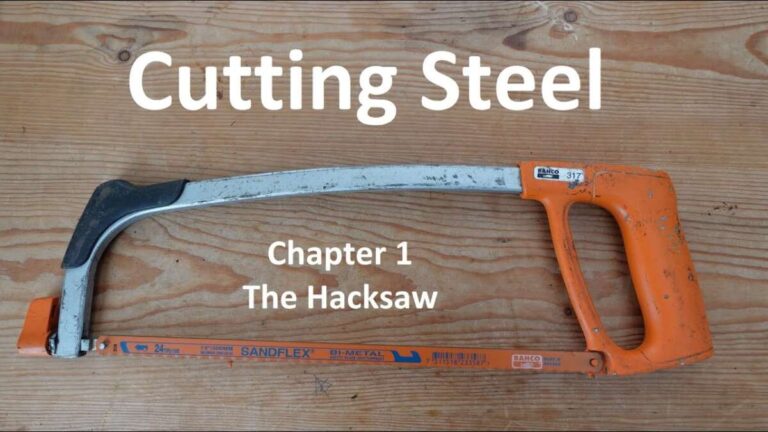
In U.S. homes, garages, and job sites, a hacksaw is a low-cost hand tool for cutting metal, plastic pipe, conduit, threaded rod, and other small materials. It works by pulling a toothed blade across the work with steady back-and-forth strokes.
To use a hacksaw, fit the right blade, secure the material, hold the frame firmly, and make long, even strokes while letting the blade do the cutting. Wear eye protection, keep your free hand away from the blade, and stop if the blade bends, breaks, or binds.
What Is a Hacksaw?
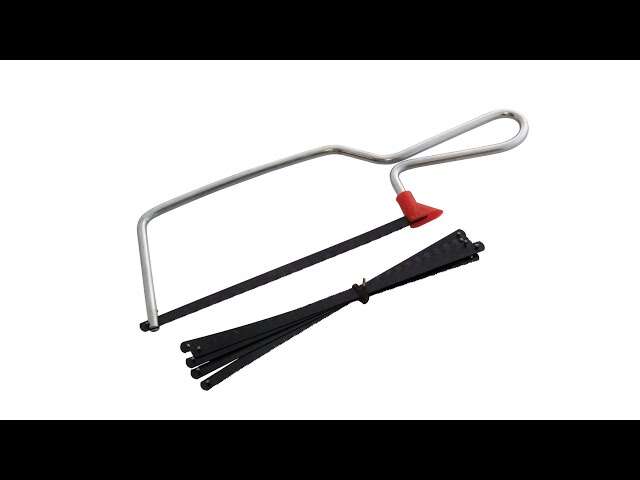
A hacksaw is a metal-cutting saw with a thin, replaceable blade held under tension in a metal or plastic frame. Most standard hacksaws use blades about 12 inches long, although compact and specialty models also exist.
The main parts are:
- Frame: Holds the blade straight.
- Handle: Gives you control and a firm grip.
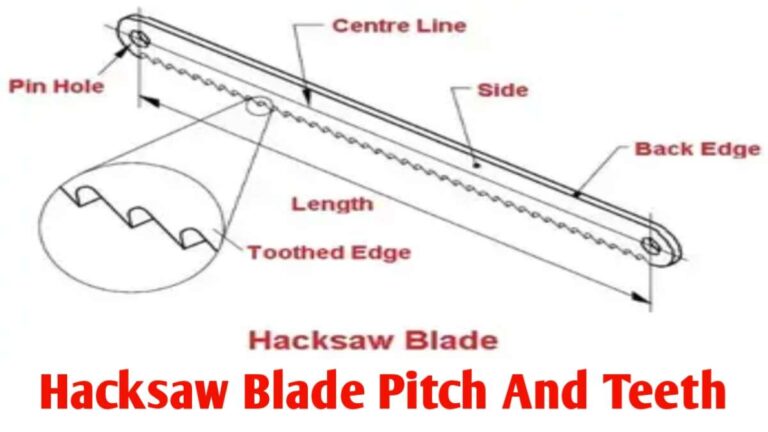
- Blade: Has small teeth that remove material.
- Tension mechanism: Tightens the blade so it does not flex.
- Blade mounts: Hold the ends of the blade in the frame.
Most hacksaw blades cut on the forward stroke. The teeth point away from the handle. A blade installed backward may still move through the material, but it will not cut as intended.
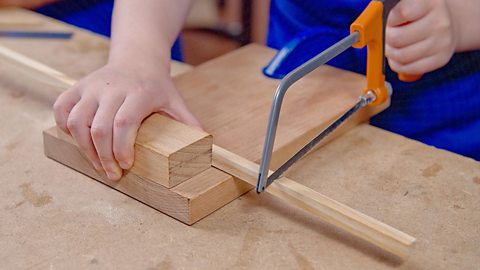
A hacksaw is not the same as a wood saw. Its fine teeth suit hard materials such as steel, aluminum, copper, brass, and plastic. A wood saw has larger teeth and a different tooth pattern.
What You Need Before You Start
Gather the hacksaw, a suitable blade, a vise or clamp, a marker, a tape measure, and safety glasses. Work gloves can help protect your hands from sharp edges, but they must not replace careful hand placement.
Choose a blade based on the material and its thickness. Hacksaw blades are commonly described by teeth per inch, or TPI.
| Blade type | Typical use |
|---|---|
| 14–18 TPI | Thick metal, heavy steel stock, large pipe |
| 24 TPI | General-purpose cutting |
| 32 TPI | Thin sheet metal, thin-wall tubing, small hardware |
| Variable-pitch blade | Reduces vibration in some mixed or thin materials |
As a basic rule, at least two or three teeth should touch the work at once. If too few teeth engage, the blade can catch and strip its teeth. If the teeth are too fine for thick material, the cut may be slow and the blade may clog.
Inspect the blade before use. Do not use one that is cracked, badly bent, missing teeth, or heavily worn. A damaged blade can break during a stroke and leave sharp fragments.
How Do You Use a Hacksaw?
Follow these steps for a clean and controlled cut.
1. Measure and mark the cut
Measure the length twice. Mark the cut with a permanent marker, scribe, or fine-tip pen.
For a straight cut, draw a clear line around the pipe or stock if you can reach all sides. On round material, a mark that wraps around the full circumference helps keep the cut square.
Add a small allowance if the final length must be exact. You can file away a little extra material, but you cannot add material after cutting.
2. Select and install the blade
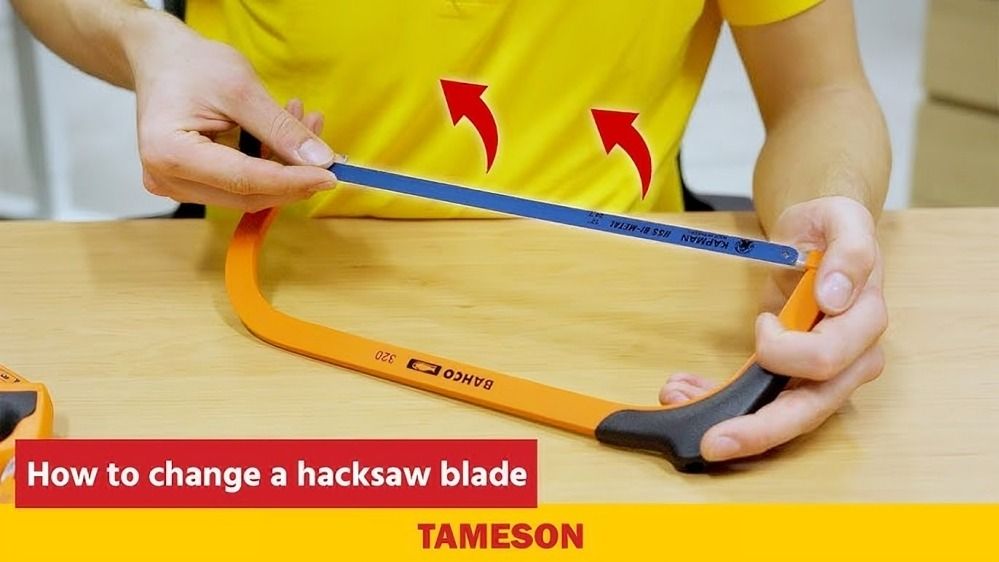
Choose the correct TPI for the material and thickness. Install the blade with its teeth pointing away from the handle unless the blade or saw design specifies otherwise.
Tighten the blade until it is firm and straight. It should not sag or twist when you press it lightly from the side. Do not overtighten it. Excess tension can damage the frame, blade mounts, or blade.
If the hacksaw has adjustable blade positions, use the position that gives the frame enough clearance without making the tool awkward to control.
3. Secure the workpiece
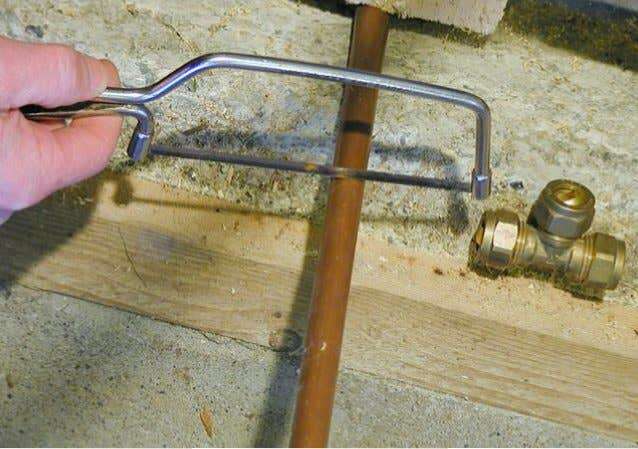
Clamp the material in a vise whenever possible. Place the cut line close to the vise jaws to reduce vibration, but leave enough room for the saw frame to pass.
For pipe or thin tubing, avoid crushing the material with excessive vise pressure. Use soft jaw covers or wood blocks if the surface could be damaged.
Do not hold the workpiece in one hand while sawing with the other. The blade can slip, and the material can rotate or pinch the blade.
4. Start a shallow groove
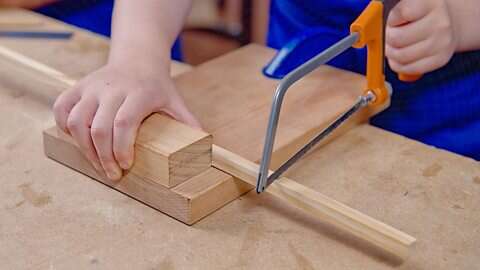
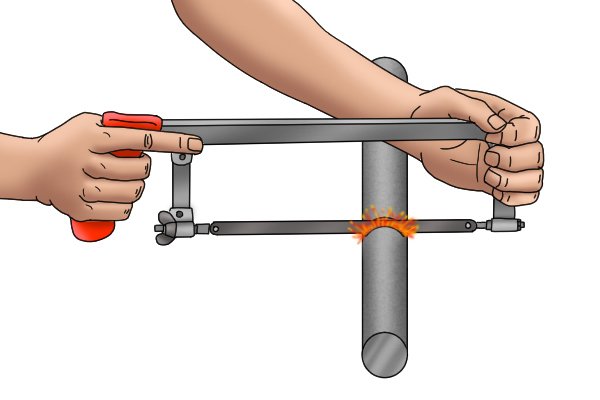
Place the blade on the waste side of the mark. Hold the hacksaw with one hand on the handle and the other hand on the front of the frame.
Tilt the saw slightly, then use two or three light forward strokes to create a small groove. Once the groove is established, bring the saw closer to level.
Starting gently matters. Heavy pressure at the beginning can make the blade jump across the surface and damage the material or your hand.
5. Make long, steady strokes
Use smooth strokes that use most of the blade length. Push forward with moderate pressure, then reduce pressure as you pull the blade back.
Keep the frame in line with the cut. Let the teeth remove the material instead of forcing the tool. A steady rhythm is usually faster than short, hard strokes.
The blade should cut on the forward stroke. If the saw squeals, wanders, or binds, stop and check the blade, material support, and cutting angle.
6. Keep the cut square
Watch the line from more than one angle. A cut can look straight from the top while drifting to one side.
Keep your shoulders and arms aligned with the cut. Do not twist the frame to correct a crooked groove. If the cut starts to wander, back out carefully and widen the groove from the correct side.
For a square cut on pipe, rotate the pipe slightly as the groove becomes deeper. This can help you follow the marked line around the material.
7. Reduce pressure near the end
When only a small section remains, use lighter strokes. The material may break free suddenly, and heavy force can make the blade strike the vise or your hand.
Support the waste piece if it could fall or swing. After the cut separates, set the hacksaw down before handling the freshly cut parts.
8. Remove sharp edges
Hacksaw cuts often leave burrs. A burr is a thin, sharp ridge of material left along the cut edge.
Remove it with a metal file, deburring tool, or abrasive pad. For plastic pipe, use a utility knife or deburring tool designed for that material, and keep the blade pointed away from your body.
Check the finished edge with your eyes and a cautious touch. Do not run a bare finger quickly across an edge that may still be sharp.

How Should You Hold and Move a Hacksaw?
Hold the handle with your dominant hand and place your other hand on the front of the frame. Keep both hands behind the blade path.
Stand so the saw moves away from your body. Keep your feet stable and avoid leaning over the work. Your body position should allow the full stroke without hitting the vise, bench, or another object.
Use forward pressure only when the teeth contact the material. Release most pressure on the return stroke. This reduces tooth wear and helps prevent the blade from snagging.
A common mistake is using only short strokes near the handle. Short strokes wear one small section of the blade. Long strokes spread the work across more teeth and usually give better control.
How Do You Cut Different Materials?
The basic method stays the same, but blade choice and pressure change with the material.
Steel and stainless steel
Use a sharp, fine-to-medium blade suited to the thickness. Cut with slow, even strokes and avoid pushing too hard.
Stainless steel can work-harden if you rub the blade across the surface without removing material. Use firm, controlled strokes that keep the teeth cutting. Do not pause while pressing hard on the blade.
Aluminum and copper
These softer metals can clog the teeth. A blade with an appropriate tooth size helps prevent buildup.
If the blade becomes packed with metal, stop and clean or replace it. Do not keep forcing a clogged blade through the work.
Threaded rod and bolts
Place the cut just beyond the needed length, then file the end. If you must preserve the threads, thread a matching nut onto the rod before cutting. After filing the cut end, remove the nut to help clear minor thread damage.
Never rely on the nut to make a badly damaged thread safe. Replace the fastener if the threads no longer engage correctly.
Plastic pipe
Use a sharp, fine-tooth blade and support the pipe well. Do not squeeze thin-wall pipe too tightly in the vise.
After cutting, remove burrs from both the inside and outside edges. This matters for pipe fittings, seals, and flow paths.
Sheet metal
Clamp the sheet metal between pieces of scrap wood if possible. This reduces vibration and lowers the chance of bending the sheet.
Use a fine-tooth blade and light pressure. Wear eye protection because small metal chips can break loose.
Common Hacksaw Problems and Fixes
| Problem | Likely cause | What to do |
|---|---|---|
| The blade will not cut | Teeth point the wrong way, blade is dull, or pressure is too light | Reinstall or replace the blade and use steady forward pressure |
| The blade keeps breaking | Excess tension, twisting, binding, or a damaged blade | Reduce tension, keep the frame straight, and support the work |
| The cut wanders | Poor starting groove, loose material, or a bent blade | Reclamp the work, start a new groove, and check blade alignment |
| The blade binds | Cut closes around the blade or the material moves | Stop, release pressure, and improve support |
| The saw squeals | Dull blade, wrong TPI, or too much pressure | Use a sharper blade and lighter, smoother strokes |
| Teeth strip quickly | Too few teeth engage or the blade is being forced | Use a finer blade for thin stock or reduce pressure |
| The metal edge is rough | Worn blade, vibration, or rushed finishing | Clamp the work firmly and file the edge after cutting |
| The pipe flattens | Excessive vise pressure or poor support | Use softer jaws and clamp only as tightly as needed |
If a blade binds, do not jerk the hacksaw free. Stop pushing, hold the tool steady, and work it out with small movements. Inspect the blade before continuing.
Hacksaw Safety Rules
A hacksaw is simple, but its blade can cause cuts, punctures, and eye injuries. Follow these basic rules:
- Wear ANSI-rated eye protection when cutting metal or plastic.
- Clamp the work instead of holding it by hand.
- Keep both hands behind the blade.
- Keep the blade tight, straight, and free of damage.
- Cut away from your body.
- Keep the work area clear of cords, loose tools, and people.
- Do not use a hacksaw as a pry bar or hammer.
- Replace a blade when it is dull, bent, cracked, or missing teeth.
- Remove burrs before handling the cut part.
- Clean up metal chips with a brush or vacuum rather than your bare hand.
For workplace use, review your employer’s tool rules and the applicable OSHA requirements for hand tools and personal protective equipment. OSHA’s hand and power tools guidance emphasizes keeping tools in safe condition and using suitable protection for hazards such as flying particles.
A hacksaw is suitable for many small cuts, but it is not always the right tool. Use a pipe cutter for some tubing, aviation snips for suitable sheet metal, or a powered saw only when you have the training, guards, and protective equipment required for that tool.

When Should You Replace the Blade?
Replace the blade when it cuts slowly despite proper technique, slips out of the groove, has missing teeth, or shows a bend or crack. A dull blade often makes the user push harder, which increases the chance of binding and breakage.
Do not judge a blade only by how it looks. If the teeth no longer remove material cleanly, the blade has reached the practical end of its service life.
A blade can also be wrong without being worn out. For example, a coarse blade may be new but unsuitable for thin sheet metal. Changing the TPI can solve the problem better than applying more force.
Key Takeaways
- Install the blade with the teeth facing away from the handle.
- Choose TPI based on the material and its thickness.
- Clamp the work securely and keep the cut near the vise.
- Start with light strokes to create a groove.
- Use long, smooth strokes and moderate forward pressure.
- Keep the frame straight and reduce pressure near the end.
- Wear eye protection and keep your hands behind the blade.
- File or deburr the finished edge before use.
FAQs About Using a Hacksaw
Can a hacksaw cut wood?
A hacksaw can cut some thin wood in an emergency, but it is not the right tool for normal wood cutting. Its fine metal-cutting teeth clog easily in wood and make the job slow. Use a hand saw or other saw made for wood instead.
Why does my hacksaw blade keep bending?
The blade may be loose, the frame may be twisted, or you may be applying sideways pressure. The workpiece may also be moving or pinching the blade. Stop cutting, tighten or replace the blade, secure the material, and keep the saw aligned with the groove.
Should hacksaw teeth face forward or backward?
For a standard hacksaw, the teeth usually face forward, away from the handle. The blade normally cuts during the forward stroke. Check the markings or instructions for unusual frame and blade designs.
Can you cut a bolt with a hacksaw?
Yes. Cut the bolt slightly beyond the required length, then file the end. If the bolt must accept a nut afterward, protect the threads by placing a matching nut on the bolt before cutting and removing it after filing.
How do you cut a pipe straight with a hacksaw?
Mark the cut around the pipe, clamp the pipe firmly, and start a shallow groove on the mark. Keep the saw square to the pipe and rotate the pipe slightly as the cut deepens. Finish with light strokes, then deburr the inside and outside edges.
Conclusion
Using a hacksaw well comes down to three things: choose the right blade, secure the material, and make controlled strokes. Do not rush the first groove or force the tool when it binds. With eye protection, a firm setup, and a sharp blade, a hacksaw can make clean cuts through many common materials in a U.S. home workshop or job site.
Recent Tool Guides
 Hammer
How To Hammer Flowers Onto Paper: Easy Guide
Learn how to hammer flowers onto paper with simple steps, helpful tips, and beautiful results for...
Read Guide → Wrench
How To Use A Hex Wrench: Easy Step-By-Step Guide
Learn how to use a hex wrench correctly with simple steps, helpful tips, and common mistakes...
Read Guide → Hacksaw
How To Cut Curtain Pole With Hacksaw: Easy Guide
Learn how to cut curtain pole with hacksaw safely and neatly. Follow simple steps for accurate...
Read Guide → Wrench
How To Use A Husky Torque Wrench: Easy Guide
Learn how to use a Husky torque wrench correctly with simple steps, torque settings, and safety...
Read Guide → Hammer
How To Hold A Hammer: Safe Grip Guide
Learn how to hold a hammer with the right grip, stance, and technique for safer, more...
Read Guide → Hacksaw
How To Cut Flexible Metal Conduit With Hacksaw: Easy Guide
Learn how to cut flexible metal conduit with hacksaw safely and cleanly. Follow simple steps for...
Read Guide →