

A hacksaw can cut metal, plastic, wood, drywall, pipe, bolts, screws, and many other common materials.
Knowing what can a hacksaw cut through helps you choose the right blade, work safely, and avoid damaging both the tool and the material. A hacksaw is simple, affordable, and surprisingly useful, but its results depend on blade teeth, material thickness, cutting speed, and steady technique. This guide explains its best uses, limits, blade choices, and practical cutting tips.

What Is a Hacksaw?
A hacksaw is a hand tool with a thin, toothed blade held under tension in a metal frame. Most models use a blade that is about 10 to 12 inches long, although compact and adjustable versions are also common.
The blade moves back and forth across the material. Each tooth removes a small amount of material with every stroke. Think of it as a row of tiny chisels working together.
A standard hacksaw usually has:
• A rigid frame that supports the blade
• A handle for control and comfort
• A tension screw or lever
• A replaceable blade
• Teeth designed for metal, plastic, or general cutting
The answer to what can a hacksaw cut through depends mainly on the blade. A fine tooth blade suits thin metal. A coarser blade works better on thick plastic, wood, or larger metal stock.
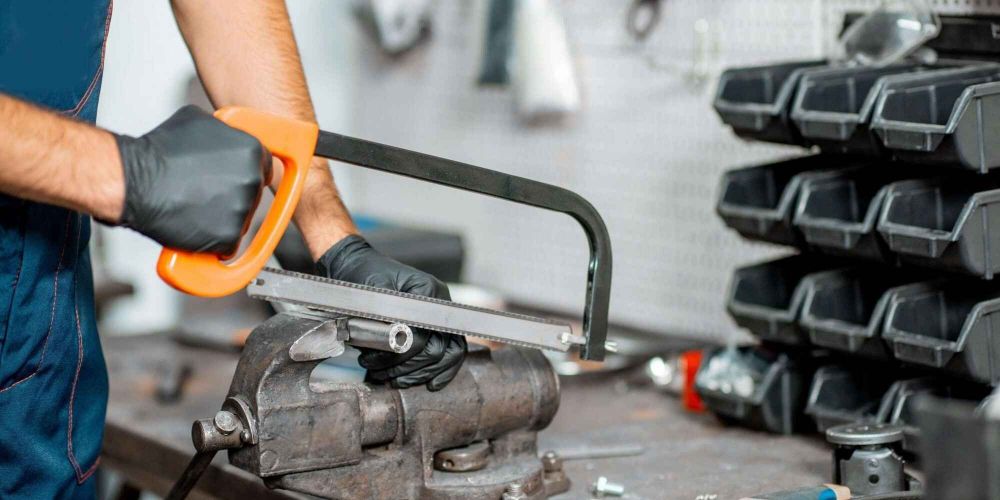
What Can a Hacksaw Cut Through?
A hacksaw can cut through many materials found in homes, workshops, garages, and construction sites. It is not the fastest tool, but it offers good control and a clean cut when used correctly.
Metal
Metal is the material most people associate with a hacksaw. With the right blade, it can cut:
• Mild steel
• Stainless steel
• Aluminum
• Copper
• Brass
• Cast iron
• Threaded rod
• Metal conduit
• Metal pipe
• Sheet metal
• Nails, bolts, and screws
A blade with 18 to 24 teeth per inch works well for medium-thickness metal. Use 24 to 32 teeth per inch for thin sheet metal or small tubing.
Hard metals require more time and patience. Stainless steel, for example, can heat up and harden if you push too hard. Use slow, steady strokes and cutting oil when suitable.
Plastic
A hacksaw cuts many rigid plastics with ease. Common examples include:
• PVC pipe
• ABS pipe
• Acrylic sheet
• Polycarbonate
• Nylon rod
• Plastic conduit
• Fiberglass-reinforced plastic
Plastic can melt if the blade moves too fast or creates too much heat. A medium or coarse blade often works well. Let the teeth do the work instead of forcing the frame through the plastic.
When cutting PVC pipe, support both sides of the cut. This reduces vibration and helps prevent a rough or uneven edge.
Wood
A hacksaw can cut wood, but it is not the best tool for most wood projects. Its narrow blade and small teeth make the process slow.
It may work for:
• Small wood dowels
• Thin trim
• Veneer
• Balsa wood
• Small craft pieces
• Wood with embedded nails or screws
A standard wood saw, jigsaw, or handsaw will usually cut wood faster. Still, a hacksaw can help when you need a controlled cut in a small area or when the wood contains metal.
Drywall and Soft Building Materials
A hacksaw can cut through thin drywall or soft board in a pinch. It may also cut certain foam boards and lightweight panels.
However, the blade can clog with dust, and the frame may limit access. A drywall saw or utility knife is usually a better option for these materials.
Bolts, Screws, and Threaded Rod
Cutting bolts and threaded rod is one of the most useful hacksaw jobs. A hacksaw can shorten:
• Hex bolts
• Carriage bolts
• Machine screws
• Threaded rod
• Small anchor bolts
• Rusted fasteners
Before cutting, thread a nut onto the bolt. After the cut, remove the nut to help straighten and clean the damaged threads.
The answer to what can a hacksaw cut through includes hardened fasteners, but these may need a high-quality bi-metal blade. Very hard bolts can wear out a cheap blade quickly.

Materials a Hacksaw Should Not Cut
A hacksaw is versatile, but it is not suitable for every material. Using it on the wrong surface can cause poor results, broken teeth, or injury.
Avoid using a standard hacksaw on:
• Thick concrete
• Brick and stone
• Hardened tool steel
• Large tree branches
• Thick structural beams
• Tempered glass
• Ceramic tile
• Large metal plates
• Materials that contain hidden electrical wires
A hacksaw may scratch or score some of these materials, but it will not cut them efficiently. Use a masonry saw, angle grinder, reciprocating saw, bolt cutter, or another tool designed for the job.
Never cut into a wall, pipe, or panel until you know what is behind it. Electrical cables, gas lines, and water pipes can create serious hazards.
The question of what can a hacksaw cut through should always include the tool’s limits. A tool can be capable of cutting a material while still being the wrong or unsafe choice.
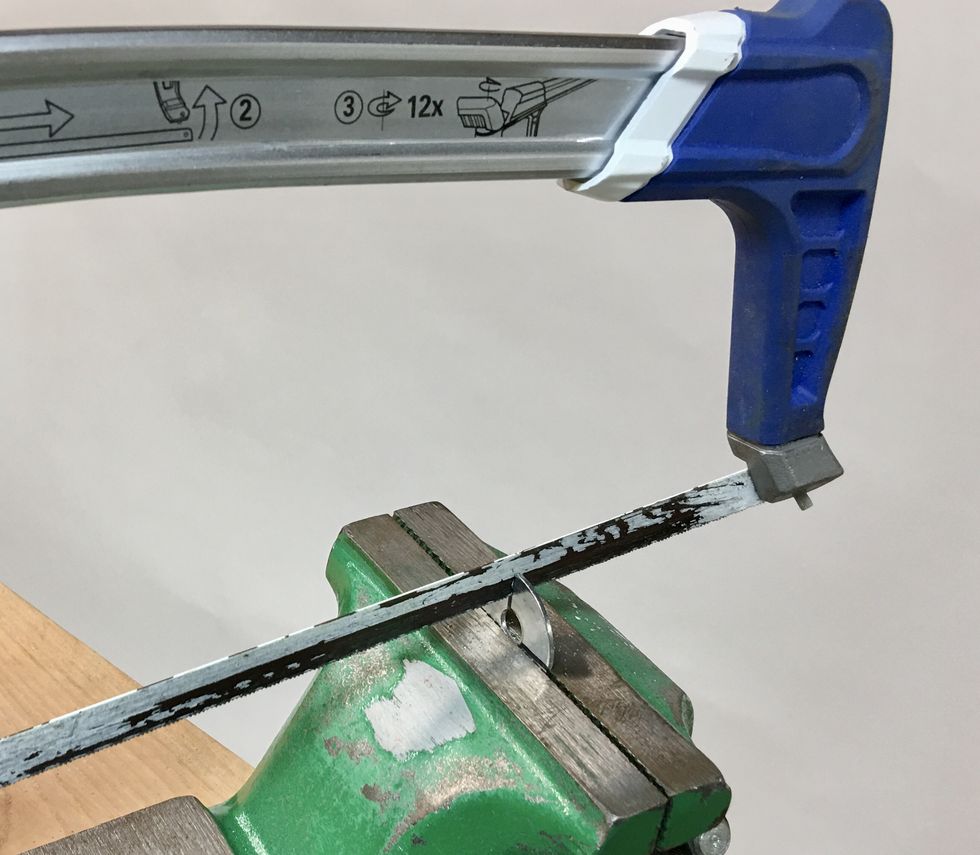
Choosing the Right Hacksaw Blade
Blade choice has a direct effect on cutting speed, control, and finish. Hacksaw blades are usually rated by teeth per inch, or TPI.
Fine Tooth Blades
Fine blades have about 24 to 32 teeth per inch. They work well for:
• Thin sheet metal
• Small tubes
• Aluminum trim
• Thin-wall conduit
• Small screws and bolts
Fine teeth reduce the chance of catching on thin material. They also create a smoother cut.
Medium Tooth Blades
Medium blades usually have about 18 to 24 teeth per inch. They are useful for:
• General steel work
• Copper pipe
• Brass stock
• Medium aluminum
• Standard bolts
• PVC pipe
This range is a good all-purpose choice for many home repairs.
Coarse Tooth Blades
Coarse blades have about 14 to 18 teeth per inch. They suit:
• Thick plastic
• Larger aluminum pieces
• Soft materials
• Thick-wall pipe
• Some wood products
A coarse blade cuts faster, but it can grab thin material. Make sure at least two or three teeth remain inside the material during each stroke. This helps prevent tooth damage.
Bi-Metal Blades
Bi-metal blades combine a flexible steel body with hardened high-speed steel teeth. They cost more than basic carbon steel blades, but they usually last longer and resist breaking.
For regular work with stainless steel, threaded rod, and mixed materials, a bi-metal blade is often worth the added cost.
How to Cut Different Materials With a Hacksaw
The basic method stays the same, but each material needs a slightly different approach.
Cutting Metal
- Mark the cut with a permanent marker or scribe.
- Clamp the material firmly.
- Select a blade with the correct TPI.
- Place the blade so the teeth point forward.
- Start with short, light strokes.
- Create a shallow groove before using longer strokes.
- Keep the blade straight and level.
- Apply steady pressure on the forward stroke.
- Ease pressure during the return stroke.
- File away sharp burrs after cutting.
Cutting oil may reduce friction on steel. Do not use oil on materials where contamination could cause a problem, and keep oil away from your hands and the handle.
Cutting Plastic Pipe
Mark the pipe all the way around when possible. This gives you a guide and helps keep the cut square.
Use smooth strokes rather than fast, forceful motions. If the pipe starts to melt, pause and let it cool. Afterward, deburr the inside and outside edges with a file or utility knife.
Cutting Wood
Secure the wood close to the cut. Use a coarse blade and let the teeth move at a steady pace.
A hacksaw is best for small pieces. For large boards, use a saw designed for wood. This saves time and produces a cleaner result.
Cutting Bolts
Place the nut on the bolt before cutting. Clamp the bolt so it cannot twist. Cut slightly outside the final line if you need to preserve the existing threads.
After the cut, remove the nut slowly. If the threads are damaged, use a file or thread-restoring tool.

Hacksaw Safety Tips
A hacksaw is low-powered, but it can still cause cuts, pinched fingers, and eye injuries. Safe technique matters.
• Wear safety glasses when cutting metal or brittle plastic.
• Use work gloves when handling sharp edges.
• Clamp the workpiece whenever possible.
• Check that the blade is tight before starting.
• Replace blades with missing or broken teeth.
• Keep both hands clear of the blade path.
• Do not use a bent frame.
• Keep the handle dry and secure.
• Clean metal chips with a brush, not your bare hand.
• Store the hacksaw with the blade protected.
One mistake I often see is rushing the first few strokes. A blade that slips can scratch the material, damage the cut line, or hit your hand. Start slowly and build a clean groove first.
When considering what can a hacksaw cut through, also consider what the cut may release. Painted metal, treated wood, and old plastic can create harmful dust or fumes. Wear suitable protection and improve ventilation when needed.

Common Hacksaw Mistakes to Avoid
Even experienced users can get poor results from a hacksaw. Most problems come from blade choice, weak support, or excess force.
Using the Wrong Blade Direction
Most hacksaw blades cut on the forward stroke. The teeth should point away from the handle. If installed backward, the blade may slide instead of cutting.
Choosing Too Few Teeth
If only one tooth engages the material, it can catch and break. Select a finer blade for thin stock. Aim to keep at least two or three teeth in contact with the workpiece.
Pushing Too Hard
Force does not always mean speed. Heavy pressure can bend the blade, cause crooked cuts, and wear the teeth quickly.
Use firm but controlled pressure. Let the blade remove the material.
Failing to Support the Work
Loose material shakes and makes the blade wander. Clamp the piece near the cut, but do not crush soft plastic or thin tubing.
Reusing a Dull Blade
A dull blade creates heat and requires more force. It can also leave a rough edge. Replacing the blade is often faster than struggling with it.
Cutting Too Fast
Fast strokes can heat plastic and dull metal teeth. A steady rhythm gives better control and often produces a cleaner cut.

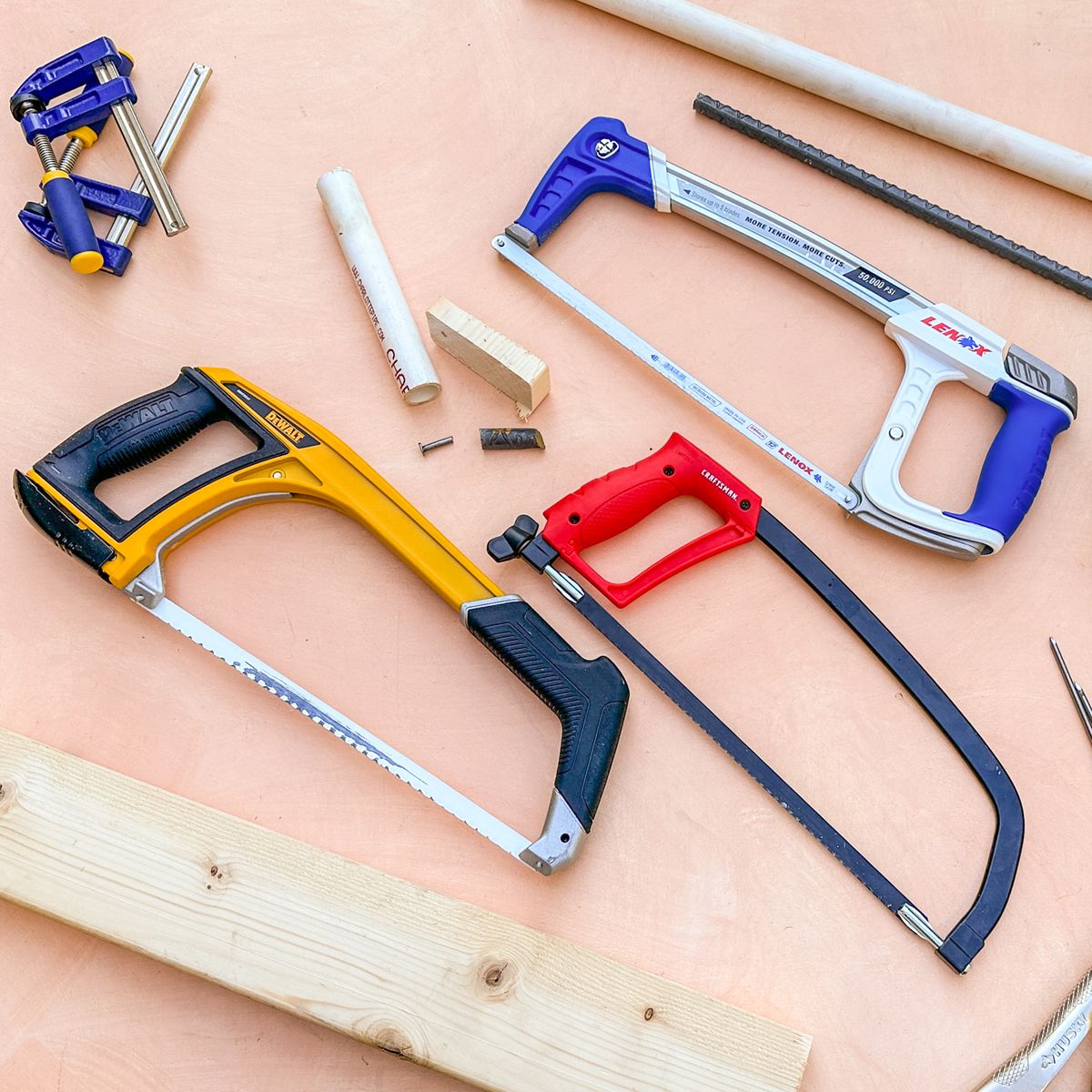
Hacksaw vs. Other Cutting Tools
A hacksaw is not always the best choice. The right tool depends on material, thickness, access, noise, and the quality of the cut you need.
| Tool | Best use |
|---|---|
| Hacksaw | Small metal, plastic pipe, bolts, and controlled cuts |
| Pipe cutter | Clean cuts on copper or plastic pipe |
| Bolt cutter | Fast cuts on some rods, chains, and soft bolts |
| Jigsaw | Curved cuts in wood, plastic, and thin metal |
| Reciprocating saw | Fast cuts in demolition and thick materials |
| Angle grinder | Thick metal and heavy cutting work |
| Utility knife | Thin plastic, drywall, and scoring tasks |
| Wood handsaw | Boards, trim, and larger wood pieces |
A hacksaw wins when you need low cost, quiet operation, portability, and precise control. It loses when the material is thick or the job requires many repeated cuts.
How to Get a Cleaner Cut
A clean cut begins before the first stroke. Measure twice and mark the line clearly. Use a square when the cut must be straight.
For metal, place masking tape near the cut line to reduce scratches and make the mark easier to see. For plastic, support the pipe or sheet close to the cutting area.
Keep the hacksaw frame aligned with the mark. Avoid twisting the blade. If the cut begins to wander, stop and correct the angle rather than forcing it back into place.
After cutting, remove burrs with a file. This step matters because a sharp edge can damage seals, wires, skin, or nearby parts.
A useful lesson from hands-on repair work is to leave a little extra material when accuracy allows. It is easy to file material away, but impossible to put it back.
Can a Hacksaw Cut Through Stainless Steel?
Yes, a hacksaw can cut through stainless steel with a sharp, high-quality bi-metal blade. Use a fine or medium tooth count, clamp the work firmly, and make slow strokes.
Do not press too hard. Excess heat and pressure can harden the surface, making the cut more difficult. Cutting oil can help reduce friction on suitable stainless steel work.
Can a Hacksaw Cut Through PVC Pipe?
Yes, a hacksaw can cut through PVC pipe easily. Use a medium or coarse blade, support the pipe, and clean the edges after cutting.
Move at a steady pace to prevent melting. A pipe cutter may create a more even cut, but a hacksaw is more flexible and often works better in tight spaces.
Can a Hacksaw Cut Through Wood?
Yes, a hacksaw can cut through thin wood, dowels, and small craft pieces. It is not the most efficient choice for boards or thick lumber.
Use a coarse blade and clamp the wood near the cut. For regular woodwork, choose a handsaw, jigsaw, or circular saw.
Can a Hacksaw Cut Through a Bolt?
Yes, a hacksaw can cut through most ordinary bolts, screws, and threaded rods. A bi-metal blade is a strong choice for hard or stainless steel fasteners.
Thread a nut onto the bolt before cutting. Remove the nut afterward to help repair the threads.
What TPI Hacksaw Blade Should I Use?
Use 24 to 32 TPI for thin metal, 18 to 24 TPI for general metal work, and 14 to 18 TPI for thick metal, plastic, or soft materials.
The material should always engage several teeth at once. This reduces catching and helps the blade last longer.
Conclusion
A hacksaw can cut through metal, plastic, wood, drywall, pipe, bolts, screws, and many small building materials. Its success depends on the blade, tooth count, material support, and cutting method.
Choose a fine blade for thin metal, a medium blade for general work, and a coarse blade for thick plastic or softer materials. Clamp the work, use steady strokes, wear eye protection, and replace dull blades.
Now that you know what can a hacksaw cut through, choose a suitable blade and test your technique on scrap material first. Explore more tool guides, share your own hacksaw tips, or leave a comment with the material you need to cut.
