

You can cut metal without power tools using a hacksaw, snips, a chisel, or a manual pipe cutter.
Learning how to cut metal without power tools is useful for home repairs, camping, workshops, and job sites without electricity. The best method depends on the metal’s thickness, shape, hardness, and the type of cut you need. With the right hand tool, a firm work surface, and patience, you can make clean cuts without a grinder, saw, or drill.

Choose the Right Hand Tool for the Metal
The first step in learning how to cut metal without power tools is matching the tool to the material. Thin sheet metal needs a different tool than thick steel bar or copper pipe. Using the wrong tool can bend the metal, damage the edge, or create an unsafe slip.
Use this simple guide:
| Metal or job | Best hand tool | Typical use |
|---|---|---|
| Thin aluminum or steel sheet | Aviation snips | Straight and curved cuts |
| Steel bar, rod, or flat stock | Hacksaw | Controlled crosscuts |
| Copper or plastic-coated pipe | Manual pipe cutter | Square pipe cuts |
| Small bolts, chain, or light rod | Bolt cutters | Fast cuts through softer metal |
| Heavy steel or stubborn stock | Cold chisel and hammer | Short cuts or rough separation |
| Thin, detailed metal | Jeweler’s saw | Small curves and fine work |
| Rough edges after cutting | Hand file or deburring tool | Smoothing and cleanup |
Metal hardness also matters. Aluminum and mild steel are easier to cut by hand than stainless steel, spring steel, or hardened tool steel. If a hand tool barely marks the surface, stop and reassess rather than forcing it.

The Best Ways to Cut Metal Without Power Tools
There is no single best answer for how to cut metal without power tools. Each method has a clear strength and a limit. Start with the option that gives you the most control.
1. Cut Metal With a Hacksaw
A hacksaw is the most useful general-purpose tool for cutting metal by hand. It works well on bolts, threaded rod, pipe, flat bar, angle iron, and small pieces of steel.
Choose a blade with the correct tooth count:
• 18 teeth per inch works well for thick metal.
• 24 teeth per inch is a good general-purpose choice.
• 32 teeth per inch works well for thin sheet or small tubing.
Mark the cut with a permanent marker or scribe. Clamp the metal firmly, then place the blade so several teeth contact the surface. Push the saw forward with steady pressure and ease off on the return stroke.
Keep the blade straight. A twisting motion can snap the blade or leave a crooked cut. Let the teeth do the work instead of pressing as hard as possible.
A small drop of cutting oil can help with steel. Do not use oil if it makes the workpiece slippery or affects a later finish. For aluminum, a clean blade and light pressure usually work better than heavy force.
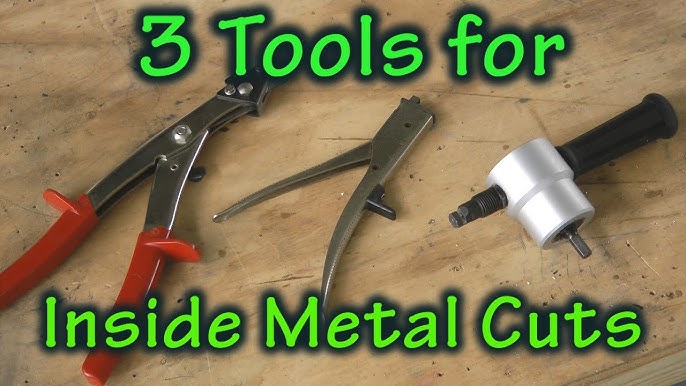
2. Use Aviation Snips on Sheet Metal
Aviation snips are designed for thin sheet metal. They look like strong scissors, but their short blades and leverage let them cut materials that ordinary scissors cannot.
Color codes often indicate the cutting direction:
• Red snips usually cut left curves.
• Green snips usually cut right curves.
• Yellow snips commonly make straight cuts.
Mark the line first. Open the snips wide, place the metal deep into the jaws, and make short cuts. Do not close the handles over and over along the same small section, because that can leave a jagged edge.
Snips work best on thin steel, aluminum, flashing, duct metal, and roofing sheet. They are not suitable for thick plate, hardened steel, or heavy structural parts.
When cutting a long line, avoid forcing the waste strip against the tool. Let the scrap curl away from the cut. This reduces bending and gives you better control.
3. Cut Pipe With a Manual Pipe Cutter
A manual pipe cutter can make a clean, square cut on copper, brass, aluminum, and some thin-wall steel pipe. It is often the easiest answer for how to cut metal without power tools when the material is round.
Place the cutter around the pipe and tighten the adjustment knob until the cutting wheel touches the surface. Rotate the tool around the pipe several times. Tighten the knob slightly after each few rotations.
Do not tighten it too much at the start. Excess pressure can crush thin pipe or cause the wheel to wander. A gradual approach creates a cleaner cut.
After cutting, remove the inner burr with the tool’s built-in reamer or a round file. Burrs can restrict water flow, damage seals, or make pipe fittings difficult to install.
4. Use a Cold Chisel and Hammer
A cold chisel can cut mild steel, bolts, chain, and thin plate when a saw is not practical. It is also helpful when you need to remove a damaged fastener or split a small piece of metal.
Mark the cut line clearly. Place the metal on a solid anvil or sacrificial steel surface. Hold the chisel at a slight angle and strike its head with a ball-peen hammer.
Make a shallow groove across the line first. Then deepen the groove with repeated strikes. This gives the chisel a path to follow and reduces wandering.
A chisel cut is usually rougher than a hacksaw cut. It may also leave a sharp edge and slightly deform the metal. Use a file after the cut if the part will be handled or fitted against another piece.
Never use a cold chisel with a mushroomed head. A damaged head can shed metal chips when struck. Dress or replace the tool before use.
5. Try Bolt Cutters for Soft, Small Stock
Bolt cutters can cut softer bolts, chain, wire rope, small rods, and some mild steel. They are fast and require less accuracy than a hacksaw.
They are not a good choice for hardened bolts, thick stainless steel, or precision cuts. Hard metal can damage the jaws or cause the tool to slip.
Keep both hands on the handles and maintain a stable stance. Make sure the cut piece cannot fly toward you or another person. After cutting, file the sharp end and check that the remaining piece has not cracked.
6. Use a Jeweler’s Saw for Small, Precise Cuts
A jeweler’s saw is useful for thin brass, copper, aluminum, and light sheet steel. It has a narrow blade that can follow curves and small shapes.
Use a fine blade for thin metal and keep the blade vertical. Support the work close to the cut. Move the saw in short, steady strokes without twisting the frame.
This method is slow, but it offers excellent control. It is useful for model work, craft projects, instrument repair, and small brackets.
How to Cut Metal Without Power Tools: Step-by-Step Method
A careful setup often matters more than the tool itself. Follow these steps for a cleaner and safer cut.
1. Measure and Mark the Cut
Use a ruler, square, or measuring tape to mark the cut. For pipe, wrap a strip of paper around the outside and mark along its edge to create a square guide.
A scribe makes a thin, durable line on bare metal. A permanent marker is easier to see, but it can rub away during handling. For repeated cuts, make a simple cardboard or metal template.
Measure twice before cutting. A hand tool removes material slowly, but adding metal back is not possible.
2. Support the Workpiece
Clamp the metal in a vise whenever possible. Place the cut line close to the vise jaws, but leave enough room for the tool to move.
For long stock, support the free end with a workbench, block, or stand. Unsupported metal can vibrate, pinch the blade, or twist as it separates.
Do not hold the metal in one hand while cutting with the other. Even a small slip can cause a deep cut.
3. Protect the Finish
If the metal has a painted, plated, or polished surface, place masking tape over the cut area. Mark the line on the tape.
Tape can reduce scratches and helps make the line easier to see. It will not prevent all damage, so keep the tool square and avoid dragging it across the finished surface.
4. Start With a Light Groove
For a hacksaw or chisel, begin with light pressure. Create a shallow groove before using full strokes or stronger blows.
The groove acts like a small track. It keeps the tool aligned and reduces the chance of slipping across the surface.
5. Use Smooth, Controlled Strokes
With a hacksaw, use long strokes that engage much of the blade. Keep the frame level and apply pressure only during the forward stroke.
With snips, use short, controlled squeezes. With a pipe cutter, rotate the tool evenly. With a chisel, strike the center of the head rather than the edge.
Slow work is often faster overall because it prevents broken blades, damaged edges, and repeated cuts.
6. Finish the Edge
Cut metal often has burrs. Run a flat file along the edge with controlled forward strokes. For holes or pipe interiors, use a round file or deburring tool.
Test the edge with your eyes first, not your fingers. A burr can be hard to see but sharp enough to cut skin.

How Different Metals Behave During Hand Cutting
Understanding the metal helps you choose the right technique. Metal is not one uniform material, and its behavior changes with its alloy, thickness, and heat treatment.
Aluminum
Aluminum is light and fairly easy to cut with a hacksaw, snips, or a jeweler’s saw. It can clog fine saw teeth, so clean the blade often and use steady strokes.
Thin aluminum bends easily. Support it close to the cut and avoid squeezing it too tightly with snips.
Mild Steel
Mild steel is common in brackets, bolts, tubing, and flat stock. A hacksaw with an 18 or 24 teeth-per-inch blade is usually effective.
Use cutting oil when appropriate, especially on thicker stock. Keep the work clamped because steel can pinch the blade as the cut closes.
Stainless Steel
Stainless steel is tougher and can work-harden when rubbed or cut with too much pressure. Use a sharp, high-quality blade and steady strokes.
Avoid rapidly rubbing the same spot without removing material. Firm, controlled cutting is better than excessive force.
Copper and Brass
Copper and brass cut well with a hacksaw, tubing cutter, or snips, depending on thickness. They are softer than steel but can deform under pressure.
Use light clamping pressure on thin pipe. After cutting, remove burrs before installing fittings.
Hardened Steel
Hardened steel is difficult to cut with basic hand tools. It may quickly dull a hacksaw blade or resist a cold chisel.
If the part is hardened, thick, load-bearing, or safety-critical, a machine shop may be the safer option. Do not keep forcing a tool that is not making progress.
Safety When Cutting Metal by Hand
Hand tools reduce noise and sparks compared with power tools, but they do not remove the risks. Sharp edges, flying chips, pinch points, and broken blades can still cause serious injuries.
Wear these basic items:
• Safety glasses with side protection.
• Cut-resistant gloves that fit well.
• Long sleeves and sturdy shoes.
• Hearing protection when striking metal with a hammer.
• A dust mask or suitable respirator when filing coatings or creating fine metal dust.
Gloves need special care around cutting tools. Loose gloves can catch on moving parts, while tight, well-fitting gloves offer better control. Remove jewelry, secure long hair, and keep fingers away from the cut line.
Avoid cutting painted, coated, or galvanized metal in a closed room. Some coatings can release harmful fumes or dust. Follow the product label and use good ventilation.
Keep bystanders away from the work area. A small metal chip can travel farther than expected when struck by a hammer.
Workplace safety guidance commonly stresses eye protection, secure workholding, and control of sharp edges. These simple habits apply in a home garage just as they do in a professional shop.

Common Mistakes to Avoid
Many poor cuts come from setup errors rather than weak tools. Avoid these mistakes when learning how to cut metal without power tools.
• Using a dull hacksaw blade: A dull blade creates heat, slips more easily, and requires extra force.
• Choosing the wrong tooth count: Large teeth can snag thin metal, while very fine teeth can clog on thick stock.
• Skipping the vise: Holding metal by hand makes the tool less stable and increases injury risk.
• Cutting without a marked line: Even a small error can ruin a bracket or pipe fitting.
• Pushing on the return stroke: This can strip teeth and shorten blade life.
• Using excessive force: Force can bend the blade, damage the edge, or cause a sudden slip.
• Ignoring burrs: Sharp edges can cut hands, wires, seals, and clothing.
• Striking a damaged chisel: A mushroomed tool head can send chips into the air.
• Cutting hardened metal with ordinary tools: The tool may fail before the metal does.
One lesson experienced metalworkers repeat is simple: secure the work before increasing effort. If a cut feels unstable, stop and improve the setup.

How to Make a Cleaner Hand-Cut
A clean cut starts with a clean layout. Use a square for straight lines and a compass or template for curves. Add a small allowance if you plan to file the part to its final size.
For a hacksaw cut, keep at least three teeth in contact with thin material. This reduces snagging. On thick material, use long strokes and let the blade create a straight kerf.
For sheet metal, make relief cuts at corners before turning. Relief cuts prevent the snips from twisting the sheet and help produce sharper corners.
For pipe, rotate the cutter several full turns before tightening it. The cutting wheel should deepen the groove in small steps.
After the cut, inspect the part under good light. Look for cracks, distortion, remaining tabs, and sharp burrs. A file can correct small flaws, but a badly misaligned cut may require a new piece.
When Hand Cutting Is Not the Best Choice
Hand tools are practical, but they have limits. A professional service or powered machine may be better when:
• The metal is thick or hardened.
• The cut must meet tight engineering tolerances.
• The piece is part of a load-bearing structure.
• The material contains an unknown coating.
• You need many identical cuts.
• The work would require excessive force.
Do not cut structural beams, pressure vessels, gas lines, brake parts, or other safety-critical components unless you have the required training and an approved procedure.
A metal supplier, fabrication shop, or machine shop can often make accurate cuts quickly. Paying for one precise cut is cheaper than replacing damaged material or repairing an unsafe part.
How to Care for Hand-Cutting Tools
Good tool care makes how to cut metal without power tools easier and safer over time.
Store hacksaw blades dry and replace them when the teeth are rounded, missing, or clogged. Keep snips clean and apply a small amount of lubricant to the pivot. Wipe away excess oil so the handles do not become slippery.
Keep files free of packed metal using a file card or brush. Store chisels so their edges do not strike other tools. Inspect pipe cutters for a chipped wheel before starting a job.
Use the correct tool for its intended purpose. Do not use a hacksaw frame as a pry bar or a file as a hammer. Small abuses often become large failures at the worst moment.
Frequently Asked Questions About How to Cut Metal Without Power Tools
What is the easiest way to cut metal by hand?
A hacksaw is the easiest all-purpose option for many metal rods, pipes, bolts, and flat bars. For thin sheet metal, aviation snips are usually faster and cleaner.
Can you cut thick metal without power tools?
Yes, but thick metal takes more time and effort. A hacksaw, cold chisel, or manual metal-cutting frame can work, but very thick or hardened metal may require professional equipment.
Can regular scissors cut metal?
Regular scissors should not be used for most metal. They may cut very thin foil, but aviation snips are safer and stronger for sheet metal.
How do you cut metal without making sharp edges?
Use the correct tool, support the work, and finish the cut with a flat file or deburring tool. Always inspect the edge visually before touching it.
Is it safe to cut galvanized metal by hand?
It can be done, but cutting or filing galvanized metal may release zinc-containing dust or fumes. Work outdoors or in strong ventilation, wear eye protection, and follow applicable safety guidance.
What blade is best for cutting steel with a hacksaw?
An 18 or 24 teeth-per-inch bi-metal blade is a good choice for general steel work. Use a finer 32 teeth-per-inch blade for thin metal.
Conclusion
How to cut metal without power tools comes down to choosing the right hand tool, securing the work, marking the cut, and using steady pressure. A hacksaw handles many general cuts, aviation snips work well on sheet metal, a pipe cutter creates square pipe cuts, and a cold chisel helps with short cuts in mild steel.
Take your time, protect your eyes and hands, and finish every cut by removing burrs. Start with a small, noncritical project to build confidence, then explore more advanced hand-cutting techniques and reliable metalworking resources.
