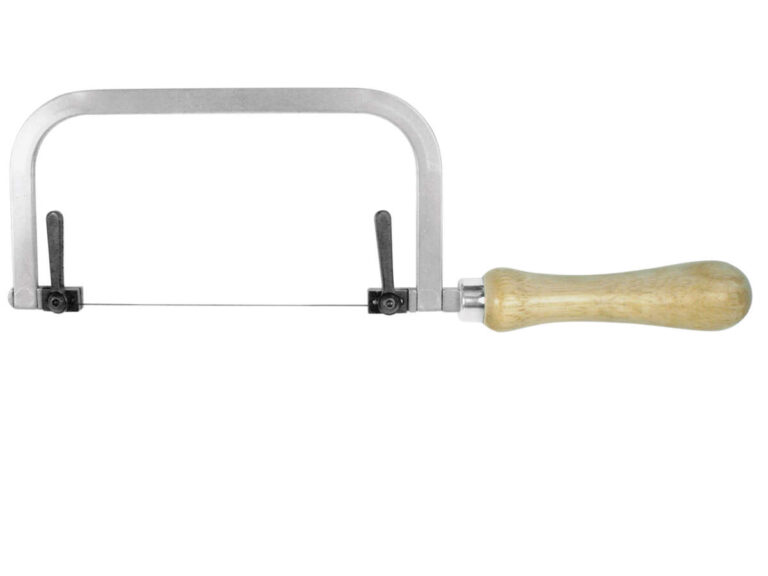
Will A Hacksaw Cut Stainless Steel: Best Cutting Guide
Yes, a hacksaw can cut stainless steel, but the right blade, pressure, and pace matter.
If you are asking, “will a hacksaw cut stainless steel,” the answer is yes, but stainless steel is tougher than mild steel and can harden when treated poorly. With a sharp bi-metal blade, firm support, cutting oil, and steady strokes, you can make clean cuts by hand. This guide explains the best method, common mistakes, safety steps, and when another tool may serve you better.

Will a hacksaw cut stainless steel?
A hacksaw will cut stainless steel because its hardened teeth remove small chips from the metal. However, stainless steel resists cutting more than common carbon steel. It can also build heat and become harder when the blade rubs instead of cutting.
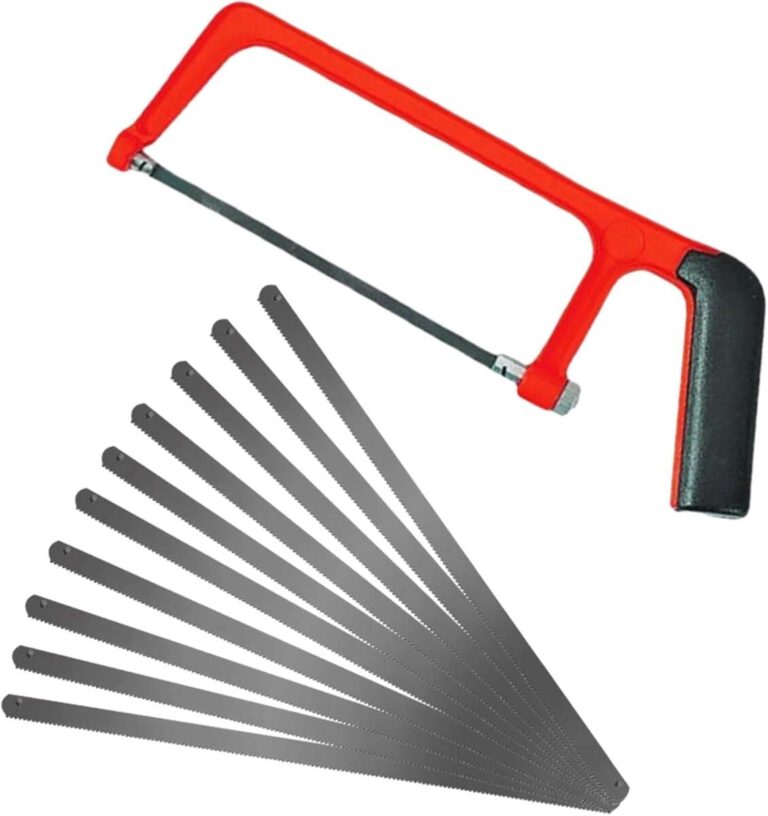
The most important factor is the blade. A cheap, dull blade may skate across the surface, create heat, and leave a rough edge. A sharp bi-metal hacksaw blade works far better because it combines flexible spring steel with hardened high-speed steel teeth.
When people ask, “will a hacksaw cut stainless steel,” they often expect a fast cut. In practice, a hacksaw is best for small jobs, thin sheet, pipe, threaded rod, brackets, and light bar stock. Thick stainless steel can still be cut, but it takes more time and effort.
A hacksaw does not melt or burn through stainless steel. Each tooth cuts a small groove. This slow process gives you good control, which is useful when accuracy matters more than speed.

What makes stainless steel hard to cut?
Stainless steel contains chromium, which helps it resist rust. Many grades also contain nickel, molybdenum, or other elements that improve strength and corrosion resistance. These qualities are useful in kitchens, workshops, vehicles, and industrial equipment, but they make cutting more demanding.
Stainless steel has a strong tendency to work-harden. This means the surface can become harder when the blade rubs against it without removing metal. Light pressure, a dull blade, or repeated stops can create a hardened layer that makes the next strokes even harder.
Here are the main cutting challenges:
• Work hardening can make the cut slower and tougher.
• Heat can damage the blade and discolor the metal.
• A dull blade may slip and scratch the workpiece.
• Thin sheet can vibrate, bend, or grab the blade.
• Thick stock needs patience and strong, stable support.
The grade also matters. Stainless steel 304 is common and generally cuts well with a good blade. Stainless steel 316 is more resistant to corrosion and may feel tougher during cutting. Hardened stainless parts, spring stainless, and thick tool components can be much more difficult.

Choose the right hacksaw blade
Blade selection often decides whether the job feels easy or frustrating. For most stainless steel work, choose a bi-metal blade with a high tooth count.
A blade with 18 to 24 teeth per inch works well for medium-thickness stainless steel. A 24 to 32 teeth-per-inch blade is better for thin sheet, small tubing, and narrow stock. Very coarse blades can catch on thin metal and leave a jagged edge.
Use these general guidelines:
• 14 to 18 teeth per inch: Thick stainless bar and heavy sections.
• 18 to 24 teeth per inch: General stainless steel work.
• 24 to 32 teeth per inch: Thin sheet, tubing, and small parts.
• Bi-metal construction: A strong choice for durability and heat resistance.
Try to keep at least three teeth in contact with the metal during each stroke. If only one or two teeth touch the work, the blade may snag. If too many teeth are buried in thick material, cutting may feel slow because the gullets fill with chips.
A new blade should feel sharp and have even teeth. Replace it when the teeth look rounded, when the blade wanders, or when you must push much harder than before.

How to cut stainless steel with a hacksaw
The answer to “will a hacksaw cut stainless steel” becomes much more useful when you know the correct process. Good setup prevents most problems.
1. Mark the cut
Use a fine marker, scribe, or layout dye to mark the cutting line. Wrap masking tape around stainless tubing to create a clear guide. Check the measurement twice before you start.
A square line helps the blade stay straight. For round tubing, mark the full circumference if you need a clean, even cut.
2. Secure the workpiece
Clamp the stainless steel firmly in a vise. Place soft jaws, wood, or cardboard between the vise and the finished surface if scratches matter.
Keep the cut close to the vise jaws. A long section that hangs free can vibrate and make the blade wander. Good support also reduces noise and protects the blade.
3. Fit and tension the blade
Install the blade so the teeth point forward, toward the cutting stroke. Tighten the frame until the blade is firm, but do not over-tighten it.
A loose blade bends and cuts at an angle. An overly tight blade can break or damage the frame. The blade should stay straight when you press it lightly with your finger.
4. Start with short strokes
Begin with slow, short strokes to create a shallow groove on the cut line. Once the groove guides the blade, use longer strokes that use most of the blade length.
Keep the frame level. Let the teeth do the cutting rather than forcing the tool downward. Stainless steel rewards steady pressure and punishes rushed work.
5. Use cutting fluid
Apply a small amount of cutting oil to the blade or cut line. The oil reduces friction, carries heat away, and helps chips leave the teeth.
Do not flood the work area. A thin film is enough for many small cuts. If the blade squeals, turns blue, or produces excessive heat, stop and allow it to cool.
6. Finish the cut carefully
Slow down as the blade nears the far side. The remaining metal can break suddenly, causing the hacksaw to drop or the workpiece to bend.
Support both sides of the cut when possible. Afterward, remove the burr with a file, deburring tool, or fine abrasive pad.

Cutting stainless steel without work hardening it
Work hardening is the main reason a simple cut can suddenly become difficult. The goal is to keep the teeth cutting fresh metal instead of rubbing the same spot.
Use firm, even pressure on the forward stroke. You do not need to press with all your strength. The pressure should be enough for the teeth to form chips, but not so much that the blade bends.
Avoid these habits:
• Do not use a dull blade for one more “quick” cut.
• Do not stop and restart in the same shallow groove many times.
• Do not move the hacksaw back and forth with almost no pressure.
• Do not let the blade rub while the metal becomes hot.
• Do not use a very fine blade on thick stainless steel.
If the cut becomes much harder after the first few strokes, stop and inspect the blade. A new blade and a steady rhythm usually work better than extra force. Think of the process like slicing bread: a sharp edge and smooth motion beat brute strength.

Can you cut stainless steel sheet with a hacksaw?
Yes, a hacksaw can cut stainless steel sheet, but thin metal needs extra support. Without support, the sheet may flex and vibrate. This can bend the blade, damage the edge, and create a rough cut.
Clamp the sheet between two pieces of scrap wood. The wood supports the metal close to the cut line and reduces vibration. You can also place masking tape over the marked line to reduce scratches and make the mark easier to see.
Choose a fine-tooth bi-metal blade. Use light, controlled strokes and avoid twisting the frame. If the sheet is very thin, aviation snips, a nibbler, or a metal-cutting shear may be faster and cleaner.
A hacksaw remains useful when you need a low-cost tool, a short cut, or a quiet method. It is also a good choice when sparks from a power tool would create a safety concern.

Can a hacksaw cut stainless steel pipe and tubing?
A hacksaw can cut stainless steel pipe and tubing, especially when the wall is thin or moderate in thickness. The main challenge is keeping the cut square around the round surface.
Wrap paper or tape around the tube as a guide. Make sure the edge of the paper meets evenly around the pipe. Start the cut at the edge of the guide, then rotate the tube slowly as the groove becomes deeper.
For tubing, support the work close to the cut. Thin walls can collapse if the vise is tightened too much. Use soft jaws or a block with a V-shaped groove to hold the tube without crushing it.
After cutting, inspect the inside edge. Stainless tubing often leaves a sharp internal burr. Remove it with a round file, deburring tool, or rotary tool used carefully.
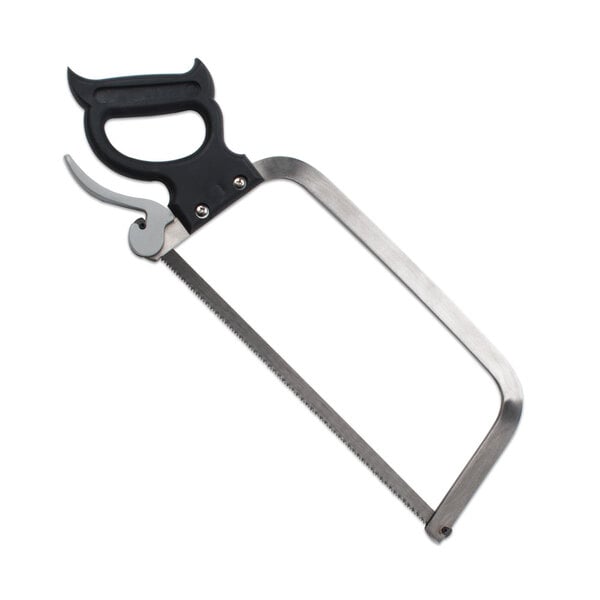
Hacksaw versus other tools for stainless steel
A hacksaw is not always the fastest option. The best tool depends on the thickness, number of cuts, finish, and workspace.
• Angle grinder: Fast for thick stainless steel, but it creates sparks, noise, heat, and a rougher edge.
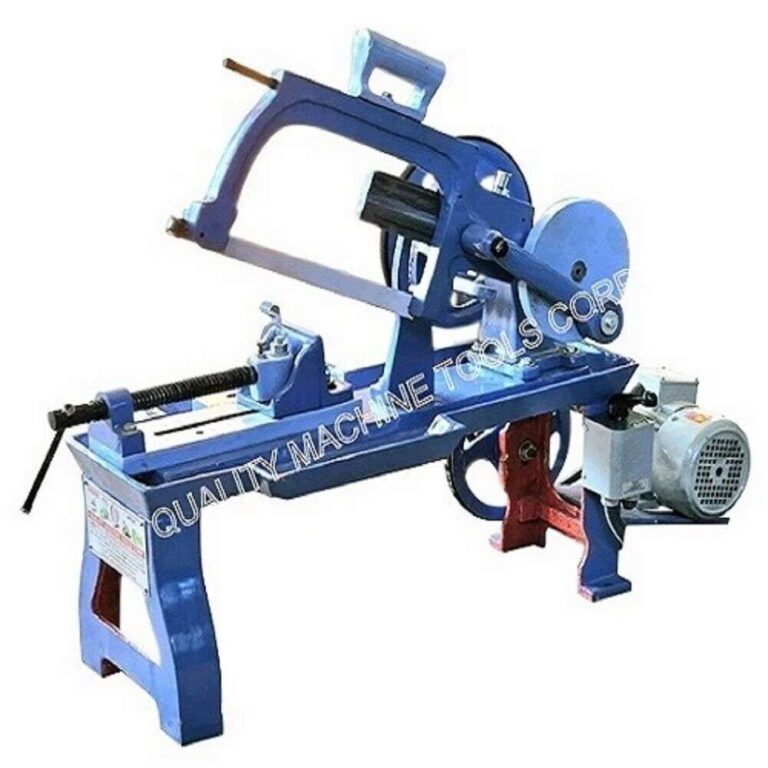
• Portable band saw: Excellent for repeated cuts and thicker stock, with less heat than an abrasive wheel.
• Metal-cutting circular saw: Useful for straight cuts when fitted with a blade rated for stainless steel.
• Reciprocating saw: Handy for demolition or awkward positions, but it can vibrate and leave a rough cut.
• Cutoff wheel: Fast for thin stock, but it creates heat and abrasive dust.
• Stainless-rated jigsaw blade: Useful for sheet and curved cuts.
• Hacksaw: Affordable, quiet, precise, and practical for small jobs.
If you only need one or two cuts, buying a large machine may not make sense. If you are cutting many pieces, a band saw or suitable power tool can save time and reduce fatigue.

Safety tips for cutting stainless steel
Wear safety glasses whenever you cut metal. Small chips can fly from the cut, and a broken blade can cause injury.
Use hearing protection near powered cutting tools. Wear work gloves when handling cut metal, but keep loose fabric away from powered tools. Gloves do not replace careful handling because stainless edges can be extremely sharp.
Follow these basic precautions:
• Clamp the work securely before cutting.
• Keep both hands on the hacksaw handle and frame when possible.
• Keep your fingers away from the blade path.
• Remove burrs before handling the finished part.
• Clean metal chips with a brush, not your bare hand.
• Use ventilation when applying cutting fluids.
• Keep flammable materials away from sparks and hot chips.
Stainless steel dust and fumes can also be hazardous when produced by grinding, welding, or high-speed cutting. A hand hacksaw creates far less airborne dust, but normal eye protection and clean working habits still matter.
Common mistakes to avoid
One common mistake is choosing a blade with too few teeth. Coarse teeth can catch on thin stainless steel and may damage the edge. Another mistake is using a worn blade because the cut seems nearly finished.
Many beginners also push too hard. Heavy pressure bends the blade and causes uneven teeth to contact the metal. It may feel faster for a few seconds, but it often leads to a crooked cut or broken blade.
Other mistakes include:
• Failing to clamp the workpiece near the cutting line.
• Starting without checking the blade direction.
• Cutting dry stainless steel at high speed.
• Reusing a blade that has already cut hardened material.
• Twisting the hacksaw to correct a crooked line.
• Ignoring burrs after the cut.
A practical lesson is simple: preparation takes less time than repair. Mark the line, support the metal, select the right blade, and let the tool work at a steady pace.
Frequently asked questions about will a hacksaw cut stainless steel
Will a regular hacksaw cut stainless steel?
Yes, a regular hacksaw can cut stainless steel when fitted with a sharp, suitable blade. A bi-metal blade with about 18 to 32 teeth per inch is usually a good choice.
What is the best hacksaw blade for stainless steel?
A bi-metal blade is usually the best general option because its teeth are hard and its body is flexible. Choose a finer tooth count for thin sheet and a coarser tooth count for thick stock.
Do you need oil to cut stainless steel with a hacksaw?
Cutting oil is not always required, but it helps reduce heat and friction. Apply a small amount and keep the blade moving steadily to reduce the risk of work hardening.
How long does it take to hacksaw stainless steel?
The time depends on the grade, thickness, blade, and your technique. Thin tubing may take a few minutes, while thick bar stock can take much longer and may be better suited to a band saw.
Can a hacksaw cut hardened stainless steel?
It may cut some hardened stainless steel, but the process can be slow and may quickly wear the blade. For very hard or thick parts, use an abrasive wheel, band saw, or professional cutting service.
How do you get a straight cut in stainless steel?
Mark the line clearly, clamp the work close to the cut, and begin with short strokes. Keep the hacksaw level and avoid twisting it as you approach the end.
Conclusion
So, will a hacksaw cut stainless steel? Yes, it will, provided you use a sharp bi-metal blade, firm support, steady pressure, and suitable cutting oil. Stainless steel can work-harden, so avoid dull blades, excessive force, and slow rubbing strokes.
For thin sheet, tubing, and small parts, a hacksaw offers excellent control at a low cost. For thick stock or repeated cuts, a band saw or stainless-rated power tool may save time. Measure carefully, protect your eyes, remove burrs, and let patience guide the cut. Use these steps on your next project, and share your results or questions with other metalworking readers.
Recent Tool Guides
 Hammer
How To Hammer Flowers Onto Paper: Easy Guide
Learn how to hammer flowers onto paper with simple steps, helpful tips, and beautiful results for...
Read Guide → Wrench
How To Use A Hex Wrench: Easy Step-By-Step Guide
Learn how to use a hex wrench correctly with simple steps, helpful tips, and common mistakes...
Read Guide → Hacksaw
How To Cut Curtain Pole With Hacksaw: Easy Guide
Learn how to cut curtain pole with hacksaw safely and neatly. Follow simple steps for accurate...
Read Guide → Wrench
How To Use A Husky Torque Wrench: Easy Guide
Learn how to use a Husky torque wrench correctly with simple steps, torque settings, and safety...
Read Guide → Hammer
How To Hold A Hammer: Safe Grip Guide
Learn how to hold a hammer with the right grip, stance, and technique for safer, more...
Read Guide → Hacksaw
How To Cut Flexible Metal Conduit With Hacksaw: Easy Guide
Learn how to cut flexible metal conduit with hacksaw safely and cleanly. Follow simple steps for...
Read Guide →