Will A Hacksaw Cut A Screw: Safe Cutting Tips
Yes, a hacksaw can cut most screws when fitted with the right blade and used with steady pressure.
Knowing whether a hacksaw will cut a screw helps when a fastener is stripped, too long, seized, or in the way. I have used this method on wood screws, machine screws, bolts, and threaded rods, and the result depends on the screw’s metal, size, and position. This guide explains the safest way to cut a screw, which blade to choose, and when another tool is better.
Will a hacksaw cut a screw?
Yes, a hacksaw will cut a screw. A hacksaw uses a thin, toothed blade to remove metal through repeated strokes. Most common screws are made from steel, stainless steel, brass, or similar metals that a good hacksaw blade can cut.
The job may take only a few strokes for a small screw. A large, hardened screw can take much longer. The key is to use the right blade, secure the screw, and let the teeth do the work.
A hacksaw works best when:
- The screw head is damaged or stripped
- A screw sticks out too far
- You need to shorten a threaded rod or long screw
- A fastener is seized and cannot be removed
- You need to create a slot in a screw head
- The screw is exposed and easy to reach
A hacksaw does not cut like a power saw. It works through slow, controlled motion. Think of it as a file with teeth. Each forward stroke removes a small amount of metal.

What type of hacksaw blade cuts a screw best?
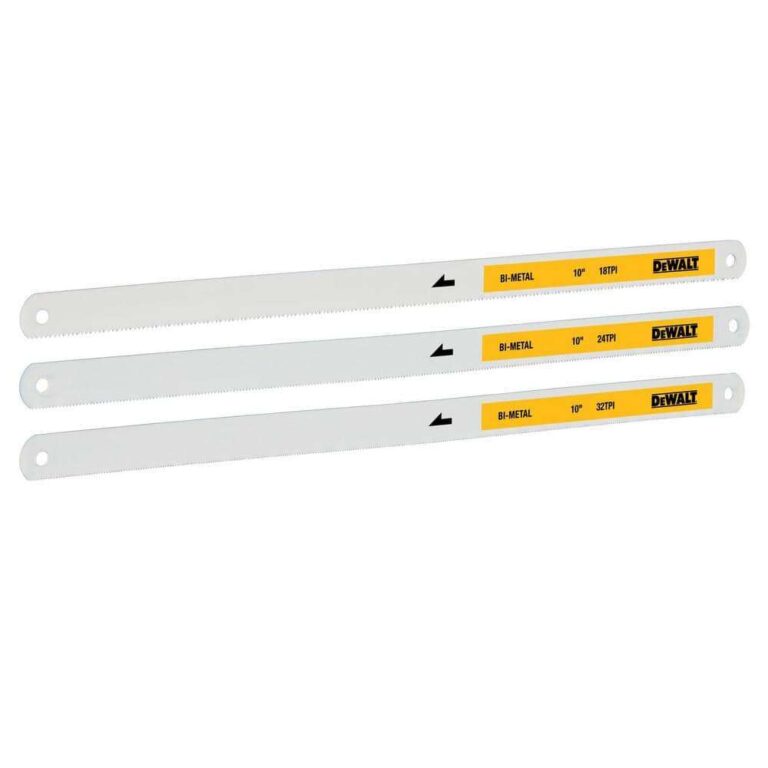
The best blade depends on the screw’s thickness and hardness. Hacksaw blades are rated by teeth per inch, often written as TPI. A higher TPI gives smaller teeth and a smoother cut. A lower TPI gives larger teeth and removes metal faster.
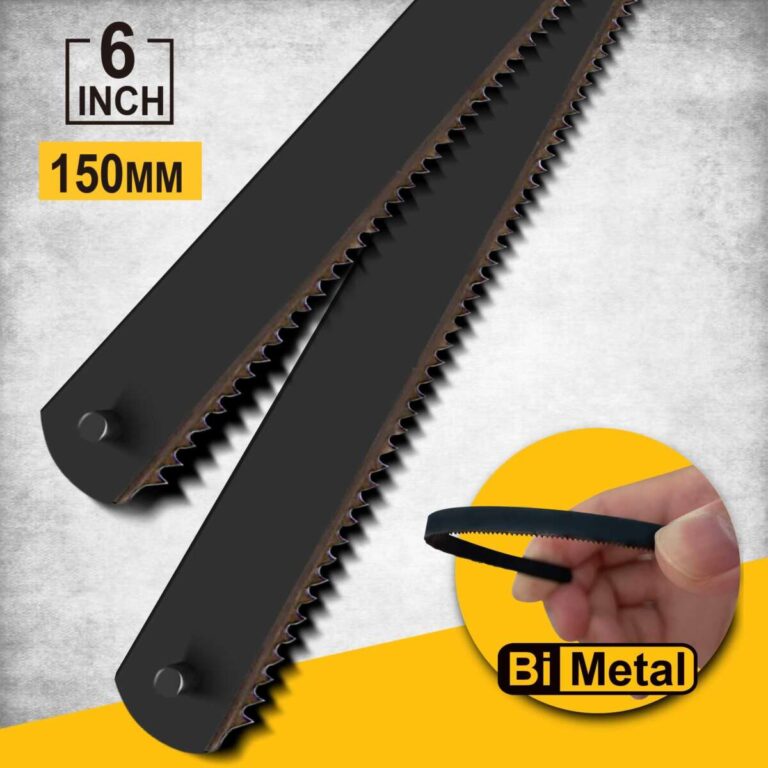
For most screws, use a bi-metal hacksaw blade. It has flexible steel for the blade body and harder steel for the teeth. This design lasts longer and is less likely to snap than a basic carbon steel blade.
Use these general guidelines:
- 24 TPI: Good for small and medium screws
- 32 TPI: Best for thin screws, small bolts, and clean cuts
- 18 TPI: Useful for larger screws and thick threaded rod
- 14 TPI: Better for large metal stock, not small screws
A 24 or 32 TPI blade is a reliable choice for most household repairs. The blade should have several teeth touching the metal at once. If only one or two teeth contact the screw, the blade may catch, chatter, or break.
Check the blade before cutting. Replace it if the teeth are dull, missing, bent, or clogged with metal. A dull blade makes the task harder and can cause you to push too hard.
How to cut a screw with a hacksaw
Cutting a screw is simple when you prepare the work area first. Do not rush the setup. Most poor cuts happen because the screw moves or the blade starts at the wrong angle.
1. Choose the cutting point
Mark the exact place where you want to cut. A permanent marker, pencil, or scratch awl can help. If the screw must fit flush with a surface, measure twice before cutting.
If you are shortening a screw, leave a little extra length. You can file the end smooth after the cut. Cutting too short is hard to fix.
2. Secure the screw
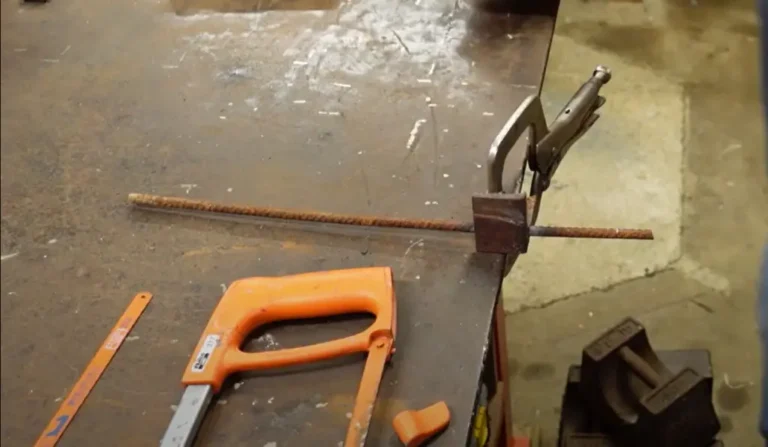
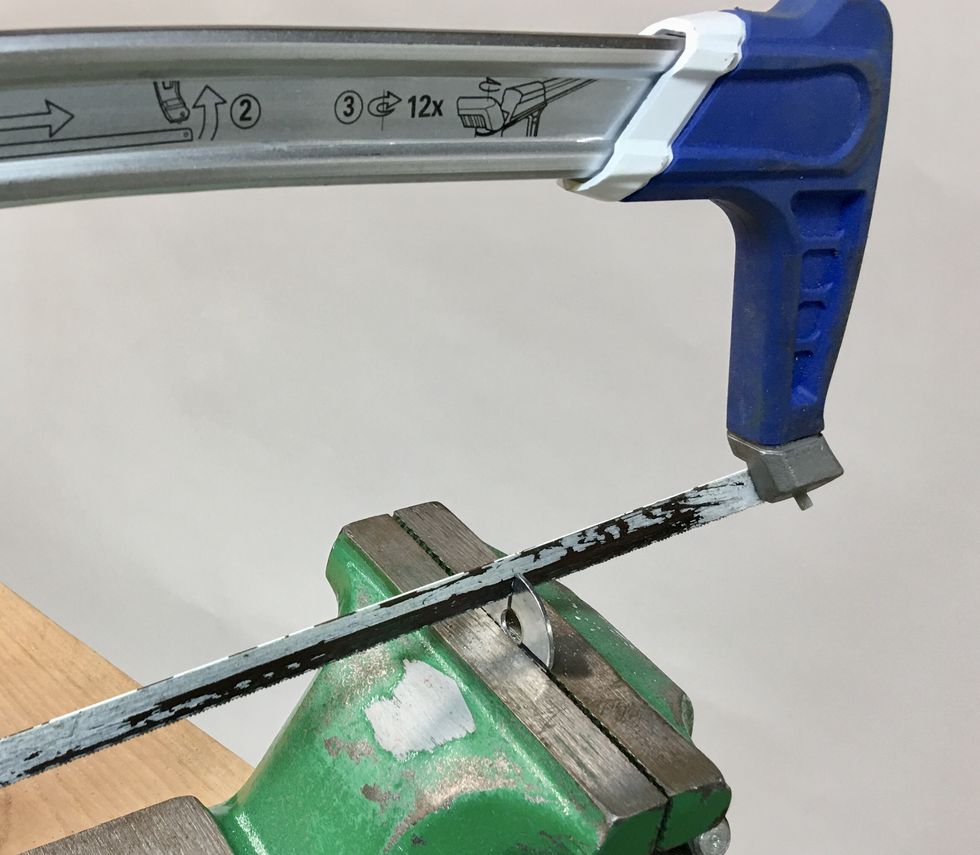
Hold the screw in a bench vise when possible. Place scrap wood, cardboard, or soft jaw covers between the vise and the threads. This prevents dents and protects the screw.
If the screw is installed in wood or metal, support the surrounding material. Keep the workpiece steady with a clamp. Never hold a small screw in your hand while sawing it.
3. Install the blade correctly
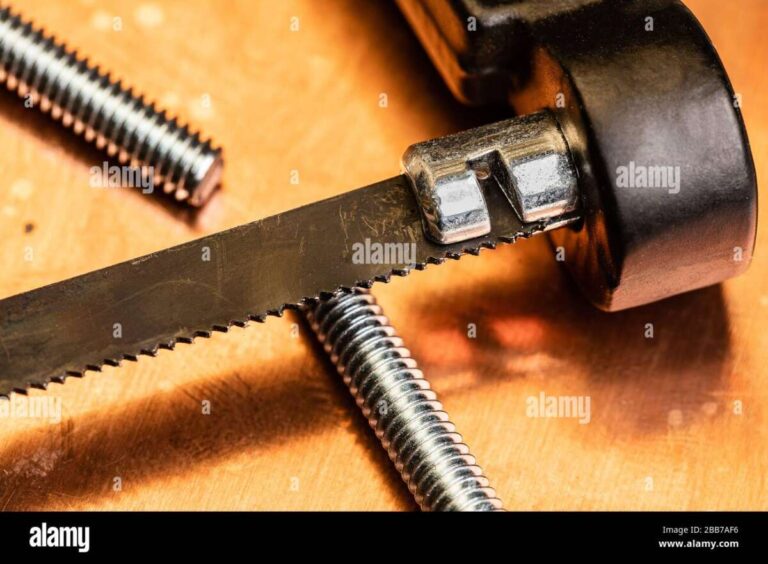
Most hacksaw blades cut on the forward stroke. Install the teeth so they point away from the handle. Tighten the blade until it feels firm, but do not over-tighten it.
A loose blade can twist and produce a crooked cut. An over-tightened blade can snap under pressure.
4. Start with light strokes
Place the blade on your mark and make a few short strokes. This creates a shallow groove called a kerf. The groove keeps the blade from sliding across the screw.
Once the groove is clear, use longer strokes. Keep the blade square to the screw unless you need a special angled cut.
5. Use steady pressure
Apply light to moderate pressure on the forward stroke. Release pressure on the return stroke. Let the teeth cut the metal instead of forcing the blade.
If the blade binds, stop and check the angle. Excess force can bend the blade, damage the threads, or make the cut uneven.
6. Smooth the cut end
After cutting, the screw will have sharp edges and a small burr. Use a metal file to smooth the end. A flat file works well on the sides, while a small round file can clean the thread valley.
If the screw must accept a nut, run a matching nut over the threads before cutting. After the cut, remove the nut. As it comes off, it can help realign slightly damaged threads.

Can a hacksaw cut a screw while it is installed?
A hacksaw can cut an installed screw, but the process needs more care. The nearby surface may be easy to scratch, and the blade may not have enough room to move.
If the screw sticks out from wood, place a thin piece of metal or a hacksaw blade guard against the surface. This protects the material as you cut. You can also slide a washer over the screw and use it as a small shield.
For a screw that must be cut flush, use short strokes and keep the blade nearly parallel to the surface. Do not press the blade into the wood, plastic, or painted metal around the screw.
A flush cut may still leave a sharp nub. Afterward, cover the end with a file, punch it below the surface, or remove the screw if the project allows it.
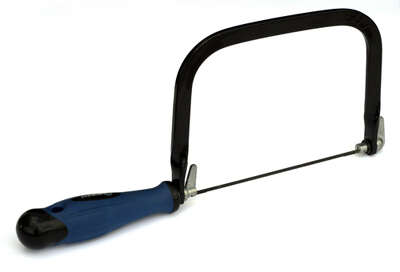
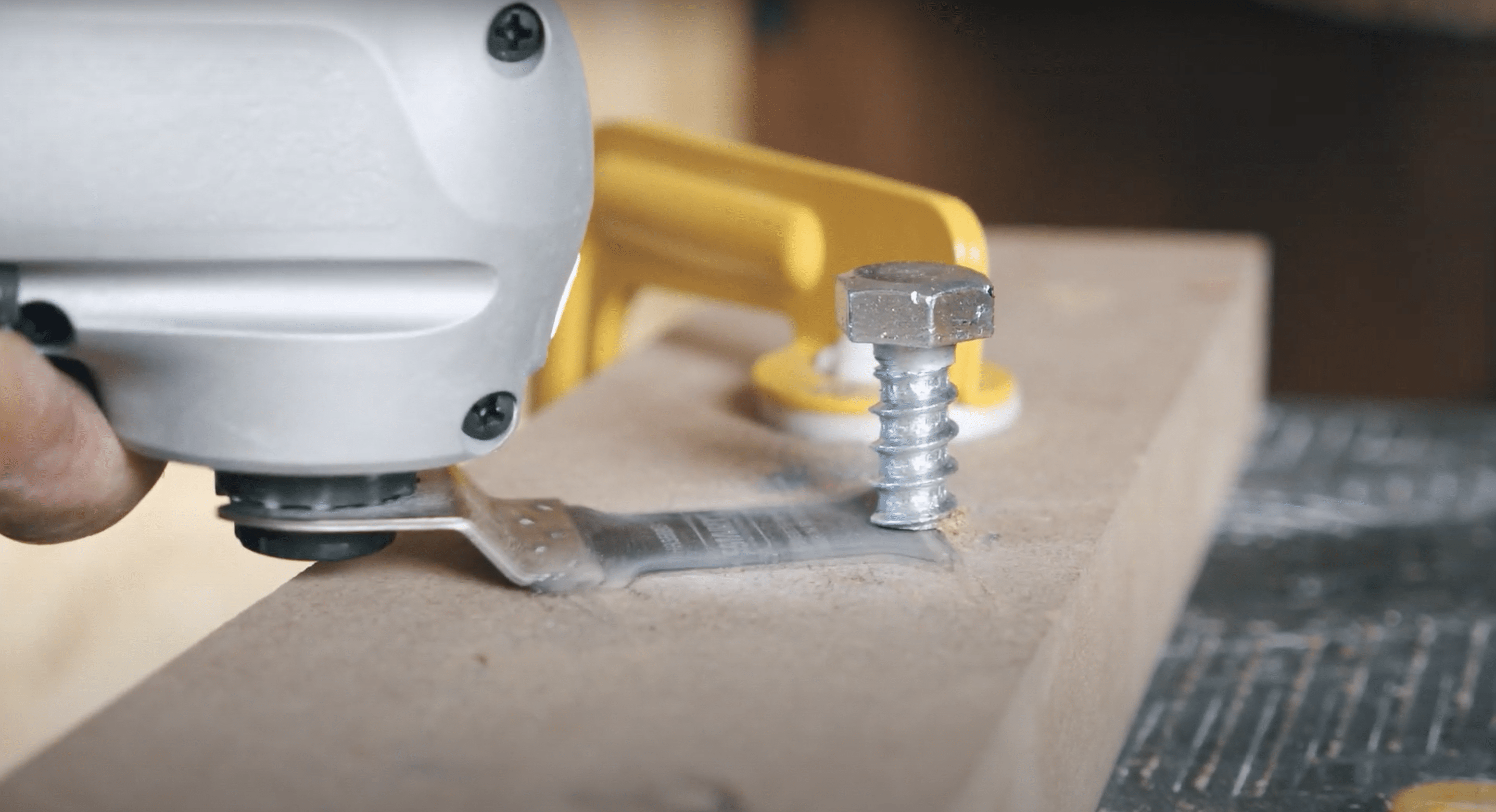
When access is tight, a compact junior hacksaw may work better than a full-size hacksaw. An oscillating tool with a metal-cutting blade can also help, but it creates more noise, vibration, and sparks.
How to cut a slot in a stripped screw
A hacksaw can sometimes rescue a stripped screw by cutting a new slot across the head. This gives a flat-blade screwdriver a fresh surface to grip.
Use a fine-tooth blade and make the slot deep enough for the screwdriver tip. Keep the cut centered. A shallow or crooked slot may cause the screwdriver to slip.
Protect nearby surfaces with masking tape or a thin metal shield. Work slowly, especially when the screw is inside painted wood, plastic, or a finished cabinet.
This method works best on screws with an exposed head. It is less useful when the head is recessed or surrounded by delicate material. In those cases, a screw extractor or rotary tool may offer better control.

What makes some screws harder to cut?
Not every screw cuts at the same speed. The metal, coating, diameter, and location all affect the job.
Screw material
Mild steel screws are usually easy to cut with a sharp hacksaw blade. Stainless steel takes more effort because it can work-harden when overheated or rubbed without enough cutting action.
Hardened screws are more difficult. Some construction screws and high-strength machine screws may quickly dull a standard blade. A bi-metal blade is a better starting point, but even it may struggle with very hard fasteners.
Brass and aluminum are softer, but they can clog the blade teeth. Clean the blade if metal builds up between the teeth.
Screw diameter
A small screw may take less than a minute to cut. A thick bolt or threaded rod has much more metal to remove. It may require several minutes and a fresh blade.
Do not confuse a hacksaw’s ability to cut a small screw with its ability to cut a large hardened bolt. The tool can do both in some cases, but the larger job may be inefficient.
Screw location
A screw held in a vise is easy to cut. A screw installed in a wall, appliance, vehicle, or cabinet can be much harder because the blade cannot move freely.
Limited space also increases the chance of scratching nearby parts. In tight areas, consider a compact hacksaw, flush-cut saw, reciprocating saw, or rotary tool.
Hacksaw versus other tools for cutting screws
A hacksaw is often the safest low-cost option, but it is not always the fastest. The best tool depends on the screw size, access, and finish you need.
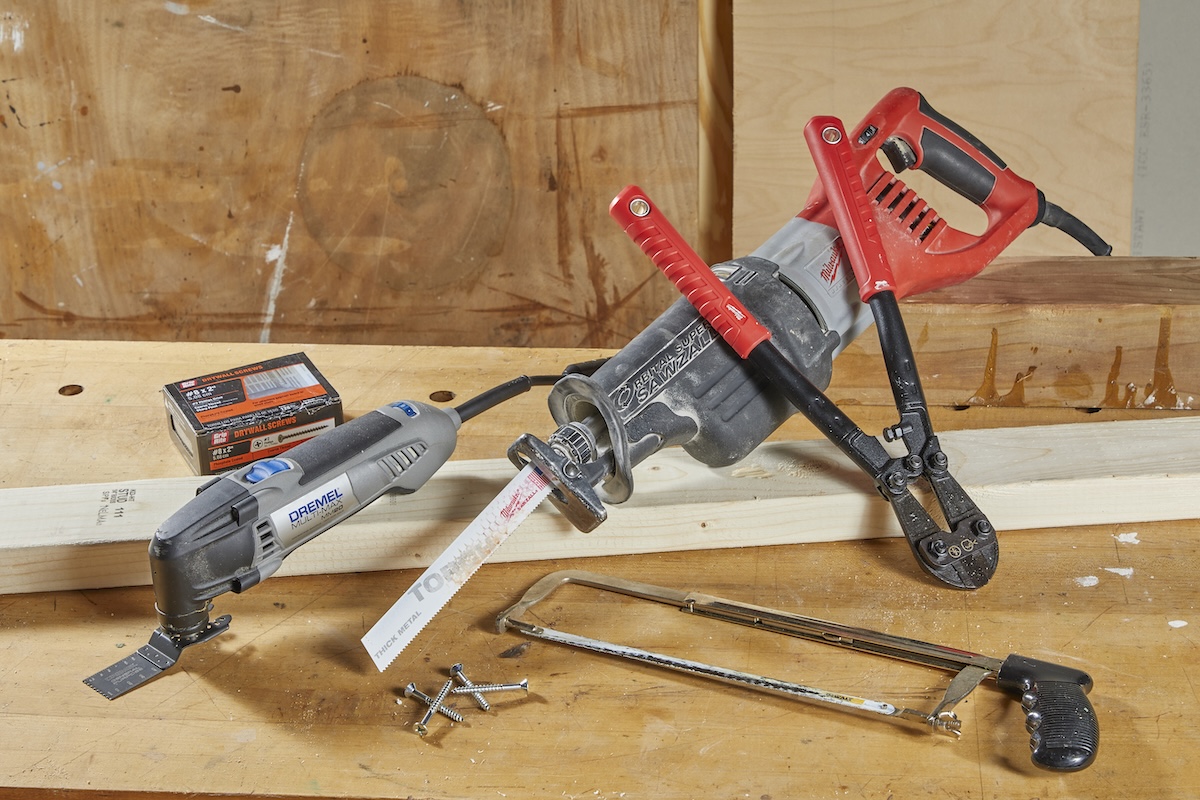
- Hacksaw: Best for controlled cuts, small repairs, and work with little noise
- Bolt cutters: Useful for softer, larger fasteners, but they may crush the end
- Angle grinder: Fast for thick steel, but it creates sparks, heat, and more risk
- Oscillating tool: Good for flush cuts in tight spaces
- Reciprocating saw: Useful for large or difficult fasteners
- Rotary tool: Good for small screws and precise slots
- Screw extractor: Better when the goal is removal rather than cutting
- Pliers or locking pliers: Useful for turning an exposed screw, not cutting it
I usually start with a hacksaw when the screw is visible and the surrounding material matters. It gives better control than a grinder and creates less heat. I choose a power tool only when the fastener is thick, access is poor, or time matters more than a clean hand-cut.

Common mistakes to avoid when cutting a screw
A few simple errors can turn a quick repair into a damaged project. These mistakes are easy to prevent.
- Using a wood-cutting blade: A wood blade will not cut steel correctly and may lose teeth.
- Choosing a dull blade: A dull blade needs more force and produces more heat.
- Cutting without support: A moving screw creates a crooked cut and can damage the workpiece.
- Starting with long strokes: The blade may slide off your mark.
- Pushing on the return stroke: This adds wear without improving the cut.
- Cutting too close to a surface: The blade may scratch the material.
- Ignoring burrs: Sharp edges can cut skin or prevent a nut from fitting.
- Using a damaged blade: A bent blade can wander and snap.
- Forgetting hidden wires or pipes: Cutting an installed screw can damage something behind it.
One mistake I learned to avoid is cutting before checking the final fit. On a repair involving a threaded rod, I once marked the length from the wrong side of a bracket. The cut itself was clean, but the part ended up too short. Measure from the actual seating point, not from the most convenient edge.
Safety tips for cutting a screw
Wear safety glasses whenever you use a hacksaw. Small metal chips can break loose from the screw or blade. Gloves can protect your hands from burrs, but keep loose fabric away from moving tools.
Secure the work before cutting. Keep your free hand behind the blade path. If the screw is installed, inspect both sides of the material before cutting. You should know what is near the fastener.
Use a stable stance and a clear work surface. Keep children and pets away from the area. If you switch to a grinder or power saw, use the tool’s guard and follow its safety instructions.
Stop if the blade binds, cracks, or begins to twist. A new blade costs far less than an injured hand or damaged equipment.
How to get a clean, usable cut
A clean cut requires more than simply removing the screw. The cut end should be safe and functional.
Use a fine-tooth blade for a smooth finish. Keep the hacksaw frame level and use even strokes. Do not rock the frame from side to side.
After cutting, inspect the threads. If the screw will pass through a hole, remove any burr around the tip. If a nut must fit, use a file or chase the threads with a matching nut.
For a screw that will sit against a surface, smooth the cut end and check that it does not protrude. A small washer or cap can also cover a rough end when appearance matters.
When should you not use a hacksaw?
A hacksaw may not be the right choice when the screw is hardened, hidden, or close to sensitive parts. It can also be a poor option when the fastener must be removed without damaging its threads.
Choose another method when:
- The screw is behind a fragile panel
- The cut would release dangerous tension
- The screw supports a heavy or suspended part
- The metal is too thick for practical hand cutting
- Sparks could ignite dust, fuel, or vapors
- You cannot secure the workpiece
- The screw is part of an electrical or pressurized system
If a seized screw holds a structural part, support the load before cutting. Removing the fastener may cause the part to shift suddenly. When in doubt, stop and identify the purpose of the screw before reaching for a saw.
Frequently asked questions about will a hacksaw cut a screw
Will a hacksaw cut a stainless steel screw?
Yes, a hacksaw can cut a stainless steel screw, especially with a sharp bi-metal blade. Use steady strokes and avoid rubbing the blade without cutting, since stainless steel can harden from excess friction.
Can a hacksaw cut a screw flush with wood?
A hacksaw can cut a screw close to flush with wood, but it may scratch the surface. Protect the wood with a thin metal shield, use short strokes, and finish with a file.
What hacksaw blade is best for cutting screws?
A 24 or 32 TPI bi-metal blade is a strong choice for most screws. Use more teeth per inch for thin screws and fewer teeth per inch for thick screws.
Can I cut a stripped screw head with a hacksaw?
Yes, you can cut a straight slot across an exposed stripped screw head. Make the slot deep enough for a flat screwdriver and protect the nearby surface from scratches.
Is it better to drill or saw a screw?
It depends on the goal. A hacksaw is often better for a visible screw or a flush cut, while drilling may be better for removing a broken or recessed screw.
Can a hacksaw cut a hardened screw?
It may, but hardened screws can quickly dull ordinary blades. Try a high-quality bi-metal blade, and switch to a cut-off wheel or professional method if the blade makes little progress.
[CodeImg not included after FAQ per instructions]
Conclusion
A hacksaw will cut most screws when you use the right blade, secure the work, and make steady strokes. A 24 or 32 TPI bi-metal blade is suitable for many home repairs, while thick or hardened screws may need a power tool.
Mark the cut, protect nearby surfaces, wear eye protection, and smooth the burr afterward. If your project involves hidden wires, heavy loads, fuel, or pressure, choose safety over speed. Try these steps on your next repair, and share your experience or explore more tool guides for practical workshop advice.
Recent Tool Guides
 Hammer
How To Hammer Flowers Onto Paper: Easy Guide
Learn how to hammer flowers onto paper with simple steps, helpful tips, and beautiful results for...
Read Guide → Wrench
How To Use A Hex Wrench: Easy Step-By-Step Guide
Learn how to use a hex wrench correctly with simple steps, helpful tips, and common mistakes...
Read Guide → Hacksaw
How To Cut Curtain Pole With Hacksaw: Easy Guide
Learn how to cut curtain pole with hacksaw safely and neatly. Follow simple steps for accurate...
Read Guide → Wrench
How To Use A Husky Torque Wrench: Easy Guide
Learn how to use a Husky torque wrench correctly with simple steps, torque settings, and safety...
Read Guide → Hammer
How To Hold A Hammer: Safe Grip Guide
Learn how to hold a hammer with the right grip, stance, and technique for safer, more...
Read Guide → Hacksaw
How To Cut Flexible Metal Conduit With Hacksaw: Easy Guide
Learn how to cut flexible metal conduit with hacksaw safely and cleanly. Follow simple steps for...
Read Guide →