What To Use Instead Of A Hacksaw: Best Hacksaw Alternatives
The best alternative to a hacksaw depends on the material, cut shape, speed, and finish you need.
Knowing what to use instead of a hacksaw can make a job faster, cleaner, and safer. A utility knife, bolt cutter, reciprocating saw, angle grinder, tubing cutter, or hand shears may work better, but each tool has limits. This guide explains the best options for wood, metal, plastic, pipe, bolts, and small home repairs.
What to Use Instead of a Hacksaw
The best replacement depends on the material and the type of cut. For example, a tubing cutter is ideal for copper pipe, while an angle grinder works well on thick steel. A utility knife may be enough for thin plastic, but it is not a safe choice for heavy metal.
Here are the most useful alternatives:
• Utility knife for thin plastic, vinyl, drywall, and soft materials
• Tin snips for thin sheet metal
• Bolt cutters for chains, padlocks, and soft metal rods
• Tubing cutter for copper, brass, aluminum, and plastic pipe
• Reciprocating saw for fast cuts through wood, metal, and plastic
• Angle grinder for thick metal, bolts, rebar, and steel pipe
• Oscillating multi tool for flush cuts and tight spaces
• Jigsaw for curved cuts in wood, plastic, and thin metal
• Band saw for smooth and controlled cuts
• Cable cutters for wire rope and thick cable
The right tool should cut the material without excessive force. If you must push hard, use a dull blade, or hold the work in an unsafe position, stop and choose a better tool.
Best Hacksaw Alternatives by Material
Different materials need different cutting methods. A hacksaw is flexible, but it is not always the most efficient choice.
Metal
For metal, the best choice depends on thickness and shape.
• Tin snips work on thin sheet metal, flashing, and duct metal.
• Aviation snips make curved cuts in light sheet metal.
• Bolt cutters work on chains, bolts, wire, and soft steel rods.
• An angle grinder cuts thick steel, rebar, bolts, and metal pipe.
• A reciprocating saw works well for demolition and awkward metal cuts.
• A metal cutting band saw gives cleaner, straighter cuts.
Avoid using standard wood blades on metal. They can grab, dull quickly, or break. Use a blade rated for metal and match the tooth count to the material thickness.
Plastic
Plastic often needs a clean cut with little crushing.
• A utility knife works for thin plastic sheets and vinyl.
• PVC cutters are best for plastic plumbing pipe.
• A fine tooth saw works for thick plastic panels.
• An oscillating multi tool handles plastic in tight areas.
• A jigsaw can cut large plastic sheets or curved shapes.
Support the plastic close to the cut line. Unsupported plastic may bend and crack. A slow feed rate also helps prevent melting.
Wood
A hacksaw is not the right tool for most wood cuts.
• Use a handsaw for simple straight cuts.
• Use a jigsaw for curves and cutouts.
• Use a circular saw for long, straight cuts.
• Use an oscillating tool for small flush cuts.
• Use a reciprocating saw for rough demolition work.
Choose a blade with large teeth for fast cuts and fine teeth for smooth cuts. Always check for nails, screws, or hidden wires before cutting into old wood.
Pipe
Pipe cutting is one area where a specialized tool is much better than a hacksaw.
• Use a copper tubing cutter for copper and brass pipe.
• Use a PVC ratchet cutter for plastic plumbing pipe.
• Use a soil pipe cutter for thick cast iron pipe.
• Use a reciprocating saw for large or fixed pipe.
A pipe cutter makes a square cut and leaves less cleanup. It also reduces the chance of crushing the pipe.

Using a Utility Knife Instead of a Hacksaw
A utility knife is useful for thin materials. It can cut vinyl flooring, plastic packaging, drywall, carpet, foam board, and thin plastic sheet.
Score the material several times instead of trying to cut through it in one pass. Keep the blade sharp, use a metal straightedge when needed, and cut away from your body.
A utility knife is not suitable for steel, thick aluminum, heavy PVC, or hard materials. Trying to force it can cause the blade to snap or slip.
Best uses for a utility knife
• Cutting vinyl siding
• Trimming plastic laminate
• Cutting carpet and roofing felt
• Scoring drywall
• Cutting thin acrylic sheet
• Opening heavy packaging
For acrylic and similar plastics, make several light scores. Then place the score line along the edge of a workbench and snap the material with controlled pressure.

Using Tin Snips for Thin Metal
Tin snips are a simple answer when you need to cut thin sheet metal. They work well on aluminum flashing, ductwork, metal screen, and thin steel sheets.
There are three common types:
• Straight cut snips for straight lines
• Left cut snips for curves that turn left
• Right cut snips for curves that turn right
Wear gloves because cut metal creates sharp edges. Eye protection is also important. After cutting, smooth the edge with a file or deburring tool.
Tin snips are not made for thick plate, hardened steel, or heavy bolts. Using them on material that is too thick can damage the jaws and create a rough, unsafe edge.
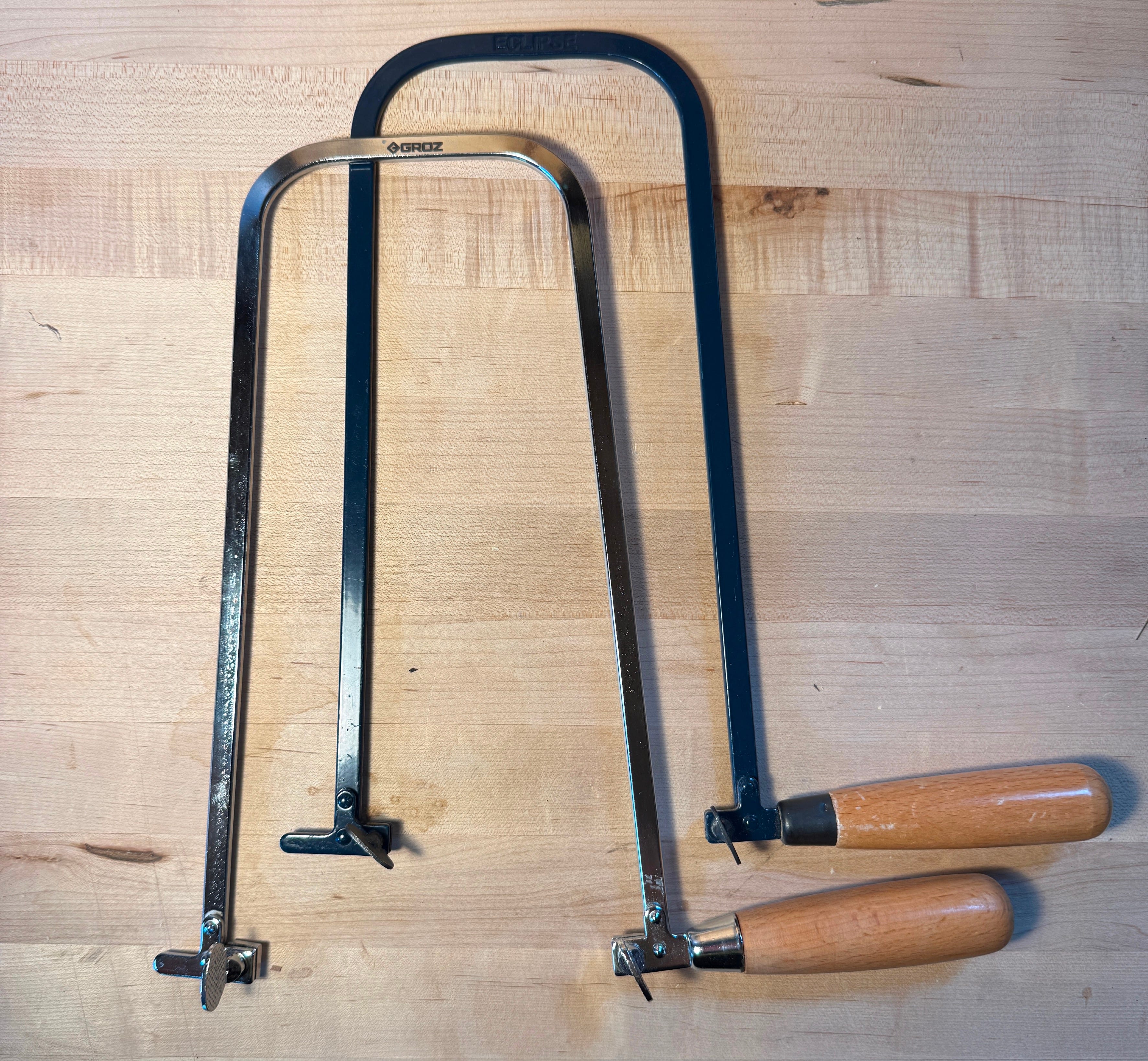
Using a Tubing Cutter for Pipe
A tubing cutter is often the cleanest answer to what to use instead of a hacksaw for copper or plastic pipe. It clamps around the pipe and uses a cutting wheel to make a controlled cut.
To use one:
-
Place the cutter around the pipe.
-
Tighten the wheel until it lightly touches the surface.
-
Turn the cutter around the pipe.
-
Tighten it slightly after each full turn.
-
Continue until the pipe separates.
-
Remove the inside burr with a reaming tool.
Do not tighten the cutter too fast. Excess pressure can crush thin pipe. A clean, round end helps fittings seat properly and reduces leaks.
For PVC pipe, a ratcheting PVC cutter is usually faster. It also leaves a square edge when the blade is sharp.
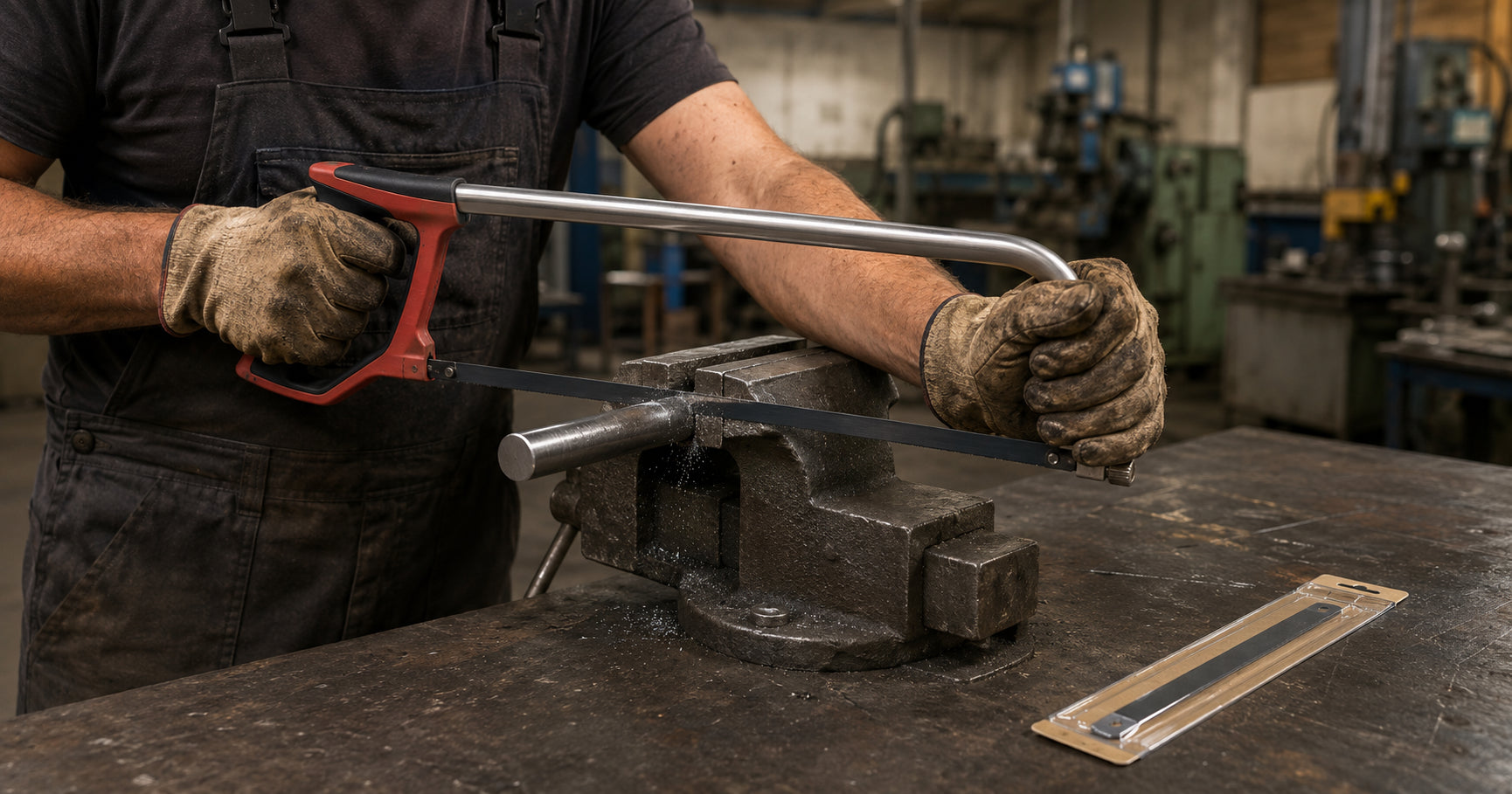
Using Bolt Cutters for Bolts, Chains, and Rods
Bolt cutters are useful when the goal is to sever a metal item rather than create a polished cut. They work well on chains, padlocks, wire, nails, and soft steel rods.
The tool uses long handles to multiply your force. Keep both hands on the handles and place the work deep inside the jaws. This gives the best cutting power.
Bolt cutters have clear limits. They may not cut hardened security chains or hardened bolts. Do not add a pipe to the handles for extra leverage. This can bend the tool or cause the jaws to break.
For a clean cut on a threaded bolt, an angle grinder or metal cutting saw is usually better. After cutting, smooth the end and restore the threads with a die if needed.
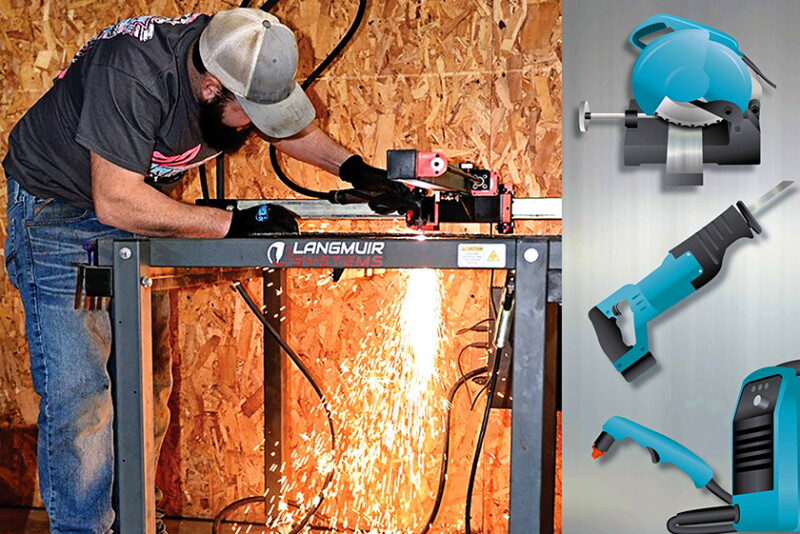
Using an Angle Grinder Instead of a Hacksaw
An angle grinder is one of the fastest answers to what to use instead of a hacksaw for thick metal. With the correct disc, it can cut steel pipe, rebar, bolts, brackets, sheet metal, and welds.
Use a thin cut off wheel for cutting. Do not use a grinding wheel for cutting unless the wheel is specifically rated for that purpose. The guard must be installed and positioned between you and the wheel.
Basic safety steps include:
• Wear safety glasses and a full face shield
• Use hearing protection
• Wear gloves that fit well
• Secure the work firmly
• Keep sparks away from fuel and dry materials
• Inspect the disc before use
• Hold the grinder with both hands
A grinder is quick, but it creates sparks, noise, dust, and a rough edge. It is not the best option near flammable materials or finished surfaces.

Using a Reciprocating Saw for Fast Cuts
A reciprocating saw is a strong choice for demolition and repair work. It can cut wood, metal, plastic pipe, nails, and even some masonry with the correct blade.
It works especially well when the material is already installed. For example, you can cut an old pipe inside a wall cavity or remove a damaged bolt from a steel frame.
Choose the blade based on the material:
• Wood blades have large teeth and cut quickly.
• Metal blades have smaller teeth and resist wear.
• Bi metal blades combine flexibility with long life.
• Carbide tooth blades handle tough metal and cast iron.
The main weakness is control. A reciprocating saw can vibrate and leave a rough cut. Support the tool, use a steady speed, and let the blade do the work.

Using an Oscillating Multi Tool
An oscillating multi tool is helpful when space is tight. Its short blade moves from side to side instead of spinning, so it can make flush cuts close to walls, floors, and cabinets.
It is useful for:
• Cutting copper pipe behind a cabinet
• Removing grout
• Trimming door jambs
• Cutting plastic trim
• Cutting nails and screws
• Making small openings in drywall
An oscillating tool is slower than an angle grinder or reciprocating saw. However, it offers better control in delicate areas. This makes it a good choice when preventing damage matters more than speed.
Using a Jigsaw for Curved Cuts
A jigsaw is the right answer when the cut needs to curve. It works on wood, plastic, laminate, and thin metal with the correct blade.
Mark the cut line clearly and clamp the material. Start the blade before it touches the work. Move slowly around curves to prevent the blade from bending.
For metal, use a fine tooth blade and reduce the speed if the material gets hot. Cutting lubricant can extend blade life and improve the finish.
A jigsaw is not ideal for thick steel or long structural cuts. It may wander when the material is too hard or the blade is too long.
Using a Band Saw for Clean, Straight Cuts
A band saw gives a smooth and controlled cut. It is common in metalworking, woodworking, plumbing, and fabrication shops.
A portable band saw is useful for cutting:
• Steel pipe
• Electrical conduit
• Threaded rod
• Aluminum bar
• Plastic pipe
• Wood boards
It produces less spark than an angle grinder and usually leaves a more accurate edge. The main drawback is cost. A band saw also needs a stable setup and the correct blade speed.
For repeated cuts, a band saw can save time and reduce fatigue. It is often a better long term tool than a hacksaw when precision matters.
How to Choose the Right Alternative
When deciding what to use instead of a hacksaw, ask five basic questions:
-
What material am I cutting?
-
How thick is it?
-
Does the cut need to be straight, curved, or flush?
-
Is the material loose or already installed?
-
Do I need speed, accuracy, or a smooth finish?
This quick guide can help:
| Cutting need | Recommended tool |
|---|---|
| Thin sheet metal | Tin snips |
| Copper pipe | Tubing cutter |
| PVC pipe | PVC cutter |
| Thick steel | Angle grinder |
| Installed pipe | Reciprocating saw |
| Tight space | Oscillating multi tool |
| Curved wood cut | Jigsaw |
| Straight repeated cuts | Band saw |
| Chain or soft bolt | Bolt cutters |
| Thin plastic | Utility knife |
A common mistake is choosing the fastest tool without considering the finish. A grinder may finish a cut in seconds, but a tubing cutter may produce a better result with less cleanup.
Safety Tips for Hacksaw Alternatives
Power tools can save time, but they also increase risk. The Occupational Safety and Health Administration emphasizes proper guarding, training, and personal protective equipment for cutting tools.
Use these basic habits:
• Clamp or secure the work before cutting.
• Wear safety glasses during every cut.
• Use hearing protection with loud power tools.
• Keep loose clothing and hair away from moving parts.
• Check that the blade or disc matches the material.
• Inspect cords, batteries, guards, and blades.
• Keep bystanders away from sparks and flying debris.
• Cut away from your body whenever possible.
• Unplug the tool before changing a blade.
• Allow hot metal to cool before touching it.
The most important safety lesson is simple: do not hold small work in one hand while cutting it with the other. Secure it in a vise, clamp, or suitable fixture.
Mistakes to Avoid When Replacing a Hacksaw
One common mistake is using the wrong blade. A wood blade may cut plastic, but it can melt it. A coarse metal blade may cut thin sheet metal, but it can tear the edge.
Another mistake is rushing the cut. Pressing harder does not always make a tool cut faster. It can increase heat, vibration, and blade damage.
Practical lessons from repair work include:
• Measure twice before cutting.
• Mark the waste side of the material.
• Support both sides of the cut.
• Start with a light pass.
• Stop if the blade binds.
• Deburr metal and plastic after cutting.
• Keep spare blades available.
A clean setup often matters more than owning an expensive tool. A securely clamped workpiece and the right blade can turn a difficult cut into a simple one.
Frequently Asked Questions About What to Use Instead of a Hacksaw
What is the best alternative to a hacksaw for metal?
An angle grinder is best for thick metal and fast cuts. Tin snips work better for thin sheet metal, while a reciprocating saw is useful for metal that is already installed.
Can I use a utility knife instead of a hacksaw?
Yes, but only for thin and soft materials such as vinyl, plastic sheet, drywall, and foam. A utility knife is not safe or effective for thick plastic, steel, or hard metal.
What can I use instead of a hacksaw to cut PVC pipe?
Use a PVC ratchet cutter for small and medium pipe. For large pipe or pipe in a tight space, use a reciprocating saw with a fine tooth blade.
What is the best tool for cutting copper pipe?
A copper tubing cutter is usually the best option. It makes a square, clean cut and leaves the pipe ready for fitting after you remove the inner burr.
Can bolt cutters replace a hacksaw?
Bolt cutters can replace a hacksaw for chains, soft bolts, nails, and wire. They are not suitable for every type of hardened steel or for cuts that need a smooth finish.
Is an angle grinder safer than a hacksaw?
An angle grinder is faster, but it can create sparks, dust, noise, and flying fragments. It is safe only when you use the correct disc, guard, protective equipment, and a secure work setup.
Conclusion
The best answer to what to use instead of a hacksaw depends on the material, thickness, location, and finish you need. Use tin snips for thin metal, a tubing cutter for pipe, bolt cutters for chains, a reciprocating saw for rough work, and an angle grinder for thick steel.
Choose the tool that gives you control, not just speed. Secure the material, use the correct blade, and wear eye protection every time. If this guide helped you choose a cutting tool, explore more tool safety and home repair resources or share your project in the comments.
Recent Tool Guides
 Hammer
How To Hammer Flowers Onto Paper: Easy Guide
Learn how to hammer flowers onto paper with simple steps, helpful tips, and beautiful results for...
Read Guide → Wrench
How To Use A Hex Wrench: Easy Step-By-Step Guide
Learn how to use a hex wrench correctly with simple steps, helpful tips, and common mistakes...
Read Guide → Hacksaw
How To Cut Curtain Pole With Hacksaw: Easy Guide
Learn how to cut curtain pole with hacksaw safely and neatly. Follow simple steps for accurate...
Read Guide → Wrench
How To Use A Husky Torque Wrench: Easy Guide
Learn how to use a Husky torque wrench correctly with simple steps, torque settings, and safety...
Read Guide → Hammer
How To Hold A Hammer: Safe Grip Guide
Learn how to hold a hammer with the right grip, stance, and technique for safer, more...
Read Guide → Hacksaw
How To Cut Flexible Metal Conduit With Hacksaw: Easy Guide
Learn how to cut flexible metal conduit with hacksaw safely and cleanly. Follow simple steps for...
Read Guide →