

A hacksaw is a hand tool with a fine-toothed blade used to cut metal, plastic, and other hard materials.
Understanding what is the meaning of hacksaw helps you choose the right tool for simple repairs, plumbing work, metal projects, and DIY tasks. This guide explains its definition, parts, uses, benefits, limits, safe handling, and common mistakes in clear terms.
What Is the Meaning of Hacksaw?
The meaning of hacksaw is a manual cutting tool designed mainly for cutting metal. It has a thin, straight blade with small teeth and a strong frame that keeps the blade tight while you cut.
A typical hacksaw can cut materials such as:
• Steel
• Aluminum
• Copper
• Brass
• Plastic pipe
• Bolts and screws
• Small wooden pieces, when fitted with a suitable blade
Unlike a wood saw, a hacksaw has fine teeth. These teeth remove small amounts of material with each stroke. This helps create a controlled cut in hard materials.
The word “hacksaw” combines “hack,” meaning to cut roughly or forcefully, with “saw,” meaning a toothed cutting tool. So, the name describes a saw used to cut through tough materials by repeated strokes.
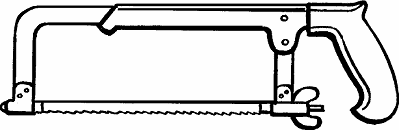
What Does a Hacksaw Look Like?
A hacksaw usually has three main parts: the frame, the blade, and the handle. Each part plays a key role in making the tool safe and effective.
The frame
The frame holds the blade in a straight position. Most frames are made from steel or another strong metal. Some frames have an adjustable design, so they can hold blades of different lengths.
There are two common frame styles:
• Fixed frame: This holds one standard blade size. It feels firm and stable during use.
• Adjustable frame: This allows you to change the blade length. It is useful for people who need one tool for several jobs.
The blade
The blade is thin and flexible. It has teeth along one edge, and the teeth point in the direction of the cut.
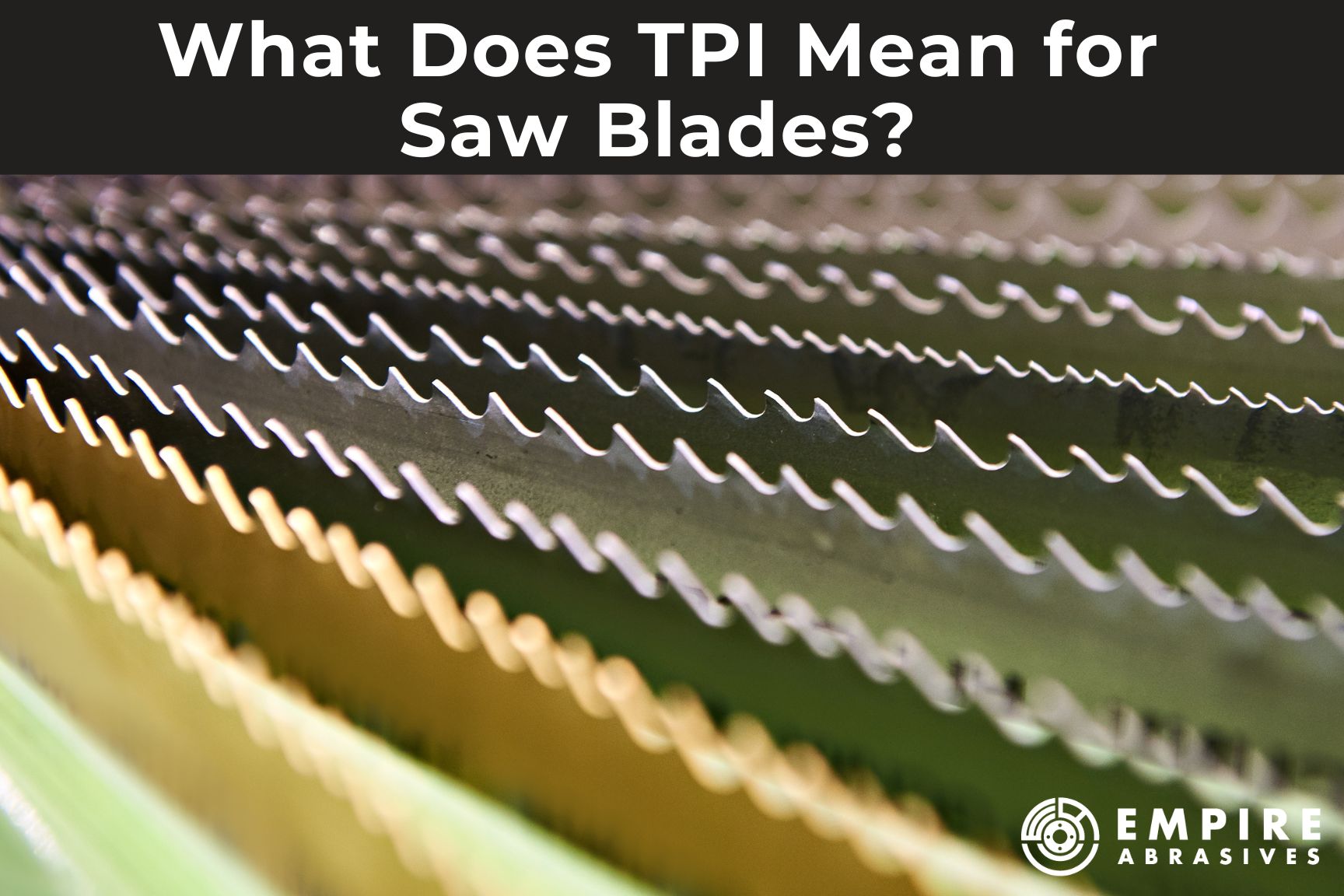
Hacksaw blades often come in 10-, 12-, or 14-inch lengths. The blade also has a tooth count, known as teeth per inch, or TPI.
Common blade choices include:
• 14 to 18 TPI for thick metal
• 24 TPI for general cutting
• 32 TPI for thin metal, tubing, and small parts
A higher TPI blade has smaller teeth and usually makes a smoother cut. A lower TPI blade has larger teeth and removes material faster from thicker stock.
The handle
The handle gives you control and protects your hand. Many handles are shaped to fit the palm and may include a grip made from plastic or rubber.
A comfortable handle matters more than many new users expect. A poor grip can cause hand strain, especially during long cuts.

How Does a Hacksaw Work?
A hacksaw works by moving its toothed blade back and forth across a material. The teeth scrape away tiny pieces during the forward stroke and create a narrow cut called a kerf.
Most hacksaw blades are designed to cut on the forward stroke. This means you should apply pressure as you push the saw forward. Release most of the pressure as you pull the blade back.
A simple cutting process looks like this:
- Mark the place where you want to cut.
- Secure the material in a vise or clamp.
- Fit the blade with its teeth facing forward.
- Start with slow, short strokes.
- Keep the blade straight.
- Use longer strokes after the groove forms.
- Reduce pressure near the end of the cut.
The hacksaw meaning becomes easier to understand when you see it as a hand-powered version of a metal-cutting machine. It uses muscle instead of electricity, but the basic goal is the same: remove material along a planned line.
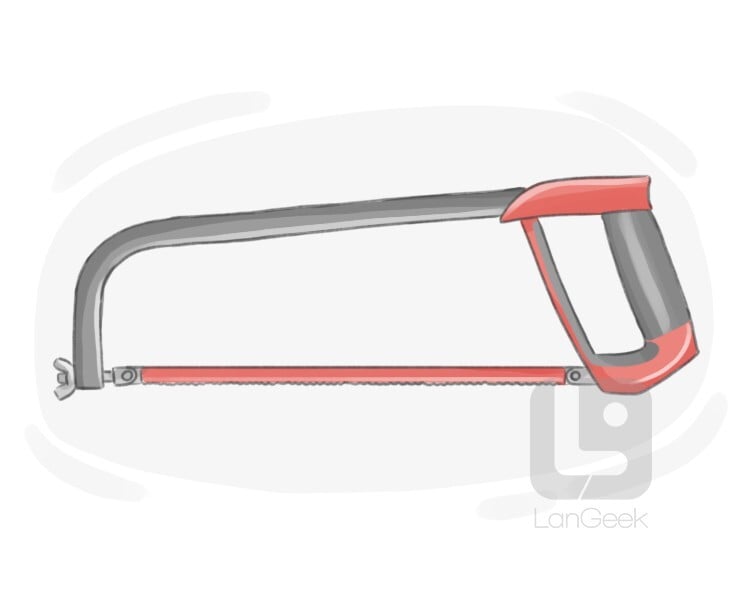
What Is a Hacksaw Used For?
A hacksaw is useful for many home, workshop, plumbing, and maintenance tasks. It is especially helpful when a power saw would be too large, noisy, or risky.
Common hacksaw uses include:
Cutting metal pipe
Plumbers and DIY users often use hacksaws to cut copper, PVC, and thin steel pipe. After cutting, the edge may need to be smoothed with a file or deburring tool.
Cutting bolts and threaded rod
A hacksaw can shorten a bolt, threaded rod, or screw. Place tape around the area when needed to protect the threads and help reduce damage.
Cutting metal sheet
A fine-tooth blade can cut thin sheet metal. Support the sheet well because loose metal can vibrate and bend during the cut.
Removing damaged fasteners
A hacksaw can create a slot in the head of a damaged screw. You can then use a flat-head screwdriver to turn it.
Cutting plastic
A hacksaw can cut plastic pipe, conduit, and some plastic boards. Use gentle pressure because too much force can crack or melt the material.
Small workshop projects
People use hacksaws for model work, craft projects, bicycle repairs, furniture fixes, and general maintenance.
In practical terms, the meaning of hacksaw is not limited to metal cutting. It is a flexible hand saw for controlled cuts in several hard materials.

Hacksaw Blade Types and Tooth Sizes
Choosing the right blade is one of the most important parts of using a hacksaw. The wrong blade can cut slowly, clog with material, or break.
Blade material
Common blade materials include:
• Carbon steel: Affordable and suitable for light tasks.
• High-speed steel: Harder and better for demanding cuts.
• Bi-metal: Combines a flexible body with hard teeth. It offers good durability and resistance to breakage.
For regular home use, a bi-metal blade is often a dependable choice. It costs more than a basic carbon steel blade but may last longer.
Teeth per inch
The correct TPI depends on the thickness of the material. As a basic rule, at least three teeth should touch the material during each cut.
Use these general guidelines:
• 14 to 18 TPI for thick metal
• 24 TPI for medium metal and general work
• 32 TPI for thin sheet metal and small tubing
A blade with too few teeth may catch and chatter. A blade with too many teeth may clog and cut very slowly.

Hacksaw Versus Other Saws
Knowing how a hacksaw differs from other saws can help you select the right tool.
Hacksaw versus wood saw
A wood saw has larger teeth and a wider cutting path. It removes wood quickly but is not ideal for metal. A hacksaw has finer teeth and a stronger frame for hard materials.
Hacksaw versus jigsaw
A jigsaw uses a powered motor and a short blade. It cuts faster and can follow curves, but it needs electricity or a charged battery. A hacksaw is slower but simple, quiet, portable, and easy to control.
Hacksaw versus reciprocating saw
A reciprocating saw uses a powered blade that moves rapidly. It is useful for demolition and heavy work. A hacksaw gives you more control for small, careful cuts.
Hacksaw versus pipe cutter
A pipe cutter uses a wheel to score and cut round pipe. It can create a neat cut on suitable copper or plastic pipe. A hacksaw is more versatile because it can cut bolts, sheet metal, rods, and many shapes.
The meaning of hacksaw is best understood in relation to these tools: it is a basic, manual, multipurpose cutting tool.
:max_bytes(150000):strip_icc()/SPR-types-of-saws-5409526-7-X-Hacksaw-8a18e4b2946e4d16b3a40789e9656359.jpg)
How to Use a Hacksaw Safely
A hacksaw is simple, but it can still cause cuts, pinches, and eye injuries. Safe technique protects both you and the material.
Follow these steps:
- Wear safety glasses to protect your eyes from chips and broken teeth.
- Check the blade for cracks, missing teeth, or heavy rust.
- Install the blade with the teeth pointing forward.
- Tighten the blade until it is firm, but do not over-tighten it.
- Secure the material in a vise or clamp.
- Mark the cut line clearly.
- Start with light strokes to form a guide groove.
- Keep both hands away from the blade path.
- Use steady pressure rather than sudden force.
- Slow down as the blade reaches the end of the cut.
Keep the work area clean. A loose piece of metal can shift without warning. Also, do not twist the blade while cutting, since twisting is a common cause of blade damage.
Common Hacksaw Mistakes to Avoid
Many cutting problems come from technique rather than tool quality. Avoiding a few simple mistakes can make the work faster and safer.
Using the wrong blade direction
The teeth should usually point forward, away from the handle. A backward blade will not cut properly and may encourage unsafe pressure.
Choosing the wrong TPI
A blade that is too coarse can catch on thin metal. A blade that is too fine can clog when used on thick material.
Failing to secure the work
Holding a pipe or metal strip in one hand while sawing with the other is risky. The material can move, and the blade may slip.
Pressing too hard
Heavy pressure does not always make cutting faster. It can bend the blade, damage the teeth, and create a crooked cut.
Using a dull blade
A dull blade creates heat and friction. Replace it when it stops cutting smoothly or requires unusual force.
Cutting too close to the vise
Leave enough material supported by the vise. If the cut is far from the support, the work may vibrate or bend.
A useful lesson from hands-on repair work is to let the blade do the cutting. Calm, even strokes usually work better than force.

Benefits and Limitations of a Hacksaw
A hacksaw remains popular because it offers several practical benefits.
Benefits
• It does not need electricity or batteries.
• It is affordable and easy to find.
• It fits in a small toolbox.
• It creates controlled cuts.
• It can cut several materials.
• Replacement blades are widely available.
• It produces less noise than powered saws.
Limitations
• It cuts more slowly than a power saw.
• It may leave rough edges.
• Long cuts can cause hand fatigue.
• The blade can bend if used at an angle.
• It is not ideal for large, thick, or repeated cuts.
• It cannot easily make curved cuts.
These limits do not reduce the value of the tool. They simply show where a hacksaw works best. For small repairs and precise hand cuts, it is often the most practical option.

How to Maintain a Hacksaw
Proper care can extend the life of both the frame and the blade.
After use, wipe metal dust and moisture from the tool. Store it in a dry place to reduce rust. Loosen the blade slightly during long-term storage if the frame design allows it.
Replace the blade when you notice:
• Missing or broken teeth
• A dull cutting edge
• A bent blade
• Excessive vibration
• Slow cutting despite proper technique
Do not use oil on the blade unless the material or manufacturer instructions call for it. For most general cuts, a clean blade and a stable workpiece are more important than extra lubricant.
Frequently Asked Questions About What Is the Meaning of Hacksaw
What is the simple meaning of hacksaw?
A hacksaw is a hand-operated saw with a fine-toothed blade. It is mainly used to cut metal, plastic pipe, bolts, and other hard materials.
Why is it called a hacksaw?
The name combines “hack,” meaning to cut, with “saw,” meaning a toothed cutting tool. Together, the word describes a saw used to cut through tough materials.
Can a hacksaw cut wood?
Yes, a hacksaw can cut thin or small pieces of wood in some situations. However, a wood saw is usually faster and better because it has larger teeth designed for wood fibers.
Which hacksaw blade is best for metal?
A bi-metal blade is a strong general choice for many metal-cutting tasks. Choose the TPI based on thickness, using coarser teeth for thick metal and finer teeth for thin metal.
Should hacksaw teeth face forward or backward?
Hacksaw teeth should normally face forward, away from the handle. The blade is designed to cut when you push it forward.
Can a hacksaw cut PVC pipe?
Yes, a hacksaw can cut PVC pipe and other plastic tubing. Support the pipe, use steady strokes, and smooth the cut edge afterward.
Is a hacksaw dangerous?
A hacksaw is generally safe when used correctly, but it can cause cuts or eye injuries. Wear safety glasses, secure the material, inspect the blade, and keep your hands clear of the cutting path.
Conclusion
The meaning of hacksaw is simple: it is a manual saw with a fine-toothed blade for cutting metal, plastic, pipe, bolts, and similar materials. Its frame keeps the blade tight, while the teeth remove small pieces with each forward stroke.
Choose the correct blade, secure your work, use steady pressure, and wear eye protection. Once you learn these basics, a hacksaw becomes a reliable tool for repairs, DIY projects, and workshop tasks. Add one to your toolbox, practice on scrap material, and explore more practical tool guides to build your skills.
