Must Have Mechanic Hand Tools: Essential Garage Guide
The must have mechanic hand tools include sockets, wrenches, pliers, screwdrivers, ratchets, and torque tools.
The right tools turn a hard repair into a clear set of simple steps. After years of working around vehicle repairs and tool selection, I have learned that a useful mechanic’s kit is not about owning the most tools. It is about having the right size, drive type, grip, strength, and safety features when the job gets tight.
This guide explains the must have mechanic hand tools for home garages, mobile mechanics, apprentices, and working technicians. You will learn what each tool does, which tools to buy first, common mistakes to avoid, and how to build a kit that earns its space.

What Makes a Mechanic Hand Tool Essential?
A mechanic hand tool is essential when it solves common repair tasks safely, efficiently, and with good control. The best tools help you remove fasteners, hold parts, measure force, reach tight areas, and complete work without damaging components.
The must have mechanic hand tools are useful across many jobs. You may use them for brake work, oil service, battery replacement, suspension repairs, engine work, or basic home maintenance.
A tool does not need to be expensive to be useful. However, it should have the correct size, a strong build, a comfortable grip, and a design suited to the task. A poor tool can round a bolt, slip from your hand, or cause damage to a part.
Think of your tool kit as a toolbox vocabulary. A socket is one word. A ratchet is another. Together, they help you form the complete sentence needed to repair a vehicle.

The Must Have Mechanic Hand Tools for Every Kit
A strong tool kit starts with a small group of tools that cover the most common fasteners and repair tasks. Buy these before adding specialty tools.
1. Socket Set
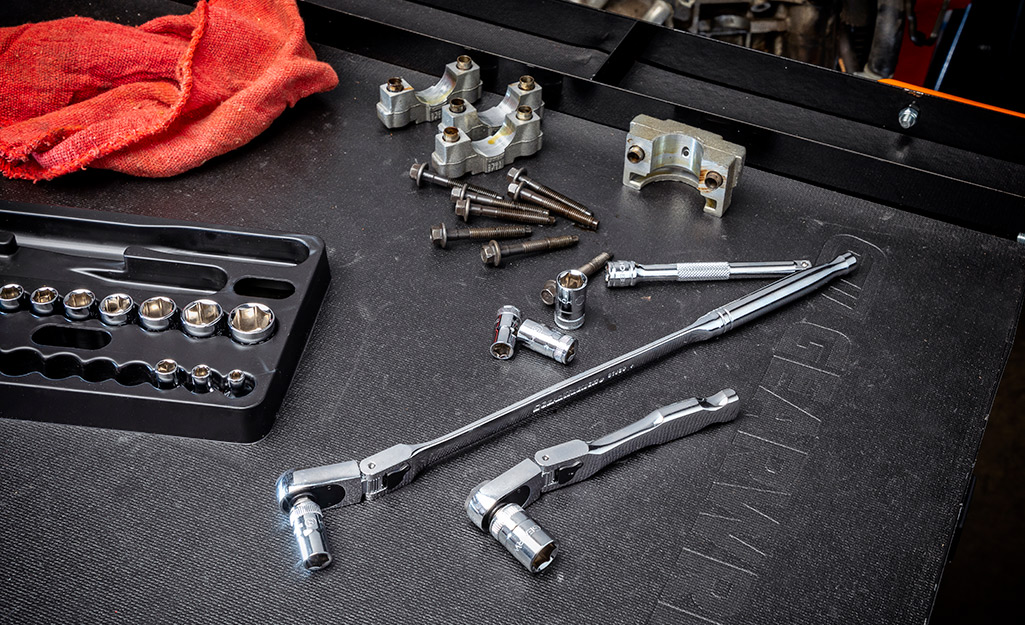
A socket set is the center of most mechanic tool kits. It lets you remove and install nuts and bolts with speed and control.
Look for a set with:
• Metric sockets from about 8 mm to 19 mm
• Common SAE sockets if you work on older American vehicles
• Six-point sockets for better grip on tight fasteners
• Deep sockets for long studs and recessed nuts
• Shallow sockets for normal fasteners
• Universal joints and extensions
A six-point socket grips the flat sides of a fastener. A 12-point socket can work well in tight spaces, but it is more likely to slip on a damaged bolt. For stubborn fasteners, six-point sockets are usually the safer choice.
2. Ratchets
Ratchets let you turn a socket without removing it after each small movement. This saves time, especially in narrow engine bays.
A 3/8-inch drive ratchet is the best starting point for most home mechanics. A 1/4-inch ratchet works well for small fasteners and tight spaces. A 1/2-inch ratchet provides more leverage for large bolts.
Useful features include:
• A fine-tooth gear for small swing angles
• A strong release button
• A sealed head to help block dirt
• A comfortable handle
Do not use a ratchet as a hammer or breaker bar. Excess force can damage its internal gear.
3. Combination Wrenches
Combination wrenches have an open end and a closed box end. They are simple, strong, and useful when a socket cannot fit.
The box end gives a better grip. The open end helps when you need to slide the wrench over a line or reach a fastener from the side.
A metric combination wrench set from 8 mm to 19 mm covers many vehicle repairs. Add larger sizes as your work grows.
4. Screwdrivers
A mechanic needs more than one screwdriver. Keep several flat-head and Phillips screwdrivers in different lengths and sizes.
A useful set includes:
• Small precision screwdrivers
• Medium flat-head screwdrivers
• Large flat-head screwdrivers
• Phillips number 1, number 2, and number 3 drivers
• Short stubby screwdrivers
• Long-shaft screwdrivers
Never use a screwdriver as a pry bar unless it is designed for that purpose. The tip can break, and the handle may not protect your hand.
5. Pliers
Pliers hold, twist, cut, and remove parts that fingers cannot manage. They are among the must have mechanic hand tools because they handle many small tasks.
A basic plier group should include:
• Slip-joint pliers
• Long-nose pliers
• Diagonal cutting pliers
• Locking pliers
• Hose clamp pliers
• Tongue-and-groove pliers
Locking pliers are useful for holding damaged fasteners, but they can crush or mark soft parts. Use them only when a normal tool cannot do the job.
6. Breaker Bar
A breaker bar gives you more leverage than a standard ratchet. It is one of the best tools for rusted or over-tightened fasteners.
A 1/2-inch breaker bar is ideal for lug nuts, suspension bolts, and other large fasteners. Use the correct socket and keep your body balanced. Pull smoothly instead of jerking the handle.
A breaker bar should not replace an impact tool in every situation. It can still be safer when you need to feel the fastener loosen or avoid excessive impact force.
7. Torque Wrench
A torque wrench helps you tighten fasteners to the value set by the vehicle maker. Correct torque matters for wheel nuts, cylinder head bolts, brake parts, suspension parts, and many engine components.
The most common style for home mechanics is the click-type torque wrench. Beam and digital models can also work well when used correctly.
Follow these habits:
• Check the vehicle service manual for the torque value
• Set the wrench before use
• Pull from the center of the handle
• Stop when the wrench clicks
• Reset a click-type wrench after use if the instructions require it
A torque wrench is not a breaker bar. Do not use it to loosen tight bolts.
8. Hex and Torx Keys
Many modern vehicles use hex and Torx fasteners. These appear on brakes, interior parts, engine covers, transmissions, and suspension components.
Choose both L-shaped keys and socket-style bits. Socket bits work with a ratchet and provide better reach and control.
Use the exact size. A nearly correct Torx or hex key can damage the fastener quickly.
Supporting Tools That Make Repairs Easier
Once you own the core must have mechanic hand tools, add tools that improve access, visibility, and control. These items may not be used on every repair, but they often save time.
Extensions and Universal Joints
Extensions help you reach bolts hidden behind brackets or deep inside an engine bay. Keep several lengths, such as 3-inch, 6-inch, and 12-inch extensions.
A universal joint helps a socket work at an angle. Use it carefully, since too much angle can reduce grip and cause a socket to slip.
A wobble extension offers a small amount of movement while still keeping the socket fairly stable. It is useful when a straight extension does not line up perfectly.
Pry Bars
Pry bars help separate parts, align holes, and move brackets. Use the smallest pry bar that can do the job.
Do not pry against thin covers, wiring, brake lines, or sealing surfaces. A small movement in the wrong place can create a leak or electrical fault.
Hammers and Mallets
A ball-peen hammer is useful for general metal work. A dead-blow hammer reduces bounce and helps apply controlled force. A rubber mallet protects softer surfaces.
Use a brass or plastic drift when you need to drive a pin without marking it. Always wear eye protection when striking metal.
Feeler Gauges
Feeler gauges measure small gaps. They are useful for spark plug gaps, valve clearances, and some sensor or clutch checks.
Keep the blades clean and flat. Oil or dirt can change the reading.
Inspection Mirror and Flashlight
A small inspection mirror helps you see behind pulleys, brackets, and the back of an engine. A bright rechargeable flashlight makes wiring and fluid leaks easier to spot.
A headlamp is especially helpful when both hands are busy. Good light is not a luxury. It prevents missed clips, loose wires, and damaged fasteners.
Magnetic Pickup Tool
A magnetic pickup tool can recover dropped bolts, nuts, and tools from narrow spaces. Telescoping models fit well in a glove box or small tool bag.
Remember that a magnet will not pick up aluminum, brass, plastic, or stainless steel. Keep a flexible claw pickup tool for nonmagnetic parts.
How to Choose the Right Tool Sizes
Tool size matters as much as tool quality. A well-made tool in the wrong size can still damage a fastener.
Most vehicles use metric fasteners, but some older vehicles and equipment use SAE sizes. If you work on many vehicles, keep both systems. Never force an SAE socket onto a metric bolt or the other way around.
Use this simple process:
-
Clean dirt and rust from the fastener.
-
Try the exact size by hand.
-
Push the socket fully onto the fastener.
-
Check for movement before applying force.
-
Change sizes if the fit feels loose.
A socket should sit squarely on the fastener. If it rocks, stop and test another size. Many rounded bolts start with a socket that was slightly too large.
Deep sockets are useful for nuts on long studs. Shallow sockets are often stronger and easier to use in open spaces. Both belong in a complete mechanic tool set.

Drive Sizes Explained
Ratchet and socket drive sizes describe the square connection between the tool and the socket. The three main sizes are 1/4 inch, 3/8 inch, and 1/2 inch.
1/4-Inch Drive
This size works well for small fasteners, trim, electronics, and light engine work. It provides good access in tight areas but is not designed for high torque.
3/8-Inch Drive
This is the most versatile size for many home mechanics. It handles a wide range of engine, brake, body, and interior fasteners.
1/2-Inch Drive
This size is built for larger fasteners and higher torque. Use it for lug nuts, suspension bolts, axle fasteners, and heavy repair work.
Do not use a small drive tool with a cheater pipe to gain more leverage. That can break the tool and cause injury. Move to a larger drive size instead.

Tool Quality: Where to Spend More
You do not need the most expensive tools, but you should avoid tools with poor fit, weak materials, or uncomfortable handles.
Spend more on tools that receive high force or affect safety:
• Torque wrenches
• Breaker bars
• Ratchets
• Socket sets
• Jack stands and lifting equipment
• Pliers used for high-tension springs or clamps
You can often save money on low-force tools such as trim tools, basic screwdrivers, and inspection mirrors. Even then, look for good fit and solid construction.
Chromium-vanadium steel is common in quality sockets and wrenches. Chromium-molybdenum steel is often used for impact sockets. Impact sockets are usually darker and are designed for impact tools, while standard chrome sockets are not.
Never use chrome hand sockets on an impact wrench. They can crack or shatter under repeated impact force.
A practical lesson from tool work is that comfort affects accuracy. A handle that hurts your palm makes you rush. Rushing leads to slips, stripped fasteners, and mistakes.
Hand Tools for Common Vehicle Repairs
The best must have mechanic hand tools depend on the type of work you do. Here is how a basic kit supports common jobs.
Oil Changes
You may need:
• A socket or wrench for the drain plug
• An oil filter wrench
• A drain pan
• A funnel
• Nitrile gloves
• A torque wrench
Do not overtighten the drain plug. It can strip the oil pan or crush the sealing washer.
Brake Repairs
Brake work often requires:
• Socket set
• Combination wrenches
• Breaker bar
• Torque wrench
• C-clamp or piston tool
• Screwdrivers
• Pliers
• Wire brush
Use the service instructions for the vehicle. Brake caliper bolts and wheel nuts often have specific torque values.
Battery Replacement
Battery work may need:
• A small socket or wrench
• Extension
• Ratchet
• Battery terminal brush
• Memory-saving device when appropriate
Disconnect the negative cable first during removal. Reconnect it last during installation unless the vehicle maker gives different instructions.
Suspension Work
Suspension repairs can involve high spring force and rusted fasteners. You may need:
• Large sockets
• Breaker bar
• Torque wrench
• Pry bar
• Ball joint tools
• Penetrating fluid
Use proper spring compression equipment when required. Do not improvise with unsafe clamps or tools.

Safety Rules for Using Mechanic Hand Tools
Good tools cannot protect you from every mistake. Safe habits matter just as much as tool quality.
Wear safety glasses when working under a vehicle or striking metal. Use gloves when handling sharp edges, but keep loose gloves away from rotating parts.
Support the vehicle with rated jack stands on a solid surface. Never rely on a hydraulic jack alone while working underneath a vehicle.
Follow these basic rules:
• Pull a wrench toward your body only when you can stay balanced
• Keep your free hand away from pinch points
• Inspect tools for cracks, bent handles, and damaged grips
• Keep oily handles clean
• Use insulated tools near electrical systems
• Disconnect the battery when the repair requires it
• Keep a fire extinguisher near fuel or welding work
• Follow the vehicle service manual for critical repairs
A common mistake is using a pipe on a ratchet for extra leverage. This can break the ratchet head or send your hand into a sharp part. Use a breaker bar instead.
Mistakes to Avoid When Building a Tool Kit
Many new mechanics buy tools in the wrong order. They may purchase specialty tools before owning a complete socket set or torque wrench.
Avoid these mistakes:
• Buying a huge set with missing common sizes
• Choosing decorative tools with poor grip
• Ignoring metric sizes
• Using twelve-point sockets on badly damaged fasteners
• Using pliers when a wrench would fit
• Using a torque wrench to loosen bolts
• Mixing impact and chrome sockets
• Buying cheap tools for high-force work
• Forgetting extensions and adapters
• Storing tools where moisture can cause rust
Start with the jobs you perform most. If you mainly change oil and brakes, build around those tasks. If you work on motorcycles, lawn equipment, or older trucks, your ideal tool list may differ.
A large tool chest is not proof of skill. A clean, well-chosen set is often more useful than several drawers of tools you never use.
How to Build a Mechanic Tool Kit on a Budget
You can build the must have mechanic hand tools in stages. This approach keeps spending under control and prevents duplicate purchases.
Stage One: Basic Repairs
Start with:
• 3/8-inch ratchet
• Metric socket set
• Combination wrench set
• Screwdriver set
• Slip-joint and long-nose pliers
• Breaker bar
• Basic torque wrench
• Work light
Stage Two: Better Access
Add:
• Socket extensions
• Universal joint
• Deep sockets
• 1/4-inch drive set
• 1/2-inch drive set
• Hex and Torx bits
• Pry bars
• Magnetic pickup tool
Stage Three: Advanced Work
Add specialty tools based on your needs:
• Brake piston tool
• Ball joint press
• Harmonic balancer puller
• Compression tester
• Fuel pressure tester
• Circuit tester
• Bearing puller
Buy one reliable tool instead of several weak versions. Read the warranty terms, check the return policy, and inspect the tool in person when possible.
Cleaning and Maintaining Your Tools
Clean tools last longer and work better. Wipe oil and dirt from sockets, wrenches, and pliers after each job.
Store tools in a dry chest, case, or cabinet. A light coat of rust protection can help in damp garages. Keep torque wrenches stored as the maker directs.
Check your tools often:
• Look for cracks
• Check ratchet direction and release action
• Inspect screwdriver tips
• Confirm plier jaws close evenly
• Remove rust before it spreads
• Replace damaged tools
Do not grind, weld, or heat a tool unless it is designed for that repair. Altering the shape or hardness can make the tool unsafe.
Torque wrenches need periodic calibration. The correct interval depends on use, storage, and the maker’s instructions. If a torque wrench has been dropped, treat its readings with caution until it is checked.
Must Have Mechanic Hand Tools for a Mobile Kit
A mobile mechanic kit should be smaller than a full shop kit but still cover common problems. Choose tools that offer the most use per pound of weight.
A compact mobile kit may include:
• 3/8-inch ratchet and socket set
• Small metric wrench set
• Screwdrivers
• Pliers
• Breaker bar
• Extensions
• Torx and hex bits
• Test light or multimeter
• Flashlight
• Gloves and safety glasses
• Magnetic pickup tool
• Tire pressure gauge
Use a tool roll or modular case to stop tools from moving around. A loose socket under a brake pedal can become a serious hazard.
Before a road repair, check the vehicle and pack tools for the likely problem. Carrying every tool is not practical. Carrying the right tools is.
Hand Tools Versus Power Tools
Power tools save time, but hand tools provide control and feedback. You can feel whether a bolt is turning smoothly or binding.
Hand tools are often better when:
• A fastener is delicate
• The part is made of soft material
• You need a precise torque value
• You are near wiring or fuel
• You want to avoid noise
Power tools are useful for speed, but they can remove threads or over-tighten parts before you notice. A good method is to loosen stubborn fasteners with a breaker bar, run them out with a low-power tool, and finish installation by hand.
Use hand tools as the foundation. Add power tools when they solve a clear problem.
Frequently Asked Questions About Must Have Mechanic Hand Tools
What are the most important mechanic hand tools for beginners?
Beginners should start with a metric socket set, 3/8-inch ratchet, combination wrenches, screwdrivers, pliers, a breaker bar, and a torque wrench. These tools cover many oil, brake, battery, and basic repair jobs.
Do I need both metric and SAE tools?
You need metric tools for most modern vehicles, but SAE tools remain useful for older American vehicles, trailers, motorcycles, and household equipment. If your budget is limited, start with metric tools and add SAE sizes as needed.
What is the best ratchet drive size for a home mechanic?
A 3/8-inch drive ratchet is the most useful starting size because it handles many common fasteners. Add a 1/4-inch drive for small areas and a 1/2-inch drive for large, high-torque bolts.
Are expensive mechanic tools worth the cost?
Quality matters most for high-force tools, torque wrenches, ratchets, and sockets. A mid-priced tool with a good warranty can provide excellent value, while very cheap tools may fit poorly or fail under load.
Can I use regular sockets with an impact wrench?
Regular chrome sockets should not be used with an impact wrench because they may crack or shatter. Use impact-rated sockets made for repeated impact loads.
How often should I replace mechanic hand tools?
Replace a tool when it is cracked, bent, badly worn, or no longer fits fasteners correctly. With proper cleaning and storage, quality hand tools can last for many years.
Why does my socket keep slipping off the bolt?
The socket may be the wrong size, may not be fully seated, or may be worn. Clean the fastener, try a six-point socket, and replace any damaged socket before applying more force.
Conclusion
The must have mechanic hand tools are not simply a long list of products. They are the core tools that give you reach, grip, leverage, accuracy, and control. Start with sockets, ratchets, wrenches, pliers, screwdrivers, a breaker bar, and a torque wrench. Then add specialty tools based on the repairs you actually perform.
Choose correct sizes, use each tool for its intended purpose, and protect your hands and eyes during every job. A small, reliable kit can handle more work than a large collection of poorly chosen tools.
Build your kit one useful tool at a time, follow service manual instructions, and keep learning from every repair. Explore more vehicle maintenance guides, share your favorite tools, or leave a comment about the mechanic hand tools you use most.
Recent Tool Guides
 Hammer
How To Hammer Flowers Onto Paper: Easy Guide
Learn how to hammer flowers onto paper with simple steps, helpful tips, and beautiful results for...
Read Guide → Wrench
How To Use A Hex Wrench: Easy Step-By-Step Guide
Learn how to use a hex wrench correctly with simple steps, helpful tips, and common mistakes...
Read Guide → Hacksaw
How To Cut Curtain Pole With Hacksaw: Easy Guide
Learn how to cut curtain pole with hacksaw safely and neatly. Follow simple steps for accurate...
Read Guide → Wrench
How To Use A Husky Torque Wrench: Easy Guide
Learn how to use a Husky torque wrench correctly with simple steps, torque settings, and safety...
Read Guide → Hammer
How To Hold A Hammer: Safe Grip Guide
Learn how to hold a hammer with the right grip, stance, and technique for safer, more...
Read Guide → Hacksaw
How To Cut Flexible Metal Conduit With Hacksaw: Easy Guide
Learn how to cut flexible metal conduit with hacksaw safely and cleanly. Follow simple steps for...
Read Guide →