

Use the Bissell Pet Pro hand tool by spraying, brushing, extracting, and rinsing each stained area slowly.
The Bissell Pet Pro carpet cleaner hand tool is made for pet stains, vomit, muddy paw prints, and small upholstery messes. Used the right way, it lifts both the visible stain and much of the odor source without soaking the fabric. This guide explains how to use the Bissell Pet Pro carpet cleaner hand tool safely, how much solution to use, and which common mistakes can leave carpets wet or still dirty.
What the Bissell Pet Pro Hand Tool Does
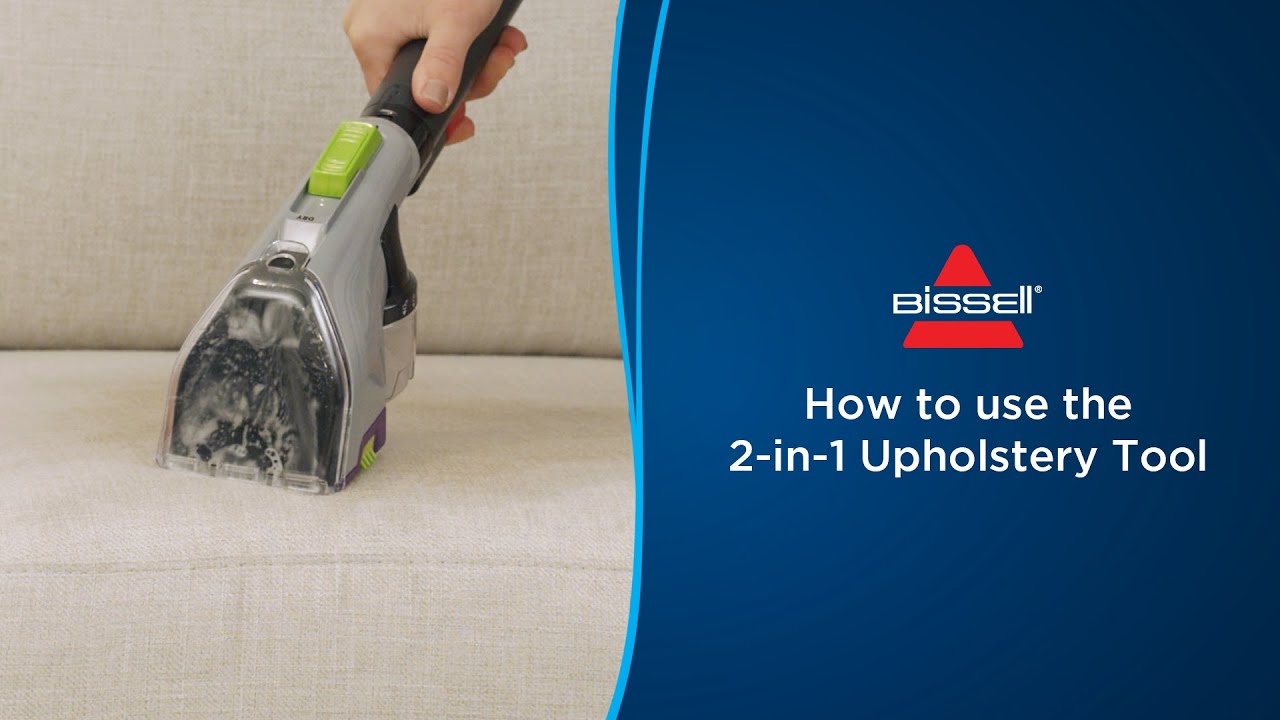
The Bissell Pet Pro hand tool is a small attachment that connects to a compatible Bissell portable carpet cleaner. It usually combines three actions:
• It sprays a cleaning mixture onto the fabric.
• Its brush loosens dirt, hair, and dried residue.
• Its suction removes dirty water from the carpet or upholstery.
Think of it as a small wash-and-vacuum system. The spray wets the stain, the brush breaks it apart, and the suction pulls the mess into the machine’s dirty-water tank.
The tool is useful for small areas. It works well on carpet spots, stairs, car seats, couches, pet beds, and fabric chairs. It is not designed to replace a full-size carpet cleaner for an entire room.
Always check the care tag before cleaning upholstery. A “W” or “WS” code often allows water-based cleaning, while “S,” “X,” or unlabeled fabric may need a different method or professional care.
What You Need Before Cleaning
Gather the right supplies before using the Bissell Pet Pro carpet cleaner hand tool. Preparation helps prevent repeated passes and reduces the chance of leaving the fabric too wet.
You will need:
• A compatible Bissell portable carpet cleaner
• The Pet Pro hand tool and hose
• Bissell cleaning formula approved for your machine
• Clean warm tap water, if the manual allows it
• Paper towels or clean white cloths
• A small trash bag for pet hair and solid waste
• Good airflow, such as an open window or fan
Do not use boiling water. Very hot water can damage some fabrics, seals, and carpet fibers. Do not add bleach, dish soap, vinegar, essential oils, or homemade mixtures unless the product instructions clearly approve them.
Remove solid pet waste first. Use gloves, lift the waste with paper towels, and place it in a sealed bag. Cleaning over solid debris can spread the mess and clog the tool.
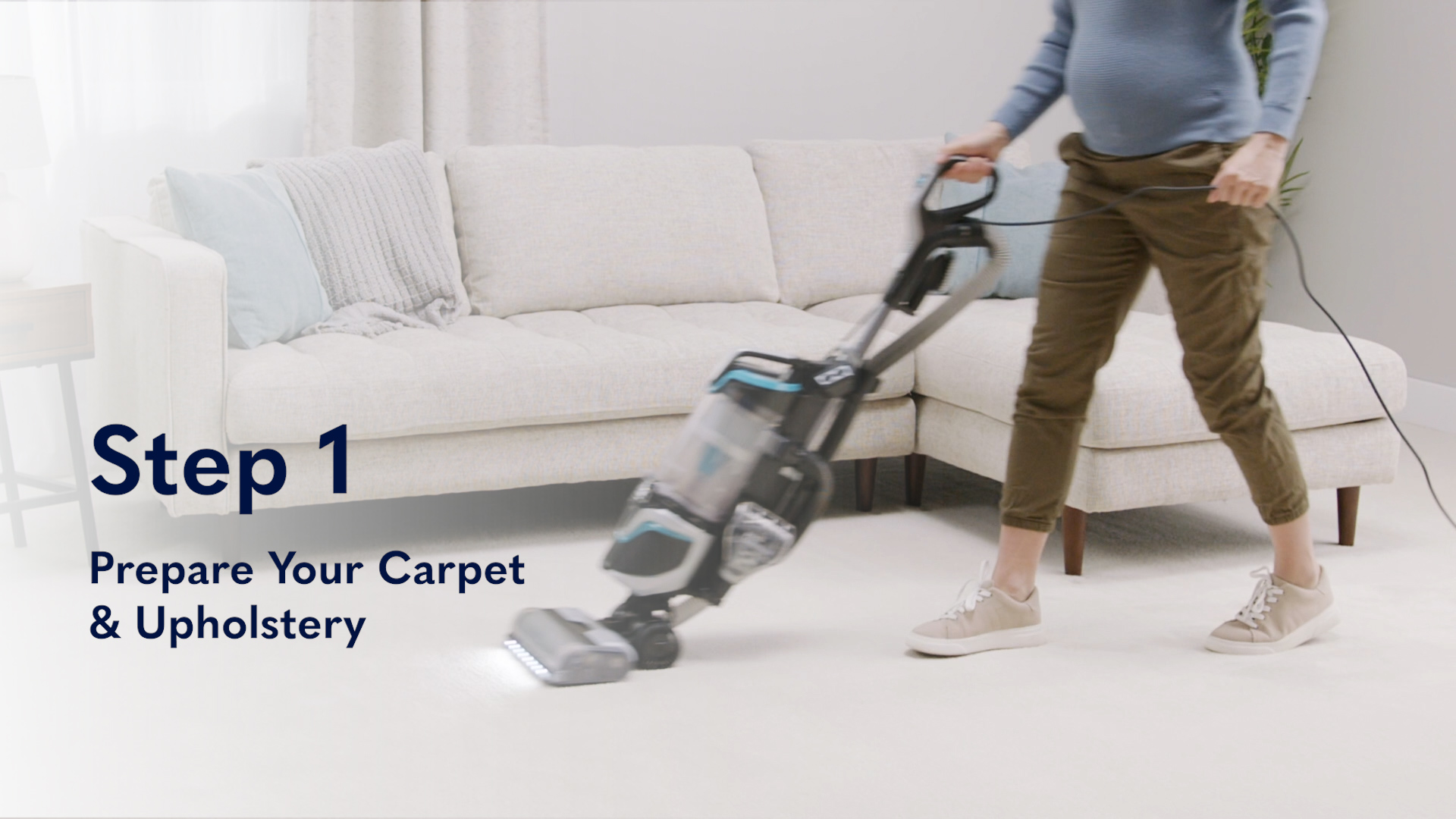
Vacuum loose hair and dry dirt when possible. Pet hair can wrap around the brush or reduce suction. This simple step often makes the Bissell Pet Pro carpet cleaner hand tool work much better.
How to Use the Bissell Pet Pro Carpet Cleaner Hand Tool
Follow these steps for most small carpet and upholstery stains. Your exact machine may have different tank markings or buttons, so use the owner’s manual if the controls differ.
1. Check the surface
Test the cleaning mixture on a hidden area first. Apply a small amount, extract it, and wait until the spot dries.
Look for:
• Color bleeding
• Fading
• Texture changes
• Water rings
• Shrinking
If the fabric changes, stop and use a professional cleaner. Some natural fibers and delicate fabrics do not react well to water extraction.
2. Fill the clean-water tank
Remove the clean-water tank and fill it to the correct line. Add the recommended amount of Bissell formula.
Do not overfill the tank. Extra solution does not mean extra cleaning. Too much liquid can create more foam, leave residue, and make drying take longer.
Place the tank firmly back into the machine. A loose tank can cause leaks or poor spray pressure.
3. Connect the hose and hand tool
Attach the hose to the machine. Then connect the Bissell Pet Pro hand tool to the hose until it locks into place.
Check that the tool sits firmly. If it feels loose, the seal may be incomplete. A poor connection can reduce suction and cause water to leak around the fitting.
4. Remove excess moisture from the stain
Before turning on the machine, blot fresh liquid with a clean white towel. Press down gently. Do not rub hard, since rubbing can push the stain deeper or damage carpet fibers.
For dried stains, remove loose flakes with a spoon or dull edge. Avoid sharp tools that can cut the carpet.
5. Apply the cleaning spray
Turn on the machine and place the tool over the stained area. Press the spray trigger for a short burst.
Use enough solution to dampen the spot, not flood it. For a small stain, one or two short sprays may be enough.
Spray from the outside edge toward the center. This helps prevent the stain from spreading into a larger ring.
6. Brush the area gently
Move the brush over the stain with light pressure. Use short strokes in different directions.
The brush should loosen the dirt, not grind it into the carpet. For pet urine or vomit, let the approved formula sit for the time listed on its label. Dwell time gives the cleaner a chance to break down residue before extraction.
7. Extract the dirty water
Release the spray trigger. Press the tool firmly against the surface and move it slowly over the area.
This is the key step in learning how to use the Bissell Pet Pro carpet cleaner hand tool. Slow suction passes remove more water than fast movements.
Make several passes without spraying. Watch the dirty-water tank if possible. The extracted liquid may look dark even when the carpet appears clean.
8. Make dry passes
Continue moving the tool over the spot without pressing the spray trigger. These dry passes pull out leftover moisture.
Use overlapping strokes. A good pattern is:
Move forward slowly.
Move backward slowly.
Repeat without spraying.
Stop when very little water enters the dirty tank.
Avoid holding the tool in one place while the machine runs. Too much suction in one area may flatten carpet fibers or leave an uneven texture.
9. Let the area dry fully
Keep people and pets away until the area is dry. Open windows, run a fan, or turn on air conditioning to improve airflow.
Do not judge the final result while the carpet is wet. Some stains look darker during drying. If an odor remains after complete drying, a second light treatment may help.
How to Clean Pet Urine With the Hand Tool
Pet urine needs more than surface cleaning. Liquid can travel below the carpet fibers and into the pad, especially when the accident is large or old.
Blot fresh urine first. Then use the Bissell Pet Pro carpet cleaner hand tool with a pet-safe formula made for your machine.
Use this process:
Find the full area of the accident, including the edges.
Spray lightly with the approved formula.
Allow the product to sit as directed.
Brush gently.
Extract with slow passes.
Make extra dry passes.
Dry the area with strong airflow.
A portable extractor may improve a small surface stain, but it cannot always remove urine from deep padding or subfloor materials. If the smell returns after drying, the contamination may be deeper than the hand tool can reach.
Avoid ammonia-based cleaners. Their odor can resemble urine to some pets and may encourage repeat marking. Never mix cleaning products, especially products that contain bleach or strong acids.

How to Clean Vomit, Mud, and Pet Hair
Different messes need different first steps. The Bissell Pet Pro carpet cleaner hand tool performs best when you remove as much solid material as possible before spraying.
Vomit
Remove solids with paper towels or a dull scraper. Blot moisture, then apply the approved formula. Use gentle brushing because stomach acids may already have weakened the carpet fibers.
Mud
Let heavy mud dry if possible. Vacuum the loose dirt, then clean the remaining mark with short spray bursts and slow extraction passes.
Cleaning wet mud at once can spread it across a larger area. It is often easier to remove dry soil first.
Pet hair
Pick up clumps by hand and vacuum the area. Hair can collect around the brush head and limit water flow.
If hair gathers in the tool, turn off and unplug the machine before removing it. Never reach into a moving brush or try to clear a clog while the machine is running.
Greasy pet stains
Use a compatible formula and avoid excess water. Grease may need more than one treatment, but repeated soaking can damage some upholstery. Test the fabric first and allow it to dry between treatments.

Best Technique for Carpet, Stairs, and Upholstery
The same tool can clean several surfaces, but pressure and moisture control matter.
Carpet
Work in small sections. Clean from the outside of the stain toward the center. Finish with several slow suction-only passes.
For thick carpet, move the tool slowly enough to hear steady suction. Do not press so hard that the nozzle seals completely against the fibers.
Stairs
Keep the portable machine on a stable, flat step or at the bottom of the stairs. Never place it where it can fall.
Clean one stair at a time. Use short spray bursts because stairs can dry slowly, especially near walls and closed corners.
Upholstery
Use less solution than you would on carpet. Upholstery foam and cushions can hold water below the surface.
Keep the tool moving and avoid soaking seams. After cleaning, stand cushions on edge when possible so air can reach both sides.
Car interiors
Check the seat material and airbag areas before cleaning. Avoid soaking electrical controls, seat heaters, and door panels.
Use light sprays and strong extraction. Leave the vehicle open in a safe, dry place until the fabric is fully dry.

Common Mistakes to Avoid
Many poor cleaning results come from technique, not from a faulty machine. These mistakes are especially common when people first learn how to use the Bissell Pet Pro carpet cleaner hand tool.
• Using too much formula: More cleaner can leave sticky residue and attract new dirt.
• Spraying nonstop: Continuous spraying oversaturates the fabric.
• Moving too fast: Fast passes leave dirty water behind.
• Skipping dry passes: Remaining moisture can cause odors and slow drying.
• Rubbing aggressively: Hard brushing can spread stains and damage fibers.
• Cleaning without testing: Some materials bleed or shrink when wet.
• Ignoring the stain’s edge: Cleaning only the center can leave a visible ring.
• Leaving pet hair in place: Hair can clog the brush and reduce suction.
• Storing the tool wet: Trapped moisture can create a musty smell.
A useful rule is simple: spray less, extract more, and give the area time to dry.

How to Get Better Suction and Faster Drying
Good suction depends on the machine, hose, tool, and surface. If the Bissell Pet Pro carpet cleaner hand tool is not removing much water, check the basics first.
Make sure:
• The dirty-water tank is not full.
• The tank lid is sealed correctly.
• The hose is fully connected.
• The tool opening is not blocked by hair or debris.
• The brush head is clean.
• The machine is on a level surface when required.
• The carpet is not so thick that it blocks the nozzle.
To improve drying, use several slow passes without spraying. Then run a fan across the area. Avoid placing furniture back until the carpet or upholstery feels dry to the touch.
If suction remains weak after cleaning the tanks, hose, and tool, stop using the machine and check the manual for service steps. Continuing to run a machine with a damaged seal may spread water or stress the motor.

Cleaning and Storing the Hand Tool
Cleaning the attachment after every use helps prevent odors and clogs. Pet messes can leave bacteria, hair, and residue inside the tool.
After cleaning:
Turn off and unplug the machine.
Remove the hand tool from the hose.
Rinse the tool with clean water if the manual allows it.
Remove hair and debris from the brush area.
Wipe the outside with a clean cloth.
Empty and rinse the dirty-water tank.
Rinse the hose only as directed by the manufacturer.
Let every part air-dry before storage.
Do not seal a wet tool inside a plastic bag or closed cabinet. Air drying is one of the easiest ways to prevent a sour or mildew-like smell.
Never immerse the machine body in water. Keep water away from electrical connections and controls.

How Often Should You Use It?
Use the Bissell Pet Pro carpet cleaner hand tool when you see a small stain or notice a fresh pet accident. Treating a mess early is usually easier than cleaning an old, set stain.
A practical schedule may include:
• Immediate spot cleaning after accidents
• A deeper treatment when odor remains after drying
• Routine carpet cleaning based on traffic, pets, and manufacturer guidance
• Professional cleaning when stains cover a large area or reach the carpet pad
Overcleaning can create excess moisture and wear. The goal is not to wash the carpet every day. The goal is to remove soil while using the least amount of water and formula needed.
Safety and Fabric-Care Limits
The Bissell Pet Pro carpet cleaner hand tool is not suitable for every material. Water extraction may damage silk, velvet, leather, untreated wood, delicate antique rugs, and some natural fibers.
Read the furniture or rug care label. If the label says “dry clean only” or “do not wet clean,” do not use the tool.
Keep children and pets away from cleaning formula. Follow the product label for storage, ventilation, and contact instructions. If formula gets into the eyes or onto the skin, follow the first-aid directions on the label.
There is also a health limit to consider. A portable cleaner can improve many surface stains, but it may not remove allergens, urine salts, mold growth, or deep contamination from padding. A serious or repeated problem may require a professional service.
My Practical Lessons From Using Portable Spot Cleaners
One lesson from hands-on spot cleaning is that the first pass should be gentle. People often press hard and spray too much because they want instant results. That approach can turn a small stain into a wide, wet patch.
The better method is to work like a careful painter. Treat the outer edge, use small amounts of solution, and build results with slow extraction passes.
Another common mistake is judging the job too soon. A carpet can look clean while wet, then show a faint ring after drying. I avoid this by extracting the full surrounding area lightly and using a fan during the final drying stage.
The most useful habit is cleaning the tool immediately after use. A few minutes of rinsing and air drying can prevent the next cleaning session from starting with a clogged, smelly attachment.
Frequently Asked Questions About How to Use the Bissell Pet Pro Carpet Cleaner Hand Tool
Do I spray while using the Bissell Pet Pro hand tool?
Yes, press the spray trigger for short bursts while moving the tool over the stain. Release the trigger during slow suction-only passes to remove extra moisture.
How long should I hold the hand tool on a stain?
Do not hold it in one place for a long time. Spray lightly, brush gently, then make slow overlapping extraction passes until little water is removed.
Can I use the Bissell Pet Pro carpet cleaner hand tool on a couch?
You can use it on upholstery labeled for water-based cleaning, usually marked “W” or “WS.” Test a hidden area first and use less solution than you would on carpet.
Why is my carpet still wet after using the hand tool?
The area may have received too much spray, or the machine may have weak suction. Check the dirty tank, hose, tool opening, and seals, then make several slow passes without spraying.
Can I use dish soap in the Bissell Pet Pro hand tool?
No, use only the formula approved for your model. Dish soap can create excess foam, leave residue, and possibly affect the machine’s internal parts.
How do I remove pet odor with the hand tool?
Use a compatible pet formula, allow the recommended dwell time, and extract slowly. If the odor returns after the area dries, urine or other contamination may have reached the carpet pad.
How often should I clean the hand tool?
Rinse and inspect it after every use. Remove hair and allow the tool, hose, and tanks to dry fully before storing them.
Conclusion
Using the Bissell Pet Pro carpet cleaner hand tool is simple when you control three things: solution, brushing, and suction. Remove solid debris first, spray lightly, brush with care, and make slow extraction passes. Always test the fabric, avoid harsh homemade mixtures, and dry the area completely.
Start with a small hidden spot, then treat the stain as soon as possible. With the right method, the Bissell Pet Pro carpet cleaner hand tool can make pet accidents far easier to manage. Share your cleaning experience or explore your machine’s care guide for model-specific tips.