How To Cut With A Hacksaw: Easy DIY Guide
Cut with a hacksaw by securing the material, choosing the right blade, and using slow, steady strokes.
Learning how to cut with a hacksaw is a useful skill for home repairs, plumbing work, metal projects, and workshop tasks. The tool looks simple, but clean cuts depend on blade choice, firm support, safe body position, and steady pressure. This guide explains the full process, including common mistakes, cutting tips, safety steps, and ways to get better results.
What Is a Hacksaw?
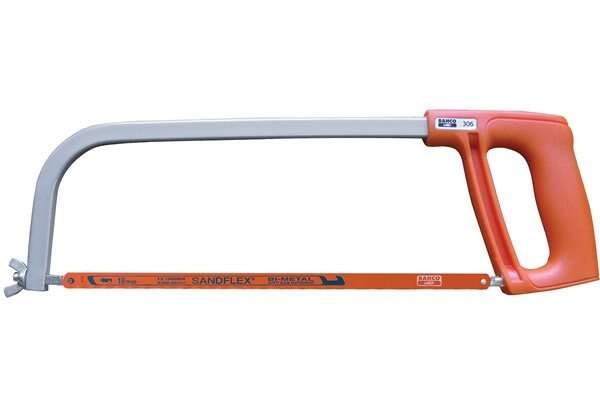
A hacksaw is a hand tool designed to cut metal, plastic, pipe, conduit, and other hard materials. It uses a thin, replaceable blade with many small teeth. The blade sits inside a metal or plastic frame and stays tight while you cut.
Most hacksaws have a pistol grip or straight handle. Standard blades are often 10, 12, or 14 inches long. A blade’s teeth per inch, or TPI, determines how it cuts.
The basic parts include:
• Frame: Holds the blade in place.
• Handle: Gives you a firm grip and control.
• Blade: Does the cutting work.
• Tension mechanism: Keeps the blade tight.
• Blade teeth: Remove small bits of material with each stroke.
A hacksaw works much like a row of tiny chisels. Each tooth removes a small amount of material. This is why patience matters more than force.

Choose the Right Hacksaw Blade
The correct blade makes cutting faster, cleaner, and safer. Blade choice depends on the material’s hardness and thickness.
Understand teeth per inch
Hacksaw blades commonly range from about 14 to 32 TPI.
• 14 to 18 TPI: Best for thick metal, large steel sections, and tough plastic.
• 24 TPI: A useful general-purpose blade for many home repairs.
• 28 to 32 TPI: Best for thin sheet metal, small tubing, and thin-wall conduit.
Choose a blade that keeps at least two or three teeth in contact with the material at all times. If the teeth are too large for thin material, the blade can catch or snag. If the teeth are too fine for thick material, the cut may take too long and clog the teeth.
Select the right blade material
Carbon steel blades cost less and work well for light tasks. Bi-metal blades have flexible bodies and harder teeth. They usually last longer and resist breakage, which makes them a strong choice for steel pipe and regular workshop use.
Use a blade labeled for metal when cutting steel, aluminum, copper, or brass. For plastic pipe, a fine-tooth blade usually gives a smoother cut.
Check blade direction
Many hacksaw blades cut on the forward stroke. The teeth should point away from the handle. Some specialized blades may work in the opposite direction, so check the teeth before installing one.
A backward blade will not cut well. It may also force you to push too hard, which increases the chance of slipping or bending the blade.
Prepare the Work Area
Good preparation prevents most cutting problems. Before you start, clear the workbench and make sure you have enough room for the full forward and backward motion of the saw.
Use bright lighting. You should see the layout line, the blade teeth, and your supporting hand at all times.
Gather these items:
• Hacksaw with a suitable blade
• Bench vise or sturdy clamps
• Tape measure or ruler
• Fine-tip marker, pencil, or scribe
• Safety glasses
• Work gloves for handling sharp edges
• File or deburring tool
• Ear protection when the work creates loud noise
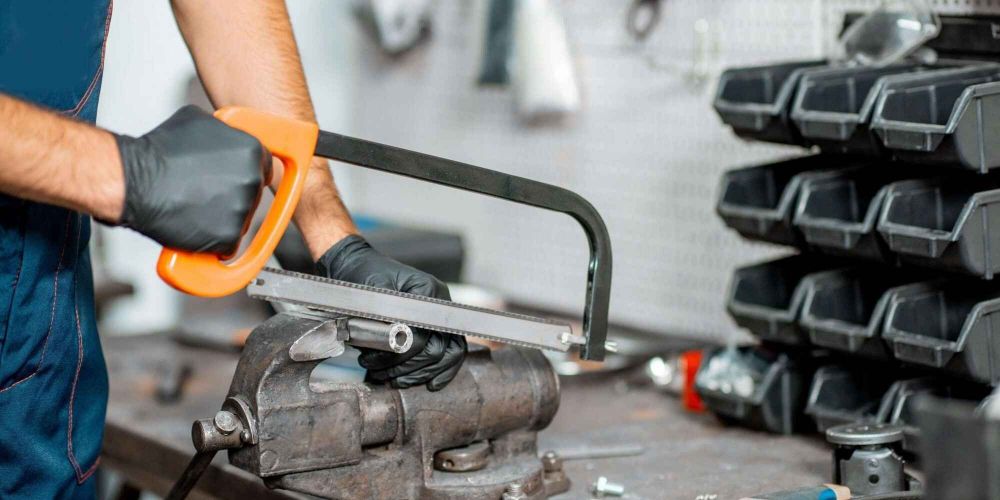
Do not hold the material in one hand while cutting with the other. The blade can slip, and the workpiece can twist. A vise is the safest and most reliable support for most cuts.

How to Cut With a Hacksaw Step by Step
The following method works for most metal, plastic, and small pipe-cutting jobs.
1. Measure the material
Measure the required length twice. Mark the cut with a fine marker, pencil, or metal scribe.
For a square cut, wrap a strip of paper around round pipe. Align the paper edges carefully, then trace along the edge. This creates a guide line around the pipe.
Leave a small amount of extra material if the final size must be exact. You can remove the last fraction with a file.
2. Secure the workpiece
Place the material in a bench vise. Position the cut line close to the jaws, but do not hide the line.
Tighten the vise until the workpiece cannot move. Do not crush thin tubing or soft plastic. Use wood, rubber, or cardboard pads when the surface could be damaged.
Support long material so it does not sag. A hanging workpiece can vibrate and make the cut wander.
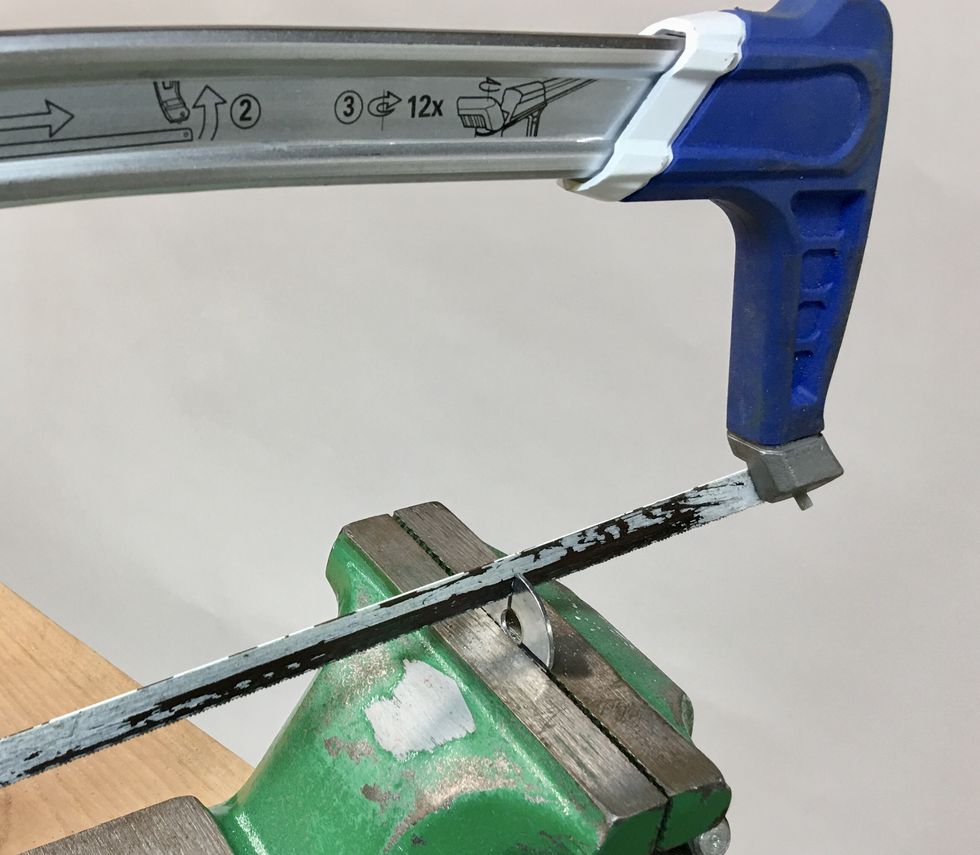
3. Install and tension the blade
Fit the blade with the teeth facing forward. Tighten the tension knob until the blade feels firm.
A properly tensioned blade should not feel loose or floppy. However, avoid extreme tension. Too much tension can bend the frame or cause the blade to snap.
As a simple check, gently pluck the blade. It should make a short, firm sound rather than feel soft.
4. Start a shallow guide cut
Place the middle of the blade on the marked line. Hold the saw at a low angle, around 10 to 20 degrees, rather than straight up and down.
Make two or three slow strokes with light pressure. This creates a shallow groove called a starting kerf.
The first strokes are important. If you rush them, the blade may slide away from the line and leave a permanent mark.
5. Use long, steady strokes
Once the groove is established, keep the blade aligned with the cut line. Use most of the blade length with each stroke.
Apply pressure on the forward stroke. Release most of the pressure while pulling the saw back. The teeth are designed to cut in one direction, so pressing during the return stroke wastes energy.
Keep your wrist straight and move from your elbow and shoulder. This creates a smoother path and reduces hand fatigue.
6. Keep the cut square
Watch the blade from both the front and side. The blade should remain at a right angle to the material when making a square cut.
For round pipe, rotate the workpiece slightly as the cut becomes deeper. This can help maintain a clean path around the pipe.
Do not twist the hacksaw to correct a crooked cut. Stop, widen the groove carefully, and realign the blade.
7. Slow down near the end
As the blade nears the far side, reduce pressure. Thin pieces can break suddenly, leaving a rough edge or bending the material.
Support the cut-off section with your free hand only after the blade has nearly finished. Keep your fingers away from the blade path.
Let the final few teeth complete the cut. Do not force the saw through the last section.
8. Inspect and finish the edge
Remove the material from the vise and check the cut. Use a flat file to remove burrs from metal. A deburring tool works well inside pipe or tubing.
For plastic, use a utility knife carefully or fine sandpaper to smooth the edge. Remove loose chips before using the part.
This final step matters. A sharp burr can cut skin, damage wires, or prevent fittings from seating correctly.

How to Cut Different Materials
The basic hacksaw method stays the same, but each material needs a few adjustments.
Cutting steel
Steel requires a sharp, durable blade. Use a bi-metal blade with about 18 to 24 TPI for many common jobs.
Apply firm but controlled forward pressure. If the blade squeals, jumps, or produces a very fine powder, check the blade and reduce pressure. Excess heat can dull the teeth.
For thick steel, keep the cut straight and allow the blade to work at its own pace. A hacksaw is slower than a powered saw, but it gives excellent control.
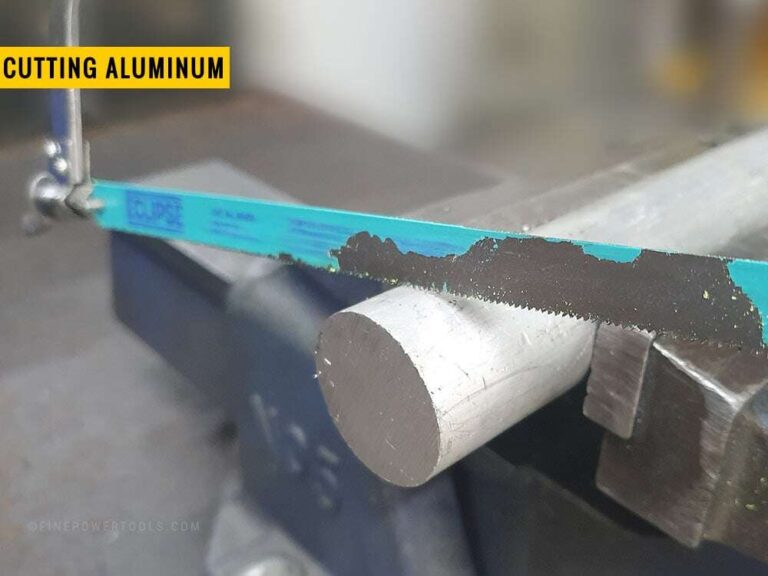
Cutting aluminum
Aluminum is soft and can clog fine teeth. A blade with about 18 TPI often works well for thicker aluminum pieces.
Clear chips from the blade if they build up. A small amount of cutting lubricant made for aluminum may help, but use it only when appropriate and wipe the work area afterward.
Avoid forcing the blade. Soft metal can grab a blade when the teeth become packed.
Cutting copper and brass
Copper and brass cut easily with a sharp, fine-tooth blade. Secure the piece well because these metals can bend under pressure.
Use slow strokes near the end. This helps prevent the tube or rod from collapsing.
Cutting PVC and plastic pipe
Use a fine-tooth blade for thin-wall plastic pipe. Support the pipe close to the cut to reduce vibration.
Plastic can melt if you move too fast or press too hard. Slow, even strokes produce a cleaner edge.
After cutting, remove plastic burrs from both the inside and outside of the pipe. Loose pieces can block water flow or interfere with fittings.
Cutting electrical conduit
Metal conduit often needs a square, clean cut. Mark the line clearly and use a fine-tooth or medium-tooth blade.
After cutting, file the inside edge. A sharp burr can damage wire insulation during installation.

Hacksaw Safety Tips
A hacksaw is safer than many power tools, but its blade is still sharp. Safe technique protects your hands, eyes, and the material.
Follow these basic rules:
• Wear safety glasses whenever you cut. Small metal chips can fly from the cut.
• Keep both hands behind the blade teeth.
• Clamp the material before starting.
• Inspect the blade for cracks, missing teeth, or severe wear.
• Replace a damaged blade instead of trying to finish the job.
• Keep the work area dry and free of oil.
• Do not use a hacksaw as a pry bar.
• Carry the tool with the teeth pointed away from your body.
• Keep children and bystanders away from the cutting area.
• Use gloves when handling cut material, but do not let loose gloves touch the moving blade.
Occupational safety guidance consistently emphasizes eye protection, secure workpieces, and proper tool maintenance. These simple steps reduce the risk of flying particles, slips, and sudden blade failure.

Common Hacksaw Mistakes to Avoid
Many poor cuts come from technique rather than the tool. These mistakes are easy to fix.
Using the wrong blade
A coarse blade on thin material can catch and tear. A fine blade on thick material can clog or wear quickly.
Match the TPI to the material thickness. When unsure, choose a medium-to-fine blade for general household work.
Cutting without support
A loose workpiece vibrates. Vibration makes the blade wander and can break teeth.
Clamp the material close to the cut. Add support for long sections.
Pushing on every stroke
The blade cuts on the forward stroke. Heavy pressure on the return stroke adds fatigue and can damage the teeth.
Relax during the return stroke and reset your position.
Taking short, fast strokes
Short strokes use only a small section of the blade. They wear one area quickly and create heat.
Use long strokes when space allows. Keep the motion smooth and steady.
Starting too aggressively
The blade can skid across a smooth surface if you begin with heavy pressure. This may damage the finish and ruin your cut line.
Start with light strokes until the groove is deep enough to guide the blade.
Ignoring the final burr
A cut is not finished when the piece separates. Sharp burrs can cause injuries and may affect how parts fit.
Always deburr the cut edge with a file or suitable tool.
Continuing with a dull blade
A dull blade needs more pressure. More pressure increases the chance of slipping, bending, and breaking.
Replace the blade when cutting becomes slow, rough, or unusually difficult.

How to Make a Straight, Clean Cut
A straight cut comes from control at the start and support throughout the process.
Use a square or wraparound guide to mark the material. Set the workpiece so the blade can travel without striking the vise.
Start with a shallow groove around the entire cut area. This groove acts like a rail and keeps the blade from drifting.
Check your angle often. If the top of the cut is straight but the bottom is angled, your blade is leaning. Stop and correct the position before the error grows.
For repeat cuts, make a simple guide block. Clamp a straight piece of scrap wood beside the cut line. The hacksaw frame can rest against it while you begin the cut.
A little patience saves a lot of filing. The hacksaw should remove the material, not the file.
When to Use a Hacksaw Instead of a Power Saw
A hacksaw is useful when you need quiet, controlled cutting. It does not create sparks like many powered abrasive tools, and it works without electricity or batteries.
Choose a hacksaw when:
• You need to make one or two cuts.
• You are working in a tight space.
• The material is small enough to hold safely.
• You need careful control near finished surfaces.
• Noise, dust, or sparks would create a problem.
A power saw may be better for thick stock, repeated cuts, or large construction work. Powered tools can save time, but they also create more noise, dust, heat, and kickback risk.
Do not use a hacksaw for materials that are too large or unstable to secure. Tool choice should match the size of the job and your ability to control the workpiece.

Practical Lessons From Workshop Use
One of the most useful lessons from hands-on cutting is that preparation beats strength. People often push harder when a cut feels slow. In most cases, the real problem is a dull blade, poor support, or the wrong TPI.
Another common lesson is to leave a small finishing allowance. If a part must be exactly 6 inches long, cutting directly on the final mark can leave no room for correction. Cutting slightly long and filing to the line gives you more control.
I have also found that body position affects accuracy. Stand with one foot slightly forward, keep your shoulders relaxed, and align your arm with the cut. When your whole body moves smoothly, the blade is less likely to twist.
A final practical tip is to stop when your hands become tired. Fatigue causes rushed strokes and poor grip. A short break often produces a better cut than another five minutes of forcing the tool.
How to Maintain a Hacksaw
Proper maintenance keeps the tool accurate and extends blade life.
After each job, brush away metal chips and wipe the frame clean. Check the tension screw and blade pins for damage.
Store the hacksaw where the blade will not contact hard objects. Avoid leaving it in damp areas, since rust can weaken the frame and blade.
Replace the blade when:
• The teeth look rounded or missing.
• The blade slips from the cut.
• You must use excessive pressure.
• The cut becomes rough or wanders.
• The blade bends during normal use.
Keep spare blades in a dry container. Wrap sharp blades or store them in their original packaging to prevent accidental cuts.
Frequently Asked Questions About How to Cut With a Hacksaw
Which way should the hacksaw blade face?
Most hacksaw blades should have their teeth pointing away from the handle. They normally cut during the forward push, so confirm the tooth direction before starting.
How many teeth per inch should a hacksaw blade have?
Use about 14 to 18 TPI for thick material, 24 TPI for general work, and 28 to 32 TPI for thin metal or small tubing. Keep at least two or three teeth in contact with the material during the cut.
Can you cut wood with a hacksaw?
You can cut small pieces of soft wood in an emergency, but a handsaw is a better choice. Hacksaw teeth are made for metal and plastic, so they may clog quickly in wood.
Why does my hacksaw blade keep breaking?
A blade may break because it is over-tightened, twisted, dull, or forced through the material. Secure the workpiece, use the correct TPI, and apply pressure only on the forward stroke.
How do you cut a pipe straight with a hacksaw?
Mark the pipe with a square line or wrap paper around it as a guide. Clamp the pipe, start with a shallow groove, and rotate the pipe slightly if needed to keep the cut square.
Should you use oil when cutting metal with a hacksaw?
A small amount of suitable cutting fluid can reduce friction on some metals, but it is not always necessary. Keep the handle and work area dry so the tool does not slip.
How do you remove burrs after hacksaw cutting?
Use a flat file on the outside edge and a round file or deburring tool inside tubing. Move the file away from your body and wear eye protection while removing sharp edges.
Conclusion
Learning how to cut with a hacksaw comes down to a few reliable habits: choose the right blade, mark the material clearly, clamp it firmly, start with a light groove, and use steady forward strokes. Slow down near the end, check the blade angle, and always remove sharp burrs.
With practice, a hacksaw can make clean and accurate cuts in steel, aluminum, copper, plastic pipe, and conduit. Try these steps on a scrap piece first, then apply them to your real project. Share your own hacksaw tips or explore more hand-tool guides to build your workshop skills.
Recent Tool Guides
 Hammer
How To Hammer Flowers Onto Paper: Easy Guide
Learn how to hammer flowers onto paper with simple steps, helpful tips, and beautiful results for...
Read Guide → Wrench
How To Use A Hex Wrench: Easy Step-By-Step Guide
Learn how to use a hex wrench correctly with simple steps, helpful tips, and common mistakes...
Read Guide → Hacksaw
How To Cut Curtain Pole With Hacksaw: Easy Guide
Learn how to cut curtain pole with hacksaw safely and neatly. Follow simple steps for accurate...
Read Guide → Wrench
How To Use A Husky Torque Wrench: Easy Guide
Learn how to use a Husky torque wrench correctly with simple steps, torque settings, and safety...
Read Guide → Hammer
How To Hold A Hammer: Safe Grip Guide
Learn how to hold a hammer with the right grip, stance, and technique for safer, more...
Read Guide → Hacksaw
How To Cut Flexible Metal Conduit With Hacksaw: Easy Guide
Learn how to cut flexible metal conduit with hacksaw safely and cleanly. Follow simple steps for...
Read Guide →