What Does A Hacksaw Do: Uses, Materials, And Cutting Tips
A hacksaw cuts metal, plastic, and other hard materials with a fine-toothed blade moved by hand.
Understanding what does a hacksaw do helps you choose the right blade, use the tool safely, and make cleaner cuts. A hacksaw is simple, affordable, and useful for jobs that power tools cannot handle easily, especially when you need control, low noise, or a cut in a tight space.
What Does a Hacksaw Do?
A hacksaw cuts tough materials through a repeated back-and-forth motion. Its narrow blade has many small teeth that remove a thin strip of material with each forward stroke.
Most hacksaws are used to cut:
• Steel rods and pipes
• Aluminum bars and tubing
• Copper pipe
• Threaded rod
• Bolts and screws
• Plastic pipe
• Metal sheet
• Small sections of conduit
The answer to what does a hacksaw do is not limited to cutting metal. With the correct blade, it can also cut PVC, ABS plastic, fiberglass, and other materials.
A hacksaw does not cut like a knife. Its teeth act like many tiny chisels. As you push the blade across the workpiece, the teeth scrape away small pieces of material. Pulling the saw back completes the stroke, but the blade usually cuts best on the forward stroke.
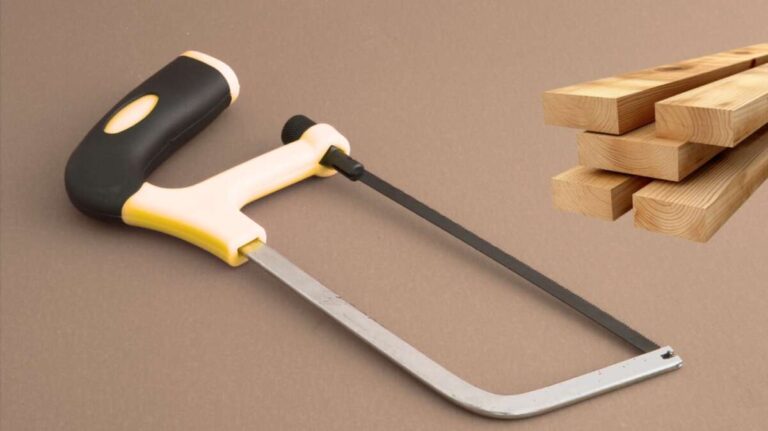
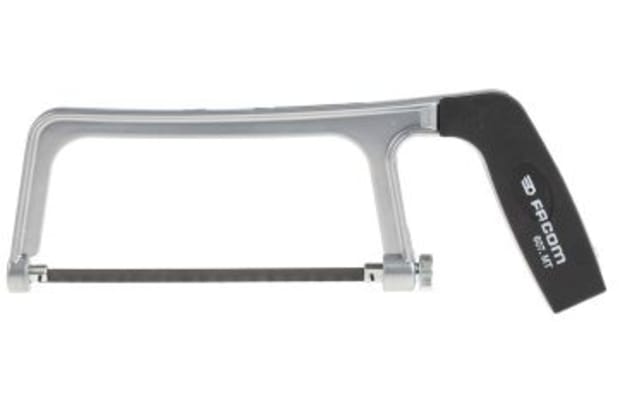
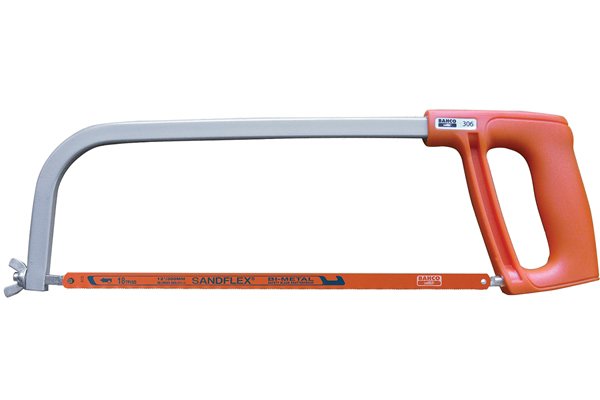
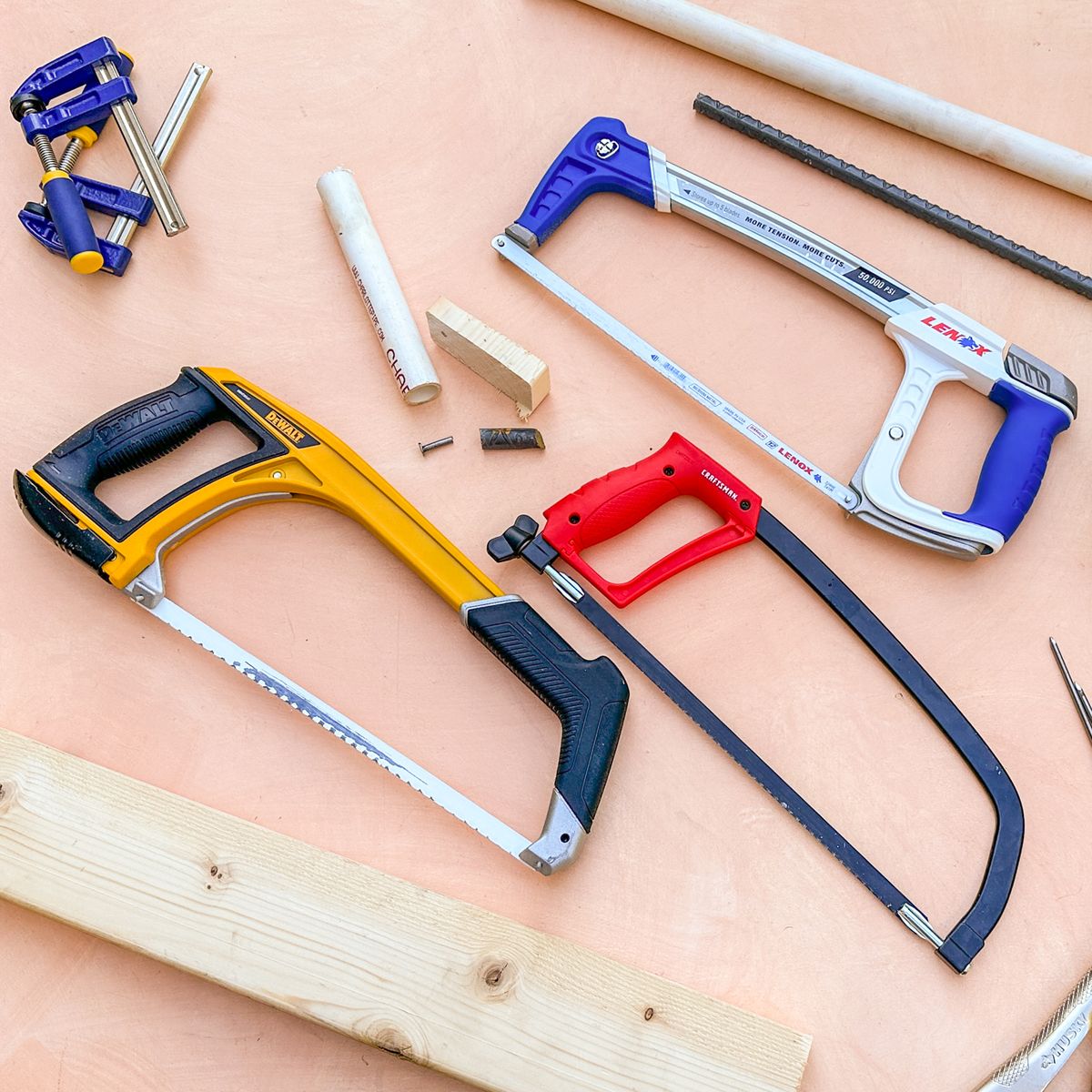
A standard hacksaw includes a rigid frame, a replaceable blade, a handle, and a tensioning screw. The frame keeps the blade straight. The tensioning screw holds the blade tight so it does not bend or wander during a cut.

Main Parts of a Hacksaw
Knowing the parts of a hacksaw makes the tool easier to control and maintain.
Frame
The frame supports the blade and keeps it under tension. Full-size frames often accept 10-inch or 12-inch blades. Compact frames use shorter blades and work well in narrow spaces.
Some frames have a fixed shape. Others have an adjustable design that accepts blades of different lengths.
Blade
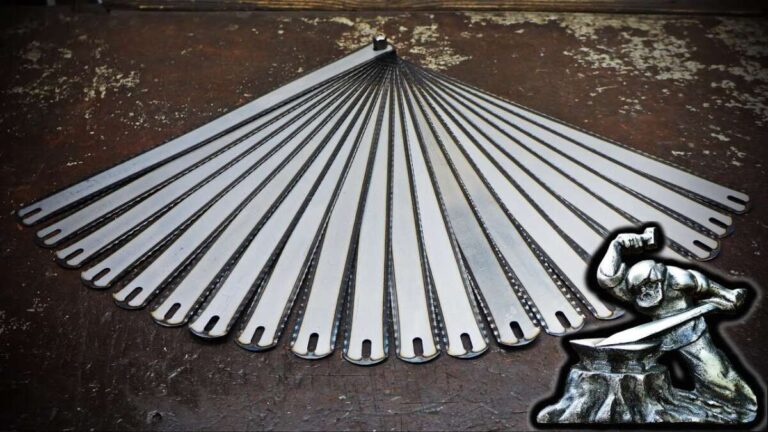
The blade is the working part of the tool. It is usually made from carbon steel, high-speed steel, or bi-metal steel.
A bi-metal blade combines a flexible steel body with harder teeth. This design helps the blade resist breaking while keeping its teeth sharp.
Teeth
Hacksaw teeth are measured by teeth per inch, or TPI. Common choices include:
• 14 TPI for thick metal and heavy cuts
• 18 TPI for general-purpose work
• 24 TPI for thin metal and small tubing
• 32 TPI for sheet metal, thin wall tubing, and delicate cuts
A useful rule is to keep at least three teeth in contact with the workpiece. If only one or two teeth touch the material, the blade may catch, vibrate, or lose teeth.
Handle
The handle gives you a firm grip and helps you apply steady pressure. A pistol-style handle is common because it supports the hand and wrist during long cuts.
Tensioning Mechanism
The tensioning screw tightens the blade. A loose blade can twist and produce a crooked cut. It can also buckle or break.
The blade should feel firm when lightly plucked, much like a tight guitar string. Do not overtighten it, because excessive tension can damage the frame or cause the blade to snap.
How Does a Hacksaw Cut?
A hacksaw cuts through a process called abrasion and shearing. Each tooth enters the surface, removes a small chip, and exits as you move the blade.
The forward stroke does most of the work. The return stroke resets the blade for the next cut. You should use smooth, even strokes instead of short, fast movements.
A good cutting motion uses much of the blade length. Long strokes spread wear across more teeth. Short strokes wear out one small section of the blade and may create heat.
The basic cutting process looks like this:
- Mark the cut line with a permanent marker, scribe, or chalk.
- Secure the workpiece in a vise or clamp.
- Select the correct blade for the material and thickness.
- Install the blade with the teeth pointing forward.
- Start with light strokes to create a shallow groove.
- Increase pressure after the groove guides the blade.
- Keep the frame straight throughout the cut.
- Reduce pressure near the end to prevent rough edges.
When asking what does a hacksaw do, it is helpful to think of it as a controlled material-removal tool. It removes less material per stroke than a power saw, but it gives you excellent control.
What Materials Can a Hacksaw Cut?
A hacksaw can cut many common materials, but blade choice matters.
Steel
Hacksaws are often used for mild steel, threaded rod, bolts, nails, and steel pipe. Use a sharp bi-metal blade for tough steel.
Thick steel may require patience. Let the blade do the work, and avoid forcing it. Too much pressure can bend the blade or strip its teeth.
Stainless Steel
Stainless steel is harder and can become tougher when overheated. Use a sharp blade with suitable TPI and steady pressure.
Do not pause in one spot for too long. Heat and friction can reduce blade life.
Aluminum
Aluminum is soft, but it can clog the teeth. A blade with fewer teeth per inch can help clear chips from the cut.
Keep the blade clean. If chips pack between the teeth, the blade may slide instead of cutting.
Copper
Copper pipe cuts easily with a hacksaw. A fine-tooth blade usually gives a smooth cut.
After cutting, remove the internal burr. A burr can reduce water flow and damage an O-ring or fitting.
Plastic Pipe
A hacksaw can cut PVC and ABS pipe. Use a fine-tooth blade and support the pipe to prevent crushing.
After the cut, smooth the edge with a file or utility knife. This helps the pipe fit properly inside a connector.
Sheet Metal
Thin sheet metal needs a fine blade, often 24 or 32 TPI. Clamp the sheet close to the cut line to reduce vibration.
Wear gloves when handling the cut piece. Sheet metal edges can be sharper than they look.

Hacksaw Blade TPI: Choosing the Right Blade
The correct TPI depends on the material thickness, not only the material type.
Use these general guidelines:
• Choose 14 to 18 TPI for thick metal and solid stock.
• Choose 18 to 24 TPI for general cutting and medium tubing.
• Choose 24 to 32 TPI for thin tubing, sheet metal, and small parts.
A coarse blade removes material quickly. A fine blade makes smaller, cleaner cuts but may cut more slowly.
If the blade has too few teeth, it may catch in thin material. If it has too many teeth, chips can fill the spaces between teeth. The blade may then rub, heat up, and cut poorly.
For example, a 1-inch steel bar may work well with an 18 TPI blade. A thin aluminum tube may need a 24 TPI blade. Always consider the thickness of the wall or stock before choosing.
How to Use a Hacksaw Correctly
Using a hacksaw safely starts with preparation. A few extra seconds can prevent a crooked cut, damaged blade, or injured hand.
1. Mark the Cut
Mark the cut line clearly. For a round pipe, draw a line around the entire pipe if possible. This gives you a guide as the blade moves around the surface.
2. Secure the Workpiece
Place the material in a vise. Keep the cut close to the vise jaws, but leave enough room for the blade and frame.
A loose workpiece can vibrate. Vibration makes the cut rough and increases the chance of blade damage.
3. Install the Blade Correctly
Most hacksaw blades cut when pushed. Point the teeth away from the handle and toward the front of the frame.
Check the blade before use. Replace it if you see missing teeth, cracks, bends, or severe wear.
4. Start Slowly
Begin with gentle strokes. Create a small notch on the cut line before using stronger pressure.
This starting groove helps prevent the blade from sliding across the surface.
5. Use Smooth Pressure
Apply pressure on the forward stroke. Ease off during the return stroke.
Keep the saw level. Let the teeth cut rather than forcing the frame through the material.
6. Finish Carefully
As the blade reaches the far side, reduce pressure. The final section can break suddenly, which may cause the blade or your hand to move forward.
After the cut, remove sharp burrs with a file or deburring tool.

Safety Tips for Hacksaw Use
A hacksaw is less dangerous than many power saws, but it can still cause cuts, punctures, and eye injuries.
Follow these safety habits:
• Wear safety glasses to protect against metal chips.
• Wear work gloves when handling sharp stock or finished cuts.
• Clamp the material firmly before cutting.
• Keep both hands behind the blade path.
• Do not use a blade with missing or damaged teeth.
• Keep the frame straight and avoid twisting it.
• Cut away from your body when possible.
• Keep the work area clear of oil, loose tools, and scraps.
• Store the hacksaw where the blade cannot catch clothing or skin.
Gloves need care. They can protect against sharp edges, but loose gloves may catch on rotating machinery. Never wear loose gloves near powered tools.
One common mistake is gripping the hacksaw too tightly. A tense grip leads to jerky strokes and sore hands. Hold the handle firmly, but keep your wrist relaxed.

Common Hacksaw Mistakes to Avoid
Many poor cuts come from simple setup problems.
Using the Wrong TPI
A blade that is too coarse may catch in thin material. A blade that is too fine may clog and heat up.
Match the blade to the thickness of the workpiece. When unsure, choose a medium blade and make a test cut.
Cutting Without Support
Holding a pipe in one hand while sawing with the other is unsafe and inaccurate. The pipe can move, and the blade can jump.
Use a vise, clamp, or suitable support.
Applying Pressure on Every Stroke
The blade is designed to cut in one direction. Heavy pressure on the return stroke increases friction and wears the teeth.
Press forward, then release pressure as you pull back.
Using Short Strokes
Short strokes focus wear on one part of the blade. They also make the work feel harder.
Use as much of the blade length as the space allows.
Ignoring Blade Tension
A loose blade can bend around the cut. This often creates an angled edge.
Tighten the blade before cutting, but avoid excessive force.
Finishing With a Break
Some people cut almost through a pipe and then bend it until it breaks. This can leave a jagged edge and may damage nearby parts.
Complete the cut with the saw, then deburr the edge.

Hacksaw vs. Other Cutting Tools
What does a hacksaw do better than other saws? Its main advantage is control. It works without electricity, creates little noise, and fits into many tight areas.
Hacksaw vs. Reciprocating Saw
A reciprocating saw cuts faster and handles large jobs well. However, it creates more vibration and can be harder to control.
A hacksaw is often better for one or two careful cuts, plumbing repairs, and work near finished surfaces.
Hacksaw vs. Angle Grinder
An angle grinder cuts metal quickly and can also grind and polish. It creates sparks, dust, and high noise.
A hacksaw is a better choice near flammable materials or when you need a cool, low-spark cutting method.
Hacksaw vs. Tubing Cutter
A tubing cutter makes a clean, round cut on copper or certain plastic tubes. It may not work well on thick steel, large stock, or material with unusual shapes.
A hacksaw can handle a wider range of shapes and materials.
Hacksaw vs. Jigsaw
A jigsaw works well for curves and thin sheet materials. With the correct blade, it can also cut some metal.
A hacksaw is usually simpler for straight cuts in small metal parts and does not need a power source.
Benefits and Limitations of a Hacksaw
A hacksaw remains popular because it offers several practical benefits.
Benefits
• Low purchase cost
• No battery or outlet required
• Quiet operation
• Good control over the cut
• Easy blade replacement
• Useful in small workspaces
• Suitable for metal, plastic, and pipe
• Minimal heat compared with power cutting tools
Limitations
• Slower than powered saws
• Requires physical effort
• Can produce uneven cuts without practice
• Not ideal for thick structural steel
• Blades wear out and may break
• Manual cutting can be tiring during long jobs
A hacksaw is a hand tool, not a production machine. It works best when accuracy, access, and control matter more than speed.
How to Maintain a Hacksaw
Basic care keeps a hacksaw safe and effective.
Wipe the blade after use to remove chips and moisture. Store the tool in a dry place to help prevent rust.
Check the frame for bends or cracks. Inspect the tensioning screw and blade pins as well. Replace a blade when its teeth become dull, rounded, or uneven.
Do not use oil as a substitute for a sharp blade. Lubrication may help with some metal cuts, but it will not fix a damaged blade. For most light work, a clean, sharp blade and steady technique are more important.
In my experience, the biggest improvement comes from replacing a dull blade early. People often push harder when a blade stops cutting well. That usually makes the cut worse and increases fatigue.
Practical Example: Cutting a Threaded Rod
Suppose you need to shorten a threaded rod for a shelf bracket.
First, measure the length and mark the rod with a marker. Thread a nut onto the rod before cutting. Secure the rod in a vise, with the cut line close to the jaws.
Use an 18 or 24 TPI blade. Start with light strokes and keep the frame square to the rod. Once the groove forms, use smooth full-length strokes until the cut is complete.
Afterward, file the end and slowly remove the nut. The nut can help restore the threads as it comes off, but do not force it. If the threads are badly damaged, use a thread file or replace the rod.
This example shows what does a hacksaw do in everyday work: it makes a controlled cut while preserving nearby surfaces and avoiding sparks.
Frequently Asked Questions About What Does a Hacksaw Do
What is a hacksaw mainly used for?
A hacksaw is mainly used to cut metal, plastic pipe, threaded rod, bolts, conduit, and small sections of tubing. Its replaceable blade lets it handle materials with different thicknesses and hardness levels.
Can a hacksaw cut wood?
A hacksaw can cut very soft or thin wood in an emergency, but it is not designed for wood. A handsaw, backsaw, or utility saw will usually cut wood faster and more cleanly.
Which way should hacksaw teeth face?
Hacksaw teeth should usually face away from the handle. This setup allows the blade to cut on the forward push stroke, which is standard for most hacksaw frames.
How do I stop a hacksaw blade from breaking?
Secure the workpiece, keep the blade tight, and use smooth strokes. Avoid twisting the frame or forcing the blade, and select a TPI that keeps several teeth in contact with the material.
Can a hacksaw cut stainless steel?
Yes, a hacksaw can cut stainless steel with a sharp, durable blade, such as a bi-metal blade. Use steady pressure and avoid excessive heat from long, forceful strokes.
How long does a hacksaw blade last?
Blade life depends on the material, thickness, pressure, and blade quality. A sharp blade may last through many small cuts, but replace it when cutting becomes slow or the teeth look worn.
Is a hacksaw safe for beginners?
A hacksaw is generally beginner-friendly when the workpiece is secured and safety glasses are worn. Beginners should start slowly, use a sharp blade, and keep their hands away from the cutting path.
Conclusion
A hacksaw cuts metal, plastic, pipe, bolts, and other materials through steady back-and-forth strokes. Its simple frame, replaceable blade, and strong control make it valuable for repairs, plumbing, construction, automotive work, and home projects.
Choose the right TPI, secure the material, keep the blade tight, and let the teeth do the work. With these habits, you can make cleaner cuts, extend blade life, and avoid common injuries. Try these techniques on your next project, and explore more tool guides to build your cutting skills with confidence.
Recent Tool Guides
 Hammer
How To Hammer Flowers Onto Paper: Easy Guide
Learn how to hammer flowers onto paper with simple steps, helpful tips, and beautiful results for...
Read Guide → Wrench
How To Use A Hex Wrench: Easy Step-By-Step Guide
Learn how to use a hex wrench correctly with simple steps, helpful tips, and common mistakes...
Read Guide → Hacksaw
How To Cut Curtain Pole With Hacksaw: Easy Guide
Learn how to cut curtain pole with hacksaw safely and neatly. Follow simple steps for accurate...
Read Guide → Wrench
How To Use A Husky Torque Wrench: Easy Guide
Learn how to use a Husky torque wrench correctly with simple steps, torque settings, and safety...
Read Guide → Hammer
How To Hold A Hammer: Safe Grip Guide
Learn how to hold a hammer with the right grip, stance, and technique for safer, more...
Read Guide → Hacksaw
How To Cut Flexible Metal Conduit With Hacksaw: Easy Guide
Learn how to cut flexible metal conduit with hacksaw safely and cleanly. Follow simple steps for...
Read Guide →