How To Cut Through Metal Without Power Tools: Easy Methods
A hacksaw, metal snips, bolt cutters, or a cold chisel can cut many metals without electricity.
Learning how to cut through metal without power tools is useful for home repairs, camping, auto work, and job sites without power. The right hand tool depends on the metal type, thickness, shape, and cut you need. With sound technique and proper safety gear, manual metal cutting can be clean, controlled, and surprisingly efficient.
Choose the Right Manual Metal-Cutting Tool
The best way to cut metal by hand starts with choosing a tool that matches the job. Thin sheet metal needs a different tool than a steel rod or thick pipe. Using the wrong tool wastes time and can damage both the material and your hands.
Here are the most useful options:
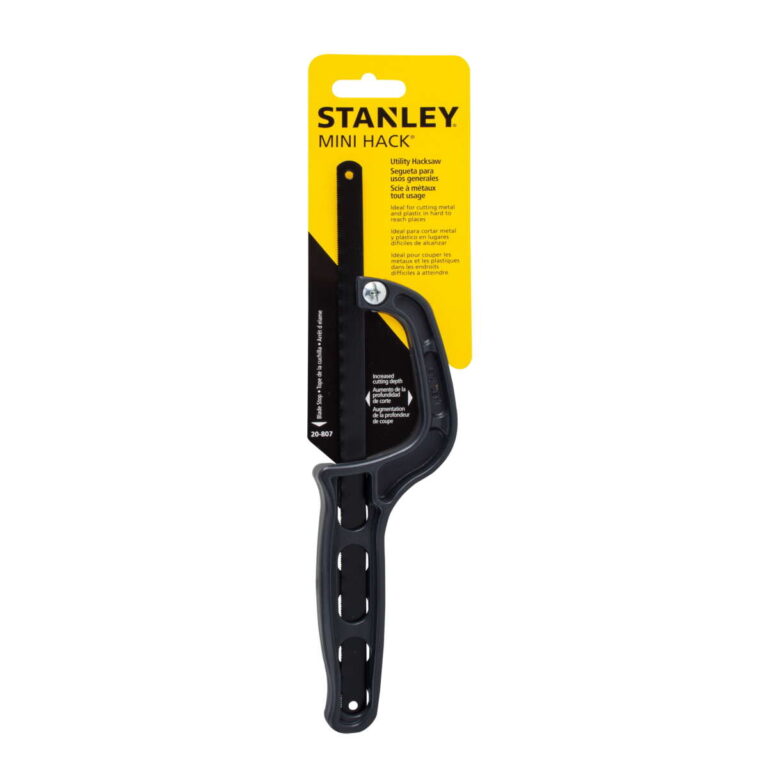
- Hacksaw: Best for steel rod, threaded rod, small pipe, bolts, and flat bar.
- Aviation snips: Best for thin sheet metal, ductwork, flashing, and aluminum panels.
- Tin snips: Useful for light-gauge sheet metal and simple straight cuts.
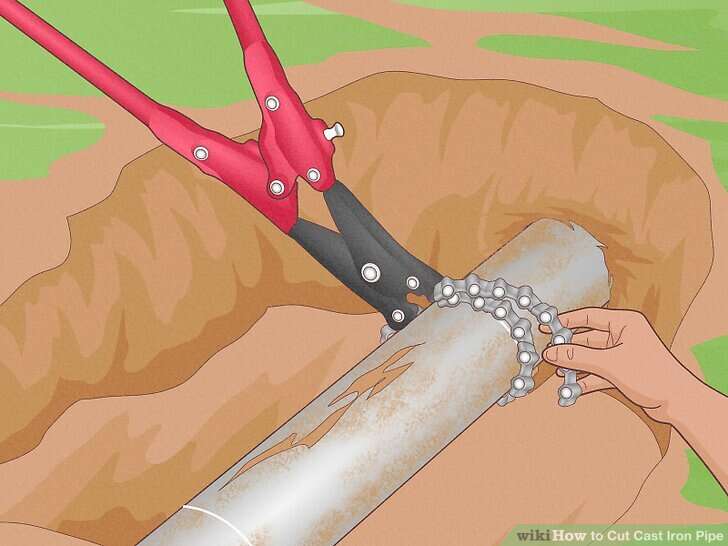
- Bolt cutters: Best for chains, soft steel bolts, wire mesh, and small metal rods.
- Cold chisel and hammer: Useful for scoring and splitting certain steel pieces.
- Jeweler’s saw: Good for thin metal, small parts, curves, and detailed work.
- Hand pipe cutter: Best for copper, brass, aluminum, and some thin steel tubing.
- Metal file: Used to smooth sharp edges after cutting, not usually for making the main cut.
- Hand nibbler: Helpful for controlled cuts in thin sheet metal.
- Tubing cutter: Makes clean cuts on round, thin-wall tubing with little distortion.
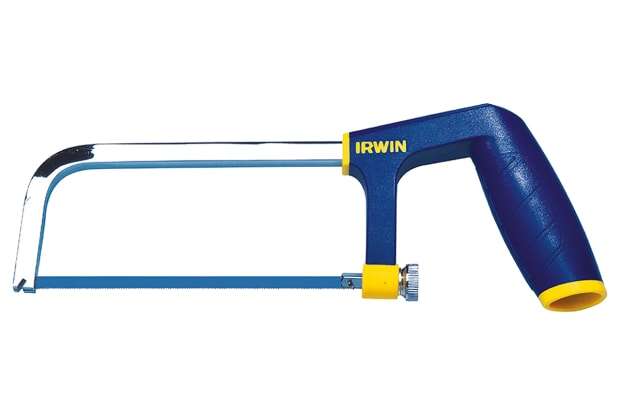
A hacksaw is the most versatile choice for general repairs. A model with a rigid frame and a fine-to medium-tooth blade gives better control than a loose, flexible frame.
When learning how to cut through metal without power tools, think of the tool as a match for the metal. Thin metal needs many small cutting teeth or shearing action. Thick metal needs a strong blade, repeated strokes, or a tool that applies high leverage.

Check the Metal Before You Cut
Metal is not one uniform material. Aluminum cuts much more easily than stainless steel. Mild steel is manageable with common hand tools, while hardened steel may require specialized equipment.
Before starting, identify these factors:
- Metal type: Steel, stainless steel, aluminum, copper, brass, and cast iron behave differently.
- Thickness: Measure the material instead of guessing.
- Shape: Flat sheet, pipe, angle iron, rod, wire, and tubing each need a different approach.
- Hardness: Hardened parts can quickly dull ordinary blades.
- Finish: Painted, galvanized, plated, or coated metal may create dust or fumes during cutting.
- Purpose: A rough cut may be acceptable for scrap, but a finished part needs a clean, accurate edge.
A magnet can help distinguish many steel parts from aluminum, copper, and brass. It is not a complete test because some stainless steels are weakly magnetic or nonmagnetic.
If the metal has an unknown coating, treat it with caution. Galvanized steel can release hazardous zinc oxide fumes when heated, and old painted metal may contain harmful substances. Manual cutting creates less heat than powered cutting, but friction and impact can still produce chips, dust, or small hot spots.
Do not cut pressurized cylinders, sealed containers, fuel tanks, or metal that may contain flammable residue. Even a small spark from a blade or chisel can ignite trapped vapor.
How to Cut Metal With a Hacksaw
A hacksaw is usually the best answer for how to cut through metal without power tools. It is affordable, easy to control, and suitable for many small metal-cutting tasks.
Use a blade with the correct tooth count:
- 18 teeth per inch: Good for thick steel and larger cuts.
- 24 teeth per inch: A useful general-purpose choice.
- 32 teeth per inch: Better for thin sheet, tubing, and small parts.
The blade should have at least two or three teeth touching the metal at all times. If the teeth are too large for thin stock, they can catch and bend the material. If the teeth are too fine for thick stock, the cut will be slow and the blade may clog.
Follow these steps:
- Mark the cut with a permanent marker or a fine scribe.
- Wrap masking tape around the mark if the line is hard to see.
- Secure the metal firmly in a vise.
- Install the blade with the teeth pointing forward.
- Start with short, light strokes to create a shallow groove.
- Keep the frame square to the metal.
- Use long, steady strokes that engage most of the blade.
- Apply pressure only on the forward stroke.
- Release pressure as you pull the blade back.
- Slow down as the cut nears completion.
Let the blade do the work. Pressing too hard may bend the blade, strip teeth, or make the cut wander. A drop of cutting oil can reduce friction on steel, though it is not always needed for thin aluminum or soft copper.
One practical lesson from hands-on metalwork is to watch the blade, not just the mark. If the blade begins to drift, stop and correct the angle early. Trying to force it back later often creates a crooked cut.

How to Cut Sheet Metal With Snips
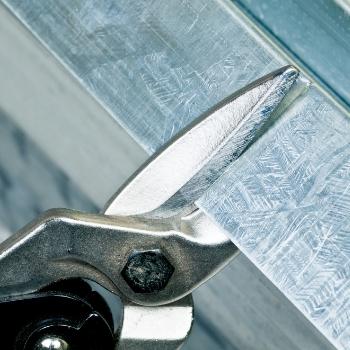
Aviation snips are designed to cut thin sheet metal by using a shearing action. They are common in roofing, HVAC, automotive repair, and general fabrication.
Snips are usually color coded:
- Red snips typically cut left curves.
- Green snips typically cut right curves.
- Yellow snips usually cut straight lines.
The color system can vary by brand, so check the tool markings before use. For a long straight cut, a pair of straight-cut snips may be enough. For curves, use the snips designed for the direction of the curve.
To cut sheet metal cleanly:
- Mark the cutting line clearly.
- Support the sheet near the cut.
- Open the snips fully before each cut.
- Make controlled bites instead of forcing long, deep cuts.
- Keep the waste side raised slightly when possible.
- Avoid twisting the snips from side to side.
- Stop before the handles become difficult to close.
Do not close the snips over the full depth of thick sheet metal if the handles become unsafe or the jaws begin to deform. Repeated overloading can damage the cutting edges.
Snips can leave a slightly curled edge. You can reduce this by making short cuts and supporting the sheet. Afterward, use a file or deburring tool to remove the sharp lip.
When learning how to cut through metal without power tools, remember that sheet metal can move suddenly when the final section breaks. Keep your free hand away from the cut line and wear gloves that protect against sharp edges without reducing control.
How to Cut Metal Rod, Chain, and Wire
Bolt cutters use long handles to multiply hand force. They work well on chains, wire rope, nails, mesh, small bolts, and softer steel rod. They are not designed to cut every type of metal.
Choose a cutter based on the material diameter and hardness. Longer handles provide more leverage, but they also create more force at the jaws. Never add a pipe extension to the handles. This can overload the tool and cause the jaws or handles to fail.
Use bolt cutters safely:
- Place the material deep in the jaws near the pivot.
- Keep the cutter square to the material.
- Use steady pressure instead of bouncing the handles.
- Support loose wire so it cannot whip away.
- Cover or secure the cut ends of springy wire.
- Wear eye protection because cut pieces may fly.
A bolt cutter may crush the end of a hollow tube instead of making a clean cut. It can also leave a rough, angled end on solid rod. If appearance matters, use a hacksaw and finish the edge with a file.
For hardened padlocks, hardened bolts, and high-strength chain, ordinary bolt cutters may fail. The tool may slip, chip, or send fragments outward. In that case, use a professional locksmith or metalworking service rather than escalating force.

How to Cut Metal With a Cold Chisel
A cold chisel can cut or split some metal through repeated impact. It is most useful for soft steel, bolts, rivets, sheet stock, and parts that do not require a perfectly smooth edge.
A cold chisel is different from a wood chisel. It has a tougher cutting edge made for metal and hammer impact. Never use a damaged chisel with a mushroomed striking head because the deformed metal can break away like shrapnel.
Use this method:
- Mark the cut line around the metal if possible.
- Secure the workpiece on a solid surface.
- Score a shallow groove along the line.
- Hold the chisel at a slight angle.
- Strike the chisel with controlled hammer blows.
- Rotate round stock as you deepen the groove.
- Finish the break with a file.
For sheet metal, place the work on a sacrificial steel plate or sturdy block. A chisel can distort thin material, so it is better for rough cuts than visible finished edges.
Never hold the workpiece in your hand while striking it. Small pieces can shift, and the hammer may glance off the chisel. Use a vise, clamp, or stable workbench.
This method is slower and less precise than a hacksaw. Still, it can be valuable when you need to remove a damaged bolt or separate scrap metal and have no room to use a saw frame.
How to Cut Pipe and Tubing by Hand
A hand pipe cutter makes some of the cleanest cuts without electricity. It works by tightening a cutting wheel against the pipe and rotating the tool around it.
Pipe cutters work especially well on:
- Copper plumbing tube
- Brass tube
- Aluminum tube
- Thin-wall steel tube
- Plastic-coated metal tube, when the tool is rated for it
To use one:
- Mark the cut around the pipe.
- Place the cutter over the mark.
- Tighten the wheel until it lightly contacts the surface.
- Rotate the cutter around the pipe.
- Tighten it slightly after each full rotation.
- Continue until the pipe separates.
- Remove the inner and outer burrs.
Do not tighten the wheel too much at the start. Excess pressure can crush thin tubing and create a crooked cut. Small adjustments produce a straighter result.
A hacksaw can also cut pipe. For a square cut, wrap a strip of paper around the pipe and align the paper edges. This creates a simple guide, though a pipe cutter remains more reliable.
For structural pipe, thick-wall steel, or large diameter tubing, manual cutting may be impractical. A professional fabricator may be needed, especially if the cut must carry a load or meet a precise fit.
How to Cut Thin Metal With a Jeweler’s Saw
A jeweler’s saw is useful for small, detailed cuts in thin metal. It has a narrow blade held under tension in a deep frame. The tool can cut curves, slots, holes, and small shapes that are difficult to make with a hacksaw.
Choose a fine blade for thin brass, copper, aluminum, or mild steel. Clamp the material close to the cut and keep the blade vertical. Use short, smooth strokes without twisting the frame.
A jeweler’s saw works best when:
- The metal is thin.
- The cut is small or curved.
- The workpiece needs a detailed shape.
- You can support the material close to the blade.
- Accuracy matters more than speed.
The blades are delicate. If the blade binds, stop and back it out rather than forcing the stroke. Keep a few spare blades nearby because breakage is common during early practice.
For a long cut, a jeweler’s saw becomes tiring and inefficient. Use a hacksaw or snips for larger work.
How to Make a Clean, Accurate Cut
The tool is only half the result. Good marking, support, and finishing often matter more than raw hand strength.
Use these practices:
- Measure twice before cutting.
- Mark a clear line with a scribe, marker, or layout dye.
- Mark the waste side so you know which side of the line to remove.
- Clamp the work close to the cut.
- Use a guide when making a long straight cut.
- Cut slightly outside the final line when accuracy is critical.
- Finish to the line with a file.
- Check the part with a square or ruler.
- Deburr both sides of the cut.
A file is your correction tool. A flat file can straighten an edge, while a half-round file works inside curves and tubing. Push the file across the metal on the forward stroke, then lift it during the return stroke.
For a smooth finish, begin with a coarse file and move to a fine file. Sandpaper wrapped around a small block can remove minor burrs, but it should not replace proper filing on a sharp edge.
A useful workshop habit is to leave a small amount of material for finishing. Cutting directly on the final dimension gives you no room to correct a wandering blade.
Metal-Cutting Safety Without Power Tools
Manual tools are quieter and often safer than power tools, but they are not risk free. Sharp edges, flying chips, heavy parts, and slipping tools can still cause serious injuries.
Wear the right protection:
- Safety glasses with side protection for routine work.
- A face shield over safety glasses for hammering, chiseling, or brittle metal.
- Cut-resistant gloves when handling sheet metal.
- Hearing protection during repeated hammer work.
- Long pants and closed-toe shoes.
- A dust mask or respirator only when it is selected for the specific contaminant.
Gloves can protect against cuts, but they can also reduce grip around rotating or moving tools. Since this guide focuses on hand tools, use gloves when handling sharp stock and remove them if they interfere with precise control.
Before cutting, inspect the tool:
- Replace cracked or loose handles.
- Do not use a hacksaw blade with missing teeth near the cut.
- Keep chisel heads free from mushrooming.
- Check that snip jaws meet correctly.
- Make sure vise jaws and clamps hold firmly.
- Keep the work area bright and free of clutter.
Control the workpiece, not just the tool. A secure piece is less likely to shift, pinch the blade, or send a sharp section across the room.
Safety guidance for metalwork consistently emphasizes eye protection, stable workholding, and control of flying particles. If the metal is coated, contaminated, pressurized, or structurally important, stop and obtain professional advice.
Common Mistakes to Avoid
Many poor cuts come from small setup errors rather than weak tools. Avoiding these mistakes makes how to cut through metal without power tools much easier.
Using the wrong blade
A coarse blade on thin sheet metal can catch and tear. A fine blade on thick steel can clog and wear quickly. Match the tooth size to the material thickness.
Cutting without a vise
Holding metal by hand makes the cut unstable. The work can vibrate, bend, or slide toward your fingers. Clamp it firmly and support long pieces.
Pushing on the return stroke
A hacksaw cuts on the forward stroke. Pushing backward adds friction and can damage teeth. Lift slightly on the return stroke.
Applying too much force
Heavy pressure does not always make the cut faster. It often bends the blade and causes a crooked cut. Use steady strokes and let the teeth remove the material.
Ignoring burrs
A freshly cut edge can be sharper than a knife. Always inspect both sides and remove burrs with a file or deburring tool.
Striking a damaged chisel
A mushroomed chisel head can shed metal fragments. Grind or replace it before use, and wear a face shield when striking.
Cutting unknown coated metal
Paint, plating, and galvanizing may produce harmful dust or fumes. Identify the coating first, use ventilation, and avoid cutting suspicious material.
Selecting a Method by Metal Thickness
Thickness is one of the best clues when deciding how to cut through metal without power tools. The following guide gives practical starting points, but tool capacity varies by brand and material hardness.
| Material or shape | Usually suitable hand tool |
|---|---|
| Thin aluminum sheet | Aviation snips or hand nibbler |
| Thin steel sheet | Aviation snips, hacksaw, or nibbler |
| Copper tubing | Hand pipe cutter or hacksaw |
| Small steel rod | Hacksaw or bolt cutters |
| Threaded rod | Hacksaw or bolt cutters |
| Wire mesh | Bolt cutters or snips |
| Small steel pipe | Pipe cutter or hacksaw |
| Small brass parts | Jeweler’s saw or hacksaw |
| Thick mild-steel bar | Heavy hacksaw and vise |
| Hardened steel | Specialist tool or professional service |
| Large structural steel | Professional cutting equipment |
These are broad guidelines, not guarantees. A thin piece of hardened steel may be harder to cut than a thicker piece of soft aluminum.
When the job requires more force than you can apply safely, stop. A slow cut is acceptable. A slipping tool, bent blade, or damaged workpiece is not.
Personal Lessons From Manual Metal Cutting
The biggest lesson in how to cut through metal without power tools is that preparation saves more effort than strength. A poor setup can make a simple cut feel impossible. A square mark, solid vise, and sharp blade can make the same job feel easy.
One common mistake is starting with long, forceful strokes. Short strokes are better at first because they create a guide groove. Once the groove is established, longer strokes keep the blade aligned and remove metal faster.
Another lesson is to protect the finished surface. Clamp soft aluminum or brass with wood scraps between the vise jaws and the metal. This prevents deep jaw marks that are difficult to remove later.
I also recommend keeping a file within reach. Many people focus on making the cut and forget that the final fit often depends on five minutes of careful filing. The file turns a rough break into a useful edge.
If the material starts to bend, stop and support it closer to the cut. Bending changes the blade angle and can pinch the teeth. Metal behaves like a spring in this situation: the more you fight it, the more it pushes back.
Frequently Asked Questions About How to Cut Through Metal Without Power Tools
What is the easiest way to cut metal by hand?
For most small jobs, a hacksaw is the easiest and most versatile option. Use aviation snips for thin sheet metal and a hand pipe cutter for thin tubing.
Can I cut thick metal without power tools?
Yes, but thick or hardened metal may require a heavy-duty hacksaw, strong vise, quality blades, and patience. If the material is structural, hardened, or too large to hold securely, use a qualified professional.
Can regular scissors cut metal?
Regular scissors should not be used for metal because the material can damage the blades and cause slipping. Use aviation snips or tin snips for thin sheet metal.
Is it safe to cut galvanized metal by hand?
Manual cutting reduces heat and fumes compared with torch cutting, but galvanized coatings can still create particles and sharp edges. Wear eye protection, provide ventilation, and avoid heating the coating.
How do I cut metal without making sharp edges?
Leave a small amount of extra material, then smooth the edge with a flat file or deburring tool. Check both sides because burrs may form on the front and back.
What tool cuts metal rod without electricity?
A hacksaw works well for most small metal rods. Bolt cutters are faster for suitable soft or medium-hard rod, wire, and chain.
Can a cold chisel cut steel?
A cold chisel can score or split some mild steel, bolts, rivets, and sheet metal. It is less suitable for hardened steel and usually leaves a rough edge that needs filing.
Conclusion
How to cut through metal without power tools comes down to three choices: match the tool to the metal, secure the workpiece, and use controlled pressure. A hacksaw handles many general cuts, snips work well on sheet metal, bolt cutters suit wire and chain, and pipe cutters create clean cuts in tubing.
Measure carefully, protect your eyes and hands, and finish every cut by removing burrs. Start with a simple piece of scrap metal to test your method before cutting the final part. Try these techniques on your next repair, and share your results or questions with a metalworking community for more practical advice.
Recent Tool Guides
 Hammer
How To Hammer Flowers Onto Paper: Easy Guide
Learn how to hammer flowers onto paper with simple steps, helpful tips, and beautiful results for...
Read Guide → Wrench
How To Use A Hex Wrench: Easy Step-By-Step Guide
Learn how to use a hex wrench correctly with simple steps, helpful tips, and common mistakes...
Read Guide → Hacksaw
How To Cut Curtain Pole With Hacksaw: Easy Guide
Learn how to cut curtain pole with hacksaw safely and neatly. Follow simple steps for accurate...
Read Guide → Wrench
How To Use A Husky Torque Wrench: Easy Guide
Learn how to use a Husky torque wrench correctly with simple steps, torque settings, and safety...
Read Guide → Hammer
How To Hold A Hammer: Safe Grip Guide
Learn how to hold a hammer with the right grip, stance, and technique for safer, more...
Read Guide → Hacksaw
How To Cut Flexible Metal Conduit With Hacksaw: Easy Guide
Learn how to cut flexible metal conduit with hacksaw safely and cleanly. Follow simple steps for...
Read Guide →