Will A Junior Hacksaw Cut Metal: Complete Guide
For a U.S. homeowner, DIYer, or repair worker, the short answer is yes—a junior hacksaw can cut many types of metal. It works well on small jobs such as cutting threaded rod, screws, copper pipe, aluminum strip, brass parts, and mild-steel bar.
However, a junior hacksaw is a small hand tool. It is best for thin or small metal pieces. Thick steel, hardened metal, stainless steel, and large cuts can take a long time and may need a full-size hacksaw, an angle grinder, a reciprocating saw, or a metal-cutting band saw.
The result depends on three things:
- The type and thickness of the metal
- The blade’s tooth count and quality
- How well the work is held and supported
What Is a Junior Hacksaw?
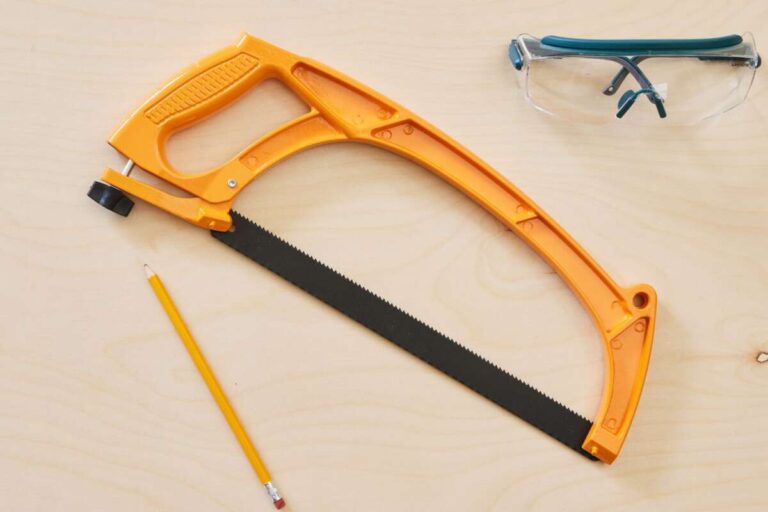
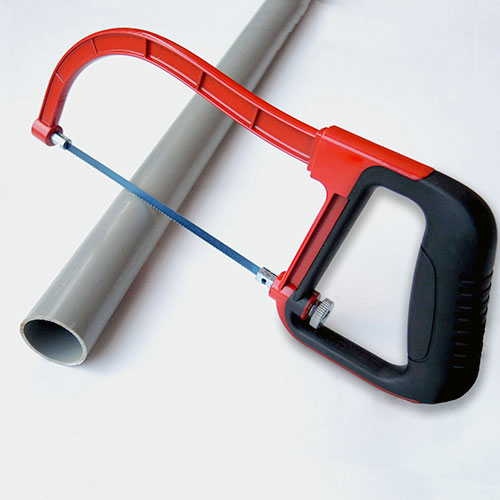
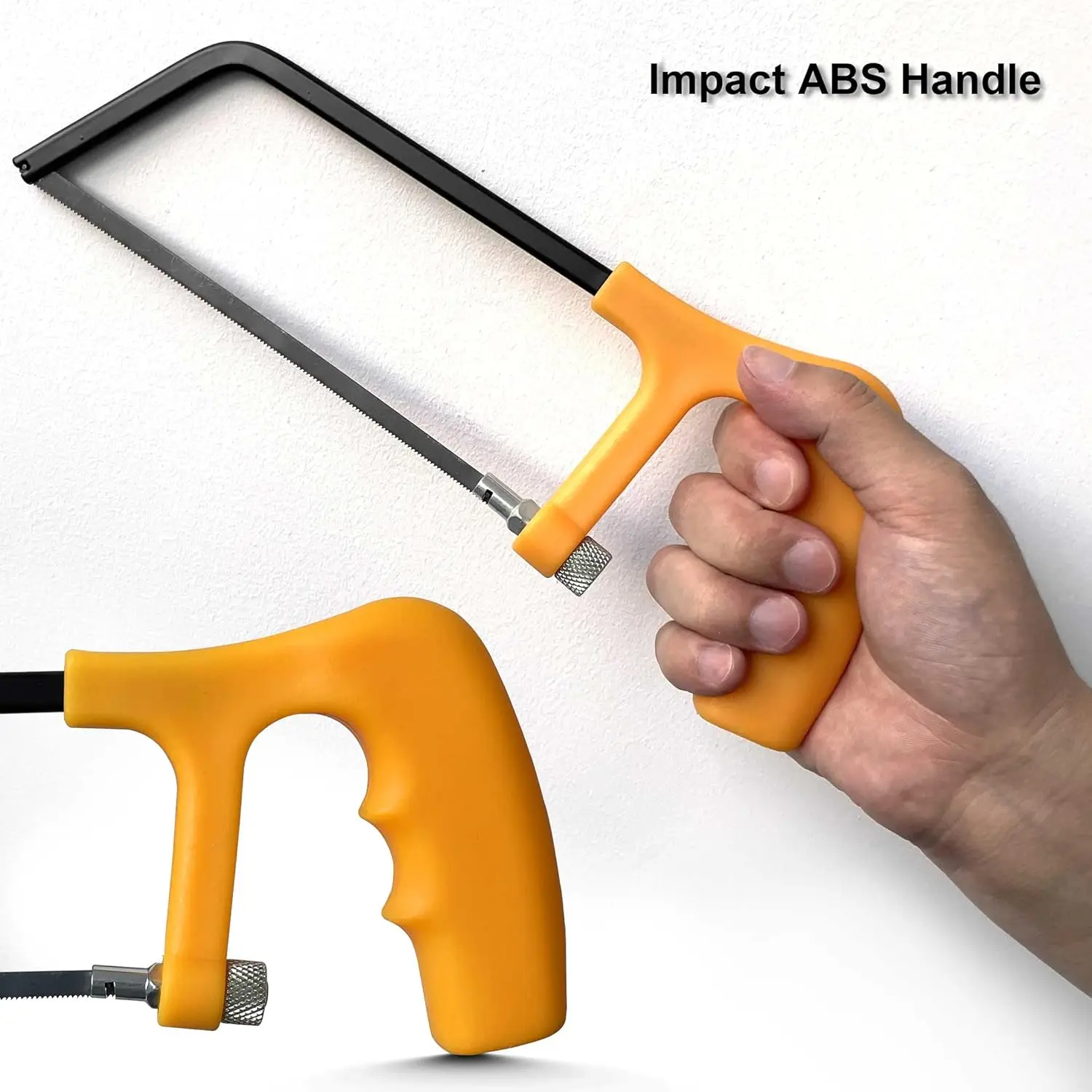
A junior hacksaw is a compact metal-cutting saw with a small frame and a narrow replaceable blade. Most models use blades about 6 inches long, though sizes can vary.
The blade has fine teeth designed to remove small amounts of metal with each stroke. Unlike a wood saw, a metal-cutting blade has many small teeth. The teeth must stay in contact with the work to prevent chattering and tooth damage.
A junior hacksaw is useful when:
- The workpiece is small
- You need a low-cost hand tool
- There is little room for a larger saw
- You need a clean cut without sparks
- You are working away from power
It is not the same as a full-size hacksaw. A full-size hacksaw usually has a longer blade, a stronger frame, and more cutting capacity. The junior version is easier to control but removes metal more slowly.
Which metals can it cut?
A junior hacksaw can cut many common metals, including:
| Metal | Can a junior hacksaw cut it? | Practical note |
|---|---|---|
| Mild steel | Yes | One of the best uses |
| Threaded rod | Yes | Clamp it firmly to prevent vibration |
| Copper pipe | Yes | Use a fine blade and light pressure |
| Brass | Yes | Support thin parts to avoid bending |
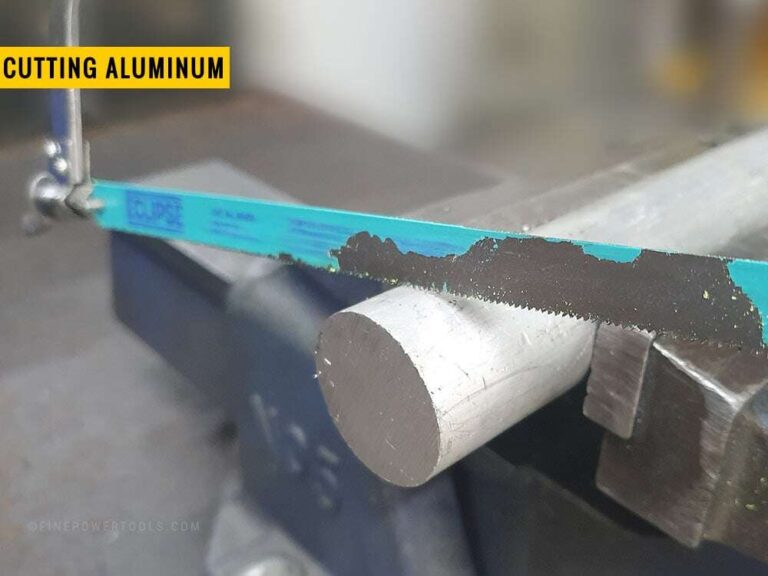
| Aluminum | Yes | Clear chips often to prevent clogging |
| Sheet metal | Yes | Prevent flexing and sharp movement |
| Stainless steel | Usually | Slow work; use a sharp bi-metal blade |
| Cast iron | Sometimes | Brittle and dusty; a powered tool may be better |
| Hardened steel | Usually no | A normal junior blade may skate or wear out |
| Tool steel | Not usually | Choose an abrasive or specialist cutting method |
The phrase “cut metal” covers many materials. Soft aluminum and thin mild steel are far easier to cut than thick stainless steel or hardened tool steel.

How to Choose the Right Junior Hacksaw Blade
The blade matters as much as the saw frame. A poor blade can make a simple cut feel impossible.
Choose the tooth count carefully
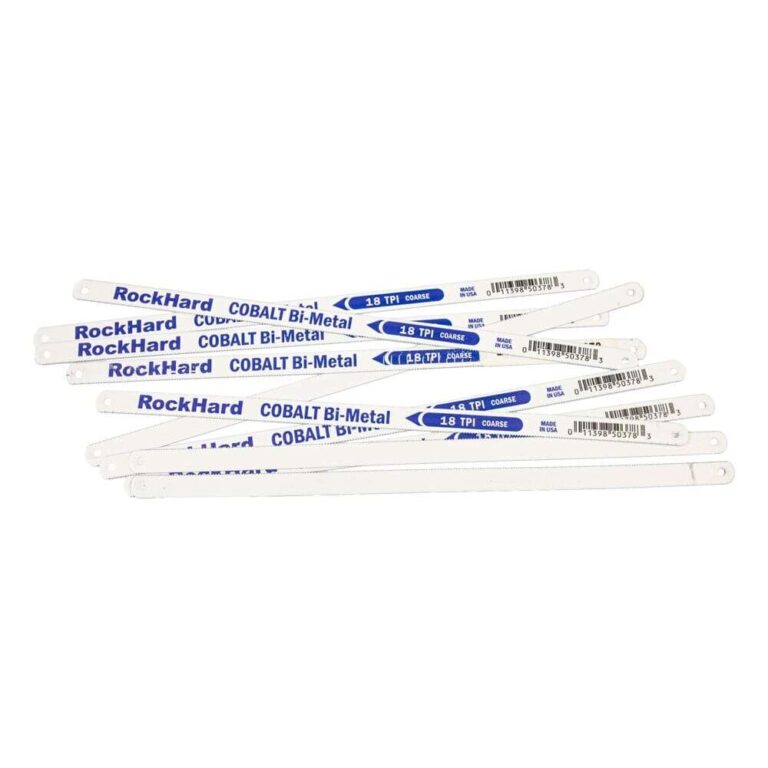
Hacksaw blades are commonly rated by teeth per inch, or TPI. Common choices include 18, 24, and 32 TPI.
| Blade type | Best use |
|---|---|
| 18 TPI | Thicker metal and larger sections |
| 24 TPI | General-purpose metal cutting |
| 32 TPI | Thin sheet metal, tubing, and small parts |
Use a blade with at least two or three teeth in the metal at all times. This reduces the chance of snagging and breaking teeth.
For example, a coarse 18-TPI blade may work well on a thick steel rod. It can catch or vibrate on thin sheet metal. A fine 32-TPI blade is better for thin tubing, but it may clog or cut slowly in thick material.
Carbon steel or bi-metal?
Basic carbon-steel blades cost less and can handle light work. They are suitable for soft metals and occasional cuts.
Bi-metal blades combine a flexible steel body with harder teeth. They usually resist tooth breakage better and are a better choice for repeated cuts or tougher metals.
For stainless steel, thick mild steel, or frequent workshop use, a sharp bi-metal blade is usually the safer choice for both speed and blade life. This does not make a junior hacksaw a high-speed tool, but it can reduce frustration.
Check the blade fit and direction
Before cutting, make sure:
- The blade fits the junior hacksaw frame.
- The teeth point forward, away from the handle.
- The blade is tight enough to stay straight.
- The blade is not bent, cracked, or missing teeth.
Most hacksaw blades cut on the forward stroke. If the teeth face backward, the saw will perform poorly and may damage the blade.

How to Cut Metal With a Junior Hacksaw
A careful setup makes more difference than force. Follow this process for a clean and controlled cut.
1. Mark the cut
Use a permanent marker, scriber, or layout fluid to mark the cut line. A square or ruler helps keep the line straight around a tube or bar.
For a pipe or round rod, mark the line all the way around the material. This gives you a guide as the saw moves around the surface.
2. Secure the metal
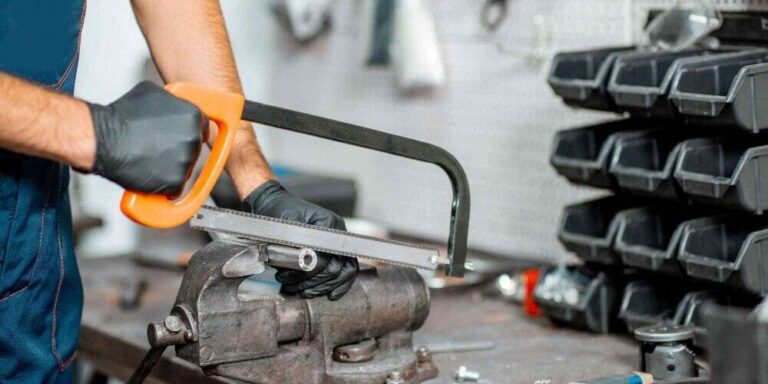
Clamp the metal in a vise whenever possible. Place the cut close to the vise jaws, but leave enough room for the blade and frame.
Support thin sheet metal on both sides of the cut. Unsupported metal can flex, which causes vibration and makes the blade catch.
Do not hold the workpiece in your hand while sawing. The blade may slip, and the cut edge can become sharp without warning.
3. Start with a shallow groove
Hold the saw at a low angle for the first few strokes. Use short, light movements to create a small groove on the cut line.
Once the groove is established, raise the saw and use longer strokes. The groove keeps the blade from wandering.
4. Use steady pressure
Push the saw forward with firm but moderate pressure. Reduce pressure on the return stroke.
Do not force the blade. Excess force can:
- Bend the blade
- Break teeth
- Make the cut crooked
- Cause the saw to jump
- Heat the workpiece and blade
Let the teeth remove the metal. A steady rhythm is usually faster than aggressive strokes.
5. Keep the blade straight
Try to use most of the blade length with each stroke. Short, repeated strokes in one small area wear the same section of teeth and can create uneven cutting.
Keep the saw aligned with the cut. Twisting the frame can bind the blade, especially in narrow slots.
6. Slow down near the end
As the blade approaches the other side, support the offcut. Use lighter pressure during the final strokes.
This helps prevent the remaining metal from snapping and tearing the last part of the cut. It also reduces the chance of damaging the workpiece.
7. Remove the burr
A burr is a sharp ridge left along the cut edge. Remove it with a metal file, deburring tool, or fine abrasive paper made for metal.
Check the edge with care. Do not run a bare finger along a fresh metal cut.
How do you know the cut is going well?
A successful cut usually has these signs:
- The blade stays in the marked groove
- The saw moves without strong vibration
- Metal chips appear along the cut
- The blade does not bind
- The workpiece stays firmly in place
- The cut remains reasonably square
If the blade produces only dust, squeals, or skates across the surface, stop and inspect the setup.

What to Do When the Junior Hacksaw Will Not Cut
A junior hacksaw may seem ineffective for several different reasons. Check the simple and safe causes first.
The blade is dull
A dull blade creates heat and requires excessive pressure. Replace it rather than trying to force it through the metal.
The blade has the wrong TPI
A blade that is too coarse may catch in thin metal. A blade that is too fine may clog in thick metal.
As a general guide:
- Use 18 TPI for thicker steel sections.
- Use 24 TPI for common general-purpose work.
- Use 32 TPI for thin sheet, small tubing, and narrow parts.
The metal is moving
Movement wastes your effort and can break teeth. Tighten the vise and support the material near the cut.
For thin sheet, clamp a sacrificial piece of wood or another firm support behind the sheet when practical. This can reduce vibration.
The blade is loose
A loose blade bends during the stroke and may wander from the cut line. Tighten the frame until the blade is firm and straight, but do not overtighten it to the point of damaging the frame or blade.
The metal is hardened
If the blade slides over the surface without making a groove, the metal may be hardened. A standard junior hacksaw may not be the right tool.
Do not keep pushing harder. Use a tool and abrasive method rated for the material, or ask a metalworking professional to identify it before cutting.
The cut is too large for the tool
A junior hacksaw can cut a thick bar, but the work may be slow and tiring. If the cut is deep, repeated, or time-sensitive, use a full-size hacksaw or powered metal-cutting tool.

Safety Rules for Cutting Metal by Hand
Hand sawing is slower than using a power tool, but it still creates hazards. Metal edges, broken blades, and small chips can cause injury.
Follow these basic precautions:
- Wear safety glasses with side protection.
- Clamp the work securely.
- Keep both hands behind the blade teeth.
- Keep loose clothing, cords, and hair away from the saw.
- Replace damaged or bent blades.
- File sharp edges after cutting.
- Clean metal chips with a brush rather than bare hands.
- Keep the work area well lit.
- Do not cut material that may be connected to live electrical power.
- Use hearing and face protection if another powered tool is operating nearby.
Gloves can protect against sharp edges, but they must fit well and must not interfere with control. Do not use loose gloves around moving machinery.
Metal dust and chips can also be hazardous. If the work creates a large amount of dust, use suitable ventilation and follow the safety instructions for the material and tool.
If you are cutting painted, coated, galvanized, or unknown metal, avoid heating it unnecessarily. Coatings can release harmful fumes when heated. A hand hacksaw creates less heat than a grinder, but the material still deserves caution.

Junior Hacksaw vs. Other Metal-Cutting Tools
A junior hacksaw is not always the best option. Choose the tool based on the metal, cut size, access, and finish needed.
| Tool | Best for | Main advantage | Main limitation |
|---|---|---|---|
| Junior hacksaw | Small, light cuts | Low cost and good control | Slow on thick metal |
| Full-size hacksaw | Larger hand-cutting jobs | Longer blade and stronger frame | Needs more working space |
| Metal-cutting snips | Thin sheet metal | Fast for straight or curved cuts | Not for thick bar or rod |
| Angle grinder | Thick steel and fast removal | Very fast | Sparks, noise, dust, and heat |
| Reciprocating saw | Demolition and awkward access | Cuts quickly in many positions | Less precise and more vibration |
| Metal-cutting band saw | Repeated accurate cuts | Clean, controlled cuts | Larger cost and less portability |
| Tubing cutter | Thin-wall copper or similar tubing | Clean, round cut | Limited to compatible tubing |
Use a junior hacksaw when control and simplicity matter more than speed. Move to a powered tool when the material is thick, the number of cuts is high, or the work requires a precise production finish.
A grinder or saw can also create sparks and more heat. That makes the surrounding environment important. Keep flammable materials away and follow the tool maker’s instructions.

Common Mistakes to Avoid
Several habits make hand-cutting metal harder than it needs to be.
Using a wood-saw blade
A wood blade has a different tooth pattern and is not designed for metal. It may snag, dull quickly, or become damaged.
Cutting without a vise
Even a small piece can move under force. Movement creates rough cuts and increases the chance of slipping.
Pressing hard on every stroke
The blade should cut through the metal, not act like a pry bar. Heavy pressure can break the blade or twist the cut.
Starting with long strokes
Long strokes can cause the blade to slide off the mark. Start with short strokes until you have a clear groove.
Ignoring the waste side
Decide which side of the line is waste before cutting. If the finished dimension matters, keep the blade on the waste side and leave a small amount for filing.
Cutting through a hidden cable or pipe
Before cutting metal in a wall, vehicle, appliance, or building system, identify what is behind or inside it. Stop if you cannot confirm that the area is safe.
Leaving the edge unfinished
A cut edge may look harmless but still have a sharp burr. File it before handling, fitting, or painting the part.
Key Takeaways
- Yes, a junior hacksaw can cut metal.
- It works best on small pieces and thin to moderate sections.
- Mild steel, copper, brass, aluminum, and threaded rod are common targets.
- Stainless steel may be cut, but it takes more time and needs a sharp blade.
- Use 18, 24, or 32 TPI based on the metal’s thickness.
- Clamp the work, start with a shallow groove, and use steady pressure.
- Replace dull blades instead of forcing them.
- Use safety glasses and remove sharp burrs after cutting.
- Choose a larger or powered tool for thick, hardened, or repeated cuts.
Frequently Asked Questions
Can a junior hacksaw cut stainless steel?
Yes, it can cut some stainless steel, especially thin sheet, small tubing, and narrow bar. Use a sharp bi-metal blade, secure the work firmly, and use steady pressure. Stainless steel can work-harden if you rub the blade over the surface without cutting, so avoid excessive pressure and repeated skating.
Can a junior hacksaw cut a bolt?
Yes. A junior hacksaw can cut bolts, screws, and threaded rod. Clamp the bolt securely and protect the threads if you need to reuse the remaining section. After cutting, file the end or use a die to restore damaged threads.
Can it cut aluminum?
Yes. Aluminum is relatively easy to cut with a junior hacksaw. A fine or medium blade often works well. Clear chips from the teeth if they begin to clog, and support thin aluminum so it does not bend.
Can a junior hacksaw cut thick steel?
It may, but the work can be very slow. A thick steel bar can require many strokes and may produce an uneven cut if it is not clamped well. For thick or repeated cuts, a full-size hacksaw or metal-cutting power tool is usually more practical.
Why does my hacksaw blade keep breaking?
Common causes include a loose blade, too much pressure, a bent frame, incorrect tooth direction, twisting during the cut, or a workpiece that is not clamped. Check the blade fit and alignment before starting again.
Should I use oil when cutting metal?
A suitable cutting fluid can reduce friction in some metal-cutting jobs, but it is not always needed for small cuts. Follow the blade or tool maker’s guidance. Keep fluids away from electrical equipment, flames, and surfaces where slipping could create a hazard.
Conclusion
A junior hacksaw will cut many types of metal when you match the blade to the material and keep the work secure. It is a good choice for small repairs, threaded rod, tubing, sheet metal, and light fabrication.
Use a sharp metal-cutting blade, make a starter groove, and let the teeth do the work. If the metal is hardened, very thick, or part of a large batch of cuts, switch to a tool designed for that job rather than forcing the junior hacksaw.
Recent Tool Guides
 Hammer
How To Hammer Flowers Onto Paper: Easy Guide
Learn how to hammer flowers onto paper with simple steps, helpful tips, and beautiful results for...
Read Guide → Wrench
How To Use A Hex Wrench: Easy Step-By-Step Guide
Learn how to use a hex wrench correctly with simple steps, helpful tips, and common mistakes...
Read Guide → Hacksaw
How To Cut Curtain Pole With Hacksaw: Easy Guide
Learn how to cut curtain pole with hacksaw safely and neatly. Follow simple steps for accurate...
Read Guide → Wrench
How To Use A Husky Torque Wrench: Easy Guide
Learn how to use a Husky torque wrench correctly with simple steps, torque settings, and safety...
Read Guide → Hammer
How To Hold A Hammer: Safe Grip Guide
Learn how to hold a hammer with the right grip, stance, and technique for safer, more...
Read Guide → Hacksaw
How To Cut Flexible Metal Conduit With Hacksaw: Easy Guide
Learn how to cut flexible metal conduit with hacksaw safely and cleanly. Follow simple steps for...
Read Guide →